Disney movies have given us some of the most magical, unforgettable stories ever told. But if you look a little closer, you start to notice some pretty wild plot holes and logic gaps that nobody ever talks about.
From mermaids trading voices for boys they just met to talking cars with no explanation for where humans went, these movies are full of moments that make you scratch your head. Here are 15 of the silliest things we all quietly ignore every time we watch our favorite Disney films.
1. Ariel Gives Up Her Voice for a Guy She Just Met
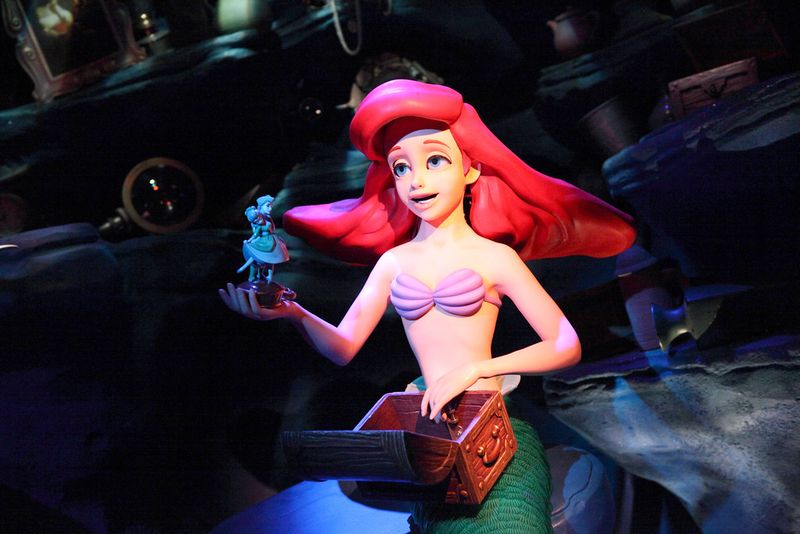
Falling in love fast is one thing, but Ariel takes it to a whole new level. In The Little Mermaid, she agrees to give up her most powerful asset, her voice, for a prince she has spoken exactly zero words to.
Their entire “connection” is based on her watching him from a distance during a storm.
Think about that for a second. She trades away the one thing that makes her unique just to impress someone who has never heard her speak.
There is no conversation, no shared interest, and no real relationship to speak of.
Even by fairy tale standards, this is a stretch. Ariel already wanted to be human before Eric showed up, so the love angle feels like a bonus justification.
Still, audiences everywhere cheer her on without blinking, which says a lot about how charming this movie really is.
2. Belle Suffers from Small Town Syndrome
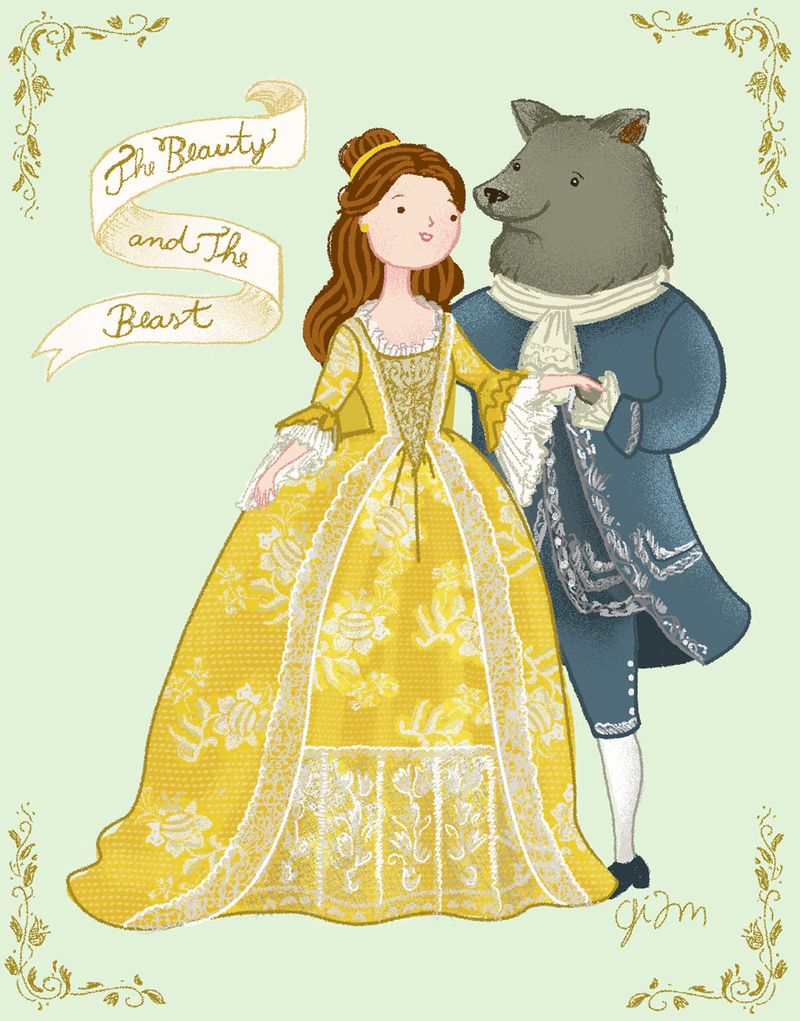
Belle spends the opening minutes of Beauty and the Beast complaining about her boring, provincial life in a town that honestly looks pretty lively. There are bakeries, bookstores, a tavern full of rowdy customers, and a crowd big enough to perform a full musical number on command.
For a place she calls dull and small, the village seems to have a pretty solid economy and social scene. Most real small towns would love to have that kind of foot traffic on a Tuesday morning.
What Belle really seems to want is intellectual stimulation, which is fair. But the movie frames the entire town as beneath her, which feels a little unfair to the perfectly nice people living there.
Gaston alone brings enough drama to keep things interesting for years. Maybe Belle just needed a library card and a little patience.
3. Cinderella’s Glass Slipper Is Somehow One-of-a-Kind
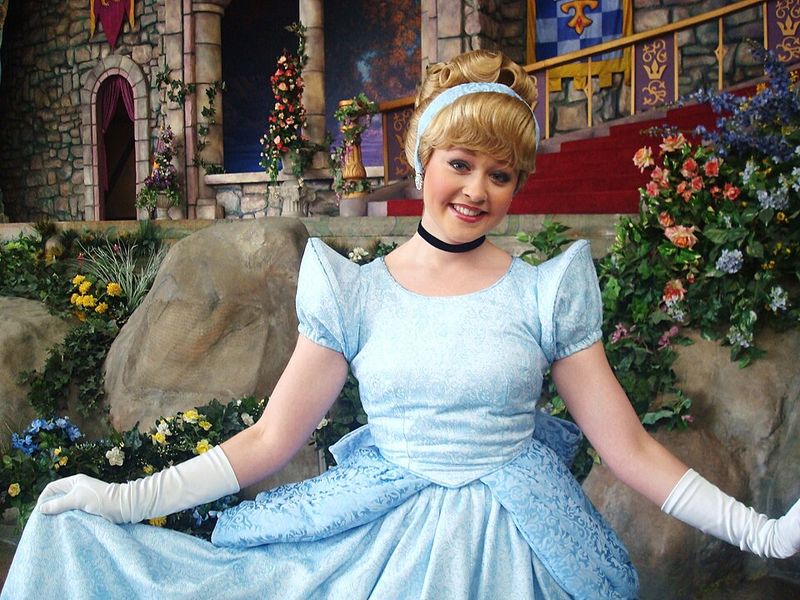
Here is a detail that does not get nearly enough attention. At midnight, Cinderella’s ballgown vanishes, her carriage turns back into a pumpkin, and her horses become mice again.
Everything the Fairy Godmother created disappears right on schedule, except for one thing: the glass slipper.
Why does the shoe stick around? The movie never explains it.
Some fans have theorized that it was already magic before the spell, or that Cinderella’s own wish kept it in place. But the film offers no real answer, and nobody in the story seems bothered by the inconsistency.
It also raises a practical question. If the slipper is made of glass, how is Cinderella dancing in it all night without serious foot pain?
Glass is not exactly known for arch support. But sure, let us focus on the romance and not ask too many questions about the footwear logistics.
4. Nobody Recognizes Clark Kent, Sorry, Prince Charming
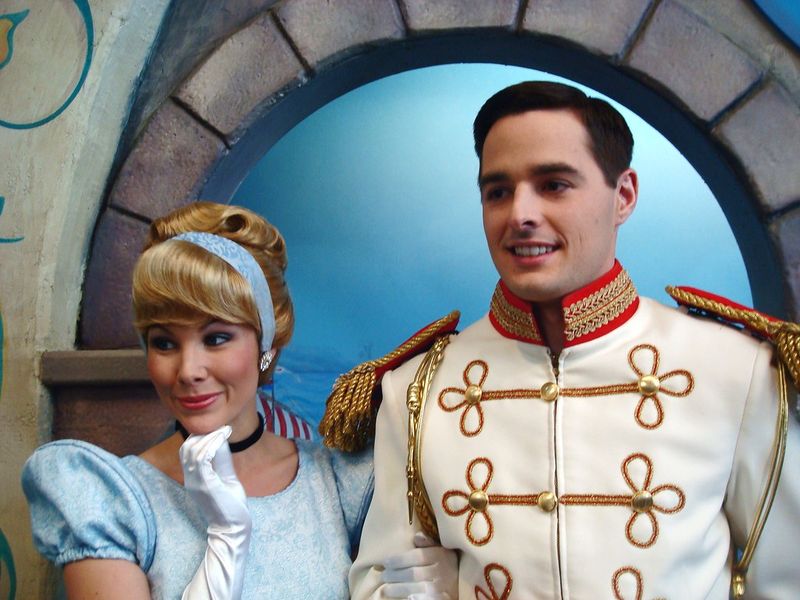
Prince Charming dances with Cinderella all night at a royal ball he personally hosted, yet somehow cannot remember what she looks like the next morning. His brilliant solution is to travel the entire kingdom asking women to try on a single shoe instead of simply describing the girl he met.
This plan makes very little sense when you think about it. He could have told the royal guards she had brown hair, a particular style of dress, or came from a certain part of town.
Any of those details would have narrowed things down considerably.
Instead, the whole kingdom gets turned upside down over a shoe fitting. The stepsisters even try to cram their feet into it, which should have been a red flag for everyone involved.
The prince essentially outsourced his entire romantic memory to footwear, and somehow it all works out anyway. Classic fairy tale logic at its finest.
5. Simba’s Return Plan Is Ridiculously Simple
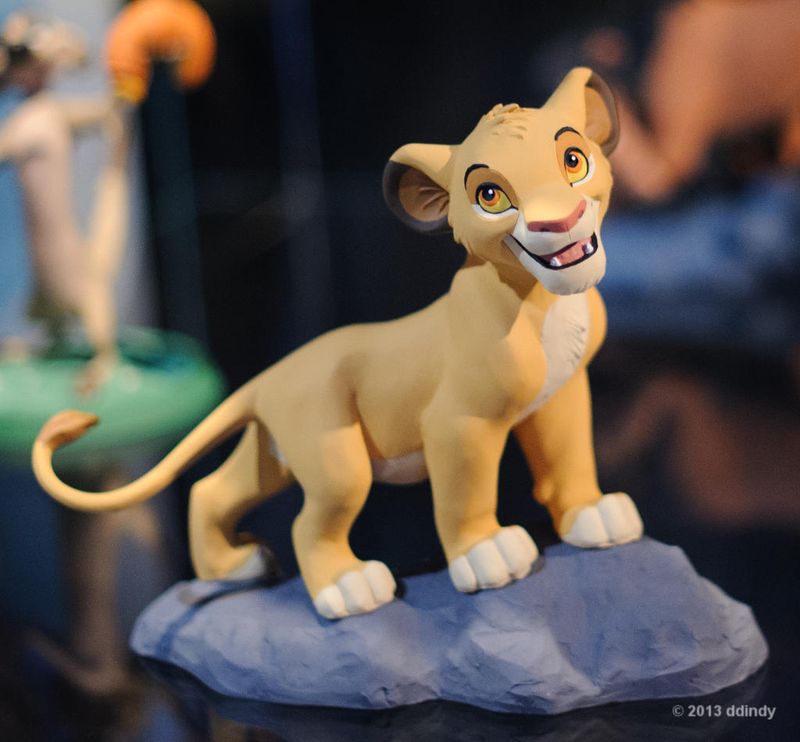
Simba spends years hiding in the jungle, eating bugs, and avoiding his past. Then a ghost version of his father shows up in the clouds, and suddenly Simba decides it is time to go home.
The plan? Walk back to Pride Rock and challenge Scar directly.
That is pretty much it.
There is no strategy, no coalition building, no preparation. He just shows up and roars.
Fortunately for him, the lionesses are already fed up with Scar’s leadership, and Timon and Pumbaa provide a surprisingly effective distraction involving a hula dance.
What makes this even funnier is that Simba left as a cub and returned as a full-grown lion, yet Scar still underestimates him. The whole climax wraps up in about ten minutes after years of buildup.
Audiences accept it completely because the emotional payoff is so strong that the thin logic just does not matter.
6. Mulan Somehow Hides Her Identity for Months
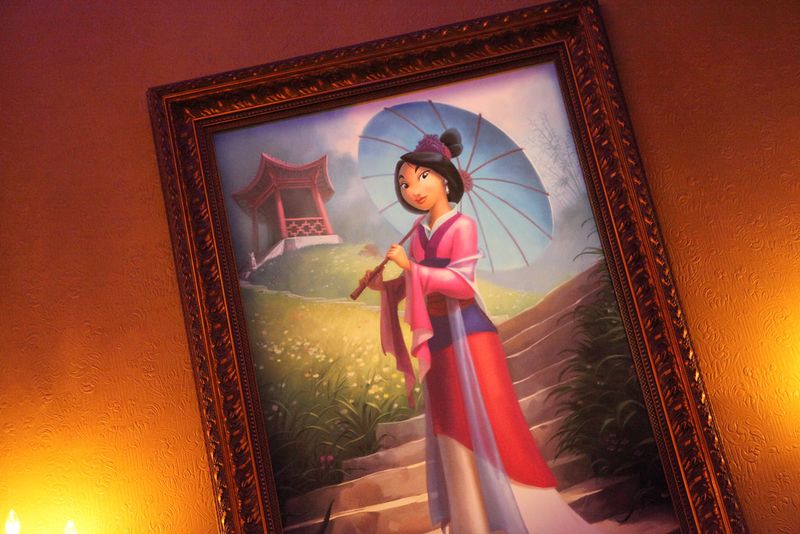
Mulan joins the Chinese army disguised as a man and manages to keep her identity hidden through weeks of grueling physical training, shared sleeping quarters, and close daily contact with her fellow soldiers. That is an impressive feat by any measure, fictional or otherwise.
The movie does a decent job of showing her avoiding certain situations, but it still stretches believability. At one point, the entire unit jumps into a lake, and nobody notices anything unusual.
The film kind of just breezes past that one and hopes you are too entertained to question it.
What makes the reveal land so well is that by the time everyone finds out, Mulan has already proven herself as a warrior. The audience has long stopped caring about the logic and started rooting for her completely.
It is one of those cases where emotional investment beats plot scrutiny every single time.
7. Rapunzel Never Questions Floating Lantern Day
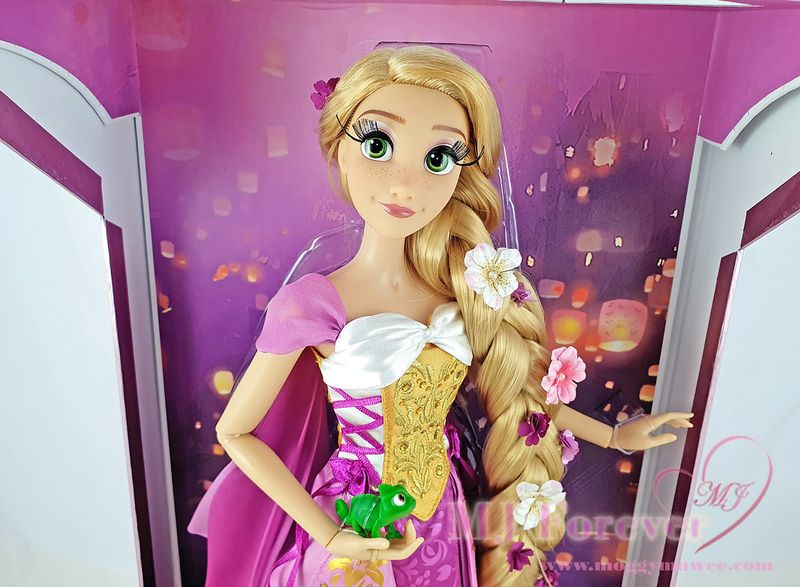
Every single year, on Rapunzel’s birthday, thousands of glowing lanterns fill the sky above her tower. She has watched this happen her entire life and finds it deeply moving.
She even paints murals of it on her walls. And yet, for eighteen years, she never seriously tries to find out why it happens.
Mother Gothel has convinced Rapunzel that the outside world is too dangerous to explore, which explains some of the hesitation. But the lanterns clearly mean something personal to Rapunzel on a gut level.
You would think the curiosity alone would drive her to push harder for answers much sooner.
Once she finally leaves the tower and sees the lanterns up close, everything clicks into place immediately. The clues were always there in her own artwork.
It is one of those movie moments that makes you want to rewatch the beginning with fresh eyes and appreciate how well the story was set up.
8. Elsa Could Have Solved Everything with a Conversation
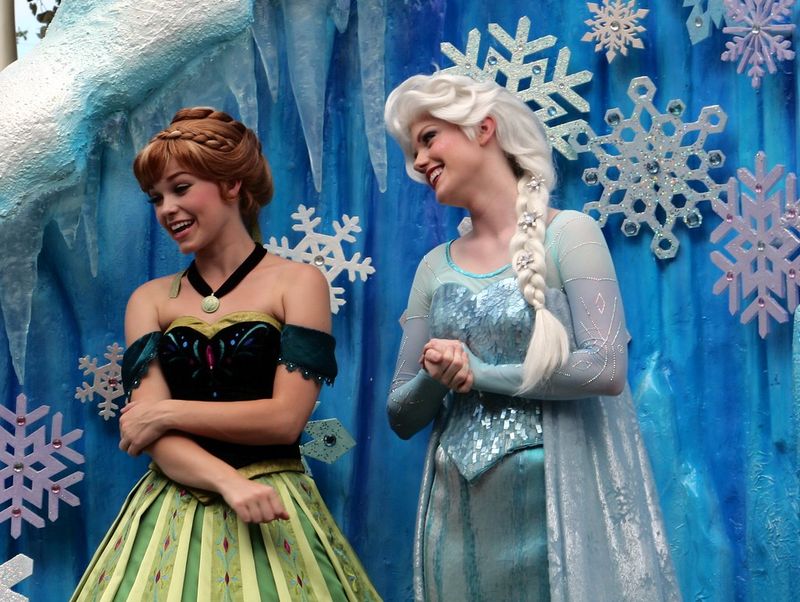
Frozen is a beautifully animated film with a genuinely touching story about sisterhood. But the central conflict, which throws an entire kingdom into eternal winter, basically comes down to two sisters who never sit down and talk honestly with each other.
Anna spends most of the movie trying to reach Elsa, and Elsa spends most of it running away. If either of them had simply said what they were feeling out loud at the right moment, the ice storm and the dramatic mountain chase could have been skipped entirely.
To be fair, the film is actually aware of this dynamic and makes it part of the point. Elsa was taught to hide her emotions from childhood, which explains her behavior in a real and relatable way.
Still, watching two people nearly destroy their relationship over a lack of communication is both frustrating and oddly familiar to anyone with a sibling.
9. Aladdin’s Three Wishes Have Flexible Rules
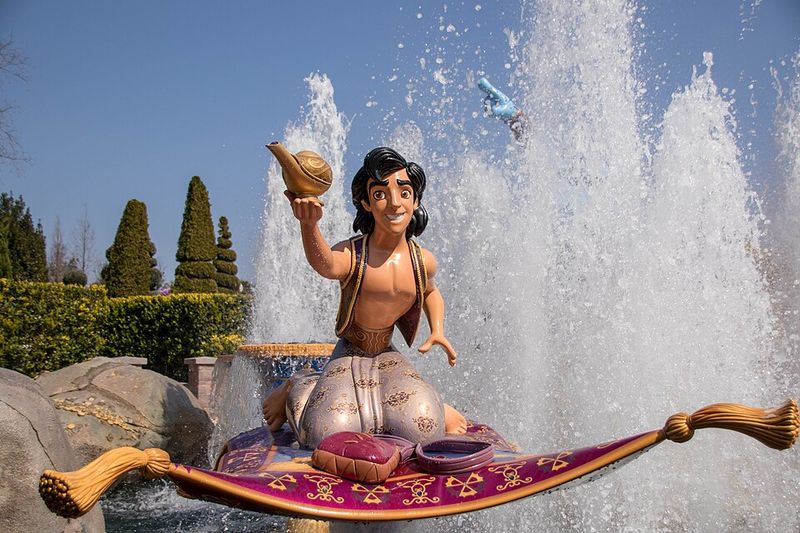
The Genie in Aladdin lays out the rules pretty clearly at the start. Three wishes, no wishing for more wishes, no bringing people back from the dead, and no making someone fall in love.
Solid boundaries. Except the movie bends those rules almost immediately and keeps bending them throughout.
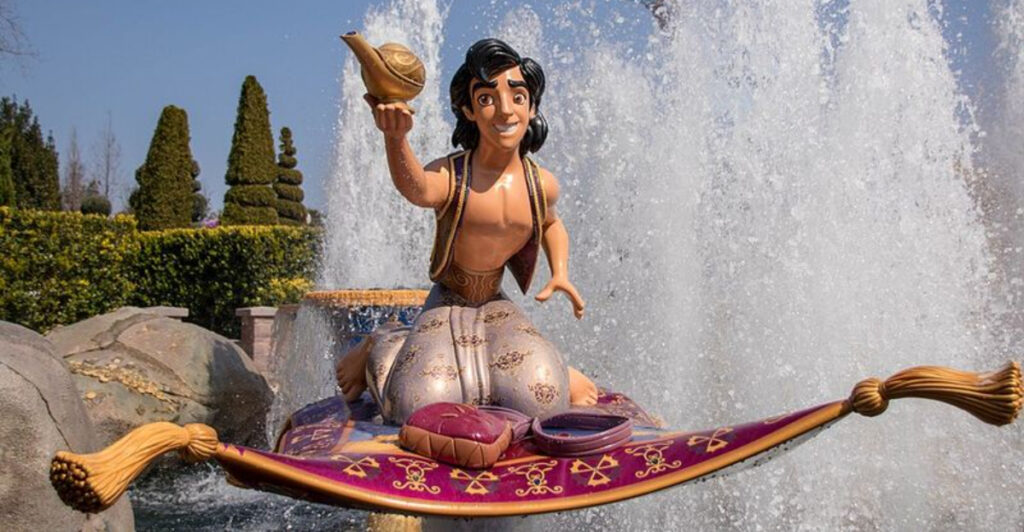
Aladdin technically never uses a wish to escape the cave, yet he gets out anyway. The Genie also does a lot of helpful things between official wishes, including coaching Aladdin, providing wardrobe changes, and generally going above and beyond his job description.
Robin Williams brought so much energy and creativity to the role that audiences happily ignored the rulebook getting stretched. The Genie is so entertaining that you stop tracking the technicalities and just enjoy the ride.
It is a rare case where a character is so charming that plot consistency becomes completely irrelevant to the viewing experience.
10. Pocahontas Learns English Instantly

Pocahontas and John Smith meet for the first time and speak completely different languages. Then Pocahontas touches a magical willow tree, the wind swirls around them, and suddenly they understand each other perfectly.
The movie calls it the ability to hear with your heart, which is poetic but raises practical questions.
Language acquisition is one of the hardest things a human brain can do. Linguists spend careers studying how people learn new languages, and it generally takes years of immersion and study.
One enchanted moment by a river does not quite cover it.
To be fair, Pocahontas is a movie that leans heavily into magical realism from the very beginning. Grandmother Willow talks, the wind carries messages, and colors literally paint the wind.
So maybe the language miracle fits the tone. It is still a funny shortcut, though, and one that makes every language teacher in the audience quietly smile and shake their head.
11. Snow White Trusts a Random Old Lady
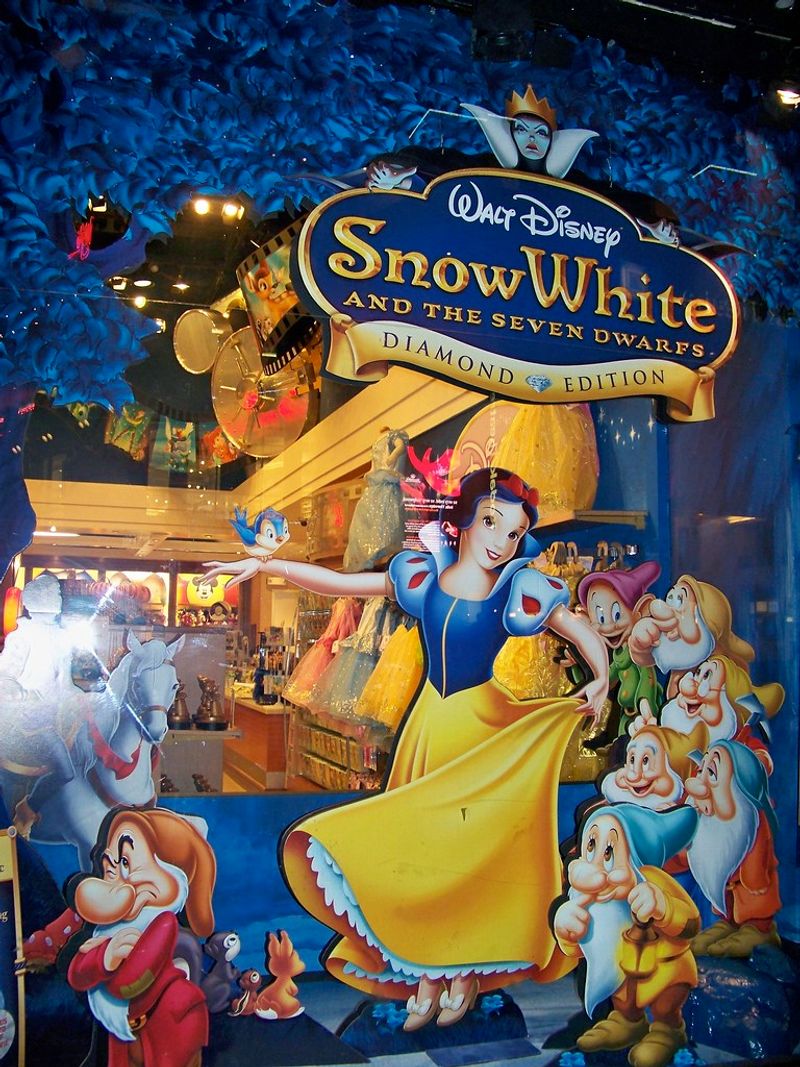
Snow White has been told, in no uncertain terms, that the Evil Queen wants her dead. The dwarfs warn her before leaving for work every single morning.
They are very clear about the danger. Do not open the door.
Do not talk to strangers. And definitely do not accept food from anyone unfamiliar.
Within hours of being left alone, Snow White opens the door for a creepy old woman she has never seen before and accepts a bright red apple. No hesitation, no suspicion, just genuine hospitality toward someone who looks like she wandered out of a nightmare.
Snow White is written as kind and trusting, and that is part of her charm. But there is trusting, and then there is willfully ignoring every warning you were just given.
The apple scene works dramatically, but logically it requires Snow White to forget every conversation she had that same morning. Audiences forgive it every time.
12. The Beast’s Castle Staff Are Weirdly Calm
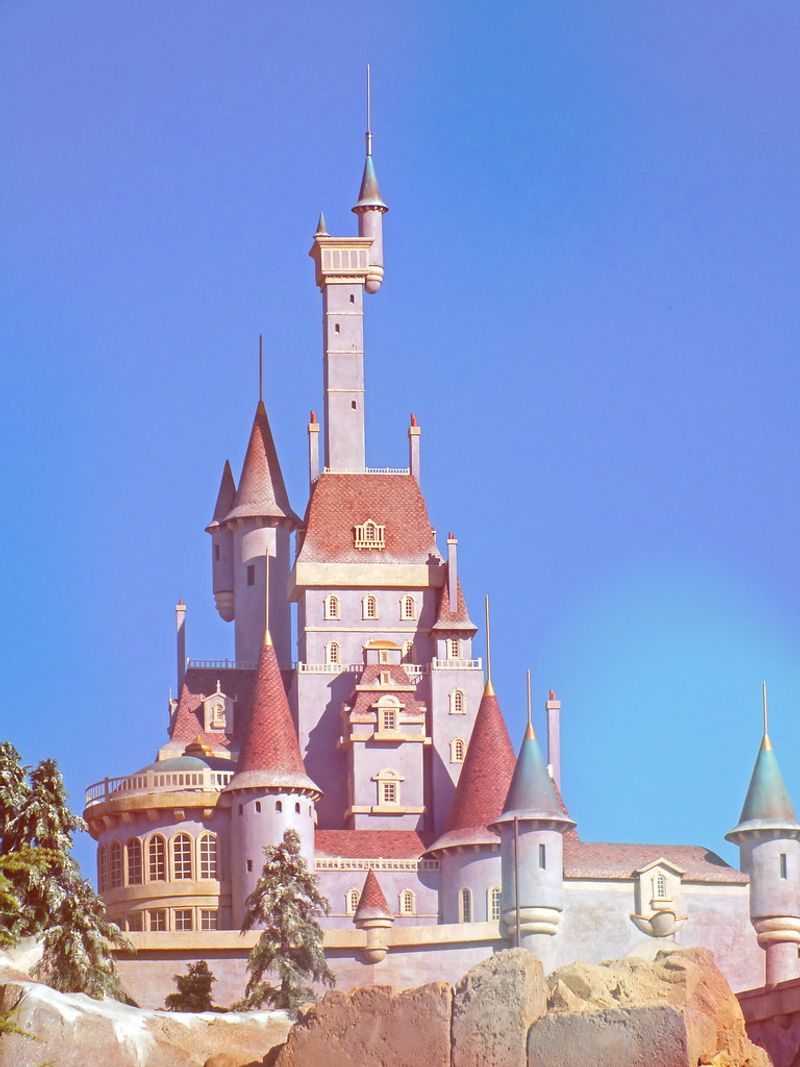
Being turned into a piece of furniture sounds like a genuinely traumatic experience. Yet the enchanted staff of the Beast’s castle in Beauty and the Beast seem to handle their situation with remarkable cheer.
Lumiere cracks jokes, Mrs. Potts makes tea, and Cogsworth manages the household schedule with his usual fussiness.
They have been cursed for years at this point, with no certainty the spell will ever break. Chip, a young child, has been living as a teacup.
That detail alone should be the stuff of horror films, but the movie plays it completely warm and sweet.
What makes it work is that the staff clearly adore the Beast and hold onto hope together. Their good humor becomes a form of loyalty rather than denial.
Still, rewatching the film as an adult makes you wonder how Chip will explain his early childhood to a therapist someday. Some things cannot be unseen.
13. Woody and the Toys Freeze at the Worst Times
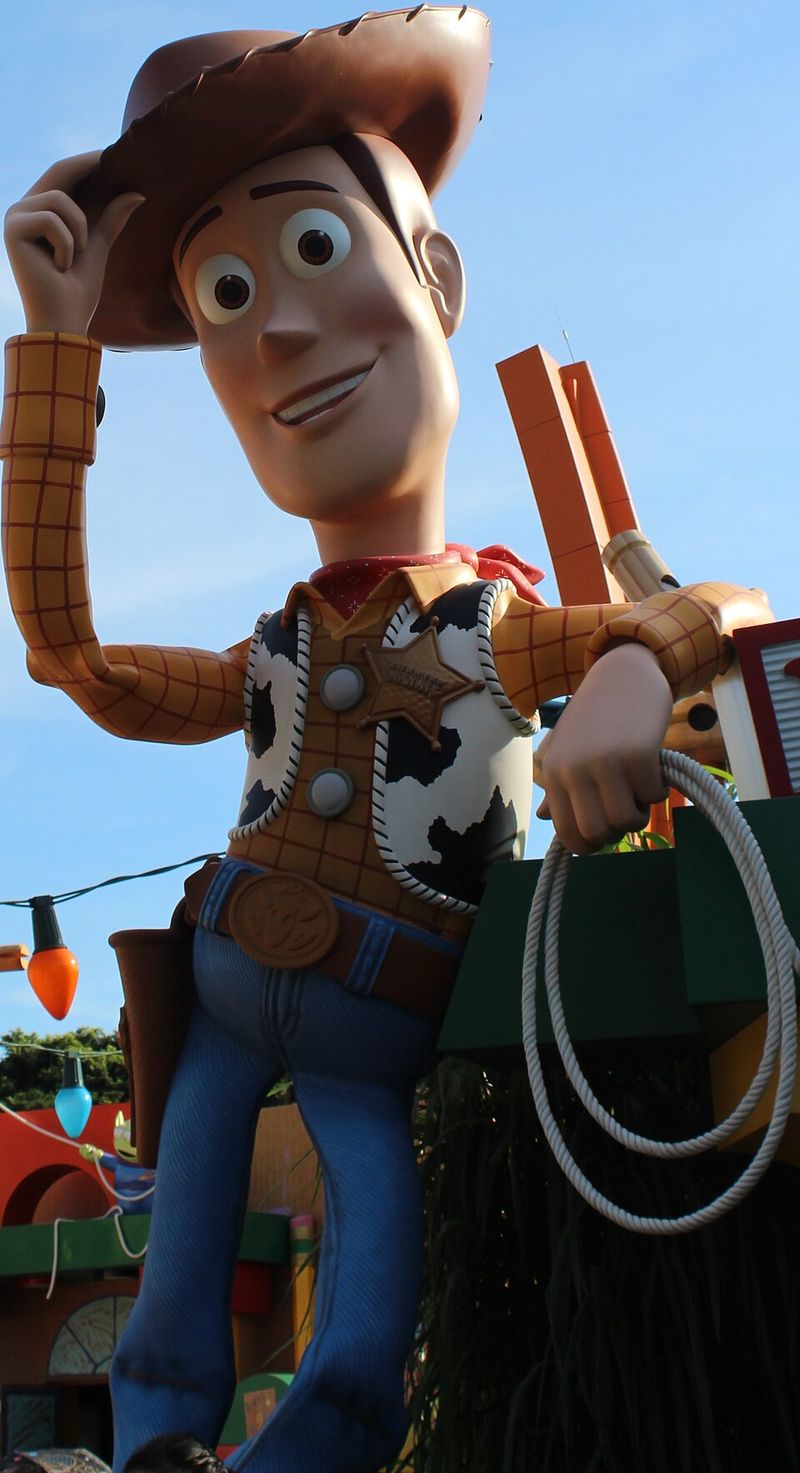
The central rule of the Toy Story universe is simple: toys come alive when humans are not around and go completely still the moment someone walks in. It is a fun premise that drives the whole franchise.
Except the movie breaks its own rule every time the story needs a dramatic moment.
Woody grabs Buzz in front of a moving truck. The toys organize elaborate rescue missions in places where humans could easily spot them.
RC races through a neighborhood in broad daylight. These moments are exciting, but they technically violate the core logic the films established.
Pixar gets away with it because the emotional stakes are always high enough that you stop thinking about the rules. When Woody and Buzz are reconciling or Andy is saying goodbye, nobody is running a logic check.
The Toy Story films earn their rule-breaking through sheer storytelling quality, which is honestly a skill worth admiring.
14. Nobody Notices Tarzan Is Different
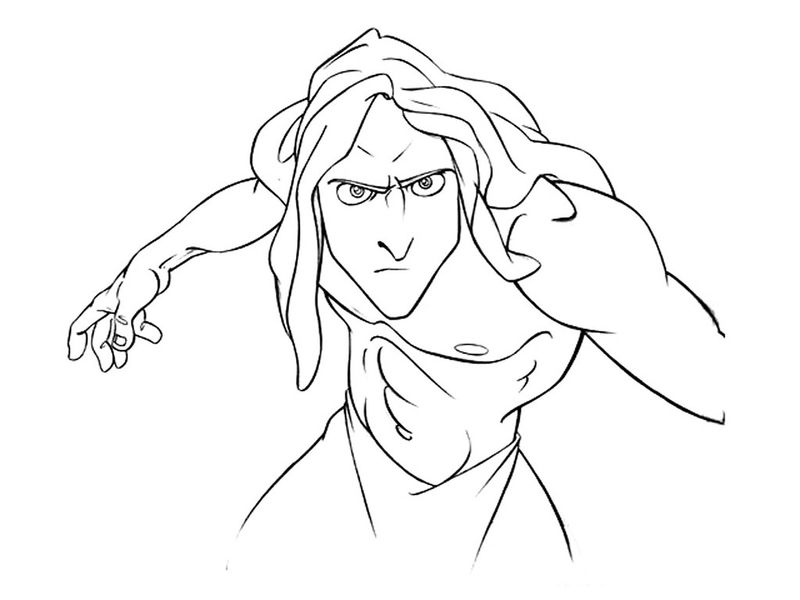
Tarzan grows up in the jungle after being raised by gorillas, which is already a lot to accept. But what really strains believability is how he turns out.
By adulthood, he is physically peak human, extremely athletic, and capable of learning an entire new language within a matter of days when Jane arrives.
The gorillas, meanwhile, never seem to find him particularly unusual. Kerchak is suspicious of him, but the rest of the troop just kind of rolls with having a hairless ape in the group.
Nobody in the jungle seems to think his upright walking or tool use is worth discussing.
The movie is clearly a fantasy, and it leans into that without apology. Tarzan is meant to represent the idea that belonging is about heart, not appearance.
That message lands beautifully. But the biology of a human child surviving infancy in a gorilla troop without any medical care is something the film wisely never addresses.
15. Cars Raises Endless Questions
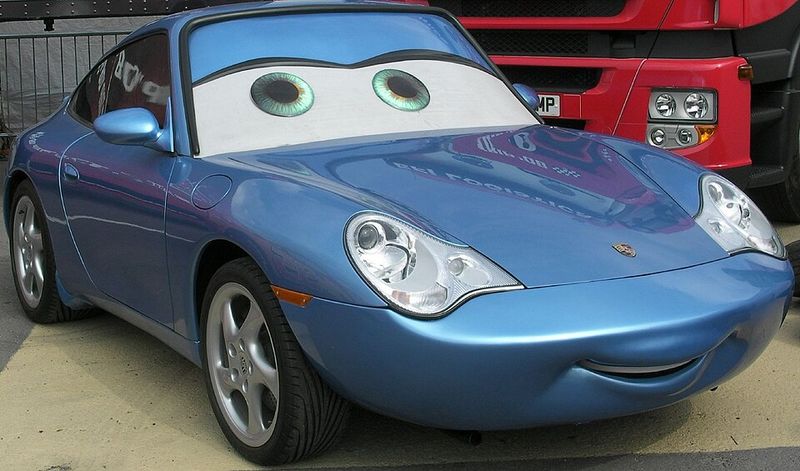
Pixar’s Cars is a delightful film full of personality and heart. But spend more than five minutes thinking about the world it takes place in and things get genuinely confusing.
The cars have jobs, feelings, families, and entire towns built around their lifestyle. There are schools, restaurants, and even a Piston Cup racing league.
But who built the cars? Who designed the roads, the buildings, and the fuel stations?
If cars are the dominant intelligent species, none of those things would exist in the form they do. The infrastructure clearly was not designed by vehicles for vehicles.
It was designed by humans, for humans, and then the humans just sort of disappeared.
Director John Lasseter once suggested the Cars world evolved from our own, which raises even more questions. Pixar has since leaned into the absurdity with sequels and shorts.
At some point, the mystery becomes part of the charm, and you just enjoy the ride without demanding answers that will never come.
Share this story