Every year, the Rock and Roll Hall of Fame announcement turns music fans into passionate lawyers arguing their case at top volume. Some artists sail in on the first nomination, while others spend decades waiting outside the velvet rope like they forgot the password.
The debate is half the fun, honestly. Whether your favorite band is already inside or still knocking on the door, these 20 artists keep the conversation loud, messy, and completely worth having.
Big Star: The Power Pop Cult Heroes Still Waiting
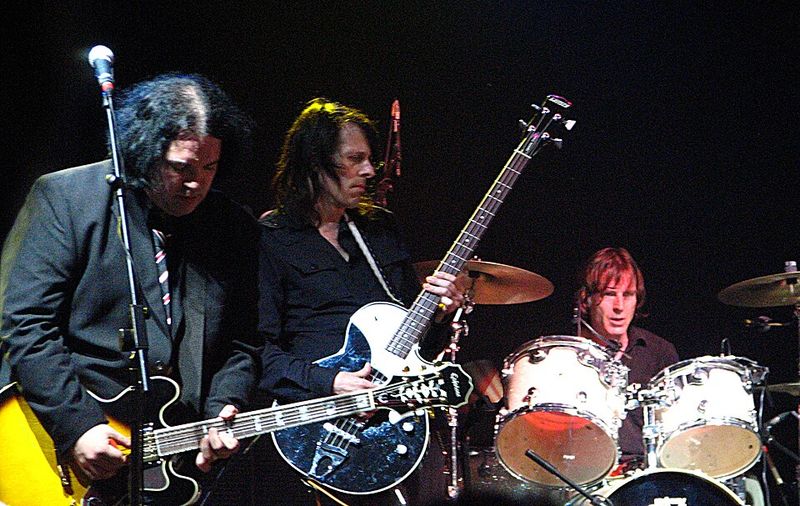
Alex Chilton once said he did not care about commercial success, and the universe took him seriously. Big Star sold almost nothing during their original run, yet somehow became one of the most influential bands in rock history.
That is the kind of irony that keeps music nerds up at night.
Their melodic, emotionally raw guitar sound helped build the blueprints for indie rock, alternative music, and power pop. R.E.M. and The Replacements basically wore Big Star T-shirts on their sleeves.
When artists that famous cite you as a hero, the Hall of Fame argument writes itself.
Critically, the band has been eligible for years and still has not received an induction. Their cult status keeps growing with every new generation that stumbles onto “September Gurls.” At this point, Big Star being outside the Hall is its own kind of rock and roll tradition nobody asked for.
The Velvet Underground: Already Inducted
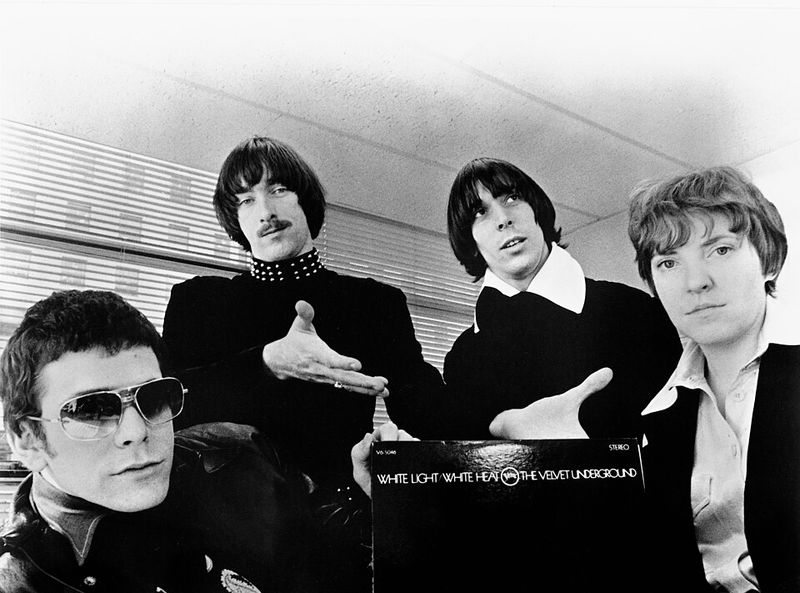
Few bands have ever been this cool and this broke at the same time. The Velvet Underground barely sold records during their original run, yet almost everyone who bought one started a band.
That banana album cover alone deserves its own wing in the Hall.
Lou Reed, John Cale, Maureen Tucker, and Sterling Morrison created a sound that was literary, experimental, and genuinely weird in the best way possible. Their connection to Andy Warhol and the New York art scene gave them a cultural weight most rock bands never touched.
The good news for Velvet Underground fans is that the argument is officially settled. They were inducted into the Rock and Roll Hall of Fame in 1996, which means the Hall got at least one right.
Their legacy is secure, their influence is massive, and that banana will never stop being iconic.
The Stooges: Already Inducted
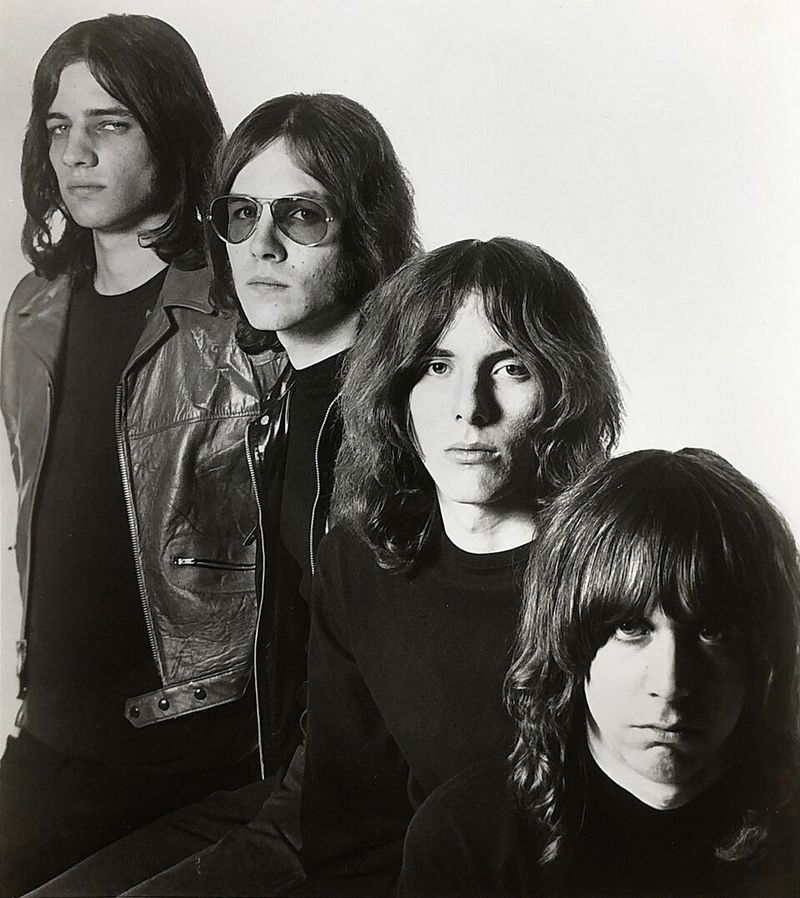
Iggy Pop once rolled around in broken glass on stage, and the crowd loved it. That alone tells you everything about The Stooges and their approach to rock and roll performance.
Subtle was never part of the vocabulary.
Their raw, aggressive sound and confrontational energy helped lay the groundwork for punk rock years before punk had a name. Bands like the Sex Pistols and The Clash owed a serious debt to what The Stooges were doing in Detroit basements and small clubs.
The chaos was always intentional, even when it looked like it was not.
The Rock and Roll Hall of Fame finally recognized their impact in 2010, inducting the band and giving Iggy Pop a moment that felt long overdue. Punk fans everywhere celebrated, then probably knocked something over in tribute.
Their induction closed one chapter of the debate while keeping Iggy’s solo story wide open.
Elvis Costello and the Attractions: Already Inducted
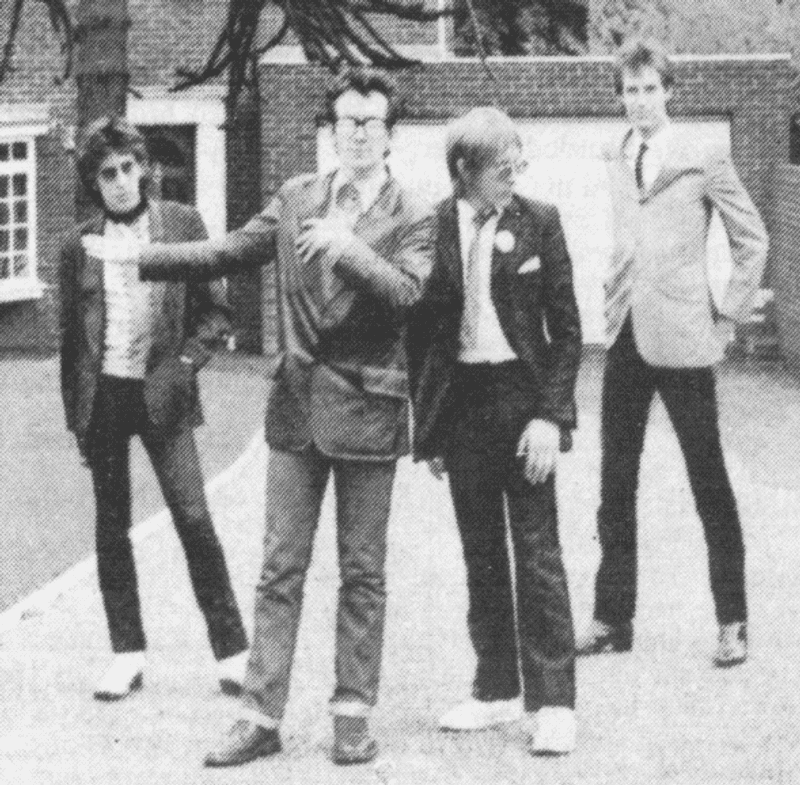
Elvis Costello showed up in 1977 with thick glasses, a sharp tongue, and enough musical ideas to fill ten careers. He was not the obvious rock star, which made him exactly the right kind of rock star for that moment.
The Attractions gave those ideas a ferocious, perfectly tuned engine.
Albums like “This Year’s Model” and “Armed Forces” hit with the urgency of punk but carried the songwriting smarts of classic pop. Costello could write a heartbreak anthem and a political broadside in the same afternoon.
That kind of restless creativity is rare enough to demand recognition.
The Rock and Roll Hall of Fame agreed and inducted Elvis Costello and the Attractions in 2003. The ceremony was a long-overdue acknowledgment of one of rock’s sharpest pens.
Costello probably had a clever, slightly cutting thing to say about it, and honestly that would have been completely on brand for him.
Frank Zappa: Already Inducted
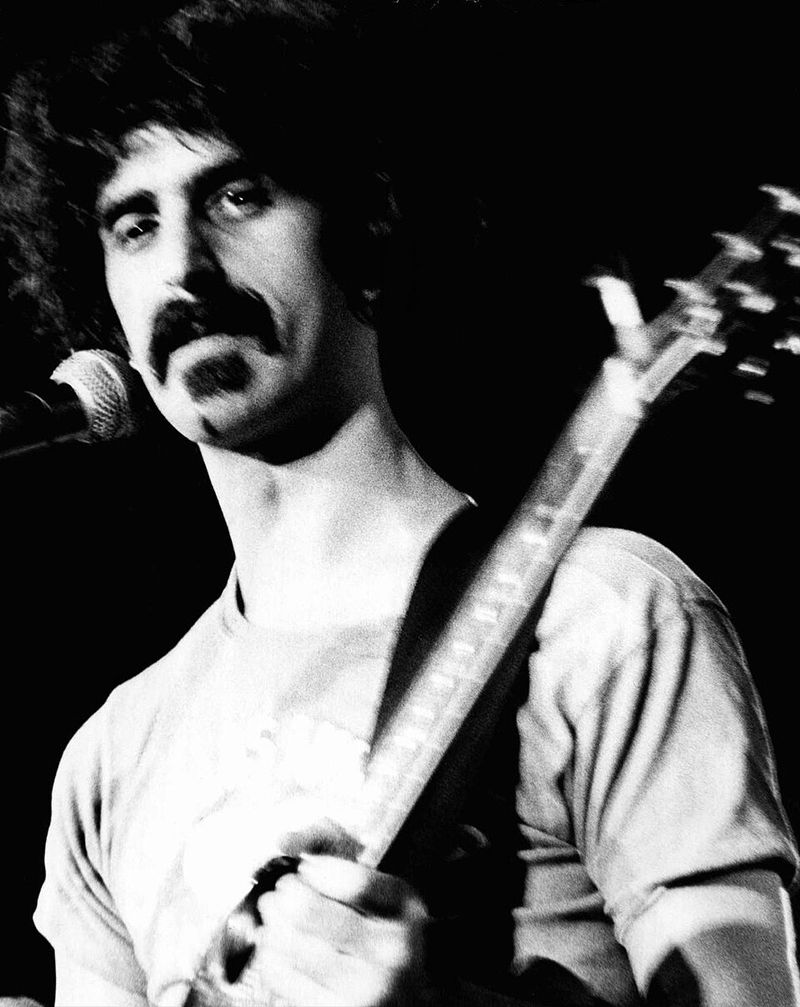
Frank Zappa wrote music that was part rock, part jazz, part classical composition, and entirely his own invention. He also testified before Congress about music censorship and somehow made that look cool too.
The man contained multitudes, most of them pretty strange.
His catalog stretches across dozens of albums, covering satire, orchestral pieces, guitar solos, and social commentary that still lands today. He never chased trends because he was always too busy setting them, then abandoning them before anyone else caught up.
That kind of creative restlessness is either genius or madness, and Zappa made it both.
The Rock and Roll Hall of Fame inducted him in 1995, just two years after his death. His daughter Moon Unit accepted on behalf of the family, which felt appropriately surreal for a man who named his kids Moon Unit and Dweezil.
The Hall made the right call, and the music remains as gloriously weird as ever.
Cheap Trick: Already Inducted
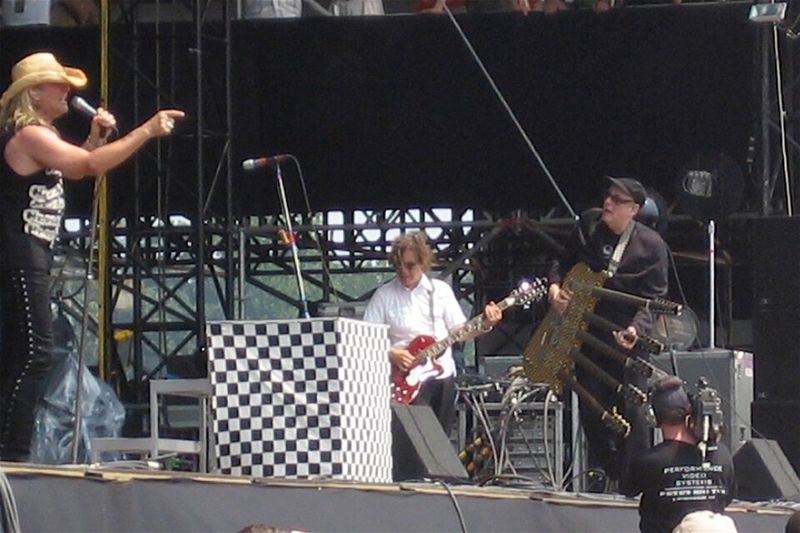
Cheap Trick at Budokan might be the most exciting live album ever recorded, and I say that as someone who has argued about it at a family dinner. The crowd noise alone is worth the price of admission.
Those Japanese fans knew something the American market took a while to figure out.
The band mastered the trick of making hard rock songs feel like pop anthems and pop anthems feel like they could level a building. “Surrender” is technically about parents and rock and roll, and somehow it became a universal anthem for anyone who ever felt misunderstood. That is serious songwriting skill wrapped in a very fun package.
After years of being criminally underappreciated in induction conversations, Cheap Trick finally got their moment in 2016. The Rock and Roll Hall of Fame welcomed them in, and the music world breathed a collective sigh of relief.
Better late than never, though someone should have moved faster.
The Smiths: Indie Rock Icons Still Outside the Hall
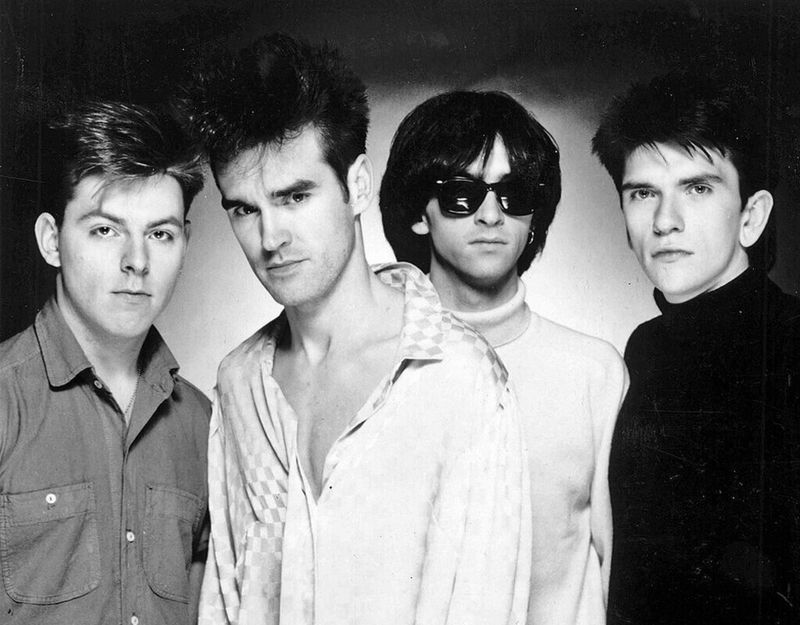
There is a very specific type of teenager who discovers The Smiths and immediately feels understood for the first time. That teenager is now an adult with strong opinions about the Rock Hall, and they are not happy.
Morrissey’s dramatic delivery and Johnny Marr’s jangly guitar built something that felt deeply personal to millions of people.
The band only released four studio albums, but their influence stretched far beyond that modest number. Bands from Interpol to The Killers to Radiohead have acknowledged The Smiths as a major touchstone.
Four albums with that kind of ripple effect is a Hall of Fame argument that basically makes itself.
The eligibility window opened years ago, and the nominations have come and gone without success. Fans remain frustrated, partly because the case seems so obvious and partly because Morrissey keeps making it harder to root for him as a person.
The music, though, is still undeniable.
Sonic Youth: Noise Rock Innovators Still Missing
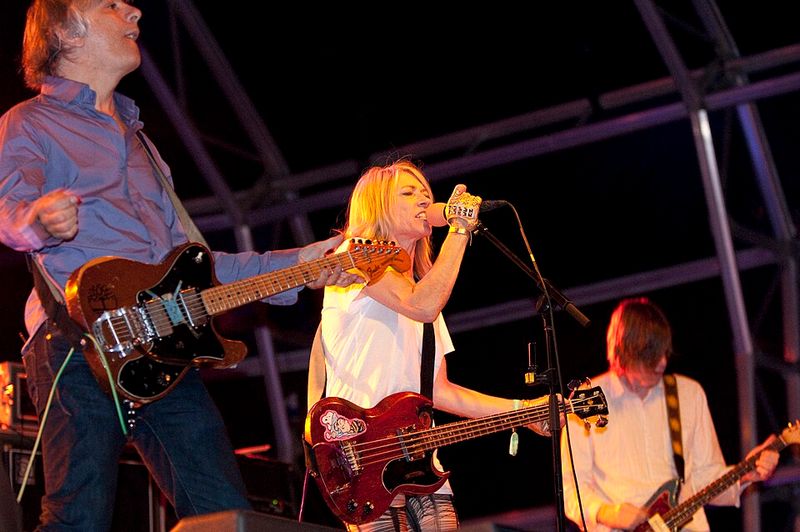
Sonic Youth made guitar music sound like it was being played inside a collapsing building, and that was entirely the point. Thurston Moore and Kim Gordon turned alternate tunings and feedback into a full artistic language.
It was not music you put on during dinner unless you wanted a very interesting dinner.
Albums like “Daydream Nation” became landmarks of the alternative underground, earning the kind of critical respect that usually comes with a Hall nomination. Their connection to the New York art scene and their role in shaping 1990s alternative music is well documented and widely acknowledged.
The influence is not subtle.
Despite all of that, Sonic Youth remains outside the Rock Hall, which surprises critics and fans every year the nominations roll out. Their absence feels like an oversight rather than a deliberate snub.
Either way, “Teenage Riot” still sounds urgent and alive, which is the kind of legacy that tends to outlast any committee’s decision.
Pixies: Alternative Rock Architects Still Waiting
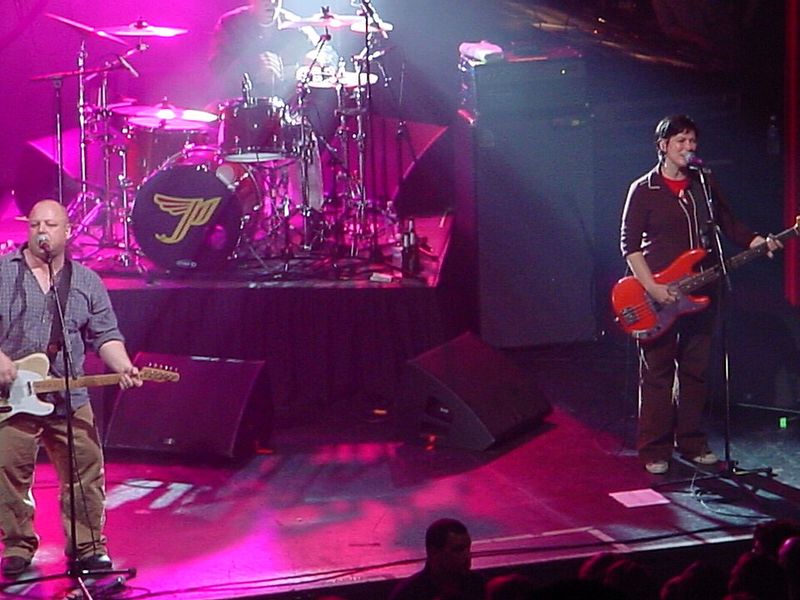
Kurt Cobain basically handed Pixies a writing credit for Nirvana’s entire career, and he did it publicly and without hesitation. That endorsement from one of rock’s biggest figures should be enough to fast-track any Hall nomination.
Yet here we are, still waiting.
The loud-quiet-loud formula that defined 1990s alternative rock? That was Pixies.
The surreal, sometimes violent imagery in rock lyrics that felt both weird and completely right? Also Pixies.
Black Francis and Kim Deal built a creative tension that produced some of the most original music of their era.
Albums like “Doolittle” and “Surfer Rosa” still sound fresh decades after their release, which is the clearest sign of lasting importance. Pixies became eligible years ago and the Hall has yet to make the call.
Fans keep voting, critics keep advocating, and “Where Is My Mind” keeps showing up in every movie that needs an emotionally loaded moment.
Rage Against the Machine: Already Inducted
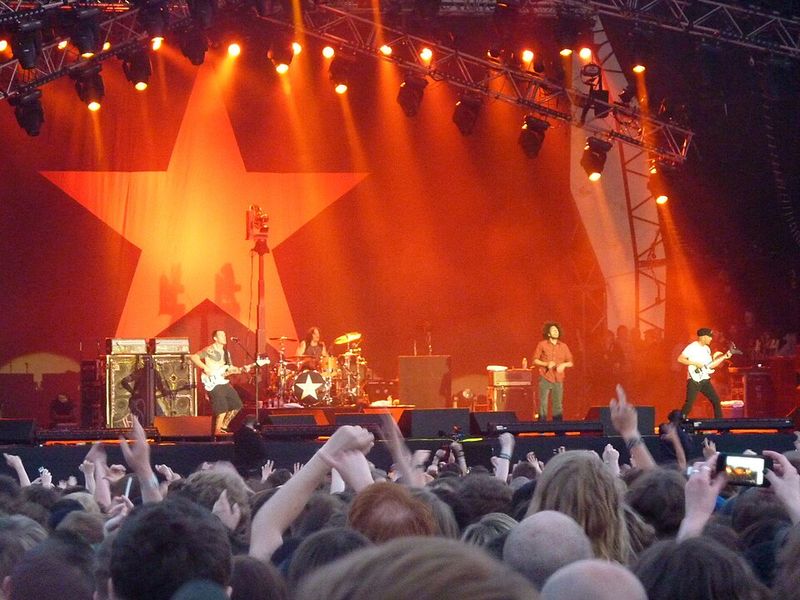
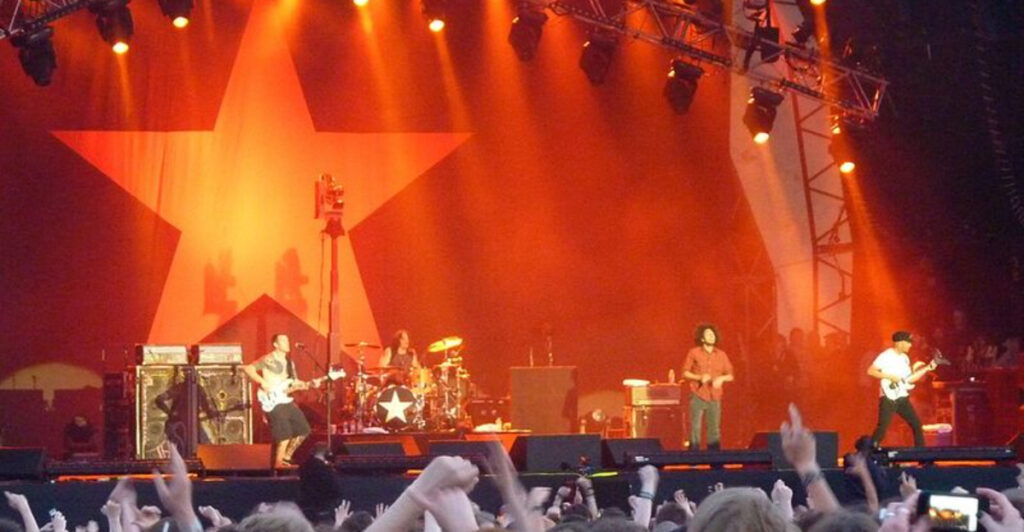
Rage Against the Machine walked into the 1990s music scene and immediately started arguing with everything. Their music fused rap, metal, funk, and political fire into something that felt genuinely dangerous in the best possible way.
Tom Morello made a guitar sound like a turntable and a protest sign at the same time.
Zack de la Rocha’s lyrics tackled systemic injustice, corporate power, and political corruption with a fury that never felt performative. The band meant every word, and their audience felt that sincerity loud and clear.
That combination of musical innovation and authentic rage made them one of the defining acts of their generation.
The Rock and Roll Hall of Fame inducted them in 2023, which felt both overdue and perfectly timed given the state of the world. Their music has never stopped being relevant, which says something important about both their talent and the persistent nature of the problems they were singing about all along.
Nick Cave and the Bad Seeds: Dark Storytellers Still Outside
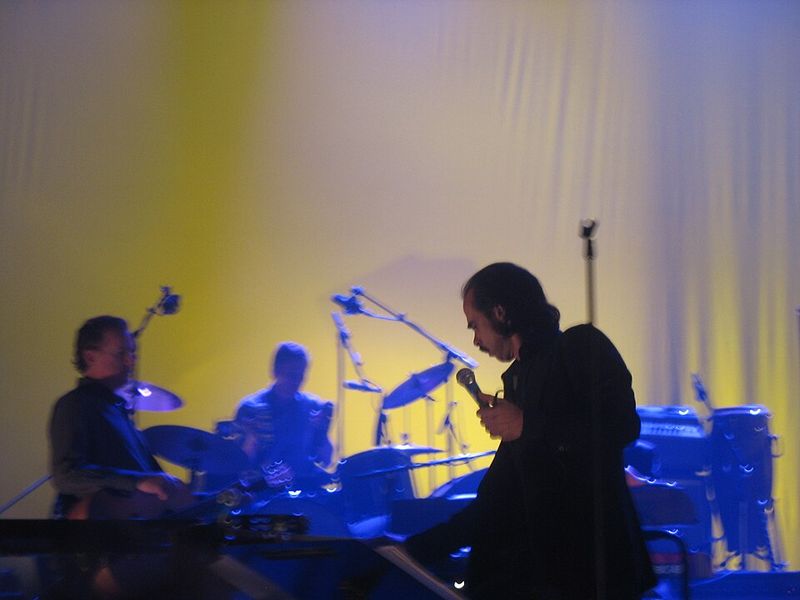
Nick Cave writes songs about murder, grief, love, and God with equal conviction, often in the same verse. That is either deeply unsettling or deeply impressive, and most listeners land firmly in the impressed camp.
The Bad Seeds have been his perfect dark orchestra for decades.
Their catalog moves through post-punk, blues, gothic rock, and chamber pop without ever losing its distinctive voice. Albums like “Murder Ballads” and “The Boatman’s Call” showed a songwriter operating at the absolute peak of his craft.
Cave is the kind of artist who makes critics run out of superlatives before they finish the first paragraph.
Despite decades of critically acclaimed work and a massive global fanbase, the Rock Hall has not yet come calling for Nick Cave and the Bad Seeds. The nomination conversation happens every year among fans and journalists.
His absence from the Hall is genuinely puzzling to anyone who has spent serious time with his catalog.
The Replacements: Beloved Underdogs Still Waiting
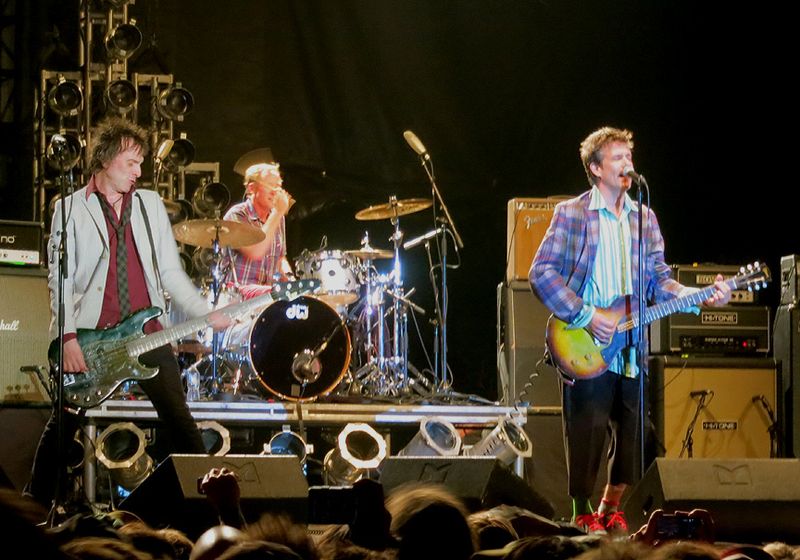
The Replacements were so committed to being unpredictable that they once played an entire set in each other’s instruments just to see what happened. That chaos was not a bug in their system; it was the whole operating system.
Paul Westerberg wrote songs that were wounded and funny and honest all at once.
Their music helped define what alternative rock could be before major labels figured out how to market it. Albums like “Let It Be” and “Tim” showed a band capable of genuine greatness hiding inside a beautifully messy exterior.
The tension between their self-destructive tendencies and their obvious talent made them impossible to look away from.
The Replacements have been eligible for the Rock Hall for years, and their fanbase grows louder with every passing nomination cycle. Their influence on bands like Wilco, The Hold Steady, and countless others is traceable and documented.
The underdog story is charming, but at some point the Hall needs to make the call.
Devo: New Wave Visionaries Still Not Inducted
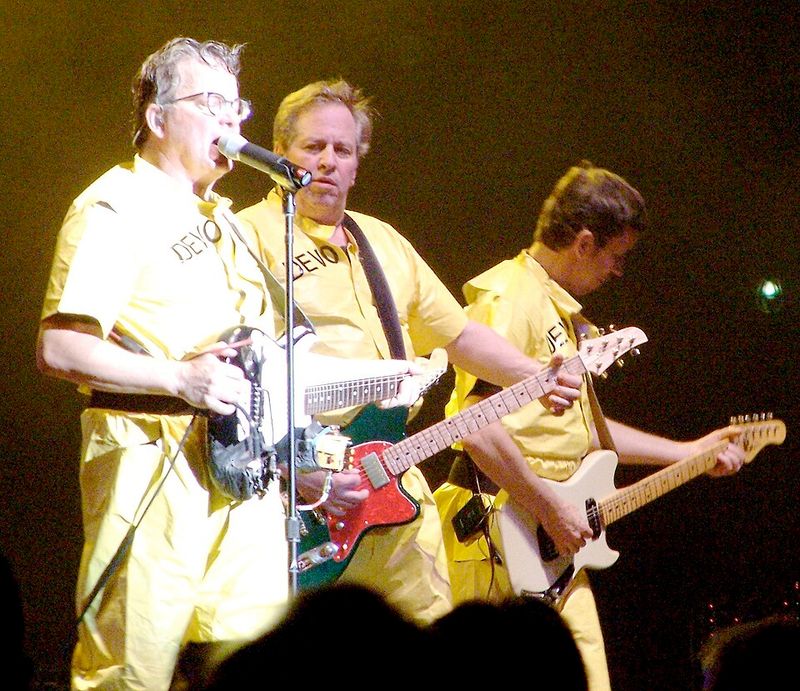
Devo wore plastic flower pot hats on their heads and somehow made it look like a philosophical statement. Their whole thing was a satirical theory about human devolution, and they backed it up with some genuinely catchy, robotic, brilliant pop songs. “Whip It” should not be as good as it is, and yet here we are.
Their use of synthesizers, rigid rhythms, and matching costumes helped define the visual and sonic language of new wave. They were doing performance art and rock music simultaneously before most bands figured out how to do either one well.
That creative ambition deserves serious Hall recognition.
Devo has received nominations but has not yet been inducted, which is baffling to their devoted fanbase and to most music historians. Their influence stretches from industrial music to art pop to modern synth acts.
Every year they miss out is another year the Hall looks like it missed the point of what they were saying all along.
The Go-Go’s: Already Inducted
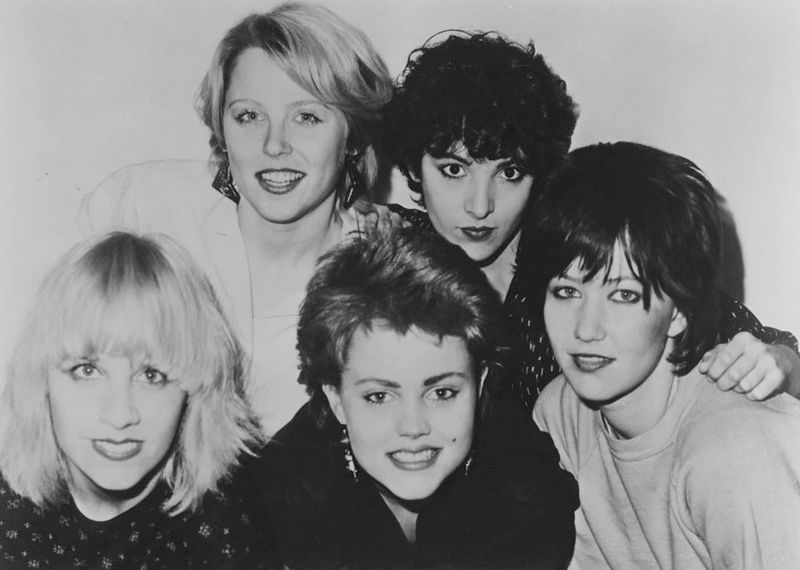
The Go-Go’s broke into the music business as an all-female band that wrote their own songs, played their own instruments, and still managed to produce some of the catchiest pop-rock of the entire decade. That combination was rarer than it should have been in 1981.
They made it look effortless, which made it even more impressive.
Songs like “We Got the Beat” and “Our Lips Are Sealed” defined the sound of early MTV-era pop rock while the band maintained genuine punk roots from their Los Angeles club days. They were simultaneously commercial and credible, which is a tightrope very few acts walk successfully.
The Go-Go’s walked it in heels.
The Rock and Roll Hall of Fame inducted them in 2021, which felt like a long-overdue correction to a decades-old oversight. Their barrier-breaking role in rock history makes the induction feel less like a reward and more like a formal acknowledgment of something that was always true.
Iggy Pop: Inducted With The Stooges, But Not as a Solo Artist
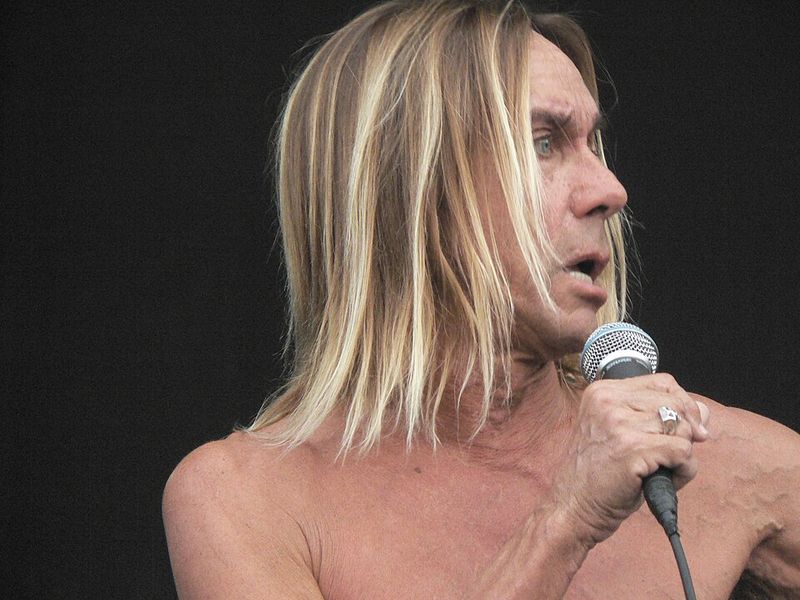
Being in the Rock Hall as part of a band and not as a solo artist is a bit like being invited to the party but only allowed in through the side door. Iggy Pop knows that door well.
He helped invent punk with The Stooges, then went solo and invented a completely different version of cool.
“Lust for Life” and “The Passenger” are not Stooges songs. They are solo Iggy classics that shaped post-punk, alternative rock, and about a thousand car commercials.
His collaboration with David Bowie in Berlin produced some of the most interesting music either of them ever made outside their main projects.
The debate around his solo induction is genuine and ongoing. His solo catalog is substantial, influential, and beloved by critics and fans alike.
The Hall has acknowledged part of the Iggy Pop story, but many argue the solo chapter deserves its own plaque. He has certainly earned the argument.
The Cure: Already Inducted
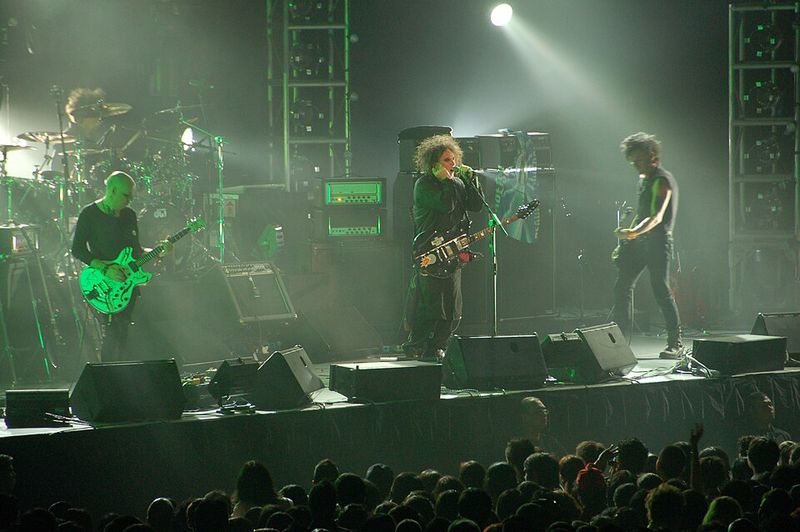
Robert Smith’s hair is its own cultural landmark, and honestly it should have a separate nomination. The Cure built a sound that was moodier than a rainy Tuesday in November and somehow made millions of people feel deeply understood by that specific mood.
That is a remarkable artistic achievement.
Their catalog spans gothic rock, post-punk, dreamy pop, and experimental territory, which is an unusually wide range for a band with such a consistent identity. Albums like “Disintegration” and “Pornography” hit emotional depths that most bands never attempt. “Boys Don’t Cry” is a completely different kind of classic, proof that they could do almost anything.
The Rock and Roll Hall of Fame inducted The Cure in 2019, and the ceremony featured a performance that reminded everyone exactly why the band matters. Robert Smith thanked the fans in the most Robert Smith way possible, which is to say genuinely and with a touch of the dramatic.
Perfectly on brand, perfectly deserved.
The Zombies: Already Inducted
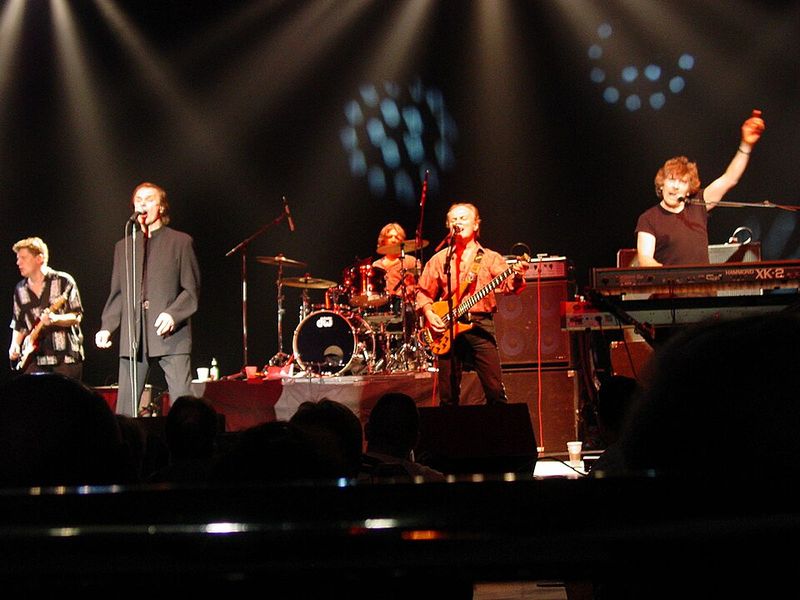
The Zombies released their masterpiece album and then broke up before it even came out. That is either the most tragic timing in rock history or the most rock and roll move ever made, depending on your perspective. “Odessey and Oracle” found its audience years later and never let go.
Their sound was sophisticated in a way that stood apart from most of their British Invasion peers. Rod Argent’s keyboard work and Colin Blunstone’s airy voice created something that felt both of its time and completely timeless. “Time of the Season” became a classic that kept resurfacing in films, TV shows, and record collections for decades.
The Rock and Roll Hall of Fame inducted The Zombies in 2019, which gave the band a well-deserved moment of recognition after a very long wait. Colin Blunstone reportedly teared up during the ceremony, which is completely understandable given how the whole story unfolded.
Great music eventually finds its moment.
Stray Cats: Rockabilly Revivalists Still Outside
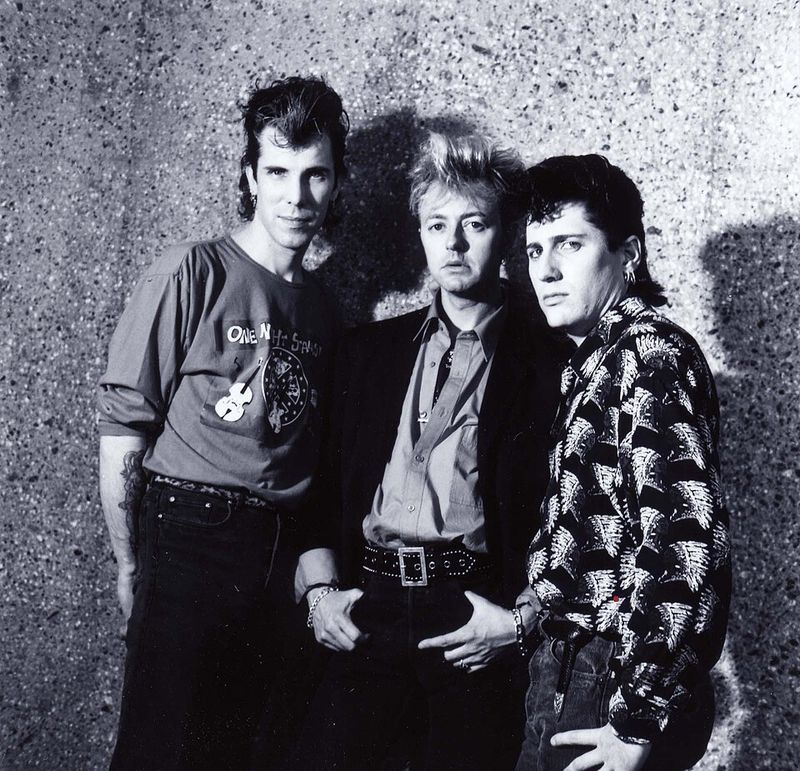
Brian Setzer showed up in 1981 with a pompadour, a hollow-body guitar, and the audacity to make rockabilly cool again on MTV. That should not have worked as well as it did, but Stray Cats had the chops to back up the look completely.
They were not cosplay; they were the real thing with better production.
“Rock This Town” and “Stray Cat Strut” introduced an entire generation to a sound rooted in 1950s rock and roll without ever feeling like a history lesson. They made vintage feel urgent.
That is a genuinely difficult trick that most revival acts never pull off successfully.
The Rock Hall has yet to come calling for Stray Cats, which surprises fans who watched the band help reshape mainstream rock in the early 1980s. Their cultural footprint is real, their musicianship is undeniable, and Brian Setzer’s guitar work is widely respected.
The case for induction gets stronger every year they are left out.
Blue Oyster Cult: Hard Rock Favorites Still Waiting
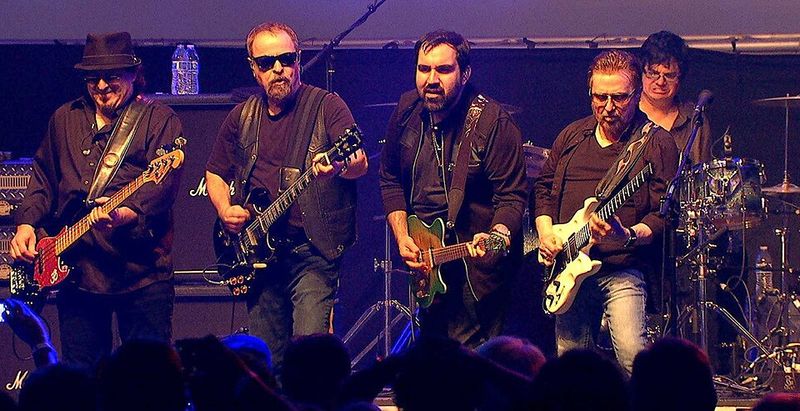
More cowbell jokes aside, Blue Oyster Cult wrote one of the most genuinely eerie and enduring songs in classic rock history. “(Don’t Fear) The Reaper” has appeared in horror films, Halloween playlists, and late-night radio sets for decades without ever losing its chill. That kind of staying power is not accidental.
The band combined hard rock muscle with literary references, mystery, and surprisingly sharp musicianship that set them apart from most of their heavy rock peers. They were smarter than the genre usually allowed, and their catalog reflects that intelligence across multiple albums. “Burnin’ for You” is another radio staple that still sounds great today.
Blue Oyster Cult has never received a Rock Hall induction despite a long career and a deeply loyal fanbase. Their influence on hard rock and metal is traceable and real.
At this point, their absence from the Hall has become its own running joke, though their fans are not laughing quite as hard as the cowbell crowd.
Vanilla Fudge: Psychedelic Heavy Rock Pioneers Still Missing
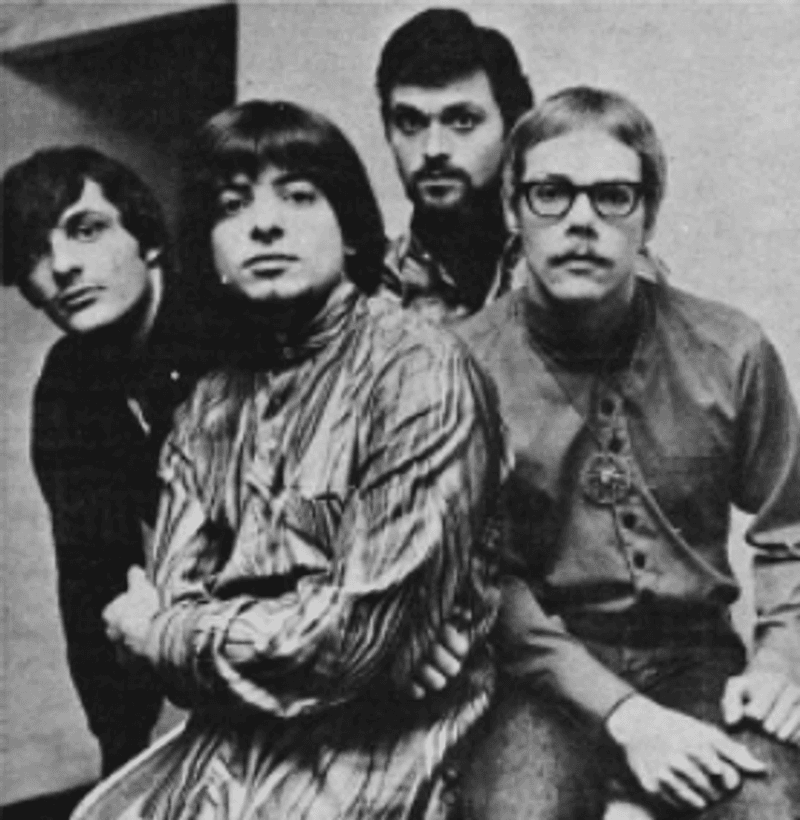
Vanilla Fudge took a cheery Supremes pop hit and turned it into a seven-minute psychedelic slow burn that nobody saw coming. Their version of “You Keep Me Hangin’ On” was not a cover; it was a full transformation.
That kind of creative reimagining is exactly what separates interesting bands from truly important ones.
They helped connect the dots between psychedelic rock, progressive arrangements, and the heavier sounds that would eventually become hard rock and early metal. Bands like Led Zeppelin and Deep Purple acknowledged their influence, which is a pretty impressive roster of students.
Their dramatic, organ-heavy sound was genuinely ahead of its time in 1967.
Despite their historical significance, Vanilla Fudge remains outside the Rock Hall without a nomination gaining serious traction. They are the kind of band that historians cite frequently but voting committees seem to overlook.
Their place in the story of heavy rock is real, documented, and still waiting for the formal recognition it deserves.
Share this story