Some places on Earth still hold secrets that no map can fully explain. Buried beneath forest canopies, winding along river systems, and tucked into highland valleys, there are communities that have built entire worlds out of deep knowledge, tradition, and a relationship with nature that stretches back thousands of years.
These are not museum exhibits or tourist performances. They are living, breathing cultures that continue to shape the land around them.
This article takes you through twelve remote jungle regions where indigenous heritage is not a footnote but the main story. From South America’s Amazon basin to the rainforests of Africa, Southeast Asia, and the Pacific, each destination offers a window into a way of life that is both ancient and very much alive.
Get ready to rethink what civilization really looks like, because some of humanity’s most impressive achievements never made it into a textbook.
1. Yasuní National Park, Orellana And Pastaza, Ecuador
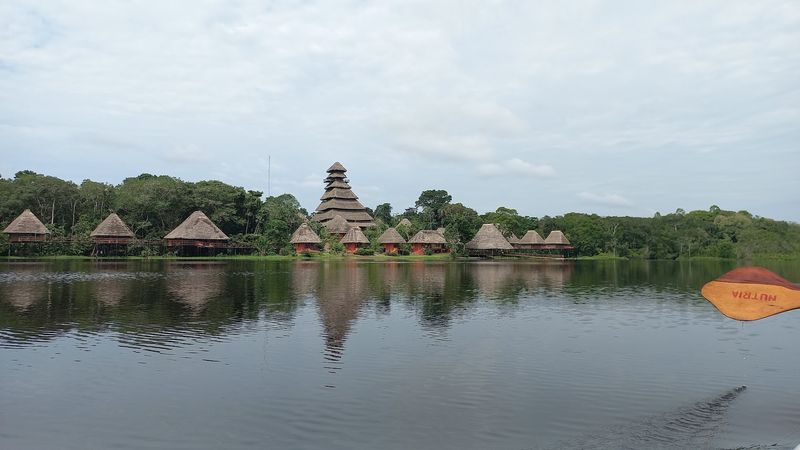
Ecuador’s Yasuní National Park holds a title that stops most people mid-sentence: it is considered one of the most biodiverse places on the planet, and it also happens to be the ancestral home of the Waorani people.
The Waorani have lived in this region for centuries, developing an intimate knowledge of the forest that scientists still study today. Their territory overlaps with zones where voluntarily isolated groups, known as the Tagaeri and Taromenane, continue to live entirely on their own terms.
Visiting this area is not a casual weekend trip. Access is restricted, and responsible tour operators work closely with Waorani communities to ensure that cultural exchanges are respectful and beneficial to the people who actually live there.
The park covers nearly one million hectares, blending rivers, flooded forests, and upland jungle into a single extraordinary landscape. For anyone serious about understanding how indigenous cultures and conservation can coexist, Yasuní is the starting point.
2. Puerto Nariño, Amazonas, Colombia
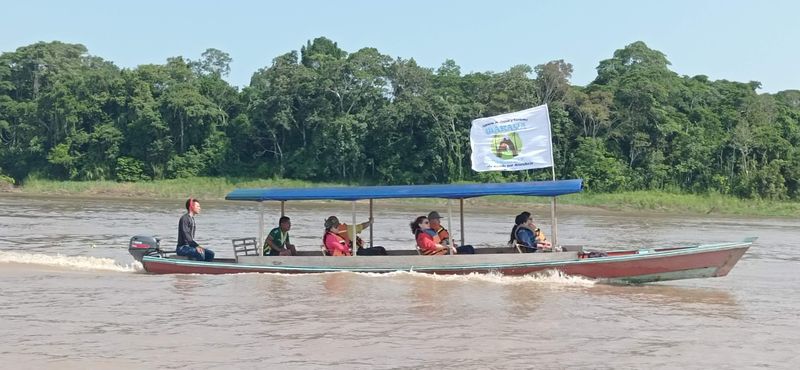
No cars. No motorcycles.
No engine noise echoing off the streets. Puerto Nariño runs on foot traffic, river boats, and a pace of life that most cities have completely forgotten.
Tucked along the Amazon River near the border of Colombia, Peru, and Brazil, this small town is shaped by the cultural presence of Ticuna, Yagua, and Cocama communities. Their influence shows up everywhere, from the geometric patterns painted on building walls to the handmade crafts sold at the market and the traditional foods served by local families.
The Ticuna are particularly well-documented, with a rich oral tradition, distinctive bark-cloth masks used in coming-of-age ceremonies, and a language that has survived centuries of outside pressure. Community tourism here is genuinely community-led, meaning the money and the decisions stay local.
Puerto Nariño also sits near the Tarapoto Lakes, a protected wetland area where pink river dolphins appear with remarkable regularity. Culture and nature arrive here as a package deal.
3. Manú National Park, Madre De Dios And Cusco, Peru
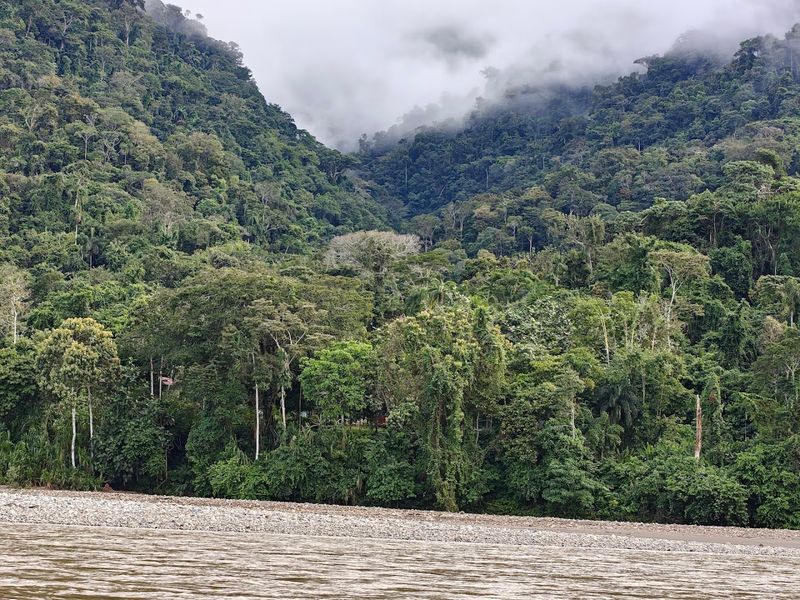
Covering an area larger than some small countries, Manú National Park drops from Andean cloud forest all the way down to the Amazon basin in one of the most dramatic altitude ranges found anywhere in South America.
The Matsigenka people have called the lower forest zones home for generations, maintaining traditions tied to fishing, plant knowledge, and oral storytelling. Manú is also one of the few places in Peru where voluntarily isolated groups are known to move through the forest, which is why large sections of the park remain strictly off-limits to visitors.
What is accessible offers something genuinely rare: a landscape where human communities and extraordinary wildlife share territory without one overwhelming the other. Researchers, conservationists, and cultural anthropologists have been drawn here for decades precisely because the balance still holds.
Guided visits through authorized operators are the only legal way in, and that restriction is not a bureaucratic inconvenience. It is the reason Manú still looks the way it does.
4. Pacaya Samiria National Reserve, Loreto, Peru
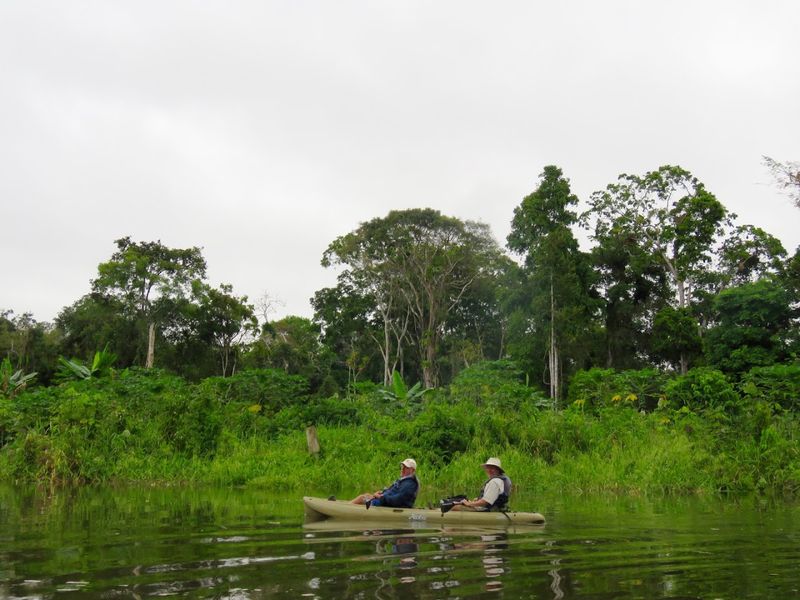
About half of Pacaya Samiria is underwater for part of the year, and that is not a problem for the Kukama Kukamiria. It is simply Tuesday.
This vast flooded forest reserve in Loreto, Peru, is one of the largest protected wetland areas in the Amazon basin. The Kukama Kukamiria have organized their entire way of life around seasonal flooding, using canoes to navigate waterways that become impassable on foot, and reading the river’s behavior the way others might read a calendar.
Their fishing techniques, plant knowledge, and river-based cosmology reflect thousands of years of adaptation to an environment that changes dramatically every year. Several Kukama communities live within the reserve’s buffer zone and are involved in guided tourism, sharing their knowledge of the flooded ecosystem with visitors who arrive by boat.
The reserve also protects giant river otters, manatees, and several species of caiman. Traveling here means floating through a living system where culture and ecology are genuinely impossible to separate.
5. Cuyabeno Wildlife Reserve, Sucumbíos, Ecuador
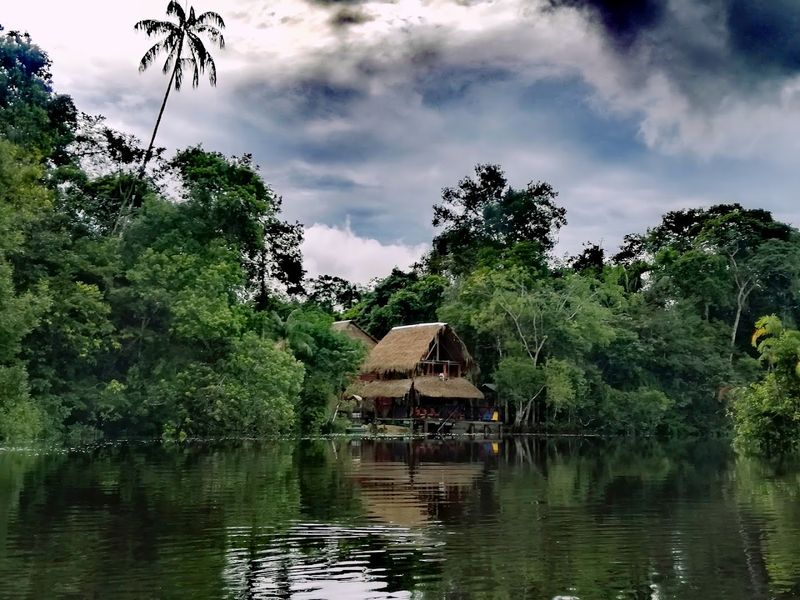
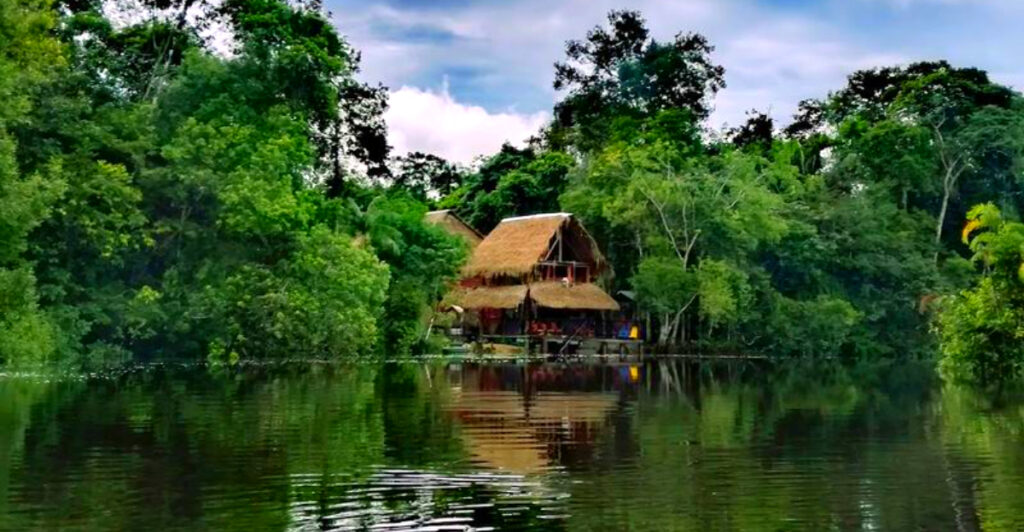
Cuyabeno’s blackwater lagoons have a way of making visitors go very quiet, and that stillness is actually the best setting for understanding the depth of cultural knowledge that indigenous communities here have built over centuries.
The reserve in northeastern Ecuador is associated with four distinct indigenous nations: the Siona, Secoya, Cofán, and Kichwa. Each group brings its own language, ceremonial traditions, and ecological expertise to a landscape that outsiders often reduce to a single label of jungle.
The Cofán, in particular, have become internationally recognized for their environmental advocacy. Their leader, Randy Borman, born to missionary parents but raised within the community, has spent decades defending Cofán territory against oil extraction.
That story alone reframes what indigenous cultural resilience actually looks like in practice.
Community-run lodges inside and near the reserve offer visitors a genuine entry point into daily life, traditional plant use, and the kind of guided forest walks where a local expert can identify a hundred species before lunch without breaking a sweat.
6. Madidi National Park, La Paz, Bolivia
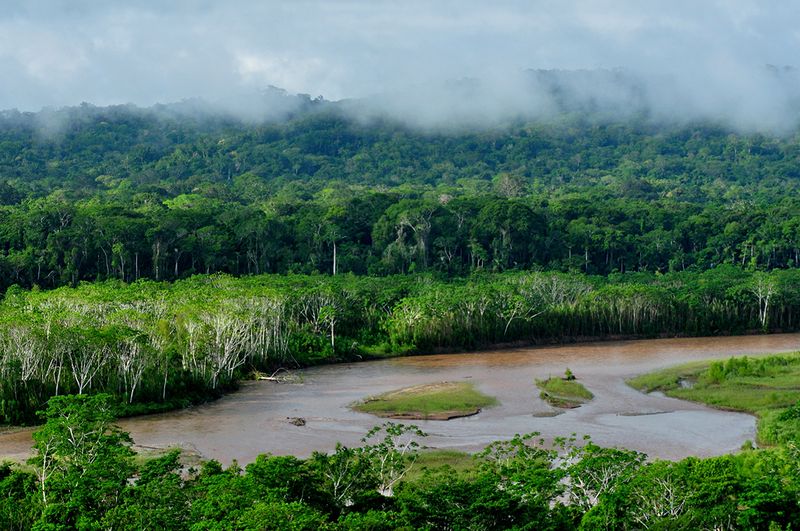
Bolivia’s Madidi National Park stretches across an altitude range so dramatic that it connects steamy Amazonian lowlands with cold Andean peaks within a single protected area, making it one of the most ecologically diverse places on Earth.
The Tacana and Quechua-Tacana communities have lived within this landscape for generations, and their involvement in tourism here is not decorative. The Chalalan Ecolodge, one of South America’s most celebrated community-owned tourism projects, was developed by the San José de Uchupiamonas community with support from international conservation organizations and has been entirely managed by local people since 2001.
Guests stay in traditional-style accommodations near a lagoon, guided by community members who know every trail, bird call, and medicinal plant in the surrounding forest. The model has been studied and replicated across the continent.
Madidi also holds the record for some of the highest species counts ever recorded in a single protected area. Culture and biodiversity are stacked here at the same impressive height.
7. Taman Negara, Pahang, Malaysia
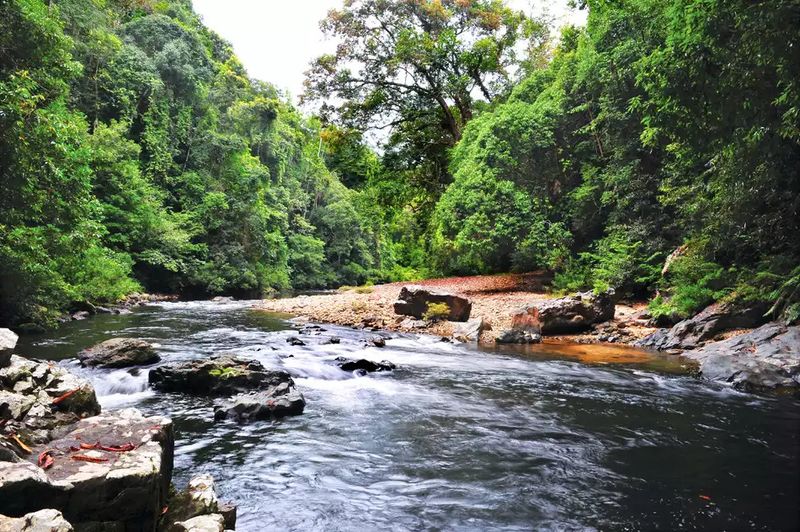
At roughly 130 million years old, Taman Negara is one of the oldest rainforests on Earth, which gives the Orang Asli communities connected to it a heritage that most cultures can only dream of claiming.
The Batek, a nomadic Orang Asli group, are particularly associated with this forest. They are hunter-gatherers whose knowledge of the jungle includes navigation techniques, blowpipe hunting, and an understanding of forest plants that researchers have spent careers trying to document.
Taman Negara draws visitors with its canopy walkway, river journeys, and cave systems, but the cultural layer beneath the tourism infrastructure is what gives the park its real weight. Several community-based programs allow visitors to spend time with Orang Asli guides who share traditional skills and ecological knowledge on their own terms.
The park covers over 4,000 square kilometers and is largely accessible only by boat along the Tembeling River. Getting there is part of the experience, and the forest makes sure you earn every view.
8. Gunung Mulu National Park, Sarawak, Malaysia
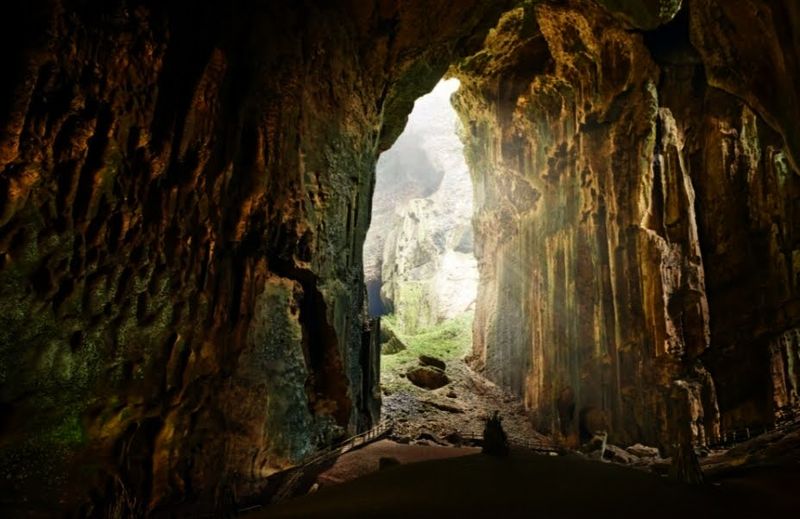
The numbers at Gunung Mulu are hard to absorb calmly: the Sarawak Chamber is the world’s largest cave chamber by area, and the Deer Cave hosts millions of bats that exit in a column visible from kilometers away.
Behind the geological spectacle, Mulu carries a strong human story. The Berawan people have historical connections to the park’s river systems and longhouse traditions, while the Penan, one of Southeast Asia’s last traditionally nomadic groups, have long moved through the surrounding forests.
The Penan are particularly notable for their sophisticated understanding of the jungle, including a detailed vocabulary for forest navigation and plant identification that reflects a lifetime of living within the ecosystem rather than alongside it. Advocacy groups have worked with Penan communities for decades to protect their territorial rights as logging and development have encroached on their lands.
Mulu was designated a UNESCO World Heritage Site in 2000. Visitors come for the caves but often leave thinking about the people who have known this landscape the longest.
9. Mossman Gorge Cultural Centre, Mossman, Queensland, Australia
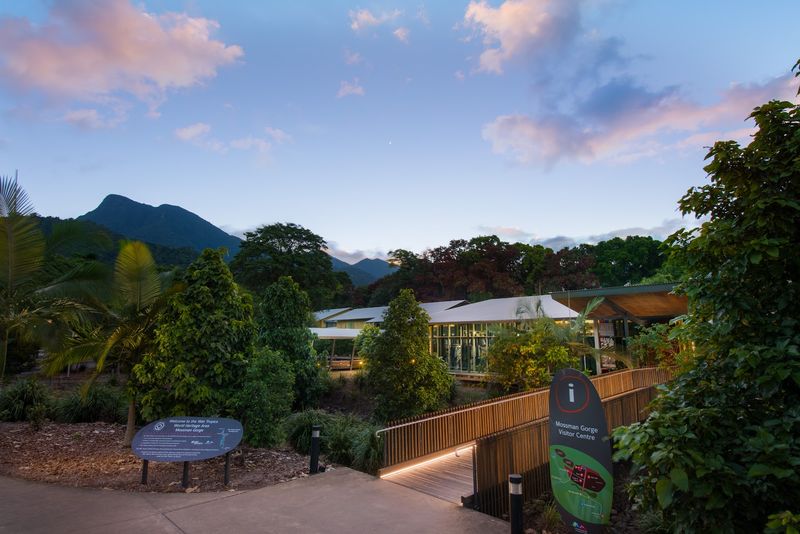
The Daintree Rainforest is the oldest tropical rainforest in Australia, and the Kuku Yalanji people have been its custodians for at least 50,000 years, which puts most conservation efforts in a rather humbling perspective.
Mossman Gorge Cultural Centre sits at the edge of this ancient forest and is owned and operated by the Eastern Kuku Yalanji people. Guided Dreamtime walks take visitors through rainforest tracks where guides explain the cultural significance of specific plants, land features, and traditional practices in concrete, accessible terms.
The centre has become a model for indigenous-led tourism in Australia, blending economic development with genuine cultural education. Visitors learn about bush tucker, traditional medicine, and the Kuku Yalanji connection to the Mossman River, which runs clear over granite boulders through the gorge.
The experience is structured but never stiff. Guides bring real knowledge and personal connection to every walk, and the gorge itself provides a backdrop that no constructed attraction could replicate.
This is living culture in its actual home.
10. Kakadu National Park, Jabiru, Northern Territory, Australia
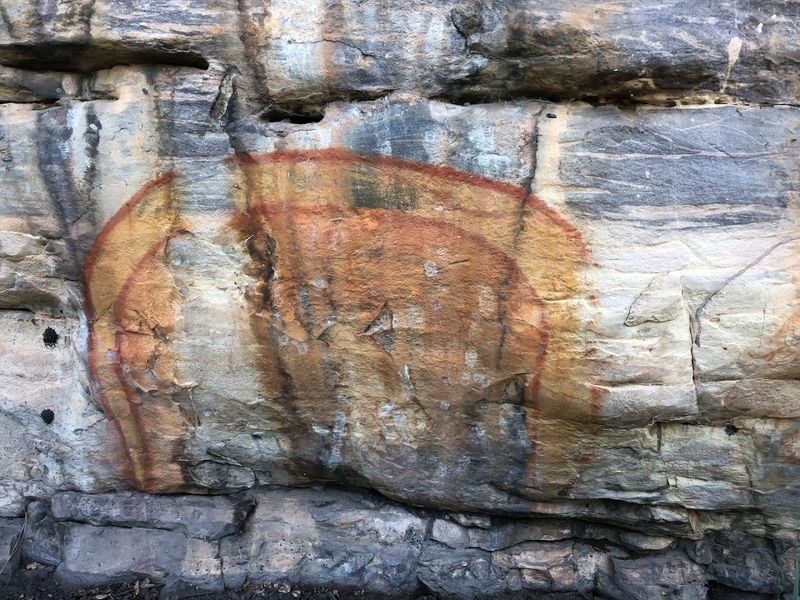
Kakadu holds rock art that is up to 20,000 years old, making it one of the longest continuous records of human cultural expression found anywhere on Earth. That is not a marketing claim; it is archaeology.
The park is jointly managed by the Bininj and Mungguy people and the Australian government, a partnership that has shaped how visitors experience everything from the escarpments to the wetlands. Bininj guides lead tours to sites like Nourlangie and Ubirr, where rock paintings document species, ceremonies, and stories that predate most of the world’s written languages.
Kakadu covers nearly 20,000 square kilometers and contains six distinct landscapes, including monsoon forest, floodplains, and stone country. Each zone carries its own cultural significance, and the Bininj relationship to land here is mapped in detail through a system of knowledge that has been passed down across countless generations.
The park was listed as a dual UNESCO World Heritage Site for both its natural and cultural values. Very few places in the world have earned both designations simultaneously.
11. Bwindi Impenetrable National Park, Kanungu, Uganda
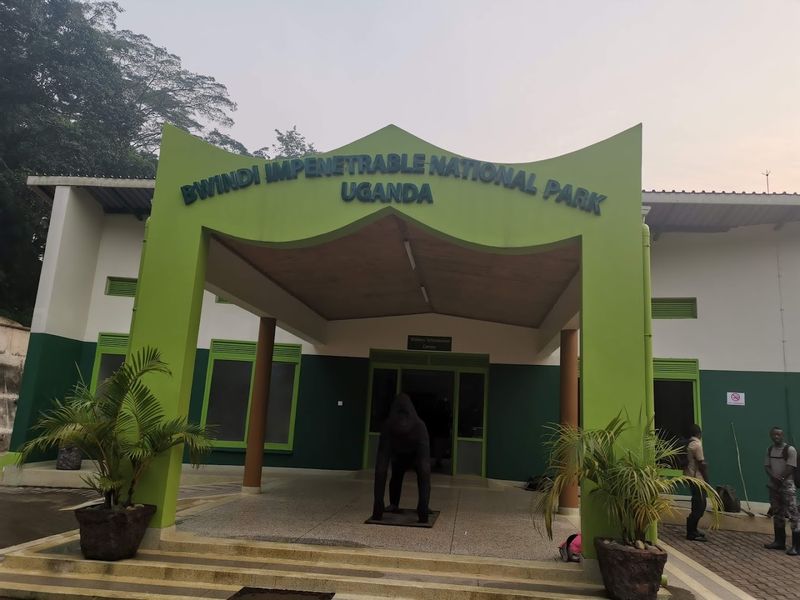
Bwindi earned its name honestly. The forest is genuinely difficult to move through, layered with vines, roots, and undergrowth that makes every trail feel like a negotiation.
While mountain gorillas draw most of the international attention to this UNESCO-listed park in southwestern Uganda, the Batwa people carry a cultural story that deserves equal billing. The Batwa lived inside Bwindi for thousands of years before the park was gazetted in 1991, relying on forest resources for food, medicine, and shelter.
Their displacement from the forest following the park’s creation remains a deeply contested chapter in conservation history. Today, several Batwa cultural experience programs operate near the park, led by Batwa community members who share traditional forest skills, history, and the practical knowledge of people who once called this dense highland jungle home.
These experiences are not lighthearted day trips. They are honest, sometimes difficult conversations about what conservation costs and who pays the price.
Engaging with that honestly is part of what makes a visit to Bwindi genuinely meaningful.
12. Iwokrama River Lodge And Research Centre, Iwokrama Forest, Guyana
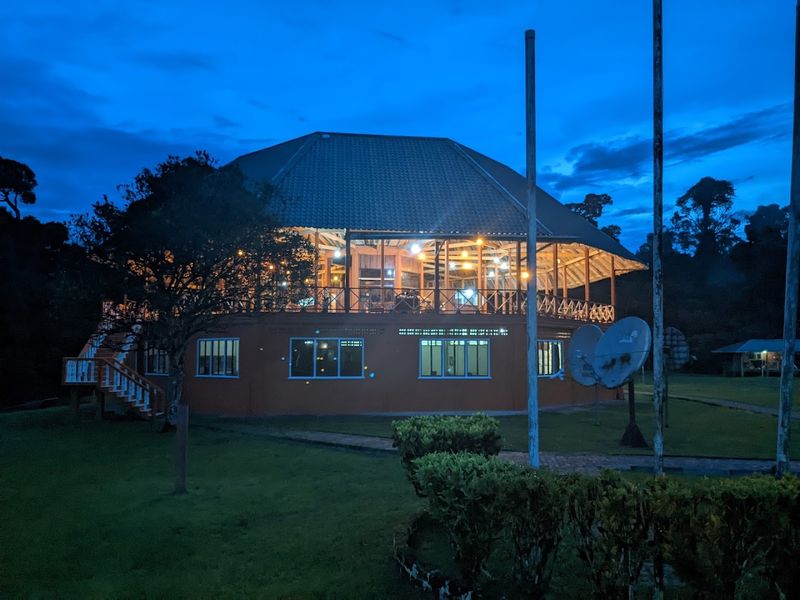
Guyana keeps a low profile on most travel lists, which is exactly why Iwokrama remains one of the least disturbed rainforest reserves in the entire Amazon basin.
The Iwokrama Forest covers approximately one million acres of intact jungle in central Guyana, managed under a partnership between the Guyanese government and the North Rupununi District Development Board, which represents Makushi and Wapishana communities. That arrangement is not symbolic.
Local communities hold real decision-making authority over how the forest is used and who gets access.
Makushi guides lead canopy walks, night safaris, and river excursions, bringing traditional ecological knowledge into direct conversation with scientific research being conducted at the centre. The result is a model that conservationists from around the world travel here specifically to study.
The Essequibo River, one of South America’s major river systems, runs through this territory, and the combination of forest, river, and community-led conservation gives Iwokrama a depth that glossier destinations rarely achieve. Guyana’s rainforest does not need to shout.
It simply delivers.
Share this story