For nearly 50 years, this Omaha steakhouse has offered one of the most distinctive dining experiences in the Midwest. Guests step into a monastery-themed setting filled with stained glass, candlelit dining rooms, and distinctive decor that has become a local tradition for generations of diners.
The restaurant’s atmosphere is memorable, but it is the food and long-standing reputation that keep customers coming back. The restaurant’s reputation rests on more than its atmosphere.
Its award-winning prime rib remains the centerpiece of the menu, drawing loyal customers from across Nebraska and beyond. Signature cuts, including the famous Benedictine cut, have helped establish the restaurant as one of Omaha’s most recognizable dining destinations.
What began as a simple concept sketched on a pizza box grew into a landmark that survived major challenges, changed ownership, and continued to thrive. Here’s why this unusual steakhouse remains one of the most memorable places to eat in the region and what makes its dining experience unlike anywhere else.
Where Old Omaha and a Monastic Dream Come Together
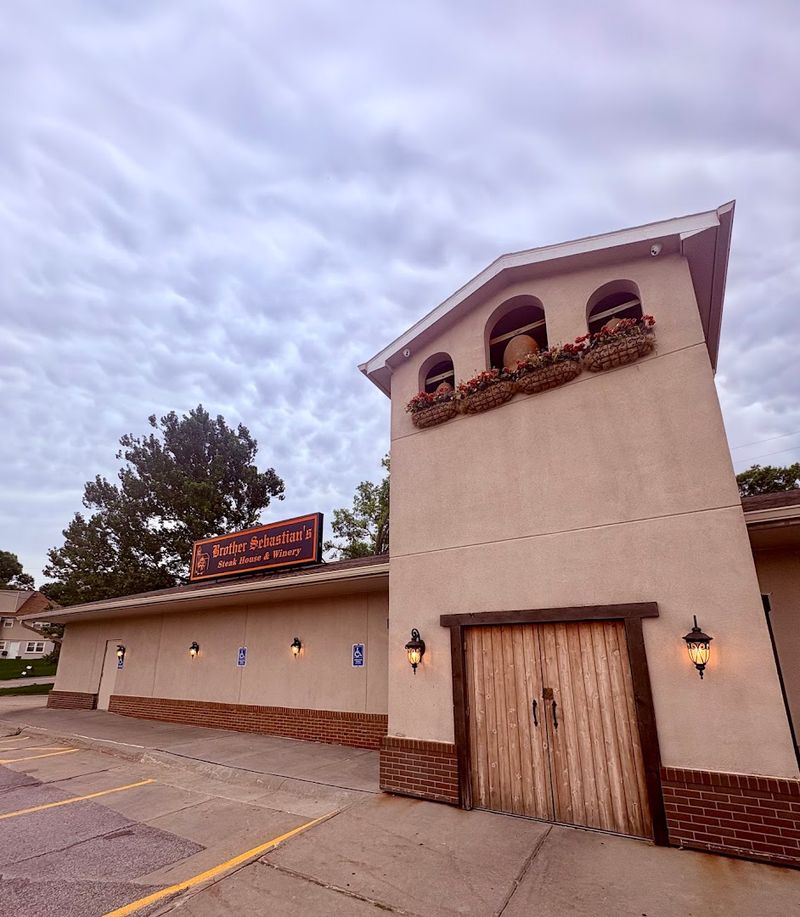
The address is 1350 South 119th Street, Omaha, Nebraska 68144, and the building immediately stands out from surrounding businesses. Monastery-inspired architectural details, including stucco finishes and a bell tower, reinforce the restaurant’s distinctive theme without trying to replicate an actual historic monastery.
Before you even step inside, the monastery-inspired exterior signals that this is not a typical Omaha steakhouse. The theme continues throughout the interior, where decorative details help create a dining experience that feels distinct from more conventional steakhouses.
The whole concept came from founder Loren Koch, who reportedly sketched his original vision for the restaurant on a pizza box. That napkin-level sketch eventually became a full-scale dining destination that has held its ground in Omaha since 1977, outlasting trends, competitors, and even a fire that leveled the original building in 1996.
The Pizza Box Blueprint That Built a Legend
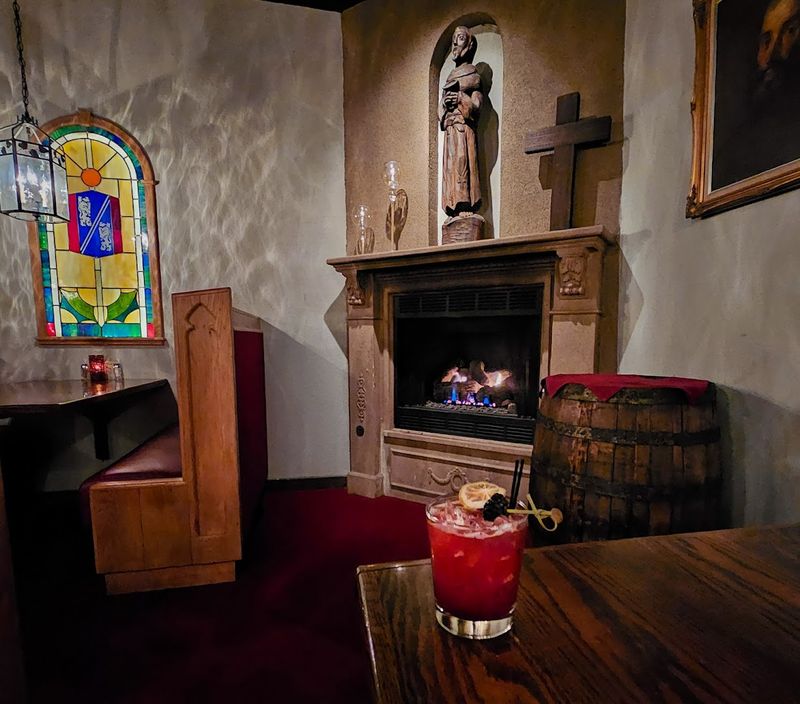
Not many restaurants can trace their origin story to a piece of cardboard and a founder with an unusually specific vision, but Brother Sebastian’s is not most restaurants. Loren Koch sketched the concept for his monastery-themed steakhouse on a pizza box, and somehow that casual drawing became the blueprint for one of Omaha’s most enduring dining institutions.
Koch opened the doors in 1977, and from the start, the menu leaned into simplicity and quality rather than novelty. About 80 percent of the original menu offerings have remained unchanged since 1980, reflecting a kitchen philosophy that treats consistency as a form of respect for the guest.
When a fire tore through the restaurant in February 1996, the rebuilding team worked to restore every detail of the original design. Eight months later, the doors reopened with the same atmosphere intact.
After Koch’s passing in 2023, longtime employee Scott Lurry, who had worked alongside Koch for 43 years, took over ownership and carried the mission forward.
A Dining Room Unlike Any Other in the Midwest
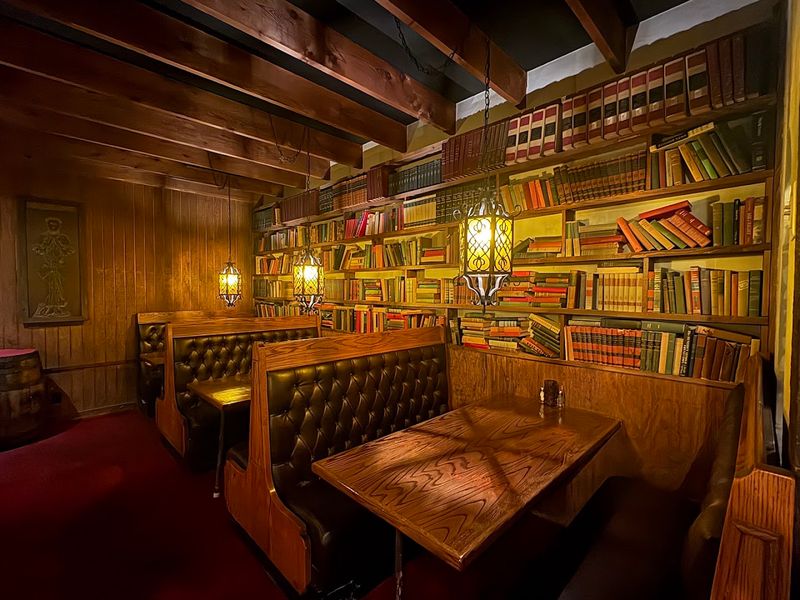
Most steakhouses give you one big room, a lot of noise, and a view of everyone else’s dinner. Brother Sebastian’s takes the opposite approach.
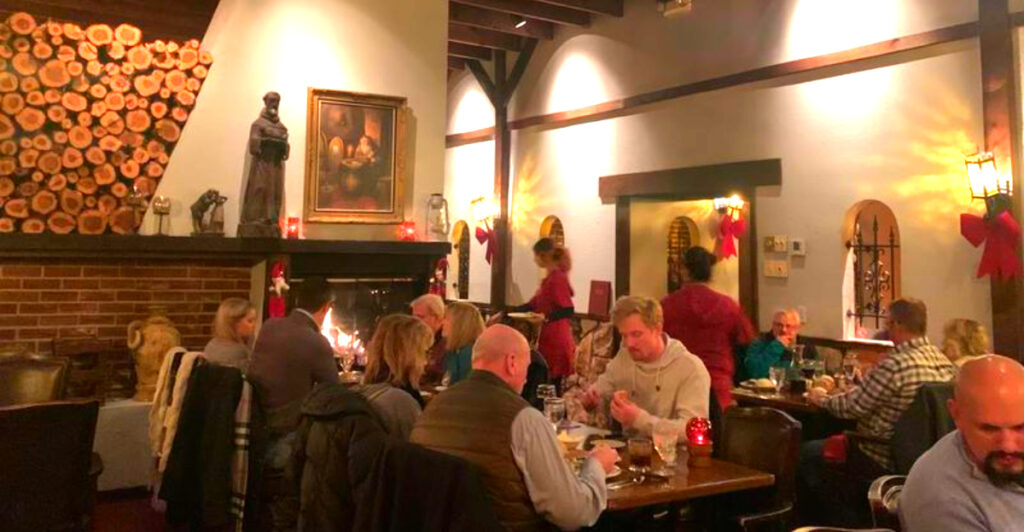
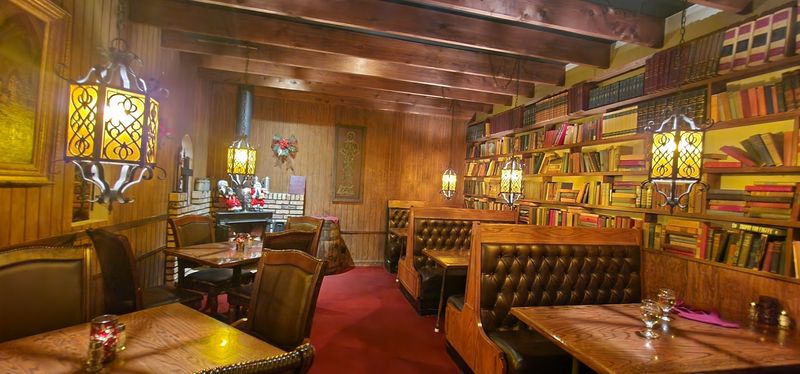
The interior is divided into multiple small, themed dining rooms, each with its own personality and its own mood.
Some rooms feature floor-to-ceiling bookshelves lined with old volumes. Others have stained glass windows that catch the low light and scatter soft color across the tables.
Wine barrels line the walls in certain sections, and at least one room has a ceiling painted to look like a night sky full of stars.
Fireplaces anchor some of the cozier corners, making the whole space feel less like a restaurant and more like a series of private studies in a very well-appointed manor house. The overall effect is warm and distinctive without feeling gimmicky, giving the restaurant a personality that has helped it stand out for decades.
The layout rewards exploration, and no two visits feel quite the same depending on where you are seated.
Slow-Cooked Prime Rib That Has Earned Its Reputation
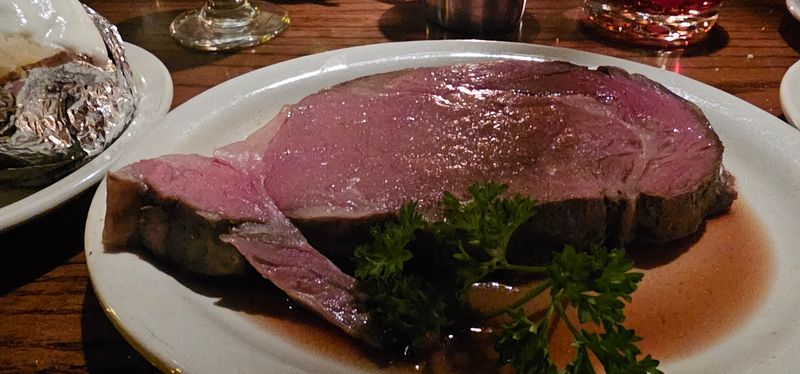
The house specialty at Brother Sebastian’s is the slow-cooked prime rib, and it has been the centerpiece of the menu since the beginning. The beef is USDA Choice Nebraska Angus, sourced primarily through Omaha Steaks, and the slow-roasting process builds a seasoned crust on the outside while keeping the interior pink and tender all the way through.
Two cuts are available: the Queen Cut for a more manageable portion and the King Cut for serious appetites. Both arrive with a trip to the salad bar, fresh bread, and a choice of potato, making the overall value genuinely hard to argue with for the quality on the plate.
The Omaha World-Herald has called the ribeye here the best steak in Omaha, and MSN included the restaurant among the nation’s top 50 steakhouses. Those are not small distinctions in a city that takes beef seriously.
Once you try the prime rib here, the reputation stops feeling like hype and starts feeling like an understatement.
The Benedictine Cut Deserves Its Own Fan Club
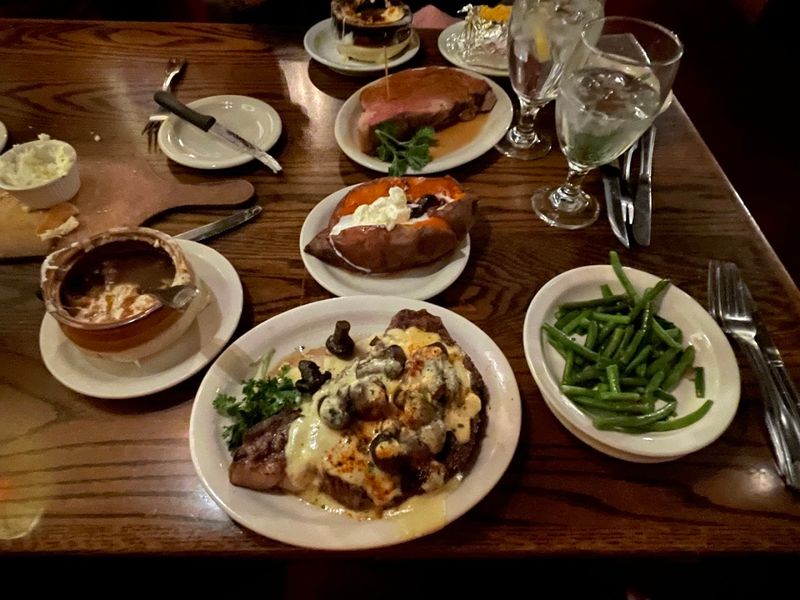
If the standard prime rib is the headliner, the Benedictine cut is the secret track that dedicated fans talk about in hushed, reverent tones. This particular preparation takes the slow-roasted prime rib and serves it with a creamy Hollandaise sauce and sauteed mushrooms layered on top, turning an already impressive cut of beef into something that feels almost ceremonial.
The combination of the seasoned crust, the tender pink interior, the rich sauce, and the earthy mushrooms creates a plate that hits multiple flavor notes at once without any single element overpowering the others. It is the kind of dish that makes you slow down mid-bite and reconsider your life choices up to that point.
Ordering the Benedictine cut is the move for first-timers who want to understand what all the fuss is about, and it is the reason many regulars never bother looking at the rest of the menu. Some traditions exist for very good reasons, and this one is absolutely worth honoring.
A Salad Bar That Actually Earns a Compliment
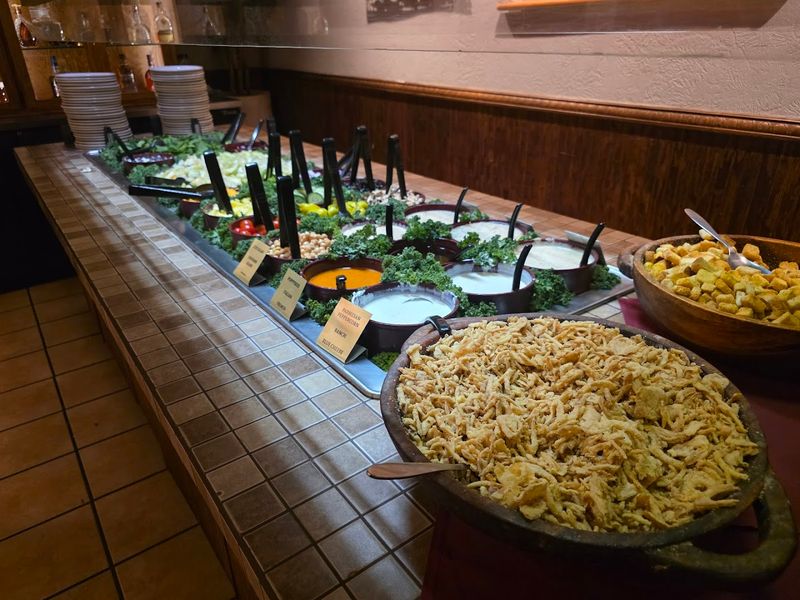
Salad bars have a complicated reputation in American dining, often conjuring images of wilted lettuce and mysterious dressings that have been sitting out since the lunch rush. The one at Brother Sebastian’s is a different story entirely.
The options are plentiful, everything arrives fresh, and dedicated attendants keep the station stocked and clean throughout the evening.
One detail that regulars genuinely appreciate is the use of full-size plates at the salad bar rather than the tiny saucers that other restaurants use to quietly discourage overloading. Here, you are meant to build a real salad, and the spinach with the house dressing is particularly worth seeking out among the options.
The salad bar is included with entrees, which makes the overall value even stronger when you factor in the bread that also comes to the table. The one practical note worth keeping in mind is that the salad bar area can get a bit tight during busy nights, so timing your trip between the dinner rush waves is a smart move.
Beyond the Prime Rib: What Else the Kitchen Does Well
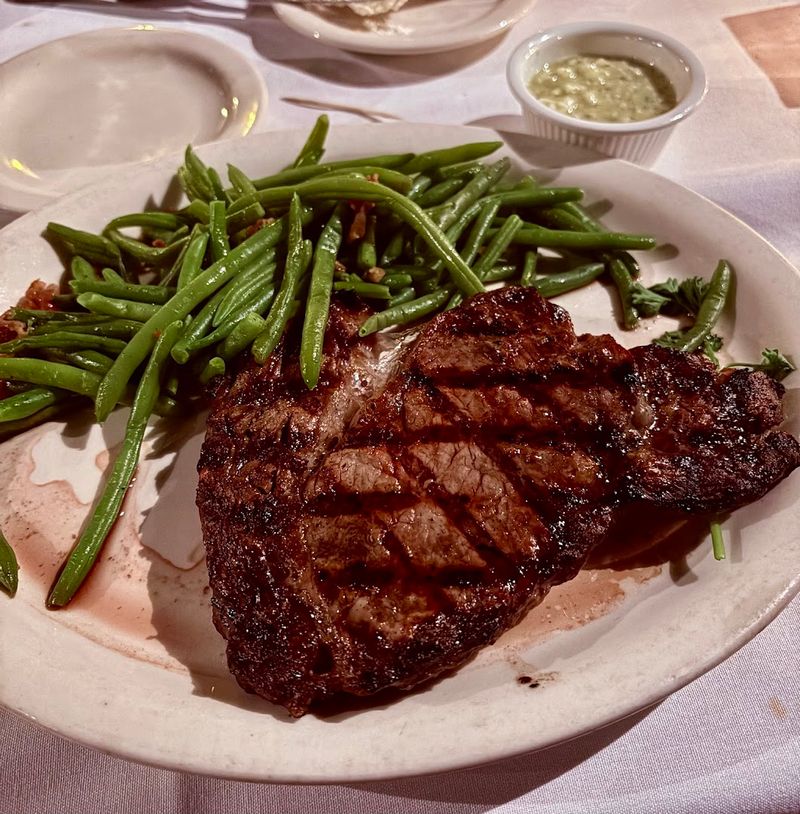
The prime rib gets most of the headlines, but the menu at Brother Sebastian’s covers considerably more ground than one signature dish. The ribeye has been recognized as the best steak in Omaha by the Omaha World-Herald, and the filet is a consistent crowd-pleaser for guests who prefer a leaner cut with a buttery texture.
Seafood makes a strong showing as well. The shrimp scampi is rich and deeply savory, the scallops are worth ordering as an addition to any entree, and the frog legs are a surprisingly popular choice that the kitchen handles with real skill.
For something more classic, the French dip arrives on a crusty roll with a beefy au jus that is exactly what it should be.
Appetizers like escargot round out the menu in a way that feels consistent with the old-world theme without veering into pretension. The kitchen keeps about 80 percent of its original menu intact, which means the dishes that have lasted this long have lasted for a reason.
Desserts That Demand a Tableside Performance
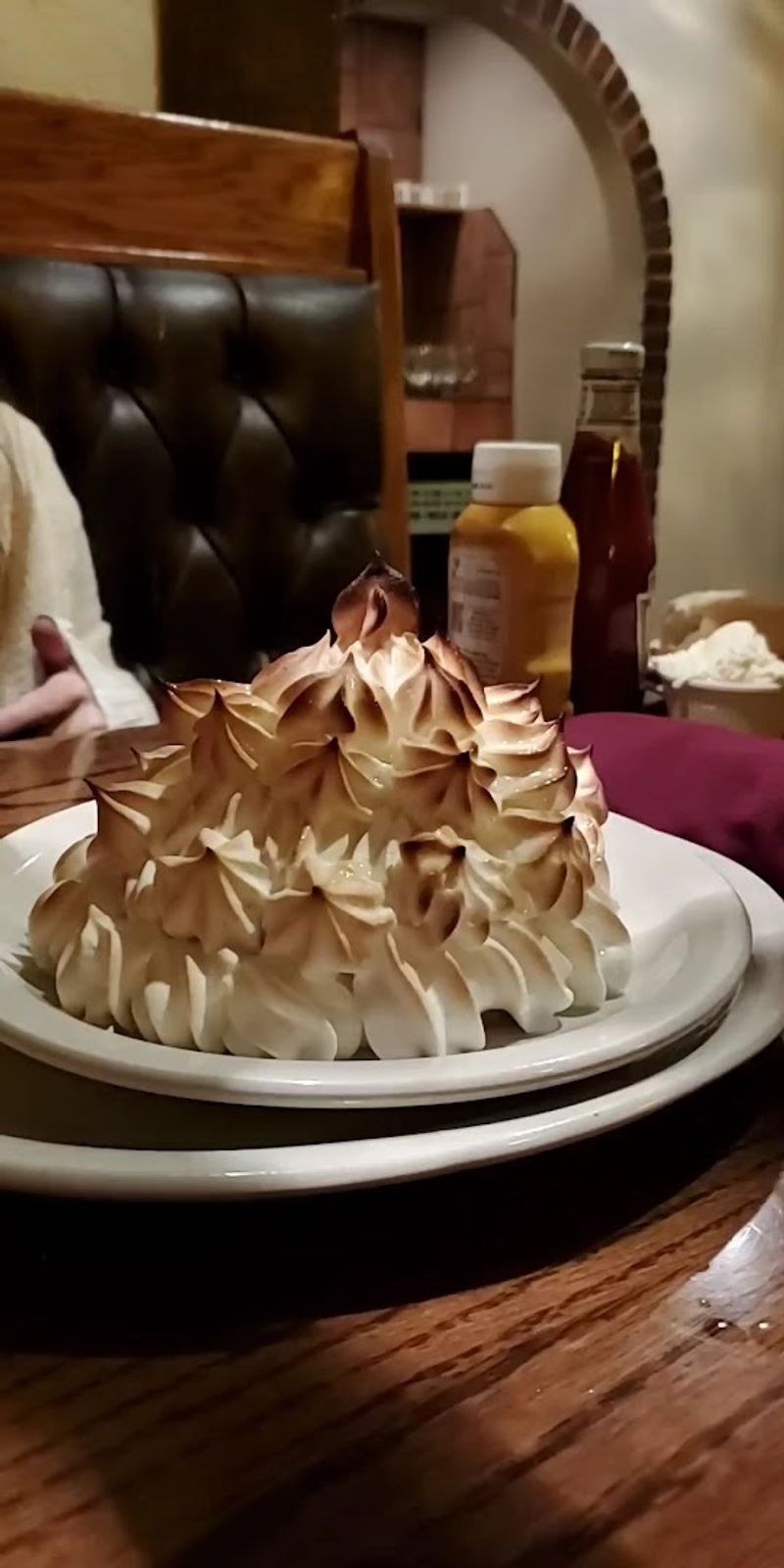
Finishing a meal at Brother Sebastian’s with dessert is not just about satisfying a sweet tooth. The Baked Alaska arrives tableside with a presentation that turns the end of the meal into a small event.
The meringue exterior, the ice cream interior, and the theatrical flambeing process make it the kind of dessert that other tables crane their necks to watch.
For guests who prefer something a little more grounded, the cinnamon cheesecake is a reliable choice with a sweet, creamy profile, though the caramel sauce can run generous depending on the night. The raspberry bread pudding is another standout, arriving in a portion size that routinely sends half of it home in a to-go box.
The dessert menu fits the overall spirit of the restaurant: classic preparations executed with care, without trying to reinvent anything that did not need reinventing. The Baked Alaska in particular has become something of a signature moment, and the kitchen clearly takes the presentation seriously every single time it leaves the pass.
Prices, Reservations, and What to Expect on a Busy Night
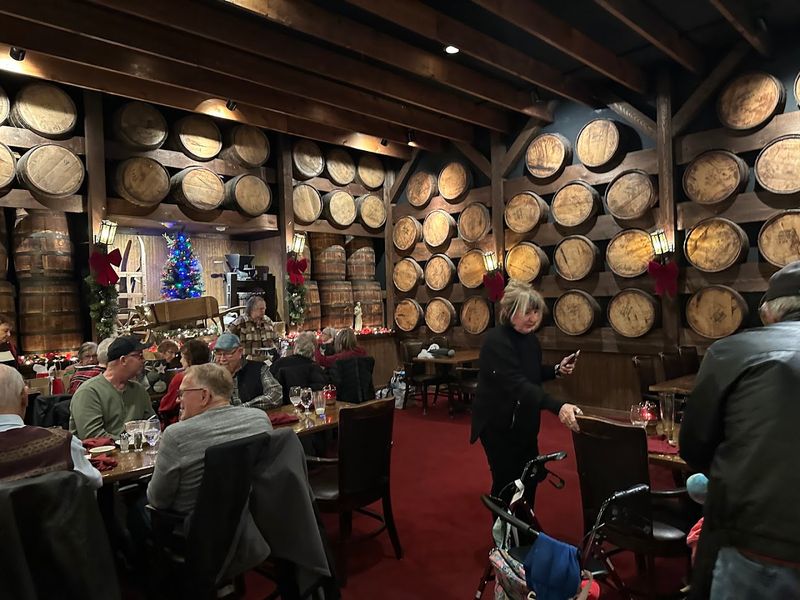
Brother Sebastian’s falls into the mid-to-upper price range for Omaha dining, with two guests typically spending around $150 or more for a full dinner with multiple courses. For the quality of the beef, the included salad bar, the bread, and the overall experience, most guests find that figure very easy to justify, and portions are large enough that leftovers for the next day are common.
The restaurant is open for lunch Tuesday through Friday from 11 AM to 2 PM, and for dinner on Saturday from 5 to 9 PM and Sunday from 4 to 8 PM. Reservations are strongly encouraged, particularly on weekends and holidays like Valentine’s Day when walk-in waits can stretch significantly.
Parking is shared with neighboring businesses, which can feel competitive on packed Friday and Saturday evenings, but guests generally report finding a spot without too much trouble. Calling ahead at 402-330-0300 or visiting brothersebastians.com to secure a reservation is the smartest way to guarantee a smooth start to the evening.
A Restaurant That Survived Fire and Kept Its Soul
In February 1996, a fire destroyed the original Brother Sebastian’s building. For most restaurants, that would have been the end of the story.
Instead, the team rebuilt the entire structure in just eight months, restoring every detail of the original monastery design that Koch had sketched out nearly two decades earlier.
The fact that the restaurant reopened with the same look, the same menu philosophy, and the same atmosphere is a testament to how deeply the concept was understood by the people running it. It was not just a building that burned down.
It was a very specific vision, and the team rebuilt that vision deliberately and faithfully.
When Loren Koch passed away in 2023, the transition to new ownership under Scott Lurry, a 43-year veteran of the operation, followed the same pattern of deliberate preservation. TripAdvisor Certificates of Excellence in 2014, 2015, 2016, 2018, and 2019, along with multiple Best of Omaha awards for prime rib, suggest the approach is working.
Some places earn their longevity, and Brother Sebastian’s has earned every year of it.
Why This Place Keeps Pulling People Back Year After Year
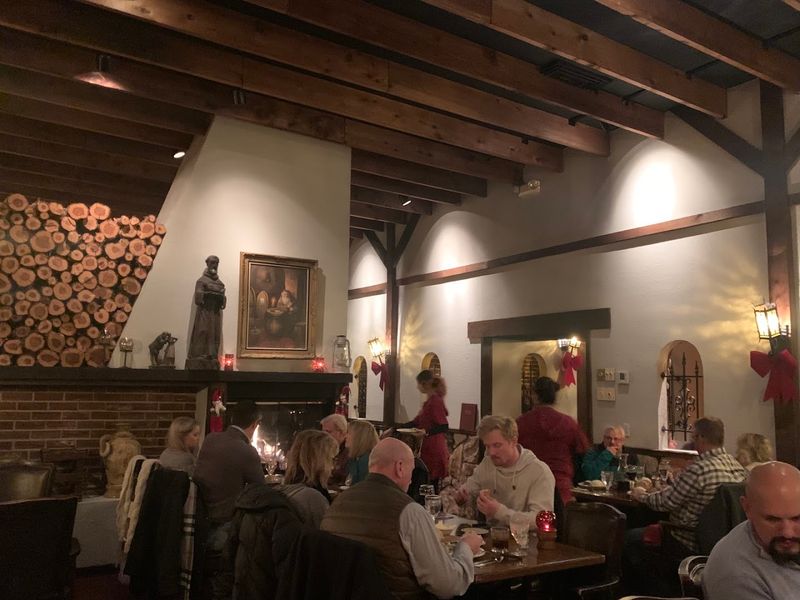
There is a particular kind of restaurant that becomes woven into the fabric of a city’s social life, the place where families mark birthdays, couples celebrate anniversaries, and friends gather for the kind of meal that turns into a story. Brother Sebastian’s has occupied that role in Omaha for nearly five decades, and the consistency of the experience is a big part of why.
The food is reliably excellent, the atmosphere is unlike anything else in the region, and the service standard has been maintained through ownership changes, a devastating fire, and the general turbulence of the restaurant industry. That combination of reliability and distinctiveness is rare, and guests clearly feel it.
First-time visitors are often surprised by how detailed the monastery-inspired decor is and how effectively it creates a memorable atmosphere without overshadowing the food. Long-time regulars describe it as a place that never lets them down.
Both reactions point to the same conclusion: Brother Sebastian’s has figured out something that most restaurants spend their entire existence trying to find, and it has no intention of changing the formula now.
Share this story