Italy has a way of turning ordinary moments into unforgettable memories. One day you’re wandering through ancient Roman ruins, the next you’re sipping wine among rolling vineyards or watching the sunset over colorful seaside villages.
From world-famous landmarks to breathtaking natural wonders, these destinations showcase why Italy remains one of the world’s most beloved travel destinations. Pack your bags, because this country is ready to blow your mind.
Rome — Lazio
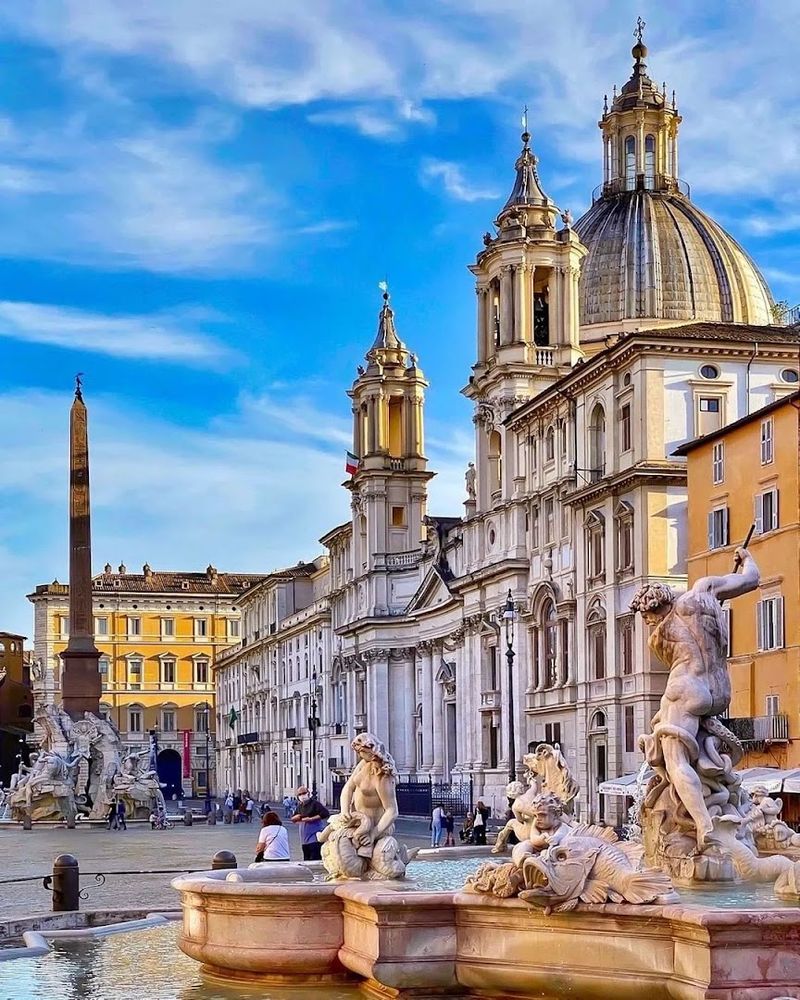
Walking into Rome feels like stepping into a living history book that never closes. The Colosseum alone can stop you in your tracks, standing massive and ancient right in the middle of a modern city.
It’s the kind of sight that makes your jaw drop before you’ve even finished your coffee.
Beyond the famous landmarks, Rome rewards those who wander without a plan. Duck into a side street and you might stumble upon a centuries-old fountain or a neighborhood trattoria serving pasta so good it ruins all future pasta forever.
The Roman Forum stretches across the city center, letting you walk the same stones as emperors once did.
Tossing a coin into the Trevi Fountain is touristy, yes, but still completely worth it. Evenings in Rome carry their own special energy, with locals filling piazzas for the ritual passeggiata stroll.
Budget at least three full days here, though seasoned travelers will tell you that Rome truly never gives you enough time.
Venice — Veneto
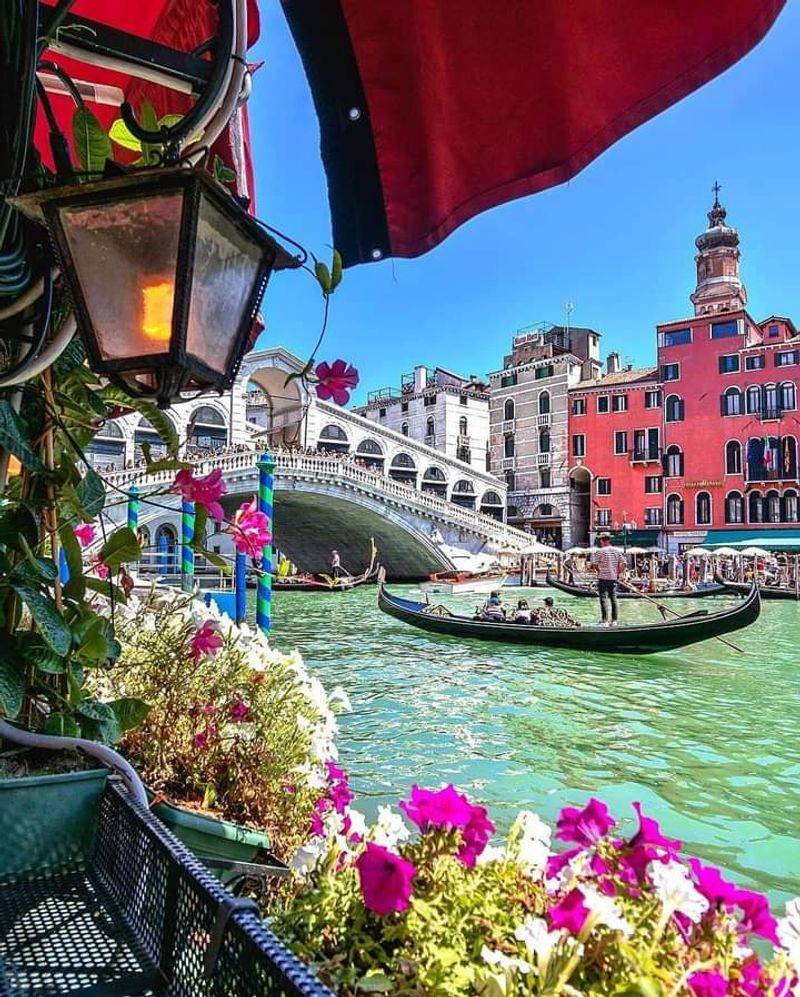
No city on Earth is quite as gloriously impractical as Venice. Built across 118 small islands connected by canals and over 400 bridges, it somehow works beautifully as a real, living city.
There are no cars here, which means the loudest sounds you’ll hear are lapping water and distant accordion music.
Gondolas are the iconic image, but locals actually get around by vaporetto, the city’s waterbus system. Riding one down the Grand Canal for just a few euros is one of travel’s great bargains.
Watch palaces, churches, and centuries-old merchant homes drift past like scenery from another world.
Getting lost in Venice is practically a sport, and a highly recommended one. The further you wander from St. Mark’s Square, the quieter and more magical the city becomes.
Hidden courtyards, tiny bakeries, and local wine bars called bacari appear when you least expect them. Visit in early spring or late autumn to avoid the summer crowds and experience Venice at its most atmospheric and romantic.
Florence — Tuscany
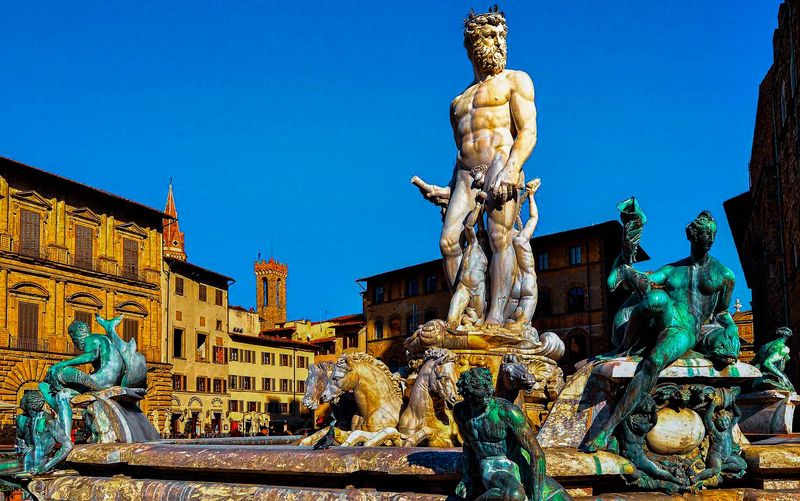
Brunelleschi’s famous cathedral dome has dominated the Florence skyline for nearly 600 years, and it still manages to look astonishing every single time. Florence is the city that basically invented the Renaissance, which means art lovers could spend weeks here and barely scratch the surface.
The Uffizi Gallery alone houses some of the most important paintings in human history.
Crossing the Ponte Vecchio is a must, but slow down and appreciate the jewelers’ shops that have lined this bridge since the 1500s. The Arno River reflects the city’s warm-toned buildings beautifully at dusk.
Head up to Piazzale Michelangelo in the evening for a panoramic view that makes the whole city look like a Renaissance painting come to life.
Florence also punches well above its weight in the food department. The local bistecca alla Fiorentina is a thick, char-grilled steak that meat lovers will remember for years.
Gelato here is serious business, and locals are quick to point out which shops use real ingredients versus artificial ones. Florence rewards slow, curious visitors who take time to look up, look around, and simply absorb.
Amalfi Coast — Campania
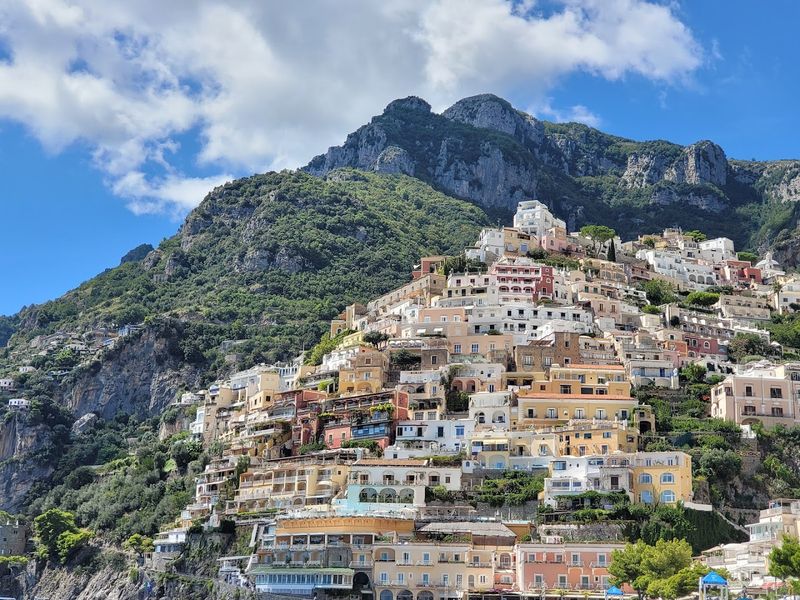
Clinging to cliffs above the sparkling Mediterranean, the Amalfi Coast is the kind of scenery that makes people question whether they’re actually awake. Colorful villages stack themselves vertically up steep hillsides, connected by winding roads so narrow that passing another car feels like a minor adventure.
This stretch of southern Italian coastline is genuinely one of Europe’s most dramatic landscapes.
Positano is the most photographed of the coastal towns, and for good reason. Its pastel-colored buildings tumbling toward a pebble beach make every photo look professionally edited.
Amalfi town itself is worth several hours of exploration, with its impressive cathedral and lemon-scented streets lined with ceramics shops.
Ravello sits higher up in the hills and offers a quieter, more refined experience with stunning garden terraces overlooking the sea. The local limoncello is made from Amalfi lemons, which are enormous and intensely fragrant.
Ferries connect the main towns, offering a relaxing alternative to the famously nerve-wracking coastal road. Visiting outside of July and August means fewer crowds, lower prices, and a much more enjoyable experience on those famously narrow roads.
Cinque Terre — Liguria
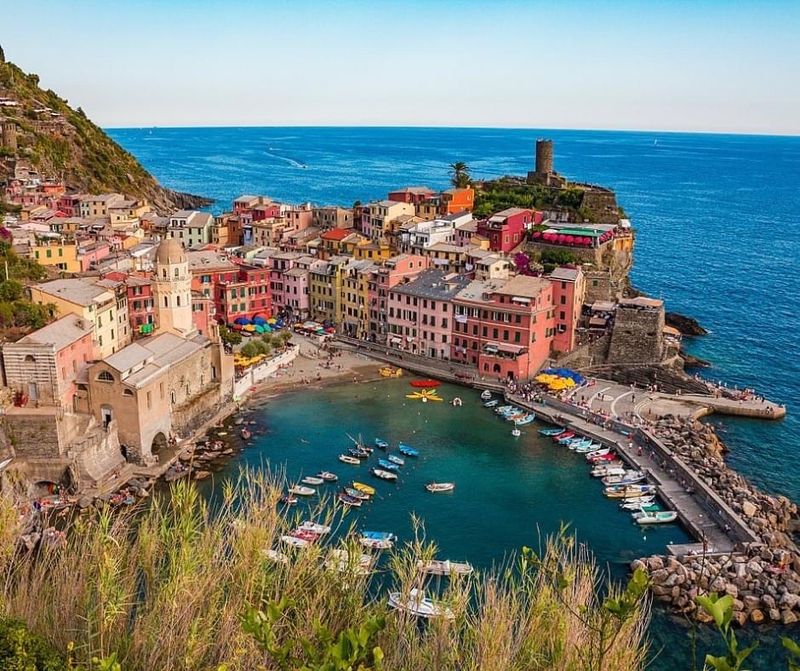
Five small fishing villages perched on dramatic cliffs above the Ligurian Sea sound like something out of a fairy tale, but Cinque Terre is completely real and completely breathtaking. Riomaggiore, Manarola, Corniglia, Vernazza, and Monterosso each have their own personality, connected by hiking trails, regional trains, and seasonal ferries.
Together they form one of Italy’s most iconic and photographed coastlines.
The Sentiero Azzurro, or Blue Trail, links the villages on foot and offers jaw-dropping sea views around nearly every bend. Corniglia sits highest above the water and requires climbing a long staircase from the train station, but the reward is a quieter, less crowded village with sweeping panoramas.
Vernazza’s natural harbor is arguably the most picturesque spot in all five villages.
Crowds can be intense from June through August, so early mornings and shoulder seasons are strongly recommended. The local white wine, Sciacchetra, is produced from grapes grown on the steep terraced hillsides and is well worth tasting.
Fresh seafood is abundant and affordable at the small restaurants lining the harbor fronts. A Cinque Terre Card covers hiking access and train travel between the villages, making it excellent value for active visitors.
Tuscany’s Val d’Orcia — Tuscany
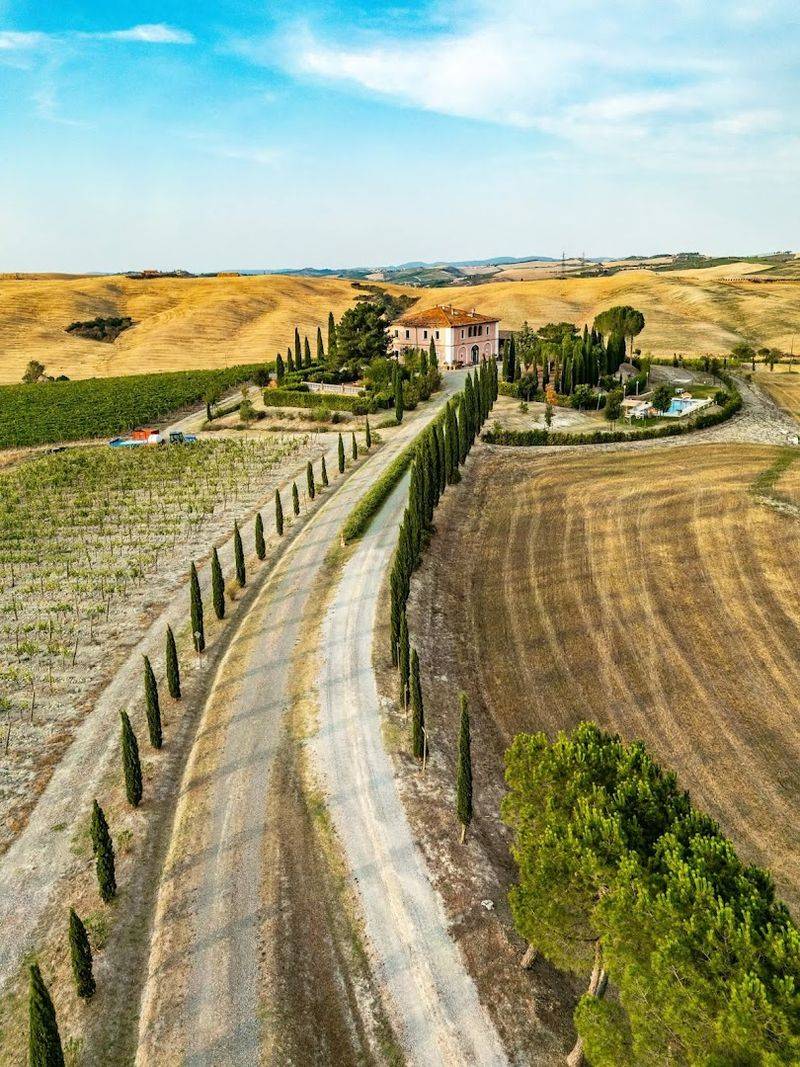
If a painting could become a landscape, it would look exactly like Val d’Orcia. Rolling hills dotted with lone cypress trees, golden wheat fields, and hilltop medieval villages create scenery so perfectly composed that UNESCO granted it World Heritage status in 2004.
This corner of southern Tuscany is where Italy’s most iconic countryside images actually come from.
Pienza is the region’s most elegant small town, designed during the Renaissance as an ideal city and still remarkably intact. Its main square frames a view of the surrounding valley that photographers chase at every season.
Montalcino produces the legendary Brunello di Montalcino wine, considered one of Italy’s finest reds, and wine tastings at local estates are genuinely memorable experiences.
Bagno Vignoni is one of the region’s most unusual villages, built around a large thermal pool that has been used since Roman times. The winding road between Monticchiello and Pienza in late spring, when the wheat is green and the poppies are blooming, is one of the most beautiful drives in Europe.
Renting a car is by far the best way to explore Val d’Orcia, allowing freedom to stop at overlooks and quiet villages on your own schedule.
Lake Como — Lombardy
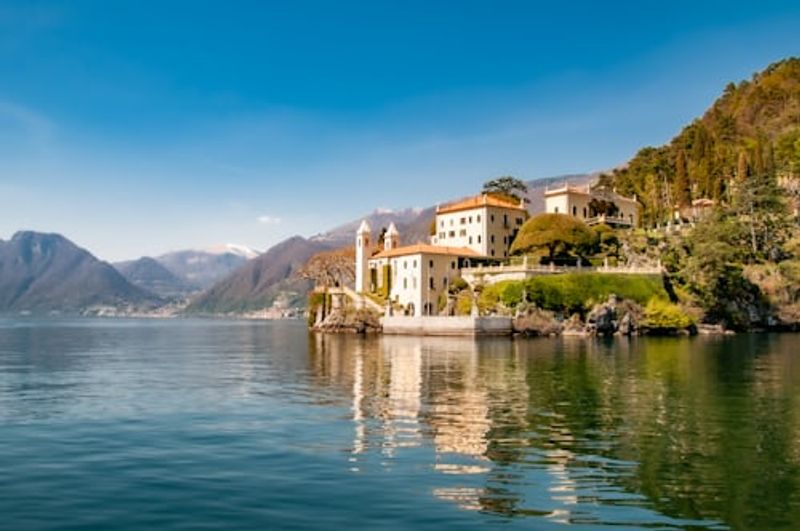
Lake Como has been luring wealthy visitors since the days of the Roman Empire, and honestly, it’s not hard to see why. Turquoise water stretches between steep mountain slopes, while elegant villas with manicured gardens line the shoreline in both directions.
It’s the kind of place that makes you want to slow down, order an Aperol Spritz, and simply stare at the view for an unreasonable amount of time.
Bellagio sits at the point where the lake splits into two branches and is widely considered the most charming town on the water. Its narrow cobblestone lanes, flower-draped balconies, and lakefront promenade are genuinely delightful to explore.
Varenna on the eastern shore is slightly less visited and offers a quieter, equally beautiful alternative with spectacular sunset views.
Villa del Balbianello, perched dramatically on a wooded promontory, is one of Italy’s most photographed lakeside properties and has appeared in several major films. The ferry network connecting Como’s towns is efficient and scenic, making car-free exploration very practical.
Spring and early autumn offer the most pleasant weather and smaller crowds than the peak summer months. Como town itself, at the southern tip of the lake, has a lovely cathedral and good transport links to Milan.
Matera — Basilicata
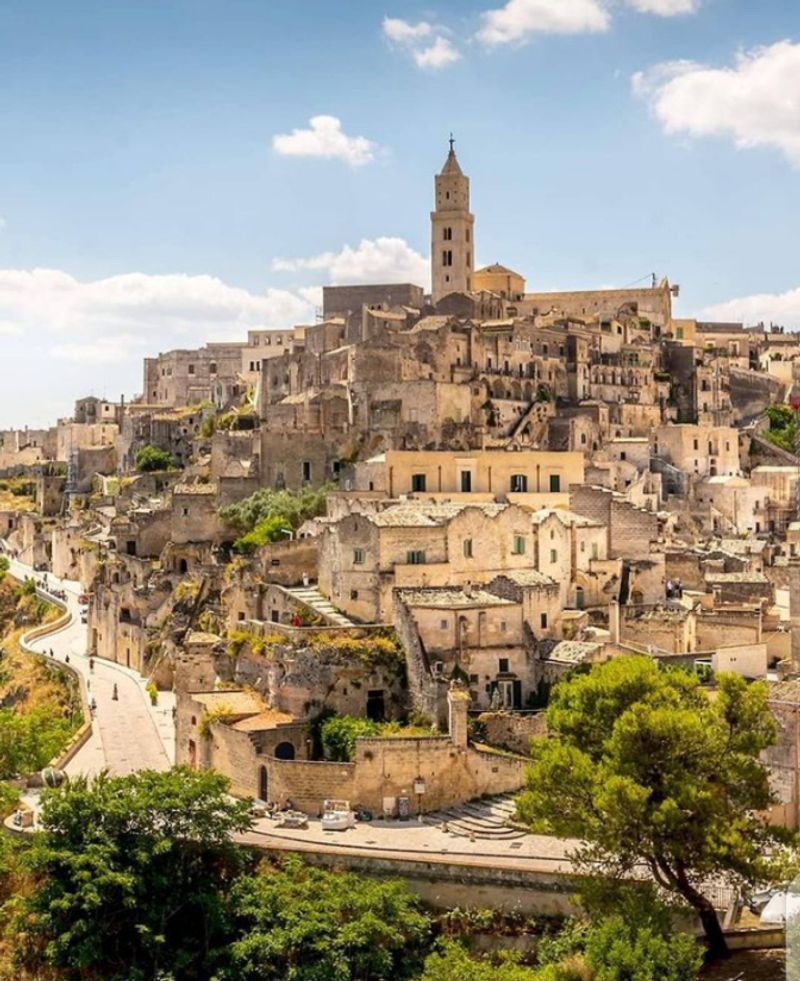
People have been living in Matera’s cave dwellings for at least 9,000 years, making it one of the oldest continuously inhabited settlements on Earth. The Sassi di Matera, two districts of homes, churches, and streets carved directly into limestone rock, create an urban landscape unlike anything else in Europe.
When you first see it from across the ravine, the whole city looks like it grew organically from the stone itself.
In the mid-20th century, the Italian government famously evacuated the Sassi, considering them a national embarrassment due to extreme poverty. Decades later, the same cave dwellings were recognized as a UNESCO World Heritage Site and transformed into boutique hotels, restaurants, and cultural spaces.
Spending a night in a converted cave hotel is one of Italy’s most unique accommodation experiences.
Matera served as the filming location for Jerusalem in Mel Gibson’s film The Passion of the Christ, which gives you some idea of how ancient and otherworldly it looks. The rock-cut churches scattered throughout the ravine contain faded Byzantine frescoes that are genuinely moving to discover.
Matera was also a European Capital of Culture in 2019, bringing new energy and creative projects to this remarkable southern Italian city. Visit at night when the stone glows warmly under soft lighting.
The Dolomites — Northern Italy
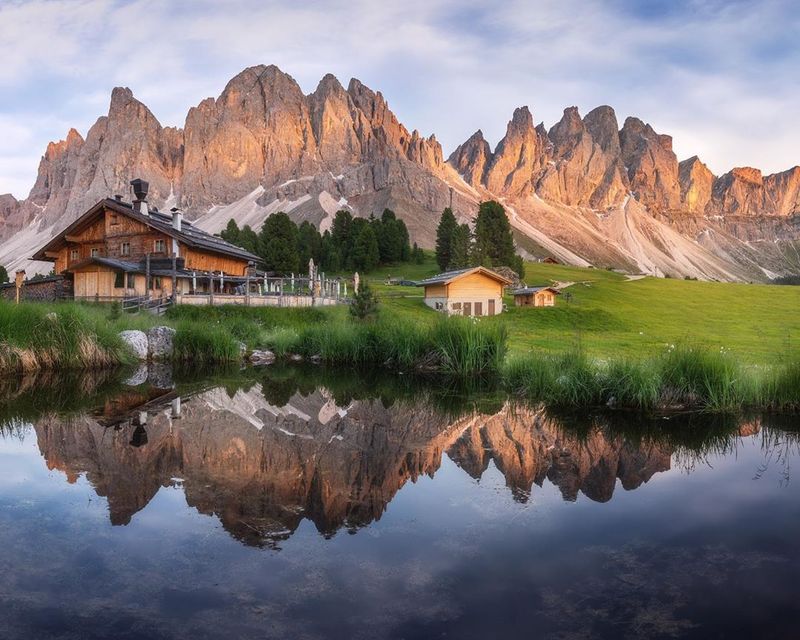
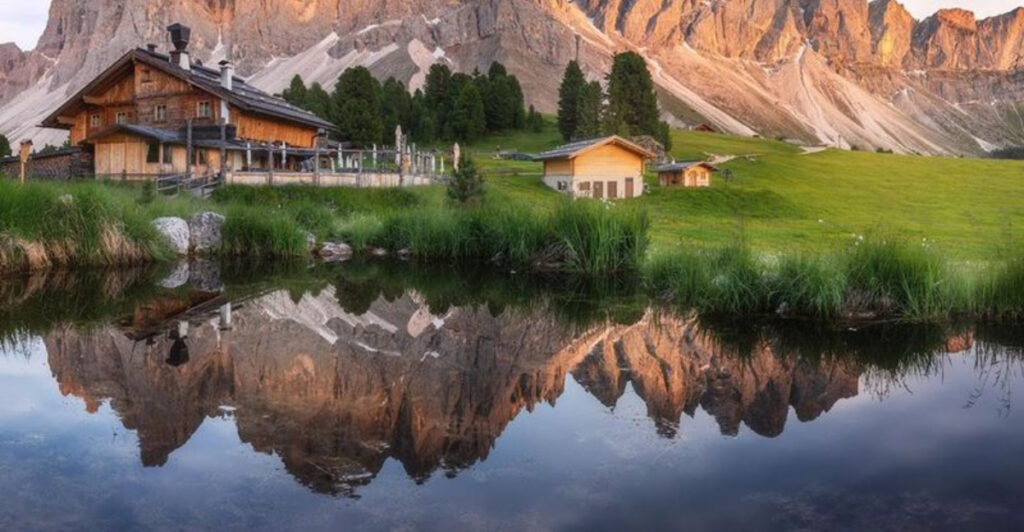
Jagged pink-tinged peaks rising nearly 3,300 meters above alpine meadows and mirror-still lakes make the Dolomites look almost computer-generated. This UNESCO-listed mountain range in northeastern Italy is jaw-droppingly beautiful in every season, drawing hikers in summer and skiers in winter with equal enthusiasm.
The quality of light here at sunrise and sunset, when the rock turns shades of rose and gold, is something photographers travel from around the world to capture.
The Tre Cime di Lavaredo, three distinctive rocky towers rising from a high plateau, is the Dolomites’ most iconic image and one of Europe’s great hikes. The loop trail around the towers takes about three hours and rewards walkers with 360-degree mountain panoramas.
Cortina d’Ampezzo is the region’s most glamorous resort town and hosted the 1956 Winter Olympics.
Alta Badia and Val Gardena are two of the most scenic valleys, offering charming mountain villages where the local Ladin language and culture add a fascinating cultural dimension. The Sella Ronda ski circuit links four valleys and is one of Europe’s best ski touring routes.
Even traveling through the Dolomites by car on the Great Dolomites Road delivers breathtaking views at every mountain pass. Summer wildflowers carpeting alpine meadows create scenes of extraordinary natural beauty.
Siena — Tuscany
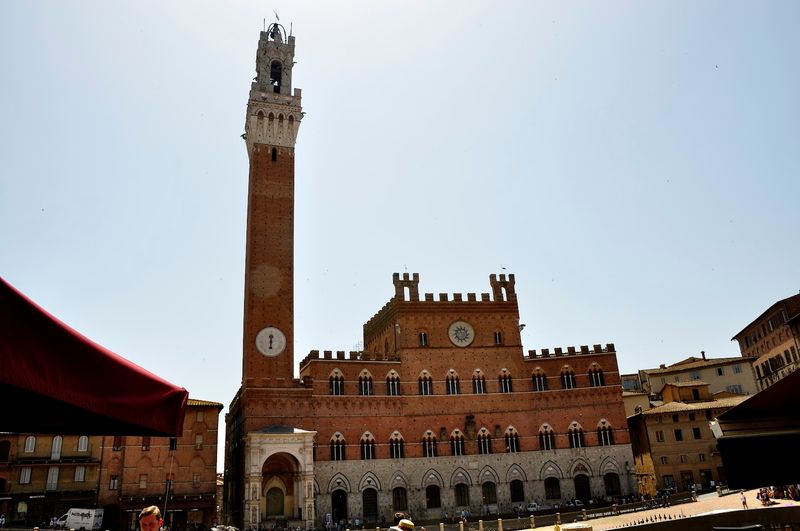
Twice a year, Siena’s Piazza del Campo transforms into a horse racing track for the Palio, one of Italy’s most passionate and chaotic medieval traditions. Outside of race days, this shell-shaped square is simply one of the most beautiful public spaces in the world, sloping gently toward the Gothic Palazzo Pubblico with its soaring tower.
Sitting on the warm bricks of the Campo with a gelato is one of those simple travel pleasures that stays with you for years.
Siena’s historic center is almost entirely car-free and has changed surprisingly little since the medieval period. The black-and-white striped marble cathedral is extraordinary inside and out, with an inlaid marble floor featuring 56 elaborate panels depicting biblical scenes.
Climbing the Torre del Mangia for panoramic views over the terracotta rooftops is absolutely worth the effort.
The city is divided into 17 neighborhoods called contrade, each with its own symbol, colors, and fierce local pride. Residents’ loyalty to their contrada is lifelong and genuinely intense, making Siena feel like a city where history is not just preserved but actually lived.
Cantina e Osteria restaurants tucked into medieval brick buildings serve hearty Sienese cuisine including pici pasta and wild boar ragu at very reasonable prices.
Sicily — Sicily
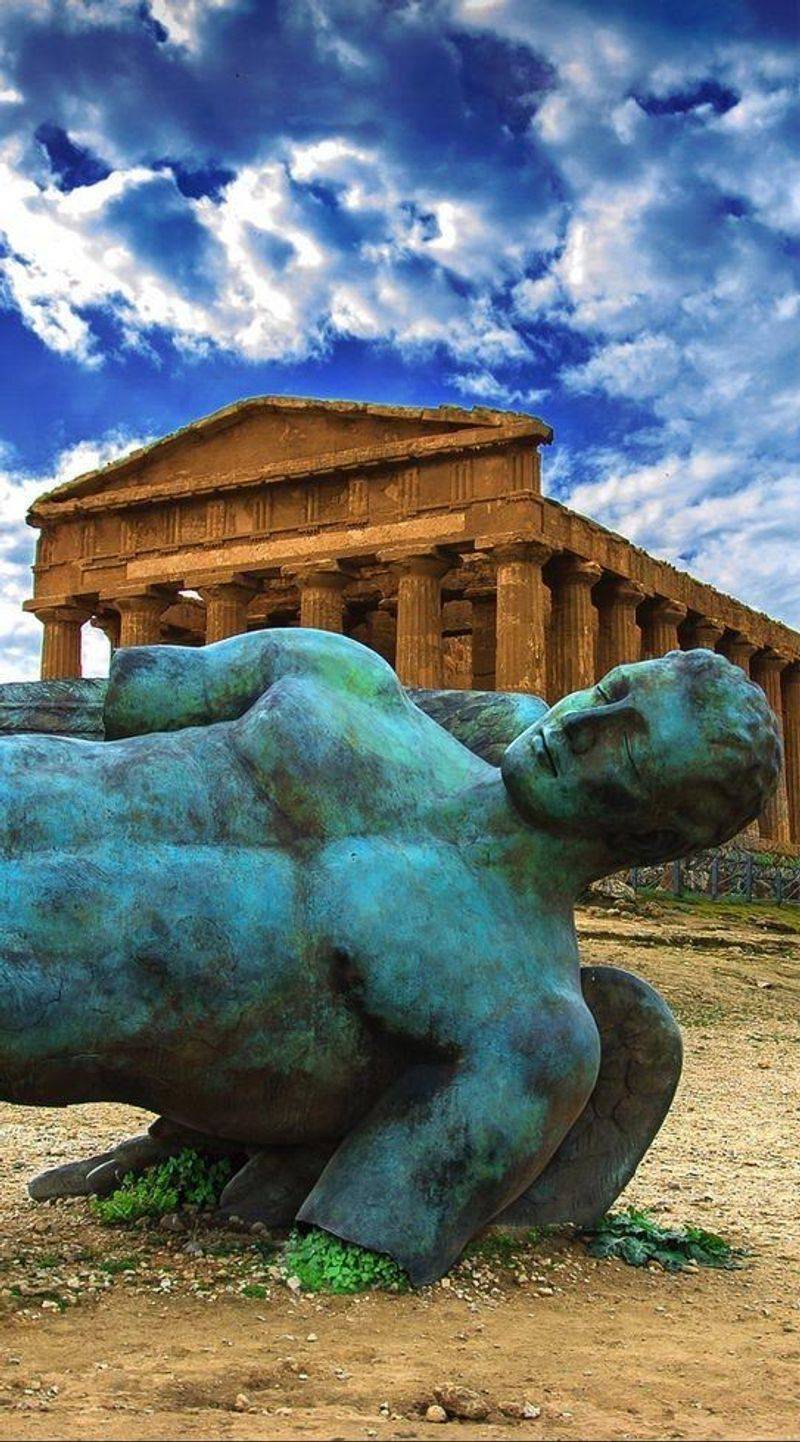
Sicily is basically a greatest-hits collection of Mediterranean civilization packed onto one island. Greek temples, Norman cathedrals, Arabic-influenced architecture, Roman mosaics, and volcanic landscapes all coexist here in a way that feels genuinely extraordinary.
The island’s layered history reflects every major civilization that swept through the Mediterranean over the past 3,000 years.
Mount Etna is Europe’s most active volcano and one of Sicily’s most thrilling attractions. Guided hikes and cable car rides take visitors surprisingly close to the summit craters, where the landscape looks more like the moon than southern Italy.
The fertile volcanic soil around Etna produces some of Sicily’s most exciting wines, with indigenous grape varieties gaining serious attention from international wine lovers.
Palermo’s chaotic street markets, particularly the Ballar market, are among the most sensory-rich experiences in all of Italy. The street food scene here, featuring arancini, panelle, and sfincione, is world-class and extremely affordable.
Taormina perched above the sea with its ancient Greek theater framing views of Etna is one of Italy’s most dramatic and romantic settings. The Valley of the Temples near Agrigento preserves some of the best-preserved Greek ruins outside of Greece itself.
Sicily genuinely rewards extended exploration.
Puglia — Apulia
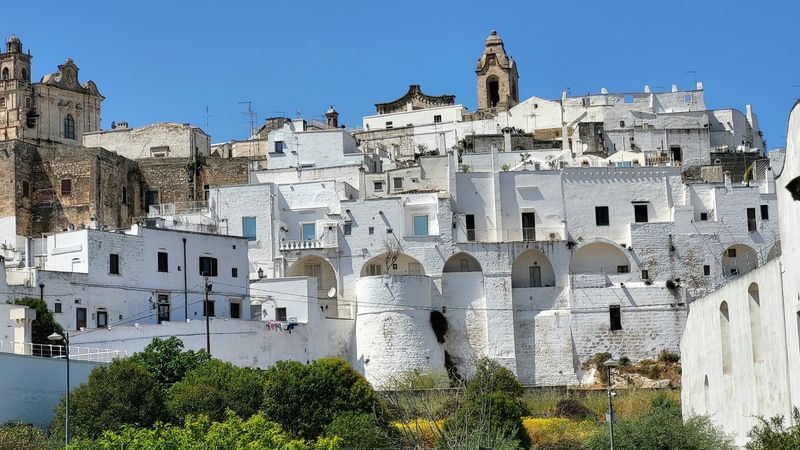
Puglia is the kind of destination that makes travelers wonder why it took them so long to discover it. Stretching down Italy’s heel, this sun-baked region offers whitewashed hilltop towns, ancient olive groves, crystal-clear Adriatic beaches, and a food culture built on simplicity and extraordinary ingredients.
It moves at a slower, more relaxed pace than Italy’s famous northern cities.
Alberobello is famous worldwide for its trulli, unique circular stone houses topped with conical grey roofs that look like something from a children’s storybook. The trulli district is a UNESCO World Heritage Site and genuinely charming to wander through, especially in the early morning before the day-trippers arrive.
Ostuni, known as the White City for its brilliant whitewashed buildings, sits on a hilltop with sweeping views over olive groves stretching to the sea.
Lecce in the south earns the nickname Florence of the South for its exuberant Baroque architecture covering virtually every building surface with elaborate stone carvings. The local pasticciotto pastry, a short-crust shell filled with custard cream, is the region’s beloved breakfast treat.
Puglia’s beaches along the Salento peninsula feature water so clear and blue that photos consistently get mistaken for the Caribbean. Olive oil produced here is considered some of the finest in Italy.
Naples — Campania
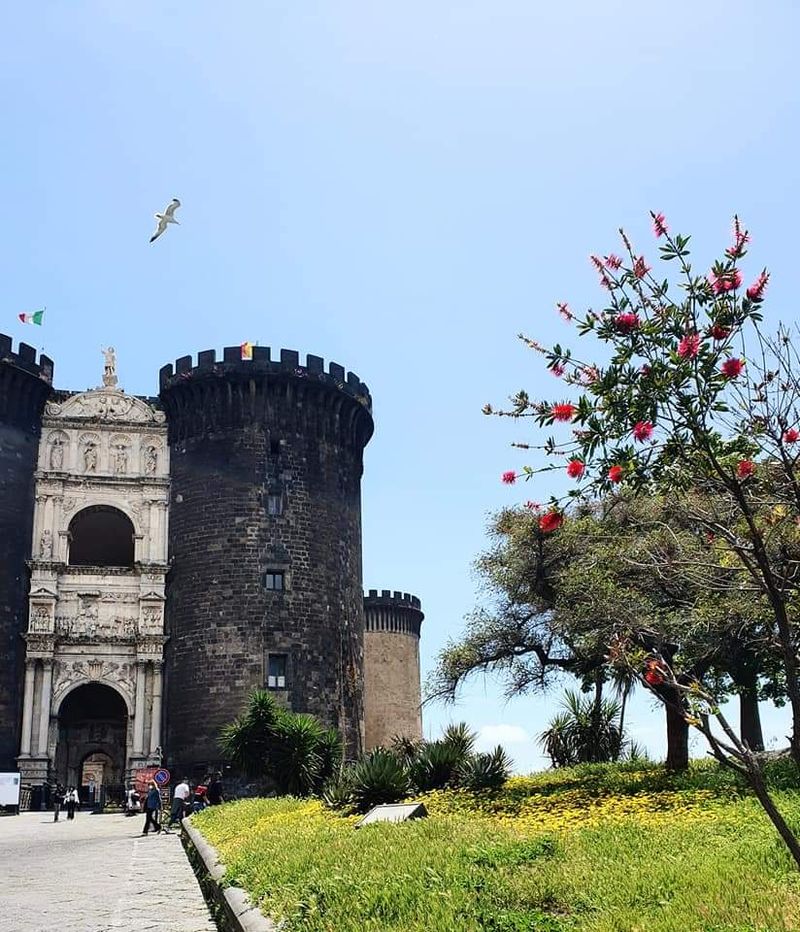
Naples is loud, chaotic, layered, and utterly alive in a way that few cities anywhere in the world can match. It’s also the city that invented pizza, which alone earns it a permanent place on any serious traveler’s itinerary.
A margherita pizza from a wood-fired oven at one of the historic pizzerias in the Spanish Quarter is a near-religious experience that no amount of description fully prepares you for.
The historic center of Naples is a UNESCO World Heritage Site and one of Europe’s densest concentrations of historic buildings, churches, and underground archaeology. The Naples National Archaeological Museum houses the world’s finest collection of Roman artifacts from Pompeii and Herculaneum, including stunning mosaics and everyday objects frozen in time by volcanic ash.
Spending half a day there before visiting Pompeii itself makes the ancient ruins dramatically more meaningful.
Mount Vesuvius looms over the city with quiet menace, and hiking to its crater rim for views over the Bay of Naples is surprisingly accessible. The Spaccanapoli street cuts straight through the old city and is lined with street food vendors, baroque churches, and presepe nativity scene workshops that have operated for generations.
Naples rewards visitors who embrace its energy rather than resist it. The city’s rough edges are inseparable from its extraordinary character.
Verona — Veneto
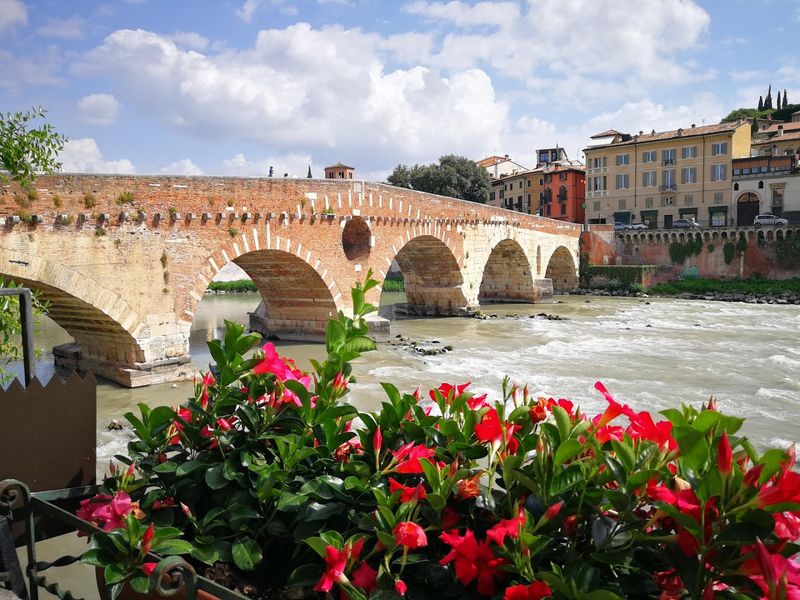
Long before Romeo and Juliet made it famous, Verona was already one of northern Italy’s most important and beautiful cities. The Roman Arena in Piazza Bra is one of the best-preserved ancient amphitheaters in the world and still hosts opera performances every summer, which has to be one of the most atmospheric concert experiences imaginable.
Sitting under the stars listening to Verdi inside a 2,000-year-old Roman structure is something genuinely hard to top.
Juliet’s House on Via Cappello draws enormous crowds eager to touch the bronze statue and leave love notes on the graffiti-covered walls. Whether or not Shakespeare’s story has any real connection to Verona is debatable, but the romantic atmosphere of the city itself is completely authentic.
The historic center is compact, walkable, and packed with Roman, medieval, and Renaissance architecture at every turn.
Piazza delle Erbe, the old Roman forum now transformed into a lively market square, is surrounded by frescoed medieval buildings and makes a wonderful spot for an evening aperitivo. The Ponte Pietra Roman bridge offers beautiful views along the Adige River curving through the city.
Verona also sits at the gateway to the Valpolicella wine region, famous for Amarone, one of Italy’s most powerful and complex red wines. A day trip to nearby Lake Garda is easily arranged from here.
Calabria — Calabria
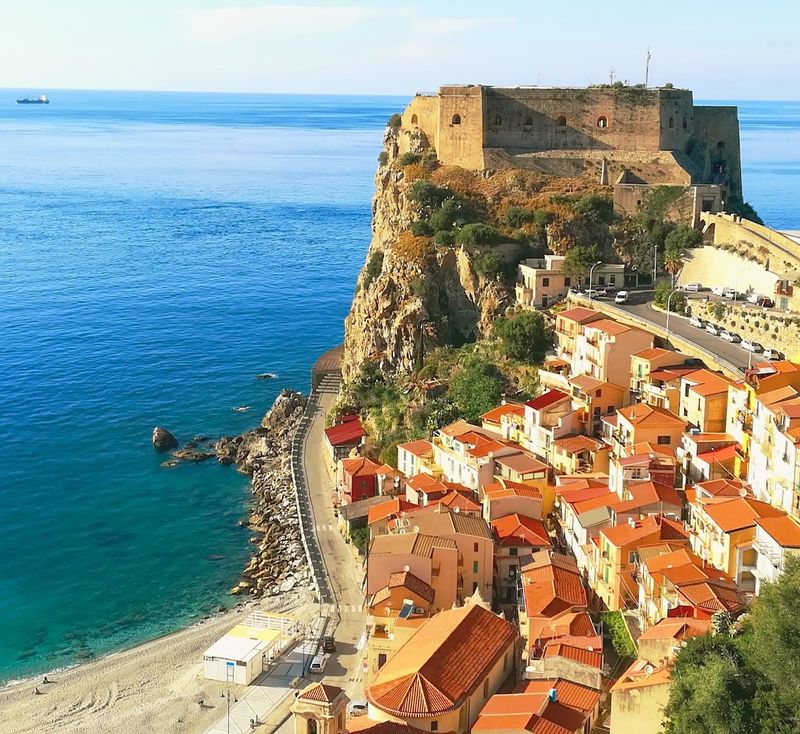
Calabria is Italy’s best-kept secret, and travelers who have discovered it are quietly hoping it stays that way. Forming the very toe of Italy’s boot, this rugged southern region offers hundreds of miles of coastline, ancient hilltop towns, wild mountain scenery, and a food culture so proudly local that menus rarely cater to outside trends.
Tourism infrastructure here is still developing, which means the experience feels refreshingly genuine.
Tropea is Calabria’s star attraction and deserves every compliment it receives. The old town sits on a dramatic sandstone cliff above beaches where the water shifts from turquoise to deep emerald depending on the light.
The offshore Santa Maria dell’Isola church perched on a rocky outcrop is one of southern Italy’s most photographed images and looks even better in person.
The Aspromonte mountains in the south offer hiking through forests and past waterfalls largely unknown to international visitors. The ‘Nduja spicy spreadable salami from Spilinga is one of Calabria’s most distinctive culinary exports and tastes best eaten simply on bread with local cheese.
Gerace is a remarkably preserved medieval hilltop town with one of the largest Norman cathedrals in southern Italy. Calabria rewards patient, curious travelers willing to venture beyond Italy’s well-worn tourist trails and discover something genuinely surprising.
Share this story