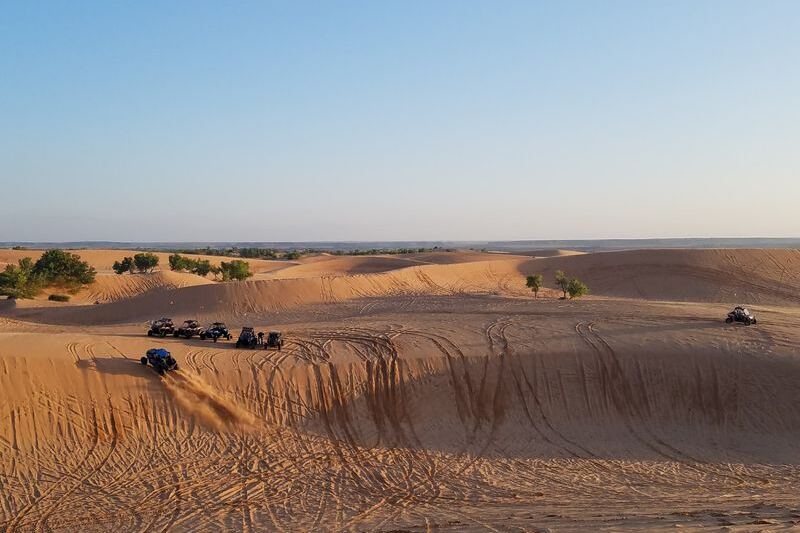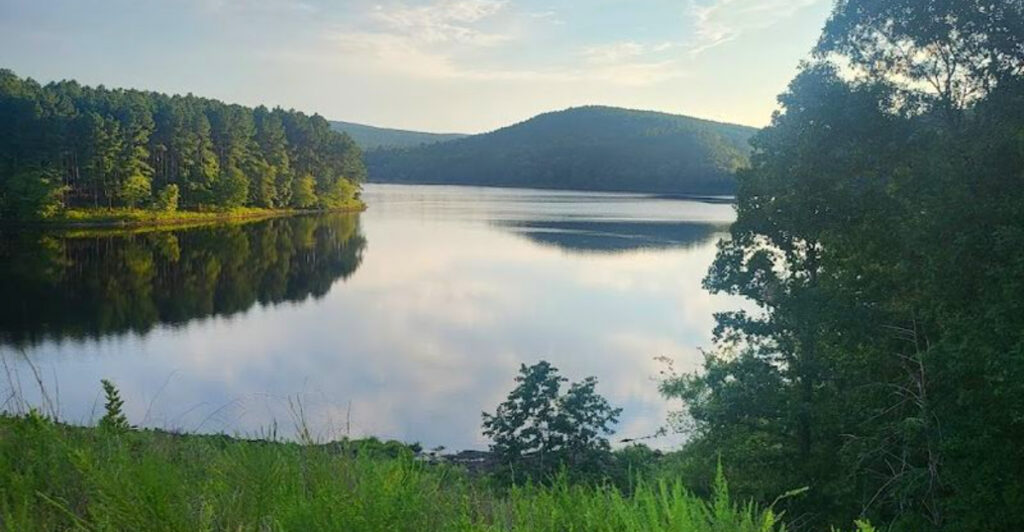
There is a trail in Oklahoma where the pine trees grow so thick that the sunlight filters through in narrow golden beams, and the only sounds you hear are your own footsteps and the occasional call of a bird overhead. At the end of that trail sits a highland lake so still and clear that it feels almost unreal, like someone pressed pause on the whole world.
The Ouachita National Forest stretches across the Arkansas-Oklahoma border, and the Oklahoma side holds some of the most underrated hiking in the entire region. This article walks you through everything you need to know before you lace up your boots and head out on one of the most peaceful hikes the state has to offer.
Where the Trail Begins: Location and Access
The Oklahoma portion of Ouachita National Forest sits in the southeastern corner of the state, spreading across LeFlore and McCurtain counties, with the forest headquarters located at Hot Springs, AR 71902, reachable at +1 501-321-5202. The Oklahoma trailheads are most commonly accessed from towns like Talihina and Heavener, both of which serve as solid base camps before you head into the pines.
The forest spans roughly 1.8 million acres total, with a significant chunk crossing the Oklahoma-Arkansas state line. That means you get the full mountain experience without ever needing to travel far from Oklahoma City, which sits about one hour and forty-five minutes away by car.
Parking areas near the main trailheads are generally well-maintained, and the U.S. Forest Service keeps the access roads in reasonable shape throughout most of the year.
Arriving early in the morning is the best way to snag a good parking spot and beat the midday heat, especially during summer months when temperatures can climb fast.
The Highland Lake That Makes the Whole Hike Worth It
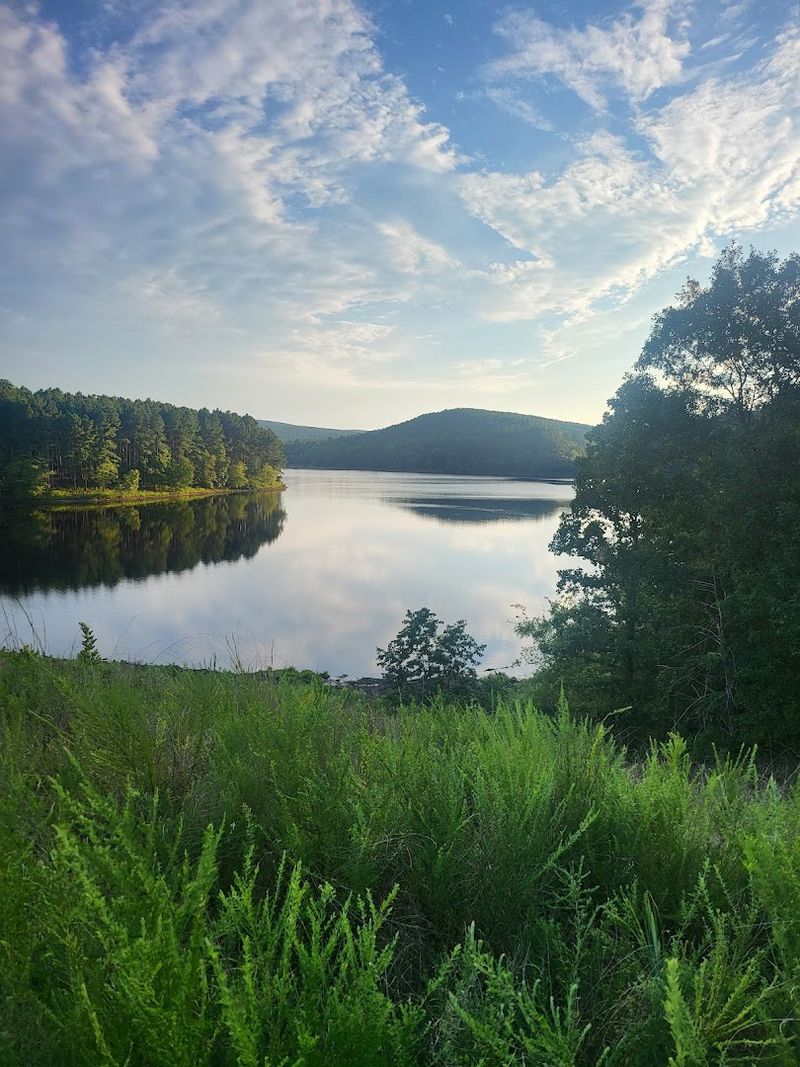
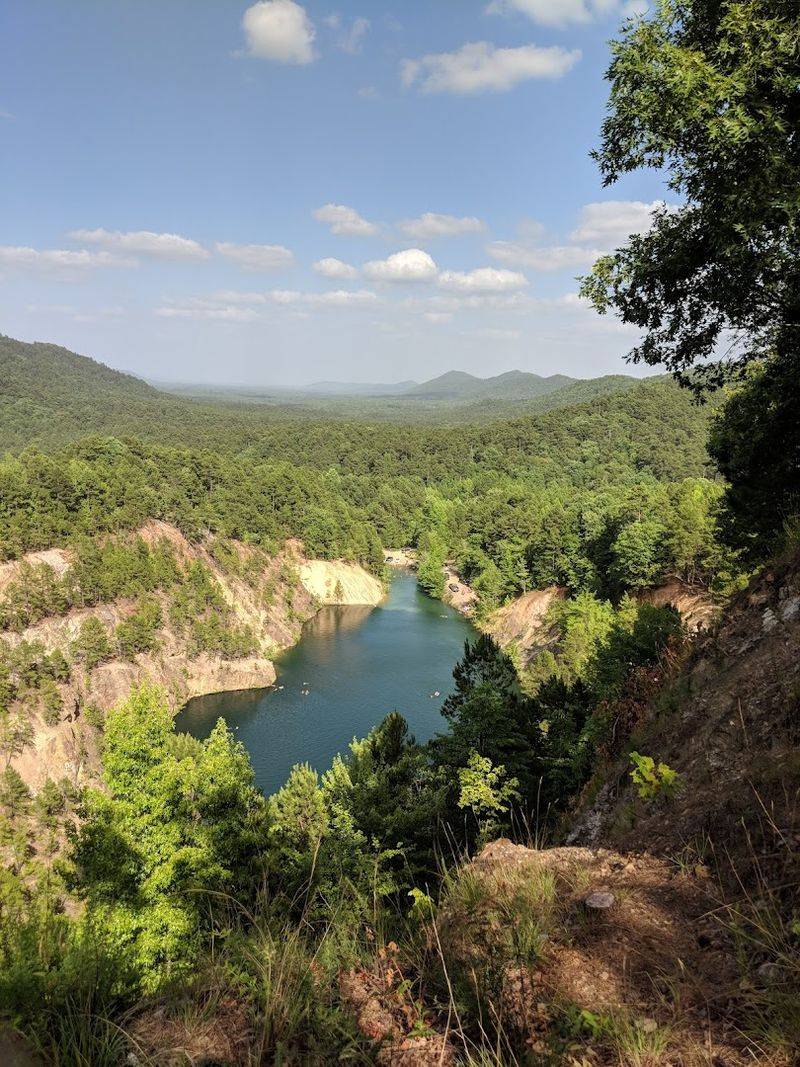
Not many hikers outside of Oklahoma know about the quiet highland lakes tucked into the upper elevations of the Ouachita range, and that is exactly what makes them so special. These small, mirror-like bodies of water sit nestled between ridgelines, surrounded on all sides by shortleaf pine and hardwood forest that turns brilliant shades of orange and red in autumn.
The hike to reach one of these lakes typically involves a steady climb through forested terrain, crossing small creek drainages and navigating exposed ridgelines before the trees part and the water comes into view. That first glimpse of the lake after a long uphill push feels genuinely earned.
The water tends to be cool and clear, and on calm mornings the surface reflects the surrounding tree line so perfectly that it is hard to tell where the forest ends and the reflection begins. Fishing is allowed in many of these lakes with the proper license, and the shoreline offers plenty of flat rocks where you can sit, eat lunch, and let the quiet do its work on you.
The Ouachita National Recreation Trail
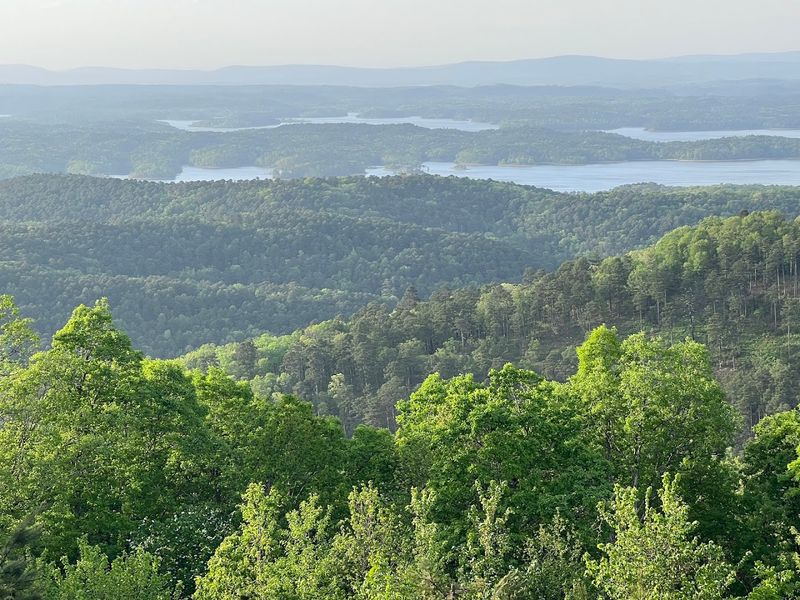
The Ouachita National Recreation Trail is the backbone of the entire forest trail system, stretching approximately 223 miles from Talimena State Park in Oklahoma all the way to Pinnacle Mountain State Park in Arkansas. It ranks as one of the longest continuous hiking trails in the mid-South, and the Oklahoma section alone offers enough variety to keep a hiker busy for several days.
The western end of the trail near Talihina, Oklahoma, follows the crest of the Ouachita Mountains along the Talimena National Scenic Byway, giving hikers sweeping views of the forested ridges on both sides. The elevation changes are real but manageable, with most sections sitting between 1,500 and 2,600 feet above sea level.
Trail markers are generally reliable, and the tread is well-worn enough that navigation is straightforward for most hikers. Carrying a detailed paper map is still a smart move, since cell service drops in and out across the backcountry sections.
The trail shuttle service available in the area is genuinely helpful for point-to-point trips where you do not want to double back on the same route.
Pine Trees, Ridgelines, and the Scenery That Keeps You Moving
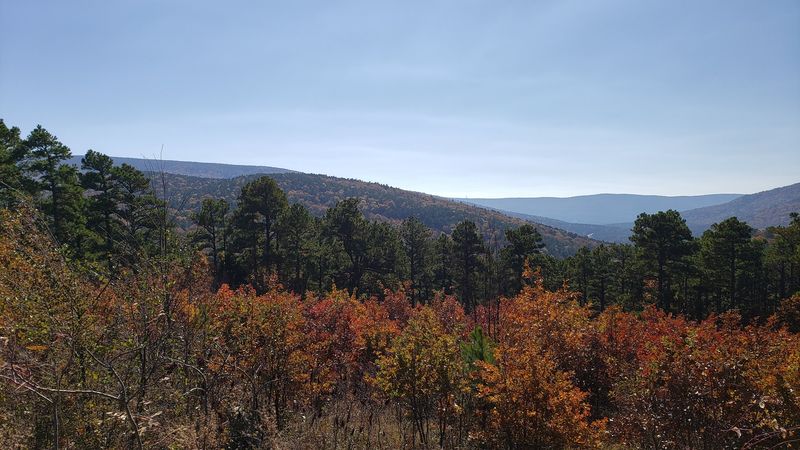
The shortleaf pine is the dominant tree across much of the Oklahoma section of the forest, and walking beneath a dense pine canopy has a way of quieting the mind that is hard to explain but easy to feel. The forest floor stays relatively open under the pines, carpeted with brown needles and occasional patches of fern that catch the filtered light beautifully.
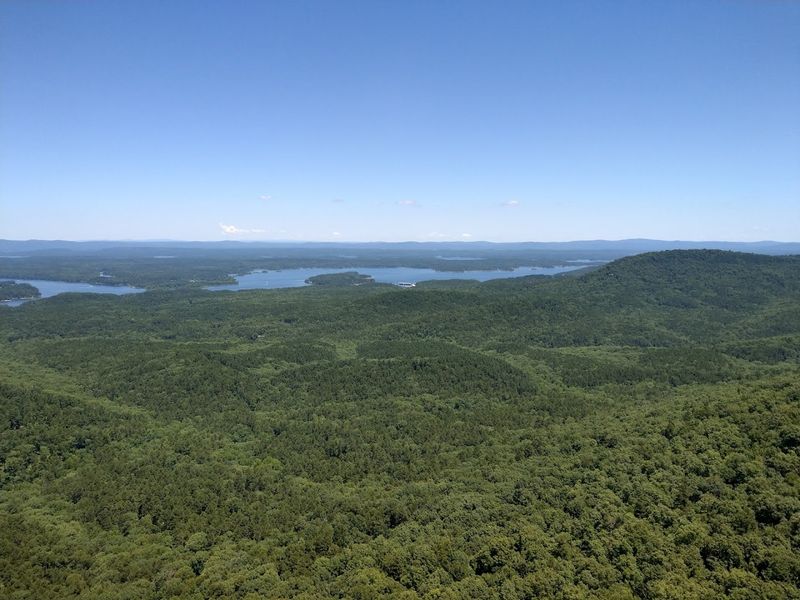
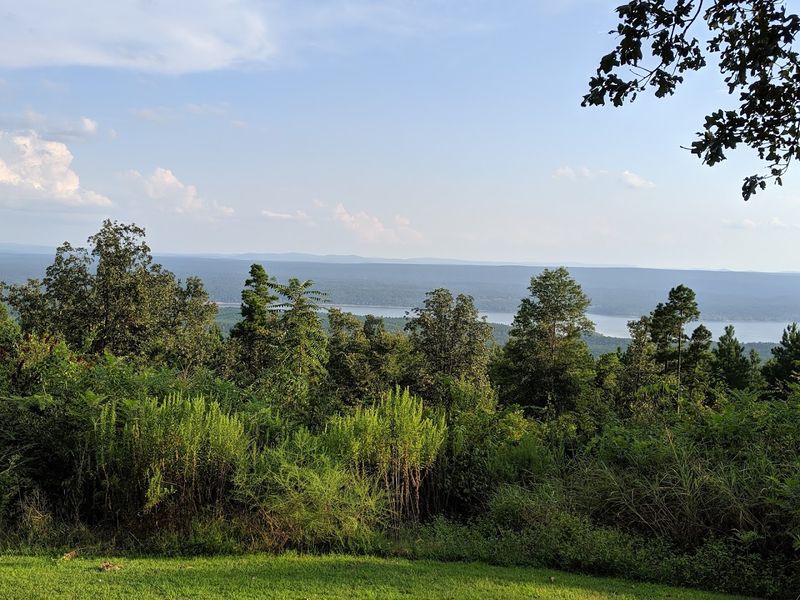
The ridgeline sections of the trail open up into broader views where you can see wave after wave of forested hills rolling toward the horizon. On clear days, the visibility stretches for miles, and the layered blue-green tones of the distant ridges give the landscape a depth that photographs rarely capture fully.
Spring brings a flush of wildflowers along the lower trail sections, while early morning fog in the valleys creates a misty atmosphere that makes the whole hike feel slightly otherworldly. Fall is widely considered the peak season for scenery, when the hardwoods mixed in among the pines shift into their full color range and the cooler temperatures make long days on the trail genuinely comfortable.
Wildlife You Might Spot Along the Way
The forest is alive in a way that rewards patient and observant hikers. White-tailed deer are common throughout the Oklahoma sections of the Ouachita, and spotting one standing still among the pines is one of those small trail moments that sticks with you long after the hike is done.
Wild turkey, red-tailed hawks, and a wide variety of songbirds are regular sightings along the trail corridors. The Caddo River drainage and other creek systems within the forest support healthy populations of bass, catfish, and bream, making fishing a natural complement to hiking for those who bring a rod along.
September brings an unusual spectacle worth knowing about: tarantulas crossing the forest roads during their seasonal movement. It sounds alarming, but these spiders are harmless to humans and the sight of five or more crossing the pavement in a single outing is something most visitors find more fascinating than frightening.
Rattlesnakes are also present in the forest, particularly in spring, so staying on the trail and watching where you step is always a good habit to maintain.
Camping Options Inside the Forest
Few things match the satisfaction of waking up inside the forest with nothing but pine trees and birdsong around you. The Ouachita offers a wide range of camping options in Oklahoma, from developed campgrounds with basic amenities to fully primitive backcountry sites where you carry everything in and leave no trace behind.
Primitive camping along the Ouachita National Recreation Trail is permitted in most areas, and setting up a hammock between two solid pines with a creek nearby is exactly as good as it sounds. Developed campgrounds near the Oklahoma portions of the forest tend to fill up on holiday weekends, so booking ahead or arriving mid-week gives you a much better shot at a quality site.
Camping close to water is a popular choice, and several sites along creek drainages put you within easy walking distance of clear, shallow water that is perfect for cooling off after a long day on the trail. The nights in the forest are genuinely dark and quiet, which means the stars are spectacular on clear evenings, and the only disruptions are the sounds the forest makes entirely on its own.
Best Time to Visit and What to Expect Each Season
Each season in the Ouachita brings a completely different experience, and knowing what to expect ahead of time helps you pack the right gear and set realistic expectations for the trail conditions you will encounter. Late fall and early winter consistently rank as the most comfortable seasons for hiking, with cooler temperatures, low humidity, and the added bonus of clear sightlines once the hardwood leaves have dropped.
Spring is beautiful but unpredictable, with frequent rain and the possibility of muddy trail sections. The payoff is a forest bursting with wildflowers and the kind of fresh green color that only shows up for a few weeks each year.
Summer hiking is entirely doable but demands respect for the heat and humidity, which can push into triple-digit feel-like temperatures by midday.
Winter visits have their own quiet appeal, especially when ice coats the tree branches and the bare ridgelines reveal views that are completely hidden during the leafy months. Packing layers and checking trail conditions before a winter outing is smart, but the reward is a nearly empty trail system and a forest that feels like it belongs entirely to you.
The Talimena National Scenic Byway Connection
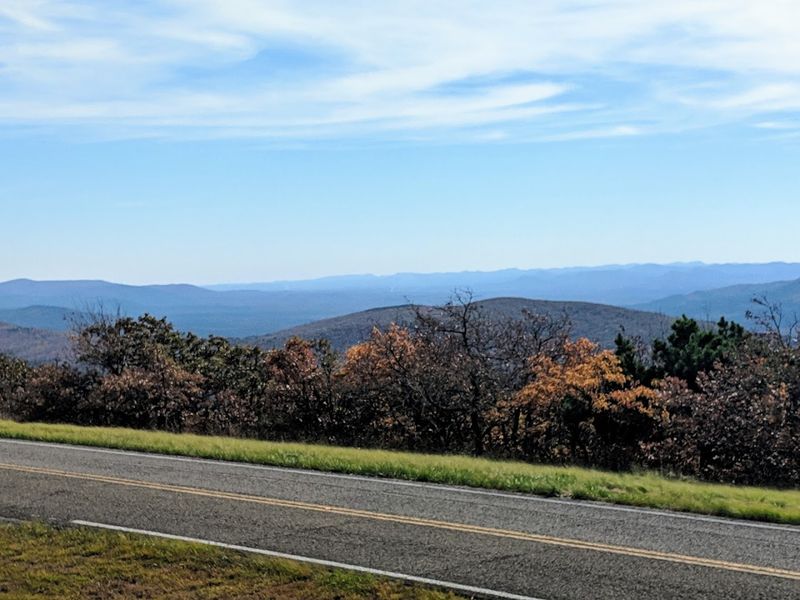
The Talimena National Scenic Byway runs directly along the spine of the Ouachita Mountains, connecting Talihina, Oklahoma to Mena, Arkansas across roughly 54 miles of ridge-top driving. The road sits at some of the highest elevations in the region, and the views from the overlooks along the byway are genuinely impressive, especially during fall color season when the forest below looks like a patchwork of red, orange, and gold.
Several trailheads along the byway provide direct access to the Ouachita National Recreation Trail, making it easy to park at an overlook and drop down into the forest for a few hours before returning to the car. The byway itself is a great orientation tool for first-time visitors, giving you a bird’s-eye sense of the terrain before you commit to a full day on foot.
The drive takes about two hours at a relaxed pace with stops at the overlooks, and the combination of the byway and a short hike makes for a full and satisfying day even for visitors who are not planning an overnight trip. The road is paved and accessible to standard vehicles throughout most of the year.
Creeks, Rivers, and Water Features Along the Trail
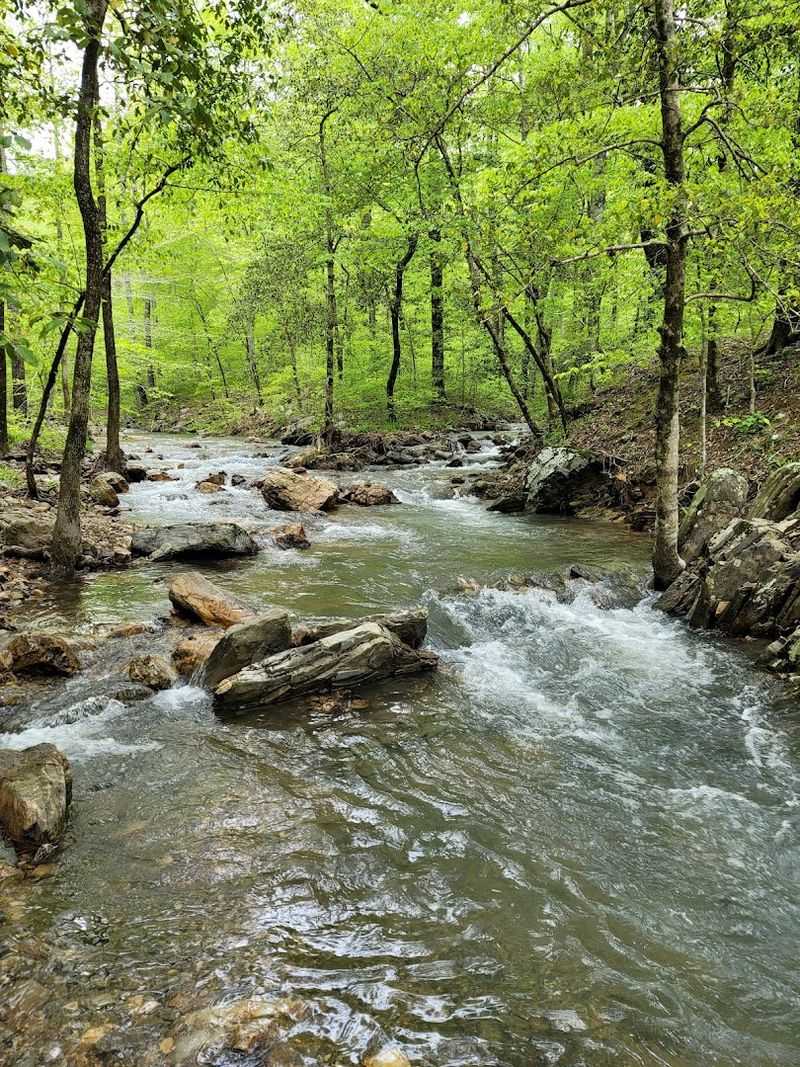
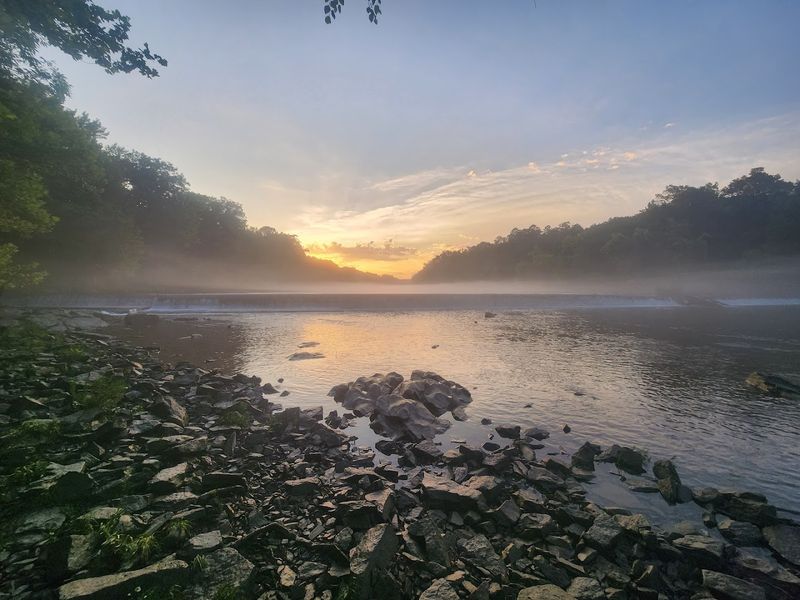
Water is one of the defining features of the Oklahoma section of the Ouachita, and the trail system crosses or follows a remarkable number of creeks and small rivers throughout its length. The Caddo River, which runs through parts of the forest, is a local favorite for swimming, fishing, and floating, with sections shallow enough for kids and calm enough for a relaxed afternoon on the water.
Many of the creek crossings on the backcountry trails require stepping across rocks or wading through ankle-deep water, which adds a hands-on, exploratory feel to the hike that most people end up enjoying more than they expected. After heavy rain, water levels rise quickly, so checking conditions before crossing any drainage is always a sensible precaution.
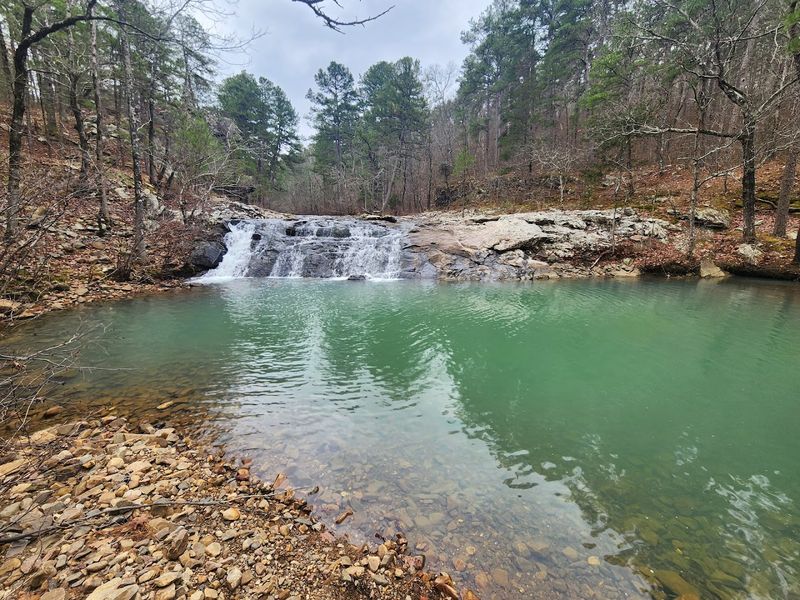
The sound of running water is a near-constant companion on many of the lower-elevation trail sections, and some of the best primitive campsites in the forest are positioned right alongside creek banks where the water is clear enough to see the bottom. Finding one of those spots on a warm afternoon and simply sitting by the water for a while is one of the simplest and most satisfying things the forest has to offer.
Tips for First-Time Visitors to the Oklahoma Side
A few practical details can make the difference between a smooth trip and a frustrating one, especially for first-time visitors to the Oklahoma portion of the forest. Carrying a detailed paper map is genuinely important here because cell service is unreliable across large sections of the backcountry, and relying entirely on a phone for navigation is a risk not worth taking.
Gate access on forest roads can be inconsistent, and some roads that are open in the morning may have closed gates by the time you return in the afternoon. Knowing your exit route ahead of time and having a backup plan saves a lot of wasted time and unnecessary stress on the way out.
Bringing more water than you think you need is standard advice for any hike, but it applies especially here during the warmer months when the humidity makes the effort feel harder than the mileage suggests. The U.S.
Forest Service website at fs.usda.gov/ouachita is an excellent resource for current trail conditions, fire restrictions, and any road closures before you head out. Starting your hike at sunrise gives you the best light, the coolest temperatures, and the most peaceful stretch of trail before the rest of the world wakes up.
Share this story