There is a small building tucked into a quiet Portland neighborhood that holds what might be the most unexpectedly enchanting collection in the entire Pacific Northwest. Floor-to-ceiling puppets, handcrafted figures from cultures around the world, and a host who has spent five decades breathing life into these extraordinary creations all wait behind one unassuming door.
You might walk past it without a second glance, but stepping inside changes that completely. This is not your average museum visit, and once you know what is hiding here, you will want to clear your entire afternoon.
Finding the Museum: Address, Location, and First Impressions
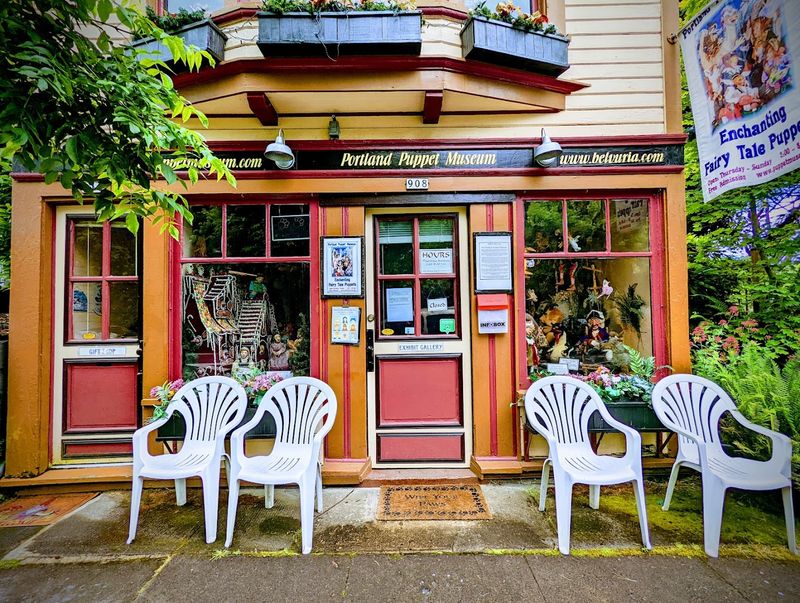
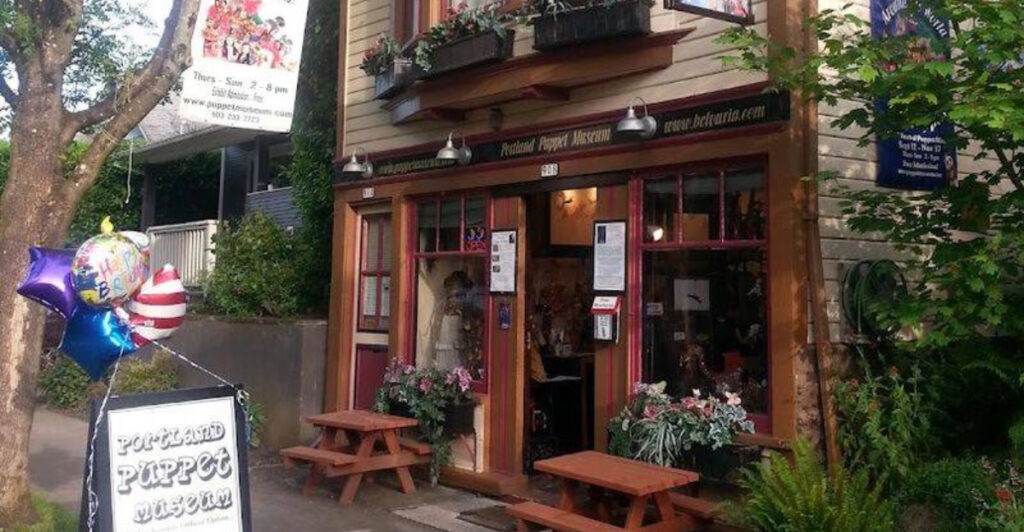
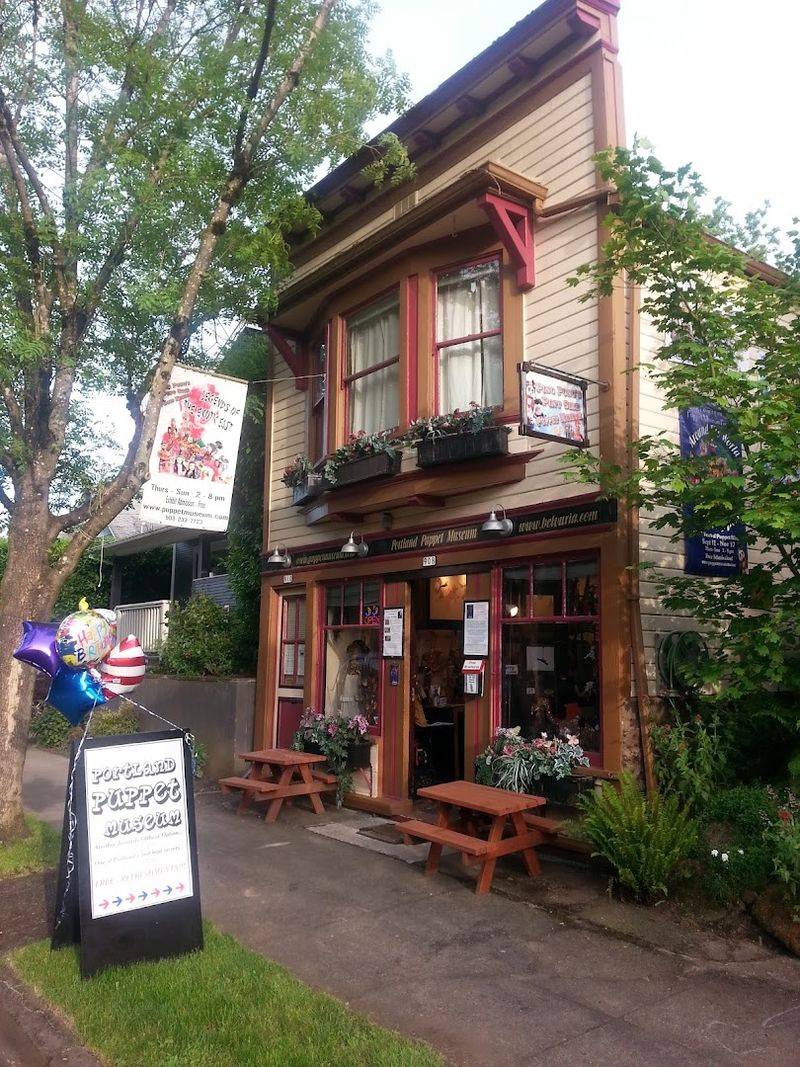
The Portland Puppet Museum sits at 906 SE Umatilla St, Portland, OR 97202, tucked into the Sellwood-Moreland neighborhood on the southeast side of the city. It does not announce itself with a grand facade or a sprawling parking lot.
What greets you instead is a compact, cheerfully decorated building that looks like it belongs in a storybook.
From the outside, handmade signs and glimpses of colorful figures in the windows already hint at the magic waiting inside. The neighborhood itself is quiet and residential, which makes the discovery feel even more personal, like finding a secret that most of the city has somehow missed.
The museum is open Thursday through Sunday from 2 to 8 PM, and it stays closed Monday through Wednesday. Getting there early is genuinely worth it, especially on weekends when shows draw a crowd.
The address is easy to plug into any navigation app, and street parking is typically available nearby. First-time visitors often say the outside does not fully prepare them for what is inside, and that gap between expectation and reality is exactly part of the charm.
The Story Behind the Museum and Its Founder
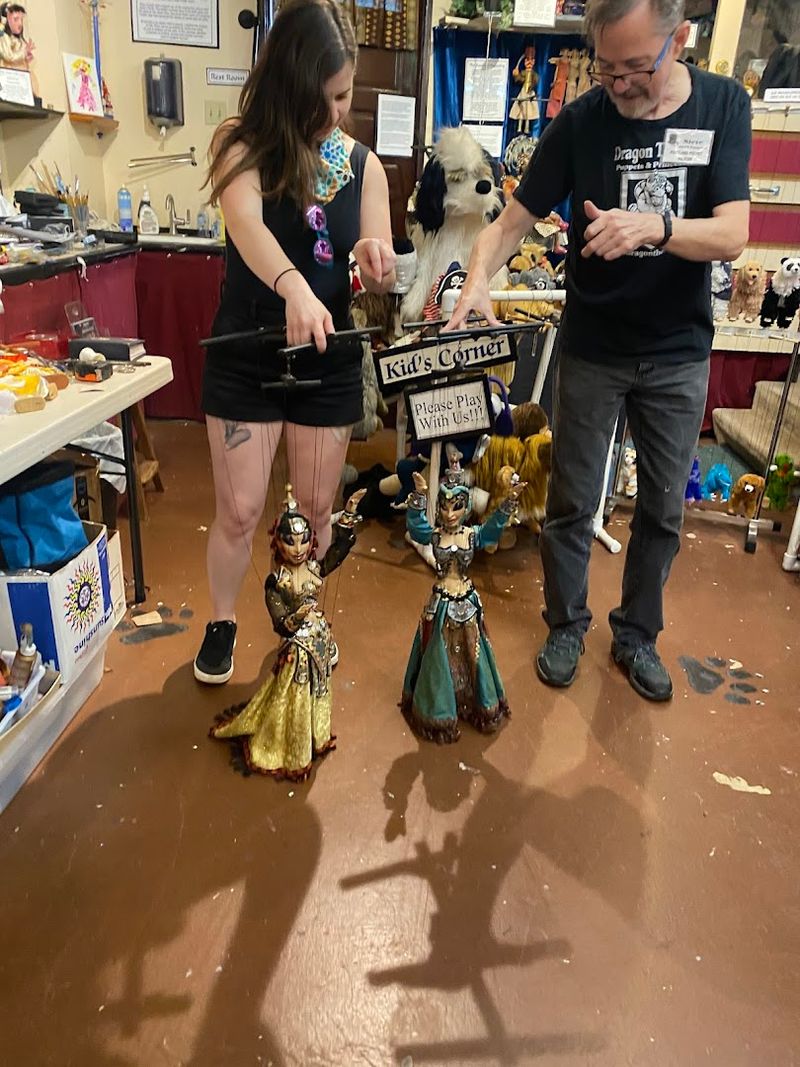
Steve Overton, the co-founder and driving force behind this museum, has spent more than five decades working in puppetry as a performer, builder, and storyteller. His personal history with the craft is woven into every corner of the space, from the antique figures mounted on the walls to the works-in-progress sitting on worktables.
Steve built this museum out of a genuine desire to keep puppetry alive as a serious art form. He has created original shows, constructed elaborate marionettes by hand, and built a community around a craft that many people only associate with childhood television.
Talking with him for even ten minutes reveals just how deep the history of puppetry really goes across cultures and centuries.
The museum also benefits from a small but dedicated team, including guides like John and Peter, who bring their own enthusiasm and storytelling flair to tours. Each guide goes well beyond the posted signs, sharing anecdotes and demonstrations that make the visit feel more like a personal masterclass than a standard museum walkthrough.
The whole operation runs on passion first, which is something you feel the moment you walk through the door.
The Collection: Puppets From Around the World and Across History
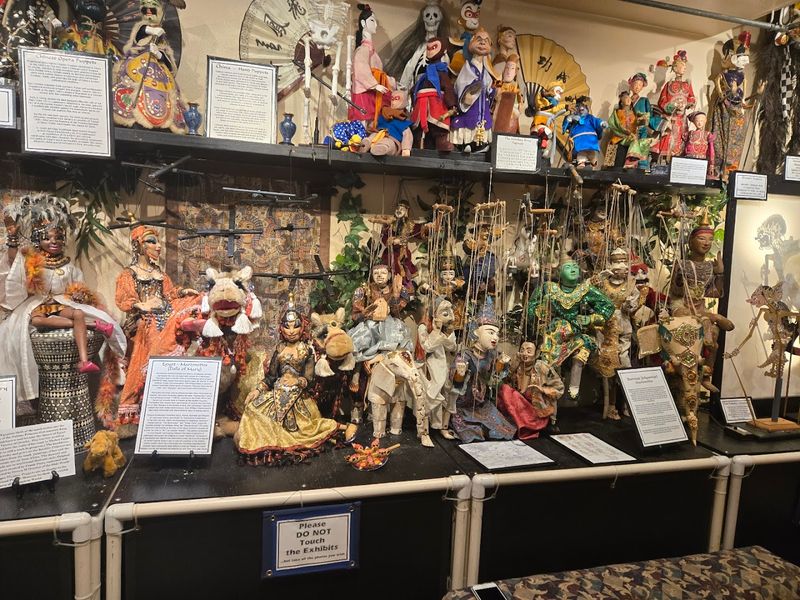
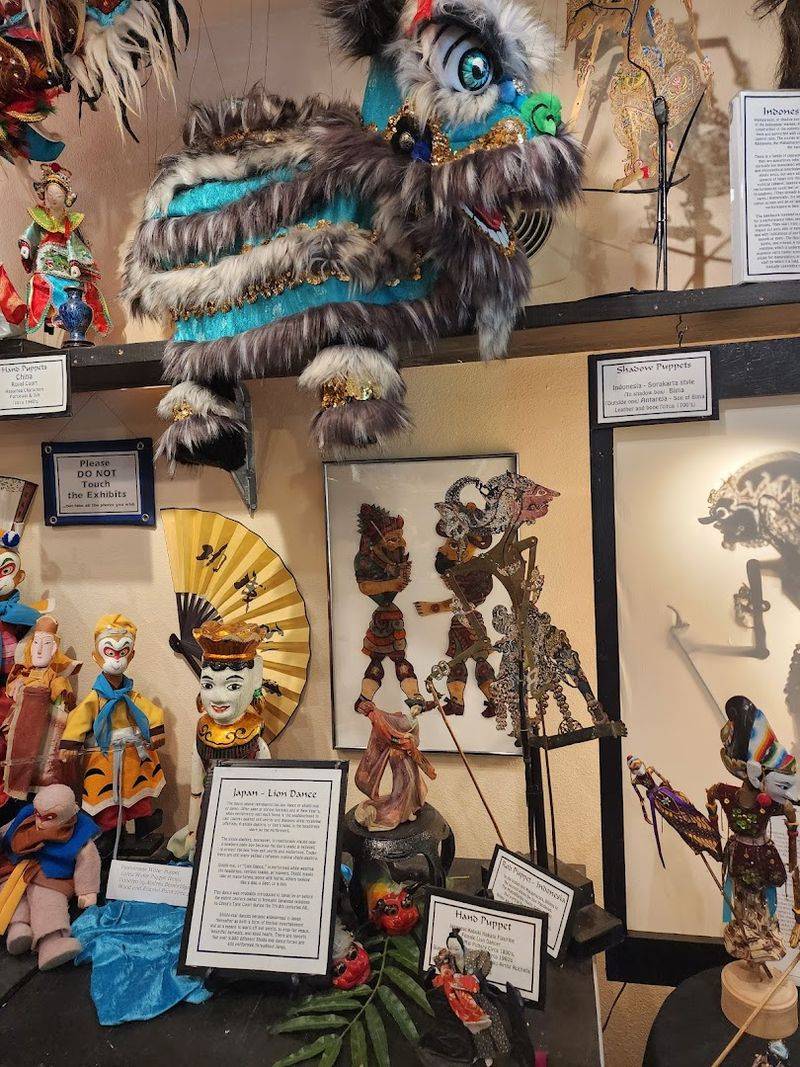
The sheer range of puppets on display here is genuinely staggering for such a small space. Figures from Asia, Europe, Latin America, and beyond line the shelves and walls, each one representing a different tradition, technique, and chapter in the global history of puppetry.
Some are centuries old; others were made recently but follow ancient methods.
Marionettes with delicately carved wooden faces hang alongside shadow puppets made from treated leather, and hand puppets with embroidered costumes fill glass cases near the entrance. The collection spans folk art, theatrical performance, religious ceremony, and pop culture, which means there is genuinely something that surprises every single visitor regardless of their background.
Many of the puppets are antique and carry real historical weight. The staff can speak to the origin of nearly every piece, and those conversations turn a visual display into an actual education.
Unlike many museums where objects sit silently behind velvet ropes, these figures feel alive in context because the people presenting them clearly love them. The collection changes periodically too, so a return visit almost always reveals something new.
Live Puppet Shows and What to Expect
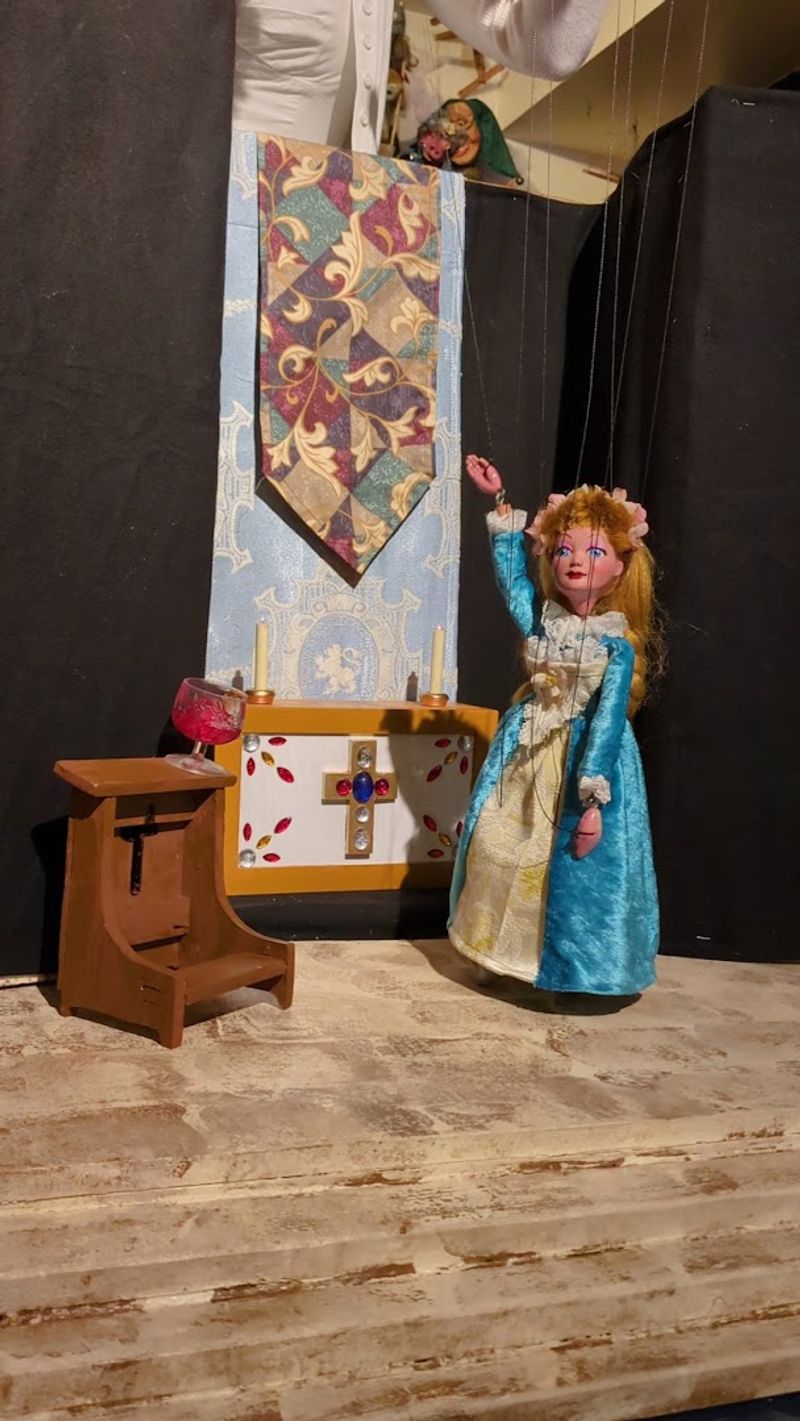
Live puppet shows are one of the biggest draws at this museum, and the experience is unlike anything you would find at a mainstream theater. The space is intimate, the staging is close, and the performances pull from a wide range of stories including mythology, folklore, and original works created by the museum’s own team.
Past shows have included interpretations of the Ramayana, tales of Medusa, and holiday productions like a Nutcracker performance. The style varies depending on the show, ranging from elaborate marionette work to more theatrical presentations that blend storytelling with character performance.
Shows typically start at 2 PM, and arriving by 1:30 PM is a smart move to secure a good seat.
Children can sit in kid-sized chairs up front, which makes the shows genuinely accessible for younger audiences without sacrificing anything for the adults in the room. Tickets for performances are modestly priced, and the museum itself is free to enter with donations warmly welcomed.
The shows are not Broadway productions, but they carry a handmade, heartfelt quality that professional polish cannot always replicate. That authenticity is the whole point.
Make-Your-Own Puppet Workshops: Getting Creative With Your Hands
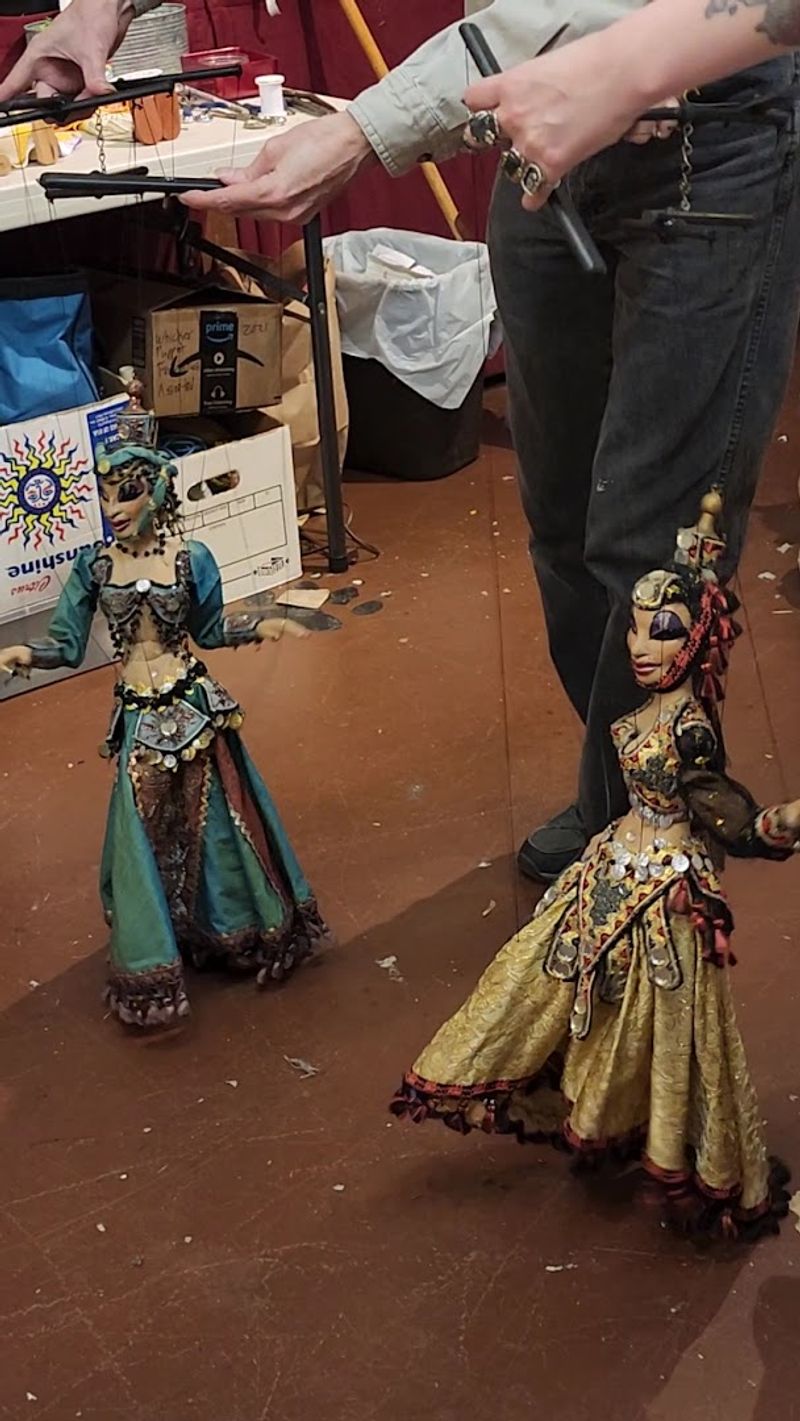
One of the most memorable things you can do at this museum is not just look at puppets but actually make one. The hands-on workshops led by Steve and the team give visitors a chance to learn basic puppet construction techniques in a relaxed, supportive environment.
No prior experience is needed, and that is very much the point.
Workshop participants have gone home with everything from Day of the Dead marionettes to simpler hand puppets, depending on the session. The pricing is described by past visitors as very reasonable, and the instruction is patient and thorough.
Steve in particular has a way of breaking down complex construction steps into approachable tasks that even first-timers can follow with confidence.
These workshops are not just craft projects. They open a window into the real labor and artistry behind every puppet in the collection, which changes how you see the displayed figures afterward.
Building even a basic puppet by hand gives you an appreciation for the craft that no amount of reading or watching can fully provide. Booking ahead is recommended since space is limited and the sessions fill up, especially on weekends.
The Atmosphere Inside: Small Space, Big Energy
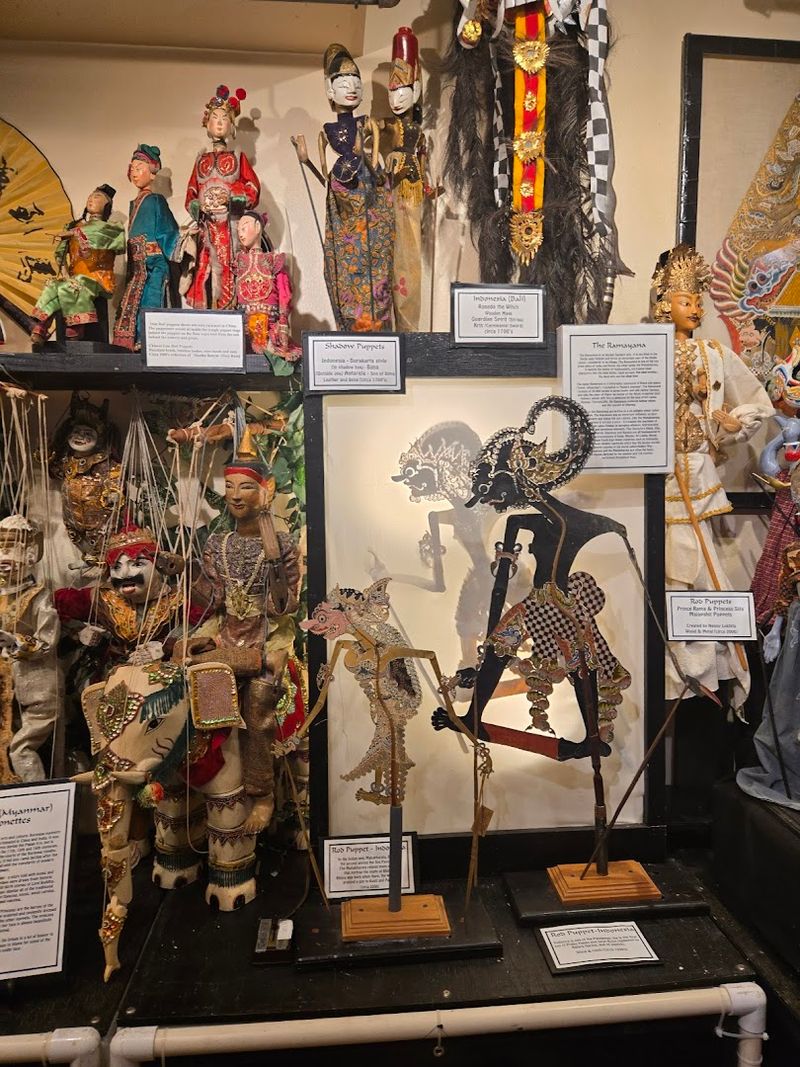
Every inch of this museum is used with purpose. Puppets cover the walls from floor to ceiling, cases are packed with carefully arranged figures, and the overall effect is one of cheerful, organized abundance rather than clutter.
The space is small enough that you are never far from something remarkable, which keeps your attention moving constantly.
The lighting is warm and the layout feels intentional, drawing your eye from one display to the next in a natural flow. It is the kind of space where you keep discovering things you missed on the first pass, a puppet tucked behind another, a tiny detail on a costume, a handwritten label with an unexpected fact.
The energy in the room shifts when a guide is present, which is most of the time during open hours. The conversations that happen here are genuinely engaging, not scripted recitations but real exchanges between people who love what they do and visitors who are visibly delighted by what they are seeing.
That combination of physical richness and human warmth is what separates this place from a simple display room. It feels like visiting someone’s life work, because it is.
Rotating Exhibits and Themed Displays
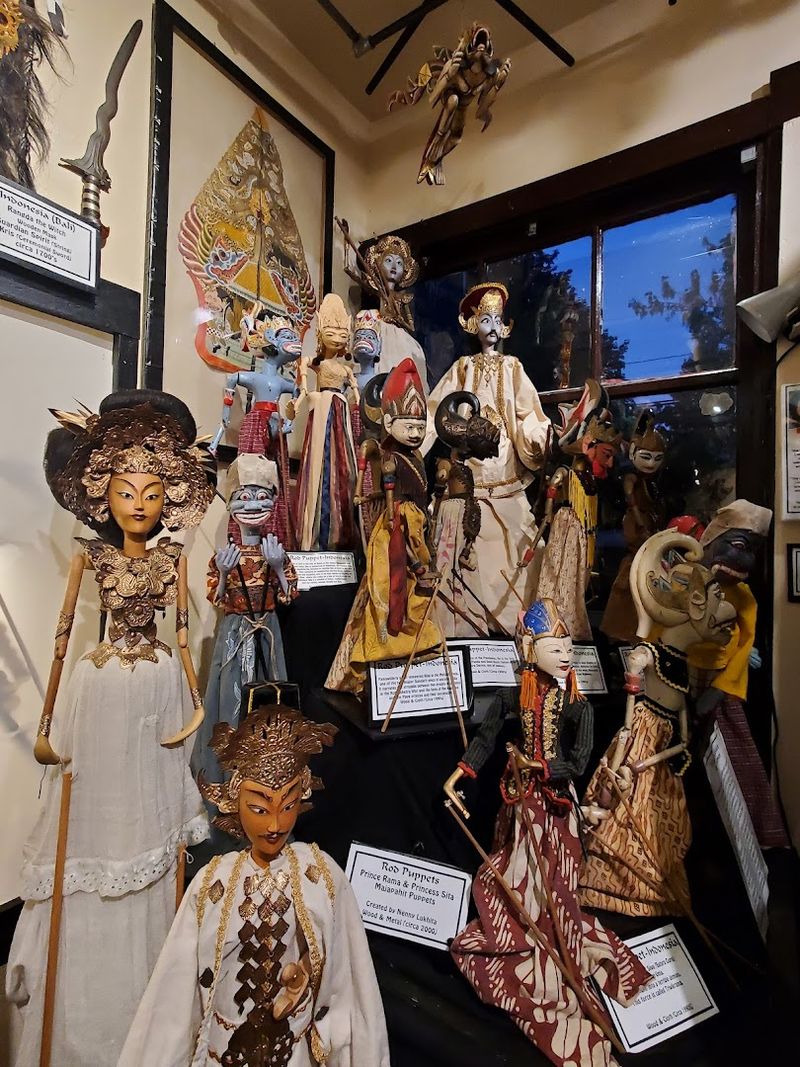
The exhibits at this museum do not stay the same, which is a detail worth knowing before you assume one visit covers everything. The collection rotates, and themed shows have explored subjects as varied as the history of women in puppet form, ancient world mythology, and culturally specific traditions from different continents.
Each new theme brings a fresh arrangement of figures and a new set of stories.
The Women of the Ancient World exhibit, for example, featured puppets representing figures from mythology and history across multiple cultures, each one displayed with historical context that made the visual experience genuinely educational. That kind of curatorial intention is not something you always find in small independent museums, and it reflects the seriousness with which the founders approach their craft.
Repeat visitors consistently note that returning after a few months reveals a completely different experience. The core of the collection remains, but the emphasis, arrangement, and featured pieces shift enough to make each visit feel new.
For anyone who lives in Portland or visits the city more than once, this is the kind of place that earns a spot on the regular rotation. Think of it less as a one-time stop and more as an ongoing relationship.
Puppetry as a Global Art Form: What You Will Learn Here
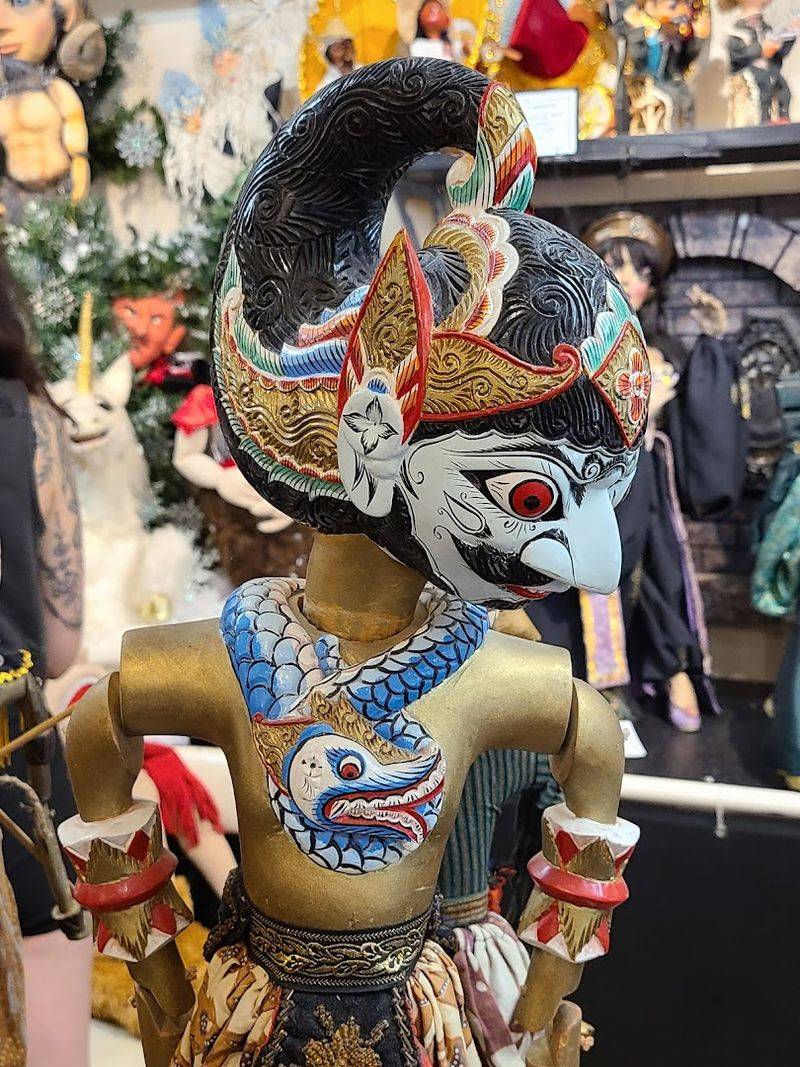
Most people arrive at this museum thinking of puppets as a form of children’s entertainment, and most people leave with a completely different perspective. The collection and the guides together make a compelling case for puppetry as one of the oldest and most universal art forms in human history, present in virtually every culture long before modern media existed.
Shadow puppetry from Indonesia, rod puppets from Japan, string marionettes from European theatrical traditions, and ceremonial figures from African and Latin American cultures all share space here in a way that highlights connection rather than difference. The guides draw those threads together in conversation, helping visitors understand how the same fundamental human impulse to animate and storytell shows up across wildly different contexts.
This kind of education is rarely available in such a personal format. Most cultural history lessons happen through books or screens, but here the actual objects are right in front of you, handled and explained by someone who has studied and practiced the craft for decades.
Visitors who have a background in theater, costume design, or world history find the experience especially rich, but genuine curiosity is the only real prerequisite for getting a lot out of a visit here.
Practical Tips for Planning Your Visit
A few practical details can make the difference between a smooth visit and a frustrating one. The museum is open Thursday through Sunday from 2 to 8 PM and is closed Monday through Wednesday.
Calling ahead before making a long drive is genuinely worth doing, as hours can occasionally shift for private events or special programming.
Entry to the museum is free, but the operation runs almost entirely on donations, so bringing cash to contribute is both appreciated and, frankly, the right thing to do. The staff puts enormous energy into maintaining and expanding the collection, and the donation model only works when visitors participate in it.
A suggested donation of around ten to fifteen dollars per person is a reasonable benchmark.
Shows and workshops require tickets, so checking the website at puppetmuseum.com before your visit helps you plan around any scheduled programming. Arriving early on show days, ideally by 1:30 PM, secures better seating.
The space is small, so large groups should consider calling ahead to coordinate. Visitors traveling from outside Oregon, or even from as far as Oklahoma, have made this museum a deliberate destination, which says a lot about the reputation it has quietly built over the years.
Why This Museum Matters and Why You Should Go
There are not many places left that operate purely out of love for a craft, especially one as niche and labor-intensive as puppetry. This museum exists because a small group of dedicated people decided that the art form deserved a permanent home, and they built that home themselves with very little outside support.
The result is something that visitors from all over the country, including travelers who have made the trip specifically from places like Oklahoma, consistently describe as one of the most memorable stops of their entire trip. That kind of word-of-mouth reputation is earned slowly and honestly, and it reflects the genuine quality of the experience rather than any marketing effort.
Beyond the entertainment value, there is something genuinely moving about a place where creativity and community intersect so openly. The museum reminds visitors that art does not require a massive budget or institutional backing to be profound and lasting.
Oklahoma travelers, Pacific Northwest locals, and curious tourists alike leave with something they did not expect: a real appreciation for a centuries-old art form that is still very much alive. That is a rare thing to find behind any door, let alone one on a quiet street in southeast Portland.
Share this story