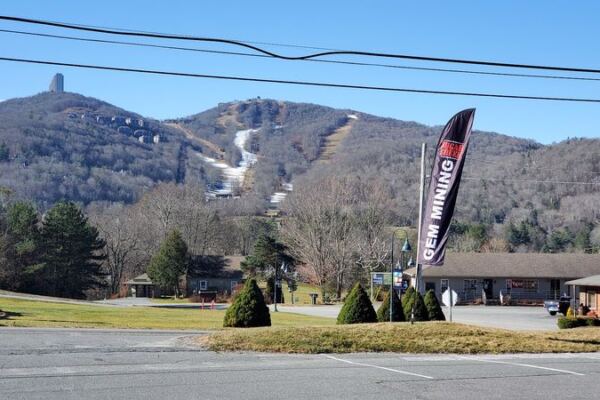
There is a small mountain town in western North Carolina where summer temperatures rarely climb above 80 degrees, the air smells like pine and fresh rain, and the views from the ridgelines make you forget whatever you were stressing about back home. I first heard about it from a friend who kept going back every single year, and after my first visit, I completely understood why.
Perched more than 4,000 feet above sea level in the southern Appalachian Mountains, this town has been drawing visitors for well over a century, and it shows no signs of slowing down. Stick with me, because I am going to walk you through everything that makes this place so worth the drive.
Welcome to Highlands, NC: The Town on the Plateau
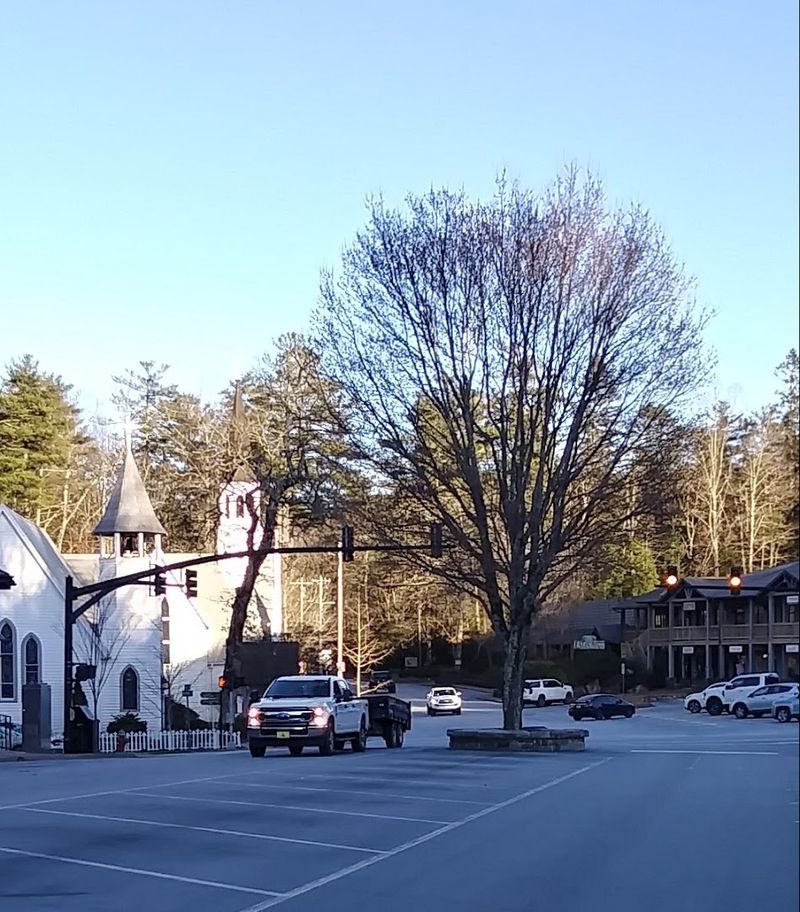
Highlands, North Carolina, sits on a high plateau in Macon County at an elevation of roughly 4,118 feet, making it one of the highest towns in the eastern United States. The official address places it within North Carolina 28741, nestled inside the Nantahala National Forest in the southern Appalachian Mountains.
You can visit the Highlands Chamber of Commerce online at highlandschamber.org for current visitor information.
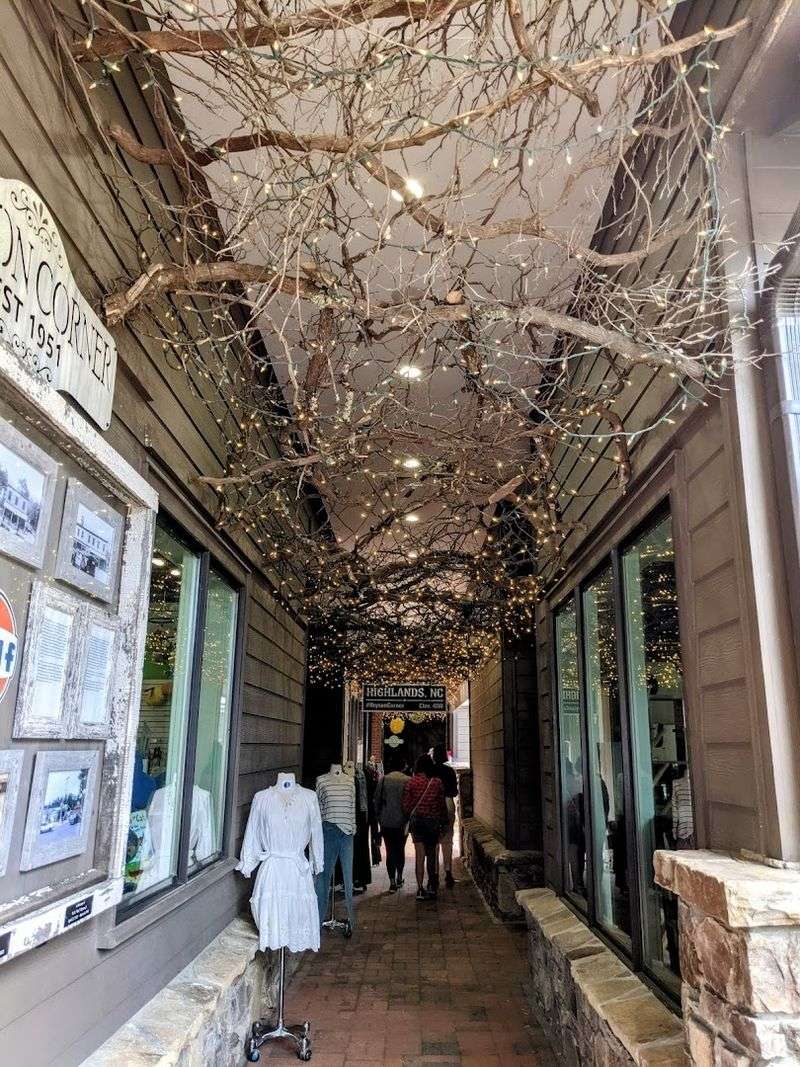
The town covers a relatively small footprint, but what it lacks in size, it more than makes up for in character. Main Street is lined with boutique shops, art galleries, and restaurants that feel genuinely local rather than mass-produced for tourists.
Unlike resort towns in places like Oklahoma that rely heavily on flat-water recreation, Highlands leans fully into its dramatic terrain. The combination of cool mountain air, dense hardwood forest, and sweeping ridge views creates an atmosphere that is hard to replicate anywhere else.
First-time visitors often admit they did not expect to feel so immediately at ease, and that relaxed feeling tends to follow them all the way home.
A History That Goes Back Further Than You Might Think
Most people assume Highlands is a modern discovery, but the town was actually founded in 1875 by two men, Samuel Kelsey and Clinton Hutchinson, who believed the intersection of two trade routes in the southern Appalachians would become a thriving community. They were right, though it took a little time.
By the late 1800s, wealthy families from the lowland South and even from as far away as Oklahoma were making the journey to Highlands specifically to escape the brutal summer heat. The town developed a reputation as a seasonal retreat long before air conditioning made hot summers more bearable elsewhere.
The Highlands area also carries a rich Cherokee history, as the land was part of the ancestral territory of the Eastern Band of Cherokee Indians for thousands of years before European settlement. That layered past gives the town a depth that goes beyond its charming storefronts.
Local museums and historical markers help connect visitors to both the Cherokee heritage and the Victorian-era resort culture that shaped the town. History here is not hidden behind glass; it is woven right into the streets.
Cool Summers That Actually Live Up to the Promise
The number one reason people keep returning to Highlands every summer is simple: it is genuinely, refreshingly cool. Average high temperatures in July hover around 75 degrees Fahrenheit, which feels almost surreal when you consider that much of the Southeast is baking at 95 degrees or more during the same weeks.
That coolness is not just a number on a weather app. You feel it the moment you step out of your car.
The air has a crispness to it even at midday, and evenings regularly drop into the 50s, which means you will want a light jacket even in August.
Visitors who come from heat-heavy states like Oklahoma often describe their first Highlands summer as a kind of revelation. The ability to eat outdoors at noon without melting, to hike in the afternoon without soaking through your shirt, or simply to sit on a porch and read a book without the misery of humidity changes the entire vacation experience.
The town has built its summer tourism identity around this climate advantage, and restaurants, shops, and outdoor venues all operate with the assumption that guests actually want to be outside. That is a refreshing shift.
Waterfalls Around Every Corner
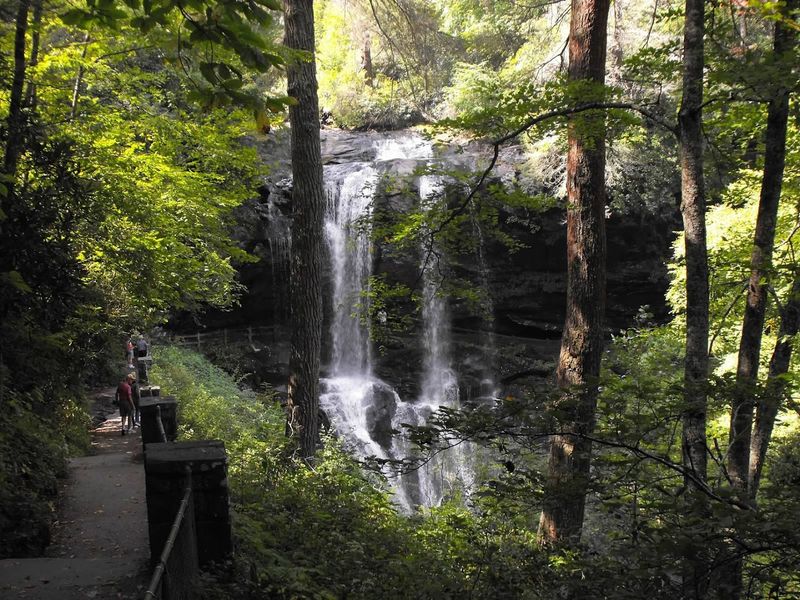
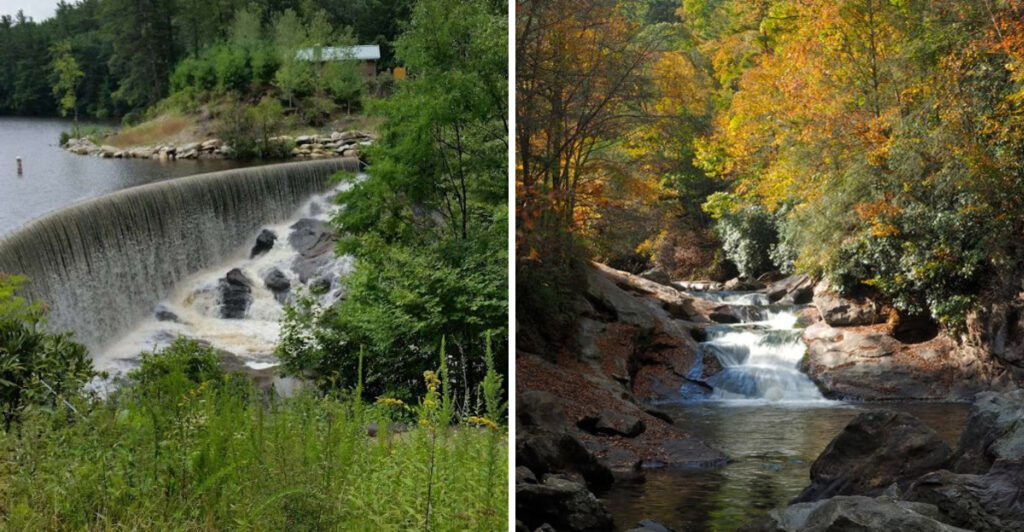
Few places in the eastern United States pack as many waterfalls into a small geographic area as the Highlands Plateau. Within a short drive of downtown, you can visit Dry Falls, Bridal Veil Falls, Glen Falls, and Cullasaja Falls, each with its own personality and level of accessibility.
Dry Falls is the showstopper for most first-timers. A paved path leads you directly behind the curtain of water, so you can stand underneath the falls without getting soaked.
It is the kind of experience that genuinely surprises people, and the roar of the water combined with the cool mist creates a sensory moment that no photo fully captures.
Glen Falls requires a bit more effort, with a trail that descends through multiple tiers of cascades before reaching the valley floor. The payoff is worth every step.
Cullasaja Gorge, meanwhile, offers a series of roadside falls visible from your car window, which is perfect if you have younger kids or limited mobility in your group.
Even travelers who grew up around the lake-heavy landscapes of Oklahoma tend to agree that the waterfall density around Highlands is something genuinely special and worth building an entire itinerary around.
The Views From the Ridgelines Are the Real Deal
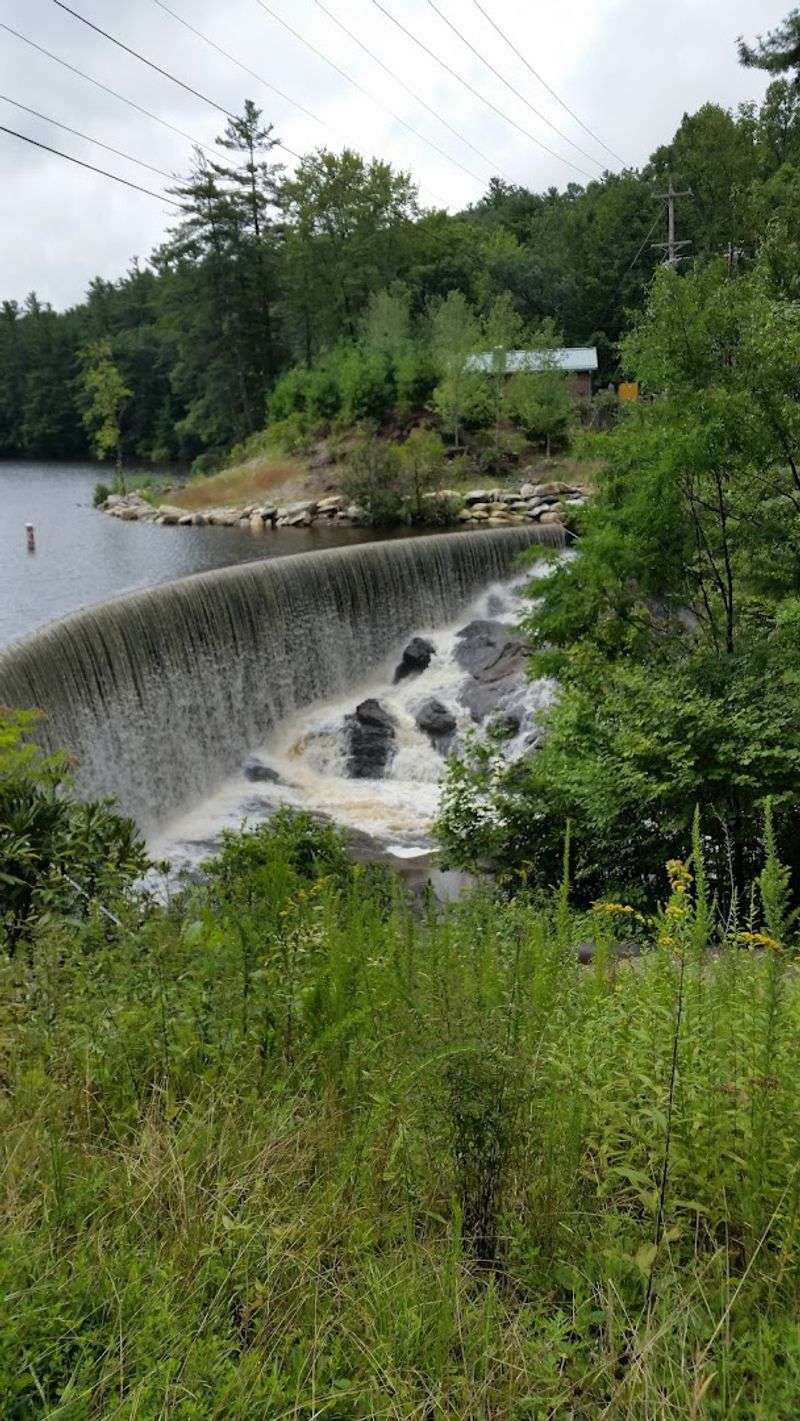
Whiteside Mountain is the crown jewel of the Highlands view experience, and it earns that title without any exaggeration. The trail to the summit is about two miles round trip, and the reward at the top is a sheer 400-foot rock face that drops away to reveal one of the most expansive panoramas in the southern Appalachians.
On a clear day, the layered blue ridges seem to go on forever in every direction. The sense of scale is hard to process at first.
You keep thinking the next ridge must be the last one, and then another appears behind it.
Sunset from the Highlands Plateau is a whole separate experience. The way the light moves across the valleys below, turning the forest from green to gold to deep shadow, is the kind of thing that makes people genuinely quiet for a few minutes.
That shared silence among strangers on a mountaintop is one of travel’s underrated gifts.
The views here operate on a completely different scale than anything you would find in flatter parts of the country, including the wide plains of Oklahoma, and that vertical drama is a huge part of what keeps people coming back season after season.
Downtown Dining That Punches Well Above Its Weight
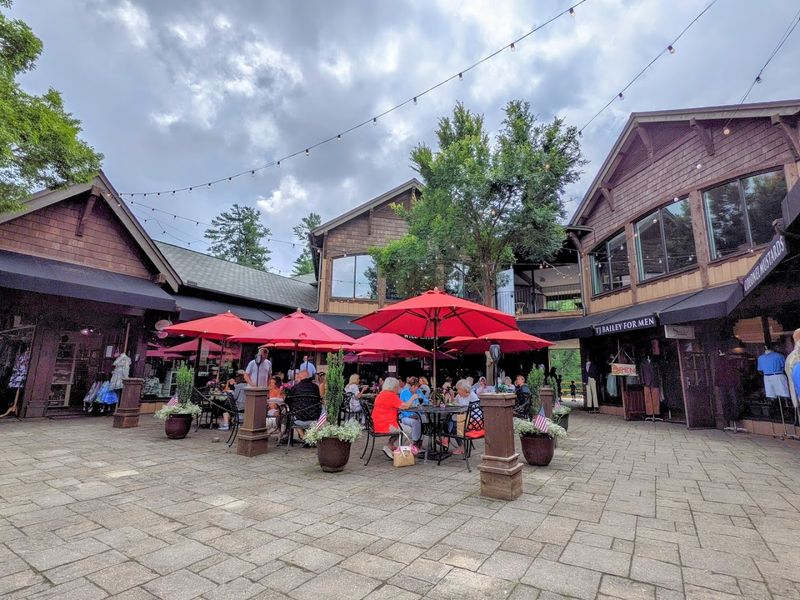
For a town with a population that hovers around just 900 full-time residents, Highlands has a restaurant scene that would make a much larger city jealous. The concentration of quality kitchens along Main Street and the surrounding blocks is genuinely impressive.
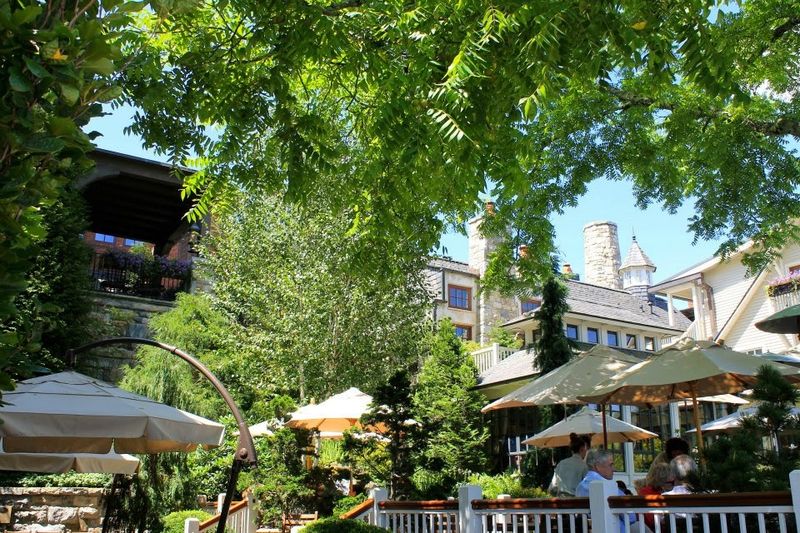
Central House Restaurant and Old Edwards Inn dining room are two of the most celebrated spots, both leaning into locally sourced ingredients and Southern Appalachian culinary traditions. Fresh trout, locally grown vegetables, and housemade breads show up on menus in ways that feel intentional rather than trendy.
The breakfast scene deserves its own mention. Several cafes open early and fill up fast with a mix of hikers fueling up before hitting the trails and retirees who treat their morning coffee stop as a social event.
The pace at these spots is unhurried in the best possible way.
What strikes most visitors is that the food here is serious without being stiff. Servers know the menus deeply, chefs care about sourcing, and the mountain setting outside the window adds a layer of ambiance that no interior designer can manufacture.
A good meal in Highlands just hits differently at 4,000 feet.
Art, Galleries, and a Surprisingly Rich Cultural Scene
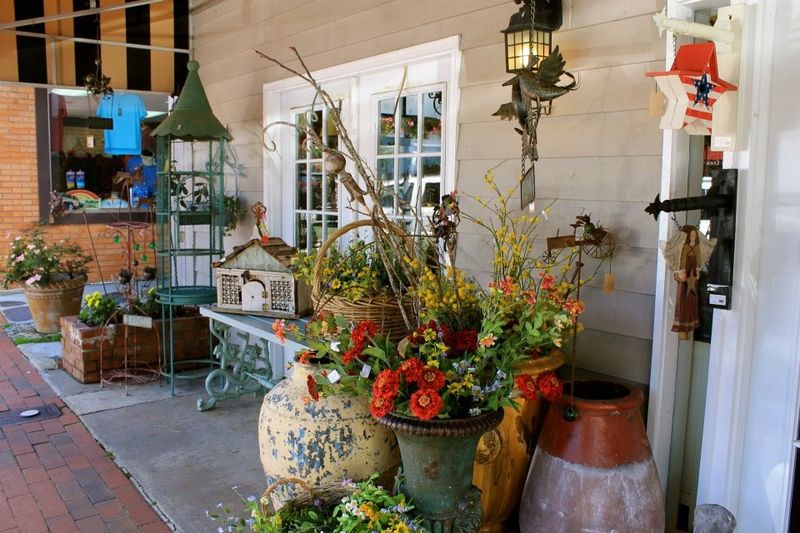
Highlands has quietly built one of the strongest arts communities in the southern Appalachians. The town supports more than a dozen galleries within walking distance of each other, showcasing everything from traditional landscape oil paintings to contemporary sculpture and handmade ceramics.
The Bascom, a nonprofit arts center on the edge of town, operates as the cultural anchor of the region. Its rotating exhibitions, artist residencies, and educational programs draw serious attention from the broader art world, not just local admirers.
The building itself sits on a beautifully landscaped campus that makes wandering through it a pleasure even on a rainy afternoon.
Live performance is part of the cultural fabric here as well. Highlands Performing Arts Center hosts concerts, theater productions, and special events throughout the summer season.
The programming tends to lean classical and traditional, which fits the town’s character without feeling stuffy.
First-time visitors who come expecting only outdoor adventure often leave surprised by how much cultural depth Highlands carries. The arts community here did not appear overnight; it grew steadily over decades, supported by generations of visitors and full-time residents who believed that beauty in a place deserves to be celebrated in multiple forms.
Hiking Trails for Every Fitness Level
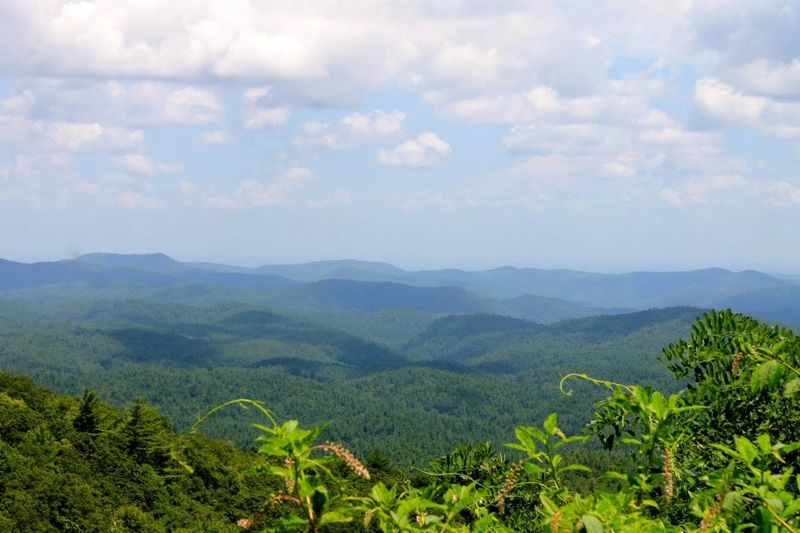
The trail network around Highlands is extensive enough that you could spend a full week hiking and still have options left unexplored. The Nantahala National Forest surrounds the town and provides the backbone of most trail systems, offering everything from flat, paved nature walks to demanding ridge climbs.
The Bartram Trail passes through the Highlands area and follows a historic route originally documented by naturalist William Bartram in the 1770s. Sections of this trail offer both solitude and genuinely beautiful forest walking, with rhododendron tunnels and creek crossings that feel worlds away from the modern world.
For families with young children or visitors who prefer a gentler pace, the Horse Cove Road area offers scenic drives with short walking paths that deliver big views without requiring serious athletic effort. The point is that nobody gets left out here.
Compared to the hiking culture around lake-based destinations in places like Oklahoma, the Highlands trail system operates in a completely different vertical dimension. The elevation changes are real and the rewards are proportional.
Even a 30-minute walk from the edge of town can land you at a viewpoint that takes your breath away in the best possible sense.
Rhododendron Season Is an Absolute Spectacle
There is a window each year, typically from late May through early July, when the rhododendrons and mountain laurel around Highlands burst into bloom and the entire landscape shifts into something almost theatrical. The trails and roadsides fill with clusters of pink, purple, and white flowers so dense they form natural tunnels in places.
The Catawba rhododendron is the showiest of the bunch, producing deep magenta blooms that stand out dramatically against the dark green of the surrounding forest. Timing your visit to catch peak bloom is a genuine goal for many returning visitors, though the exact timing varies by elevation and weather each year.
Flame azaleas also put on a display during this season, adding orange and yellow tones to the color palette. The combination of all these native flowering shrubs in a single landscape is something that photographs can hint at but not fully communicate.
The Highlands Botanical Garden, maintained by the Highlands Biological Station, is a wonderful place to observe many of these species up close with interpretive signage. It is free to visit and genuinely educational, which makes it a perfect stop for anyone who wants to understand what they are looking at rather than just admiring the color.
The Highlands Biological Station: Science With a View
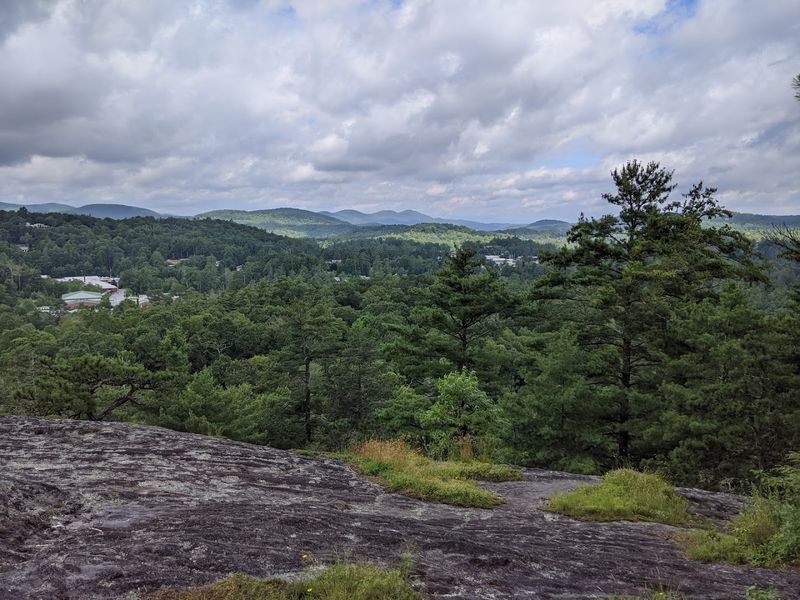
Not many towns the size of Highlands can claim a fully operational research institution within their borders, but that is exactly what the Highlands Biological Station provides. Operated as a consortium of University of North Carolina system schools, the station has been conducting ecological and biological research in the southern Appalachians since 1927.
The adjacent Highlands Biological Foundation maintains the botanical garden and the natural history museum, both of which are open to the public. The natural history museum is small but thoughtfully curated, with exhibits focused on the remarkably diverse plant and animal life of the southern Appalachian ecosystem.
The biodiversity in this region is genuinely extraordinary by any global standard. The southern Appalachians are considered one of the most biologically rich temperate zones on Earth, and the Highlands area sits at the heart of that diversity.
Salamander species alone number in the dozens here.
For curious visitors who want more than scenery and shopping, the biological station offers a layer of intellectual engagement that makes Highlands feel different from a typical resort town. Coming here and learning something new about the natural world around you adds a dimension to the trip that stays with you long after you head back down the mountain.
Where to Stay: From Historic Inns to Cozy Cabins
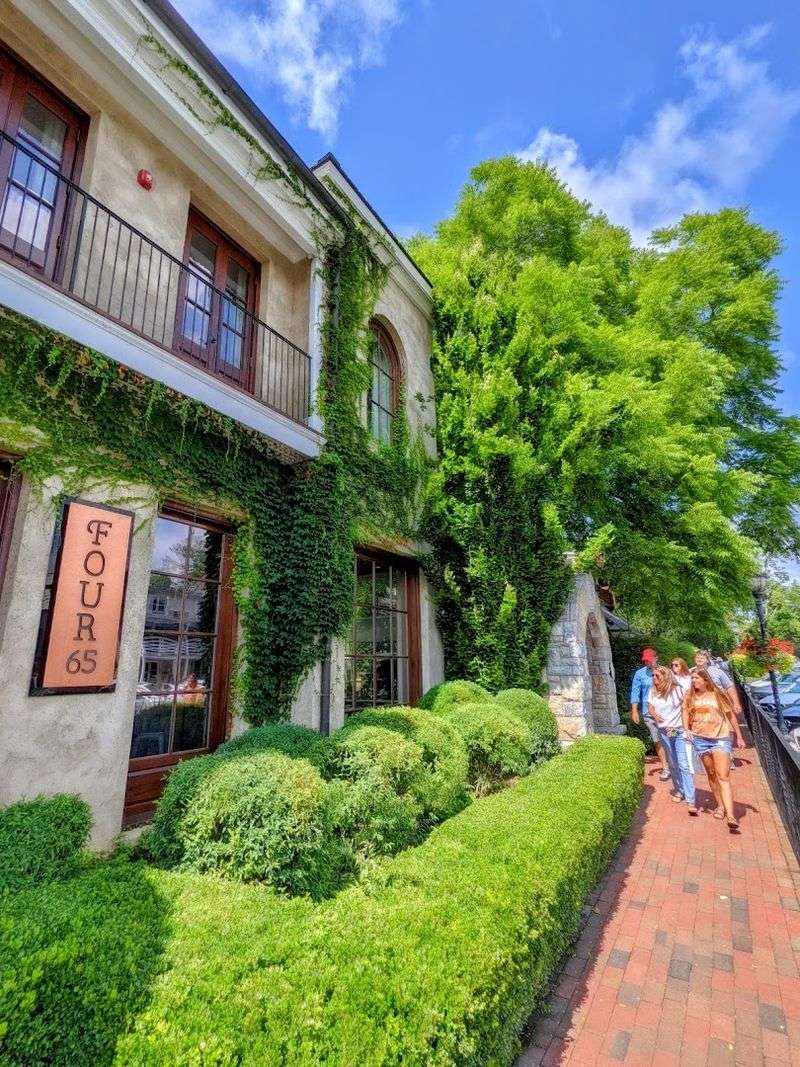
Old Edwards Inn and Spa is the most celebrated lodging option in Highlands and arguably one of the finest small inns in the entire Southeast. The property anchors the heart of Main Street with a collection of historic and newly built structures that blend seamlessly into the town’s character.
Rooms are thoughtfully designed, and the spa is genuinely worth booking in advance.
Beyond the flagship inn, Highlands offers a solid range of vacation rental cabins and cottages scattered throughout the surrounding forest and hillsides. Many of these properties come with wraparound porches, stone fireplaces, and views that make it very easy to cancel your plans for the day and just sit outside.
A handful of smaller bed and breakfast properties operate in restored historic homes, offering a more personal and intimate experience for travelers who prefer conversation with their hosts over the anonymity of a larger hotel.
The general rule in Highlands is to book early, especially for summer weekends and fall foliage season. Availability tightens up fast, and the town fills with visitors who have been planning their return trip since they left the previous year.
That kind of repeat loyalty says a great deal about the quality of the overall experience.
Fall Foliage Season Turns the Whole Town Into a Painting
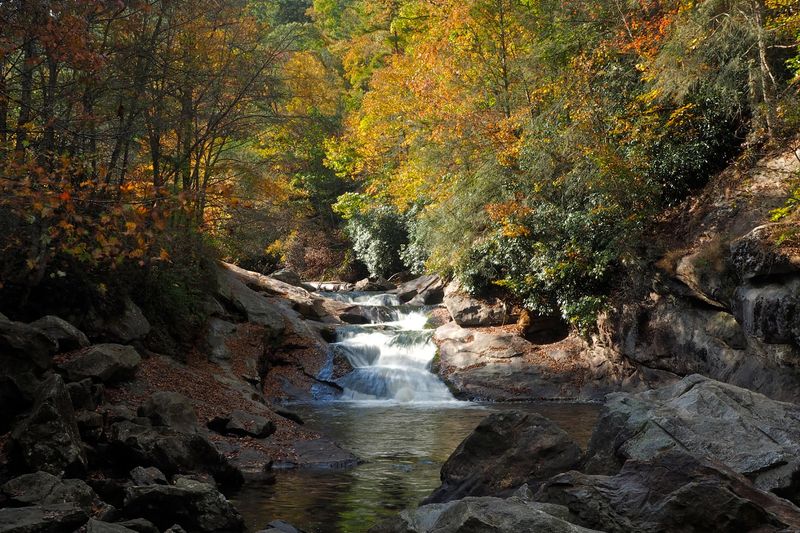
Summer gets most of the attention in Highlands, but the fall season makes a strong argument for being the most visually stunning time of year. The elevation and diversity of tree species on the Highlands Plateau produce a foliage display that typically peaks between mid-October and early November, with colors that range from deep scarlet to golden yellow and everything in between.
The Cullasaja Gorge drive becomes almost impossibly scenic during peak foliage, with the river below flashing through a corridor of blazing color. Whiteside Mountain offers ridge-top views of the entire color wave spreading across the valleys, which is a perspective that changes the way you think about autumn.
The town itself dresses up beautifully in fall. Shop windows, restaurant menus, and community events all lean into the season with an enthusiasm that feels genuine rather than commercial.
The air carries that particular cool sharpness that only arrives in October at high elevation.
Visitors who have experienced fall foliage in other parts of the country, including the deciduous forests of eastern Oklahoma, often rank the Highlands fall display among the most concentrated and vibrant they have ever seen. The combination of elevation, species diversity, and mountain topography makes the colors here unusually rich and long-lasting.
Share this story