The 1970s was a decade unlike any other, packed with bold music, powerful voices, and unforgettable personalities who changed the world. From rock stages to boxing rings, from movie screens to political offices, certain individuals left a mark so deep that we still feel it today.
These 15 cultural icons did not just entertain us, they challenged the way we think, live, and see ourselves. Get ready to revisit the decade that dared to be different.
1. Muhammad Ali
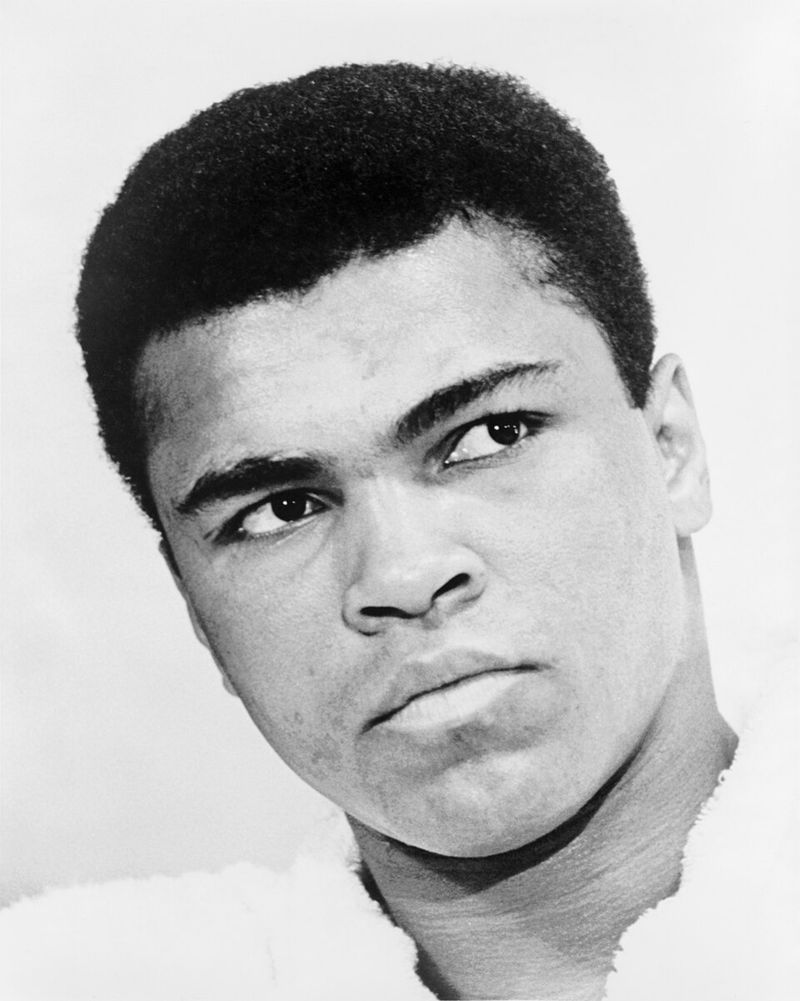
Before he was a legend, he was simply a man who refused to be silenced. Muhammad Ali dominated the 1970s not just with his fists, but with his words.
His famous bouts, including the Thrilla in Manila and the Rumble in the Jungle, were global events that stopped the world.
Ali was more than a boxer. He was a civil rights figure, a poet, and a symbol of resistance.
His refusal to be drafted into the Vietnam War cost him years of his career, yet he stood firm. That courage earned him respect far beyond the sport.
Kids who watched Ali saw someone who believed in himself completely, no matter what anyone said. He taught the world that confidence and conviction, paired together, can move mountains.
His legacy still echoes in sports, politics, and culture today.
2. David Bowie
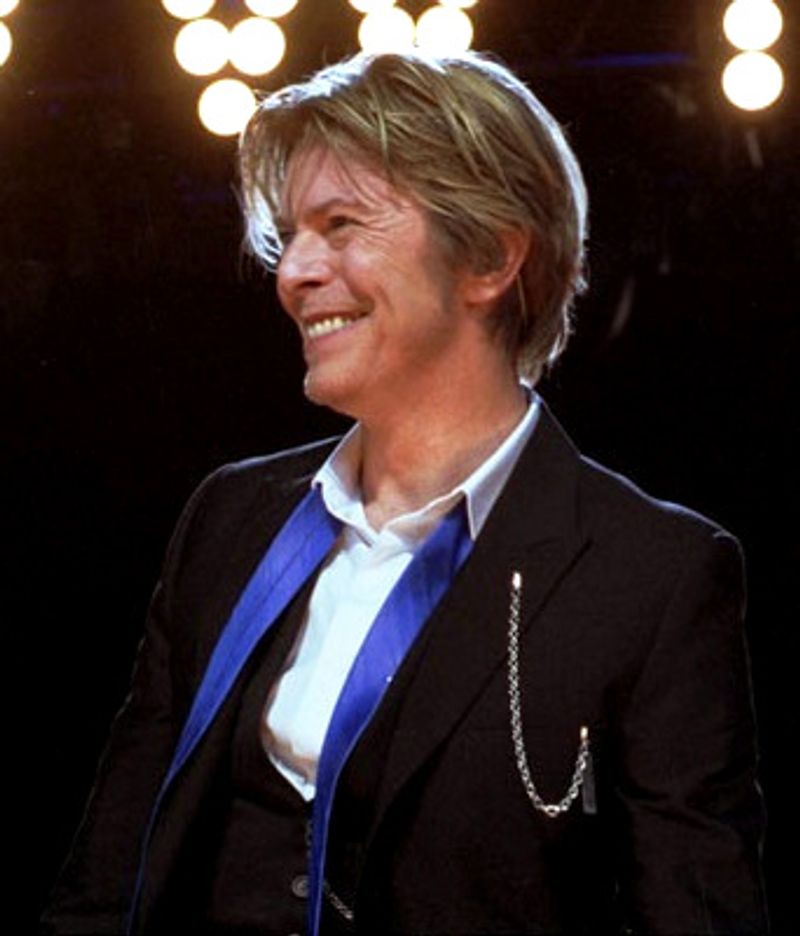
Nobody wore the future quite like David Bowie. He burst into the 1970s as Ziggy Stardust, an alien rock star he invented from scratch, complete with wild costumes, bold makeup, and music that sounded like nothing else on earth.
Bowie did not just perform, he transformed.
Throughout the decade, he kept reinventing himself. From glam rock to soul-influenced sounds to experimental Berlin-era albums, Bowie refused to stay in one box.
Each new character he created challenged people to think differently about identity, gender, and art.
His influence stretched far beyond music. Fashion designers, filmmakers, and visual artists all borrowed from his playbook.
For young people who felt like outsiders, Bowie was proof that being different was not a weakness. It was a superpower.
His 1970s work remains some of the most creative output in modern music history.
3. John Lennon
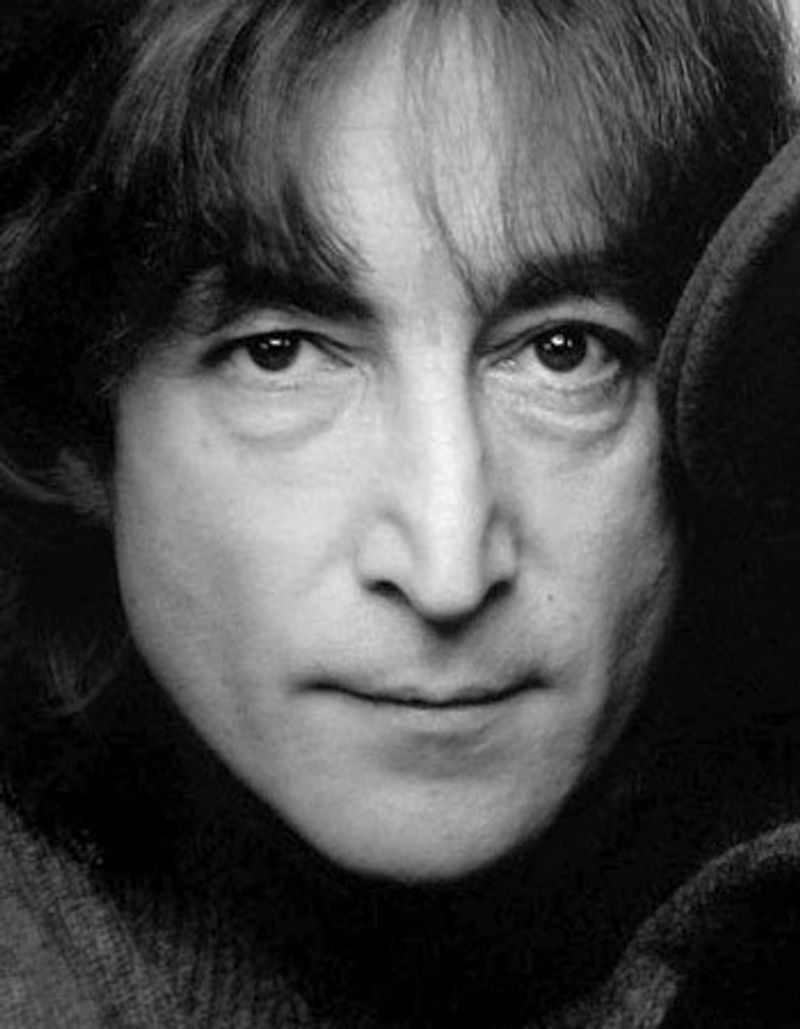
John Lennon spent much of the 1970s living in New York City, and the city seemed to energize him in a whole new way. After the Beatles dissolved in 1970, Lennon launched a solo career that was deeply personal, politically charged, and musically adventurous.
His album Imagine became one of the most beloved records ever made.
He was outspoken about peace, protesting war with his famous bed-ins and writing anthems that called for unity. The U.S. government even tried to deport him, fearing his influence on young voters.
That kind of attention showed just how powerful his voice was.
Lennon was not perfect, and he never claimed to be. But his honesty about his flaws and his belief in a better world made him deeply relatable.
His music from this era still plays on radios worldwide, proof that great art never really ages.
4. Gloria Steinem
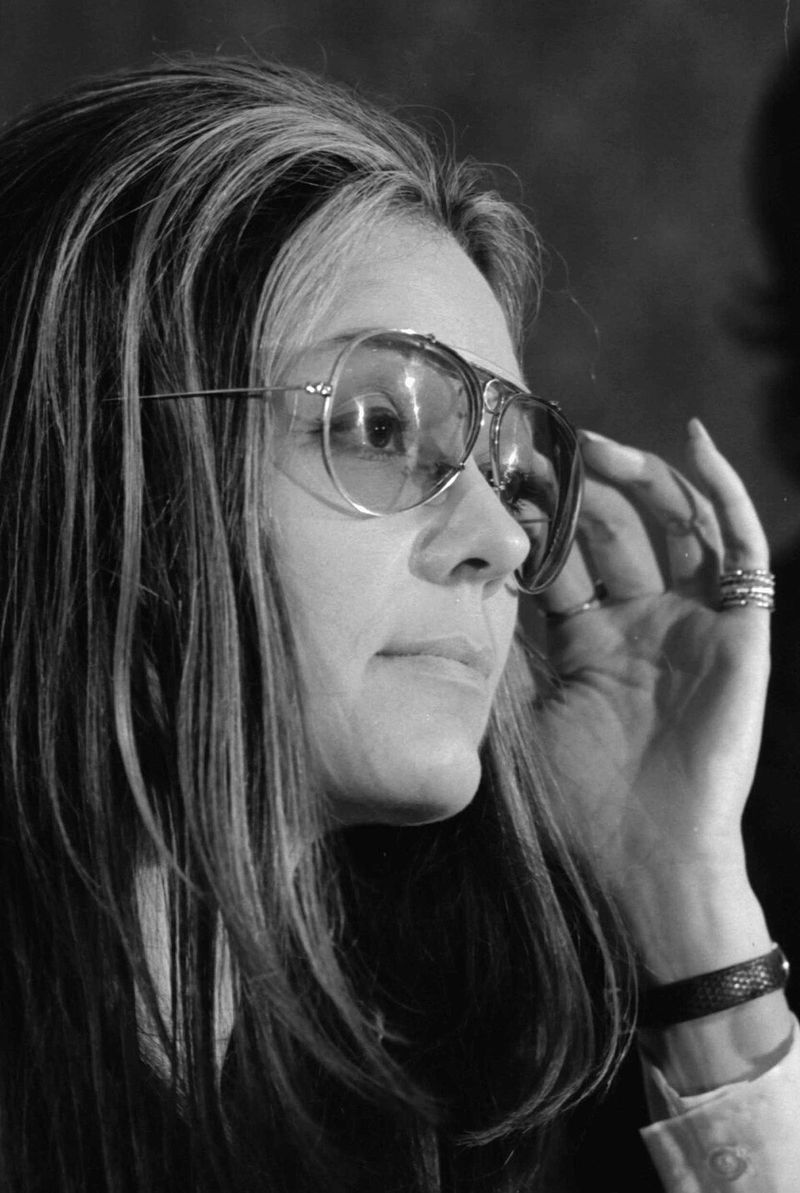
Gloria Steinem walked into the 1970s with a mission, and she did not slow down for a single moment. As one of the most visible leaders of the feminist movement, she co-founded Ms. Magazine in 1972, giving women a powerful platform to share their stories and demand equality.
The magazine was groundbreaking in a media world largely controlled by men.
Steinem traveled across the country giving speeches, organizing rallies, and pushing for the Equal Rights Amendment. She spoke plainly and fearlessly about issues that many people were still uncomfortable discussing, including reproductive rights, workplace discrimination, and gender bias in everyday life.
Her work changed laws, attitudes, and opportunities for millions of women and girls. Young people today who enjoy more freedoms and equal treatment owe a debt to advocates like Steinem.
She proved that speaking up, even when it is uncomfortable, can genuinely reshape society for the better.
5. Steven Spielberg

Summer blockbusters as we know them were basically invented by a young filmmaker named Steven Spielberg. When Jaws hit theaters in 1975, it changed how Hollywood thought about movies forever.
People lined up around the block, and studios realized that one film released at the right time could become a massive cultural event.
Just two years later, Spielberg produced Close Encounters of the Third Kind, another massive hit that showed his range. His storytelling was visual, emotional, and universally appealing.
He had a rare talent for making audiences feel wonder, fear, and joy all within the same film.
What made Spielberg special in the 1970s was his ability to connect with everyday people. His movies were not just for critics, they were for families, kids, and anyone who loved a great story.
That democratic approach to filmmaking helped make him one of the most successful directors of all time.
6. Elton John
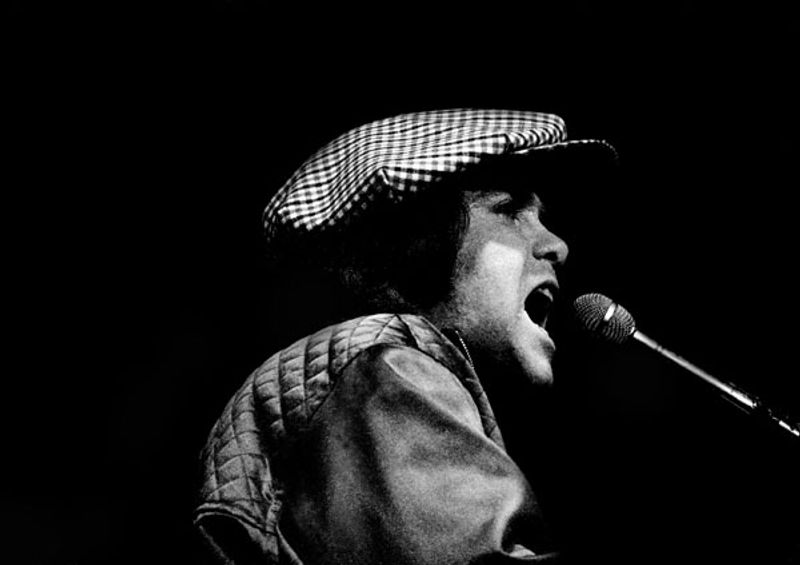
Few performers in history have matched the sheer spectacle of Elton John in the 1970s. With outrageous costumes, platform shoes, and rhinestone glasses, he looked like he had arrived from another planet.
But underneath all the glitter was a genuinely gifted musician and songwriter who produced hit after hit throughout the entire decade.
Songs like Rocket Man, Crocodile Rock, and Tiny Dancer became instant classics. Working closely with lyricist Bernie Taupin, Elton cranked out albums at a stunning pace without sacrificing quality.
His live performances were equally electric, drawing massive crowds who came for both the music and the unforgettable show.
Elton also helped normalize flamboyance and self-expression at a time when standing out could be risky. His openness about who he was, even when it was not easy, made him a quietly important figure in LGBTQ+ history.
His 1970s catalog remains a gold standard in pop and rock music.
7. Stevie Wonder
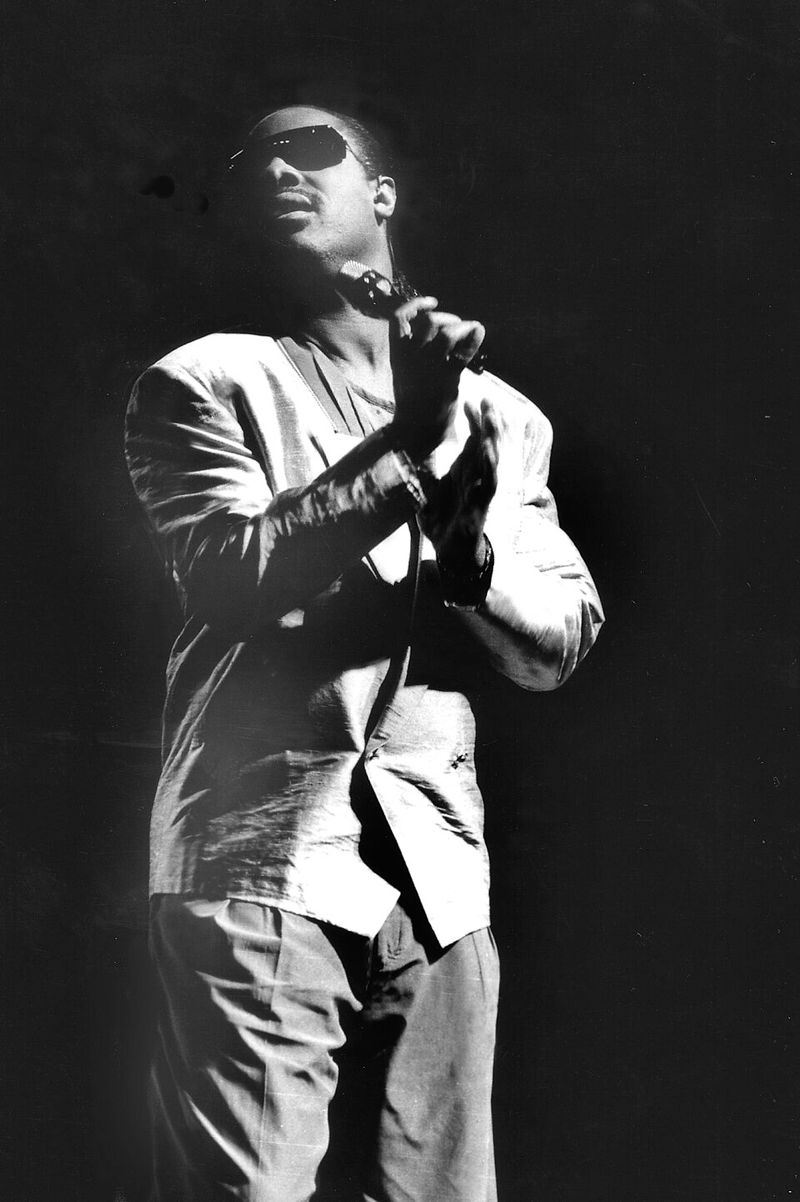
Between 1972 and 1976, Stevie Wonder released a string of albums so extraordinary that music critics still call it one of the greatest creative runs in pop history. Talking Book, Innervisions, Fulfillingness First Finale, and Songs in the Key of Life were not just hits, they were masterpieces.
Each one pushed the boundaries of soul, funk, and R&B in exciting new directions.
Wonder wrote, produced, and played most of the instruments himself, which was rare for any artist at the time. His songs tackled racism, love, spirituality, and social justice with equal depth and grace.
He had a way of making serious topics feel warm and human rather than preachy.
Beyond music, Stevie Wonder was a passionate activist. He campaigned for Martin Luther King Jr. Day to become a national holiday, and he succeeded.
His work in the 1970s showed that artistic brilliance and social conscience can absolutely go hand in hand.
8. Bruce Lee
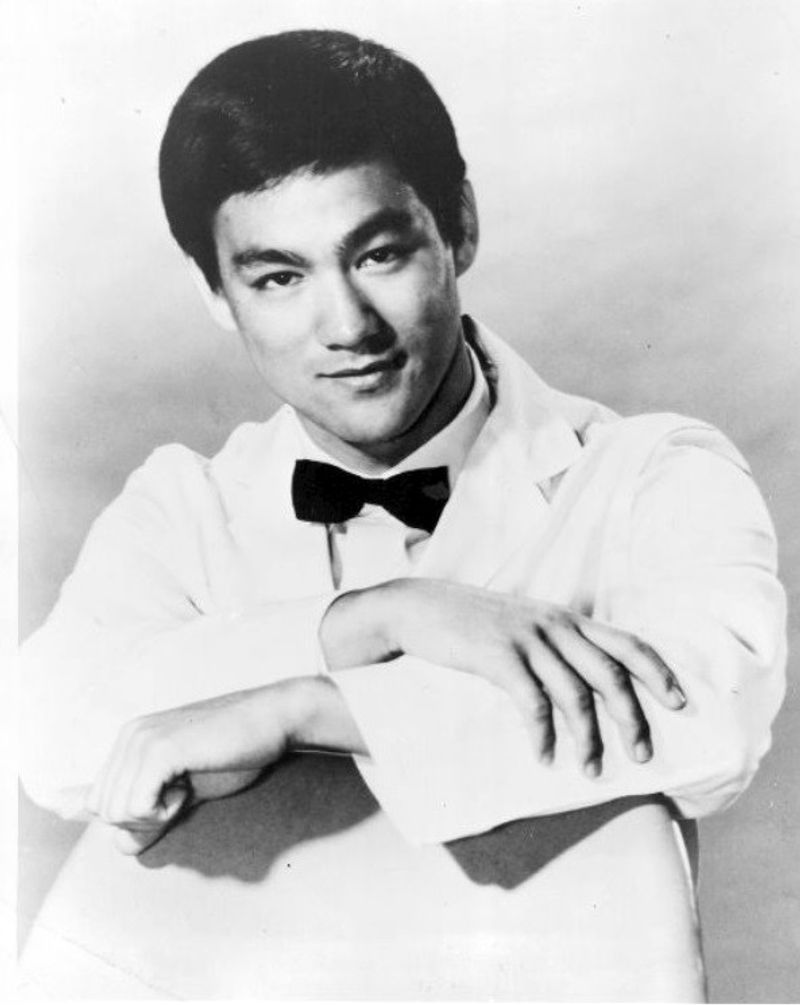
Bruce Lee packed an enormous amount of influence into a very short time. His films from the early 1970s, including Enter the Dragon released in 1973, introduced martial arts to Western audiences in a way that was thrilling, stylish, and deeply respectful of Asian culture.
Sadly, he passed away that same year at just 32 years old.
His impact, however, was enormous and lasting. Lee challenged Hollywood stereotypes about Asian men, presenting a hero who was physically powerful, intellectually sharp, and emotionally complex.
He was not a sidekick or a caricature. He was the star, full stop.
Beyond movies, Lee developed his own philosophy of combat called Jeet Kune Do, blending techniques from multiple disciplines into something entirely his own. That same creative thinking applied to life, not just fighting.
Bruce Lee remains one of the most studied and admired figures in both martial arts and popular culture worldwide.
9. Al Pacino
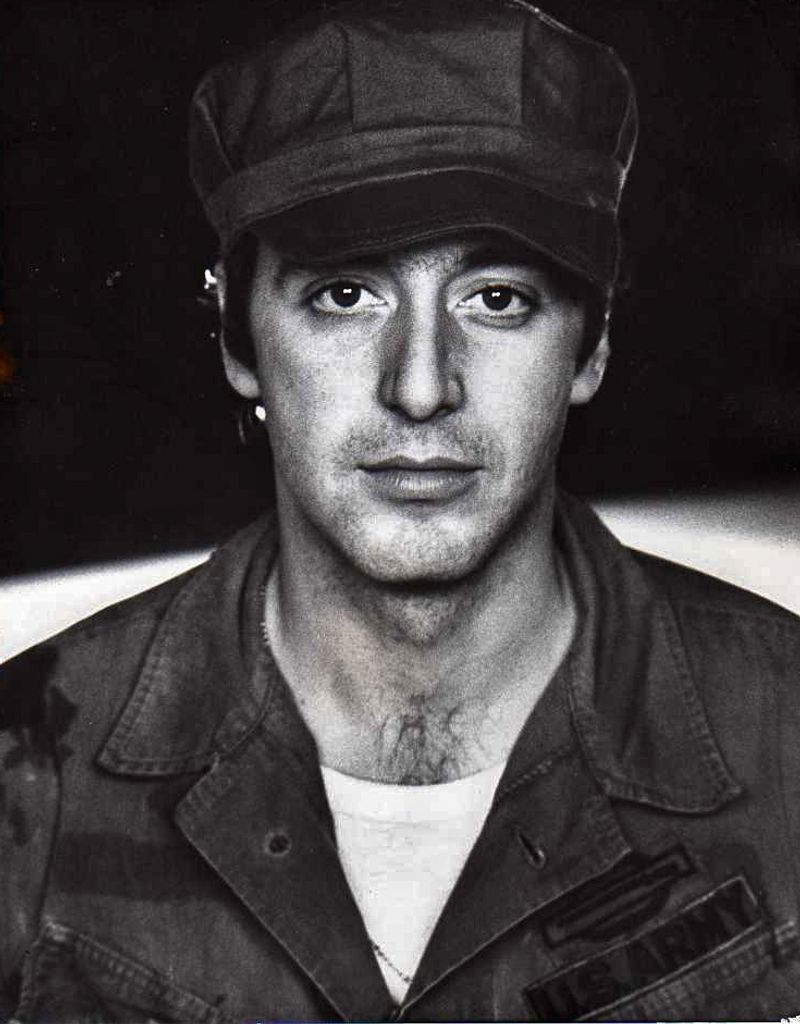
Al Pacino arrived in the 1970s and immediately rewrote what a movie star could look like. He was not the typical tall, square-jawed Hollywood hero.
He was intense, unpredictable, and completely magnetic on screen. His role as Michael Corleone in The Godfather, released in 1972, is still considered one of the greatest performances in cinema history.
He followed that with Serpico, Dog Day Afternoon, and The Godfather Part II, building a filmography that was unmatched for depth and range. Each character he played felt entirely real, not like acting but like watching an actual human being under pressure.
Pacino helped define a new kind of American film in the 1970s, one that was gritty, complex, and willing to ask hard questions about power and morality. His work from this decade helped inspire generations of actors who came after him.
Watching his performances today, they still hit with full force.
10. Donna Summer
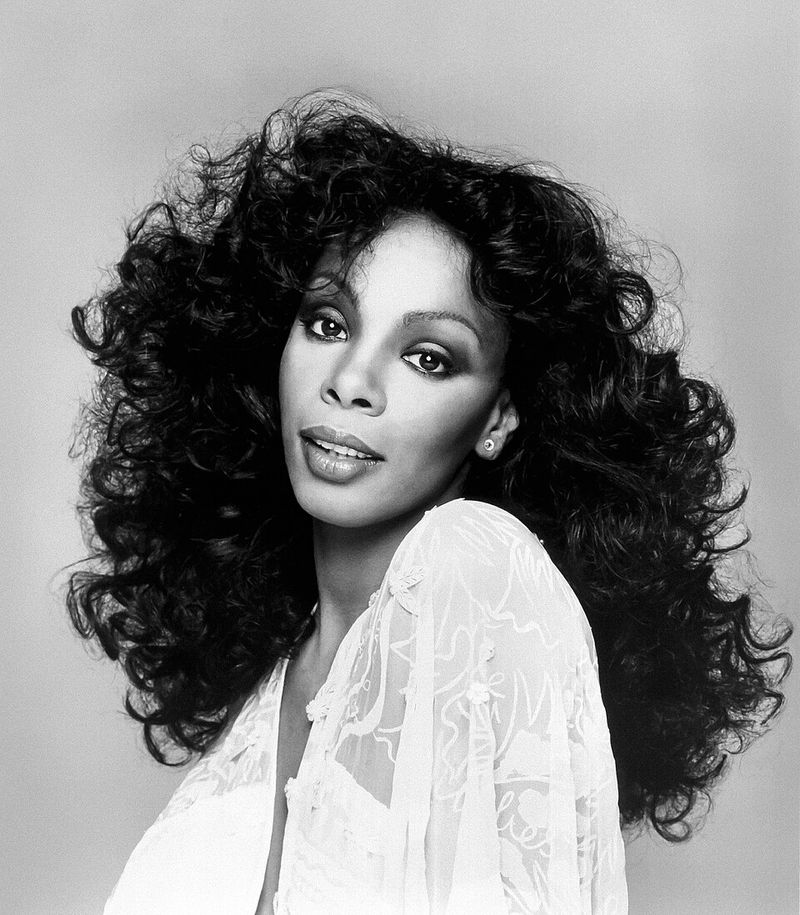
Donna Summer did not just sing disco, she defined it. Her 1975 hit Love to Love You Baby was unlike anything on the radio at the time, and it launched her into superstardom almost overnight.
With a voice that could shift from whisper-soft to powerfully full in seconds, she had a range that most singers could only dream of.
Throughout the late 1970s, she delivered hit after hit, including Hot Stuff, Bad Girls, and Last Dance. She won multiple Grammy Awards and became the first artist to have three double albums reach number one in the same year.
Those are numbers that still impress today.
Summer also broke barriers as a Black woman leading the pop charts during an era when that was far from guaranteed. She brought elegance and emotional depth to a genre sometimes dismissed as shallow.
Her influence on dance music, pop, and R&B continues to resonate with artists around the world.
11. Mick Jagger

Mick Jagger and the Rolling Stones were already famous when the 1970s began, but the decade took them to an entirely new level. Their Exile on Main St. album, released in 1972, is widely regarded as one of the greatest rock records ever made.
It was raw, sprawling, and full of energy that felt both dangerous and irresistible.
As a frontman, Jagger had no equal. His stage presence was magnetic, a mix of swagger, humor, and raw physicality that made every concert feel like an event.
He pranced, strutted, and commanded attention in a way that influenced virtually every rock performer who came after him.
Off stage, Jagger was a constant presence in the cultural conversation, photographed at parties, discussed in magazines, and linked to the most glamorous figures of the era. The Stones became more than a band.
They became a symbol of rock-and-roll freedom that defined a generation.
12. Farrah Fawcett

One poster changed everything. In 1976, Farrah Fawcett posed for a red swimsuit photo that became the best-selling poster in history, with an estimated 12 million copies sold.
Almost overnight, she became the face of 1970s beauty, and her feathered hairstyle was copied by women and girls across the entire country.
But Fawcett was more than a pretty image. Her role on Charlie’s Angels, which debuted that same year, showed a woman who was capable, confident, and central to the action.
The show was a massive hit and helped shift how female characters were written on television.
Later in her career, she pushed hard against her glamorous image with serious dramatic roles that surprised critics and audiences alike. In the 1970s, though, she was simply everywhere, on screens, on walls, and in conversations.
Farrah Fawcett captured a very specific kind of American optimism that defined that sunny, carefree decade.
13. Billie Jean King

On September 20, 1973, Billie Jean King walked onto a tennis court in Houston and played a match that the whole world was watching. Her opponent was Bobby Riggs, a former champion who had publicly claimed that no woman could beat him.
King won in straight sets, and the victory became one of the most celebrated moments in sports history.
The Battle of the Sexes, as it was called, was watched by nearly 50 million people on television. It was not just a tennis match.
It was a statement about what women were capable of, and King delivered it with complete authority and skill.
Away from that famous night, King spent the decade fighting for equal prize money in tennis and co-founding the Women’s Tennis Association. Her efforts changed professional sports in lasting ways.
She proved that athletic excellence and advocacy for fairness are not separate things. They can be the same powerful force.
14. Diana Ross
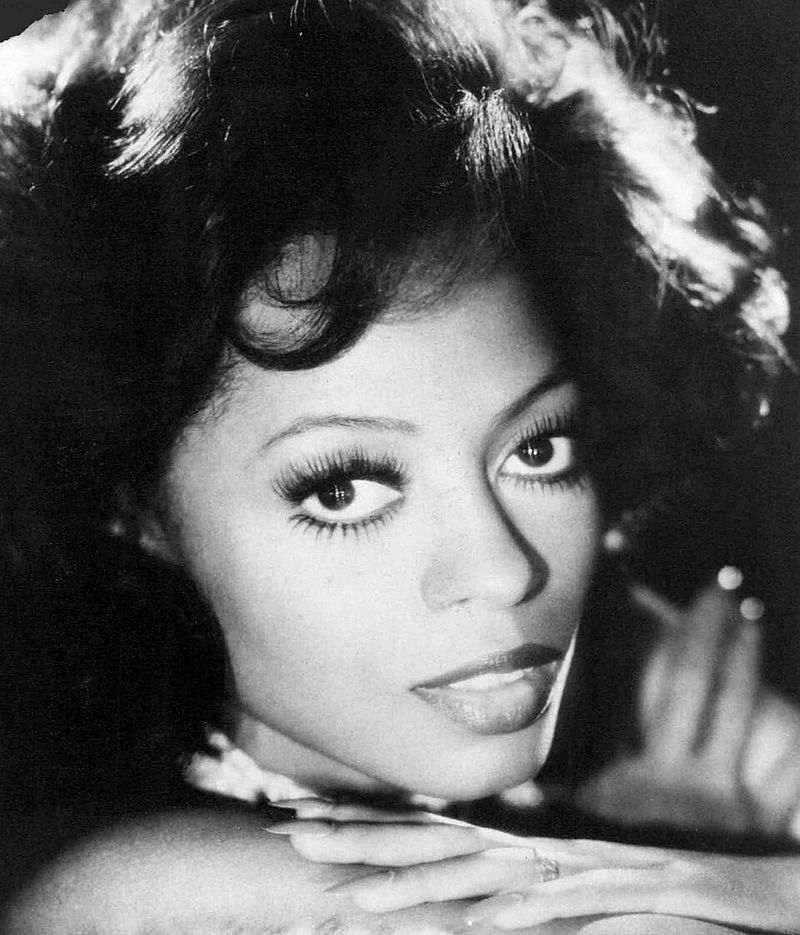
Diana Ross stepped out of the Supremes and into one of the most successful solo careers in pop history. Her 1970s output was remarkable, ranging from the soulful Ain’t No Mountain High Enough to the funky disco anthem Upside Down.
She had an ability to shift styles without ever losing her signature elegance and emotional power.
Ross also proved herself as an actress, earning an Academy Award nomination for her portrayal of Billie Holiday in Lady Sings the Blues in 1972. It was a bold, demanding role, and she handled it with remarkable skill.
That performance opened doors and changed how Hollywood saw Black women as leading actresses.
Throughout the decade, Ross remained a constant presence in both music and popular culture. She was glamorous without being untouchable, ambitious without being cold.
Diana Ross showed a generation of young women that talent, hard work, and grace could take you absolutely anywhere you wanted to go.
15. Richard Nixon
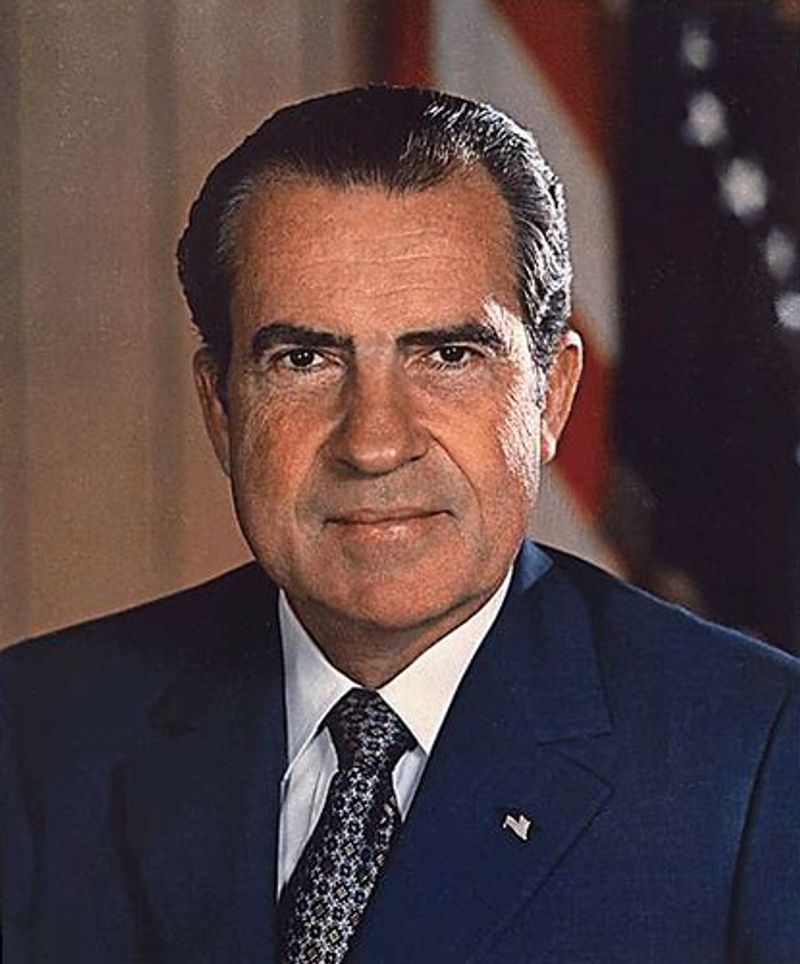
Richard Nixon shaped the 1970s in ways that no one could have predicted, and not always for the reasons he intended. He began the decade as a sitting president who opened diplomatic relations with China and signed major environmental legislation, including the creation of the Environmental Protection Agency.
Those were genuinely significant achievements.
But his presidency collapsed under the weight of the Watergate scandal. In 1972, operatives connected to his re-election campaign broke into Democratic Party headquarters.
The cover-up that followed consumed his administration and led to his resignation in August 1974, the only time a U.S. president has ever left office that way.
Nixon’s fall had a lasting effect on how Americans view their government and leaders. Public trust in institutions dropped sharply and took years to rebuild.
His story is a complicated one, full of real accomplishments alongside serious abuses of power. Understanding Nixon means understanding one of the most turbulent decades in American political history.
Share this story