There is a place on this planet where the trees look like they belong in a science fiction movie, the beaches are blindingly white, and the wildlife exists nowhere else on Earth. It sits in the Arabian Sea, roughly 240 kilometers east of the Horn of Africa and about 380 kilometers south of the Arabian Peninsula.
Getting there is not easy, and that is exactly why it has stayed so beautifully untouched. This island does not follow the rules of ordinary geography, ordinary biology, or ordinary travel.
By the time you finish reading about it, you will understand why scientists, adventurers, and nature lovers keep calling it the most alien-looking place on the planet.
Where in the World Is Socotra
Few places on Earth can claim the kind of geographic isolation that has shaped Socotra so completely. The island sits in the Arabian Sea, politically part of Yemen, positioned about 240 kilometers east of the Horn of Africa and roughly 380 kilometers south of the Arabian Peninsula.
Its full address is simply Socotra, Hadhramaut Governorate, Yemen, and that remoteness is not just a travel inconvenience. It is the reason the island developed such a wildly different ecosystem from anything on the surrounding continents.
Socotra is actually part of an archipelago that includes three smaller islands. The main island stretches about 125 kilometers long and 45 kilometers wide.
Most visitors arrive by a single weekly flight, which means your schedule is largely decided for you the moment you book your ticket.
The Dragon Blood Tree: Socotra’s Most Famous Resident
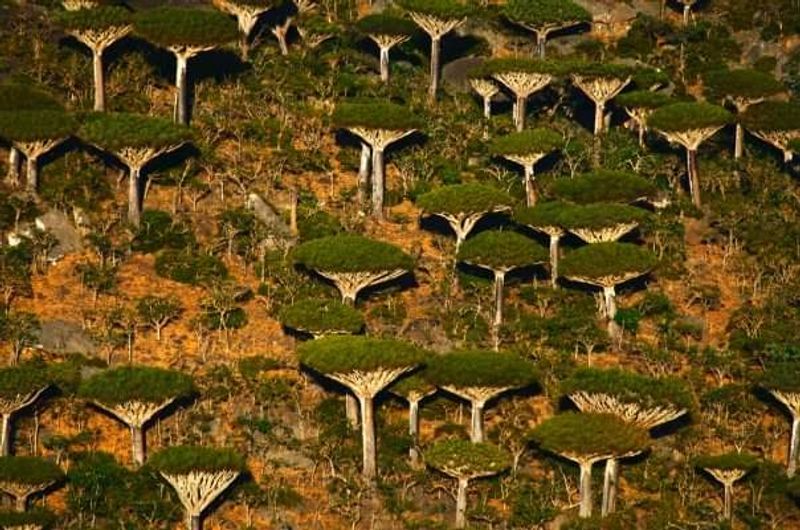
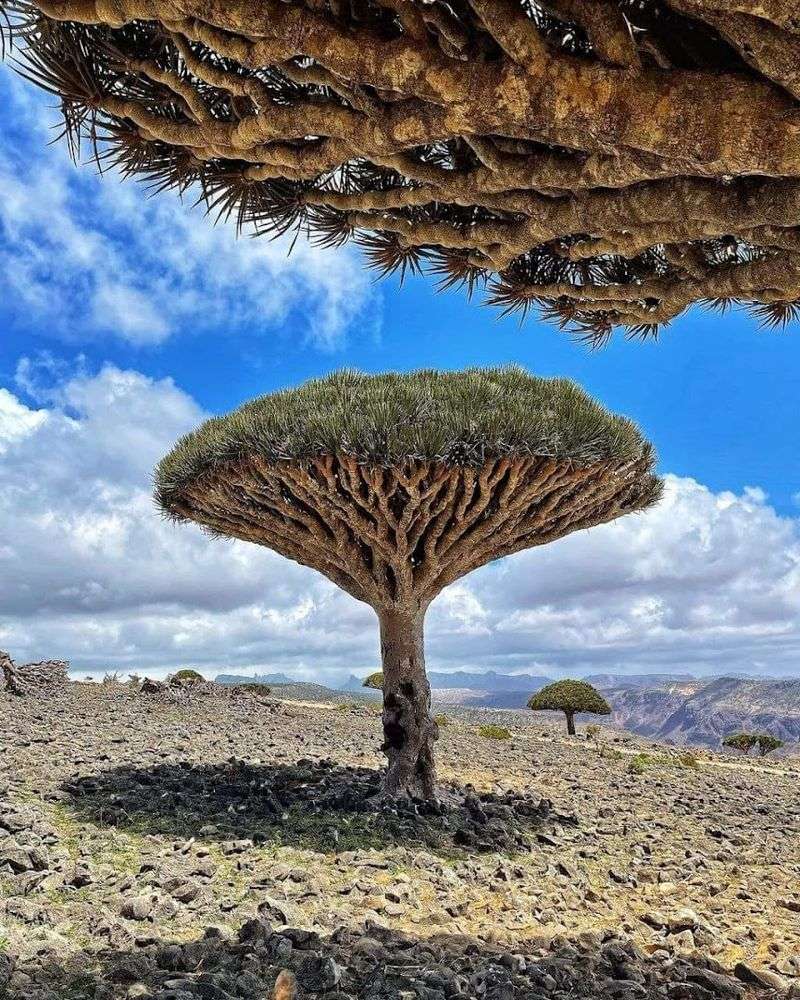
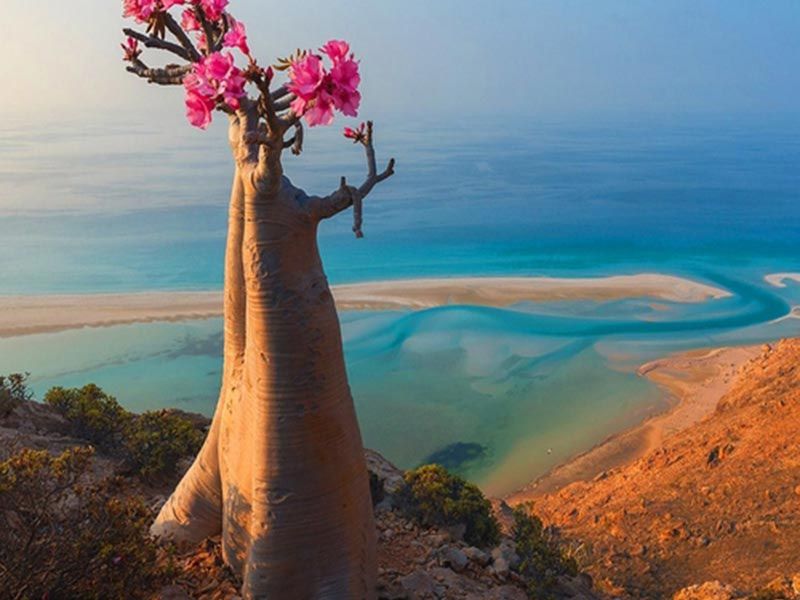
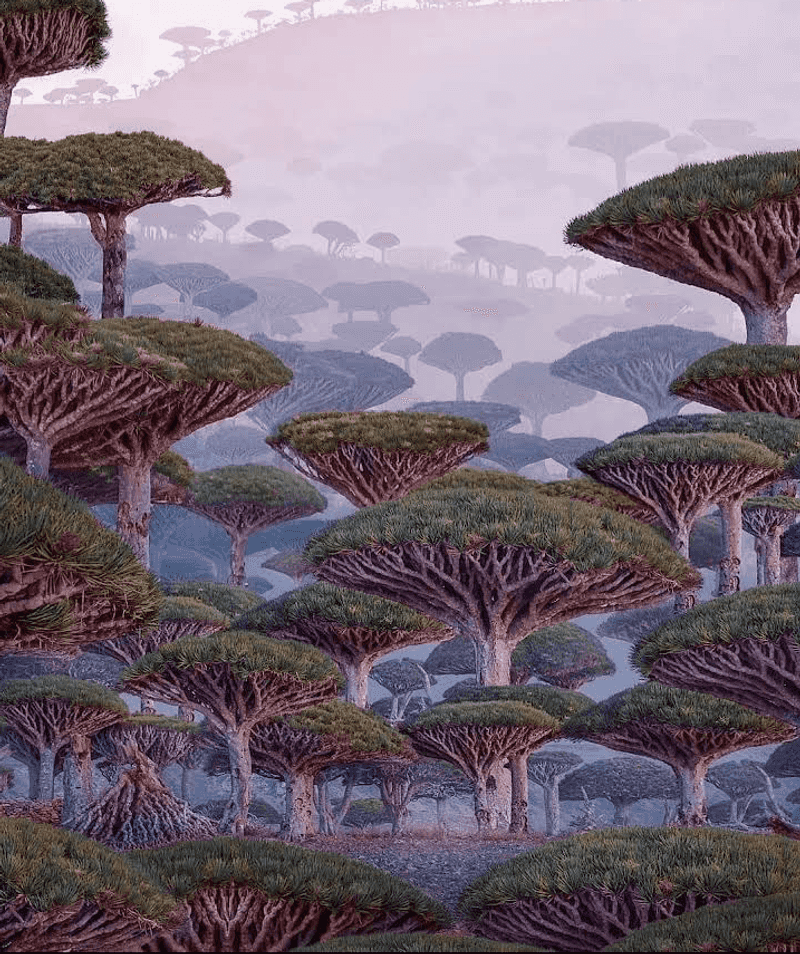
No plant on Earth looks quite like the dragon blood tree, known scientifically as Dracaena cinnabari. Its canopy spreads out in a perfectly flat, umbrella-like shape that looks less like a tree and more like something a set designer created for a fantasy film.
These trees grow only on Socotra, making them one of the most striking examples of endemic species anywhere on the planet. They can live up to 600 years and grow as tall as 10 meters.
When the bark is cut, the tree bleeds a deep crimson red resin that has been valued since Roman times for use in dye, medicine, varnish, and ceremonial rituals.
The densest forests of dragon blood trees are found in the Dixam Plateau, where the trees cluster together in surreal woodland groves that stop every first-time visitor cold in their tracks.
A Biodiversity Hotspot Like No Other
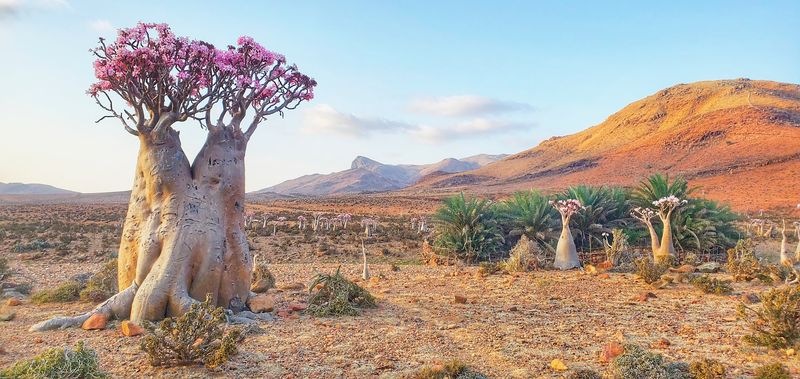
Up to one third of Socotra’s plant life grows nowhere else on Earth. That is a staggering number for a single island, and it has earned Socotra the nickname ‘the Galapagos of the Arabian Sea’ among biologists and conservationists worldwide.
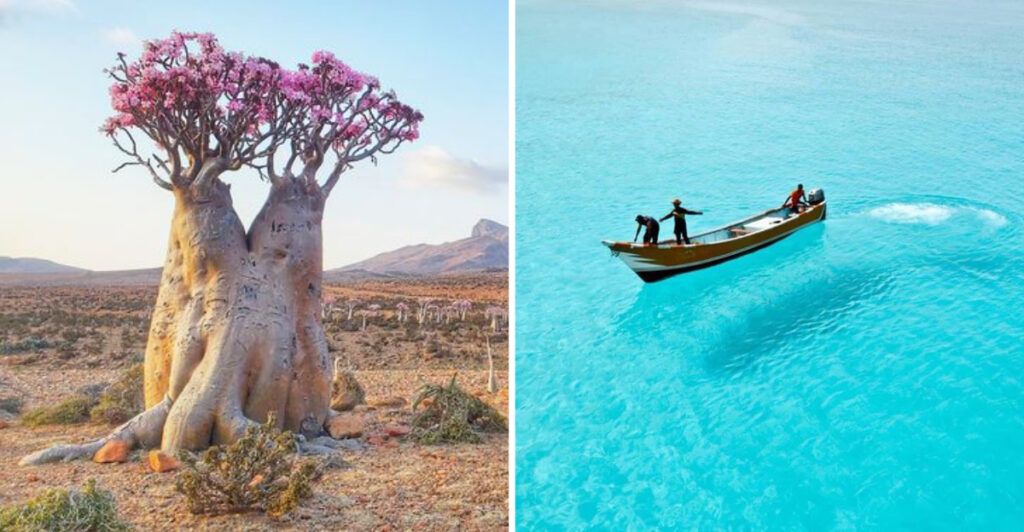
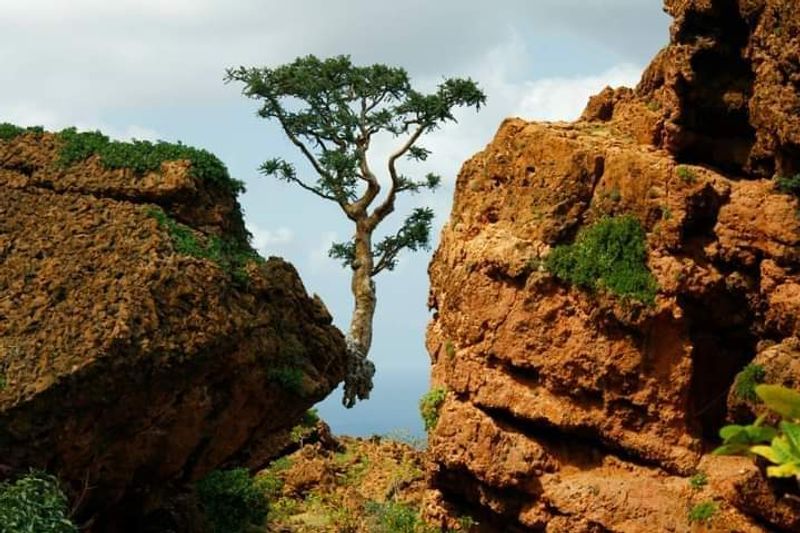
Beyond the dragon blood tree, the island is home to the Socotra desert rose, also called the elephant leg tree, which stores water in its swollen trunk. Cucumber trees, frankincense trees, and dozens of rare succulents dot the landscape in ways that feel genuinely surreal.
UNESCO recognized Socotra as a World Heritage Site in 2008, specifically because of this extraordinary concentration of unique species. The island hosts around 825 plant species, 307 of which are endemic.
For anyone with even a passing interest in botany or ecology, Socotra delivers the kind of experience that textbooks cannot fully prepare you for.
The Beaches That Do Not Look Real
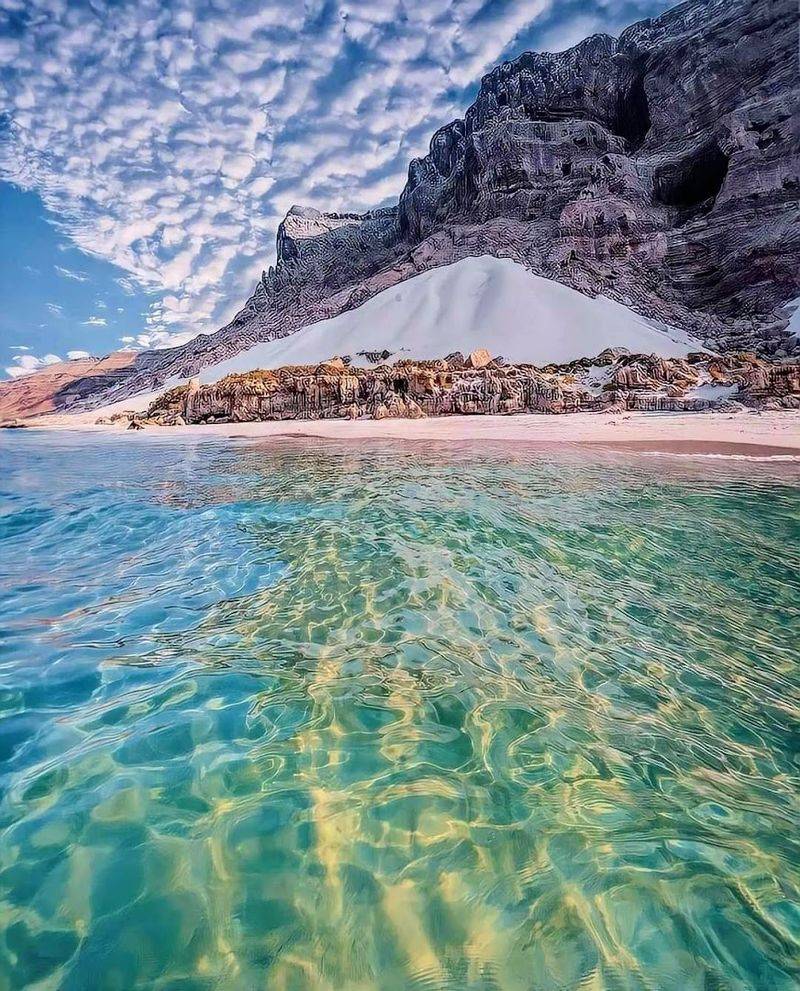
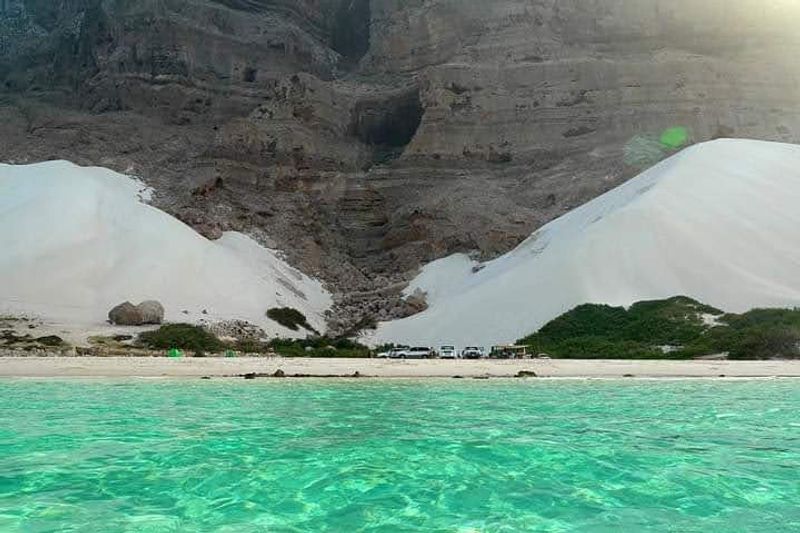
The beaches of Socotra have a quality that photographs struggle to capture honestly, because the sand is so white and the water so clear that the whole scene looks digitally enhanced. Beaches like Detwah Lagoon and Ras Shuab are among the most visually dramatic coastal stretches in the entire Indian Ocean region.
What makes them different from typical tropical beaches is the backdrop. Rugged limestone cliffs, windswept dunes, and bizarre endemic vegetation frame the shoreline in ways that feel completely unlike the polished resort beaches most travelers are used to.
The sea around Socotra is unusually calm and shallow in many areas, which makes it ideal for snorkeling without a lot of gear or experience. Colorful reef fish, sea turtles, and vibrant coral formations are regular sights just meters from the shore, turning a casual swim into something genuinely memorable.
Caves, Canyons, and a Rugged Interior
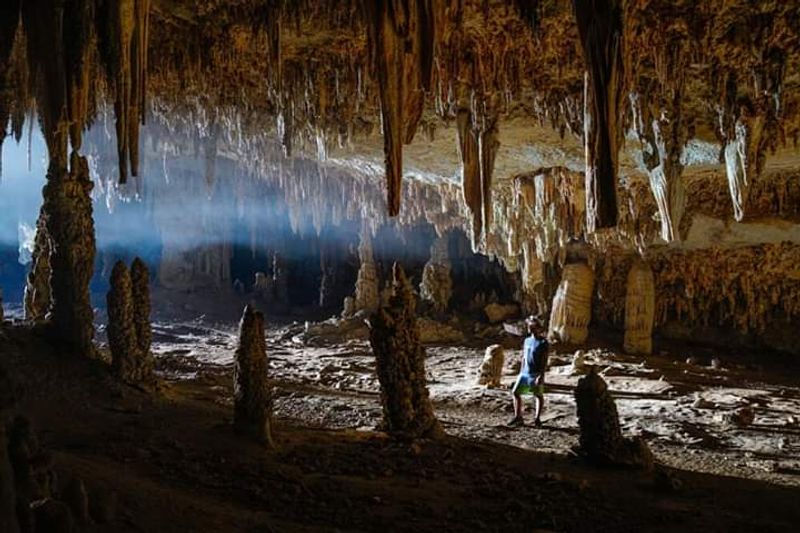
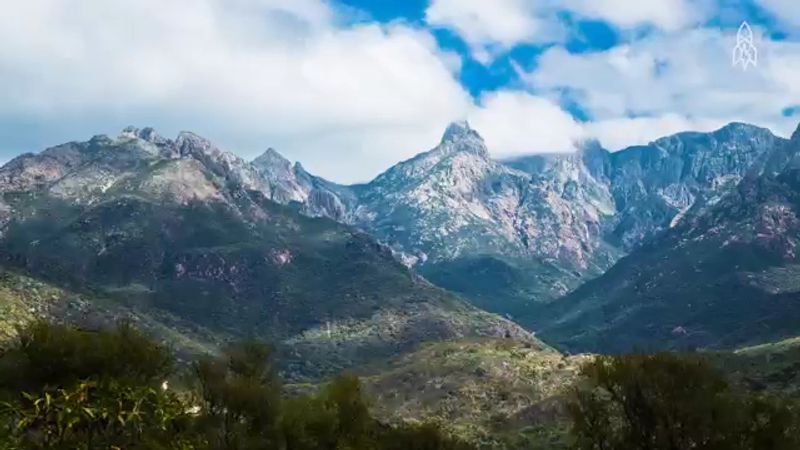
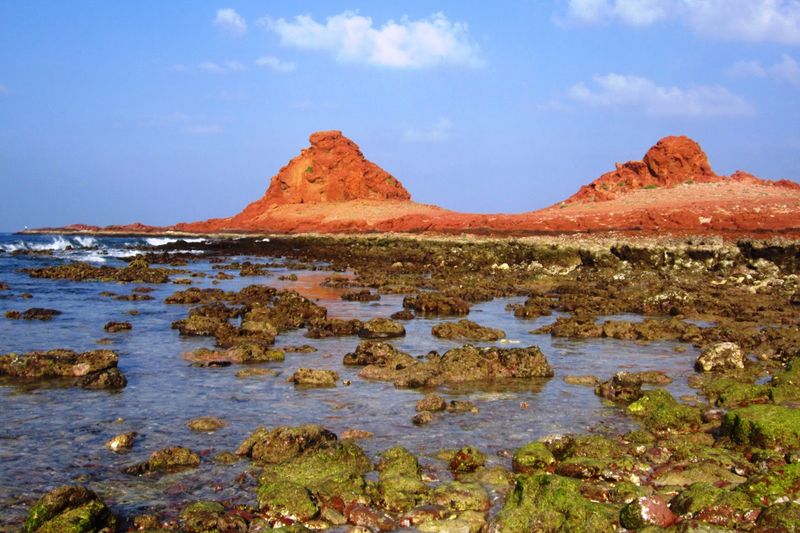
Most people come to Socotra for the trees and the beaches, but the island’s interior is its own spectacular world. The Haggier Mountains rise to nearly 1,500 meters above sea level, cutting across the island with dramatic limestone ridges, narrow canyons, and hidden wadis that fill briefly with water during the rare rainy season.
Hoq Cave is one of the largest cave systems in the Arabian Peninsula, stretching more than 4 kilometers into the mountain. Ancient inscriptions left by sailors and traders from India, Ethiopia, and Arabia have been found inside, dating back over 2,000 years, turning a geological wonder into a historical archive carved in stone.
Hiking through the interior takes you through landscapes that shift from coastal desert to cool highland plateau within just a few kilometers, giving the island a geographic variety that is genuinely surprising for its modest size.
Snorkeling and Fishing in Pristine Waters
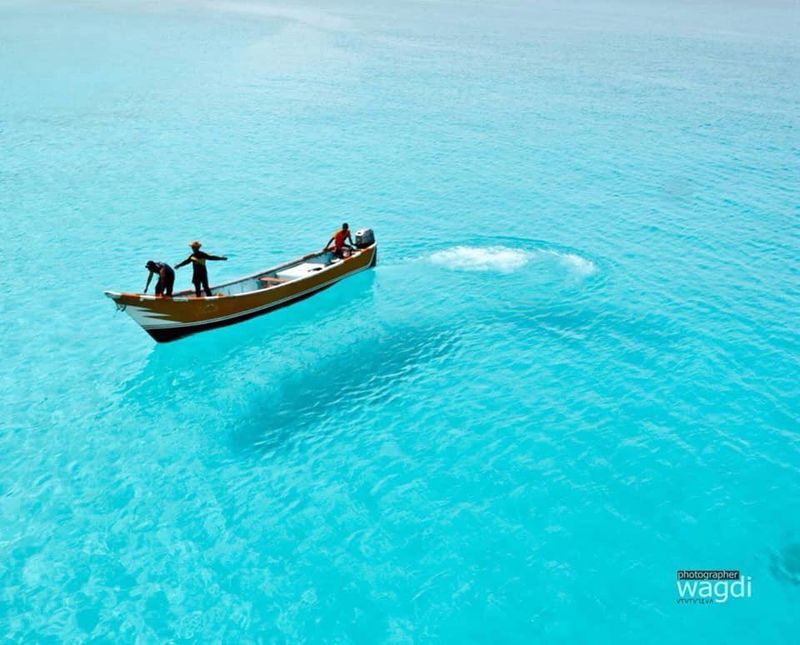
The waters surrounding Socotra are some of the least disturbed marine environments in the Arabian Sea. Because the island sees relatively few tourists and has no major port infrastructure for large commercial vessels, the reefs have been spared the kind of damage that has affected so many other tropical destinations.
Snorkeling here means sharing the water with sea turtles, reef sharks, manta rays, and hundreds of species of fish that hover around coral formations in numbers that feel almost old-fashioned, like the ocean used to be everywhere before overfishing and tourism took their toll.
Local fishermen have worked these waters for generations and are often willing to take visitors out on traditional wooden boats for a morning of fishing. Freshly caught fish prepared on a beach campfire is one of those simple meals that somehow tastes better than anything served in a restaurant with tablecloths.
The Socotri People and Their Ancient Culture
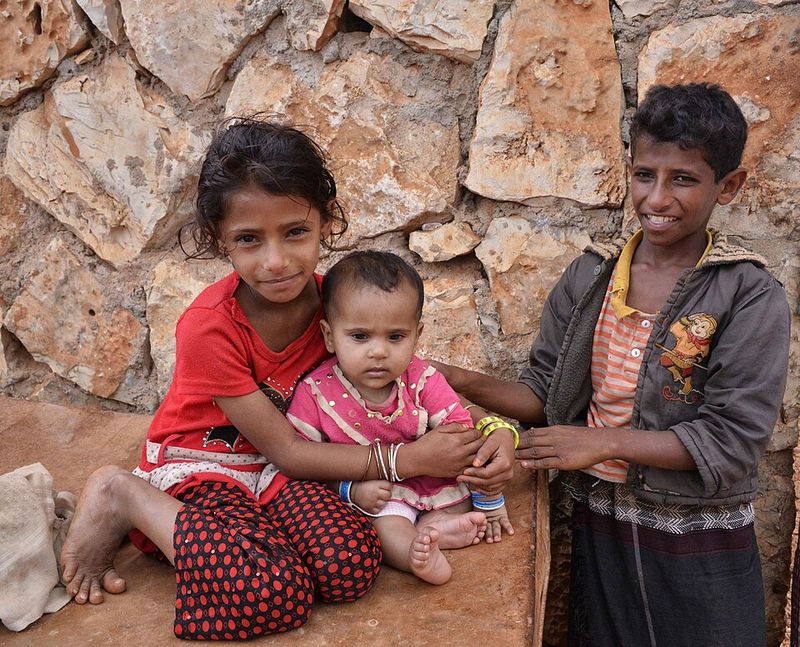
The people of Socotra are known across the travel world for a hospitality that feels completely genuine. The Socotri are an indigenous group with their own language, Socotri, which belongs to the Modern South Arabian language family and has no traditional written script, existing almost entirely as an oral tradition passed through generations.
Villages scattered across the island maintain a way of life that revolves around fishing, herding goats, and harvesting the island’s natural resources, including frankincense and aloe. The pace is slow and deliberate, shaped more by the rhythms of the sea and the wind than by any clock.
Visitors who make the effort to interact with local families often describe it as one of the most generous cultural encounters of their travel lives. Knowing a few words of Arabic helps significantly, since English is rarely spoken outside of organized tour contexts.
Camping Under Socotra’s Stars
There are no large hotels on Socotra. No international resort chains, no spa weekends, no room service.
Camping is essentially the only accommodation option available, and for the right kind of traveler, that is not a drawback but the entire point.
Nights on the island are extraordinary. The absence of light pollution means the Milky Way appears with a clarity that is almost startling if you have spent most of your life in or near cities.
The silence between the wind and the waves is the kind that takes a moment to fully register.
Most organized tours provide camping equipment, guides, and meals, which typically feature fresh fish, flatbread, and local ingredients prepared simply over an open fire. Sleeping under dragon blood trees on the Dixam Plateau, with the silhouettes of those alien canopies above you, is the sort of night that stays with a person for years.
The Wind That Rules the Island
Socotra has a complicated relationship with wind. The monsoon season, which runs roughly from June through September, brings such powerful winds and rough seas that the island becomes nearly impossible to reach or leave.
Flights are grounded, boats stay in harbor, and the island essentially closes itself off to the outside world for months at a time.
That seasonal isolation is part of why the island has remained so ecologically intact. The monsoon winds, known locally as the Khareef, have shaped the island’s geography, carving its coastlines and influencing which plant species could survive and thrive in such conditions.
The best time to visit is between October and May, when the weather is dry and the sea is calm enough for boat travel and snorkeling. Planning your trip around the monsoon calendar is not optional; it is the most important logistical decision you will make.
Getting There: The Logistics of a Remote Adventure
Reaching Socotra requires patience, flexibility, and a tolerance for the unexpected. The main point of entry is Socotra Airport near Hadibo, the island’s largest town.
Flights connect to Aden and Sana’a in Yemen, though the broader political situation in Yemen means schedules can change with little warning.
Some travelers route through nearby countries for charter or connecting options, and organized tour operators who specialize in Socotra are often the most reliable way to coordinate a visit, handling logistics that would be genuinely difficult to manage independently.
Once on the island, transportation is mostly by four-wheel-drive vehicle along unpaved tracks, with some areas only accessible on foot. There are no paved roads connecting most of the island’s highlights.
The difficulty of getting there is real, but it is also the filter that keeps Socotra from becoming just another overrun destination on a popular travel circuit.
Egyptian Vultures and Endemic Wildlife
Socotra is not just about plants. The island hosts a remarkable array of endemic and migratory wildlife that draws ornithologists and wildlife enthusiasts from across the globe.
The Egyptian vulture, a bird classified as endangered across much of its range, is a common and healthy presence on the island, which says something meaningful about the ecosystem’s overall health.
Socotra also has its own endemic subspecies of several bird species, including the Socotra sunbird, the Socotra starling, and the Socotra sparrow. The island’s relative isolation has allowed these birds to evolve distinctly from their mainland relatives over millions of years.
Marine wildlife is equally impressive, with whale sharks, dolphins, and sea turtles regularly spotted in the surrounding waters. The island’s undisturbed coastline provides nesting habitat for sea turtles that is increasingly rare across the broader Indian Ocean region.
The Frankincense Connection: Ancient Trade and Modern Heritage
Long before anyone called Socotra a travel destination, it was a stop on ancient trade routes that connected Arabia, India, and East Africa. The island was valued by Greek, Roman, and Arab traders for its frankincense, dragon blood resin, and aloe, all of which were considered luxury goods with medicinal and ceremonial value.
Ancient Greek sailors called the island Dioscorida, and references to it appear in texts dating back over two thousand years. The cave inscriptions found in Hoq Cave, left by sailors from across the ancient world, confirm that Socotra was a known and visited waypoint for maritime commerce long before modern maps existed.
That historical depth adds a layer to a visit that goes beyond scenery. Walking through frankincense-producing areas or seeing the red resin of a dragon blood tree connects you to a trade history that shaped civilizations on three continents.
Why Socotra Matters and What Comes Next
Socotra’s UNESCO World Heritage status is a recognition of something genuinely rare: an island where isolation has preserved a living museum of evolution. But that protection exists alongside real pressures, including climate change, invasive species, and the broader instability affecting Yemen as a whole.
Conservationists worry that increased accessibility, however gradual, could introduce threats that the island’s fragile ecosystem is not equipped to handle. The same qualities that make Socotra so extraordinary also make it vulnerable.
For travelers, that creates a genuine responsibility. Visiting with a reputable local tour operator, following designated paths, and avoiding any collection of plants or animals are not just courtesies but meaningful contributions to the island’s long-term survival.
Socotra is not waiting to be discovered; it has been here for millions of years. The question is simply whether the world can appreciate it without consuming it in the process.
Share this story