Some of Pennsylvania’s oldest trees stand within this 650-acre arboretum just outside Media, making it far more than a typical park. Visitors can explore historic woodlands, rare tree collections, and an extensive network of trails that showcase centuries of natural history.
What sets the arboretum apart is the range of experiences packed into one destination. Along with its championship trees and themed gardens, you’ll find a meadow maze, seasonal treehouses, and interactive spaces designed to connect visitors with the landscape in unexpected ways.
Part conservation center, part outdoor attraction, and part living museum, this Delaware County landmark offers plenty to discover on every visit. That’s a big reason it continues to draw both first-time visitors and returning locals.
A 650-Acre Living Legacy Right Outside Philadelphia
Tyler Arboretum sits at 515 Painter Road, Media, PA 19063, tucked into the rolling landscape of Delaware County, just a short drive southwest of Philadelphia. At 650 acres, it ranks among the oldest and largest public gardens in the entire northeastern United States, and yet it somehow manages to feel like a personal discovery every time you visit.
The property’s roots go back to 1681, when English Quaker Thomas Minshall purchased the land directly from William Penn. Eight generations of the Minshall, Painter, and Tyler families lived and worked here before Laura Tyler bequeathed the entire estate to the public in 1944.
That long, unbroken chain of stewardship is something you can feel the moment you step onto the grounds. The land has a settled, unhurried quality that most parks simply cannot manufacture.
Hours run daily from 9 AM to 6 PM, and the phone number is +1 610-566-9134 if you want to plan ahead.
The Living Collection That Started It All
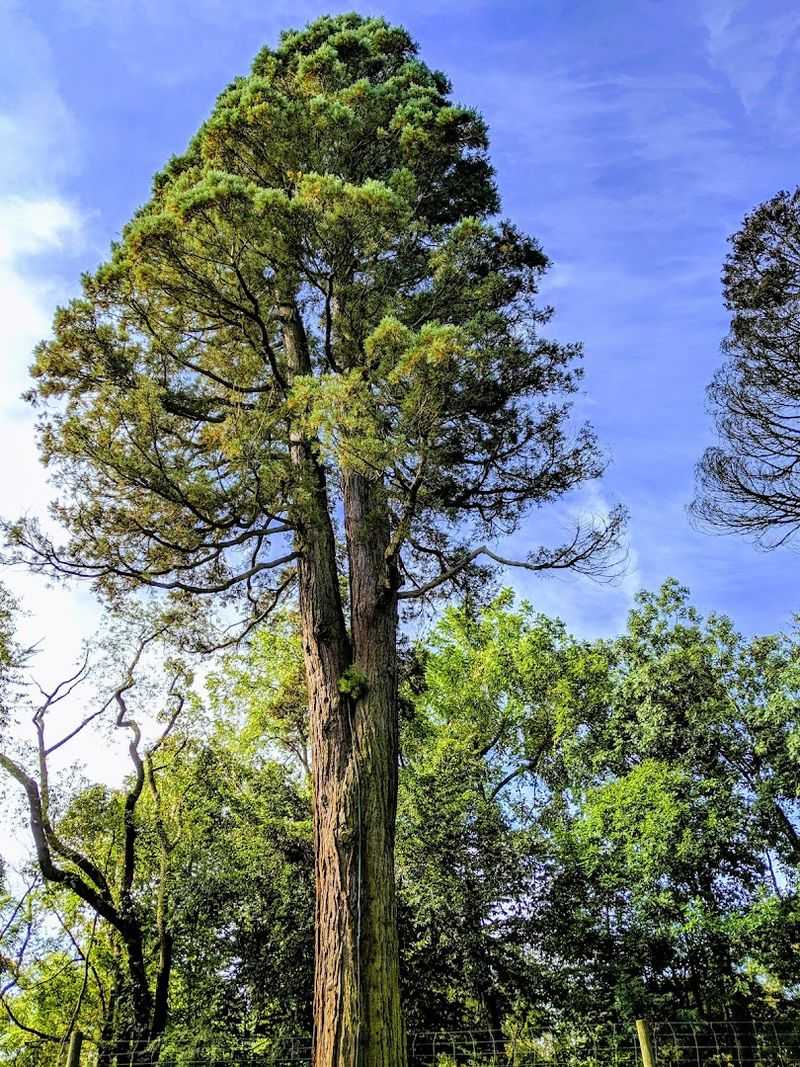
In 1825, brothers Jacob and Minshall Painter began one of the most ambitious horticultural projects in early American history. Working systematically across their family farm, they planted over 1,000 varieties of trees and shrubs, carefully documenting each one with the same methodical precision a scientist would bring to a laboratory.
Their motivation was not commercial. These two Quaker brothers simply believed that collecting and studying living plants was a worthy pursuit, and they pursued it with extraordinary dedication for decades.
What they left behind was not just a collection of trees but a living archive of 19th-century horticultural knowledge.
Twenty of their original specimens are still alive today, which means that when you stand beneath a massive Lebanon Cedar or a towering Giant Sequoia on these grounds, you are standing in the exact spot where Jacob or Minshall once stood with a sapling in hand. That connection across two centuries is genuinely hard to wrap your mind around.
Championship Trees That Have Been Growing Since Before the Civil War
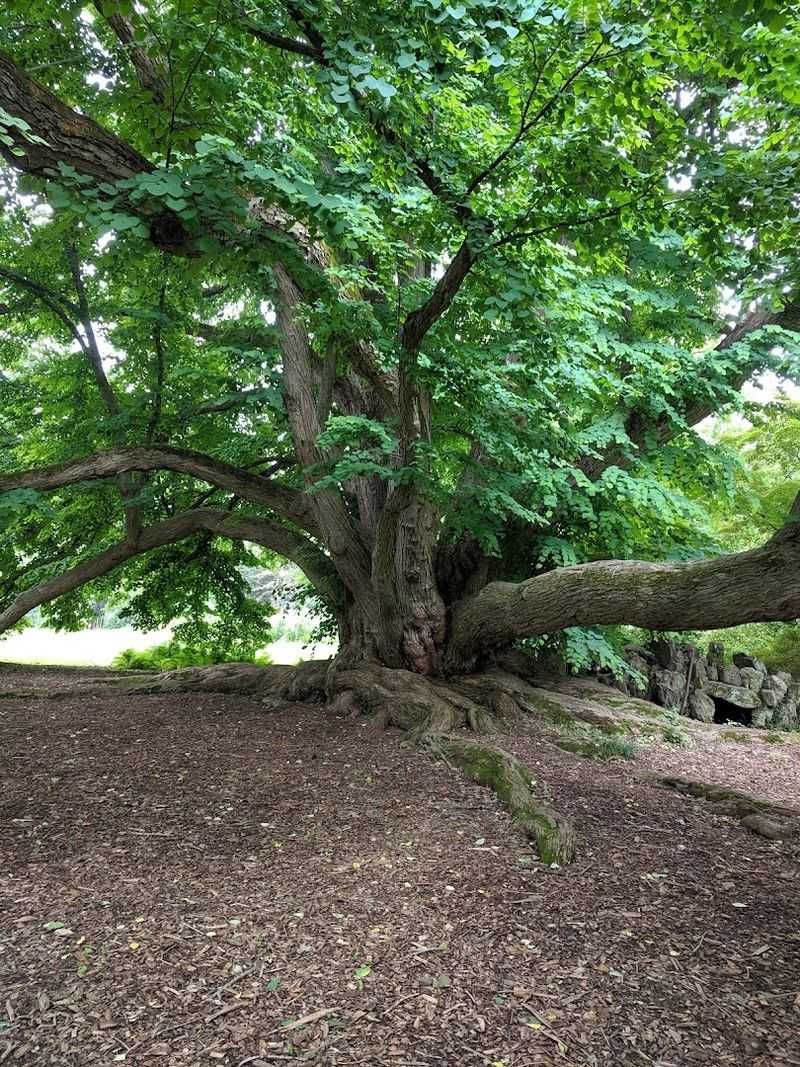
Few things reset your sense of scale quite like standing at the base of a Pennsylvania state champion tree. Tyler Arboretum is home to several of them, including a Lebanon Cedar, a Yulan Magnolia, a Giant Sequoia, and an Oriental Spruce, all of which carry official state champion status for their size and age.
These are not just large trees. They are record-holders, the botanical equivalent of hall-of-fame athletes, and they have been quietly outgrowing every competitor in the state for well over 150 years.
Five additional native trees from the Painter brothers’ era or earlier also continue to thrive on the property.
The arboretum uses the term “heritage trees” to describe specimens with documented historical significance, and walking among them feels less like a nature stroll and more like a slow, humbling tour through time. Keep your eyes up, because the canopy these trees create is something you will not find in an ordinary park.
Seventeen Miles of Trails That Cover Every Mood and Fitness Level
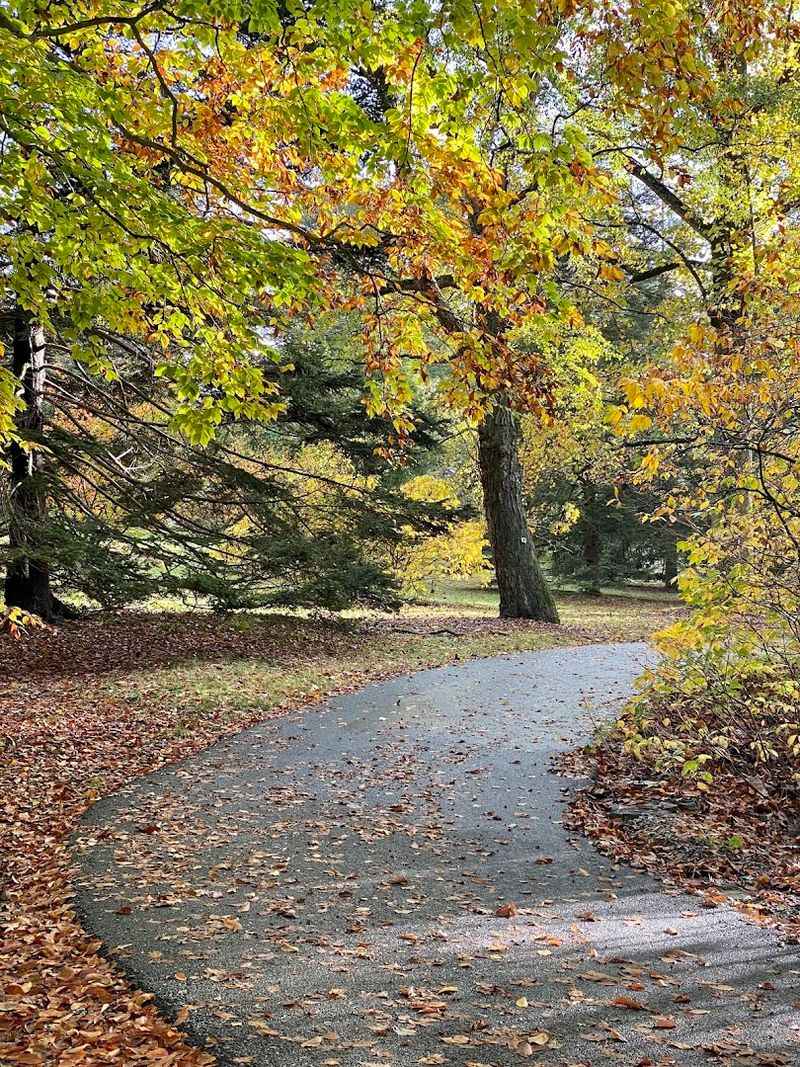
Seventeen miles of maintained trails is a serious number for any public garden, and Tyler Arboretum uses every one of those miles well. The trail system crosses woodlands, wetlands, open meadows, and stream valleys, offering a genuinely different experience depending on which path you choose on any given day.
The Rocky Run Trail is a solid choice for anyone who wants a taste of real woodland hiking without committing to anything too strenuous. The Minshall Trail is quieter and more secluded, passing historic ruins that give it an almost atmospheric quality.
For those who want a real workout, the Painter Trail delivers stream crossings and elevation changes that will earn a satisfying sense of accomplishment.
Families with younger children tend to gravitate toward the 1.2-mile Scenic Loop, which winds through the Pinetum and open meadows at a relaxed pace. No bikes, dogs, or scooters are permitted on the trails, which keeps the whole network peaceful and easy to share with other visitors.
The Fragrance Garden and Its Surprising Connection to Helen Keller
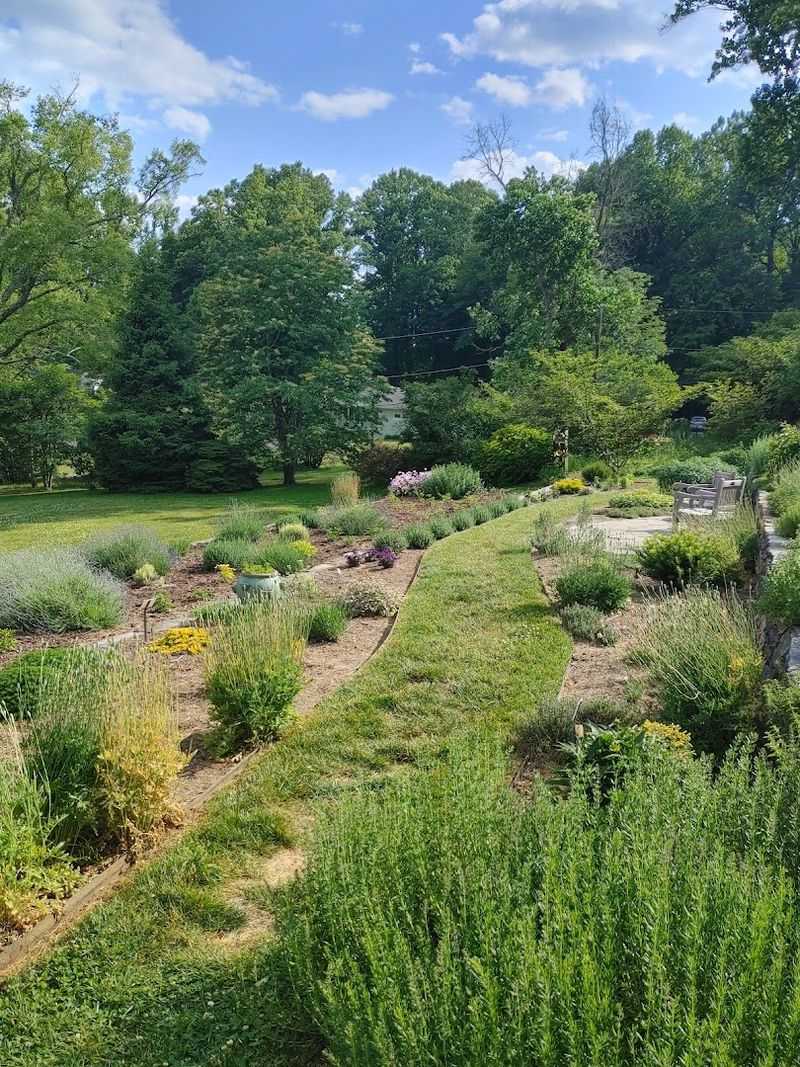
One of the most quietly moving spots in the entire arboretum is a garden that was originally designed not for the eyes but for the hands and nose. The Fragrant Garden was created specifically for visitors who are blind, offering a sensory experience built entirely around texture, scent, and touch rather than visual beauty.
Helen Keller herself visited this garden, which gives it a historical weight that goes well beyond horticulture. Standing in a space that was designed to be experienced without sight, and that drew a visitor as extraordinary as Keller, adds a layer of meaning that most public gardens simply do not carry.
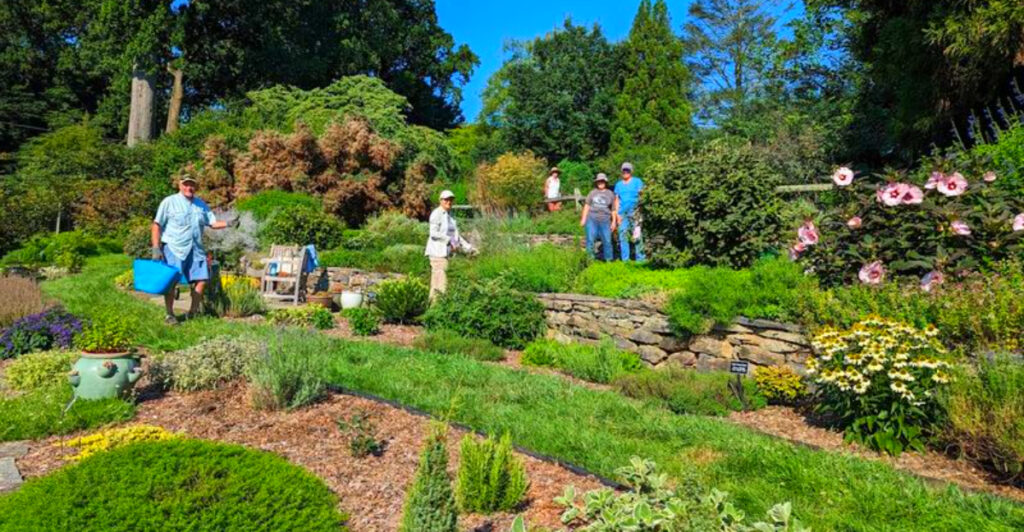
The plantings include aromatic herbs, textured foliage, and flowers chosen specifically for their fragrance. Even visitors with full sight tend to slow down here and engage with the garden differently than they do elsewhere on the property.
It is one of those spots that quietly changes the way you think about what a garden is actually for.
An 11.5-Acre Rhododendron Collection That Peaks in Late Spring
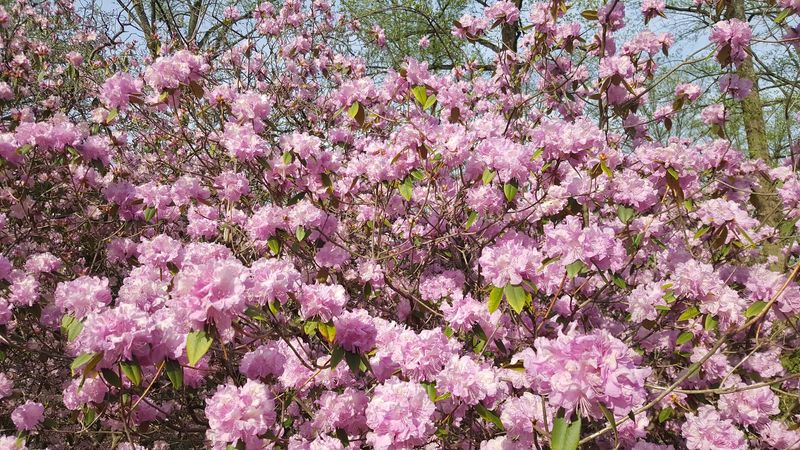
Late spring at Tyler Arboretum is a different experience entirely from any other time of year, and the 11.5-acre rhododendron collection is the main reason why. When these plants hit their peak bloom, typically in May and into early June, the color display is dense, layered, and almost theatrical in its intensity.
The collection is one of the largest on public display in the region, and it sits within a landscape that gives each plant room to develop its full natural form. Magnolias, lilacs, cherries, and crab apples also bloom around the same period, which means the entire property is in a kind of rolling, overlapping flower show for several weeks.
Visiting in mid-May tends to catch the widest variety of bloom times across all these collections simultaneously. Bring a camera with a decent zoom if you have one, because the layering of colors at different distances through the garden paths creates compositions that are genuinely hard to replicate anywhere else in the Philadelphia region.
The Pinetum, the Meadow Maze, and the Pollinator Preserve
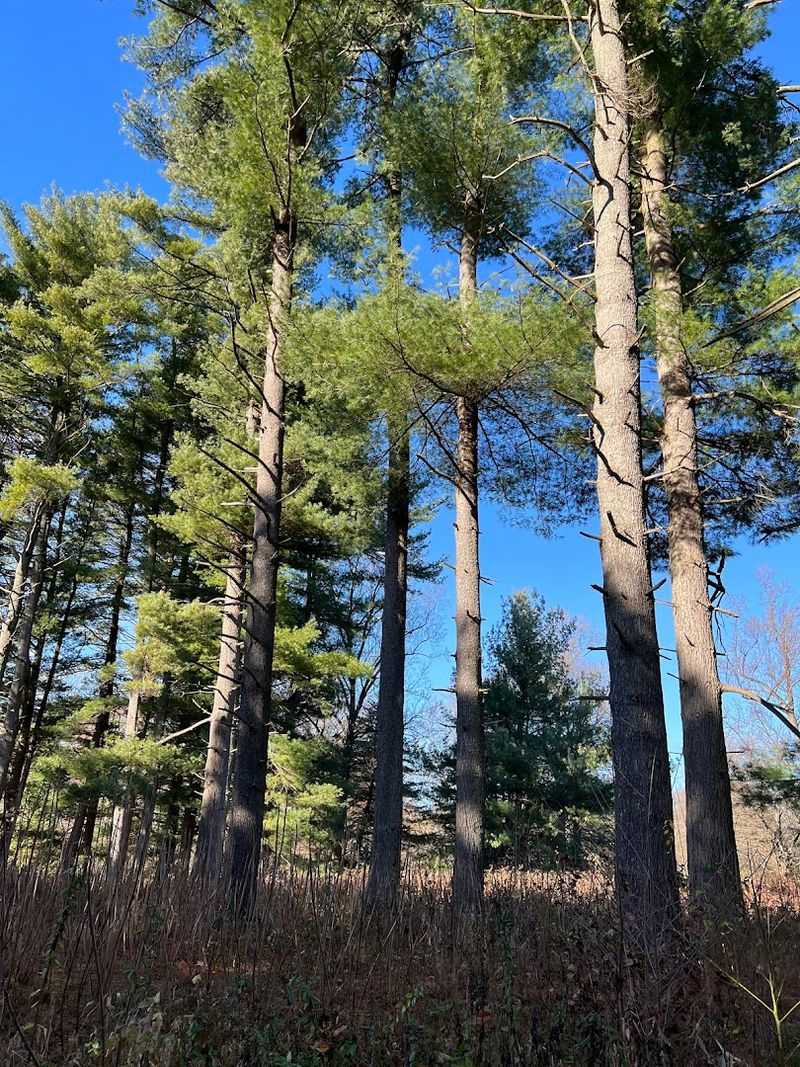
The 85-acre Pinetum is one of those features that sounds understated on paper but genuinely impresses in person. Planted with a wide variety of conifers, it has the feel of a cathedral forest, with tall straight trunks creating long sightlines and a hushed, cool atmosphere even on warm days.
Just beyond the Pinetum, the Meadow Maze offers something completely different. The labyrinth is cut into open meadow plantings and works well as a playful interlude between more serious botanical exploration.
Children tend to treat it as a full adventure, while adults appreciate the unexpected whimsy of finding a maze in the middle of a garden.
The Pollinator Preserve adds yet another dimension, supporting native bees, butterflies, and other beneficial insects through carefully managed plantings. The arboretum is officially recognized as an Important Bird Area by the National Audubon Society, so bring binoculars if birdwatching is your thing.
The variety of habitats packed into one property is genuinely impressive.
Treehouses, an Edible Garden, and the Native Woodland Walk
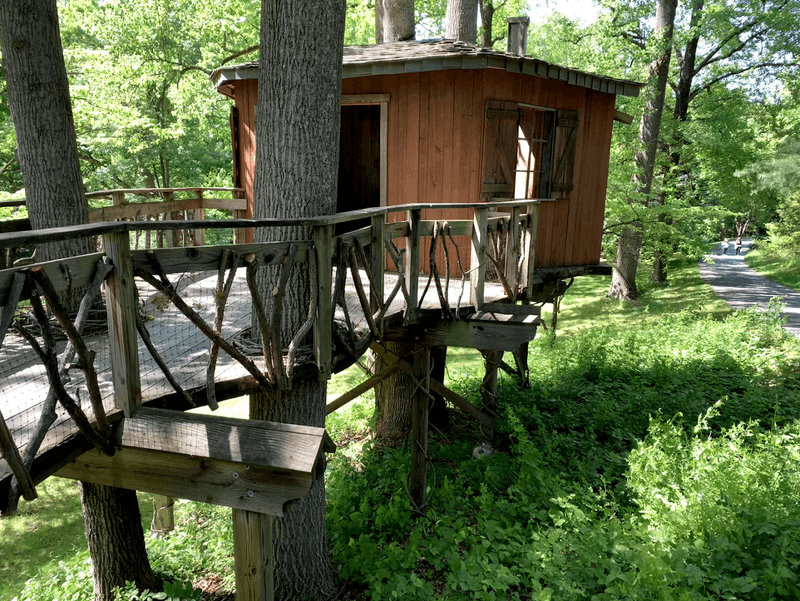
The seasonal treehouses at Tyler Arboretum have a way of making adults feel like children again, which is either a selling point or a warning depending on your perspective. Built among mature trees and accessible during the warmer months, they add a genuinely playful element to what might otherwise be a purely educational visit.
The Native Woodland Walk is a quieter pleasure, threading through areas planted with native wildflowers that shift in appearance from early spring through summer. The combination of trilliums, Virginia bluebells, and other woodland species creates a progression of color and texture that rewards repeat visits throughout the season.
The Edible Garden brings a practical, hands-on energy to the property, demonstrating how food plants can be grown beautifully as well as productively. Together, these three features represent the arboretum’s broader commitment to engaging visitors of all ages and interests.
There is genuinely something here for the child who wants to climb and the adult who wants to study a rare native fern side by side.
Historic Buildings That Have Stood Since the 1700s
The landscape at Tyler Arboretum is not just trees and gardens. Several historic structures are scattered across the property, and each one adds a layer of architectural and cultural context that most botanical gardens simply do not have.
Lachford Hall dates from the 1730s and is among the oldest surviving structures on the grounds.
The Painter Library, built in 1863, reflects the intellectual seriousness of the brothers who assembled this collection. It is a small building, but its existence confirms that Jacob and Minshall Painter saw their work as scholarship, not just gardening.
Multiple sites within the arboretum are listed on the National Register of Historic Places.
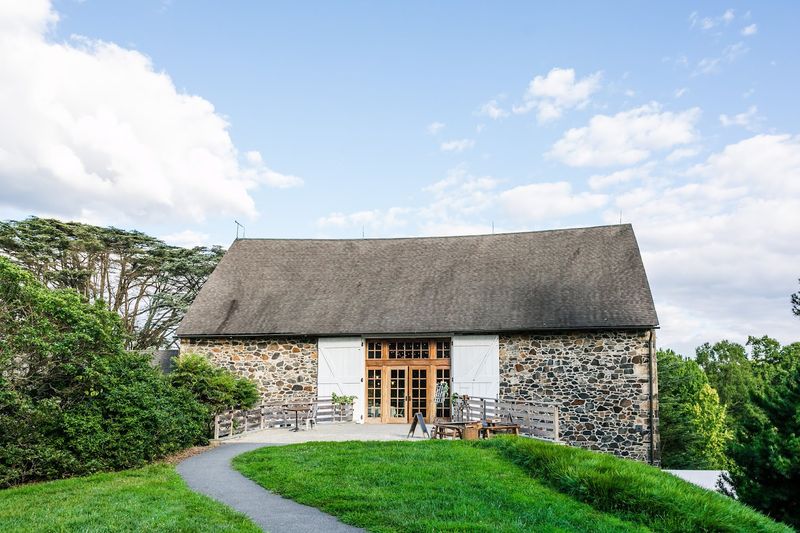
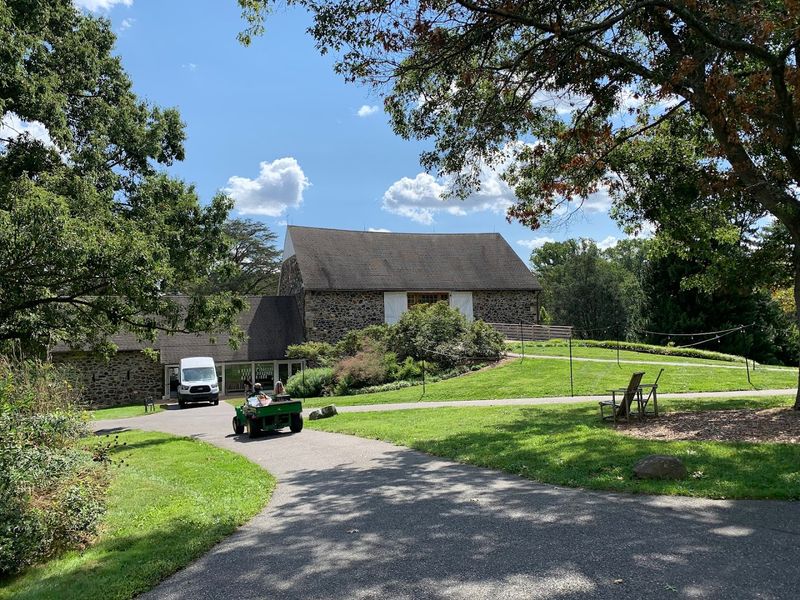
The 1830s stone bank barn has been thoughtfully repurposed as an event venue, hosting weddings, corporate gatherings, and community events throughout the year. The barn’s thick stone walls and warm interior make it one of the more sought-after event spaces in the region.
The history embedded in these buildings makes every visit feel like more than a simple walk in the park.
Admission, Memberships, and the Discounts Worth Knowing About
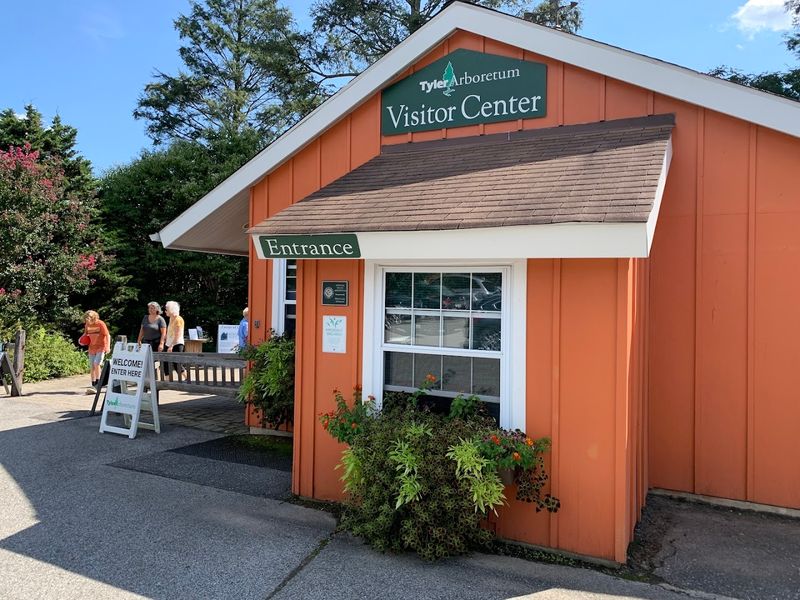
General adult admission runs around $15 per visit, with reduced rates available for children and seniors. Buying tickets online in advance typically saves a few dollars, which is a small but worthwhile detail to keep in mind before you head out.
Veterans, students, and EBT cardholders can access larger discounts by presenting credentials in person at the gate.
A one-year membership costs $75 and pays for itself quickly if you plan to visit more than a handful of times. Families with young children especially tend to find the membership worthwhile, since the property is large enough to stay interesting across multiple visits without ever feeling repetitive.
Members of the American Horticultural Society receive complimentary admission through a reciprocal program that covers more than 300 gardens across the country. Local library systems sometimes offer free day passes as well, so it is worth checking your library’s pass program before paying full price.
The arboretum is open seven days a week from 9 AM to 6 PM year-round.
Weddings, Events, and the Grounds That Make Every Photo Effortless
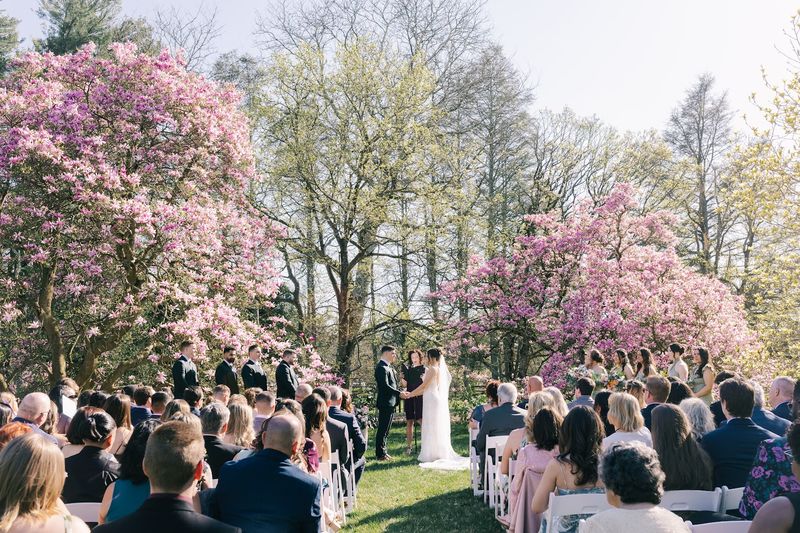
Tyler Arboretum has developed a strong reputation as a wedding and event venue, and the grounds make it easy to understand why. The combination of ancient trees, manicured garden spaces, wildflower meadows, and historic stone buildings gives photographers an almost unfair variety of backdrops within a single property.
The stone bank barn serves as the primary indoor event space, with a character that no purpose-built banquet hall can replicate. Outdoor ceremony locations range from shaded woodland clearings to open garden areas surrounded by seasonal blooms.
The staff and volunteer team are consistently praised for being organized, accommodating, and genuinely invested in making events run smoothly.
Spring and early summer are peak wedding season here, with the rhododendron and magnolia collections providing natural floral decoration that would cost a fortune to recreate artificially. Engagement sessions, school photography trips, and community gatherings also use the space regularly throughout the year.
If you are considering an outdoor event in the Philadelphia suburbs, the grounds here set a very high standard.
Practical Tips That Will Make Your Visit Noticeably Better
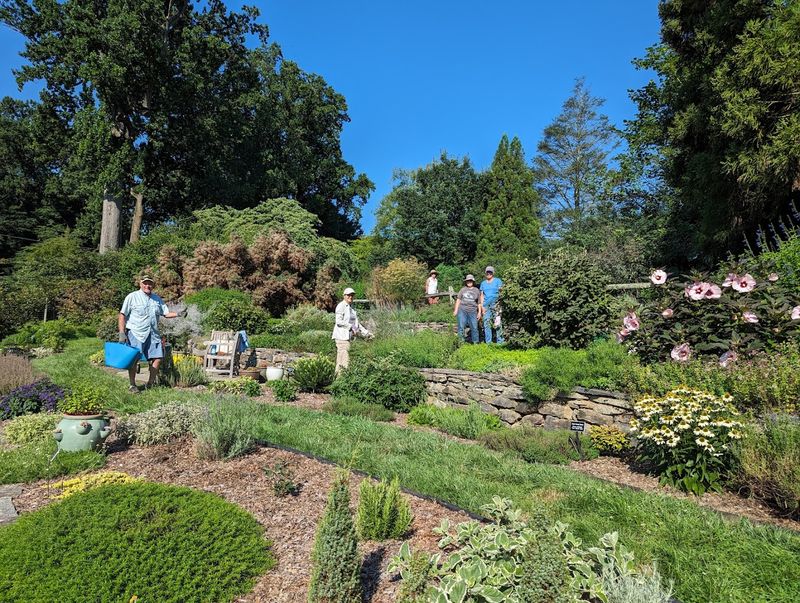
A few simple pieces of planning make a real difference at Tyler Arboretum. Parking is plentiful and close to the entrance, and additional overflow parking is available beyond the main visitor center lot on busier days.
The visitor center also houses a gift shop worth browsing, with nature-themed books, plants, and locally relevant items that make good souvenirs.
Restrooms are located in the barn and are well-maintained. Paved paths throughout the main garden area are accessible for wheelchairs and mobility aids, and benches are positioned at regular intervals along the routes.
If you need to know exactly where the benches are in advance, the staff at the welcome desk will point them out on a map without any fuss.
Dogs, bikes, and scooters are not permitted inside the arboretum, but the adjacent Ridley Creek State Park welcomes leashed pets and offers its own trail network. Plan for at least two hours to cover the main attractions comfortably, though a full day is easy to fill if you take the longer trail loops seriously.
Share this story