Somewhere in the bluff country of southeastern Minnesota, there is a small town where horse-drawn buggies share the road with pickup trucks, and handmade quilts hang in the windows of farmhouses with no electricity. Most people drive right through without knowing what is tucked into the rolling hills just beyond the town square.
The Amish community near Harmony, Minnesota, is one of the most conservative in the entire country, and getting a real look at how these families live is not something you can easily do on your own. That is exactly where a guided tour changes everything, offering a rare window into a world that most of us have only seen in movies or read about in books.
Where the Tour Begins: The Heart of Harmony
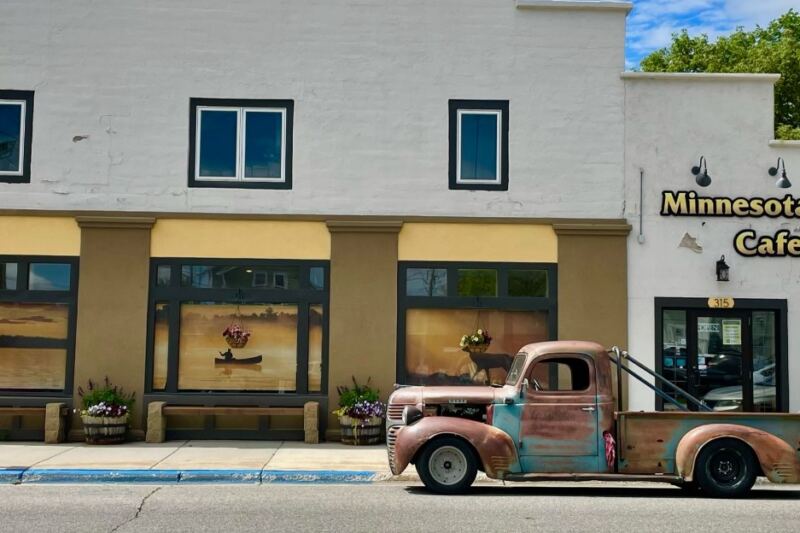
The whole adventure kicks off at 94 2nd St NW in Harmony, a small but mighty starting point in one of the most charming little towns in the state.
Harmony sits in Fillmore County, tucked into the southeastern corner of Minnesota, surrounded by farmland, wooded bluffs, and winding country roads that feel like they belong to another era entirely.
The tour operation runs Monday through Saturday from 10 AM to 3 PM, so planning ahead is key, especially if you are driving in from the Twin Cities or Rochester.
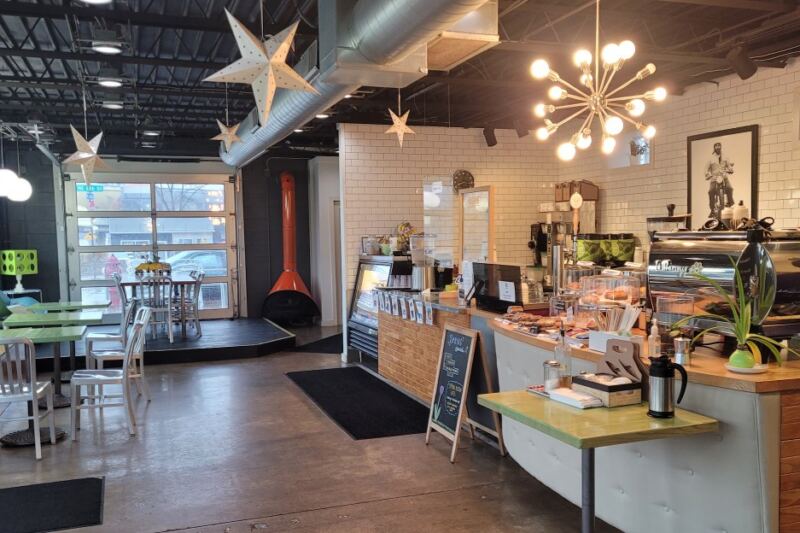
The town itself is walkable and welcoming, with a visitor center nearby that adds helpful context before you even climb aboard the van. Arriving a few minutes early gives you a chance to soak in the quiet pace of Harmony before the tour gets rolling.
The Schwartzentruber Amish: A Community Unlike Any Other
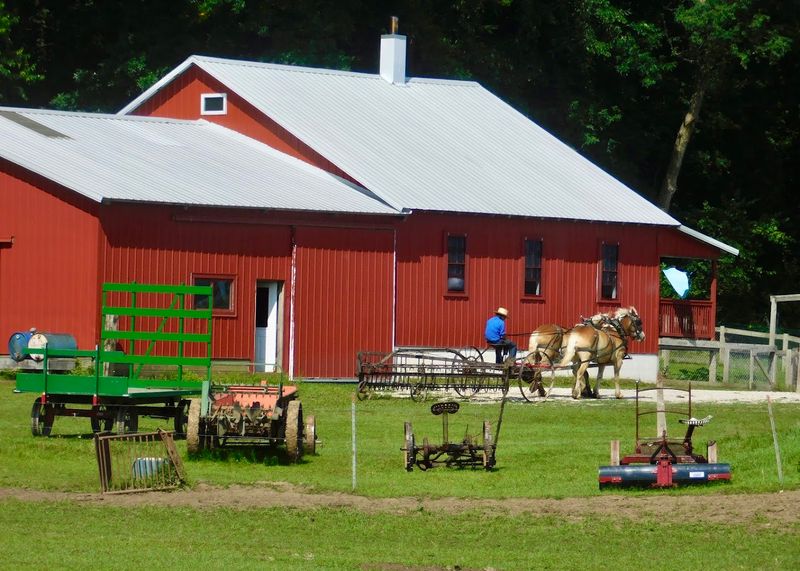
Not all Amish communities are the same, and the group living near Harmony belongs to the Schwartzentruber order, one of the most conservative Amish affiliations in the entire United States.
These families follow strict guidelines that go far beyond avoiding smartphones. They use no indoor plumbing, no rubber tires on their farm equipment, and no modern conveniences that most of us take completely for granted every single day.
Because of how traditional this community is, they are also more private than other Amish groups, which is precisely why having a knowledgeable guide matters so much. Without that trusted connection, visitors simply would not be welcomed onto the farms at all.
The Schwartzentruber families near Harmony have built their community over generations, and the landscape they farm reflects a deep, quiet commitment to a way of life that has barely changed in over a century.
How the Tour Actually Works
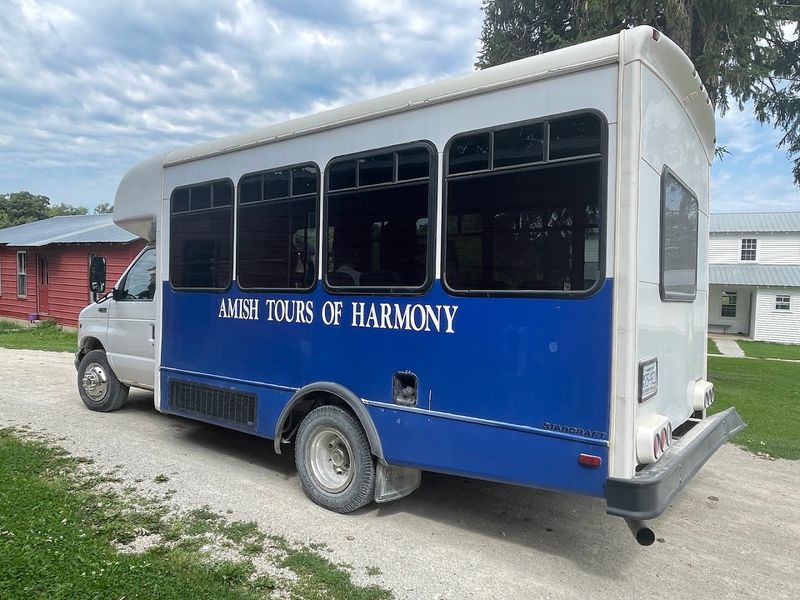
The tour runs as a guided van experience, with a knowledgeable guide driving a small group out into the countryside to visit several Amish homesteads, each one operating its own small business.
Each stop is a working farm where families sell goods they have made entirely by hand, from canned preserves to handwoven rugs to intricately crafted furniture that could outlast anything you would find at a big-box store.
The guide keeps things moving at a comfortable pace, sharing history and cultural context between stops so that each farm visit feels meaningful rather than rushed. The whole experience typically runs around two to two and a half hours, which is just the right amount of time to stay curious without wearing out your walking shoes.
Pricing is around thirty dollars per person, which covers transportation and the guided narration throughout the entire outing.
The Guide Who Makes It All Come Alive
A tour is only as good as the person leading it, and the guide at Amish Tours of Harmony brings something genuinely special to the experience: real, long-built relationships with the families being visited.
He knows the names of the children at each farm, the history of how each family settled in the area, and the personal stories that turn a simple farm stop into something you will actually remember months later.
Watching him greet the Amish families feels warm and natural, not scripted, because those connections have been earned over years of respectful visits. The families clearly feel comfortable around him, which in turn makes visitors feel welcome rather than intrusive.
His narration during the drive covers everything from Amish religious practices to farming methods to the specific rules that govern daily life in this particularly conservative community, keeping curious minds thoroughly engaged the whole way through.
Handmade Quilts That Tell a Story
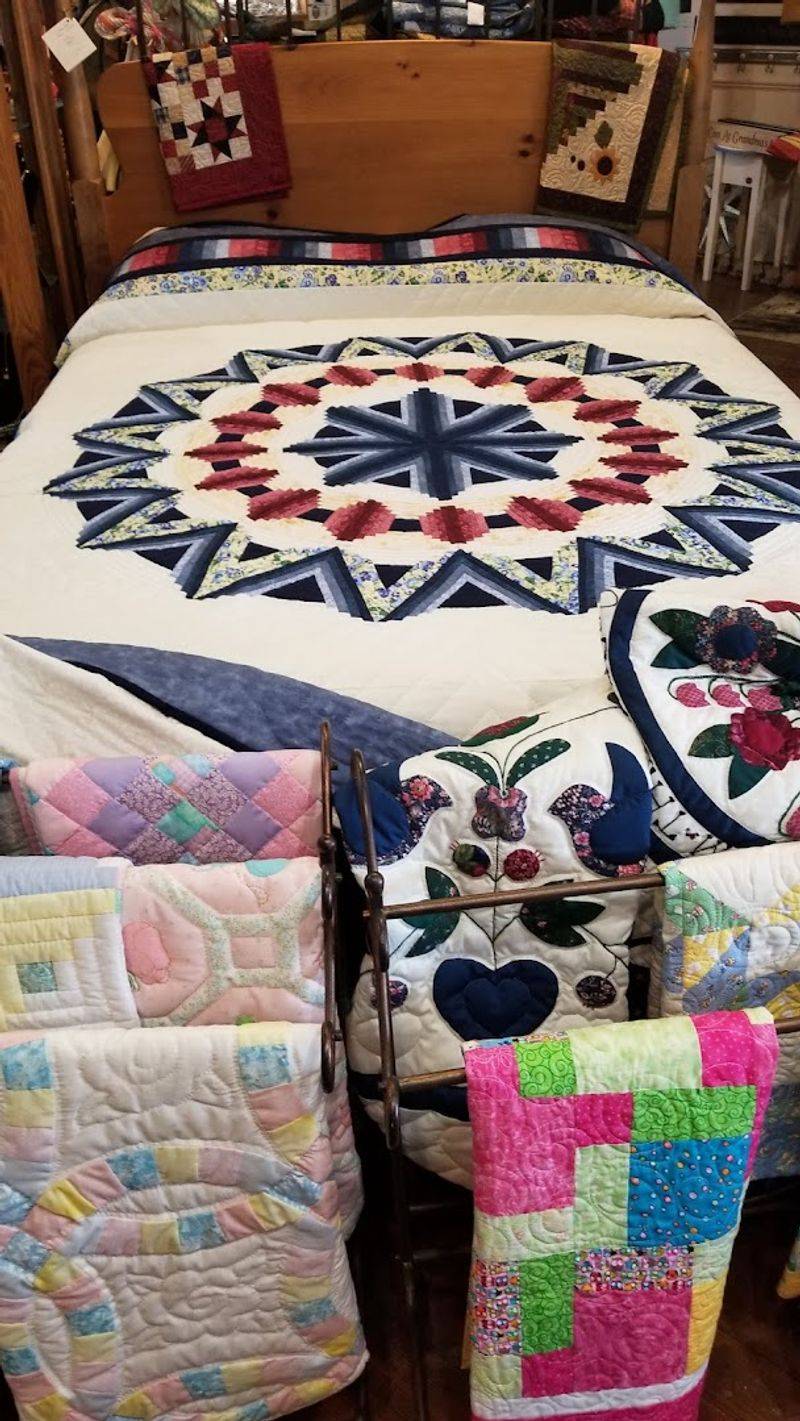
Of all the things you can bring home from a visit to the Amish farms near Harmony, a handmade quilt might be the most unforgettable purchase you will ever make.
These are not mass-produced blankets with a folk-art print slapped on top. Every quilt is stitched by hand using traditional patterns passed down through generations, and each one can take weeks or even months of careful, patient work to complete.
One of the most touching stops on the tour includes a visit to a home where a woman with limited mobility has received special permission from her bishop to operate her quilt shop from her enclosed porch, making it accessible to tour visitors.
The craftsmanship is immediately obvious when you hold one of these quilts. The stitching is tight, the patterns are precise, and the weight of the fabric feels like something built to last a lifetime rather than a single season.
Jams, Syrups, and Baked Goods Worth the Drive Alone
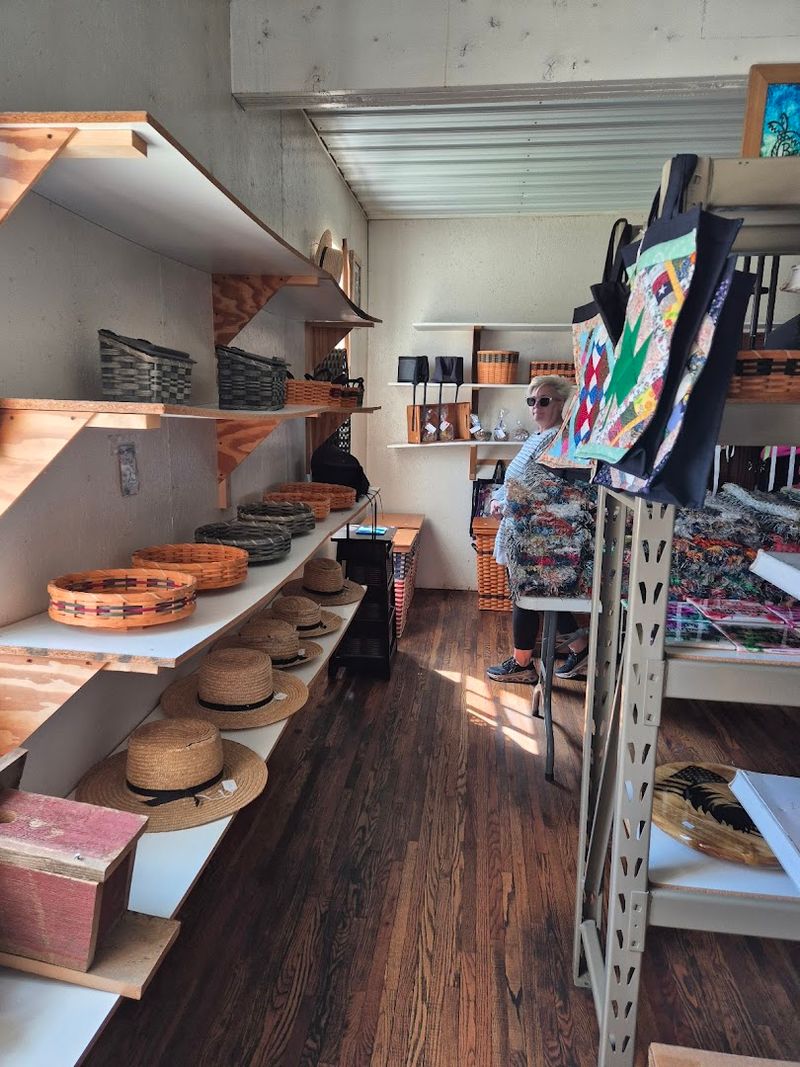
There is something about a jar of homemade strawberry jam that tastes completely different from anything you have ever pulled off a grocery store shelf, and the Amish farms near Harmony prove that point beautifully.
At several stops along the tour, families sell their own canned goods, including fruit preserves, maple-style syrups, pickled vegetables, and other pantry staples made entirely without artificial ingredients or preservatives. The flavors are clean, honest, and surprisingly bold.
The bakery stop is often mentioned as a tour highlight, with freshly made breads and pastries available for visitors to take home or enjoy on the spot. Arriving hungry is genuinely a good strategy here.
Buying directly from the families who made these goods also means your money goes straight to them, supporting a community that relies on small sales and honest trade to sustain a lifestyle built entirely on self-sufficiency.
Rugs, Wood Crafts, and Furniture Built to Last
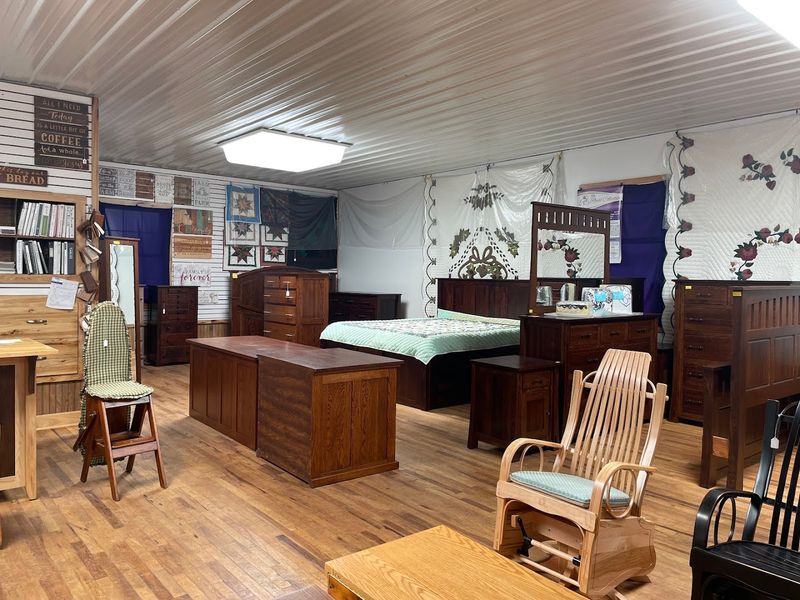
Beyond the quilts and canned goods, the Amish farms near Harmony also produce some seriously impressive woodwork and home goods that draw collectors and practical shoppers alike.
Handwoven rugs in bold, simple patterns are a popular buy, and they hold up to years of daily use in a way that machine-made versions rarely do. The colors come from natural dyes, giving them a warm, earthy quality that works in almost any home.
Wooden crafts and furniture pieces range from small decorative items to larger functional pieces, all built using traditional joinery methods and hand tools. No power tools, no shortcuts, and no assembly required when you get home.
Taking time to look closely at the construction of these items reveals the kind of attention to detail that is increasingly rare in a world where most furniture arrives flat-packed in a cardboard box and lasts about five years if you are lucky.
Photography Rules and Respecting Amish Privacy
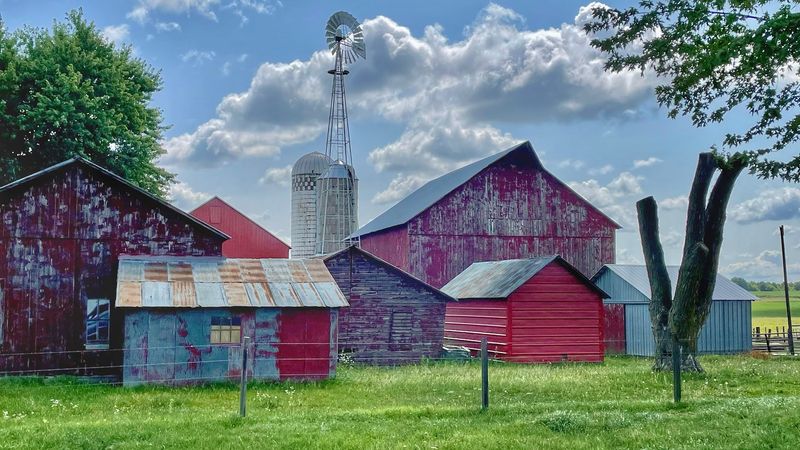
One of the most important things to know before joining this tour is the photography rule: you are welcome to photograph the farms, the landscapes, and the goods for sale, but taking pictures of the Amish people themselves is not allowed.
For the Schwartzentruber Amish especially, being photographed goes against their religious beliefs, and it is a boundary that deserves genuine respect rather than a quick workaround. The farms are photogenic enough on their own to fill an entire camera roll.
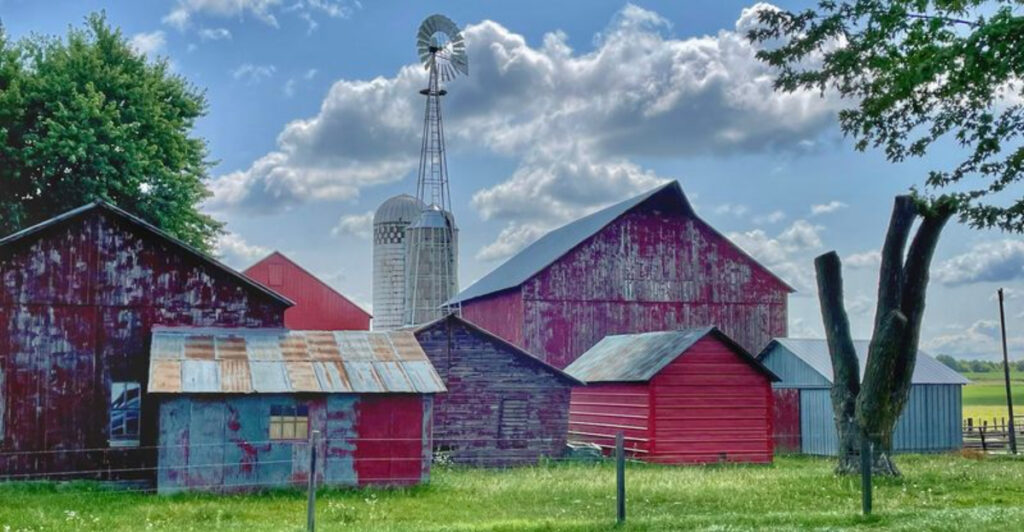
The guide makes this rule clear from the very start of the tour, and most visitors appreciate having that guidance so they do not accidentally cause offense at a stop. The scenery alone, with weathered barns, grazing horses, and hand-planted gardens, gives photographers plenty to work with.
Treating this boundary as a feature of the experience rather than a restriction actually deepens the sense of being somewhere truly different from the everyday world most of us inhabit.
The Role of the Horse and Buggy in Daily Life
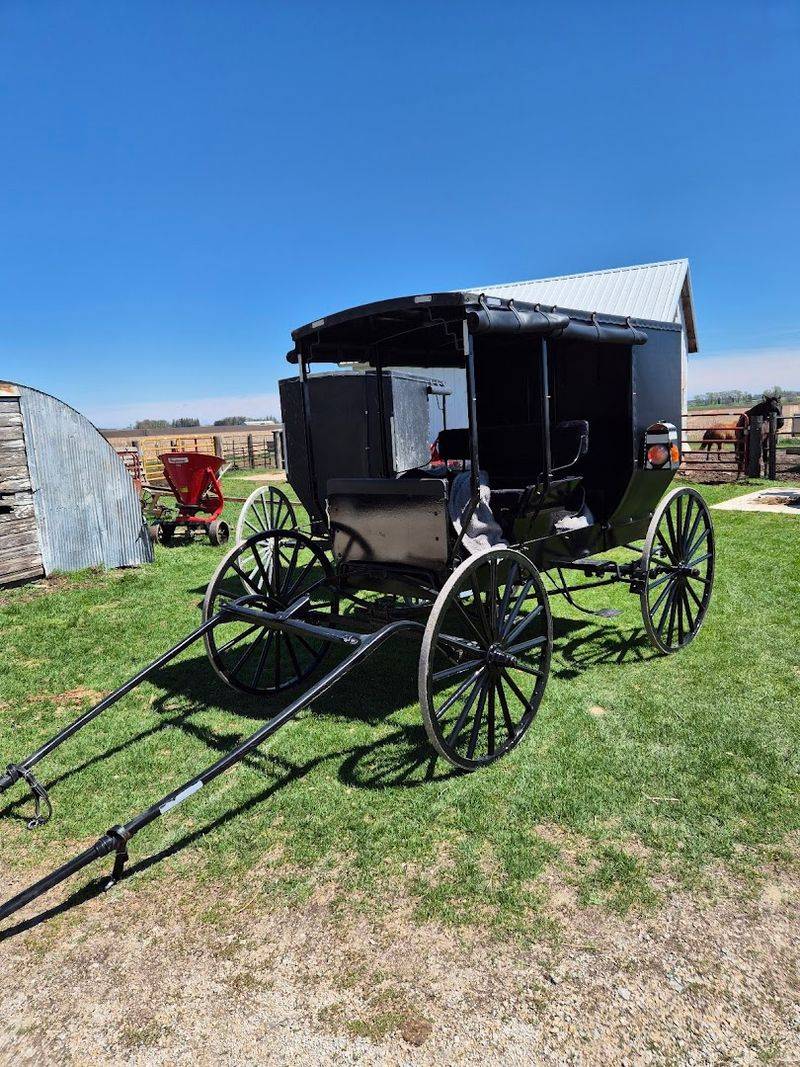
Spotting a horse-drawn buggy on a Minnesota county road for the first time is the kind of sight that makes you pull your eyes away from your phone and actually look out the window.
For the Amish families near Harmony, the buggy is not a novelty or a tourist attraction. It is the primary mode of transportation for errands, church gatherings, and family visits, used every single day regardless of the weather.
The Schwartzentruber order uses a particularly plain style of buggy, without the orange safety triangles that other Amish groups attach to the back, which is one of the details the tour guide points out as a marker of just how traditional this community really is.
Seeing a buggy parked outside one of the farm shops while a horse waits patiently in the shade is a small, quiet detail that somehow captures the entire spirit of the community better than any brochure could.
What the Farms Actually Look Like Up Close
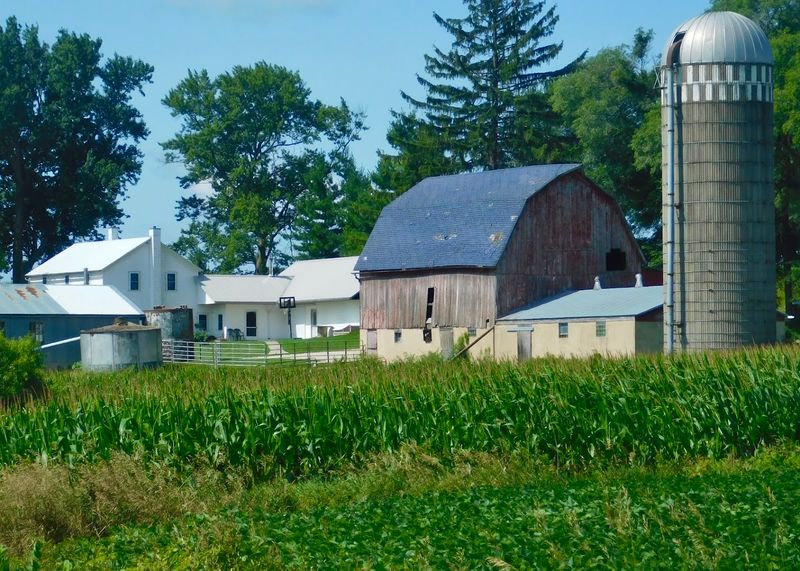
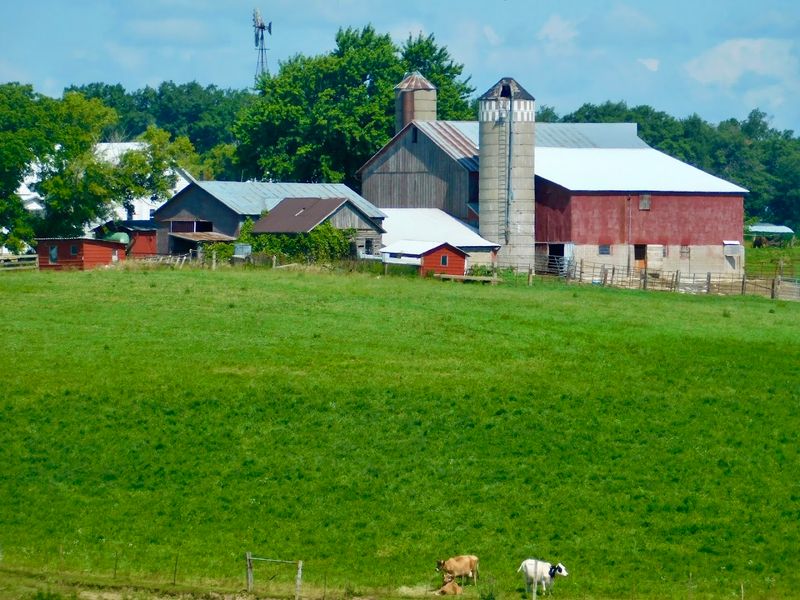
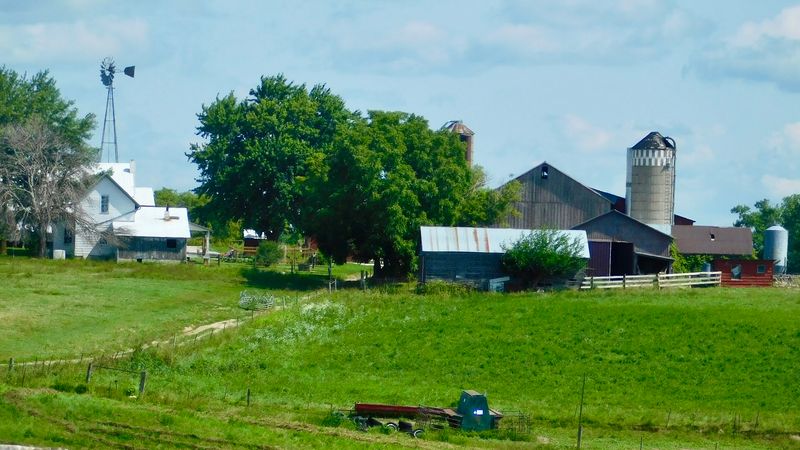
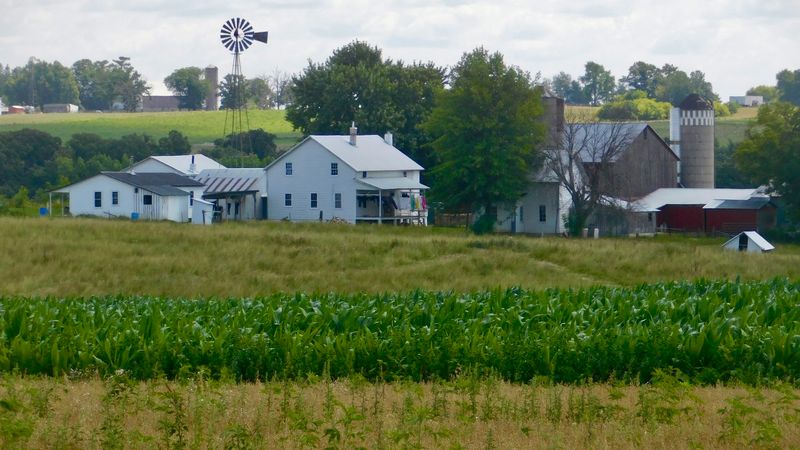
From the road, an Amish farm near Harmony looks deceptively simple: a plain white house, a large barn, a kitchen garden, and a clothesline stretched between two posts with laundry drying in the breeze.
Get a little closer and the details become fascinating. There are no utility poles connecting to the house, no satellite dishes on the roof, and no cars parked in the drive.
The silence around these farms feels intentional, almost architectural.
The kitchen gardens are often immaculate, with neat rows of vegetables that supply the family through the growing season and well into winter thanks to canning and root cellaring. The barns are working structures, not decorative ones, and the animals kept there are as much a part of the farm economy as the crops.
Every element of the property serves a clear purpose, and that clarity of intention is something that sticks with you long after the van has headed back to town.
Why This Tour Feels Respectful, Not Intrusive
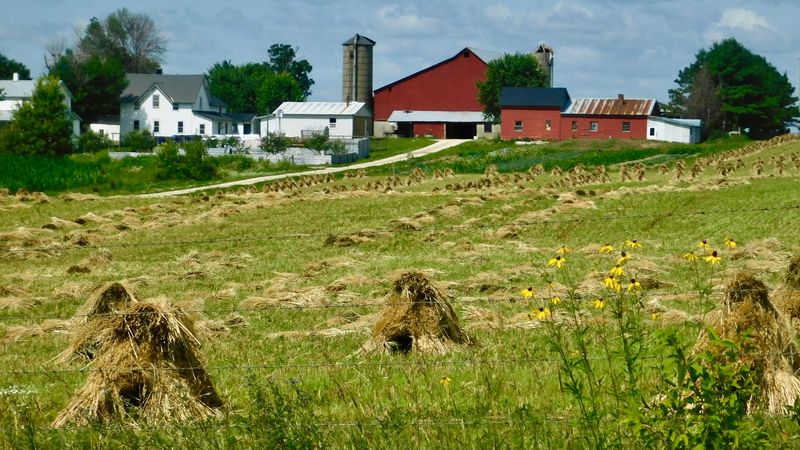
One of the more thoughtful aspects of Amish Tours of Harmony is the genuine care taken to make sure the experience benefits the Amish families rather than just satisfying tourist curiosity at their expense.
The only reason these families allow visitors onto their farms at all is because the visits support their livelihoods. They are not performers or historical re-enactors.
They are working people who have agreed to open their shops to outsiders as a practical economic choice.
The tour is designed with that understanding built in, which means visitors are guided to the shops and welcomed into the spaces the families have chosen to share, without wandering into barns, workshops, or private areas of the home.
That boundary actually makes the whole experience feel more real. You are a respectful guest on someone else’s property, not a spectator at an exhibit, and that distinction changes how you pay attention to everything around you.
Best Times to Visit and What to Expect Seasonally
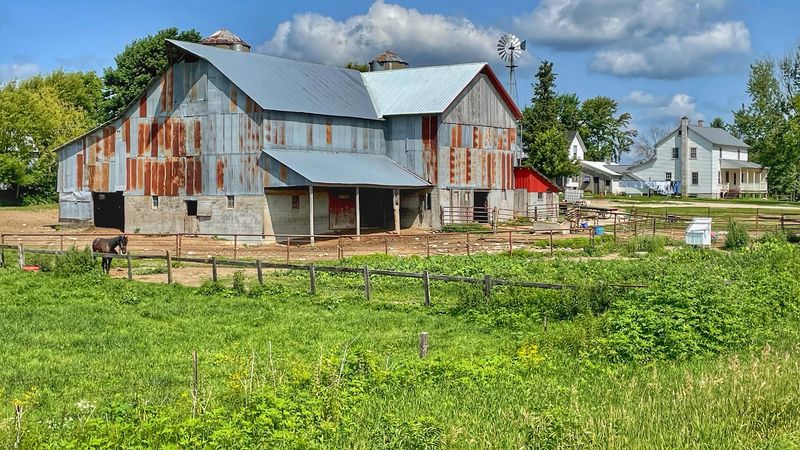
The tour runs Monday through Saturday from 10 AM to 3 PM, and while it operates through much of the year, the experience changes noticeably with the seasons in ways that are worth thinking about before you book.
Late spring through early fall brings the farms to life with full gardens, outdoor activity, and a lushness to the landscape that makes the whole area feel almost impossibly green. Autumn is particularly spectacular, with the bluff country turning gold and red around the farms in a way that feels like a painting you accidentally walked into.
Winter visits are quieter and more stripped down, but there is something compelling about seeing these farms in the snow, when the simplicity of the lifestyle becomes even more apparent against the cold landscape.
Calling ahead or checking the website at amish-tours.com before you make the drive is always a smart move, especially around holidays when schedules can shift unexpectedly.
Tips for First-Time Visitors
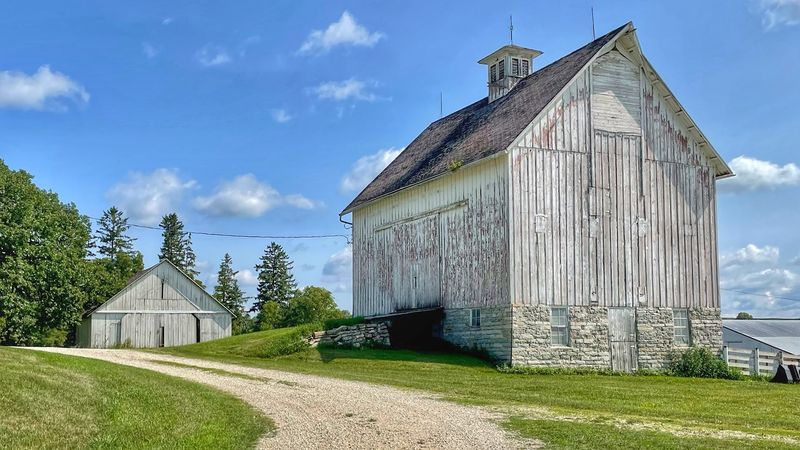
A few simple preparations can make the difference between a good visit and a truly great one, starting with wearing comfortable shoes since the farm stops involve walking on gravel paths and uneven ground.
Bringing cash is strongly recommended, as the Amish shops do not accept credit cards and some may not have change for large bills. Having small denominations on hand keeps things smooth at every stop.
Leave the selfie stick at home and resist the urge to photograph the families, even discreetly. The guide makes this clear at the start, and honoring it genuinely improves the atmosphere for everyone on the tour, including the families who are hosting you.
Coming with an open mind and a few prepared questions for the guide pays off enormously. The more curious you are, the more you will get out of the narration between stops, which is where a lot of the most interesting information tends to surface.
The Harmony Visitor Center as a Helpful Companion Stop
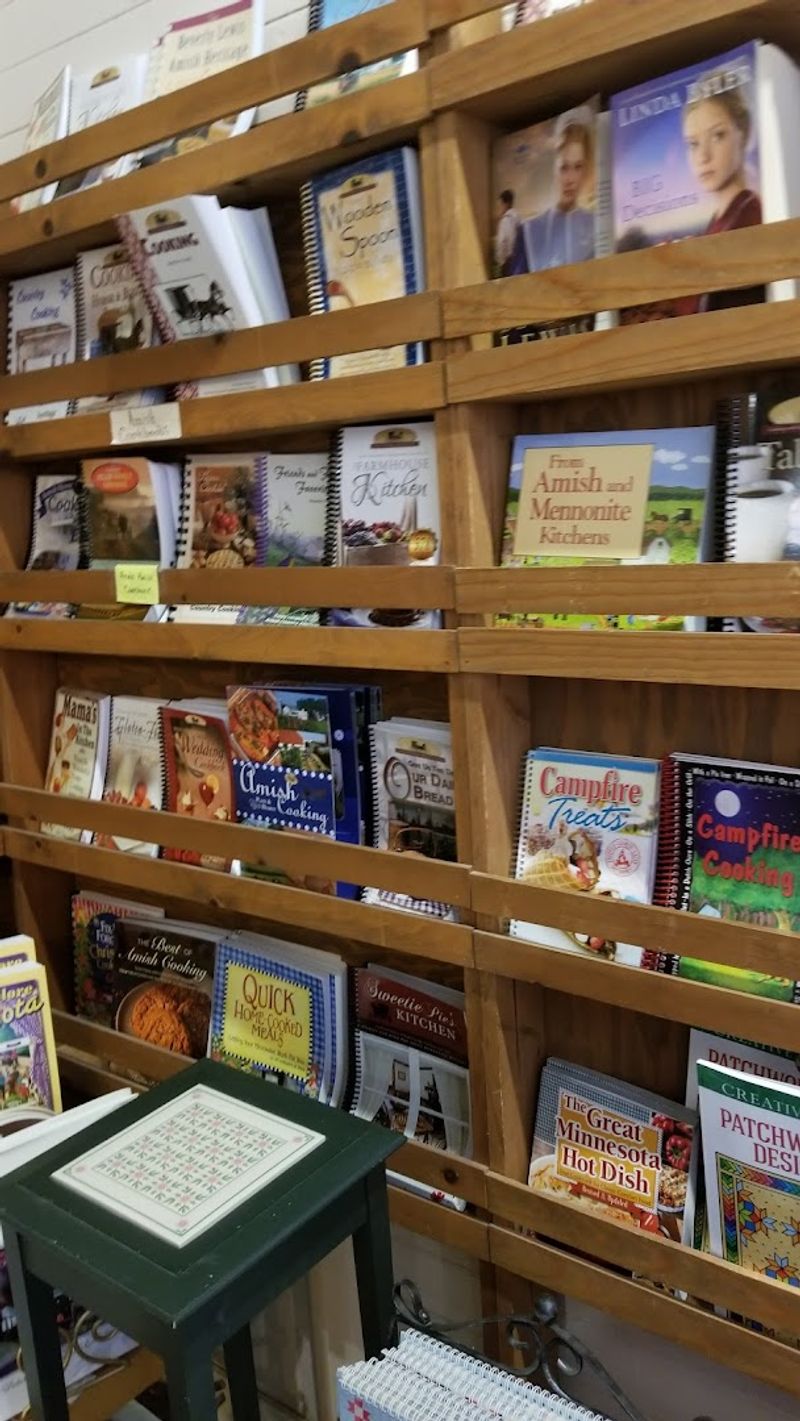
Right near the tour starting point sits the Harmony Visitor Center, a genuinely useful stop that pairs well with the guided tour experience and adds helpful background before or after your farm visits.
The center carries free literature about Amish history, culture, and the specific community near Harmony, along with maps showing the locations of various Amish businesses in the area. For visitors who want to extend their day beyond the tour itself, that map opens up a whole afternoon of self-guided exploration.
There are also informational videos available at the visitor center that provide cultural and historical context about Amish life in a format that is easy to absorb, especially for younger visitors or anyone coming in with very little background knowledge.
Pairing the visitor center with the guided tour creates a fuller picture of the community than either experience provides on its own, and it costs nothing extra to add that stop to your day.
Why Harmony, Minnesota Deserves a Spot on Your Travel List
There are plenty of places in the Midwest that claim to offer a slower pace and a connection to simpler living, but Harmony actually delivers on that promise in a way that feels completely unforced.
The town is small, the roads are quiet, and the surrounding bluff country is genuinely beautiful in every season. Add an Amish community that has been farming these hills for generations and you have a destination that offers something most travelers rarely find: a real encounter with a genuinely different way of life.
The tour at Amish Tours of Harmony is the kind of experience that tends to stay with people longer than they expect. Visitors often leave talking about a particular family they met, a quilt they almost did not buy, or a detail the guide mentioned that reframed something they thought they already understood.
That lingering quality is the best sign that a travel experience was worth every mile of the drive to get there.
Share this story