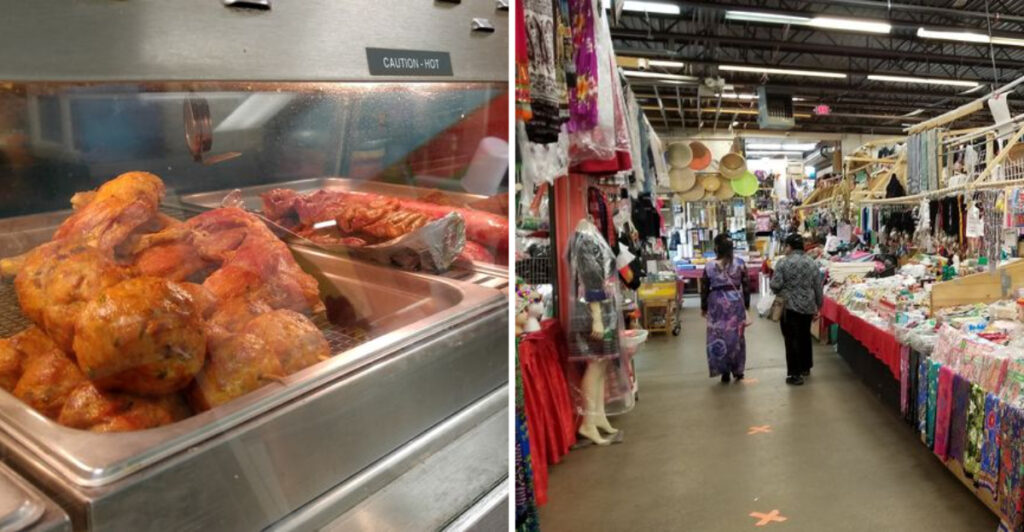
There is a place in St. Paul where the smell of grilled meat on a stick mingles with fresh herbs, colorful fabrics hang next to exotic produce, and the sounds of a dozen different languages fill the air all at once. It is a full sensory experience packed into an indoor and outdoor market that has been a cultural anchor for the Hmong community in Minnesota for decades.
Every visit feels like a small adventure, whether you are a longtime regular or someone who has never tried Hmong food before. By the time you finish reading this, you will want to clear your Saturday schedule and head straight there.
Where to Find This Cultural Landmark
Tucked along Como Avenue in St. Paul, Minnesota, HmongTown Marketplace sits at 217 Como Ave, St Paul, and has been a community cornerstone for years. The market is open every day of the week from 9 AM to 7 PM, making it easy to plan a visit around your schedule.
Getting there is straightforward, and parking is generally easy to find right on-site, which is a welcome relief compared to other busy Twin Cities destinations. The market occupies two separate buildings, one to the east and one to the west, connected by an outdoor area filled with vendor stalls.
Bring cash if you can, since many vendors prefer it, though there is an ATM on-site if you need one. A small fee applies to ATM withdrawals, so coming prepared will save you a couple of dollars.
The Story Behind the Market
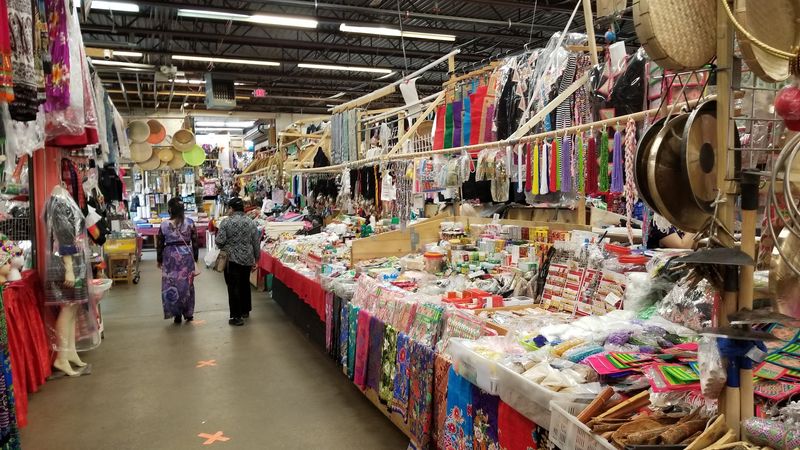
HmongTown Marketplace is considered the original Hmong market in the Twin Cities, predating its larger sibling Hmong Village by several years. It grew out of the Hmong community’s arrival in Minnesota following the end of the Vietnam War era, when thousands of Hmong refugees resettled in the St. Paul area during the late 1970s and 1980s.
Over time, the community built businesses, cultural spaces, and gathering places, and this market became one of the most important of them all. It is a place where tradition is not just preserved but actively lived every single day.
Regulars describe it as deeply rooted, traditional to its core, a spot where the older generation of Hmong vendors brings the same practices and recipes that have been passed down through families. That sense of continuity is something you can genuinely feel the moment you walk through the entrance.
Two Buildings, Twice the Fun
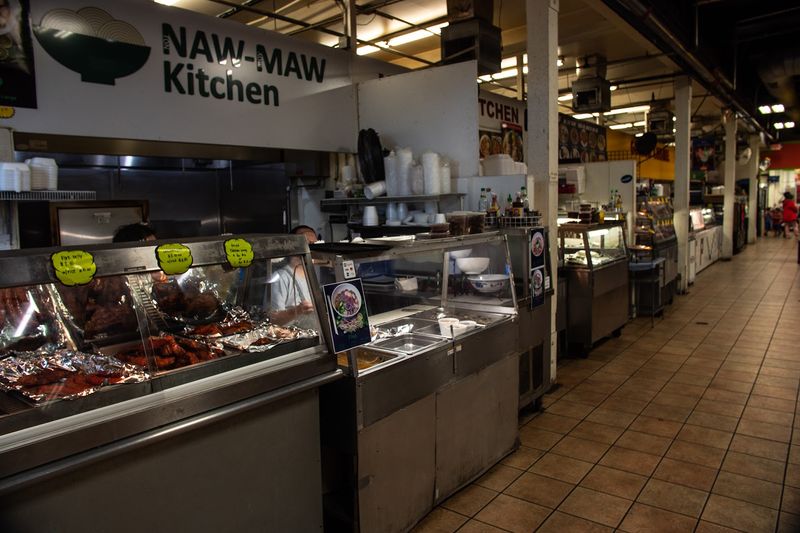
One of the first things you notice about HmongTown Marketplace is that it is not just one building but two, each with its own personality and offerings. The West building houses a larger food court where you can find hot meals, noodle soups, and refreshing drinks, while the East building leans more toward specialty food vendors and snacks.
Between the two structures, an outdoor market area stretches out with stalls selling fresh produce, live plants, herbs, and seasonal goods. On weekends especially, this outdoor section buzzes with activity and feels like a true open-air bazaar.
Exploring both buildings back to back gives you a much fuller picture of everything the market has to offer. Each aisle has something different, and it is genuinely hard to predict what you will find around the next corner, which is a big part of what keeps people coming back again and again.
A Food Court Worth Every Bite
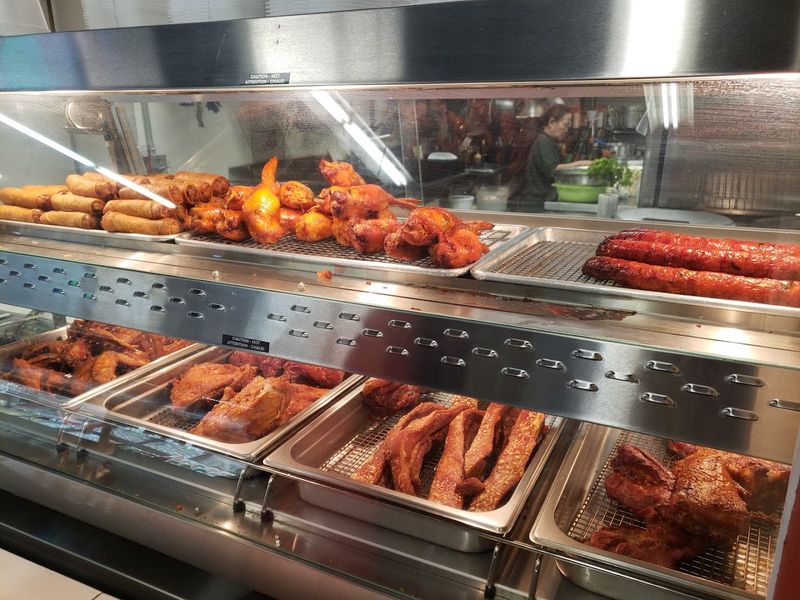
The food court at HmongTown Marketplace is the kind of place that makes you wish your stomach had more room. Vendors serve up steaming bowls of pho, curry noodles, papaya salad, larb, and roasted meats that fill the air with aromas you will be thinking about for days.
A standout at the West building food court is the curry noodle dish from Hmoob Kitchen, which layers rich, spiced broth with tender noodles in a way that feels deeply satisfying. The beef pho available from other vendors is equally impressive, with a clear, fragrant broth that takes hours to develop that kind of depth.
Portions are generous and prices are refreshingly reasonable, so ordering two or three different dishes to share is absolutely worth it. The food court also has seating areas where you can slow down, eat, and soak in the lively atmosphere all around you.
Sweet Treats and Unique Drinks
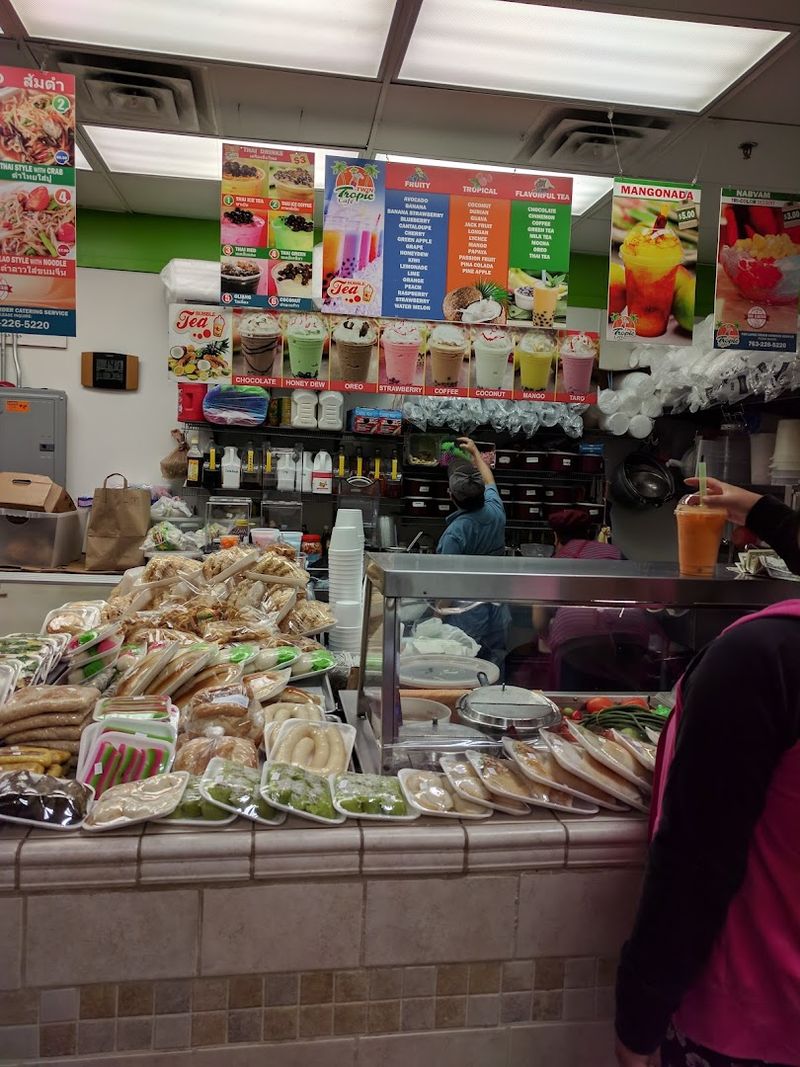
The dessert and drink options at HmongTown Marketplace are just as exciting as the savory food, and they deserve their own moment in the spotlight. Sesame balls are a must-try, especially the taro-filled version from Rose’s Kitchen in the East building, which arrives crispy on the outside with a chewy, lightly sweet mochi interior that is genuinely hard to stop eating.
Pandan sweets, coconut rice cakes, and mung bean-filled treats are scattered throughout the market, giving those with a sweet tooth plenty of reasons to keep exploring. Boba-style tea slushies are popular with younger visitors, and the combination jelly drink from one of the beverage stalls is a surprisingly fun choice, creamy and layered with multiple jelly textures.
The drink menu at some stalls is so extensive it can take a few minutes just to read through it, which is a delightful problem to have on a warm afternoon.
Fresh Produce Like You Have Never Seen
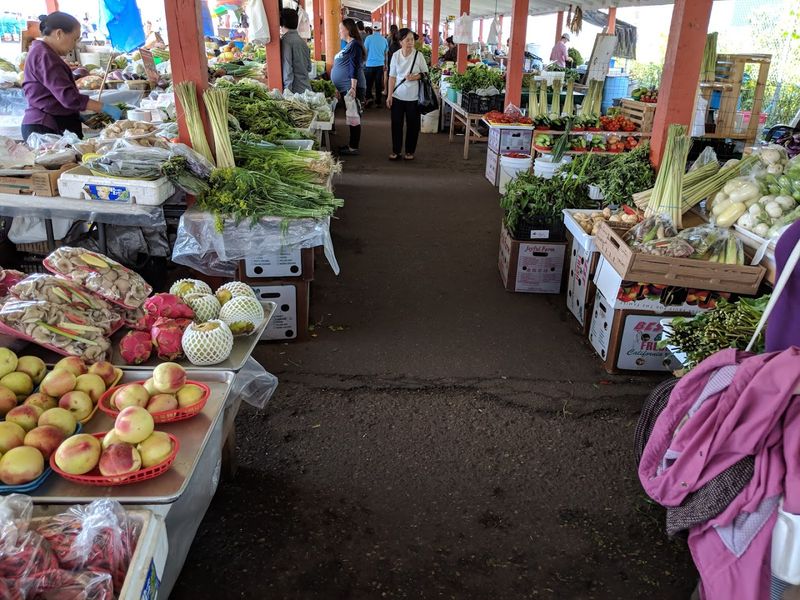
The produce section at HmongTown Marketplace is a revelation for anyone used to standard supermarket shelves. Fresh bok choy, galangal, lemongrass, bitter melon, and dozens of other Southeast Asian vegetables and herbs are laid out in abundance, many of them grown locally by Hmong farmers right here in Minnesota.
Tropical fruits like mangosteen make occasional appearances alongside more familiar items, and the quality is consistently fresh. The outdoor farmers section is especially vibrant during the warmer months, when growers bring in a wide variety of plants and herbs that are genuinely hard to source anywhere else in the region.
Shoppers who grow their own Asian vegetables often come here specifically for seedlings and live plants, and vendors are known to be helpful about identifying varieties and pointing customers toward what they need. It is part grocery run, part botanical discovery, and entirely worth the trip on its own.
Clothing, Cosmetics, and Cultural Goods
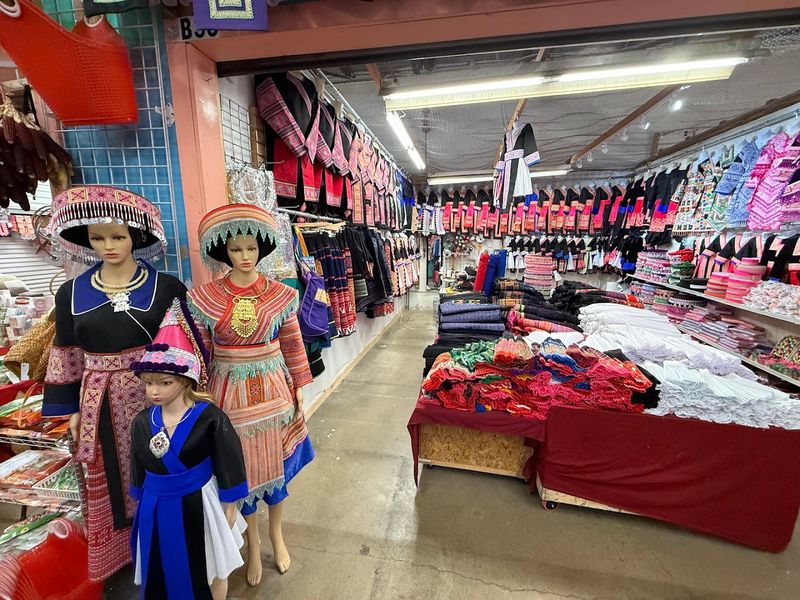
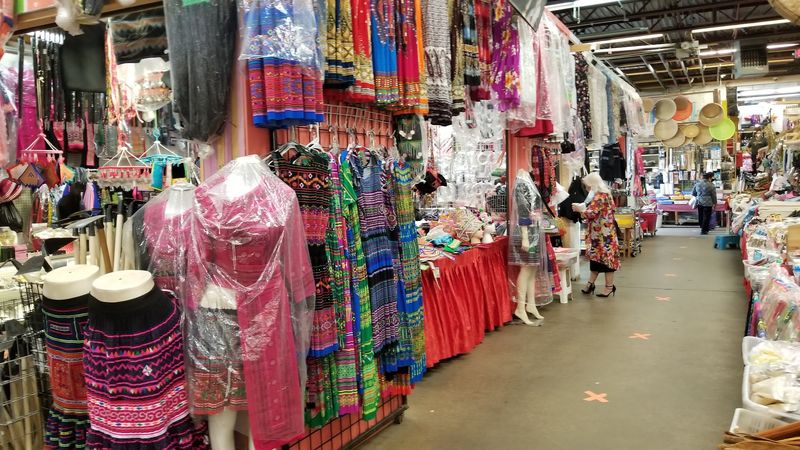
Beyond food and produce, HmongTown Marketplace is packed with vendors selling clothing, accessories, cosmetics, and handcrafted goods that reflect the rich artistic traditions of Hmong culture. Traditional embroidered garments share space with everyday wear, and browsing through the fabric displays alone is a visual treat.
Jewelry stalls offer brass pieces and beaded accessories that are unlike anything you would find at a mainstream retailer. Cosmetics and personal care products from Southeast Asian brands are also well-represented, catering to shoppers who know exactly what they are looking for and those who are just curious to explore.
A seamstress who does custom clothing alterations and sewing work operates within the market as well, adding a practical, community-oriented service to the mix. Whether you are hunting for something specific or simply browsing with no agenda, the variety of non-food goods here makes every visit feel like a small treasure hunt.
Fresh Meat, Live Poultry, and Whole Fish
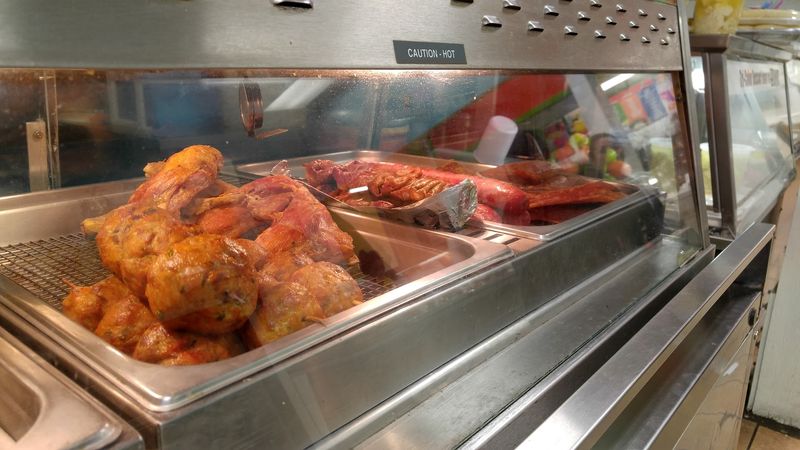
For shoppers who want their ingredients as fresh as possible, the meat section at HmongTown Marketplace delivers in ways that most grocery stores simply cannot. Whole fish with heads intact are a common sight here, reflecting the way fresh seafood is traditionally sold and valued across Southeast Asian cultures.
Live chickens are also available for purchase, which might surprise first-time visitors but is completely normal within the context of this market’s cultural roots. Pork belly, beef cuts, and other meats are displayed and sold by vendors who know their product well.
The variety and freshness on offer here is something that regular shoppers genuinely rely on for cooking authentic dishes at home. If you have ever tried to recreate a Southeast Asian recipe and struggled to find the right cut or whole-fish option at a mainstream store, this market will solve that problem immediately and satisfyingly.
Practical Tips for Your First Visit
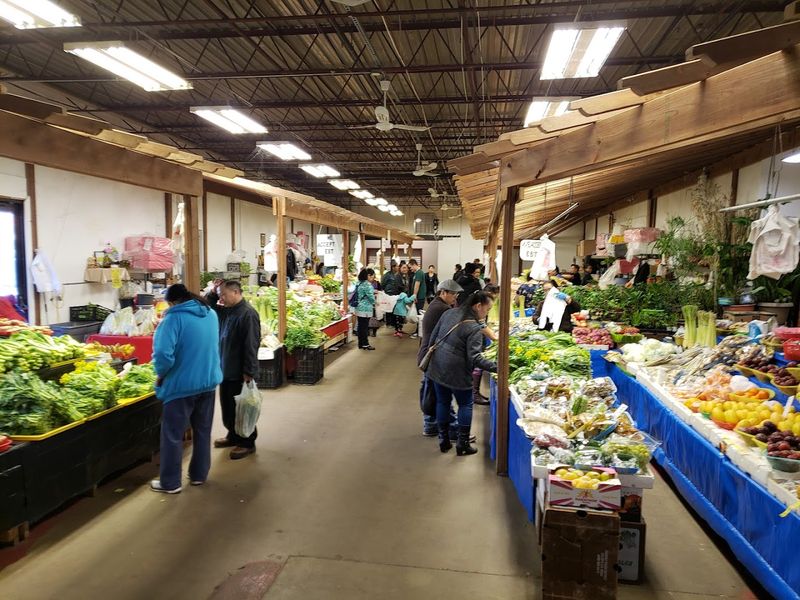
A few simple tips can make your first trip to HmongTown Marketplace much smoother and more enjoyable. Cash is strongly recommended, since a good number of vendors do not accept cards, and while there is an ATM inside the market, it charges a fee of around $2.75 per transaction.
Weekends tend to be the busiest times, with more vendors set up and a livelier atmosphere overall, though the market can feel a bit crowded in the smaller walkways during peak hours. Weekday mornings are a quieter option if you prefer a more relaxed browsing pace.
Bringing a reusable bag is a smart move given how easy it is to load up on produce, snacks, and impulse purchases throughout your visit. Going in with an open mind and a willingness to try something unfamiliar is honestly the best strategy, because the most memorable bites here are often the ones you did not plan on ordering.
Why This Market Feels Like No Other Place in Minnesota
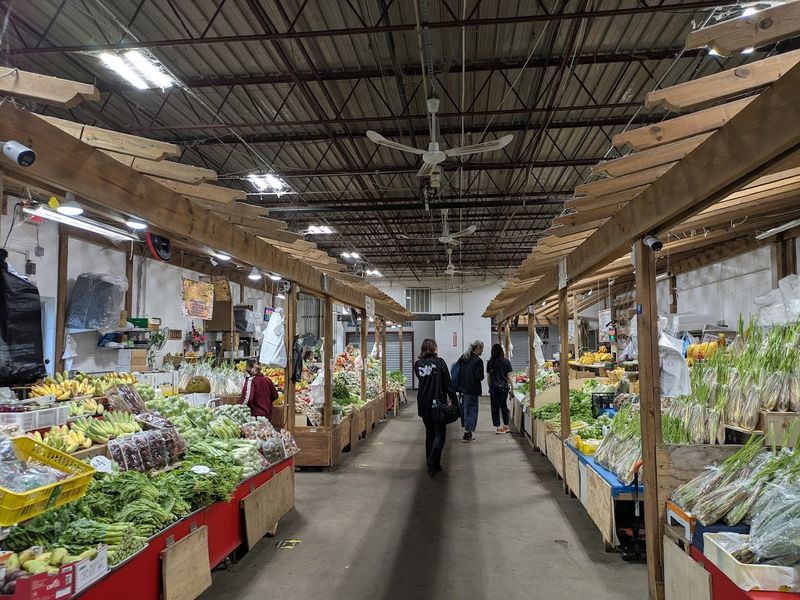
There is something genuinely hard to replicate about the atmosphere at HmongTown Marketplace, and regular visitors seem to feel it deeply. The market carries a sense of authenticity that comes from decades of community investment, where the vendors are not performing culture for tourists but simply living it every day.
Compared to newer, shinier food halls elsewhere in the Twin Cities, this place has a worn-in warmth that feels earned rather than designed. The mix of generations present on any given day, grandmothers selecting herbs, young families grabbing lunch, longtime regulars chatting with vendors, gives the space a layered, human quality that is hard to find elsewhere.
For anyone curious about Hmong culture, Southeast Asian cuisine, or just a market experience that breaks from the ordinary, this St. Paul destination offers something genuinely memorable. Once you visit, it has a way of becoming a regular stop rather than a one-time outing.
Share this story