Some destinations become household names, while others quietly captivate those lucky enough to discover them. These lesser-known places may not attract the crowds of Paris, Bali, or Santorini, but they offer extraordinary scenery, rich culture, fascinating history, and authentic experiences that often leave an even deeper impression on travelers.
If you are ready to swap overpriced tourist traps for something genuinely special, this list is your starting point.
Kotor, Montenegro
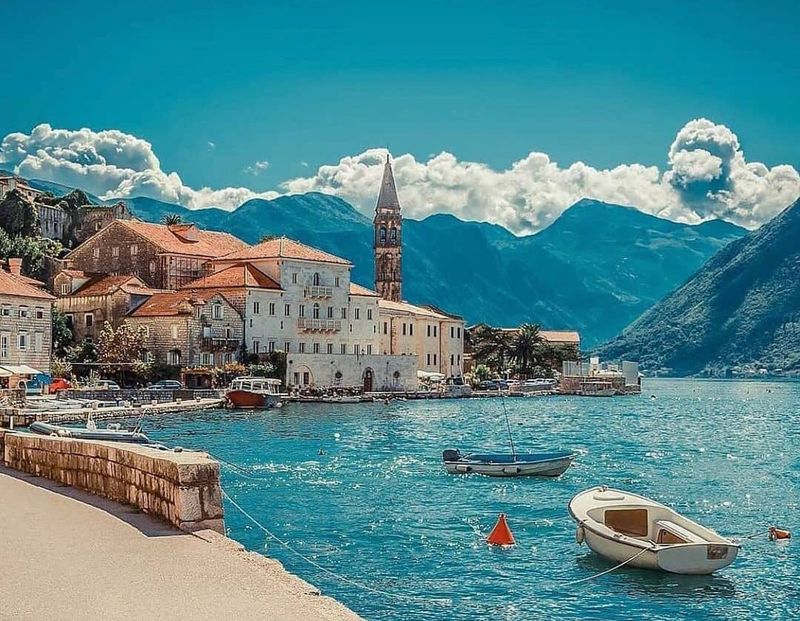
Squeezed between mountains so tall they practically lean over the rooftops, Kotor looks like a place a fantasy novelist invented on a particularly good day. This walled medieval city sits on the edge of a stunning bay in Montenegro, and its UNESCO-listed old town is packed with stone churches, hidden plazas, and centuries of layered history.
Walking through its narrow alleys feels like stepping back into the Middle Ages, minus the questionable hygiene.
The star attraction for the adventurous is the hike up to the ancient fortress of San Giovanni. It involves roughly 1,350 steps carved into the hillside, but the panoramic views over the bay and terracotta rooftops at the top are absolutely worth every bead of sweat.
Start early to avoid midday heat.
Kotor also offers excellent seafood restaurants, lively waterfront bars, and boat trips around the bay. Nearby towns like Perast, with its tiny island churches, are easy half-day trips.
Budget travelers will appreciate that Montenegro remains one of Europe’s most affordable destinations, making Kotor a smart pick for anyone wanting beauty without the sky-high price tag.
Gjirokaster, Albania
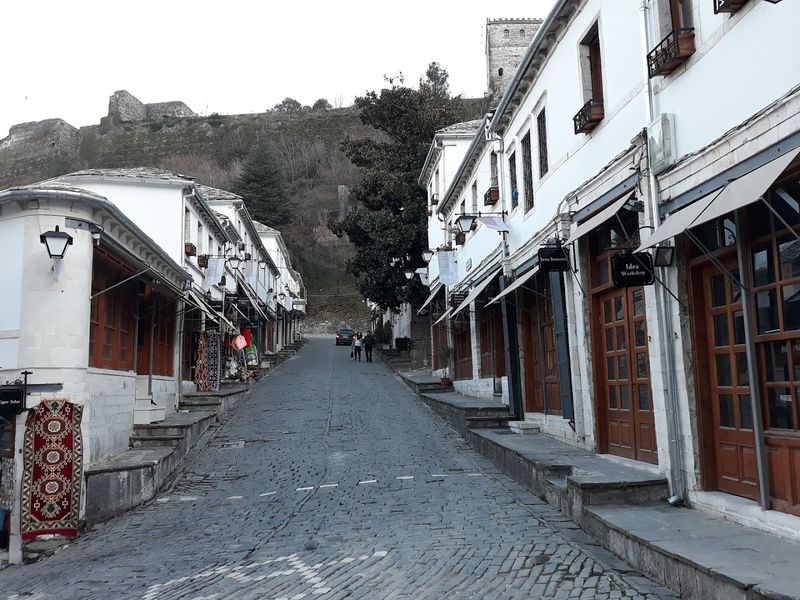
Nicknamed the “City of Stone” for reasons that become obvious the moment you arrive, Gjirokaster is one of the most visually striking towns in the entire Balkans. Rows of slate-roofed Ottoman houses cling to a steep hillside beneath a fortress that has watched over the valley for centuries.
Albania is already one of Europe’s least-visited countries, which makes stumbling upon Gjirokaster feel like finding a secret nobody remembered to share.
The fortress itself is enormous and houses a surprisingly fascinating museum, including a captured American spy plane from the Cold War era. That quirky detail alone sets Gjirokaster apart from the average historic town.
Wandering the old bazaar below, with its craft shops and traditional restaurants, fills an afternoon beautifully.
Gjirokaster was also the birthplace of Albania’s most famous writer, Ismail Kadare, which gives it extra cultural weight. Accommodation is affordable, locals are genuinely welcoming, and the food, particularly slow-cooked lamb dishes and flaky byrek pastries, is outstanding.
Albania as a whole rewards curious travelers, and Gjirokaster is arguably its crown jewel, a town that makes you wonder why it took you so long to visit.
Faroe Islands, Denmark
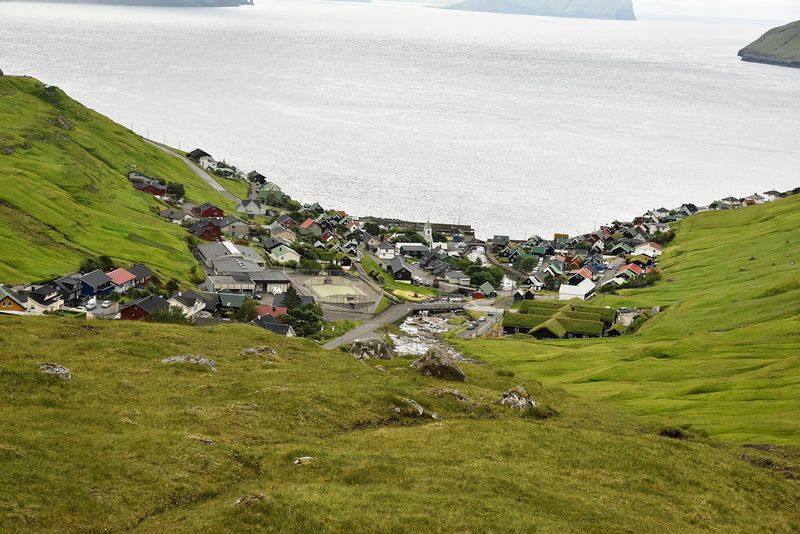
Somewhere between Iceland and Norway, a cluster of islands punches so far above its weight scenically that most travel photographers consider it a bucket-list destination. The Faroe Islands, an autonomous territory of Denmark, offer cliffs that plunge hundreds of meters into churning Atlantic waters, waterfalls that seem to pour directly into the sea, and mountain ridges sharp enough to look hand-sculpted.
Roughly 50,000 people live here, spread across 18 islands connected by tunnels, ferries, and narrow mountain roads. The village of Gasadalur, with its famous waterfall cascading over a cliff toward the ocean, appears on so many travel feeds that you might think it is fictional.
It is very real, and even more beautiful in person.
Hiking is the primary activity, and trails range from gentle coastal walks to challenging ridge routes with vertigo-inducing drops on both sides. The weather changes constantly, sometimes cycling through sun, fog, rain, and dramatic clouds within a single hour, which only adds to the atmosphere.
Puffins nest here in large numbers during summer, making the islands a joy for wildlife enthusiasts. Pack waterproof layers and prepare to have your breath taken away repeatedly.
Luang Prabang, Laos
Every morning before sunrise in Luang Prabang, hundreds of Buddhist monks walk silently through the streets in long saffron-robed lines, collecting alms from residents kneeling along the roadside. Called Tak Bat, this daily ceremony is one of the most peaceful and moving things a traveler can witness anywhere in Southeast Asia.
It has continued uninterrupted for centuries.
Luang Prabang is a UNESCO World Heritage city that blends French colonial buildings with ornate Buddhist temples in a way that should feel mismatched but somehow works perfectly. The city sits at the meeting point of the Mekong and Nam Khan rivers, and its setting is as beautiful as its streets.
Cycling along the riverbanks at dusk is a simple pleasure that locals and visitors share equally.
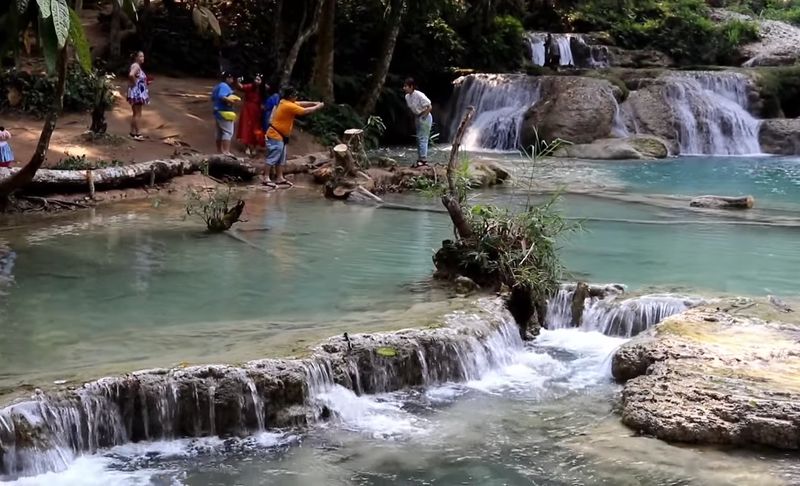
The night market fills the main street each evening with handmade textiles, jewelry, and local snacks. Kuang Si Falls, about 30 kilometers outside town, offers tiered turquoise pools perfect for swimming.
Luang Prabang moves at a deliberately slow pace, and that is entirely the point. Travelers who lean into that rhythm consistently leave saying it was one of the most memorable stops of their entire trip through Asia.
Matera, Italy
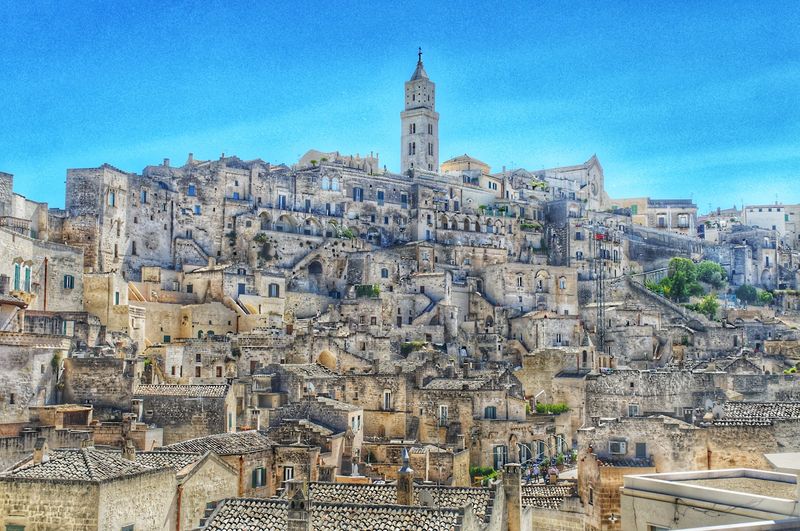
People have lived in Matera for at least 9,000 years, making it one of the oldest continuously inhabited settlements on Earth. That is not a typo.
Thousands of years before Rome was founded, families were already carving homes, churches, and cisterns into the limestone cliffs of southern Italy. The result is the Sassi, a labyrinth of cave dwellings that cascades down into a rocky ravine in a way that looks almost impossibly ancient.
For decades, the Italian government considered the Sassi an embarrassment and forcibly relocated residents in the 1950s. Today, those same caves have been transformed into boutique hotels, restaurants, and art spaces, and Matera was named a European Capital of Culture in 2019.
History has a funny way of turning full circle.
Walking through the Sassi at night, when golden light spills from cave doorways and the ravine below glows softly, ranks among the most atmospheric experiences Italy offers. The city also appeared as ancient Jerusalem in Mel Gibson’s film “The Passion of the Christ,” which tells you everything about how convincingly timeless it looks.
Matera sits in Basilicata, a region most tourists skip entirely, which only adds to the sense of genuine discovery when you arrive.
Raja Ampat, Indonesia
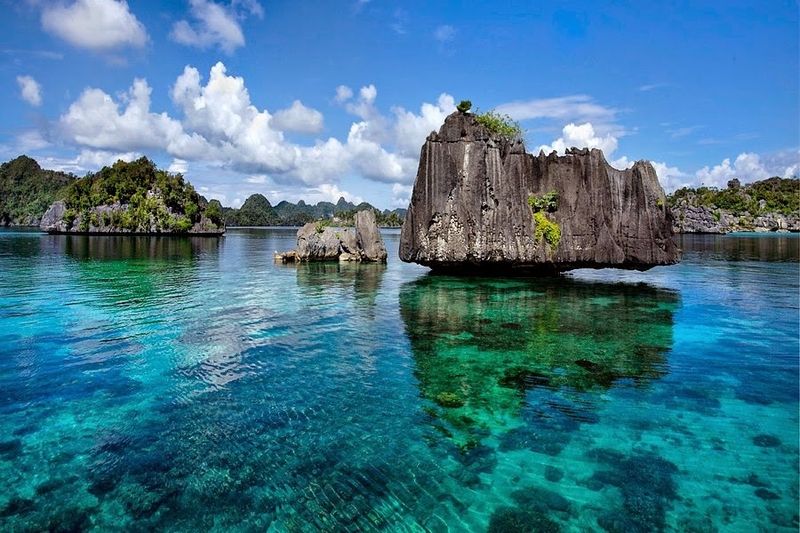
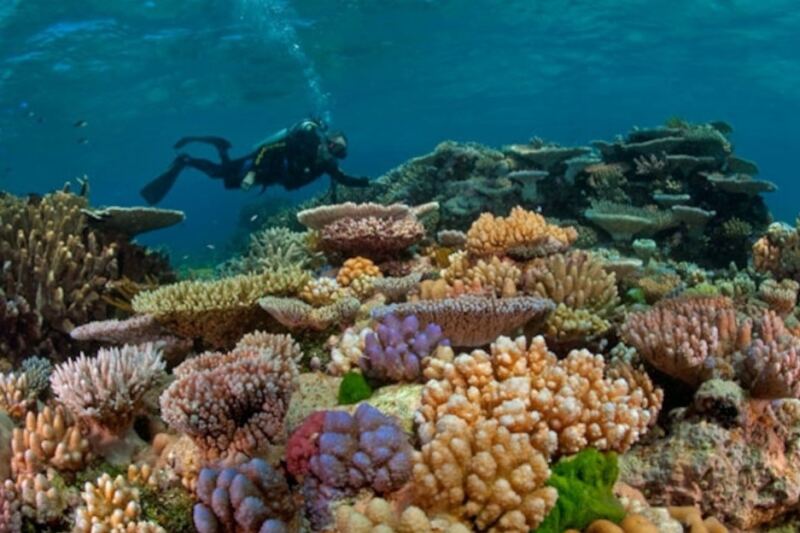
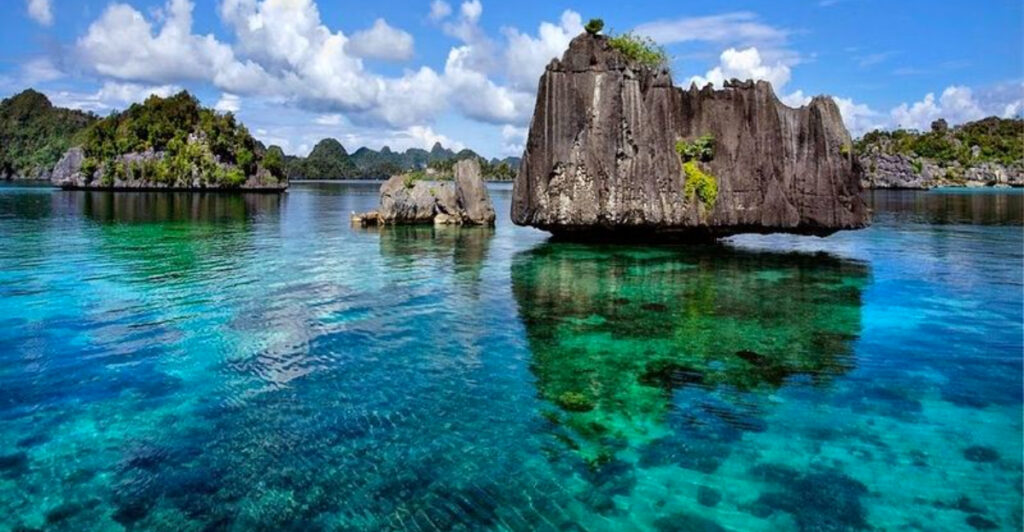
Scientists have identified more species of fish in Raja Ampat than in any other marine area on the planet. That single fact explains why divers and snorkelers fly thousands of miles to reach this remote archipelago off West Papua in eastern Indonesia.
The underwater world here is so rich and colorful that first-time visitors frequently surface with expressions of pure disbelief.
Above water, the scenery is equally extraordinary. Hundreds of jungle-covered limestone islands rise sharply from water so clear it looks photoshopped.
Kayaking between them at dawn, when mist clings to the treetops and birds of paradise call from the forest, is the kind of experience that resets your entire sense of what travel can be.
Getting here requires commitment, typically involving flights to Sorong followed by a boat transfer, but that distance is exactly what has kept Raja Ampat relatively uncrowded. Responsible tourism guidelines are strictly followed to protect the ecosystem, so visitor numbers stay manageable.
Accommodation ranges from basic homestays in fishing villages to floating eco-lodges. Whichever option you choose, falling asleep to the sound of water lapping against a dock with a sky full of stars overhead is a privilege worth every hour of travel it takes to get there.
Cesky Krumlov, Czech Republic
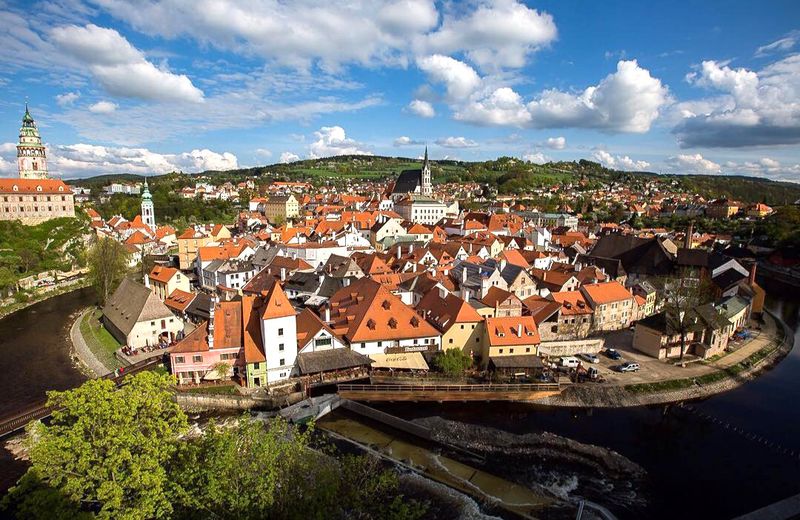
Prague gets all the attention, but about three hours south by bus sits a town so perfectly preserved it makes you feel like you have accidentally walked into a Renaissance painting. Cesky Krumlov wraps around a dramatic bend in the Vltava River, and its castle, one of the largest in Central Europe, towers above the red-tiled rooftops like a benevolent guardian from a storybook.
The castle complex alone takes half a day to explore properly. It contains a Baroque theater so well preserved that original stage machinery and painted backdrops from the 1600s are still intact.
Theater historians travel specifically to see it. Regular visitors just stand there with their mouths open, which is equally valid.
The old town below is a maze of cobblestone lanes, independent cafes, and craft shops that feel genuinely local rather than manufactured for tourists. Rafting or canoeing the Vltava through town is a popular and surprisingly affordable activity.
Summer evenings bring open-air theater performances in the castle garden. Cesky Krumlov receives day-trippers from Prague but rewards those who stay overnight, when the crowds thin and the soft light on the castle walls turns the whole scene golden and quietly magical.
Colonia del Sacramento, Uruguay
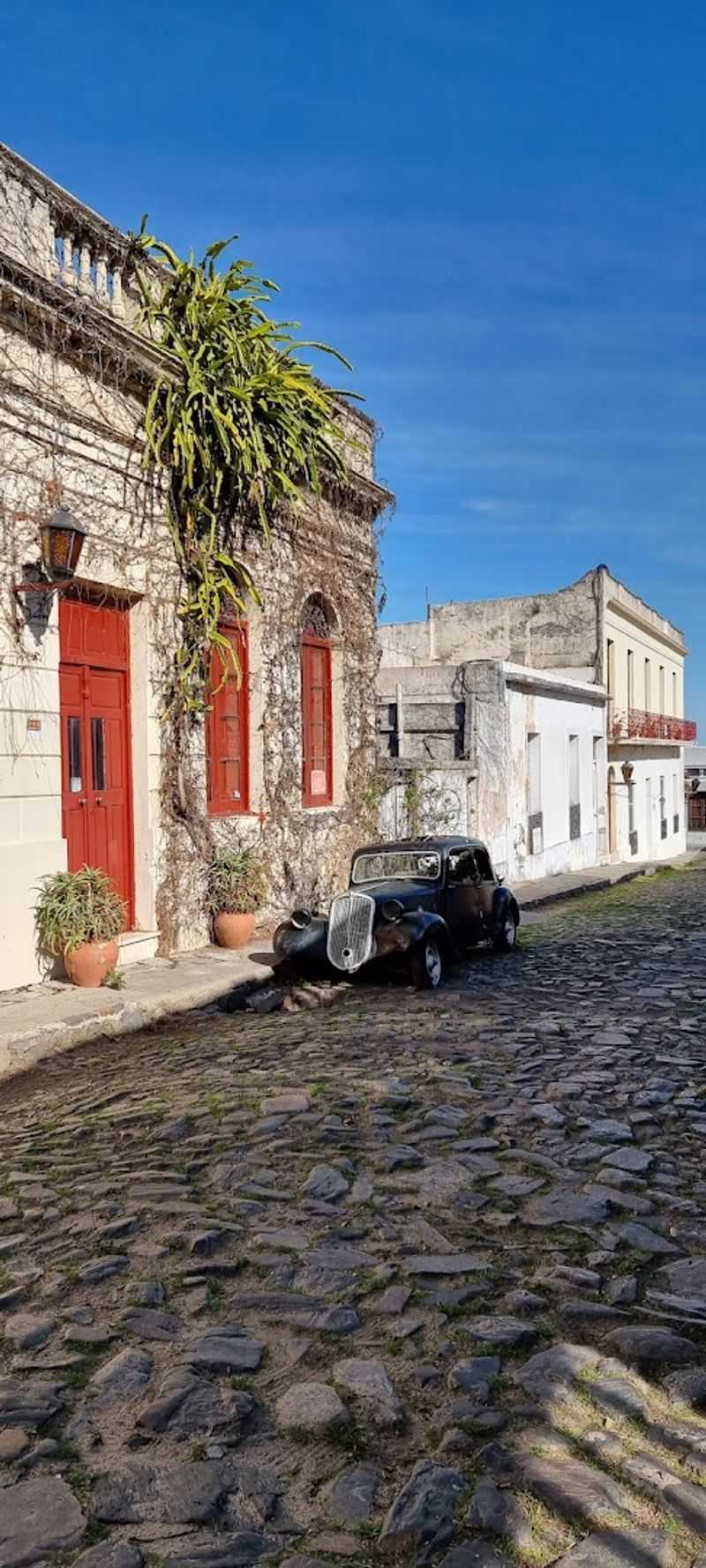
Across the Rio de la Plata from Buenos Aires, just a one-hour ferry ride away, sits one of South America’s most underrated towns. Colonia del Sacramento was founded by the Portuguese in 1680, and its historic quarter is a UNESCO World Heritage Site where the streets are still paved with the original stones and the buildings wear their centuries lightly.
The town has a wonderfully drowsy quality, especially in the afternoon when the light turns golden and locals settle into cafe chairs along the waterfront. Vintage cars from the 1950s are a common sight on the cobbled lanes, not as tourist props but as actual daily transportation, which adds a surreal charm to every stroll.
The lighthouse, dating from 1857, is climbable and offers sweeping views over the river and the terracotta rooftops below. Colonia is small enough to cover entirely on foot or by rented golf cart, the local favorite mode of tourist transport.
Uruguayan food and wine are seriously underrated, and the restaurants here reflect that. Many travelers visiting Buenos Aires skip Colonia entirely, which means those who do make the short crossing are rewarded with a genuinely peaceful, beautiful, and crowd-free experience.
Svaneti, Georgia
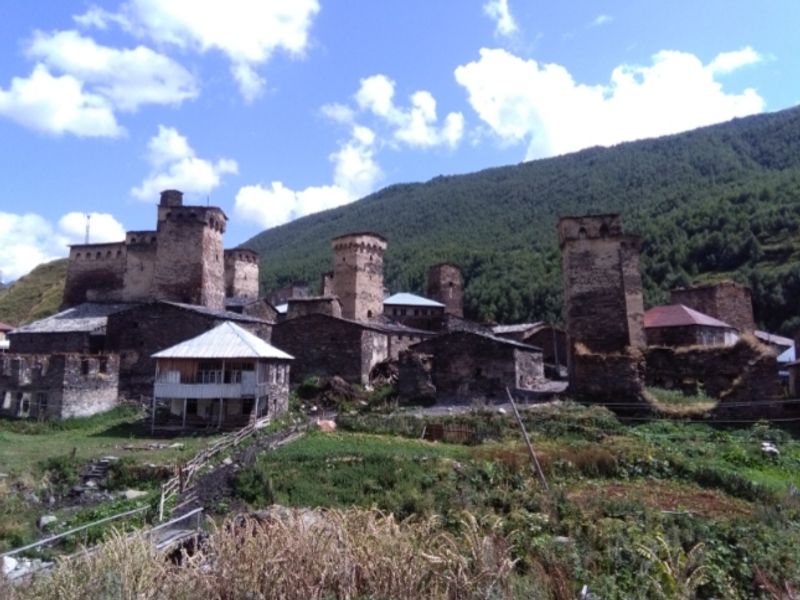
At roughly 2,200 meters above sea level, Ushguli in Georgia’s Svaneti region holds the title of one of Europe’s highest continuously inhabited villages. Getting there involves a winding mountain road that will test both your driver’s nerves and your car’s suspension, but the destination is the kind of place that makes you forget the journey instantly.
Svaneti is famous for its medieval defensive towers, tall stone structures built between the 9th and 12th centuries that families used as refuges during raids and feuds. Around 200 of them still stand in Ushguli alone, rising above the rooftops against a backdrop of glaciated Caucasus peaks.
The visual effect is genuinely unlike anything else in Europe.
The Svans, the local ethnic group, have maintained traditions, language, and a fierce independence that centuries of isolation helped preserve. Guesthouses offer home-cooked meals featuring kubdari, a spiced meat bread that deserves far more global fame than it currently receives.
Hiking trails connect villages and climb toward glaciers, while winter brings serious snowfall that transforms the region into a remote wonderland. Georgia itself remains one of the most welcoming and affordable destinations in the world, and Svaneti is its most spectacular and soul-stirring corner.
Isle of Skye, Scotland
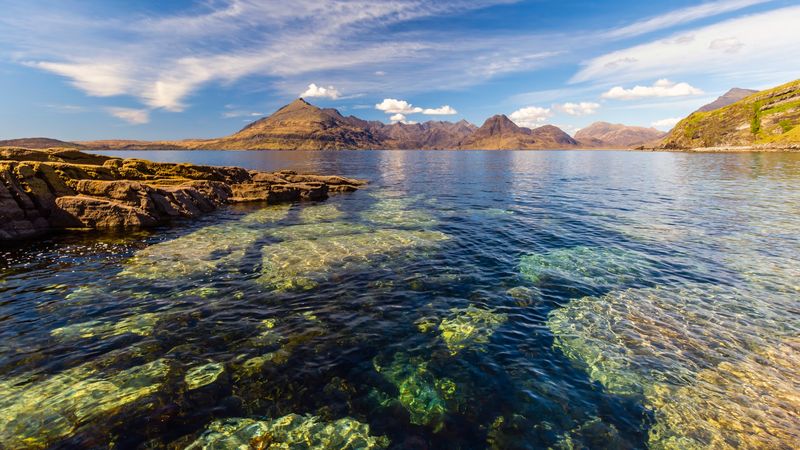
On a clear day, the Cuillin mountains on Skye look like the spine of some enormous prehistoric creature breaking through the surface of the earth. On a misty day, they disappear entirely into low cloud, leaving only their outline visible, which is somehow even more dramatic.
The Isle of Skye plays with light, weather, and mood in ways that keep photographers and hikers coming back repeatedly.
The Fairy Pools near Glenbrittle are a series of crystal-clear blue-green pools fed by waterfalls tumbling down from the Cuillins. They are genuinely magical, and the hike to reach them is accessible enough for most fitness levels.
Nearby, the Quiraing offers one of Scotland’s most otherworldly ridge walks, with tilted rock formations and sweeping views over the sea.
Eilean Donan Castle, just off the island near the Kyle of Lochalsh, is one of the most photographed castles in the world and earns every picture taken of it. Skye’s villages, particularly Portree with its colorful harbor-front buildings, provide excellent bases for exploration.
Seafood, especially fresh langoustines and smoked salmon, is outstanding here. Skye has grown in popularity over the past decade, so visiting in shoulder season, April or October, means fewer crowds and equally spectacular scenery.
Salento, Colombia
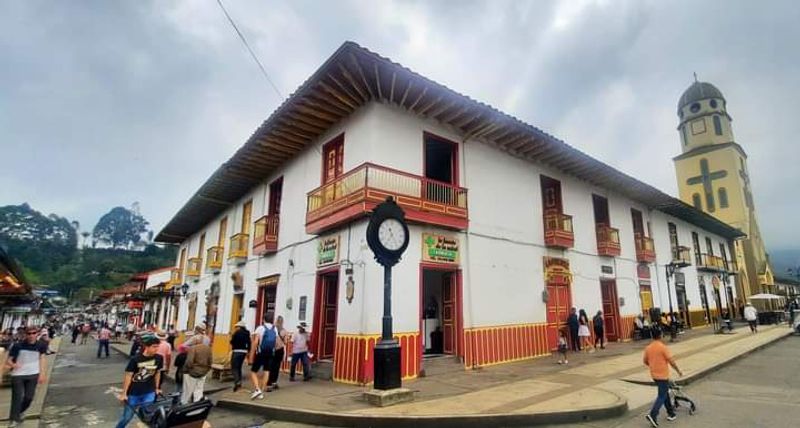
Salento is the kind of small town that makes you cancel your onward bus ticket and stay another week. Tucked into the coffee-growing hills of Colombia’s Eje Cafetero region, it is a place of brightly painted wooden balconies, friendly plazas, and a pace of life so relaxed it feels almost therapeutic after the hustle of Bogota or Medellin.
The main draw beyond the town itself is the Cocora Valley, a short jeep ride away. Here, wax palms, Colombia’s national tree and the world’s tallest palm species, shoot up to 60 meters into the sky from green hillside meadows.
Walking among them feels genuinely surreal, like the landscape scaled everything up just slightly beyond normal proportions.
Coffee tours are a must in this region. Small family-run fincas walk visitors through the entire process from plant to cup, and the freshly brewed result at the end tastes noticeably better than anything in a supermarket.
Salento’s restaurants serve bandeja paisa, a legendary Colombian platter piled with beans, rice, pork, and plantain that requires no dinner afterward. The town is affordable, safe, and genuinely charming.
Colombia’s transformation as a travel destination over the past decade is real, and Salento is one of its best examples.
Kagawa Prefecture, Japan
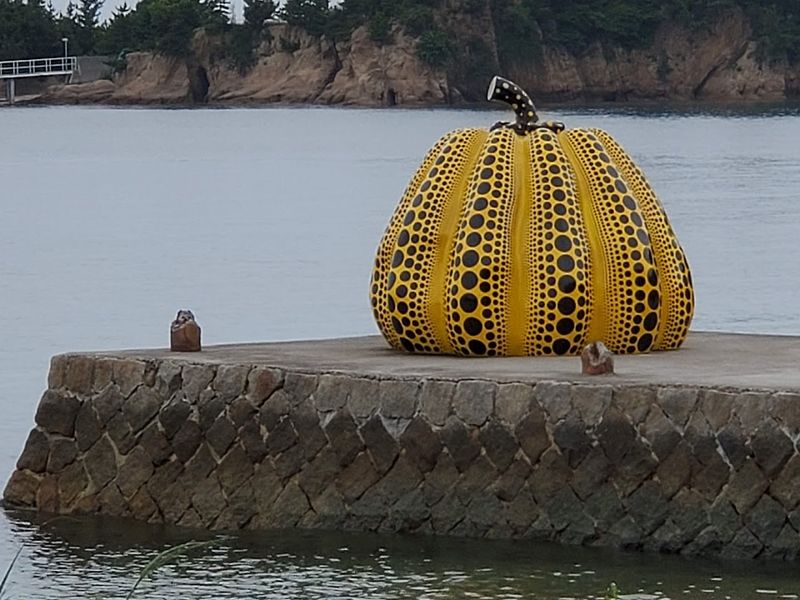
Most Japan itineraries sprint between Tokyo, Kyoto, and Osaka, leaving Kagawa Prefecture on the island of Shikoku almost entirely to those who know better. This compact region on the shores of the Seto Inland Sea offers a completely different side of Japan, one centered on art, craftsmanship, stunning gardens, and a bowl of udon noodles so good it has its own regional identity.
The nearby islands of the Inland Sea, particularly Naoshima, have been transformed into open-air art destinations where world-class museums sit beside rice paddies and fishermen’s cottages. Yayoi Kusama’s yellow polka-dot pumpkin sculpture perched on a pier has become one of Japan’s most iconic contemporary images.
Art lovers could easily spend three days island-hopping between galleries.
Ritsurin Garden in Takamatsu, Kagawa’s capital, is widely considered one of Japan’s finest traditional gardens, yet it receives a fraction of the visitors that Kyoto’s gardens attract. Sanuki udon, thick wheat noodles served in a simple dashi broth, is taken extremely seriously here, and cheap local udon shops called serufu serve bowls for under two dollars.
Kagawa rewards slow travel and genuine curiosity. It is the kind of place that makes you wish you had arrived with an extra week and an empty stomach.
Mostar, Bosnia and Herzegovina
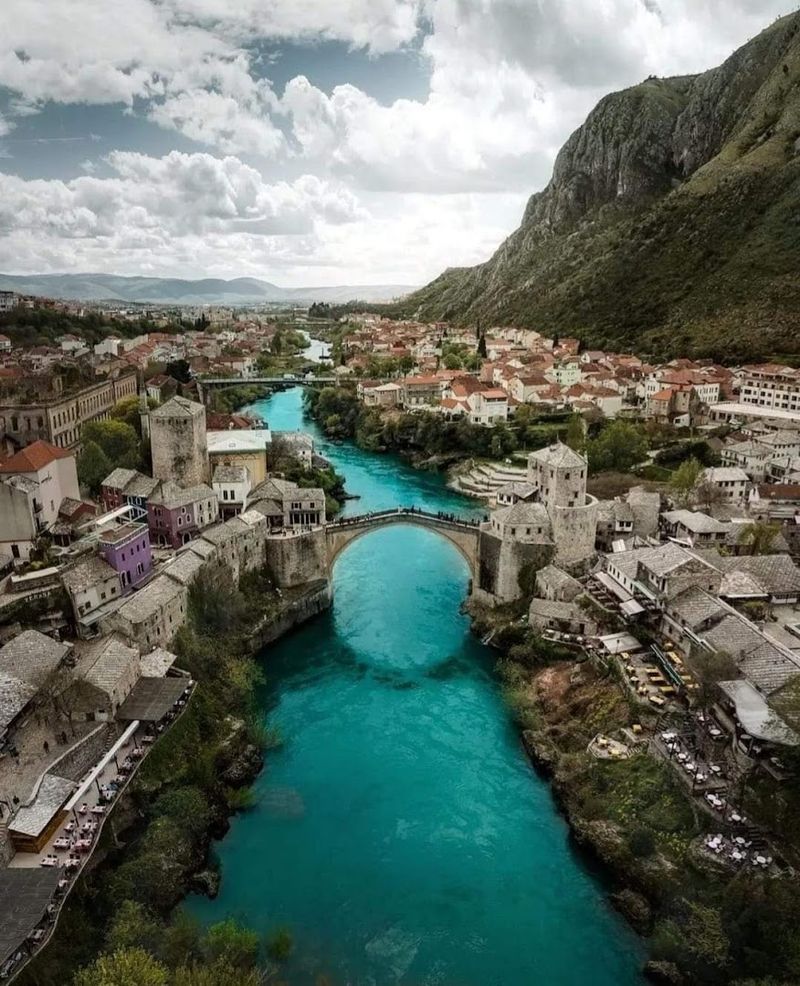
Few bridges in the world carry as much emotional weight as the Stari Most in Mostar. Built by the Ottomans in 1566 and destroyed during the Bosnian War in 1993, it was painstakingly rebuilt using the same white limestone and traditional techniques and reopened in 2004.
Crossing it today, knowing its history, feels like more than just walking from one bank to another.
Mostar is a city where mosques and church spires share the skyline and the smell of grilled cevapi mingles with the sound of the call to prayer. The old bazaar, Kujundziluk, is lined with copper craftsmen, textile sellers, and small cafes perched directly above the turquoise Neretva River.
It is genuinely one of the most atmospheric streets in the Balkans.
Local divers still leap from the Stari Most into the river below, a tradition that began when the bridge was first built. Watching a diver climb to the top and launch into the cold green water while tourists gasp from the banks is pure Mostar theater.
Bosnia and Herzegovina remains one of Europe’s most affordable and undervisited countries. Mostar is its most iconic destination and delivers a mix of history, beauty, and cultural complexity that stays with you long after you leave.
Kangaroo Island, South Australia
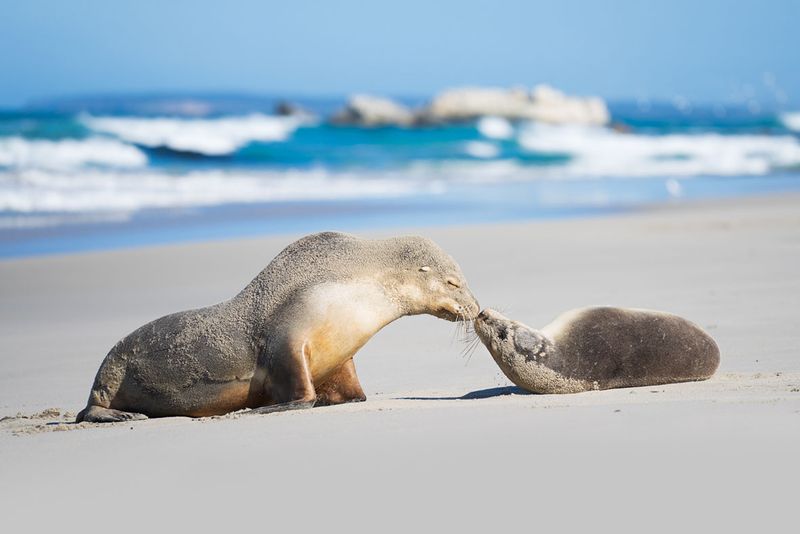
About 45 minutes by ferry from the South Australian mainland sits an island where wildlife has the right of way and humans are very much the guests. Kangaroo Island is home to sea lions, little penguins, echidnas, koalas, and, yes, plenty of kangaroos, many of which can be encountered simply by walking along beaches or through national park trails without any organized tour required.
Seal Bay Conservation Park offers one of Australia’s most remarkable wildlife experiences: a guided walk along a beach where a colony of Australian sea lions lounges, plays, and argues in complete indifference to human visitors. Watching a pup waddle across the sand while its mother barks instructions is endlessly entertaining and genuinely moving.
Remarkable Rocks, a cluster of enormous granite boulders sculpted by wind and sea into bizarre organic shapes, sits at the edge of a cliff above crashing Southern Ocean waves. Nearby Admirals Arch, a natural rock formation draped in stalactites and patrolled by New Zealand fur seals, is equally dramatic.
Kangaroo Island also produces excellent local food and wine, including honey, cheese, and spirits. It is large enough to fill four days comfortably and small enough to feel unhurried throughout.
For nature lovers, it is one of Australia’s finest and least crowded rewards.
Lofoten Islands, Norway
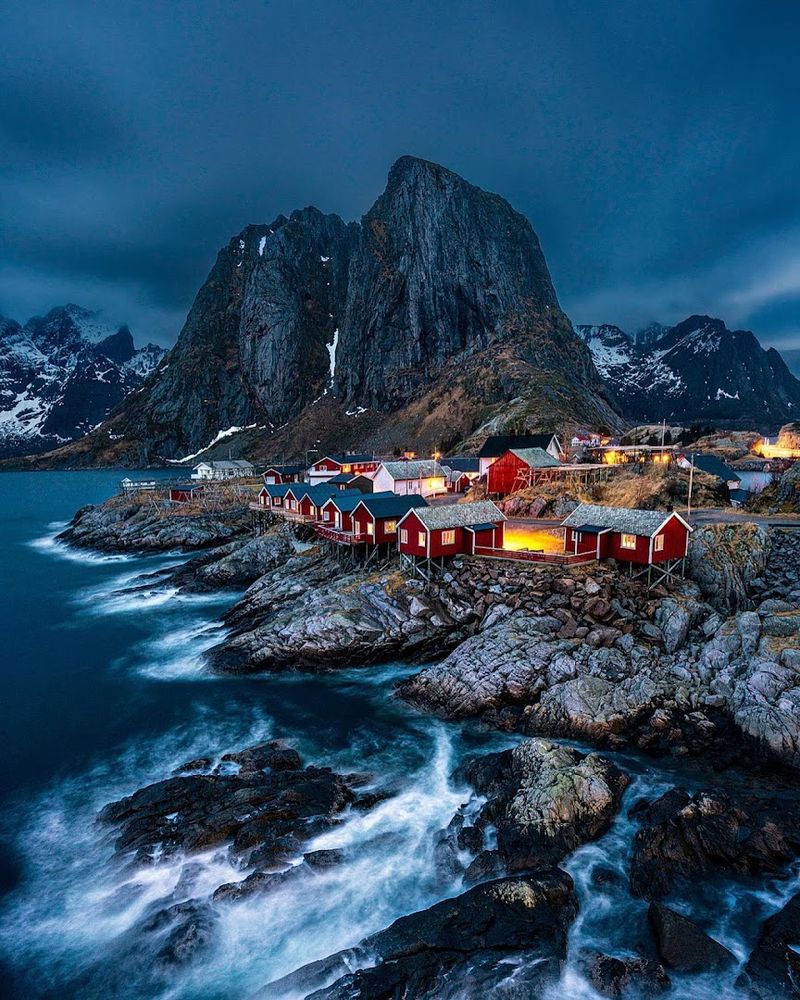
There is a moment in the Lofoten Islands, usually around midnight in midsummer, when the sun hangs low and golden over mountains that drop straight into glassy fjords, and the reflection in the water is so perfect you genuinely cannot tell which way is up. It is the kind of light that makes people cry a little, then immediately pick up a camera.
The Lofoten archipelago stretches above the Arctic Circle off Norway’s northwestern coast, and its combination of jagged peaks, sheltered bays, and colorful wooden fishing cabins called rorbuer produces some of the most photographed scenery in northern Europe. Villages like Reine and Henningsvaer appear on travel feeds so often that first-time visitors arrive already feeling like they know the place.
Hiking trails range from gentle coastal paths to serious summit climbs rewarding with 360-degree views over islands and open sea. In winter, the northern lights frequently dance overhead, and the mountains reflect their green and purple glow in the water below.
Fishing remains a genuine local industry, and fresh cod dishes are a staple on every menu. Lofoten is not a budget destination, but the sheer visual intensity of the landscape makes the investment feel completely justified.
Few places on Earth deliver this level of natural spectacle this consistently.
Share this story