There is a spot in central Oklahoma where the flat prairie suddenly drops away and you find yourself staring down into a canyon of deep red sandstone walls, shaded trails, and a silence that feels earned. It is the kind of place that makes you question why you ever thought Oklahoma was just flat land and wheat fields.
The canyon has a history that goes back to wagon trains rolling west, and today it welcomes hikers, campers, rappellers, and families looking for something genuinely different. By the time you finish reading, you will know exactly why people drive hours to get here and why they always come back.
Where the Canyon Begins: Address, Location, and Getting There
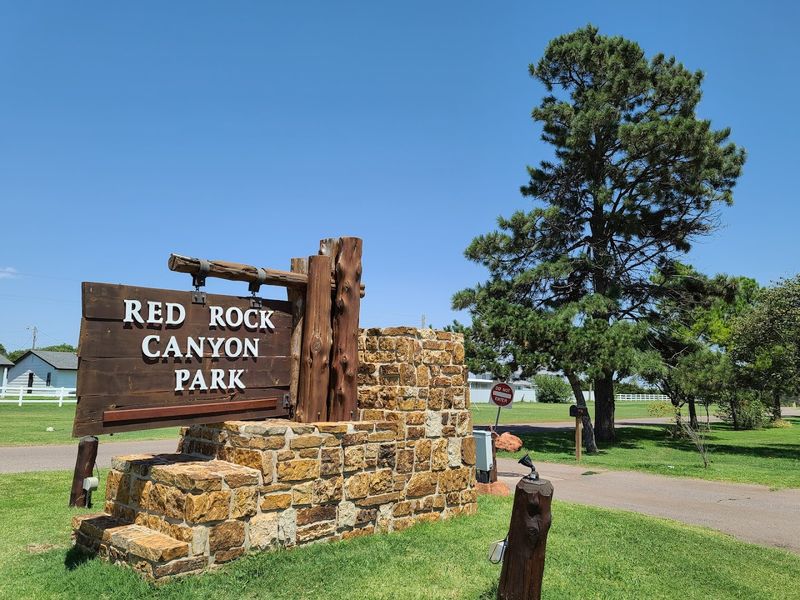
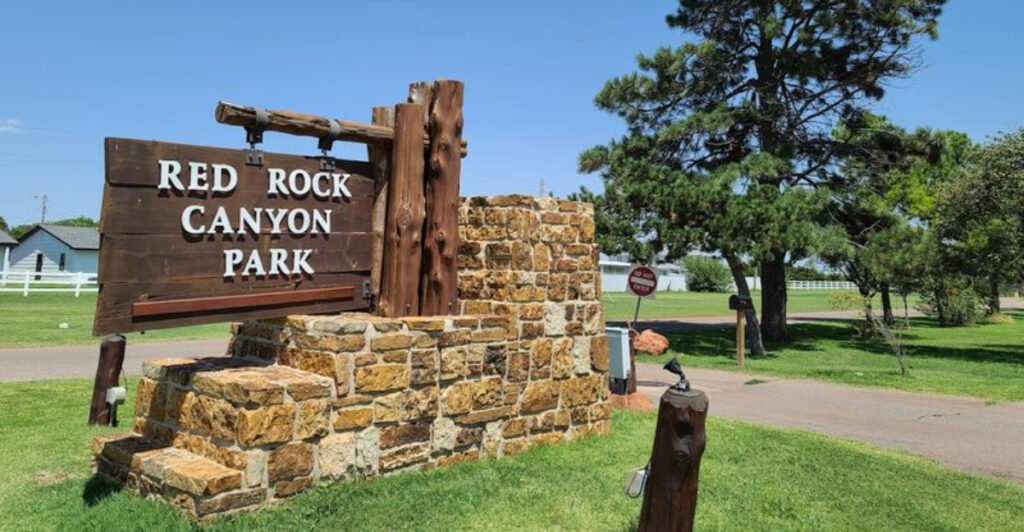
Red Rock Canyon Campground and Adventure Park sits at 116 Red Rock Canyon Rd, Hinton, OK 73047, right in the heart of central Oklahoma, roughly an hour west of Oklahoma City.
The drive out is a straightforward run along I-40, and then you turn off and follow a road that gives you zero warning of what is about to happen. One moment you are on flat prairie, and the next the ground opens up beneath you and you are winding down a steep, twisting descent into a hidden canyon valley.
The road down is narrow and curvy, so if you are towing a large RV or trailer, take it slow and steady. The park is open Monday through Thursday from 6:30 AM to 8 PM, Friday and Saturday until 10 PM, and Sunday until 8 PM.
You can reach the park by phone at 405-542-6344 or check out their website at redrockcanyonadventurepark.com for current rates and reservation options. The park holds a 4.6-star rating across nearly 1,800 reviews, which tells you plenty before you even arrive.
A Canyon With a Story: The History Behind the Red Walls
Long before anyone thought about pitching a tent here, this canyon was already famous for all the right reasons.
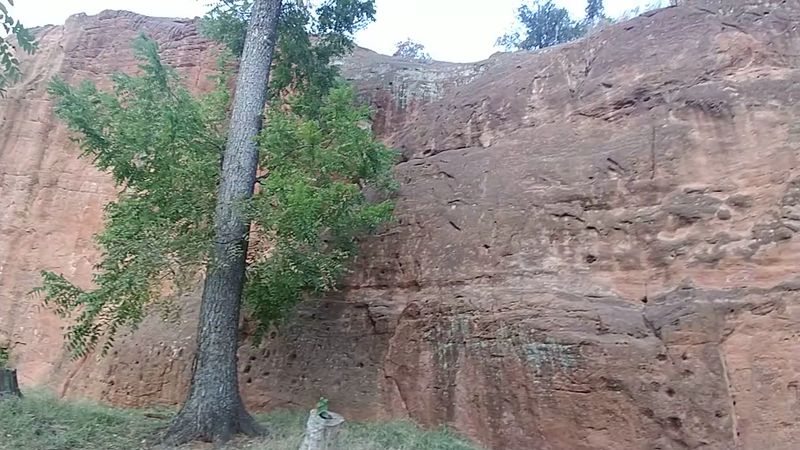
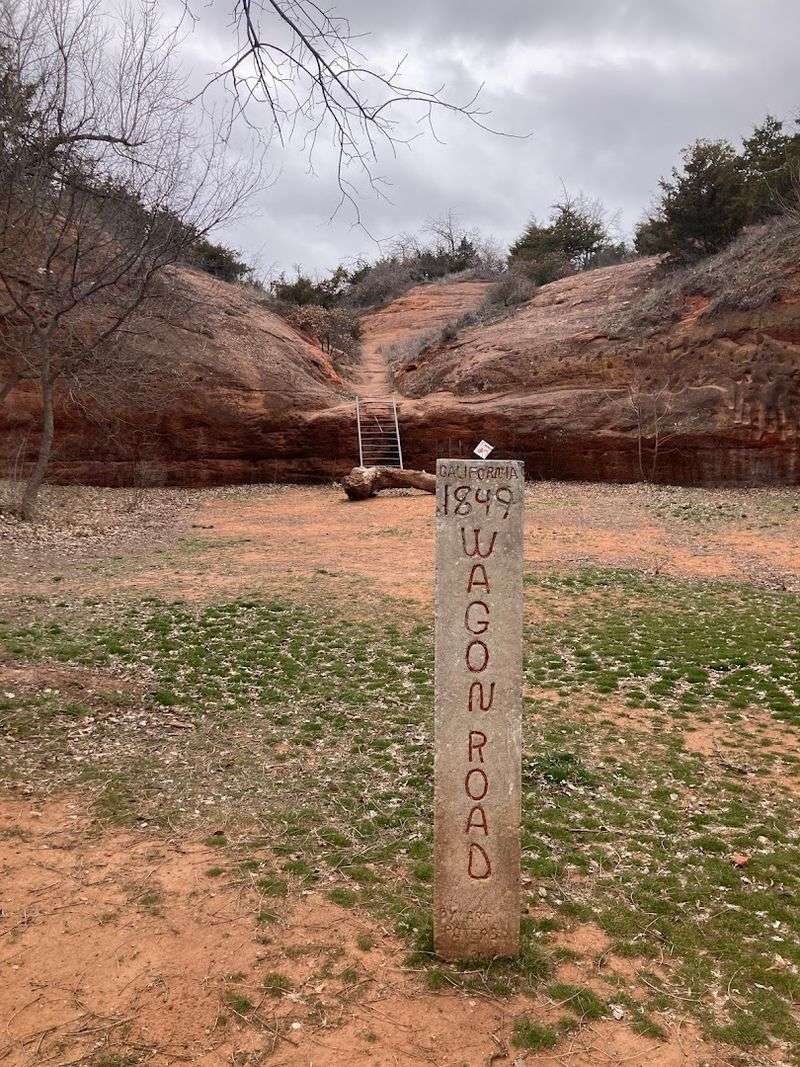
Wagon trains heading west along the California Road in the mid-1800s passed directly through this area, and the red sandstone walls still carry visible ruts and grooves left behind by those heavy wheels. That kind of history is not something you read on a plaque and forget.
You feel it when you run your hand along the rock and realize those marks are over 150 years old.
The canyon was later operated as a state park for decades before the state allowed it to decline. A private owner stepped in and has spent the past two years pouring serious effort into restoring the trails, upgrading the bathrooms, and bringing the whole place back to life.
The result is a park that feels both historically grounded and genuinely modern in its amenities. The red sandstone cliffs were formed from ancient dunes and sediment deposits, giving the walls that rich, warm color that photographs beautifully and looks even better in person.
The Canyon Setting: What the Landscape Actually Looks Like
Nothing quite prepares you for the visual shift when you drop into the canyon for the first time.
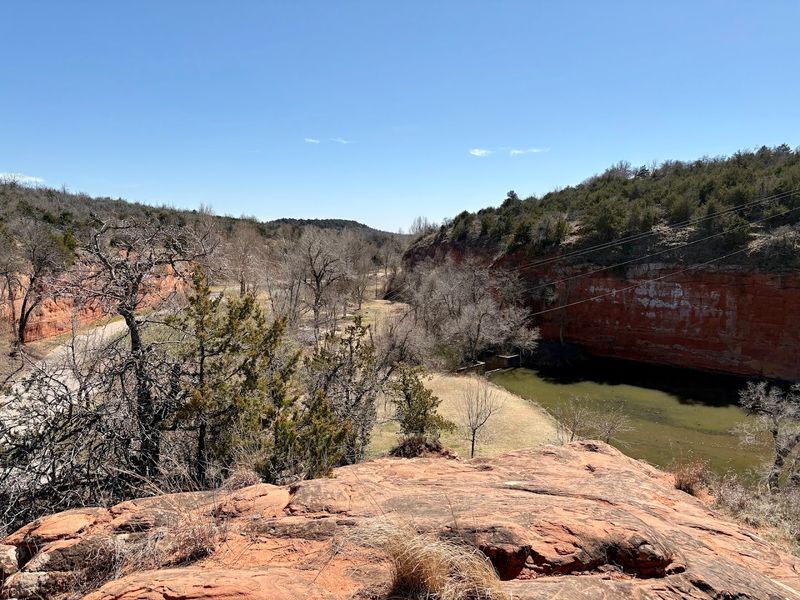
The walls rise on both sides in layered shades of red, orange, and rust, and the canyon floor is surprisingly lush with trees, shrubs, and plant life that thrive in the shade and moisture the canyon naturally traps. It feels cooler down here than on the surrounding plains, which makes it especially welcome on a warm Oklahoma afternoon.
The horseshoe shape of the main canyon creates a natural amphitheater effect, and the trails wind along the base of the cliffs and up onto the ridges where you get sweeping views of the surrounding landscape. At night, the canyon walls block out light pollution effectively, and the stars above are genuinely spectacular.
One visitor described the terrain shift as wild, noting that you go from flat land to a hidden valley almost instantly. That description is accurate.
The canyon does not ease you in gradually. It just appears, and suddenly you are surrounded by geology that feels completely out of place with the rest of the state.
Hiking the Trails: What to Expect on the Ground
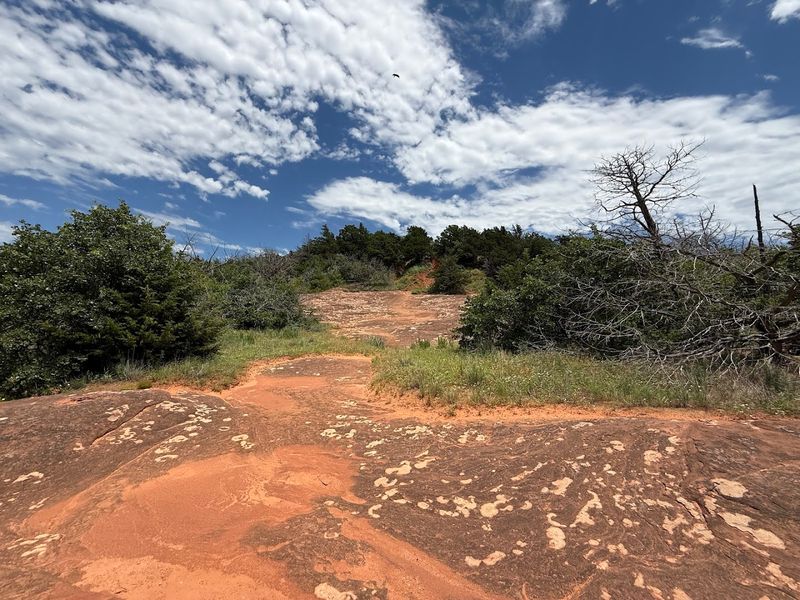
The trail system here is the main attraction for many visitors, and it delivers a genuinely satisfying workout without requiring expert-level fitness.
The paths wind through the canyon floor, climb the red rock ridges, and loop back through shaded sections that feel refreshingly cool even in summer. The horseshoe area in particular rewards the climb with views that justify every step.
The trails are better marked now than they were during the state park era, though a few sections still require a bit of route-finding instinct.
These are semi-rugged paths, not paved walking lanes. You will need decent footwear, some balance, and a willingness to use your hands on a few rocky scrambles.
Visitors with limited mobility should be aware that most trails are not accessible.
A few practical notes worth keeping in mind: poison ivy shows up on some trails, ticks are present in overgrown sections, and goatheads are scattered in unpaved areas, which matters if you bring a dog. Come prepared with long pants, tick spray, and sturdy shoes, and the trails will reward you with some of the most distinctive scenery in Oklahoma.
Rappelling and Adventure: The Vertical Side of the Canyon
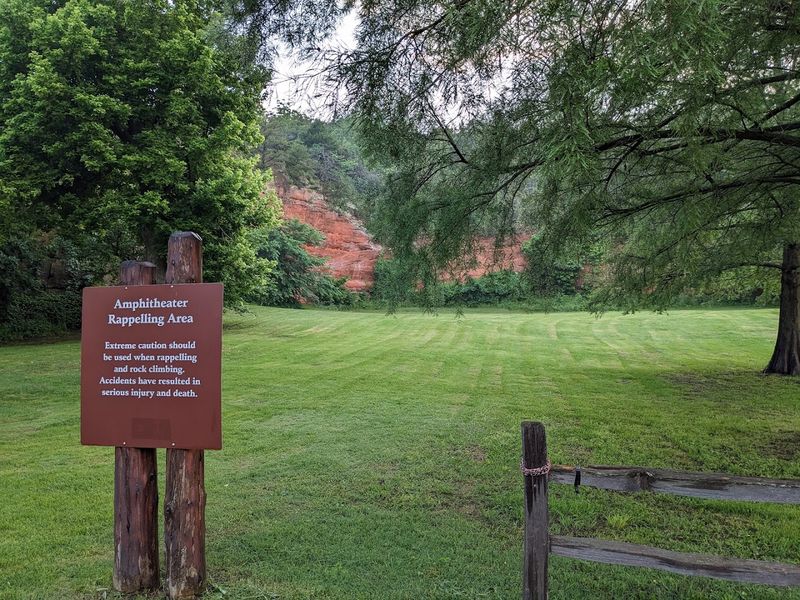
Red Rock Canyon has a well-earned reputation as a rappelling destination, and the red sandstone cliffs provide a dramatic backdrop for anyone who wants to go vertical.
The walls reach heights that make rappelling genuinely exciting without being reckless, and the texture of the sandstone gives you good friction and a satisfying grip. The canyon has attracted rappelling enthusiasts from across the region for years, and it remains one of the few places in Oklahoma where this activity feels truly at home.
One thing worth knowing before you pack your gear: the park currently does not have fixed anchor points installed along the cliffs. You will need to bring your own equipment for setting anchors, and any trees suitable for tying off should be checked carefully, as some are too small or not healthy enough to use safely.
The park team is friendly and knowledgeable, so a quick conversation at check-in about current conditions is always a good move. For those who enjoy a physical challenge that combines strength, focus, and a spectacular view on the way down, the canyon walls are waiting and they are every bit as impressive up close as they look from the trail below.
Camping Options: From RV Sites to Glamping Tents
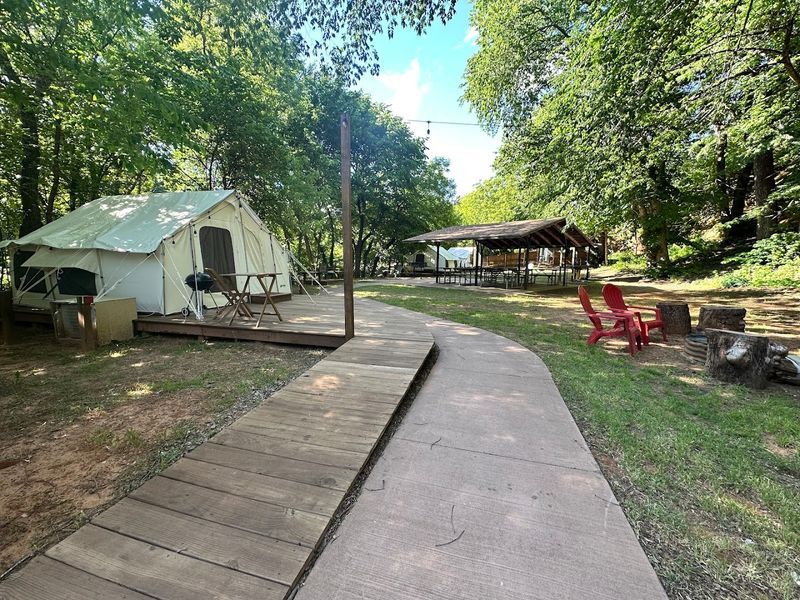
The campground offers a surprisingly wide range of overnight options, which means it works equally well for a solo hiker with a tent and a family pulling in with a large RV.
Standard sites come with electric and water hookups, and the park has two dump stations plus a pump-out service available on request. The sites are reasonably spaced, and spots near the end of the road tend to offer the most privacy.
RV campers should note that the road in and out is steep and winding, so take the approach seriously if you are driving something long.
For those who prefer not to haul gear, the glamping options are a real highlight. The park offers setups like the Happy Camper and the Terrace glamping tent, both of which come equipped for comfort and include access to a hot tub.
Making s’mores over a fire pit, watching the stars appear above the canyon walls, and waking up to birdsong in a red rock valley is exactly what these setups are designed for. The glamping tents book up quickly on weekends, so reserving ahead is strongly recommended if you want one of these spots.
The Coffee Shop and On-Site Amenities
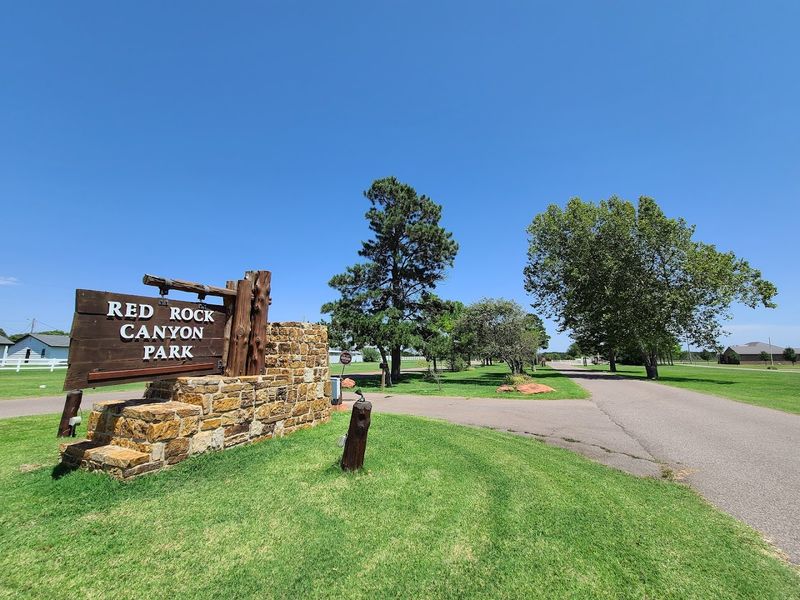
A campground with a coffee shop at the entrance is either a genius idea or a sign that the owners truly understand what campers need in the morning, and at Red Rock Canyon, it turns out to be both.
The little coffee house near the park entrance has become a favorite daily stop for visitors staying on-site. The staff working there are friendly and the drinks are well made, which is all you really need when you are about to hit a rocky canyon trail before 9 AM.
Beyond coffee, the park also has a public swimming pool, which is especially useful during Oklahoma summers when the heat settles in and even the shaded canyon trails start to feel warm. The pool requires a separate fee, but at seven dollars per person per day, it is a reasonable add-on for families with kids who need a cool-down option.
Clean bathrooms with hot water are available throughout the campground, and water spigots are placed conveniently around the sites, making dishwashing and general camp cleanup easy. The overall impression is of a park that has thought carefully about what visitors actually need, rather than just what looks good on a website.
Family Friendliness: Kids, Dogs, and Group Visits
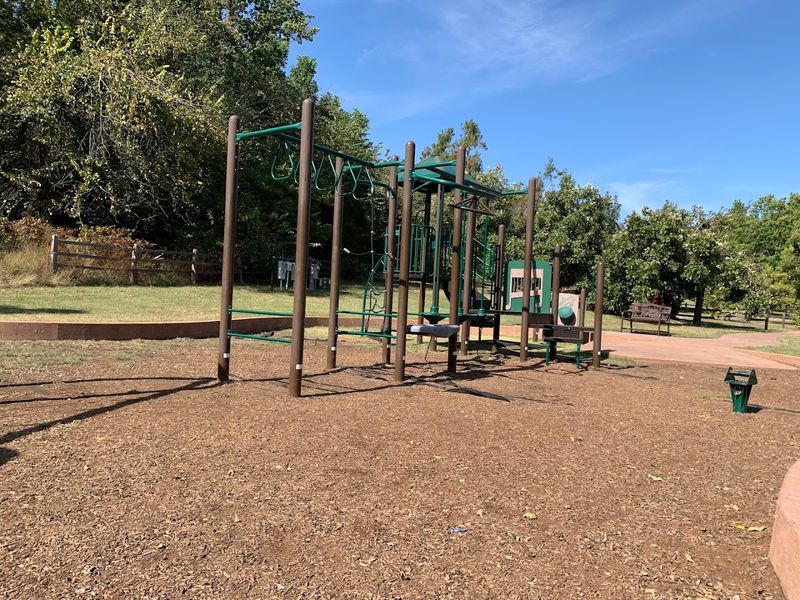
Families with kids and dog owners consistently rank among the happiest visitors at this park, and it is easy to see why once you are on the grounds.
Playgrounds are scattered through the campground, and children who are old enough to handle rocky terrain absolutely love the trails. The canyon itself has a natural adventure quality that keeps kids engaged without anyone having to manufacture excitement.
There is real terrain to explore, rocks to climb carefully, and wildlife to spot along the way.
Dogs are welcome throughout the park, and the canyon environment gives them plenty of sensory stimulation. The one caution for dog owners is goatheads, the spiky little burrs found in unpaved areas that can work their way into paws and cause discomfort.
Bringing dog booties or checking paws regularly on the trail is a smart move.
Groups of six or more traveling together in RVs have had great experiences here, with enough space between sites to maintain a sense of privacy even on busy weekends. The staff is known for going out of their way to accommodate last-minute arrivals and special requests, which makes the whole experience feel warm and genuinely welcoming rather than transactional.
The Owners and Staff: What Sets the Experience Apart
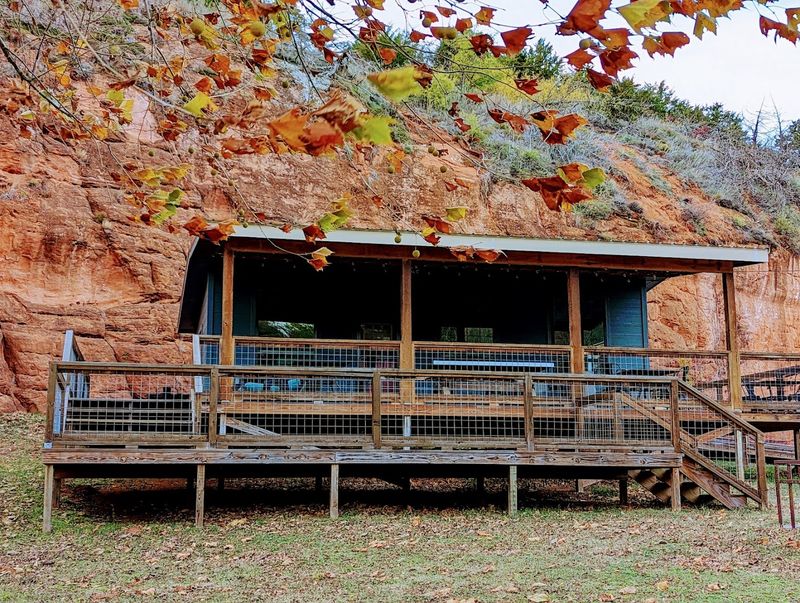
The people running this park are one of the most frequently mentioned highlights in visitor feedback, and after spending time here, that reputation makes complete sense.
The current owner took over what had become a neglected former state park and has spent two years rebuilding it with clear intention and personal investment. Chatting with him about the transformation is genuinely interesting.
He knows the property deeply and talks about it with the kind of enthusiasm that comes from someone who chose this project rather than just inherited it.
The front desk staff and trail attendants are consistently described as kind, helpful, and informative. Check-in runs smoothly, questions get real answers, and the overall atmosphere is one of a place that is proud of what it offers.
That combination of ownership vision and day-to-day staff warmth creates an experience that feels different from a corporate campground operation. You sense that the people here actually want you to have a good time, and they back that up with practical help rather than just friendly greetings.
It is the kind of detail that does not show up in photos but ends up being the thing you remember most after you leave.
Best Time to Visit and Seasonal Highlights
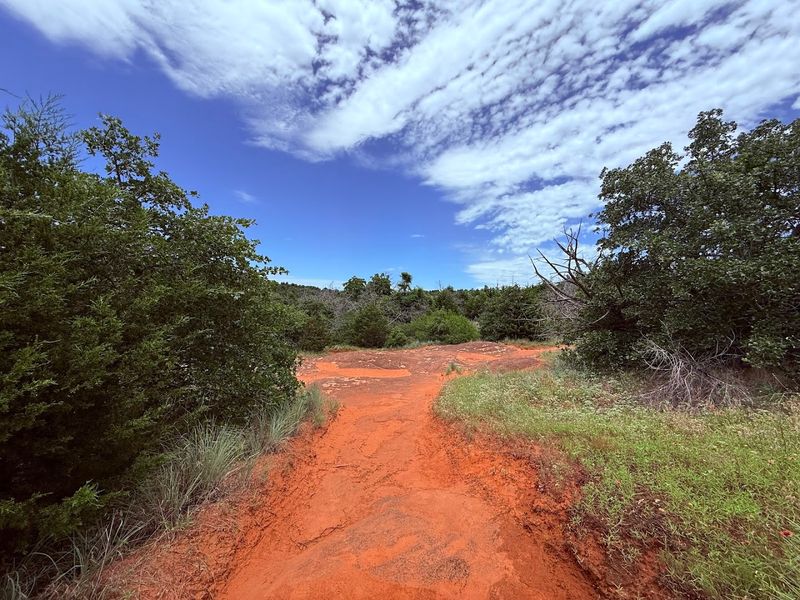
Red Rock Canyon has something to offer in every season, but the timing of your visit shapes the experience significantly.
Spring brings lush greenery to the canyon floor and mild temperatures that make hiking genuinely pleasant. The trails are at their most photogenic when the vegetation is full and the red walls contrast sharply with fresh green leaves.
Fall delivers a similar visual payoff, with warm colors added to the mix and cooler air that makes longer hikes comfortable.
Summer is the busiest season, and the canyon’s natural shade and the pool make the heat manageable, though weekends fill up fast. Reserving your campsite well in advance for summer weekends is not optional if you want a specific spot, especially for glamping tents.
Winter visits are quieter and surprisingly rewarding. One group who visited on Christmas Day described being blown away by the beauty and ended up extending their Oklahoma stay by an extra day just to spend a night in the canyon.
The stars in winter, with no humidity to blur them, are extraordinary.
Whatever time of year you go, arriving on a weekday gives you more space on the trails and a calmer overall atmosphere than the popular weekend crowds.
Practical Tips Before You Pack the Car
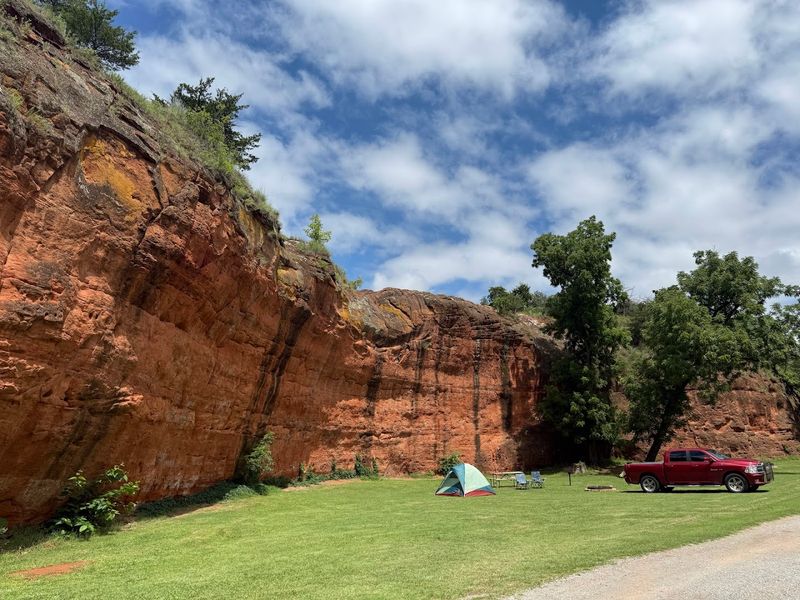
A few practical details can make the difference between a smooth trip and an avoidable headache, so here is what is worth knowing before you head out.
The park does not provide potable water at individual sites, so fill your tank before you leave your site or arrive with enough drinking water for your stay. The dump stations handle waste effectively, and the pump-out service is a convenient option for RV users who do not want to drive to the station.
Day passes run around ten dollars per person, which is fair for the access you get. Campsite fees start at around fifty dollars per night, and firewood bundles are sold on-site.
Pricing for extras like pool access and dump services adds up, so budgeting for a slightly higher total than the base rate is a smart approach.
Bring tick repellent and wear long pants on the trails, especially in warmer months. Poison ivy is present on some paths, so learning to identify it before you go is worthwhile.
The park is about an hour from the Oklahoma City metro, making it a realistic weekend trip without requiring a long travel day in either direction.
Why This Canyon Keeps Drawing People Back
Some places earn repeat visitors through novelty alone, but Red Rock Canyon keeps people coming back for a different reason entirely.
The combination of dramatic geology, genuine outdoor challenge, comfortable amenities, and a staff that actually cares creates an experience that is hard to replicate anywhere else in Oklahoma. You can come for a single day hike and leave satisfied, or spend five nights in a glamping tent and still feel like you did not see everything the canyon has to offer.
The history adds a layer that most campgrounds simply cannot match. Knowing that wagon trains passed through these exact walls on their way west gives every trail a sense of depth that goes beyond the physical terrain.
The park is still evolving. The owner is actively improving the property, and each season brings small upgrades that make the experience sharper.
That sense of momentum is part of what makes it exciting to return.
Whether you are a solo traveler with a dog and a daypack, a family looking for a real outdoor adventure, or a group of friends ready to test the canyon walls, this place delivers something specific and memorable. Red Rock Canyon is not trying to be everything.
It just does what it does exceptionally well.
Share this story