 Unearth The Voyage
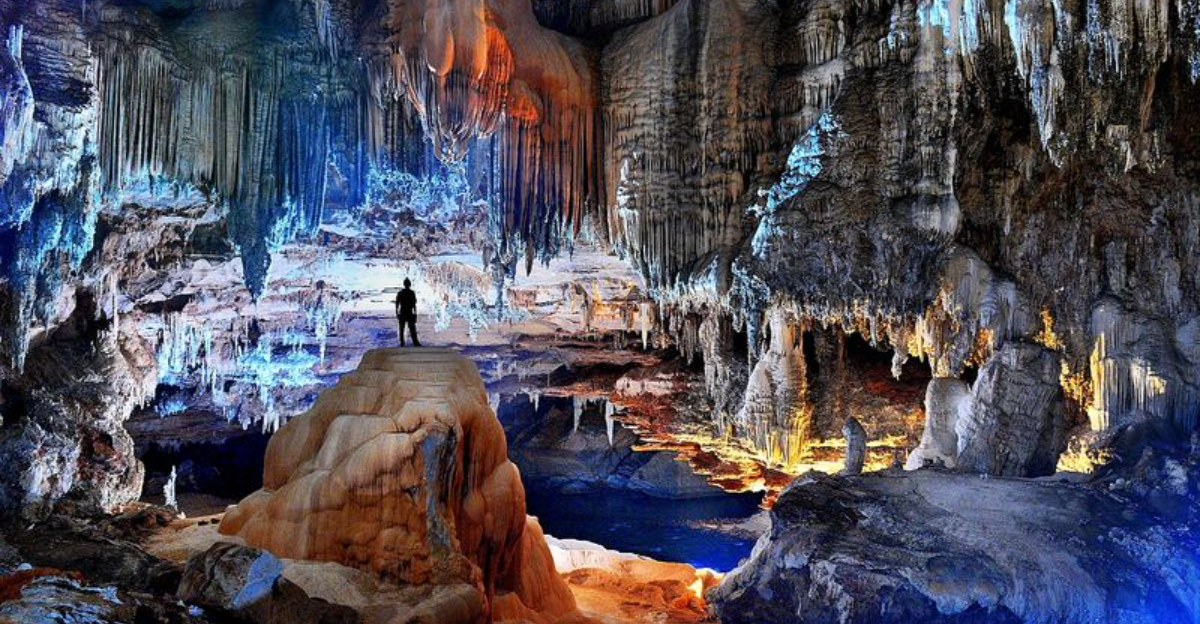
Brazil is famous for Rio de Janeiro, the Amazon, and Carnival, but the country hides dozens of jaw-dropping places that most travelers walk right past. I stumbled onto a few of these spots by accident, and each one left me wondering why nobody talks about them.
From river beaches that look like the Caribbean to cave systems big enough to swallow a city block, Brazil’s secret side is seriously impressive. This list covers 15 places that deserve a spot on every traveler’s radar.
Alter do Chão, Pará
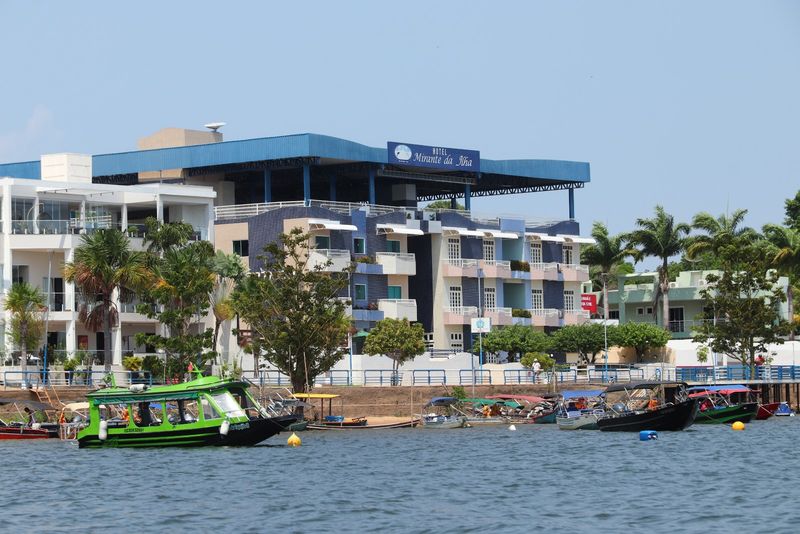
Nobody warned me that the Amazon had beaches this good. Alter do Chão sits on the Tapajós River, and every dry season, brilliant white sandbars rise from the water like a mirage.
The locals call it the “Caribbean of the Amazon,” and honestly, the nickname is earned.
The best time to visit is between July and November, when the sandbars are at their widest. You can rent a canoe, paddle between the islands, and have whole stretches of sand entirely to yourself.
Bigger Amazon hotspots like Manaus tend to steal the spotlight, leaving Alter do Chão wonderfully crowd-free.
The town itself is charming, with riverside restaurants serving fresh fish and cold beer. Getting there takes effort, which is exactly why it stays so unspoiled.
Book a pousada early during peak dry season because the secret is slowly getting out, and the good rooms go fast.
Vale do Catimbau, Pernambuco
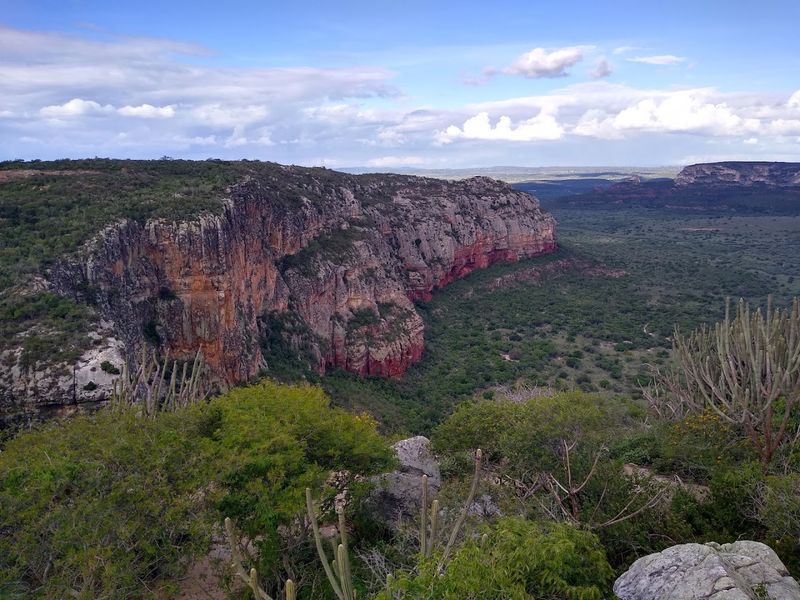
Brazil’s second-largest archaeological site sounds like it should be on every bucket list, yet most international travelers have never heard of it. Vale do Catimbau is packed with ancient cave paintings, towering sandstone formations, and canyons that look like they belong in the American Southwest.
The prehistoric art alone is worth the trip.
Researchers have found evidence of human activity here dating back thousands of years. Walking past rock walls covered in faded paintings gives you a genuinely eerie feeling, like you are reading someone’s diary from 10,000 years ago.
Hundreds of caves dot the park, and many still haven’t been fully explored.
The nearest town is Buique, which has basic guesthouses and local guides who know every hidden trail. Hiring a guide is strongly recommended because the park is large and signage is minimal.
This is raw, unpolished adventure travel at its absolute best, with almost no crowds to deal with.
Atins, Maranhão
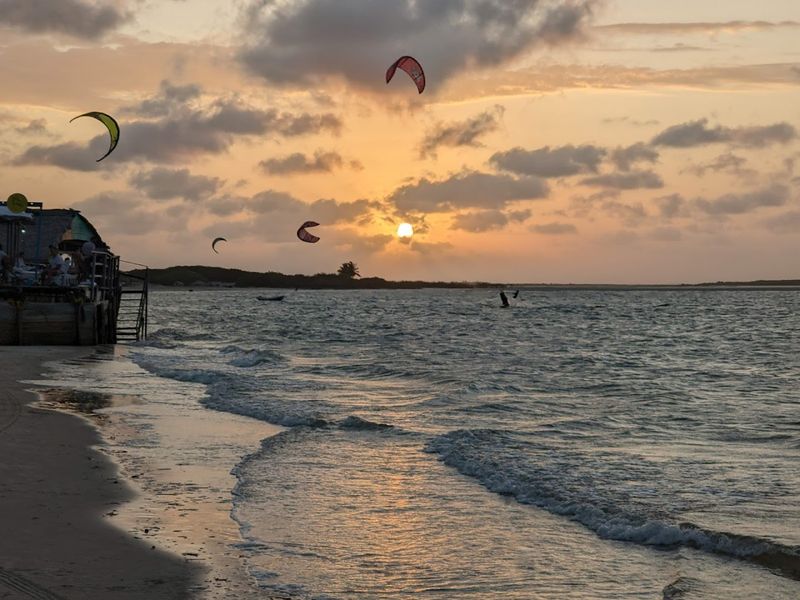
Getting to Atins is half the adventure. The village sits at the edge of Lençóis Maranhenses National Park, and the only way in involves a boat ride or a bumpy 4×4 journey across sand tracks.
No paved roads, no chain hotels, no tourist buses. Just sandy streets, fishing nets, and wind.
That wind is why kitesurfers love this place so much. The conditions are almost perfect for much of the year, and the flat lagoons behind the dunes make ideal spots for beginners.
Even if you have zero interest in kitesurfing, the dune lagoons nearby are stunning enough to justify the journey.
Accommodation is simple but genuinely cozy. Small guesthouses serve fresh seafood caught that morning, and the pace of life is delightfully slow.
Visit between June and September for the best lagoon water levels. Atins rewards travelers who are willing to work a little harder to find something real.
São Miguel das Missões, Rio Grande do Sul
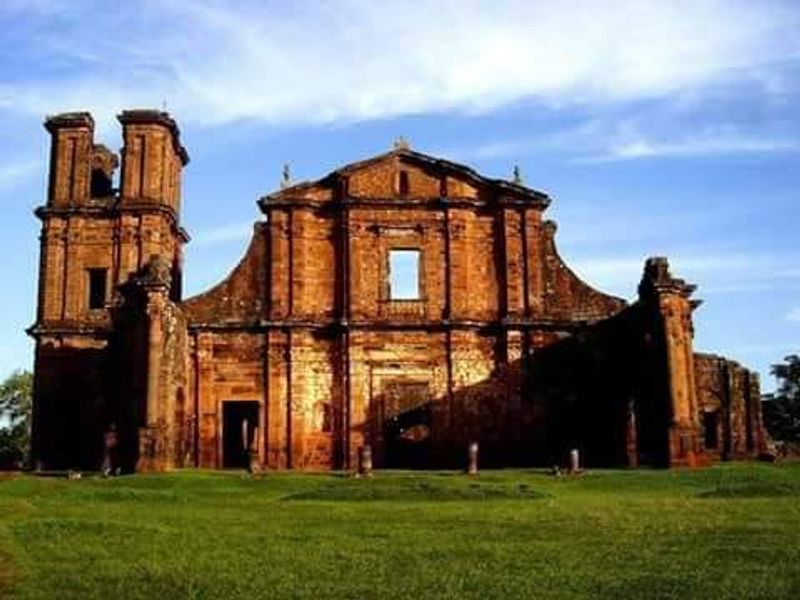
Few ruins in South America carry as much quiet weight as São Miguel das Missões. Built in the 17th century by Jesuit missionaries and Guaraní communities working side by side, the complex was once a thriving town of thousands.
Today, the red sandstone walls stand in dignified silence, slowly being reclaimed by the surrounding grasslands.
The UNESCO World Heritage site doesn’t get the foot traffic it deserves, which means you can often explore the grounds with barely another soul around. A sound and light show runs at night, projecting the mission’s history onto the ruins.
It’s genuinely moving, and not in a cheesy tourist-trap way.
The region around São Miguel is classic southern Brazilian countryside, with rolling hills and cattle farms stretching in every direction. Combine the ruins with a stay at a nearby estância for a well-rounded trip.
This is history you can feel, not just read about on a plaque.
Jalapão State Park, Tocantins
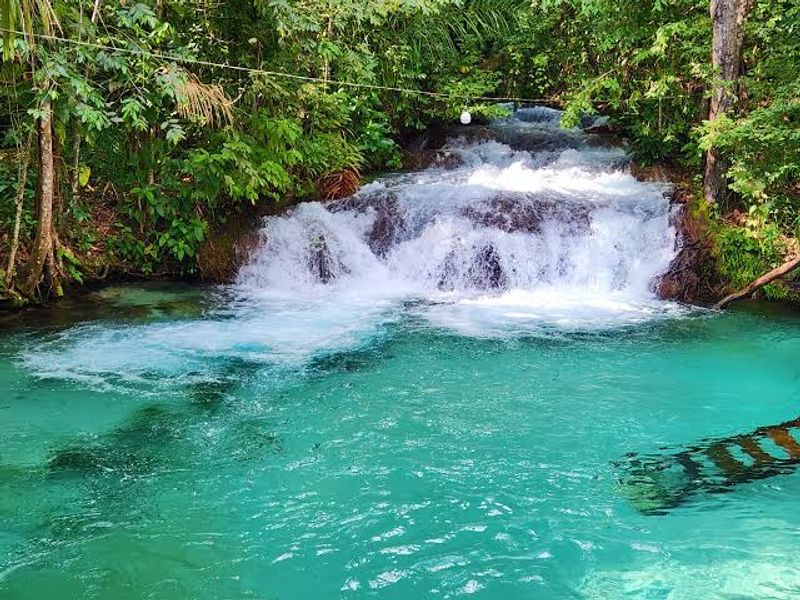
Jalapão operates by its own rules. The sand here is genuinely orange, the springs are so clear they look digitally enhanced, and the natural pools called fervedouros push water upward with enough pressure to keep you floating without effort.
I had heard about it for years before going, and it still managed to surprise me.
The park sits in the Cerrado, Brazil’s vast central savanna, far from the coastal tourist trail. Getting there requires a proper 4×4 vehicle and ideally a local guide who knows where the roads turn into sand traps.
The dry season from May to September is the window for visiting.
Beyond the fervedouros, Jalapão has golden waterfalls, sweeping dune fields, and rivers lined with buriti palms. The isolation is part of the appeal.
Tour operators in the town of Mateiros run multi-day expeditions that cover the highlights without leaving you stranded in the middle of the savanna.
Terra Ronca State Park, Goiás
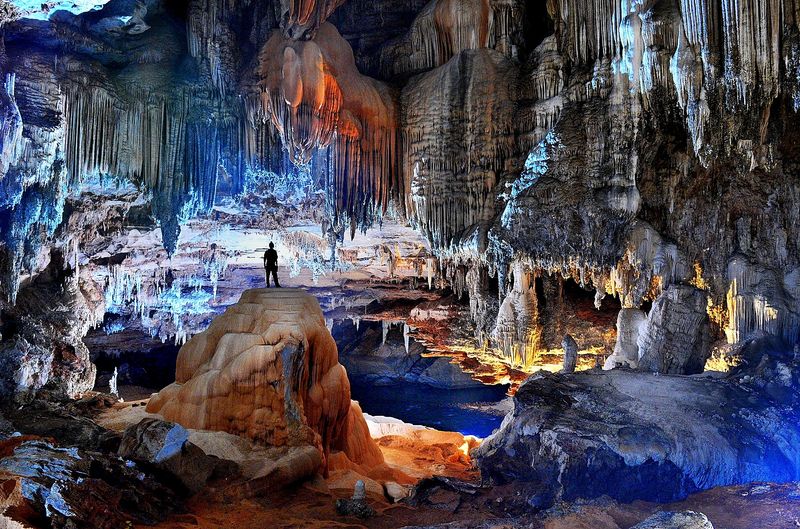
Terra Ronca’s cave entrances are so massive they have their own weather. Standing at the mouth of one of these caverns, you feel the temperature drop and a breeze push past you from somewhere deep underground.
Brazil has bigger tourist attractions, but few this theatrically impressive.
The park contains one of the country’s highest concentrations of caves, with underground rivers, towering limestone columns, and chambers large enough to fit several buildings inside. Guided tours are required for most caves, which helps protect the formations and keeps visitor numbers manageable.
That means no crowds, which is a genuine luxury.
The surrounding landscape is beautiful Cerrado savanna, and the park sits close to the Chapada dos Veadeiros region, making a combined trip very practical. Visit between April and October when the dry season makes cave exploration easier and safer.
Bring a headlamp regardless, because even the guided sections get seriously dark in places.
Serra da Canastra, Minas Gerais
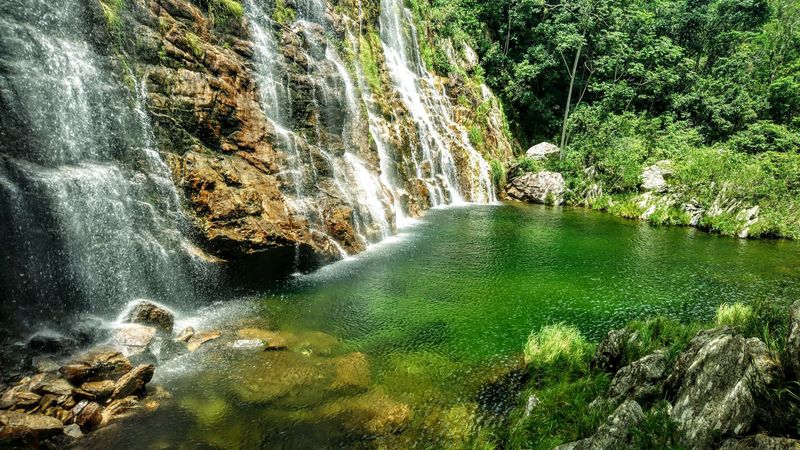
Serra da Canastra is the rare national park where the food is as famous as the scenery. The region produces Canastra cheese, a sharp, crumbly wheel of goodness that Brazilians take very seriously.
Buying a wedge directly from a local farm and eating it while staring at a waterfall is, objectively, a perfect afternoon.
Beyond the cheese, the park has some seriously dramatic landscapes. The São Francisco River begins here as a modest stream before heading off to become one of Brazil’s great waterways.
Waterfalls plunge off the plateau edge, and the rugged terrain supports one of the country’s densest populations of giant anteaters.
Wildlife watching is excellent, especially in the early morning when maned wolves and anteaters are most active. The park is best explored with a local guide who knows the back trails.
Visitor numbers here are a fraction of what you find at more famous parks, which makes every sighting feel genuinely special.
Praia do Patacho, Alagoas
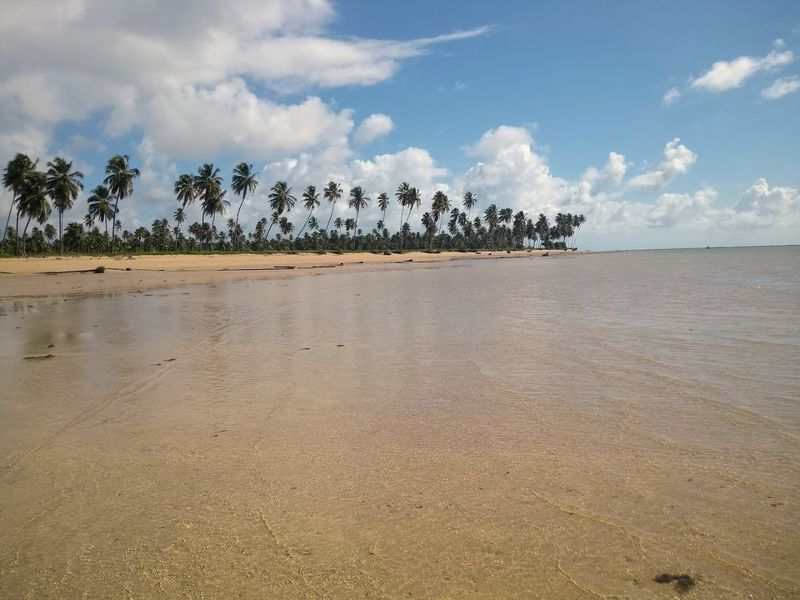
Brazil has roughly 7,000 kilometers of coastline, so finding a quiet beach should be easy. Somehow it isn’t, which makes Praia do Patacho feel like a small miracle.
The natural pools here are so calm and clear that snorkeling without fins is perfectly practical. The reef does all the work, keeping the water flat and the fish plentiful.
The beach sits near the town of Porto de Pedras, which is small enough to still feel like a real community rather than a resort town. Coconut palms lean over the sand at dramatic angles, and the only sounds are waves and wind.
No jet skis, no beach vendors every ten meters, no thumping speakers.
Accommodation options are limited but charming, mostly small pousadas run by local families. The seafood is outstanding and cheap.
Visit outside Brazilian school holidays to keep things extra peaceful. Patacho is the kind of beach you tell exactly one trusted friend about and nobody else.
Chapada dos Veadeiros, Goiás
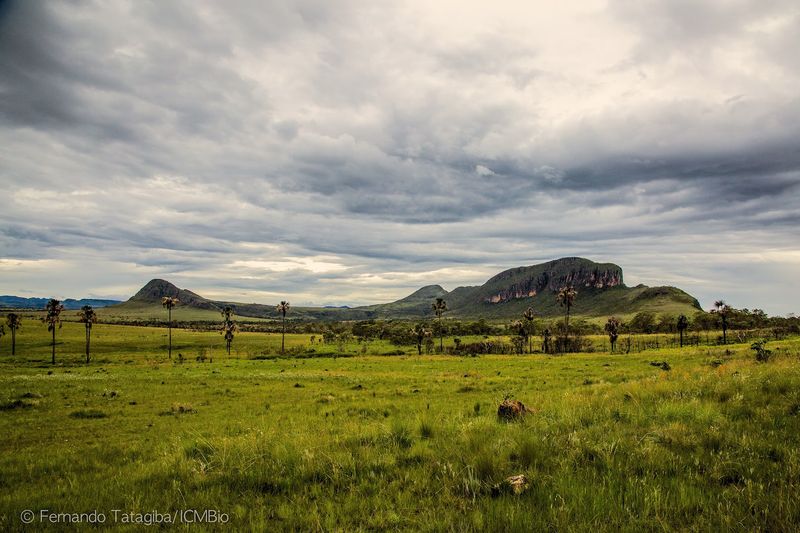
Chapada dos Veadeiros sits on one of the largest quartz crystal deposits on Earth, and locals will tell you the ground practically hums with energy. Whether or not you believe in crystal power, the landscape is undeniably extraordinary.
Waterfalls crash into crystal-clear pools, and the hiking trails wind through some of the most ancient terrain on the continent.
The park holds UNESCO World Heritage status, yet international visitors remain surprisingly rare. Most guests are Brazilian nature lovers who return year after year.
The base town of Alto Paraíso de Goiás has a laid-back, slightly mystical vibe with good vegetarian restaurants and yoga studios alongside the trail maps and gear shops.
The best waterfalls require proper hikes, so bring decent footwear and plenty of water. The dry season from May to September offers the clearest skies and most accessible trails.
Go in the wet season if you want the waterfalls at full roaring power, just pack waterproof gear.
Gruta de Maquiné, Minas Gerais
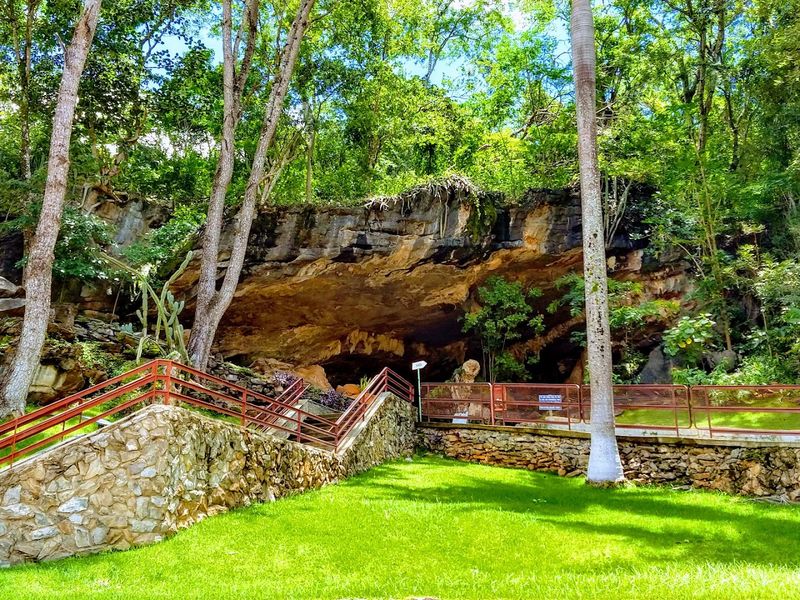
Discovered in 1825 by a naturalist following local tips, Gruta de Maquiné turned out to be one of Brazil’s most spectacular cave systems. The chambers here are enormous, with limestone formations that took millions of years to grow into their current shapes.
A few of them look uncannily like cathedral organs, which is either beautiful or unsettling depending on your mood.
Well-maintained walkways guide visitors through the main sections, and the lighting is done thoughtfully enough to highlight the formations without making the place feel like a theme park. Guided tours run regularly and take about an hour, which is long enough to appreciate the scale without destroying your knees on slippery rock.
The cave sits in the Velhas River valley, not far from the colonial town of Cordisburgo. Combining a cave visit with a stop in the town makes for a satisfying day trip from Belo Horizonte.
Admission is affordable, and the guides genuinely know their geology.
Ilha do Cardoso, São Paulo
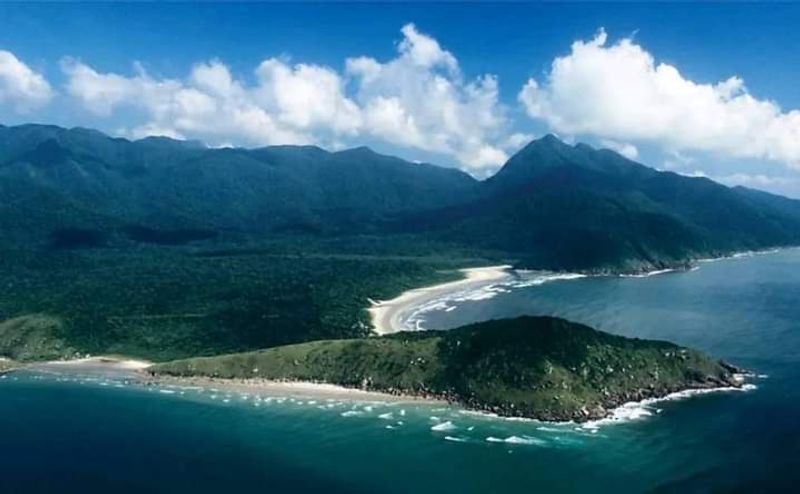
Most people hear “São Paulo” and think of skyscrapers and traffic, not pristine rainforest islands. Ilha do Cardoso sits at the southern end of the São Paulo coast and operates as a state park, which means development is tightly controlled.
The result is a place that looks roughly the way Brazil’s coast looked before mass tourism arrived.
The island has no cars, no paved roads, and no chain anything. Small traditional fishing communities called caiçaras have lived here for generations, and their knowledge of the local environment is remarkable.
A few families rent out simple rooms and cook meals using whatever was caught that morning.
Getting there involves a short ferry from the town of Cananéia. Trails wind through Atlantic rainforest that is genuinely thick and alive with birds.
The beaches are long, deserted, and backed by forest rather than condominiums. For travelers who want Brazil’s coast the way nature intended it, this island delivers completely.
Ouro Preto, Minas Gerais
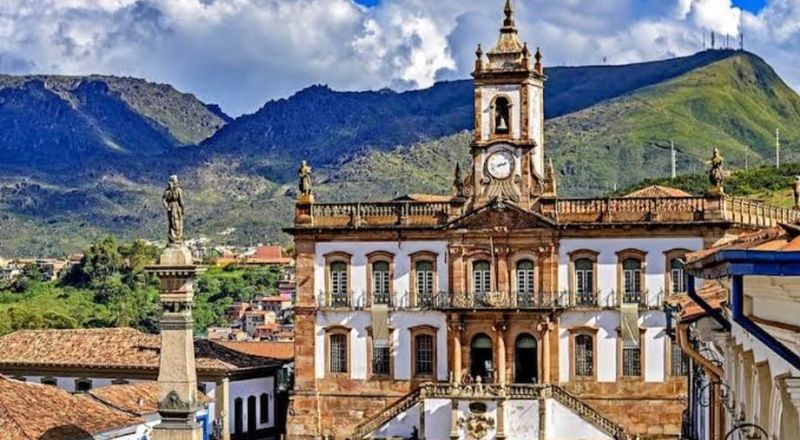
Ouro Preto translates to “black gold,” named after the oxidized gold that made this town fabulously wealthy in the 18th century. The money built churches that would look at home in Portugal or Rome, and the town has barely changed since.
Walking the steep cobblestone streets with a pastel de queijo in hand feels genuinely like stepping into another century.
The Baroque architecture here is some of the finest in the Americas. Churches like São Francisco de Assis feature carved soapstone facades that took master sculptors years to complete.
The work of Aleijadinho, Brazil’s most celebrated colonial artist, appears throughout the town in various states of breathtaking detail.
International tourists tend to skip Ouro Preto in favor of Rio, which is their loss and your gain. The town gets busy during Carnival but stays manageable most of the year.
Stay at least two nights to do it justice, and hire a local guide who can explain the history behind the ornate facades.
Paraty, Rio de Janeiro
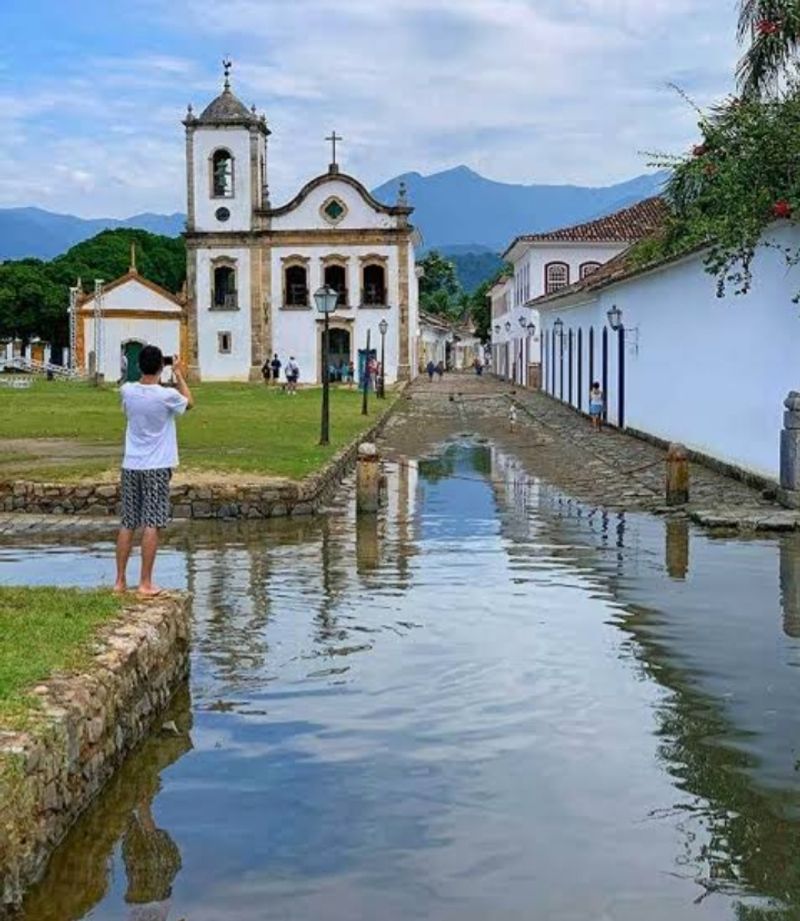
Paraty has a party trick: at high tide, the sea floods the historic center’s cobblestone streets. Locals just carry on as normal, stepping around the water or wading through it with practiced ease.
The first time you see this, it feels like a glitch in reality. The second time, you find it completely charming.
The town sits between the Serra da Bocaina mountains and Baía de Paraty, a bay dotted with dozens of islands. Boat trips to secluded beaches are easy to organize, and the surrounding Atlantic Forest offers serious hiking for those willing to break a sweat.
The colonial architecture in the car-free historic center is beautifully preserved.
Paraty also hosts a famous literary festival called FLIP every year, drawing writers and readers from across the world. The food and cachaça scene is excellent too.
Many travelers rush past on the way between Rio and São Paulo, which is a mistake worth correcting on your next trip to Brazil.
Lapa Terra Ronca Cave, Goiás
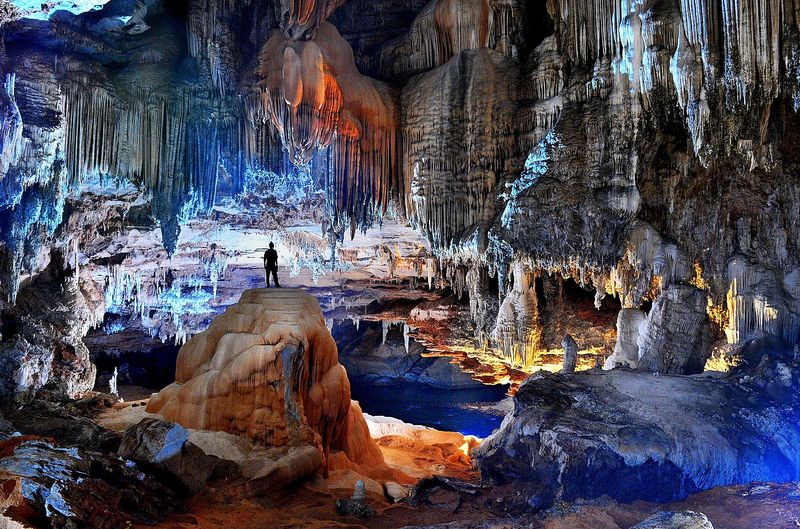
Lapa Terra Ronca earns its reputation as one of central Brazil’s geological showstoppers. The entrance alone is staggering, a cathedral-sized opening in the cliff face that frames the darkness beyond like a natural stage curtain.
Local legend says the cave roars during heavy rains, which is how the whole Terra Ronca area got its name.
Inside, the chambers are vast enough to hold religious pilgrimages, and they actually do every August when thousands of Catholic pilgrims enter the cave for a festival that blends faith with geology in a completely unique way. Outside of the festival season, the cave is quiet and the guided tours are unhurried.
The cave system connects to underground rivers and opens into multiple chambers, each with its own character and formations. Proper footwear is essential because the floor is uneven and occasionally slippery.
Guides from the nearby community are knowledgeable and passionate about the cave’s history. This is one of those places that makes you feel genuinely small in the best possible way.
São João del-Rei, Minas Gerais
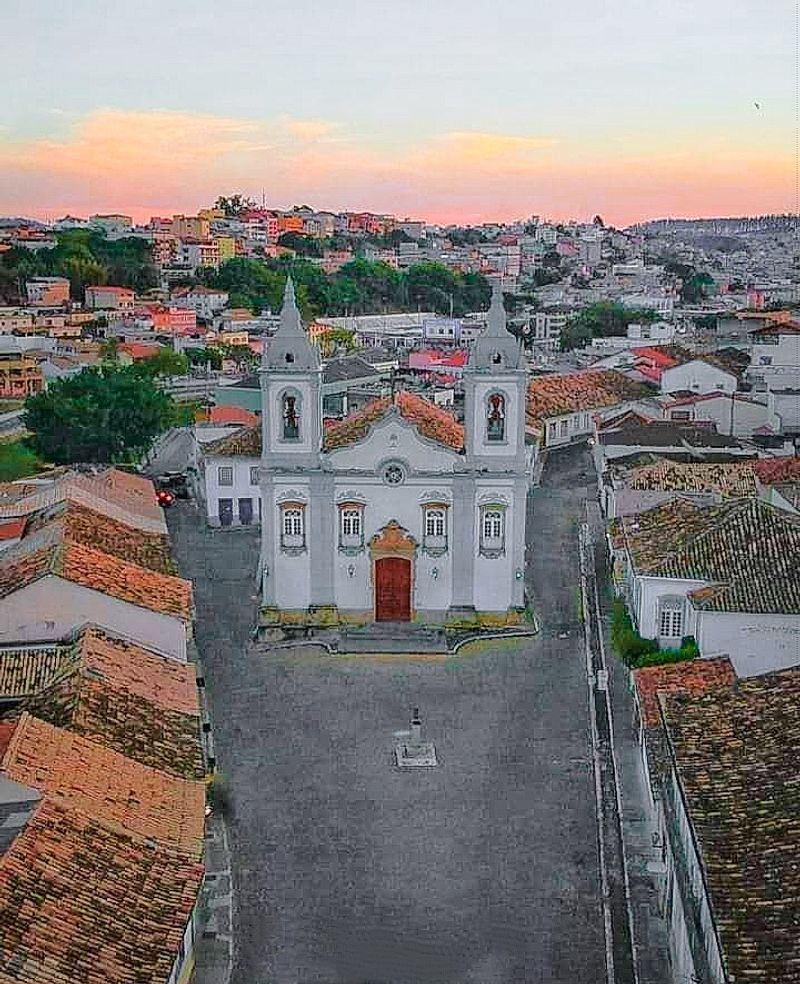
São João del-Rei moves at a pace that feels almost defiant in the modern world. The steam train that connects it to the neighboring town of Tiradentes has been running since 1881 and still operates on weekends using original 19th-century locomotives.
Riding it is not a tourist gimmick but a functioning piece of living history.
The town played a significant role in Brazil’s independence movement, and the streets are lined with handsome colonial buildings and churches that carry genuine historical weight. The Baroque church of São Francisco de Assis here rivals the one in Ouro Preto for sheer ornamental ambition.
São João del-Rei is also known for its pewterwork, and local workshops have been producing handcrafted pieces for generations. The town receives a fraction of the visitors that Ouro Preto attracts, which keeps prices lower and the atmosphere more authentic.
Combine it with a day trip to Tiradentes for one of the most rewarding colonial weekends in all of Brazil.



