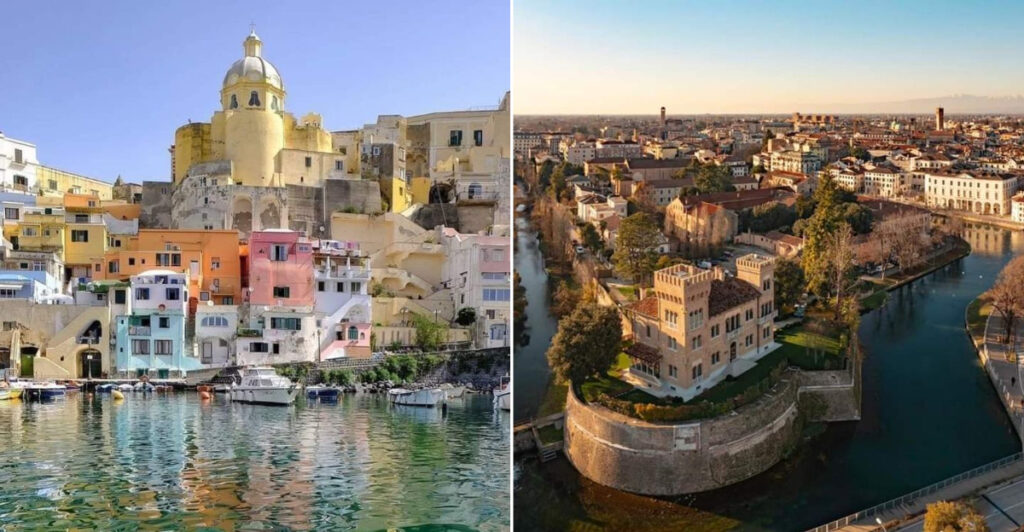
Most people visit Italy and head straight for the big names, but the country has so much more hiding beyond the famous postcards. I spent weeks exploring corners of Italy that rarely make it onto the average travel itinerary, and honestly, some of them left me speechless.
From cave cities carved into cliffsides to pastel fishing villages that look like candy boxes, these places prove that Italy’s best-kept secrets are worth every detour. Pack your bags and get ready to see a side of Italy that most tourists completely miss.
Procida, Campania
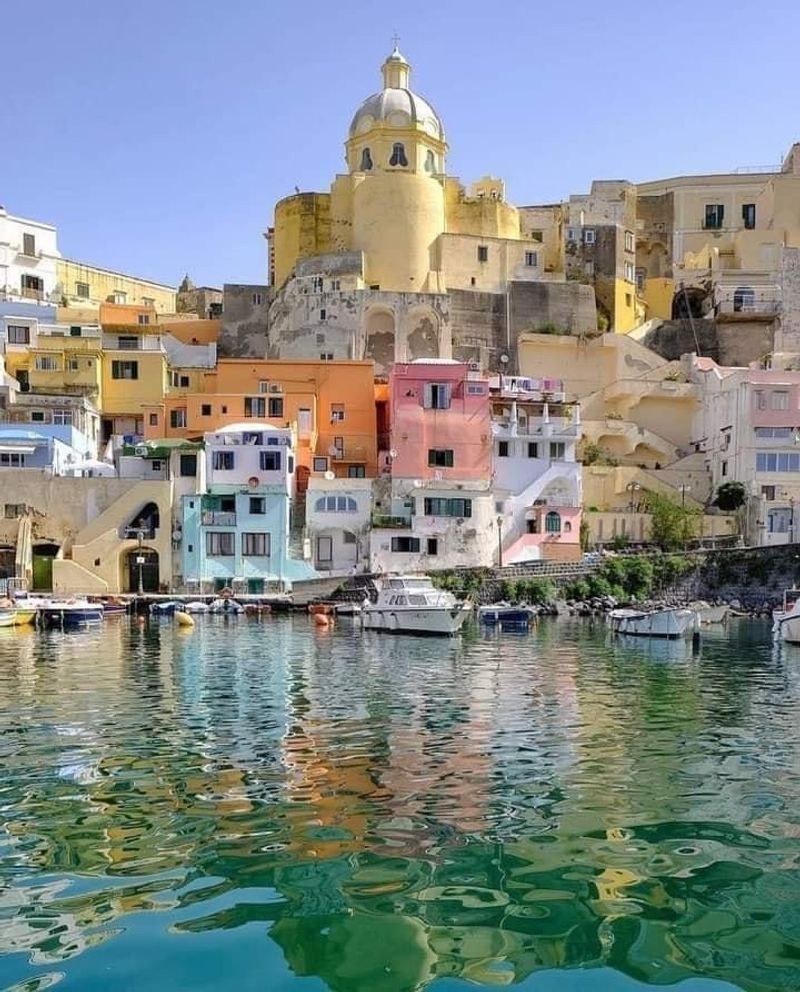
Procida is proof that the best things come in small packages. As the smallest island in the Bay of Naples, it punches well above its weight in charm, color, and personality.
The famous Marina Corricella is a stack of pastel houses in pink, yellow, blue, and peach that rise above the harbor like a living watercolor painting.
Unlike Capri, nobody here is trying to sell you a designer handbag every five steps. The island feels genuinely lived-in, with fishing nets drying on walls and locals going about their day at a wonderfully unhurried pace.
Climb up to Terra Murata for sweeping sea views that will make your jaw drop.
Small beaches, narrow lanes, and that slow southern Italian rhythm make Procida the kind of place you plan to visit for a day and end up staying three. It is coastal charm without the tourist circus.
Matera, Basilicata
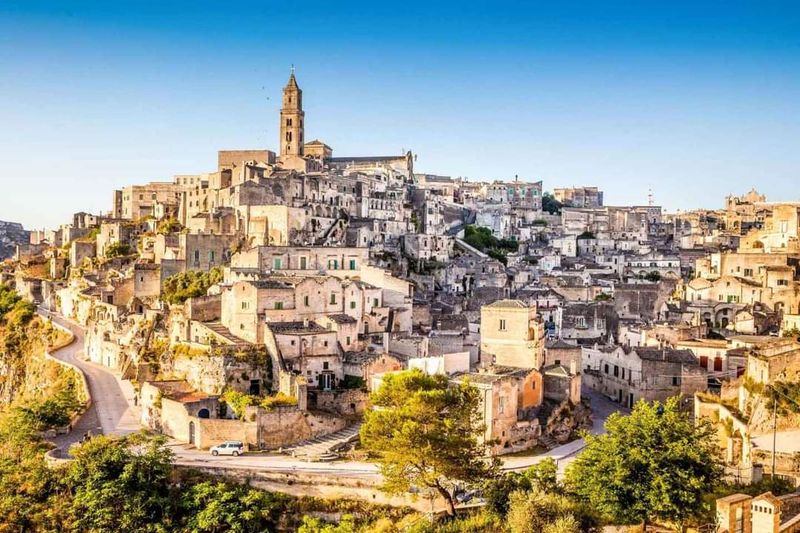
Matera does not look like a city. It looks like something a civilization carved directly into the earth and then forgot to tell the rest of the world about.
The ancient Sassi districts are a maze of cave homes, rock-cut churches, stone stairways, and viewpoints that glow gold and amber at sunset.
Walking through the Sassi feels less like sightseeing and more like time travel without a return ticket. The architecture is raw and dramatic in a way that polished tourist towns simply cannot replicate.
I turned a corner expecting another alley and found a cave church with frescoes still clinging to the walls.
Matera is a UNESCO World Heritage Site and was a European Capital of Culture, yet it still flies under the radar for many travelers. History lovers, photographers, and anyone who wants a powerful, unforgettable experience will find Matera absolutely worth the journey south.
Orvieto, Umbria
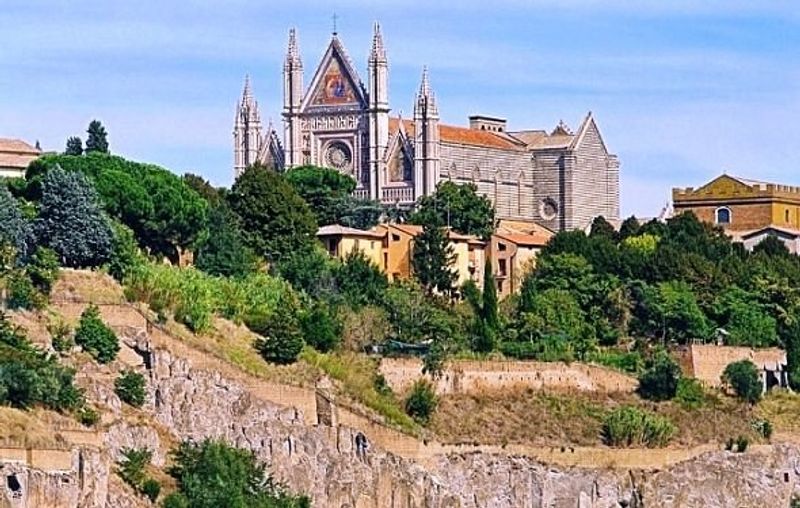
Perched on a dramatic volcanic plateau, Orvieto has one of the most jaw-dropping entrances of any hill town in Italy. The cathedral alone is worth the trip.
Its striped facade, golden mosaics, and Gothic detailing make it look less like a church and more like someone turned a medieval manuscript into a building.
What surprises most visitors is what lies beneath the city. Orvieto sits on a honeycomb of underground tunnels, caves, ancient wells, and storage chambers that locals used for centuries.
The underground tour is genuinely fascinating and makes Orvieto a two-for-one destination without even trying.
The city also produces excellent white wine, has walkable streets free from major tourist gridlock, and offers that specific kind of calm that busy Italian cities rarely deliver. Orvieto works beautifully as a day trip or an overnight stop, and either way, it tends to become a favorite very quickly.
Civita di Bagnoregio, Lazio
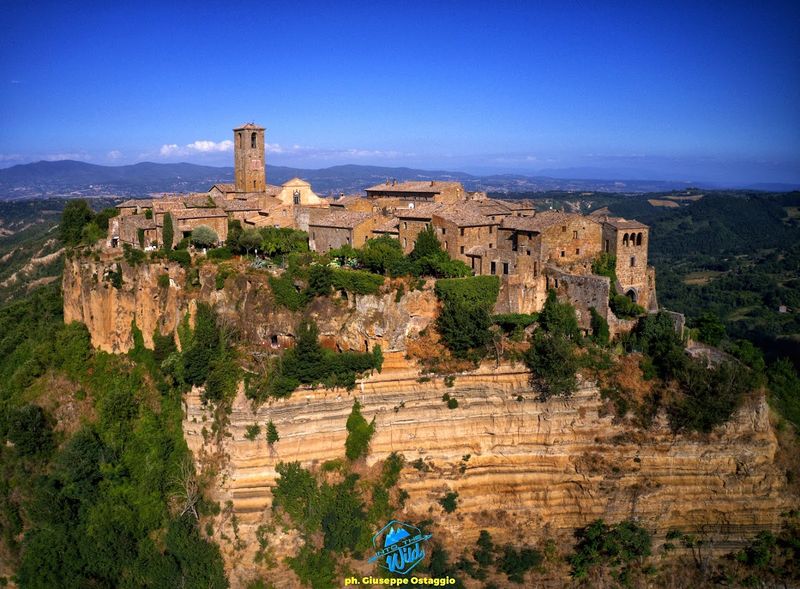
Called “the dying city” for the erosion slowly eating away at its clifftop foundations, Civita di Bagnoregio is one of the most surreal-looking places in all of Italy. You reach it by crossing a long pedestrian bridge over a valley that looks like it belongs in a fantasy novel.
The village at the top has only a handful of permanent residents and no cars whatsoever.
There is no long checklist of museums to tick off here. The appeal is entirely the atmosphere: stone archways, quiet lanes, valley views, and the strange feeling of stepping into a medieval world that time almost forgot.
I visited on a quiet Tuesday morning and had whole streets entirely to myself.
Because Civita has grown more popular recently, arriving early or late in the afternoon is genuinely the best strategy. Even during busier periods, it still feels wonderfully removed from the standard Italy itinerary.
Ravenna, Emilia-Romagna
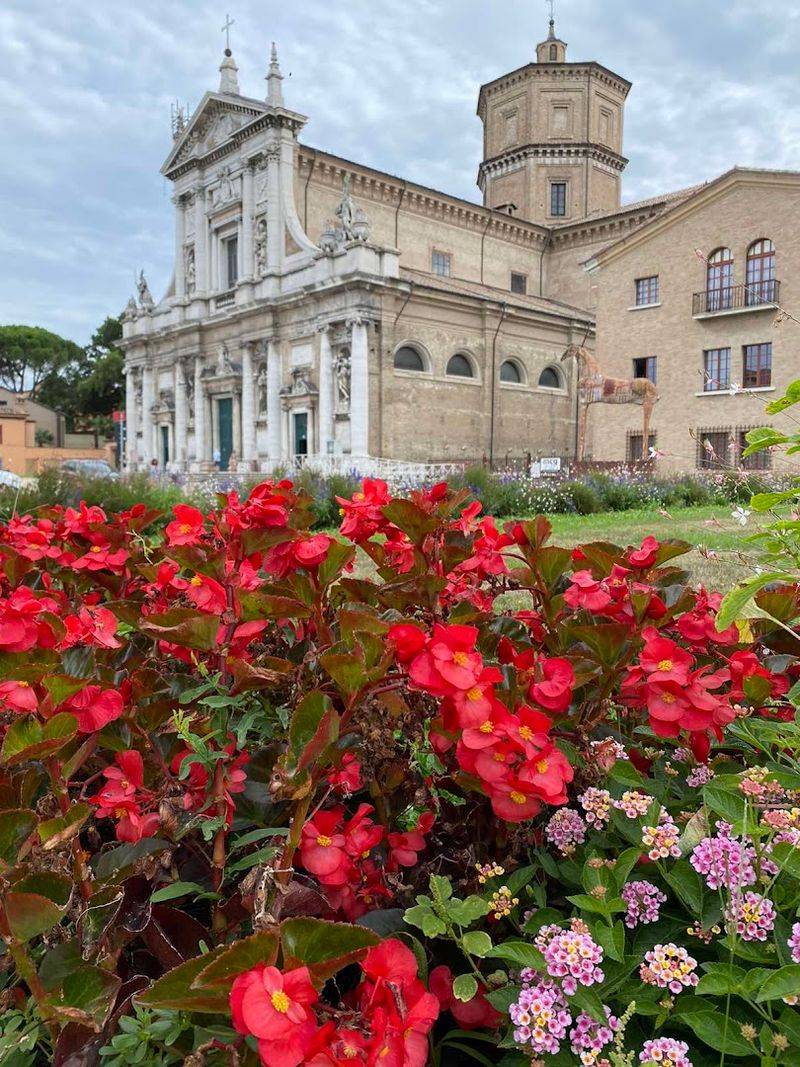
Ravenna has eight UNESCO World Heritage Sites and still somehow gets overlooked in favor of cities with flashier reputations. That is almost criminal, because the mosaics inside Ravenna’s churches are among the most extraordinary artworks in Europe, full stop.
Gold, blue, and green tiles cover entire walls and ceilings in scenes of almost impossible detail.
The Mausoleum of Galla Placidia alone is worth a trip from anywhere in Italy. Step inside on a sunny day and the light through the alabaster windows turns the interior into something otherworldly.
Ravenna also has the bonus of being genuinely manageable in size, without the overwhelming crowds of Florence or Venice.
Art history lovers will feel like they have found a secret treasure chest. For everyone else, Ravenna is a pleasant, walkable city with great food and a relaxed pace.
It is the kind of place that rewards slow exploration far more than a rushed afternoon.
Urbino, Marche
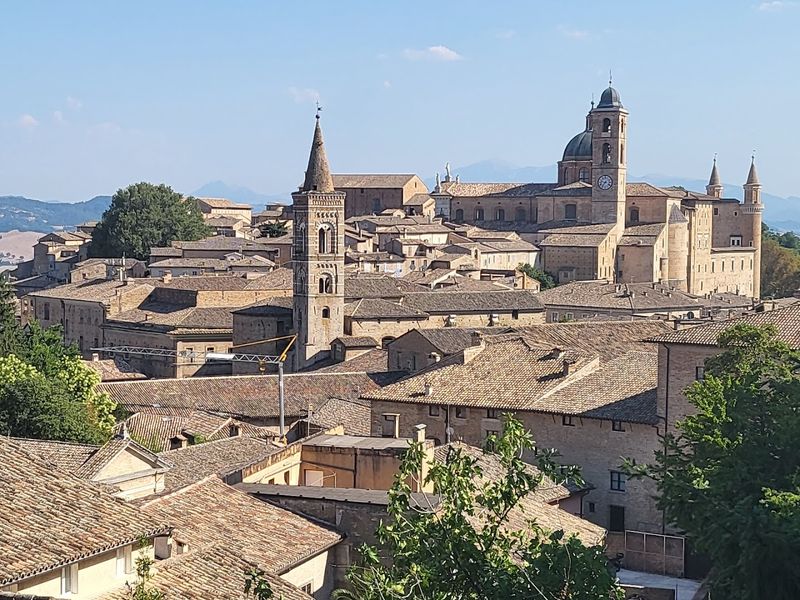
Urbino is a Renaissance hill town that feels like it was designed by someone who really cared about getting things right. The historic center is a UNESCO World Heritage Site, and the whole place has a refined, scholarly atmosphere that sets it apart from louder tourist destinations.
Its most famous son, the painter Raphael, was born here, which tells you something about the cultural pedigree of this town.
The Palazzo Ducale is the headline attraction, a grand ducal palace filled with Renaissance art and architecture that genuinely earns its reputation. But Urbino is also just a pleasure to walk through.
Streets climb and curve through honey-colored stone buildings, and views over the Marche countryside appear around unexpected corners.
The town has a university, so there is a lively local energy that keeps it from feeling like a museum piece. Urbino gives you Renaissance beauty without the feeling that you are just moving through a stage set for tourists.
Lecce, Puglia
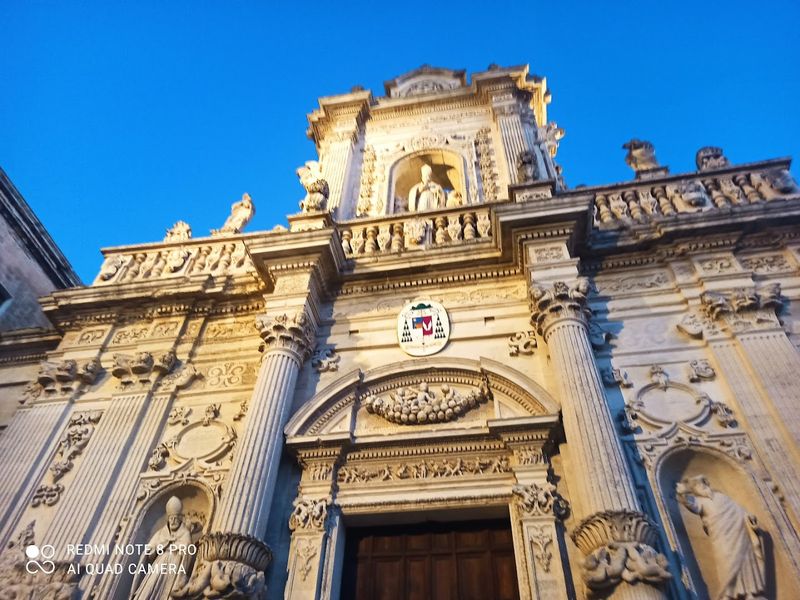
Lecce has been called the Florence of the South, but honestly, that nickname sells it short. The city has a personality that is entirely its own, built in a warm golden limestone that practically glows in the late afternoon sun.
The Baroque architecture here is so over-the-top ornate that every facade looks like a stone wedding cake.
The Basilica of Santa Croce is the showpiece, covered in carvings of animals, saints, and swirling decorative details that took over a century to complete. Around it, the cathedral square, the Roman amphitheater hidden in a piazza, and endless carved balconies make Lecce a city that rewards wandering without any plan at all.
Beyond the architecture, Lecce is a brilliant base for exploring the Salento region, which stretches south toward some of Puglia’s best coastline. The food is excellent, the pace is lively but relaxed, and the city feels authentically southern Italian in the best possible way.
Mantua, Lombardy
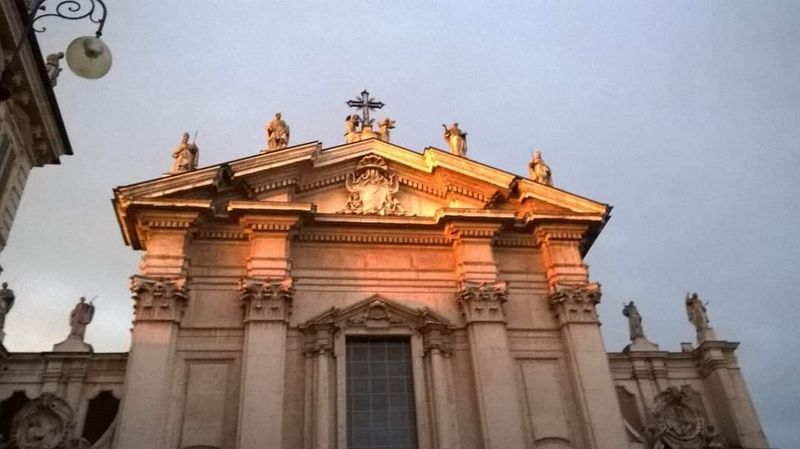
Mantua is surrounded by lakes on three sides, which gives it a misty, romantic quality that feels completely different from the landlocked cities nearby. Despite being one of the great Renaissance cities of northern Italy, it consistently gets overshadowed by Verona and Milan, which means you can actually enjoy it without fighting through tour groups every five minutes.
The Gonzaga family ruled Mantua for centuries and left behind a city full of grand palaces, elegant arcades, and decorative excess on a truly impressive scale. The Palazzo Ducale is a sprawling complex of rooms, gardens, and courtyards, and the famous Camera degli Sposi room alone is worth the visit.
Mantua also has a wonderful piazza system that makes it very easy to explore on foot.
Lakeside walks, excellent local food, and a compact historic center that never feels overwhelming round out the experience. Mantua is a city that rewards travelers who slow down and pay attention.
Treviso, Veneto
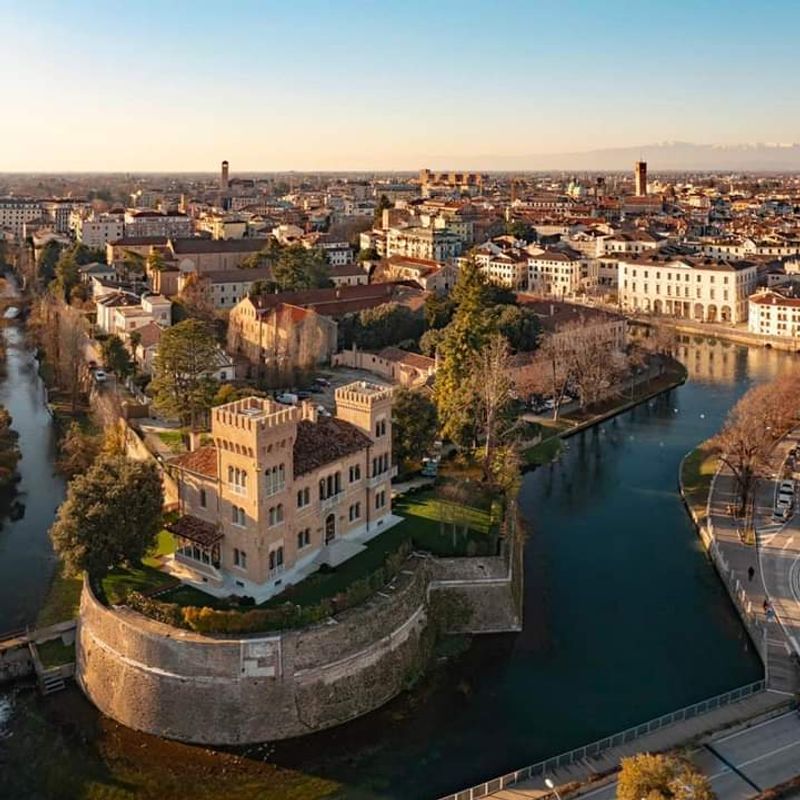
Poor Treviso. It sits just 30 kilometers from Venice and gets treated like a budget airport stopover rather than a destination in its own right.
That is a genuine shame, because Treviso has canals, frescoed buildings, arcaded streets, and a historic center that is genuinely lovely without the shoulder-to-shoulder crowds of its famous neighbor.
The Buranelli Canal is the city’s most photographed corner, a narrow waterway lined with colorful buildings that looks like Venice dialed down to a calmer frequency. But the charm is spread throughout the whole historic center.
Wandering here feels like discovering a Venetian city that nobody thought to put on the map.
Treviso is also the birthplace of tiramisu, which is either a fun fact or the most important thing you have read today, depending on your priorities. The food scene is excellent, the pace is relaxed, and the city makes a smart base for exploring the wider Veneto region beyond the obvious stops.
Trieste and Miramare Castle, Friuli Venezia Giulia
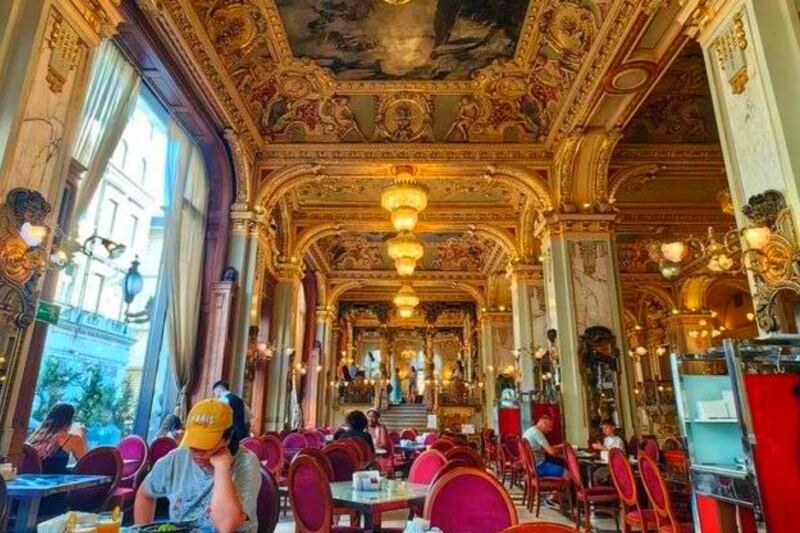
Trieste feels like Italy forgot to fully claim it. The city has wide Austro-Hungarian boulevards, grand coffee houses with literary histories, sea views over the Gulf of Trieste, and a borderland identity shaped by Italian, Austrian, and Slovenian influences all at once.
It is one of the most atmospheric cities in the country and one of the least visited by international tourists.
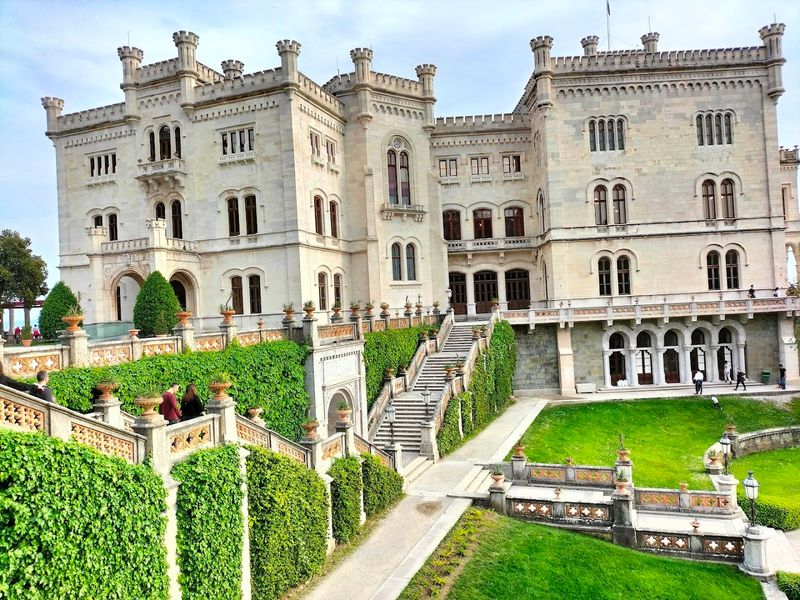
Just outside the city sits Miramare Castle, a white neo-Gothic palace perched on a rocky headland above the Adriatic. It was built for Archduke Maximilian of Austria in the 1850s, and its combination of romantic architecture, sea views, and surrounding gardens makes it one of the most striking coastal sights in northern Italy.
Together, Trieste and Miramare make for a genuinely distinctive Italian experience. Coffee culture, literary cafes, Central European architecture, and a coastline that does not look like anywhere else in Italy.
This is Italy for people who like to go off-script.
Ferrara, Emilia-Romagna
Ferrara has a secret weapon: almost nobody cycles in Italian city centers, but in Ferrara, almost everybody does. The wide streets, flat terrain, and extensive historic center make it one of the best cities in Italy to explore by bike, and the local cycling culture gives it an easygoing, unhurried personality that is genuinely infectious.
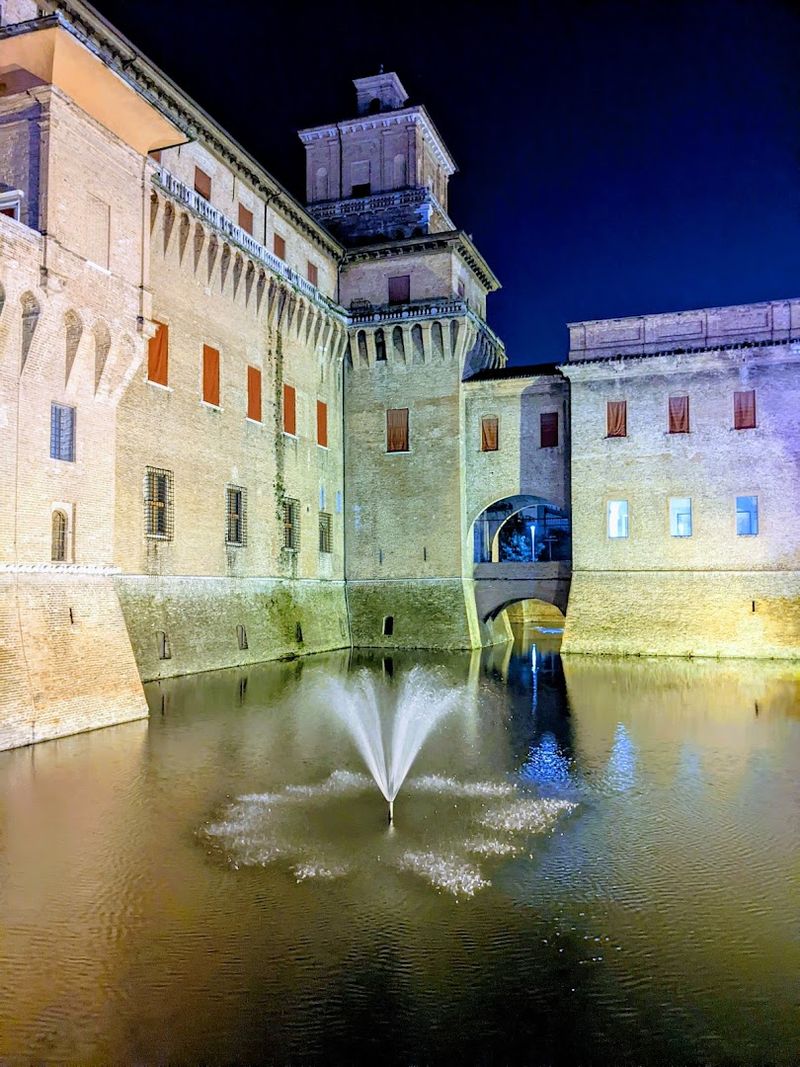
The Este Castle sits dramatically in the center of town, a massive medieval fortress complete with towers and a moat that still has water in it. Beyond the castle, Ferrara has elegant brick palaces, quiet medieval streets, and a city wall that you can actually walk and cycle along for several kilometers.
As a food destination, Ferrara holds its own in a region already famous for eating well. Cappellacci di zucca, a pumpkin-filled pasta, is the local specialty and absolutely worth ordering.
Ferrara is the kind of city that makes you wonder why you did not come sooner.
Gubbio, Umbria
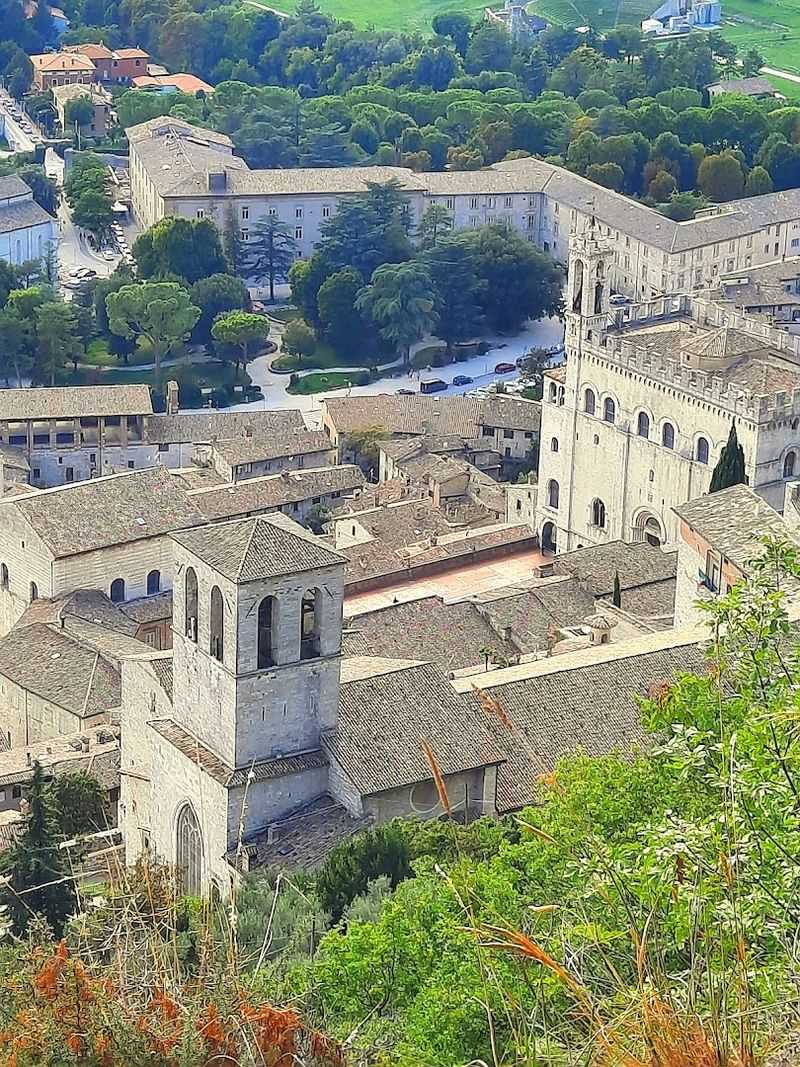
Gubbio is the Umbrian hill town that skipped the charm school and went straight to drama school instead. Built on the steep slopes of Mount Ingino, it has a rugged, muscular quality that feels completely different from softer hill towns in the region.
The stone streets climb steeply, the medieval buildings loom over narrow lanes, and the views that open up as you ascend are genuinely spectacular.
Piazza Grande is the architectural showpiece, a massive medieval square that seems to float above the hillside on stone supports. The Palazzo dei Consoli anchors one end with impressive authority.
There is also a Roman Theatre at the base of the town, remarkably well preserved and still used for performances during summer.
For a full Gubbio experience, take the open-cage funicular up to the Basilica of Sant’Ubaldo near the summit. The views from up there make the slightly terrifying ride absolutely worthwhile.
Gubbio rewards visitors who are not afraid of a hill.
Alberobello, Puglia
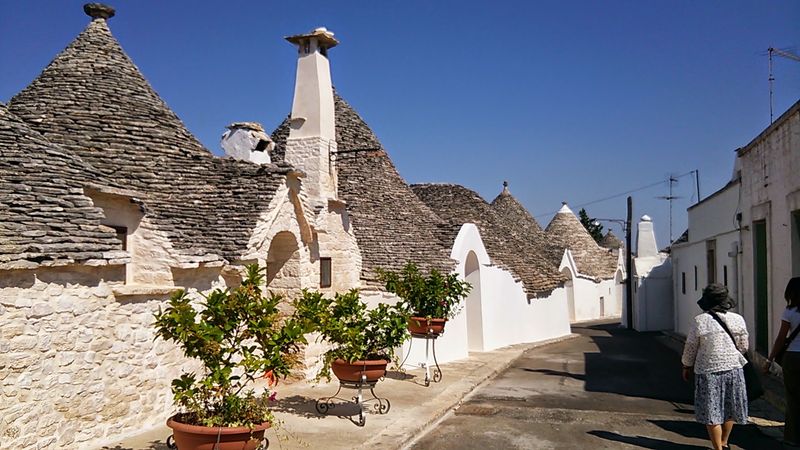
There is nowhere else in Italy that looks like Alberobello, and honestly, nowhere else in the world either. The trulli are whitewashed stone houses with conical roofs that look like someone shrunk a fantasy village and dropped it into the Puglia countryside.
The UNESCO-listed districts cover a hillside with hundreds of these structures clustered together in a scene that takes a moment to process as real.
The Rione Monti district is the most famous and the busiest, packed with trulli converted into shops and restaurants. For something quieter and more atmospheric, the Aia Piccola district just across the road has residential trulli that give a better sense of how distinctive this architecture truly is.
Alberobello pairs brilliantly with nearby towns in the Itria Valley, including Locorotondo, Cisternino, and Martina Franca. A day spent moving between these towns on a road trip through the valley is one of the most enjoyable things you can do in Puglia.
The trulli are the headline, but the whole region delivers.
Parma, Emilia-Romagna
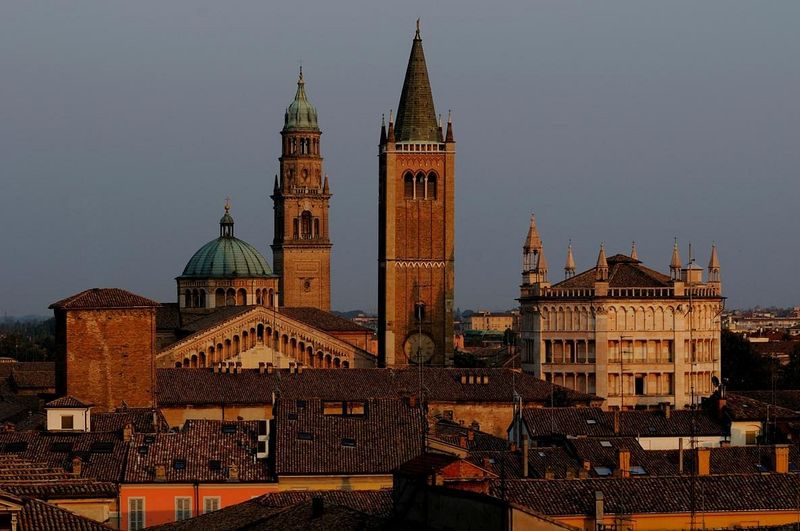
Parma might be the most underestimated city in Emilia-Romagna, which is saying something in a region already packed with excellent destinations. Most people know it through Parmigiano Reggiano and prosciutto di Parma, but treating Parma as just a food label rather than a real destination is a serious travel mistake.
The city has a graceful, unhurried quality that rewards slow wandering. The pink marble baptistery next to the cathedral is one of the finest Romanesque buildings in Italy.
The Teatro Regio opera house has been one of Italy’s great musical venues for over two centuries. Museums, palaces, and elegant streets fill in the gaps between excellent meals.
Parma also works well as a base for exploring the surrounding food region, including visits to Parmigiano producers and prosciutto aging facilities that offer tours. Culture and cuisine here are not competing priorities.
They run side by side through every street and every meal, which makes Parma one of the most satisfying Italian cities to spend real time in.
Cremona, Lombardy
Cremona is the kind of city that has one truly extraordinary claim to fame and absolutely leans into it. The city has been making the world’s finest violins for over 450 years, and the tradition of lutherie here is so significant that UNESCO recognized it as an Intangible Cultural Heritage.
Stradivari, Guarneri, and Amati all worked on these streets.
The Museo del Violino is the best place to start, with instruments dating back centuries displayed alongside the science and craft behind their creation. But the real experience is walking through the historic center and finding active luthier workshops where you can watch craftspeople still building instruments by hand using centuries-old methods.
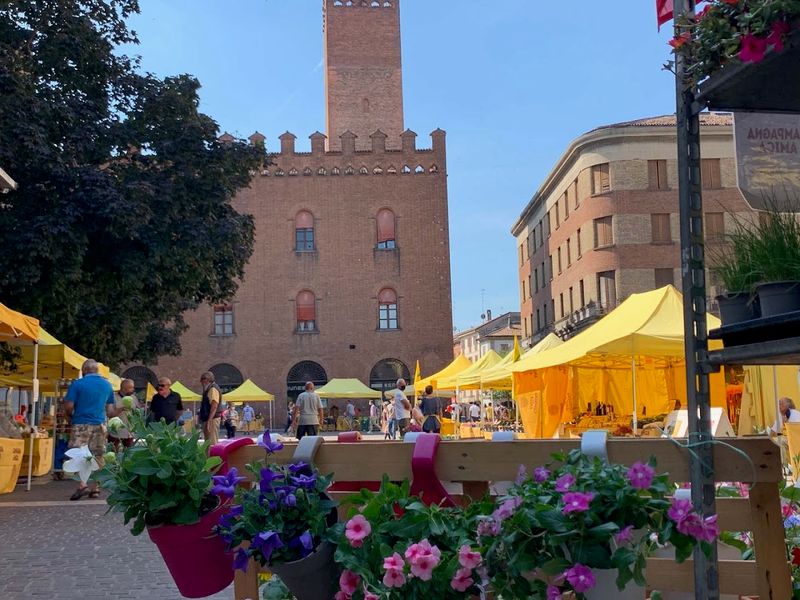
Beyond the violins, Cremona has a beautiful cathedral square, a towering medieval bell tower called the Torrazzo, and a relaxed pace that makes a day or weekend visit genuinely enjoyable. Cremona proves that the most memorable places are not always the loudest ones on the map.
Share this story