The Balkans are one of those rare corners of Europe where history, nature, and culture collide in the most spectacular ways. Yet somehow, most travelers still fly straight to Paris or Rome without giving this region a second glance.
That is a serious mistake worth fixing. From ancient monasteries perched on cliffs to turquoise lakes that look almost too perfect to be real, the Balkans are packed with places that will genuinely blow your mind.
Lake Ohrid, North Macedonia
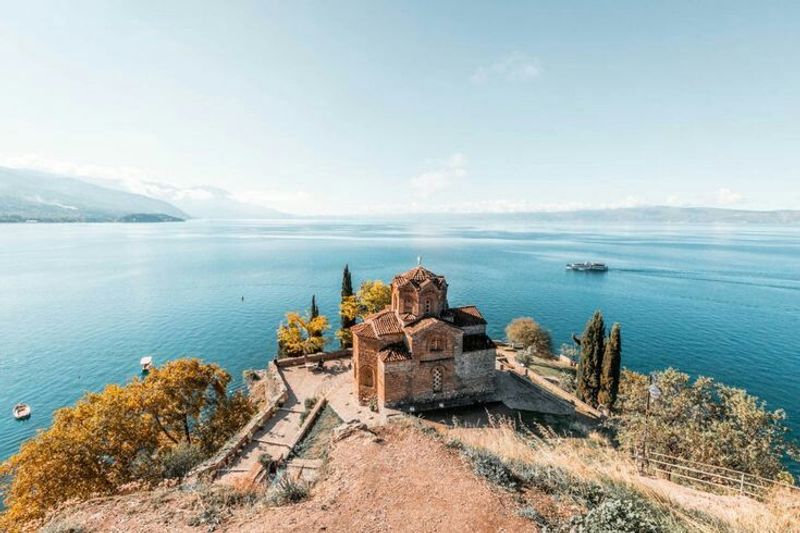
One of the oldest lakes in the world, Lake Ohrid has been quietly dazzling visitors for over three million years. That is older than most mountain ranges.
It sits on the border between North Macedonia and Albania, cradling a UNESCO-listed town on its eastern shore.
The water here is so clear you can see straight to the bottom in the shallows. Local fishermen still use traditional methods passed down for generations.
I spent an afternoon on a wooden boat watching the sun turn the water gold, and I genuinely forgot what stress felt like.
The old town of Ohrid is full of medieval churches, Byzantine frescoes, and cobblestone streets. Church of St. John at Kaneo sits right on a cliff above the water and is probably the most photographed spot in the country.
Budget travelers will love how affordable everything is here compared to Western Europe.
Kotor Old Town, Montenegro
Kotor is the kind of place that makes you feel like you accidentally walked into a movie set. The old town is completely enclosed by medieval walls that snake up the mountain behind it like a stone serpent.
Those walls stretch for over four kilometers.
Inside, the streets are a maze of Venetian architecture, tiny squares, and cats. Hundreds of cats.
Kotor is actually famous for its cats, which have been living here since ancient sailors brought them aboard ships centuries ago. There is even a cat museum tucked inside the old town.
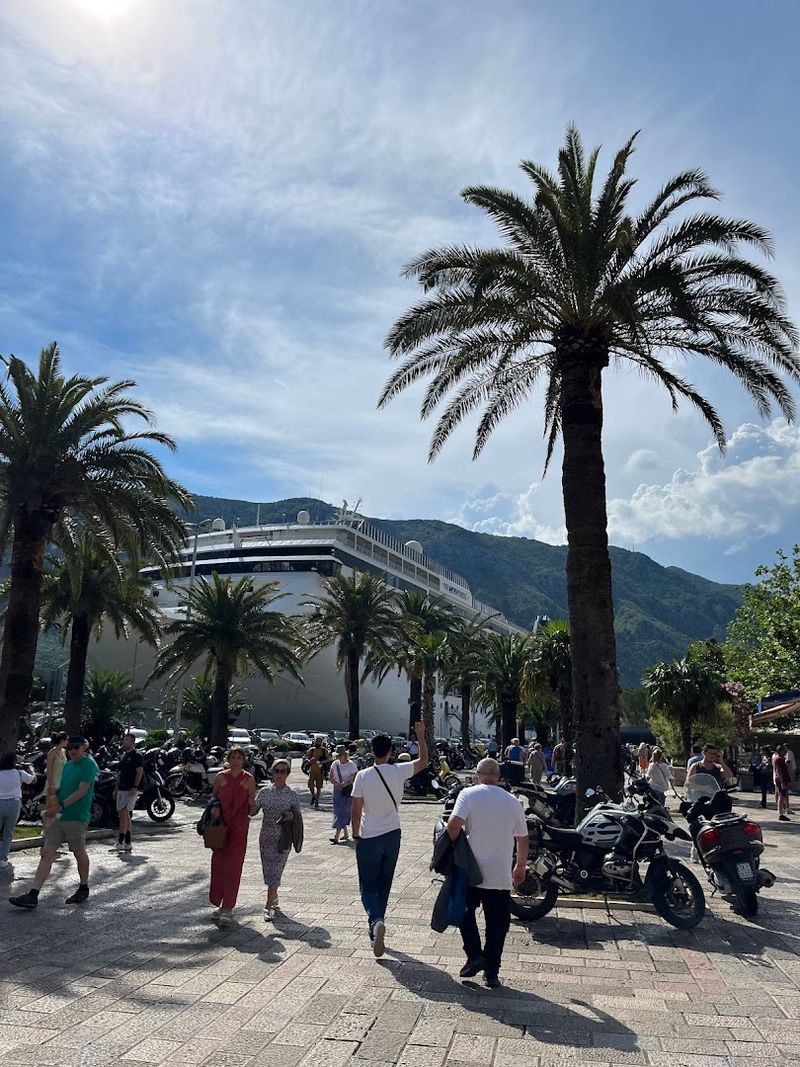
The Bay of Kotor surrounds everything with dramatic mountain scenery that genuinely earns the nickname “Southern Europe’s fjord.” Climb the fortress walls early in the morning before the cruise ship crowds arrive. The views from the top are worth every step of the 1,350 stairs.
Bring water. Trust me on that one.
Mostar, Bosnia and Herzegovina
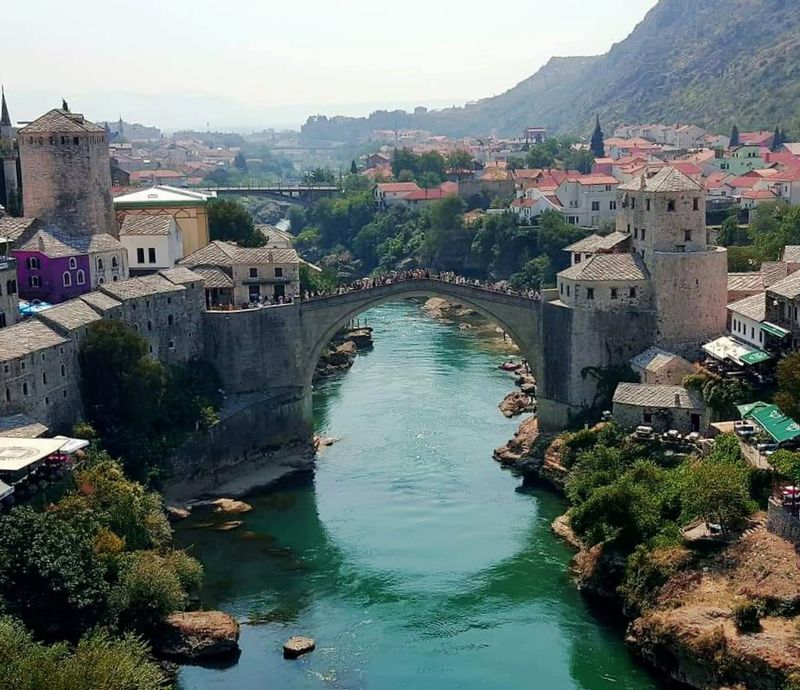
The name Mostar literally comes from the word for bridge keeper, which tells you everything about how important Stari Most is to this city. The 16th-century Ottoman bridge arches over the emerald-green Neretva River with an elegance that has survived wars, rebuilding, and millions of tourist selfies.
Every summer, local divers leap from the bridge as part of a tradition that goes back centuries. Watching someone plunge 21 meters into the river while tourists gasp from the sides is genuinely thrilling.
You can even take a diving course and try it yourself if you are feeling brave.
Beyond the bridge, Mostar is full of copper workshops, Turkish-style bazaars, and excellent grilled meat. The east side of the city has a distinctly Ottoman character, while the west side feels more Central European.
That blend of cultures is what makes Mostar one of the most layered and fascinating cities in the Balkans.
Berat, Albania
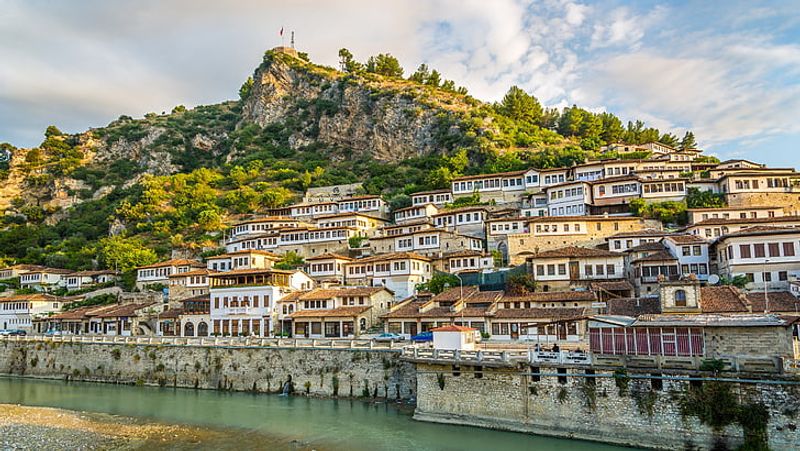
Berat has a nickname that does all the heavy lifting: the City of a Thousand Windows. The Ottoman-era houses here are stacked so tightly on the hillside that their enormous windows seem to stare down at the river below like rows of wide-open eyes.
It is genuinely one of the most visually striking towns in all of Europe.
The castle district at the top of the hill is still a living neighborhood, not just a ruin. People actually live up there.
Walking through it feels less like a tourist attraction and more like stumbling into someone’s very ancient backyard.
Berat is also wine country. The Cobo Winery sits just outside town and produces some seriously underrated Albanian red wine.
The city gets far fewer tourists than it deserves, which means shorter lines, cheaper prices, and more genuine interactions with locals. Albania as a whole is one of the great travel bargains left in Europe right now.
Durmitor National Park, Montenegro
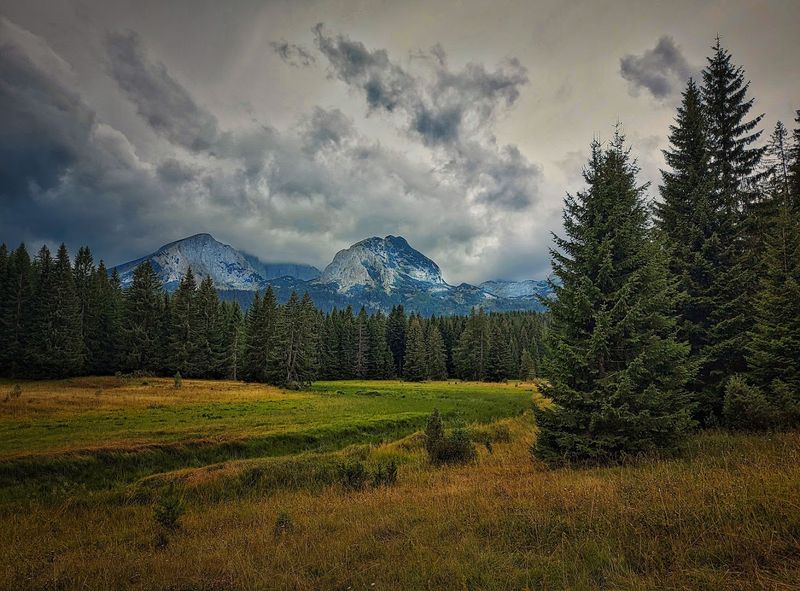
Montenegro packs an almost unreasonable amount of dramatic scenery into a country smaller than Connecticut. Durmitor National Park is where that drama peaks.
The park is home to 48 glacial lakes, massive limestone peaks, and the Tara River Canyon, which is the deepest canyon in Europe at over 1,300 meters.
Rafting through the Tara Canyon is one of the best outdoor experiences in the Balkans, full stop. The water is ice cold even in summer, the canyon walls tower above you on both sides, and the whole thing feels like a genuine wilderness adventure rather than a theme park ride.
In winter, Durmitor transforms into a ski resort that most Western Europeans have never heard of, which keeps prices refreshingly low. The Black Lake near the park entrance is a short walk from the town of Zabljak and looks like something from a fantasy novel.
Pack layers regardless of the season.
Rila Monastery, Bulgaria
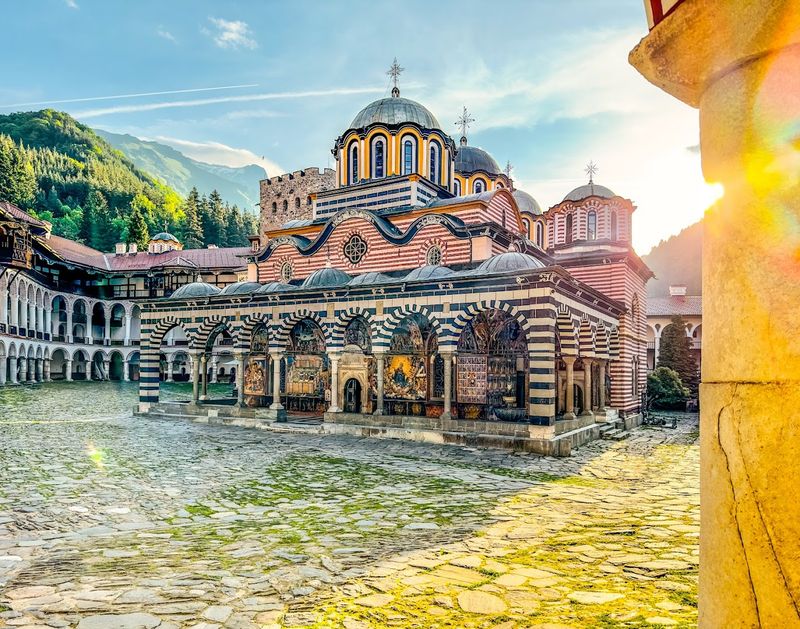
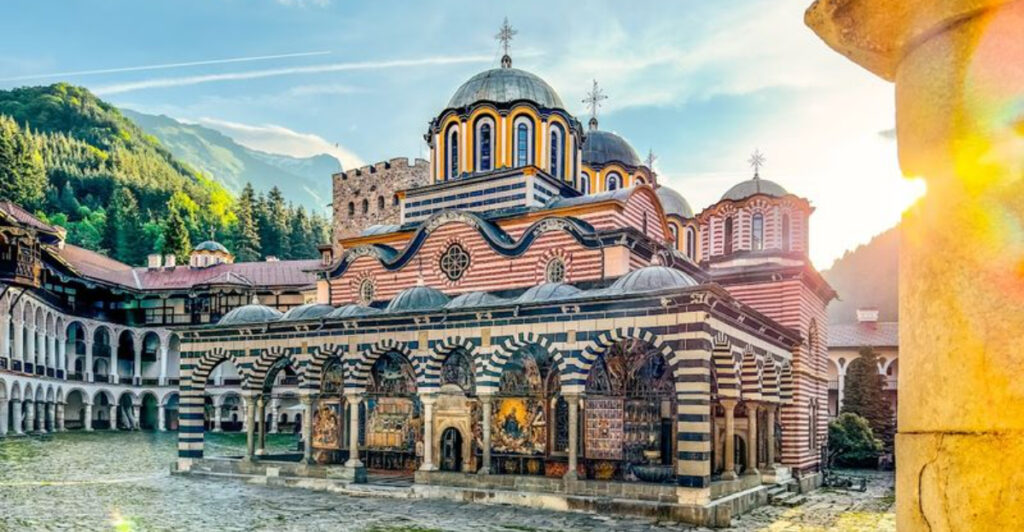
Founded in the 10th century by a hermit named Ivan Rilski, Rila Monastery is Bulgaria’s most treasured cultural landmark. The building itself looks like someone turned a Renaissance painting into architecture.
Bold striped arches, vivid frescoes, and a central courtyard that feels almost theatrical in its grandeur.
The monastery sits at 1,147 meters in the Rila Mountains, surrounded by forest and completely cut off from the noise of modern life. Monks still live here.
You can stay overnight in the monastery guesthouse, which is one of the more unusual and memorable accommodation options in the entire Balkans.
The frescoes inside the church are extraordinary. Over 1,200 scenes cover the walls, painted in the 19th century by some of Bulgaria’s most celebrated artists.
The monastery also houses a famous wooden cross carved by a monk named Raphael, who reportedly spent 12 years on it and went blind in the process. That level of dedication is hard to wrap your head around.
Gjirokastër, Albania
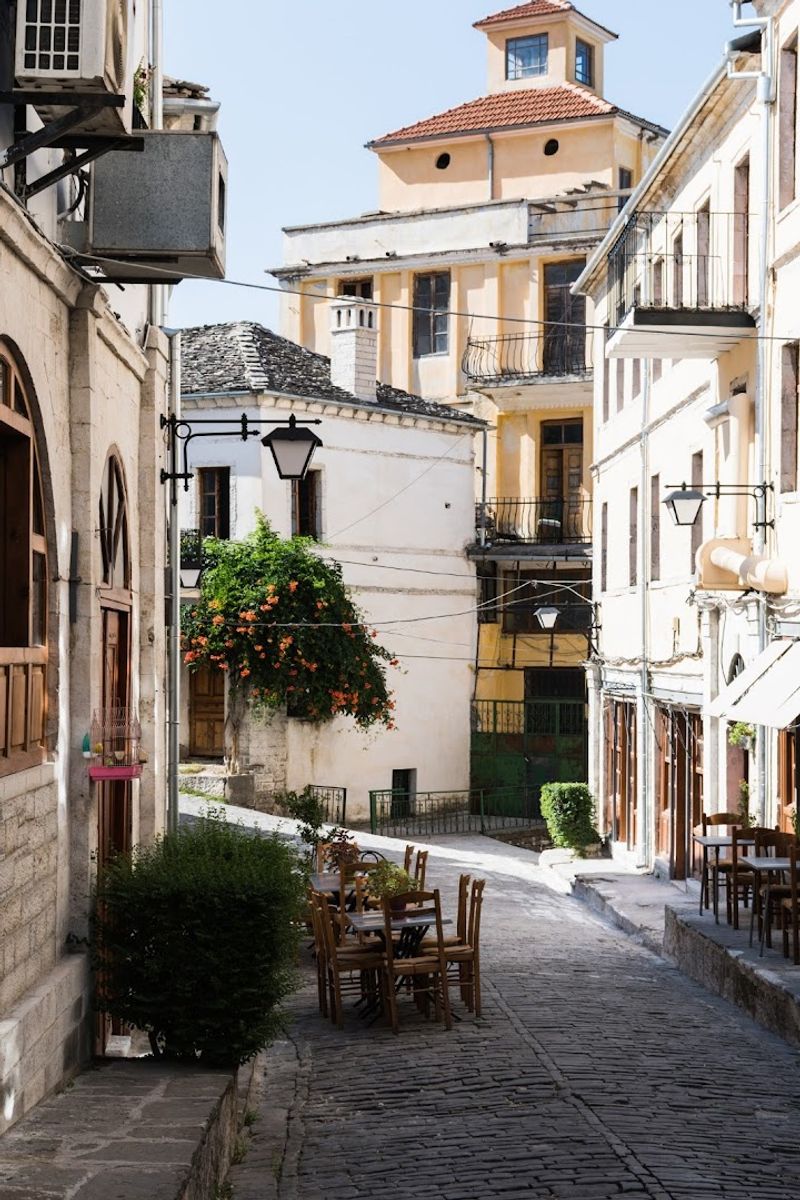
Gjirokastër is sometimes called the City of Stone, and once you see it, that name makes complete sense. Every building here, from the houses to the streets to the castle walls, is made from the same grey local stone.
The effect is striking, almost monochromatic, like the whole city was carved from a single mountain.
The city was the birthplace of Enver Hoxha, Albania’s communist dictator, which gives it a complicated historical weight. His childhood home still stands in the old bazaar.
A captured American military plane from the Cold War era sits in the castle courtyard as a bizarre but fascinating exhibit.
The castle itself is enormous and well worth the steep climb. Inside, you will find a weapons museum, underground tunnels, and panoramic views over the Drinos Valley.
Gjirokastër feels authentically Albanian in a way that tourism has not yet polished away. That rawness is exactly what makes it so compelling to visit.
Plitvice Lakes National Park, Croatia
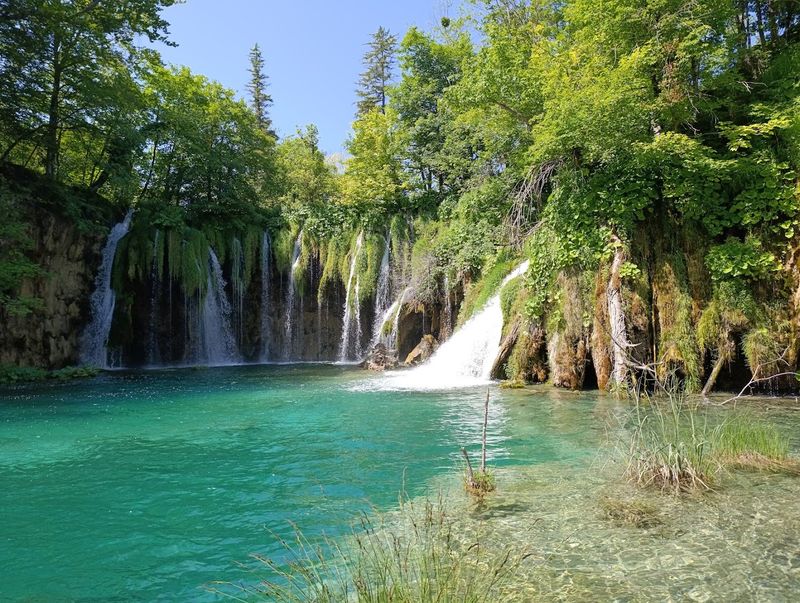
Croatia’s most visited national park is also its most jaw-dropping. Plitvice Lakes is a series of 16 terraced lakes connected by over 90 waterfalls, all linked by wooden boardwalks that float just above the water’s surface.
The color of the water shifts from deep turquoise to bright green depending on the minerals and light.
The park has been a UNESCO World Heritage Site since 1979, which is well-deserved recognition for something this spectacular. I walked the lower lakes trail on a misty morning and had entire stretches completely to myself.
That would not happen in July, so timing your visit matters enormously here.
Spring and autumn are the best times to visit. Spring brings extra waterfall volume from snowmelt, while autumn turns the surrounding forest into a blaze of orange and red.
Avoid summer weekends unless you enjoy walking in a slow-moving crowd. Entry tickets sell out fast, so book online at least a week ahead.
Prizren, Kosovo
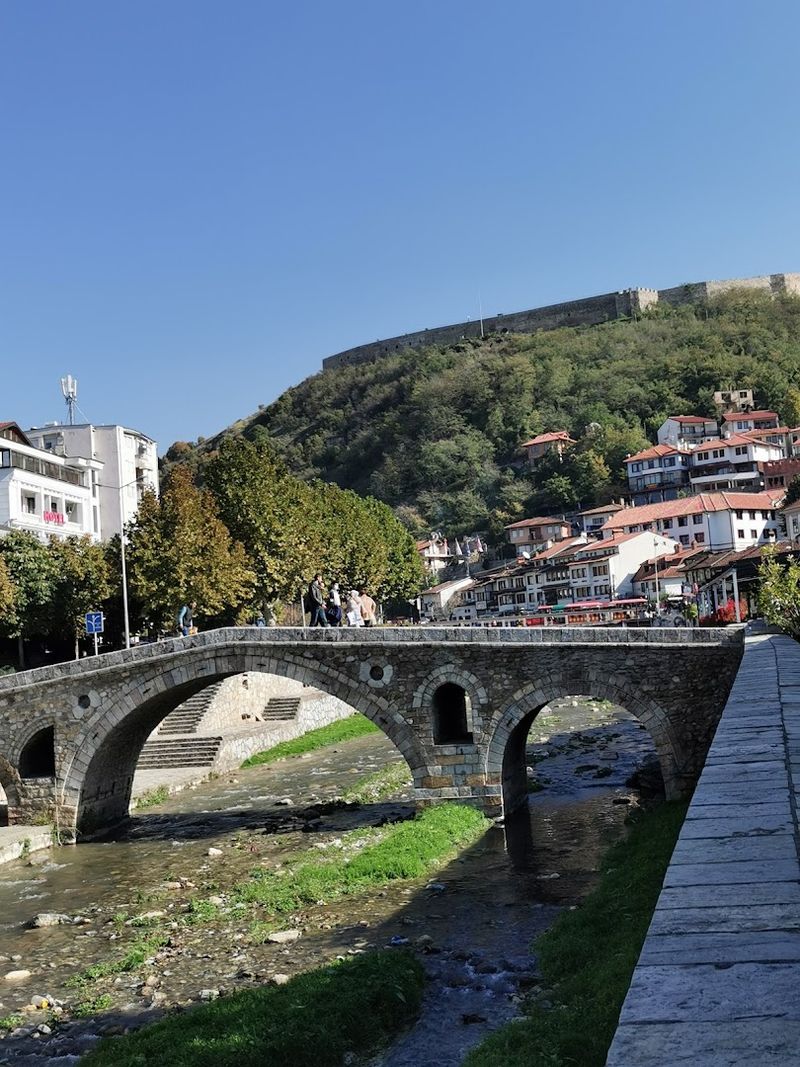
Kosovo is one of Europe’s youngest countries, having declared independence in 2008, but Prizren is one of its oldest cities. The place has been continuously inhabited for over two thousand years and wears its layered history openly.
Roman ruins, Byzantine churches, Ottoman mosques, and Serbian orthodox architecture all share the same hillside without much fuss.
The old stone bridge over the Bistrica River is the heart of the city. Locals gather there every evening in a ritual that feels unchanged for centuries.
The surrounding cafes serve strong Turkish coffee and excellent baklava at prices that will make Western European visitors feel slightly guilty.
Every June, Prizren hosts DokuFest, one of the most celebrated documentary film festivals in Southeast Europe. The screenings happen in open-air courtyards and on rooftops across the old town.
It transforms the city into something electric and surprisingly cosmopolitan. Prizren punches well above its weight and deserves far more recognition than it currently gets.
Tara National Park, Serbia
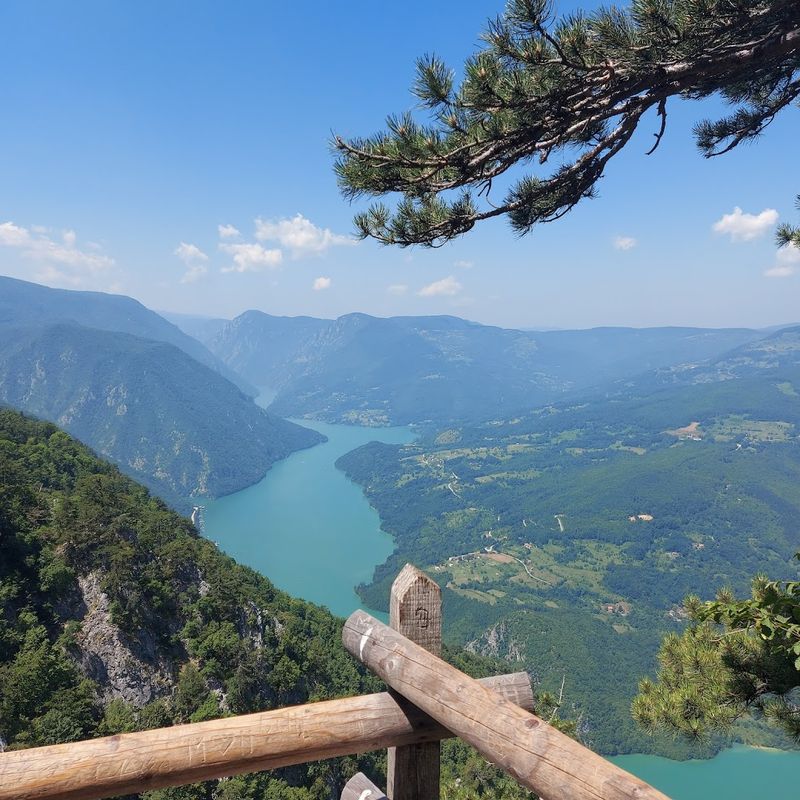
Serbia does not always make the top ten lists for outdoor travel, which is frankly baffling when you consider Tara National Park exists. Perched in western Serbia near the Bosnian border, Tara is a dense wilderness of ancient beech and pine forests, canyon viewpoints, and clear mountain air that feels genuinely restorative.
The park is one of the last refuges of the Balkan lynx, one of the rarest cats in the world. You are unlikely to spot one, but knowing they are out there somewhere adds a certain wildness to every forest walk.
The Drina River canyon views from the Banjska Stena lookout are among the most dramatic in Serbia.
Kaludjerske Bare is the main resort village inside the park and offers good accommodation options without being overly touristy. The famous wooden church of Raca Monastery nearby dates back to the 13th century.
Tara is also an excellent base for exploring the quirky riverside house on the Drina, which has become an unlikely Serbian icon.
Jajce, Bosnia and Herzegovina
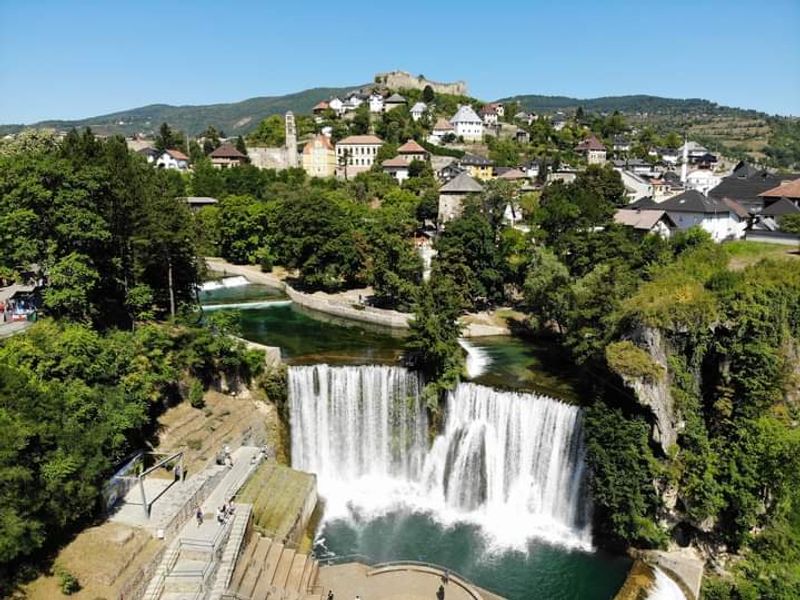
Not many towns can claim a massive waterfall right in the middle of their center, but Jajce is not most towns. The Pliva Waterfall drops about 21 meters where two rivers meet, and it sits surrounded by medieval walls, old mills, and a fortress that has been watching over the valley since the 14th century.
Jajce was the capital of the medieval Bosnian Kingdom and later the site where WWII Yugoslavia was officially proclaimed in 1943. That is a lot of history for one small town.
The catacombs beneath the city, used by early Christians in the 4th century, are eerie and fascinating in equal measure.
Just outside town, the Pliva Lakes are two small glacial lakes connected by a wooden mill that is possibly the most photographed structure in Bosnia after Stari Most. Jajce gets overlooked because it sits between more famous destinations, but that is precisely what keeps it charming.
Go before word fully gets out.
Seven Rila Lakes, Bulgaria
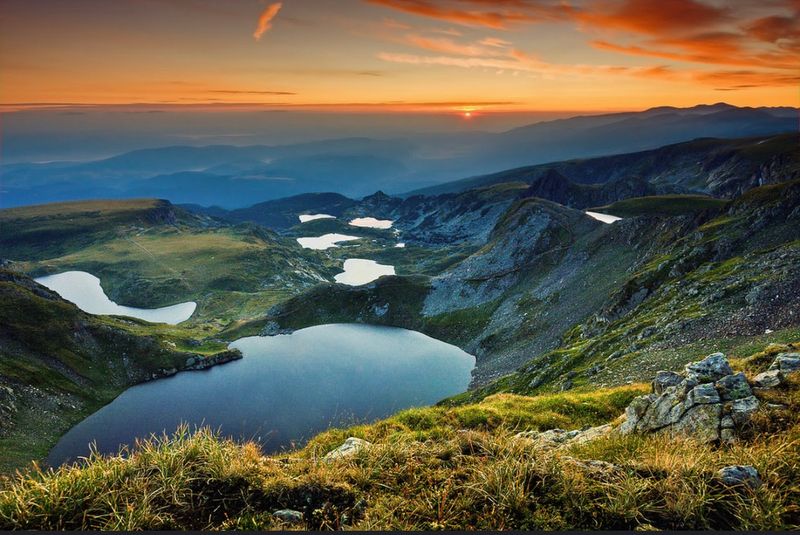
Seven glacial lakes sitting in a staircase formation up in the Rila Mountains sounds like something a fantasy author invented. But the Seven Rila Lakes are entirely real and entirely worth the effort it takes to reach them.
Each lake has its own name and distinct character, ranging from the largest, The Sea, to the highest, The Tear.
The lakes sit between 2,100 and 2,500 meters above sea level. A gondola from the resort town of Borovets gets you most of the way up, cutting out the hardest climbing.
From the upper gondola station, the hike to the lakes takes about two hours on well-marked trails.
Spiritual seekers also make the pilgrimage here every August for the Paneurhythmy gathering, a tradition started in the 1920s by a Bulgarian mystic. Thousands of people dance in circles at sunrise beside the lakes.
Whether that sounds appealing or strange depends entirely on the person, but it is undeniably one of the more unique events in the Balkans.
Počitelj, Bosnia and Herzegovina
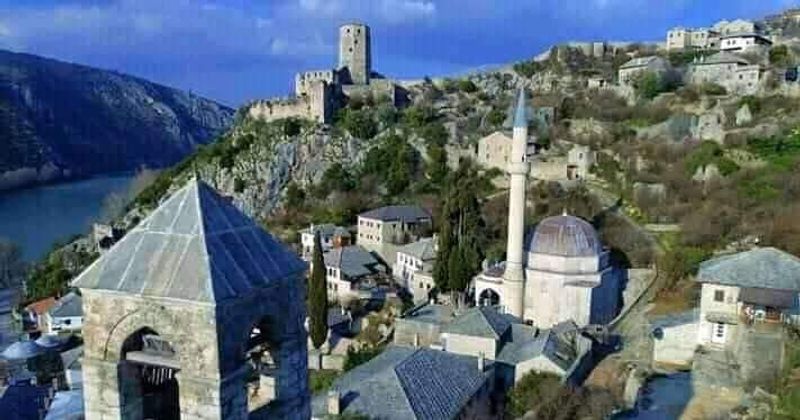
Počitelj is so well-preserved it looks like a film crew set it up yesterday and forgot to take it down. This tiny Ottoman fortified village clings to a limestone cliff above the Neretva River, and almost every building is made from the same pale stone as the cliff itself.
It practically grows out of the mountain.
The Šišman Ibrahim-Pasha mosque at the center of the village dates from 1563. The hexagonal fountain courtyard beside it is one of the most peaceful spots in the entire country.
Pomegranate trees grow wild between the houses, which gives the village a distinctly Mediterranean character that feels unexpected this far inland.
Počitelj was badly damaged during the 1990s war but has been carefully restored. Local artists have used the village as a creative base since the 1960s, and a small art colony still operates here.
It is the kind of place you visit for thirty minutes and then realize two hours have passed. Bring snacks because the one small cafe closes early.
Meteora, Greece
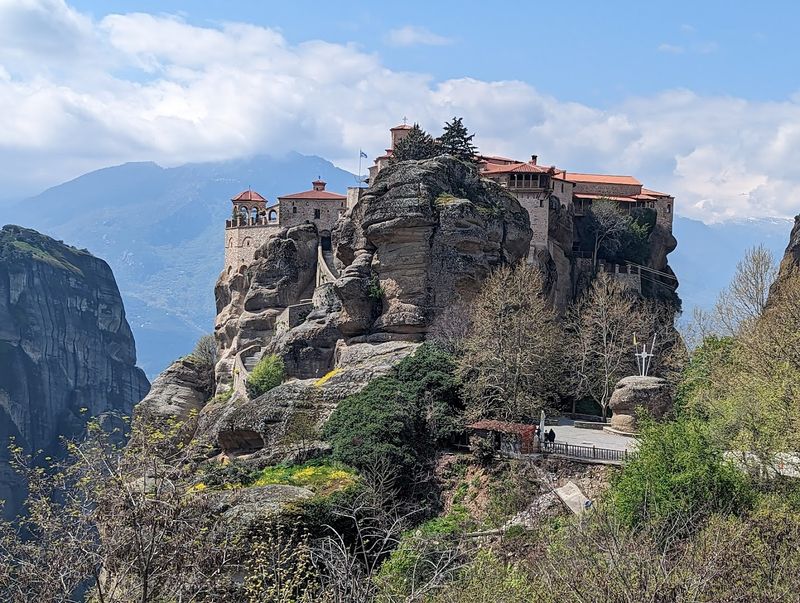
Meteora breaks your brain a little the first time you see it. Sixth-century monks decided the safest place to build their monasteries was on top of enormous sandstone pillars rising 400 meters from the valley floor.
They were not wrong about the safety part, but the logistics must have been absolutely wild.
There are six active monasteries still standing today, out of an original 24. Monks and nuns still live in them.
Visitors are welcome but must dress modestly, which means covering shoulders and knees. The dress code feels like a fair trade for access to one of the most extraordinary religious sites on the planet.
The town of Kalambaka at the base of the rocks is a good base for exploring. The best views come from the hiking trails that wind between the pillars at sunset.
Meteora is technically in central Greece rather than the Balkans, but geographically and culturally it belongs in this conversation. Leaving it off any Balkan list would be a genuine crime.
Una National Park, Bosnia and Herzegovina
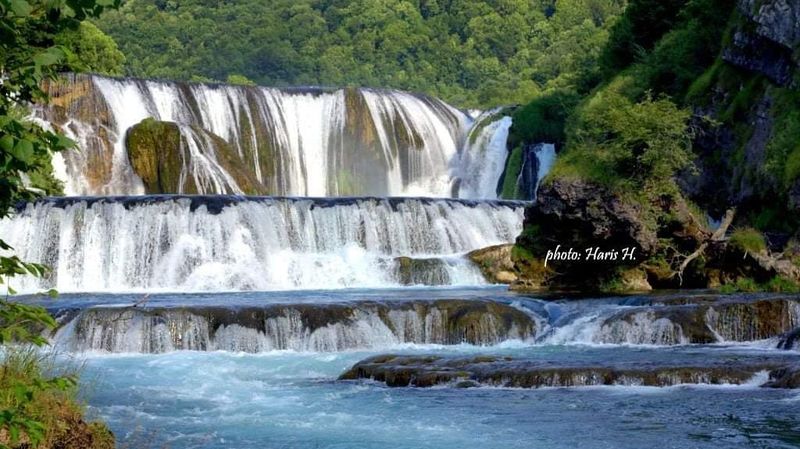
Bosnia keeps showing up on this list because it genuinely has more hidden treasures per square kilometer than almost anywhere in Europe. Una National Park, named after the Una River, is the kind of place that makes professional photographers weep with joy.
The water is an almost unreal shade of turquoise green.
The Martin Brod waterfalls inside the park are among the widest in Europe, spreading across the river in a series of limestone steps that look like nature designed them specifically for postcards. The town of Bihac nearby serves as the main gateway and has a lively local food scene worth exploring.
Kayaking and rafting on the Una River are the top activities here, and the routes suit everyone from beginners to experienced paddlers. The park also has excellent fly-fishing.
Wildlife includes brown bears, wolves, and otters, though spotting them requires patience and early mornings. Una National Park is one of the least visited UNESCO-listed parks in Europe, which makes it a genuine find right now.
Share this story