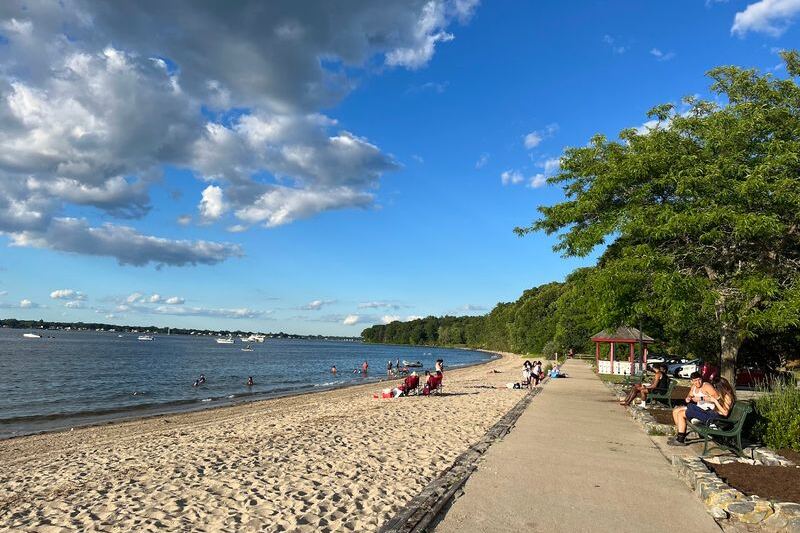
Bristol, Rhode Island sits right on the edge of Narragansett Bay, and tucked along Hope Street is a place that brings that bay’s wild side indoors and outdoors in equal measure. This place is not your average nature stop.
It combines a compact but well-stocked aquarium with walking trails, a boardwalk over a swamp, pollinator gardens, live raptors, and osprey nests that you can actually spot from the grounds. What makes it stand out is how everything here connects to the local ecosystem, so every exhibit and every trail feels like a real window into the bay and its surrounding habitats.
Whether you have an hour or a full afternoon, this Bristol spot delivers far more than its modest size might suggest.
The Aquarium Inside: Small Tank, Big Stories
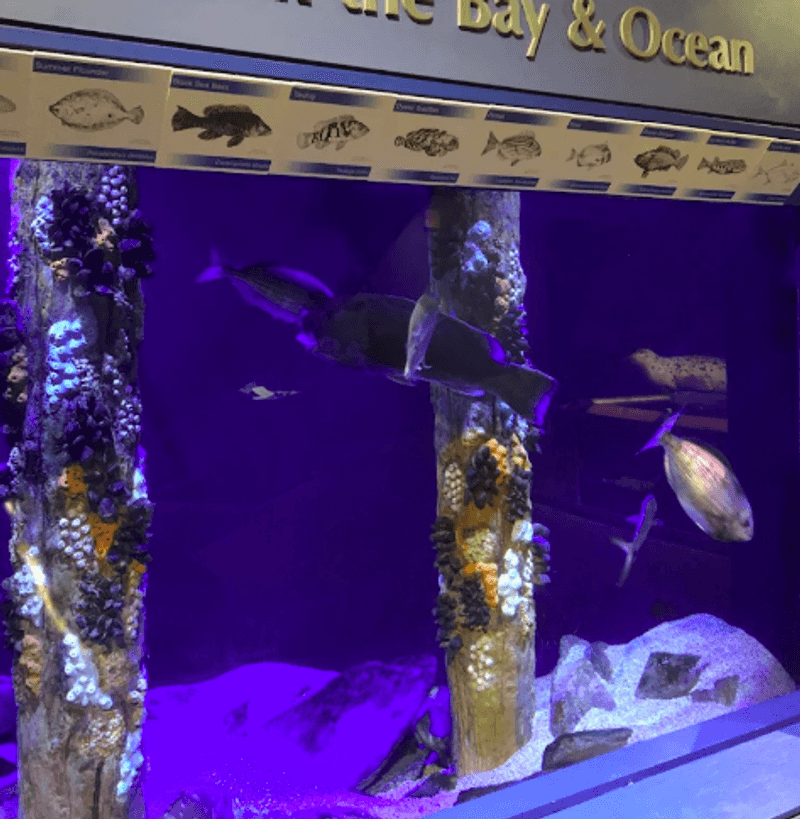
Do not let the word “small” fool you here. The aquarium inside the nature center punches well above its weight, housing live fish, turtles, and other aquatic creatures that are native to Narragansett Bay and the surrounding Rhode Island waterways.
Each tank is paired with clear, informative labels that explain the species, its role in the local ecosystem, and how it interacts with the bay environment. There is also a scavenger hunt available for younger visitors, which turns the aquarium walk-through into an active learning adventure.
The exhibits do a strong job of showing how interconnected the bay’s food web really is, from the smallest invertebrates to the larger fish that depend on them.
A connection with Roger Williams University nearby helps keep the exhibits current and scientifically grounded, which adds a layer of credibility that you do not always find at smaller nature centers.
The Boardwalk Over the Swamp: A Trail Worth Every Step
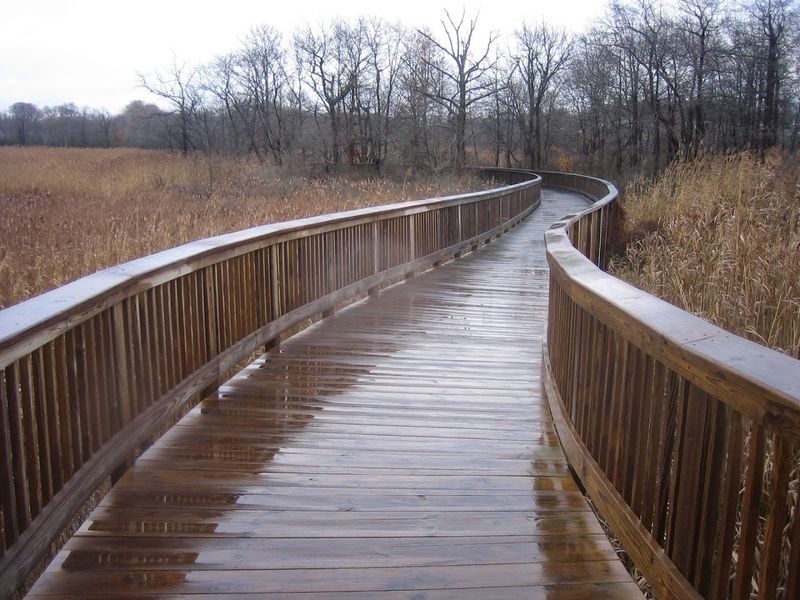
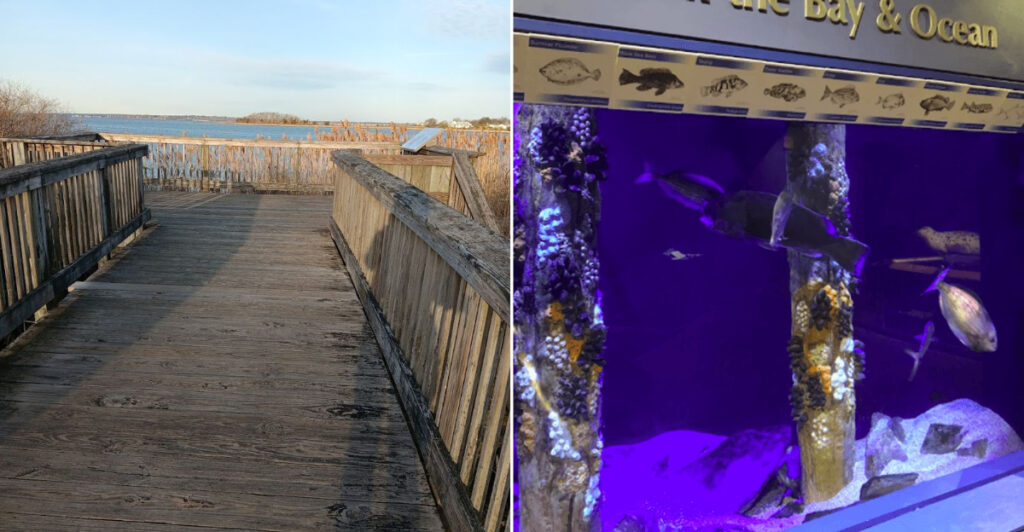
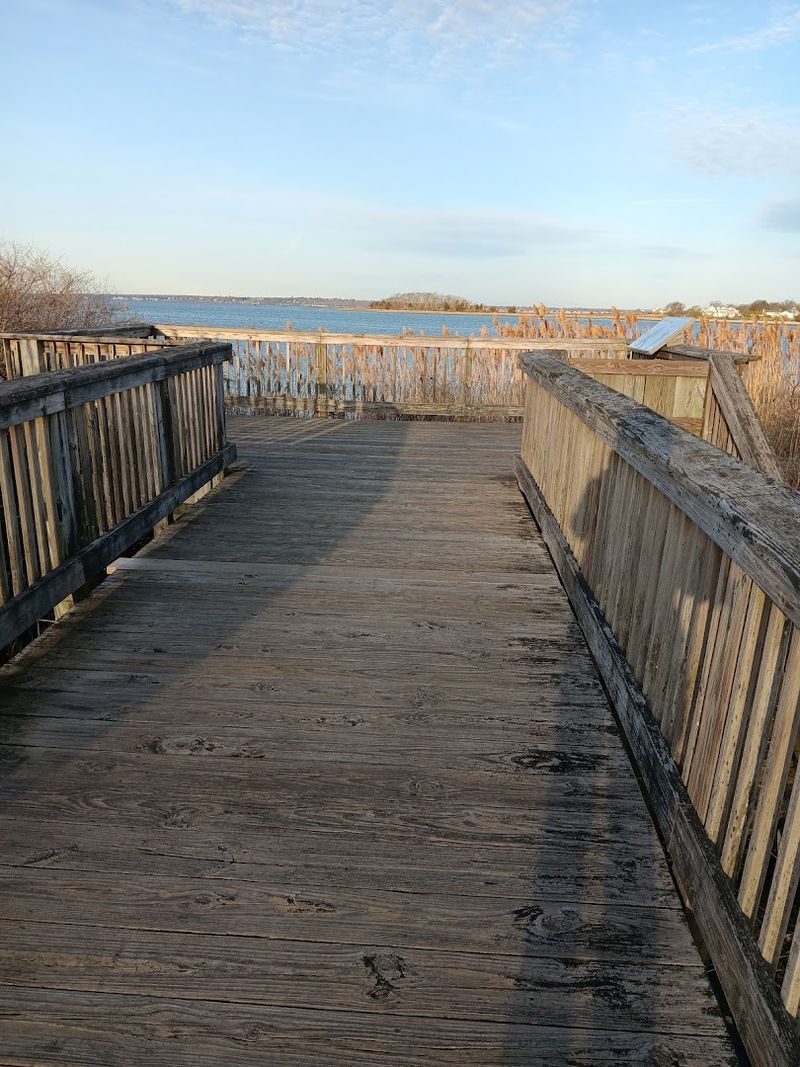
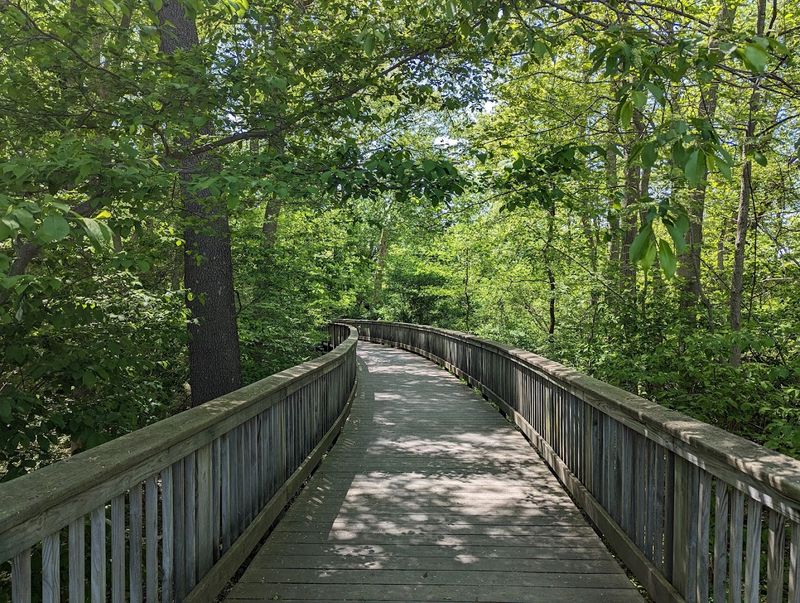
One of the most talked-about features of the property is the boardwalk that winds through a swamp area on the way toward the bay. It is creatively designed, easy to walk, and gives visitors an up-close look at a wetland habitat that is teeming with life.
Snapping turtles have been spotted here, sometimes very large ones, along with a wide variety of birds and amphibians that call the swamp home.
The boardwalk eventually leads to an open view of Narragansett Bay, and the payoff at the end is a broad, unobstructed perspective of the water and the osprey nests that sit nearby.
Bug spray is recommended if you plan to walk through the swampy sections, especially during warmer months when insects are active near standing water.
The trail is approximately one mile round trip, making it very manageable for kids, older adults, and anyone who wants a low-effort outdoor experience with high nature returns.
Osprey Nests and Bay Views: What Awaits at the End of the Trail
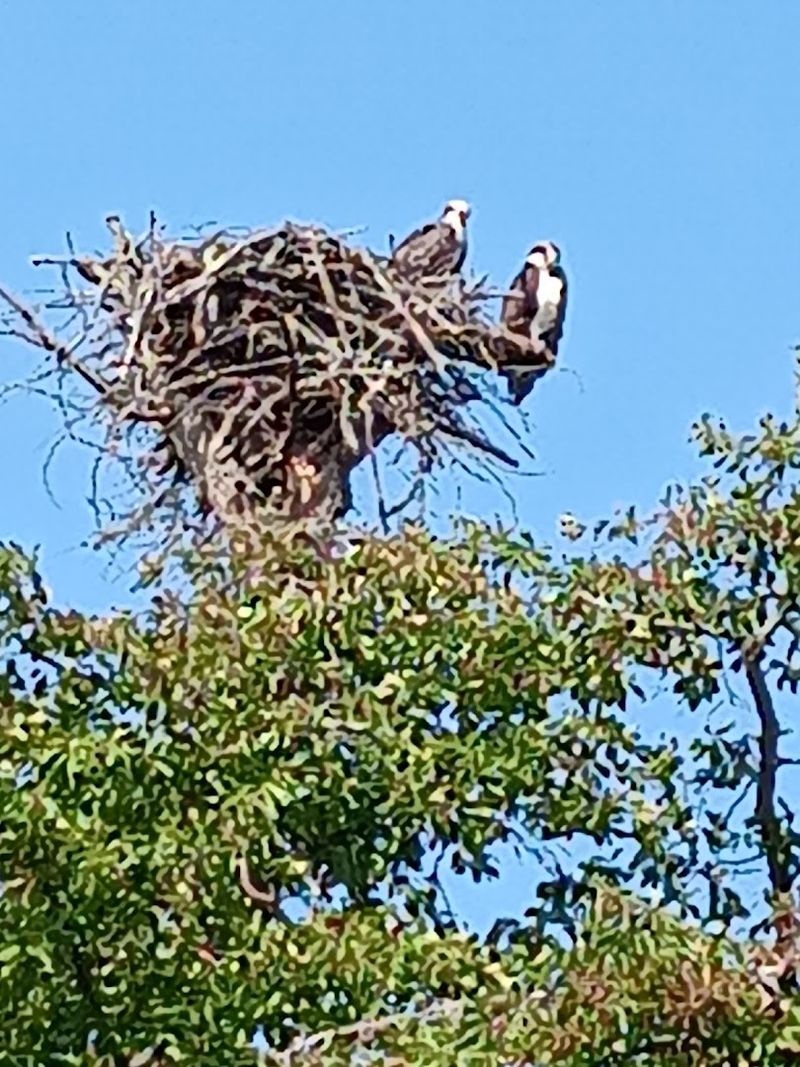
Walking to the end of the boardwalk is one of the most rewarding things you can do at this property. From there, you get a clear view of Narragansett Bay, and if you time your visit right, the osprey nests are visible and active.
Ospreys are remarkable birds of prey that nest near water and are known for their dramatic hunting dives. Seeing them at their nests, and occasionally watching them interact in the air, is a genuinely memorable experience that goes beyond what any indoor exhibit can offer.
The bay backdrop adds to the overall atmosphere of the spot, and it is easy to understand why the connection between this land-based nature center and the open water feels so complete.
The nature center is deeply connected to the Audubon Society of Rhode Island’s broader mission of wildlife conservation, and the osprey nests on the property are a living example of that work paying off.
Live Raptors on the Grounds: Meet the Birds Up Close
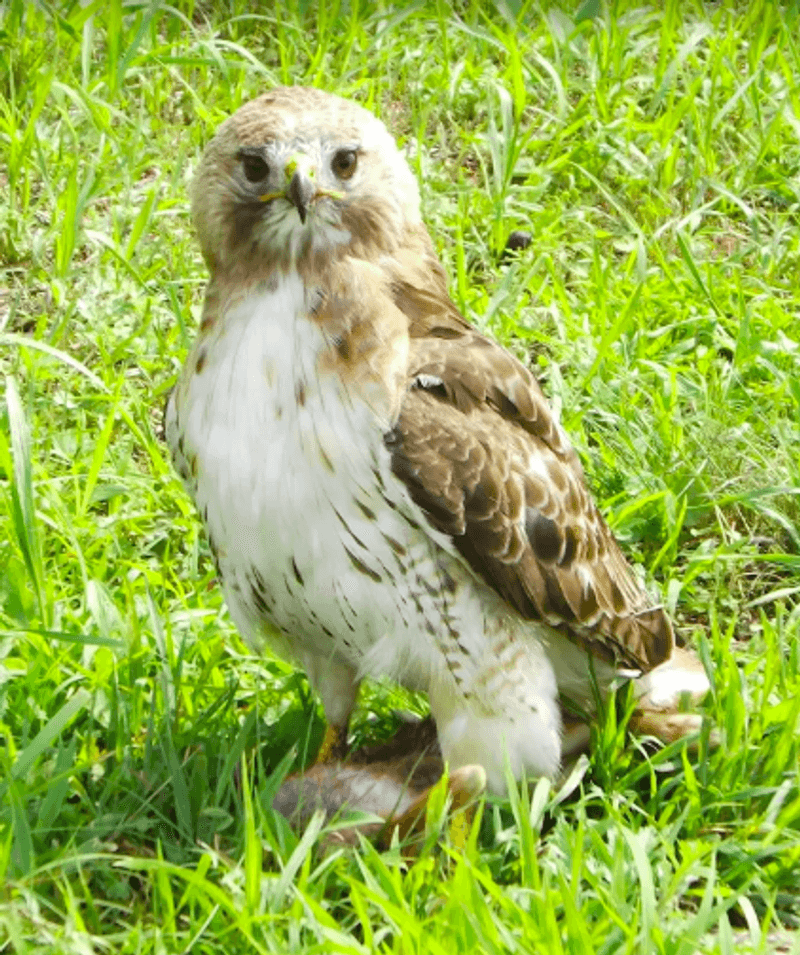
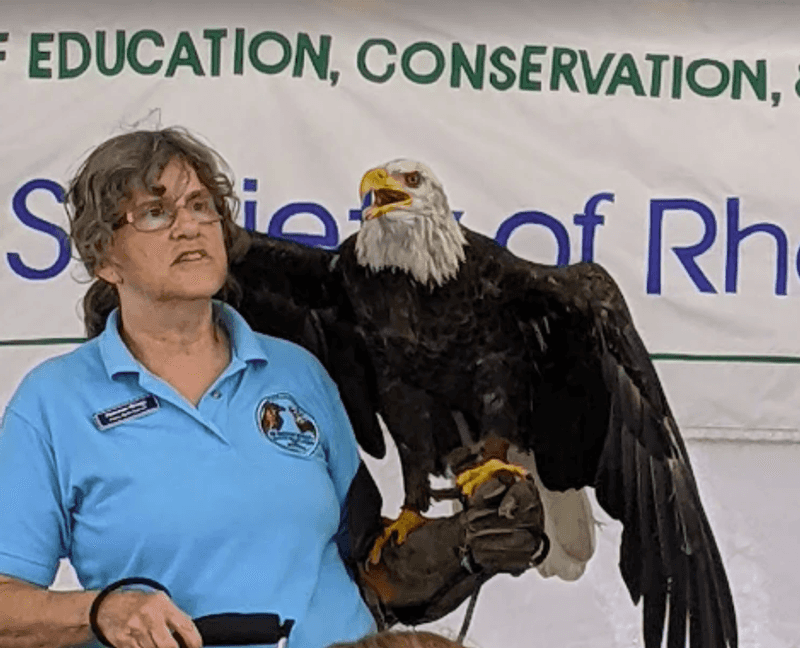
Beyond the osprey, the Audubon Nature Center is home to live raptors that reside on the property and can be observed up close. Owls and hawks are among the resident birds, and staff members regularly engage with the public to share information about these animals.
One raven in particular has become something of a local celebrity at the center, frequently drawing attention from guests who are surprised to see such a striking bird in an interactive setting.
Raptor Weekend is an annual event that draws larger crowds and gives guests the chance to see multiple birds of prey in a more structured, educational format.
For kids especially, seeing a live owl or hawk at arm’s reach leaves a lasting impression that is hard to replicate through books or screens alone.
The staff’s knowledge and enthusiasm for these birds comes through clearly in their presentations, making each encounter feel genuinely informative rather than just a photo opportunity.
The Pollinator Garden: A Buzzing Outdoor Exhibit
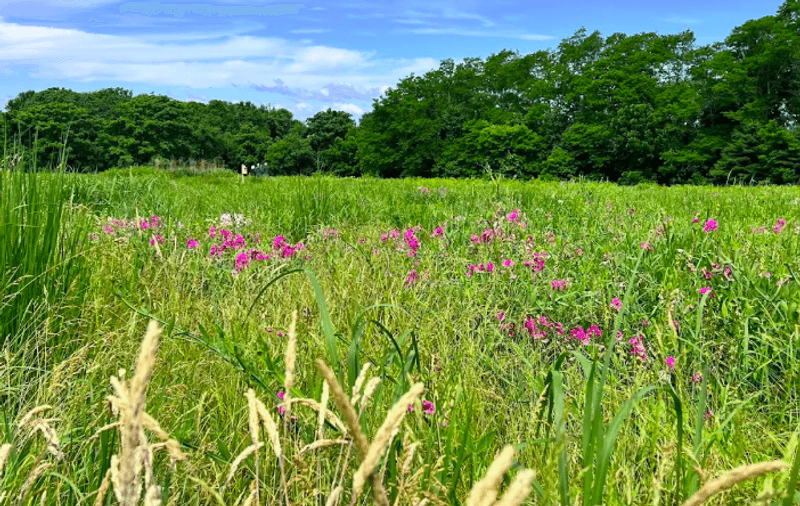
Not every highlight at this property involves fish or birds. The pollinator garden on the grounds is a carefully planted outdoor space featuring native flowers and plants that attract butterflies, bees, and other important pollinators.
Walking through the garden before or after the trail gives visitors a chance to observe the smaller side of the local ecosystem, one that is easy to overlook but critically important to the health of the broader environment.
The garden is well-maintained and laid out in a way that makes it easy to move through at a slow, observational pace without feeling like you are rushing from one spot to the next.
It connects naturally to the educational mission of the center, which consistently emphasizes how different parts of the local habitat depend on one another.
For families with young children, the garden is a particularly good stop because the activity and movement of pollinators tends to hold attention in a way that static displays sometimes cannot.
Educational Programs: Learning That Goes Beyond the Exhibits
The nature center runs a strong lineup of educational programs throughout the year, covering everything from beginner bird watching to broader ecology topics tied to the bay region.
The bird watching classes, in particular, have earned a strong reputation for being accessible to multiple experience levels at once. Guides lead participants through a short presentation before heading outside for a walk around the facility, pointing out birds and explaining their behaviors in real time.
Programs are designed to work for both complete beginners and people who already have some background knowledge, which makes them a good fit for mixed-age family groups.
The center also runs community educational events that bring in local families and school groups, reinforcing its role as a regional resource for environmental learning rather than just a weekend attraction.
Checking the Audubon Society of Rhode Island’s website at asri.org/visit ahead of your trip is the best way to find out what programs are scheduled during your planned visit.
Deer, Wildlife, and What Roams the Grounds
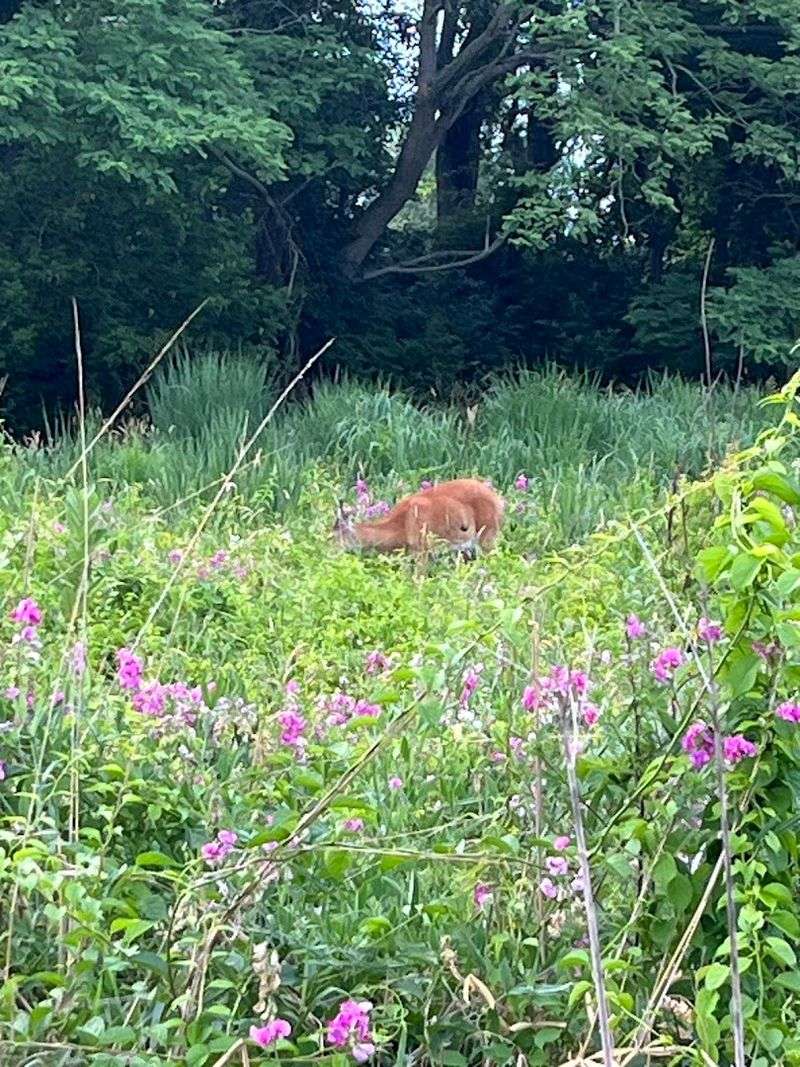
The wildlife at this property is not limited to what is inside tanks or behind glass. Deer have been spotted roaming the grounds regularly, and families have reported seeing a family group of them during ordinary daytime visits.
This kind of spontaneous wildlife encounter is part of what gives the property a character that feels different from a traditional zoo or aquarium. Nothing is staged, and the animals that appear on the grounds do so on their own terms.
The trails and open areas around the center create natural corridors for local wildlife, which means the experience changes depending on when you visit and how observant you are.
Aside from deer, the property hosts a wide range of bird species, insects, turtles, and small mammals that move through the area seasonally.
Bringing binoculars is a smart move, especially if you plan to spend time near the bay-facing end of the boardwalk where birds tend to concentrate around the water’s edge.
Inside the Nature Center: Exhibits That Explain the Bay
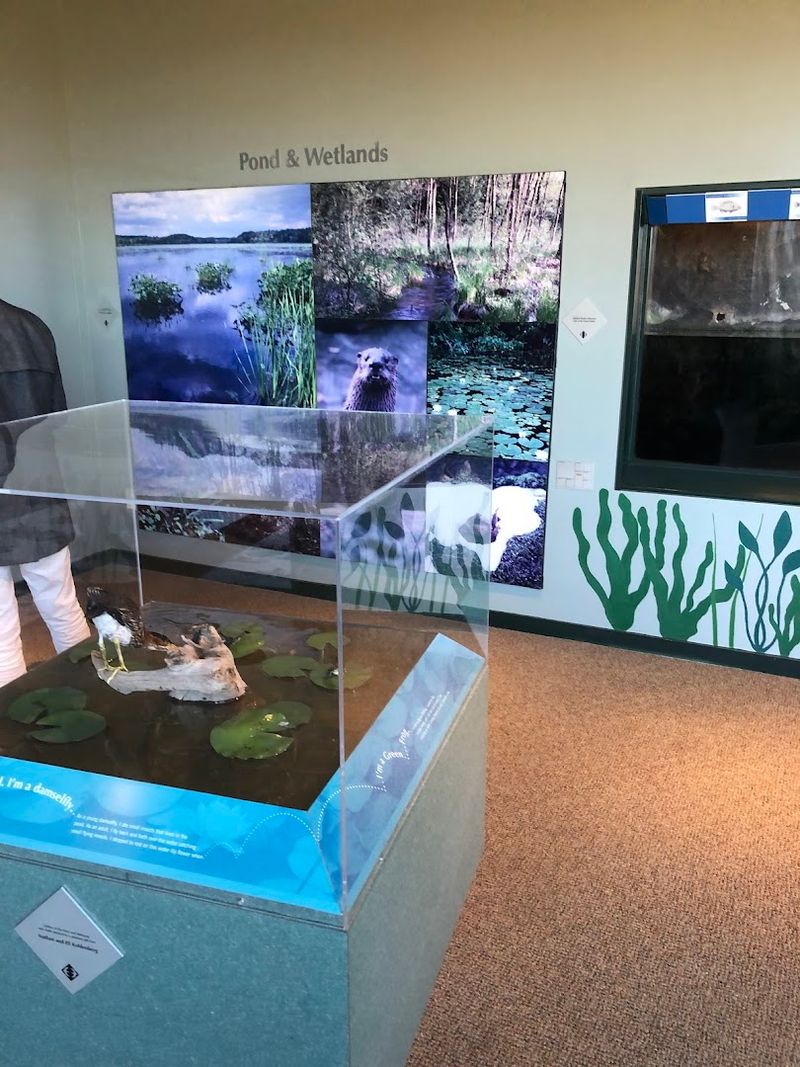
The indoor portion of the property goes beyond just the aquarium tanks. The nature center itself contains exhibits that explain the natural ecology of the area around Narragansett Bay, covering topics like coastal habitats, local bird species, marine life cycles, and the environmental pressures facing the bay today.
There are interactive elements designed for younger visitors, including a play area inside that keeps children engaged while adults take time to read the informational displays more carefully.
Whale bones and other natural specimens have been part of the collection, giving the exhibits a tangible, physical quality that adds depth to the educational content.
The center also has a gift shop where admission money and purchases go directly toward supporting the Audubon Society’s conservation work in Rhode Island, which makes spending money there feel like a contribution rather than just a transaction.
Clean bathrooms and a small picnic area on the grounds make it easy to plan a longer visit without needing to leave the property.
Jacob’s Point and the East Bay Bike Path: Extending the Adventure
The Audubon property connects directly to the East Bay Bike Path, which opens up additional exploration options for visitors who want to extend their time outside after touring the nature center.
Walking north along the bike path for roughly 300 yards leads to a path heading out to Jacob’s Point, a narrow and somewhat overgrown trail that puts you even closer to the bay and its bird activity.
The path to Jacob’s Point is not as polished as the boardwalk on the Audubon property, but that rougher quality is part of its appeal for people who want a more immersive outdoor experience.
Bird activity tends to be higher along this stretch, and the feeling of being surrounded by coastal vegetation with water on both sides is a strong contrast to the more structured indoor exhibits back at the center.
Together, the Audubon trails and the nearby bike path create a connected outdoor experience that can fill an entire morning or afternoon.
Planning Your Visit: What to Know Before You Go
The Audubon Society of Rhode Island Nature Center and Aquarium is open every day of the week from 9:30 AM to 4:30 PM, which gives visitors a consistent and predictable schedule to plan around.
One practical note worth keeping in mind: the center is closed on New Year’s Day, even though the website may not always make that immediately clear. Checking asri.org/visit before a holiday visit is always a good idea.
Bug spray is recommended for the swamp boardwalk section, particularly in late spring and summer. Comfortable walking shoes are all you need for the trails, which are easy and well-maintained.
Admission supports the Audubon Society’s conservation work directly, so the entry fee carries more meaning than it does at a typical attraction.
For families, the combination of indoor exhibits, live animals, outdoor trails, and educational programs means there is genuinely something to hold everyone’s attention from the moment you arrive to the moment you leave.
Where It All Begins: Address and Setting
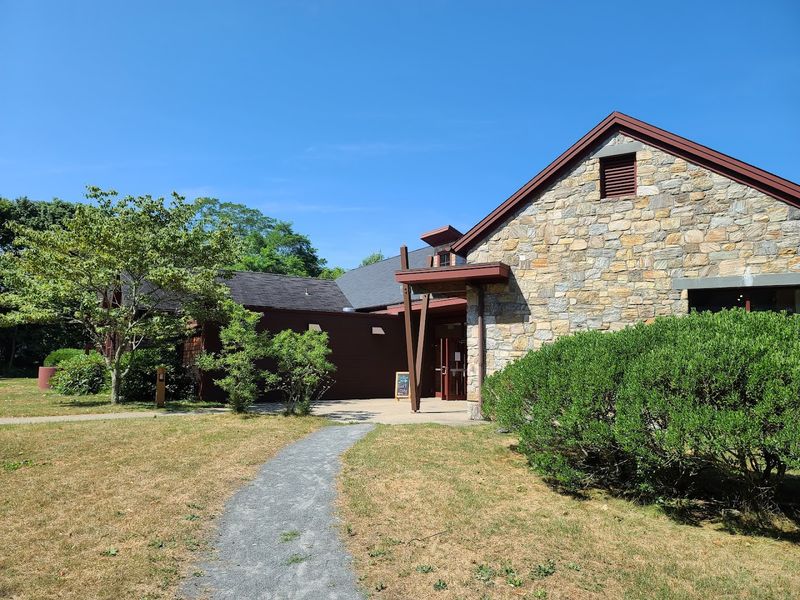
The Audubon Society of Rhode Island Nature Center and Aquarium sits at 1401 Hope St, Bristol, RI 02809, right along the East Bay corridor where land and water meet in a particularly productive stretch of coastal Rhode Island.
The location is not accidental. The property borders Narragansett Bay, which means the wildlife you read about inside the nature center is often visible just steps away on the trails outside.
Bristol itself is a small, historically rich town on a peninsula between the Kickemuit River and the bay, making it one of the most ecologically active corners of the state.
The center opens daily at 9:30 AM and closes at 4:30 PM, giving visitors a solid window to explore both the indoor exhibits and the outdoor trail system without feeling rushed.
Parking is available on site, and the grounds are accessible enough for families with young children or anyone who prefers an easy-paced outing.
Share this story