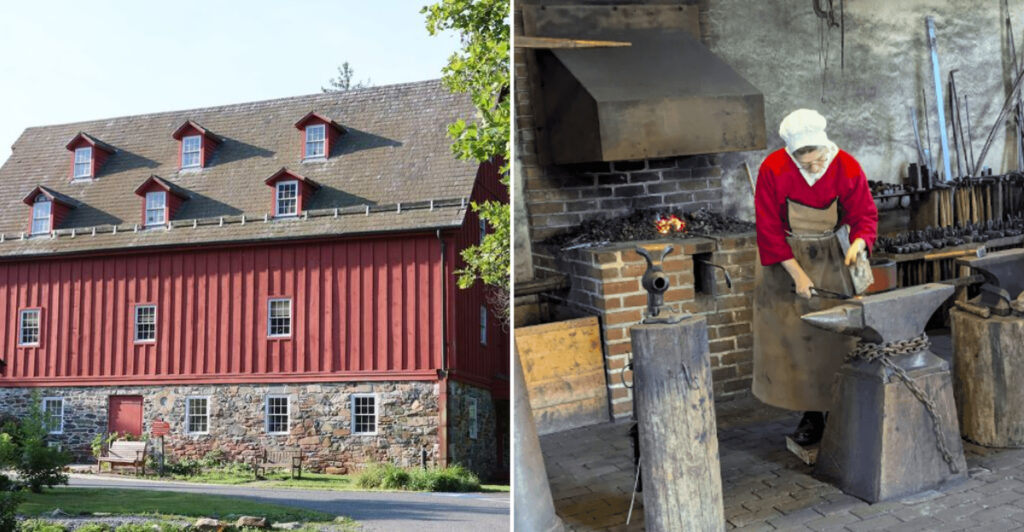
Tucked along the banks of Little Gunpowder Falls in Kingsville, Maryland, there is a place where the 18th century feels remarkably close. A cluster of stone buildings, a working mill, a blacksmith shop, and a covered bridge from the late 1800s all sit together on grounds that have been carefully preserved and restored by dedicated volunteers.
This is not a theme park or a staged attraction built for tourists. It is the real thing, a living piece of American colonial history that has been standing since 1772 and still welcomes curious visitors every single day of the week, completely free of charge.
Whether you are a history enthusiast, a trail hiker, a photographer, or a family looking for something genuinely different to do on a weekend, this place delivers more than most people expect when they first pull into the parking lot.
A Village Born in 1772
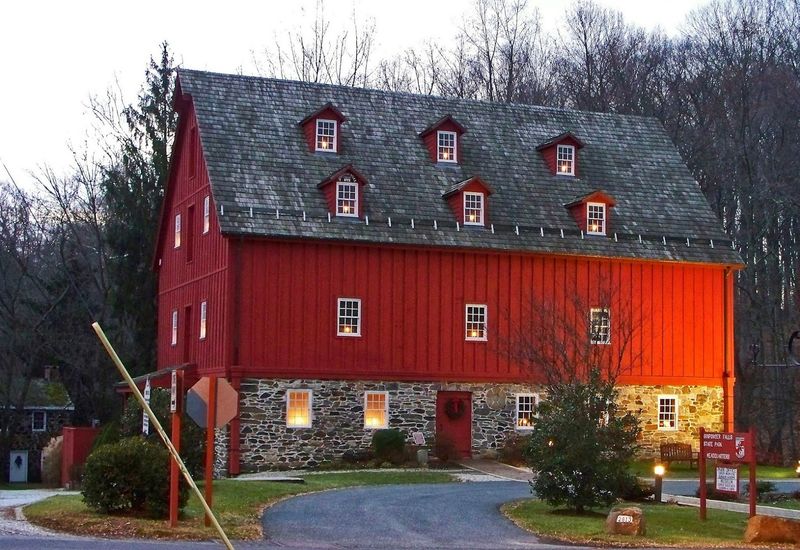
Few places in Maryland carry the kind of layered history that Jerusalem Mill does. The mill itself was established in 1772 by David Lee, a Quaker settler, making it one of the older preserved mill complexes in the entire mid-Atlantic region.
The Quaker community that built this village valued practicality, craftsmanship, and community, and those values are still visible in the sturdy stone construction of every building on the grounds. The mill was not just a grinding operation; it was the economic and social hub of the surrounding rural community for generations.
Over the centuries, the property changed hands and purposes multiple times, but the core structures survived. Today, the restoration effort has brought those structures back to a condition close to their original state, preserving not just the buildings but the story of the people who built and used them.
That story spans more than two centuries of American life, right here in one small village.
The Mill Itself: Still Standing After 250 Years
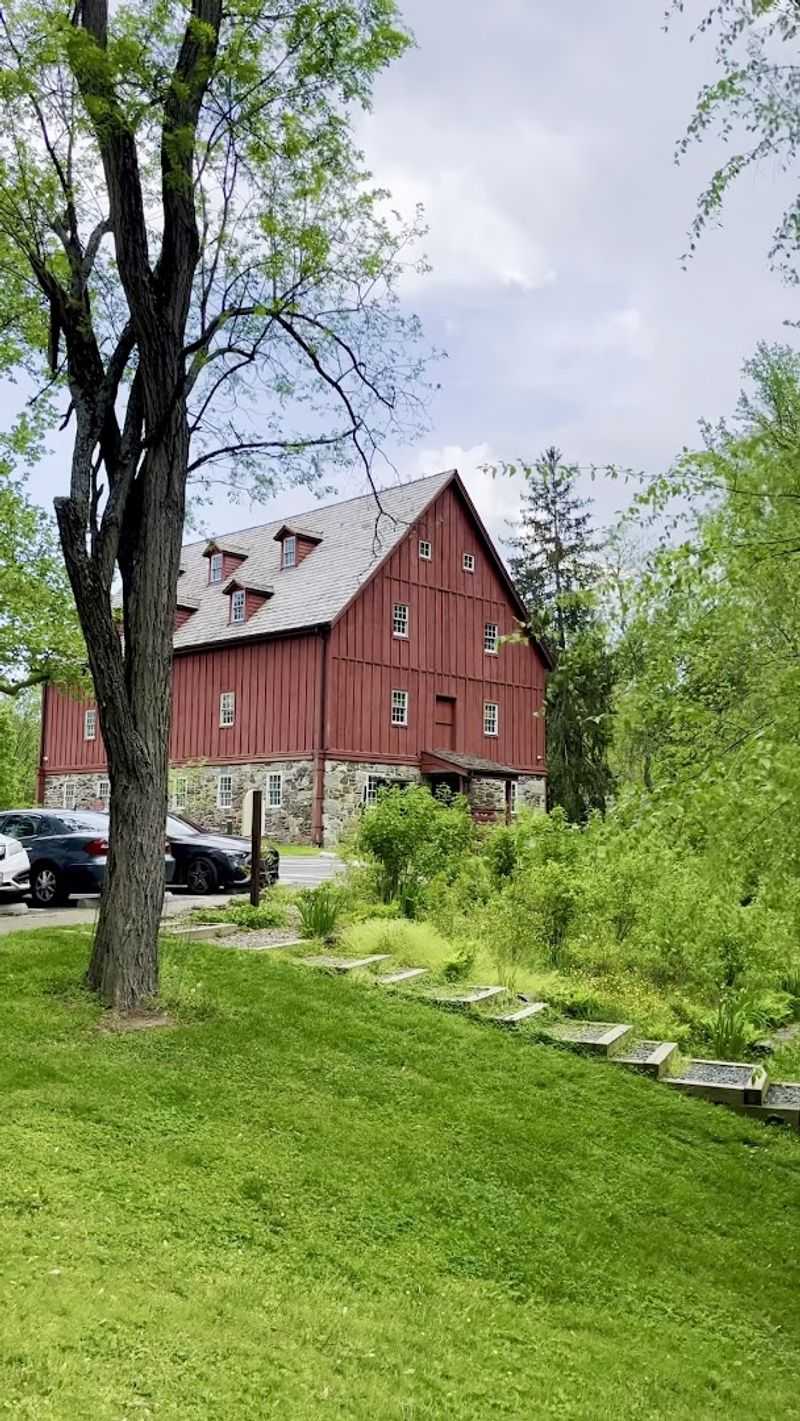
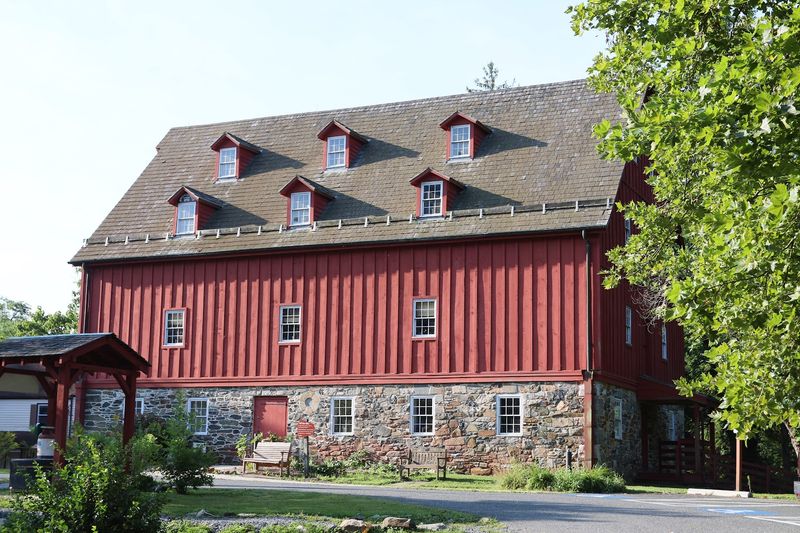
The centerpiece of the village is the mill building, a sturdy multi-story stone structure that has outlasted wars, floods, and the passage of more than two and a half centuries. The mill was originally built to grind grain, serving the agricultural community that surrounded it throughout the colonial and early American periods.
The building’s thick stone walls and heavy timber framing speak to the craftsmanship of the era. Restoration volunteers have worked to preserve these structural details while also making the interior accessible and informative for modern visitors.
On weekends, the museum inside is open, giving guests a closer look at the machinery, tools, and history connected to the milling operation. The exhibits are handmade and laid-back in style, which gives the whole experience a personal and authentic quality that polished museum displays sometimes lack.
There is something quietly remarkable about standing inside a building that has been doing its job, in one form or another, since before the United States existed.
The Blacksmith Shop: Fire, Iron, and Living History
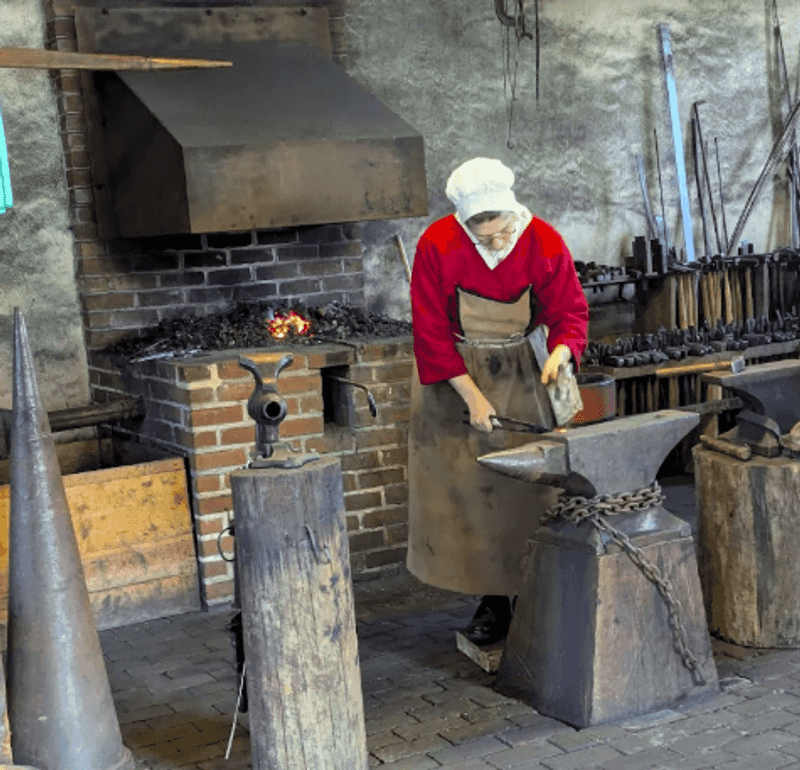
One of the most popular spots on the property is the old blacksmith shop, where the craft of shaping iron by hand is still demonstrated for visitors. The shop itself is a compact stone building that fits perfectly into the colonial-era aesthetic of the surrounding village.
During open hours and special events, blacksmiths work the forge and demonstrate techniques that have changed very little since the 18th century. Families with children tend to gather around these demonstrations, drawn in by the visible transformation of raw metal into finished objects.
The blacksmith demonstrations are a strong example of what makes Jerusalem Mill different from a typical museum. Rather than simply reading about colonial crafts behind a glass display, visitors can watch the actual process unfold in real time, in the original building where it once happened as a matter of daily necessity.
It is the kind of living history that sticks with people long after they have driven back home.
The Stone House and Other Historic Structures
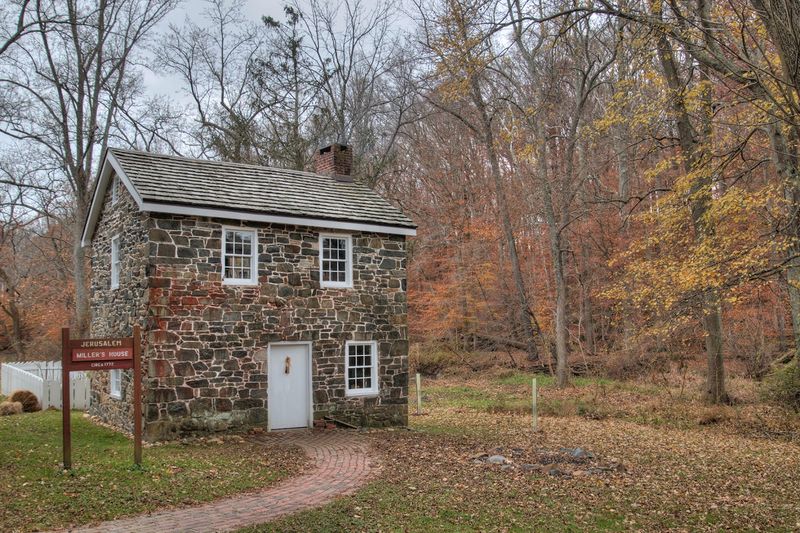
Beyond the mill and the blacksmith shop, the Jerusalem Mill Village includes a collection of other historic stone buildings that together create the impression of a complete colonial settlement rather than a single preserved structure.
The stone house on the property is one of the more striking buildings, with walls thick enough to have stood through centuries of Maryland winters without losing their integrity. Several other structures dot the grounds, including a partially reconstructed barn and storage buildings that give a sense of how the full working village would have functioned.
Most of the historic buildings are accessible to visitors, which makes exploring the grounds feel more like discovery than a guided tour. Handmade interpretive labels explain the purpose and history of each building without overwhelming the experience with too much information at once.
The volunteers who maintain and staff these buildings have done an impressive amount of work, and that dedication shows in the quality of what has been preserved and presented here.
The Covered Bridge: A Walk Back to the 1800s
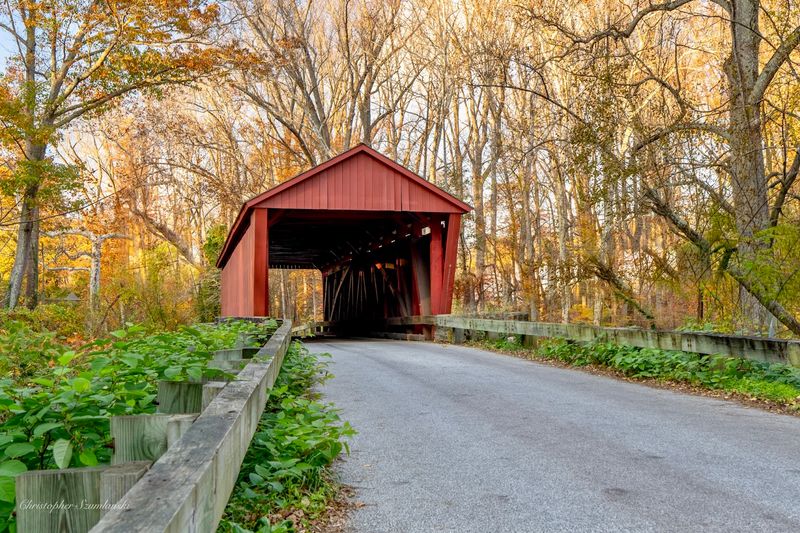
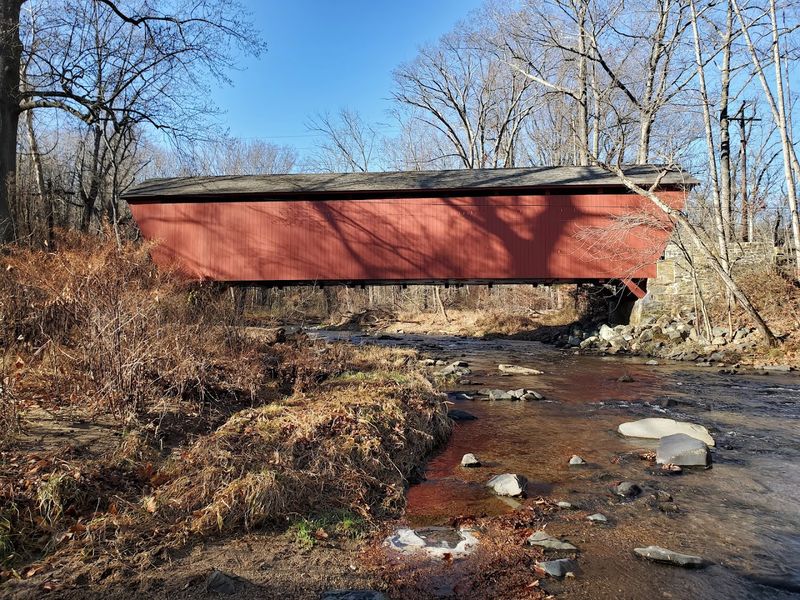
About half a mile from the main parking area, a covered bridge from the late 1800s spans Little Gunpowder Falls, and it has become one of the most photographed spots in the entire park. The bridge is in good condition and can be walked through, which makes it a satisfying destination for a short hike from the village center.
Covered bridges of this age are increasingly rare in Maryland, which adds to the appeal of this one. The wooden structure, the sound of the water below, and the surrounding trees make for a setting that photographers and casual walkers both appreciate.
The trail leading to the bridge passes through wooded terrain with a rocky ridgeline section that adds some variety to what is otherwise a relatively easy walk. The round trip is manageable for most fitness levels, including families with older children.
Finding this bridge as part of a broader visit to the village turns a simple history stop into a genuinely full afternoon outdoors.
Trails for Every Kind of Outdoor Enthusiast
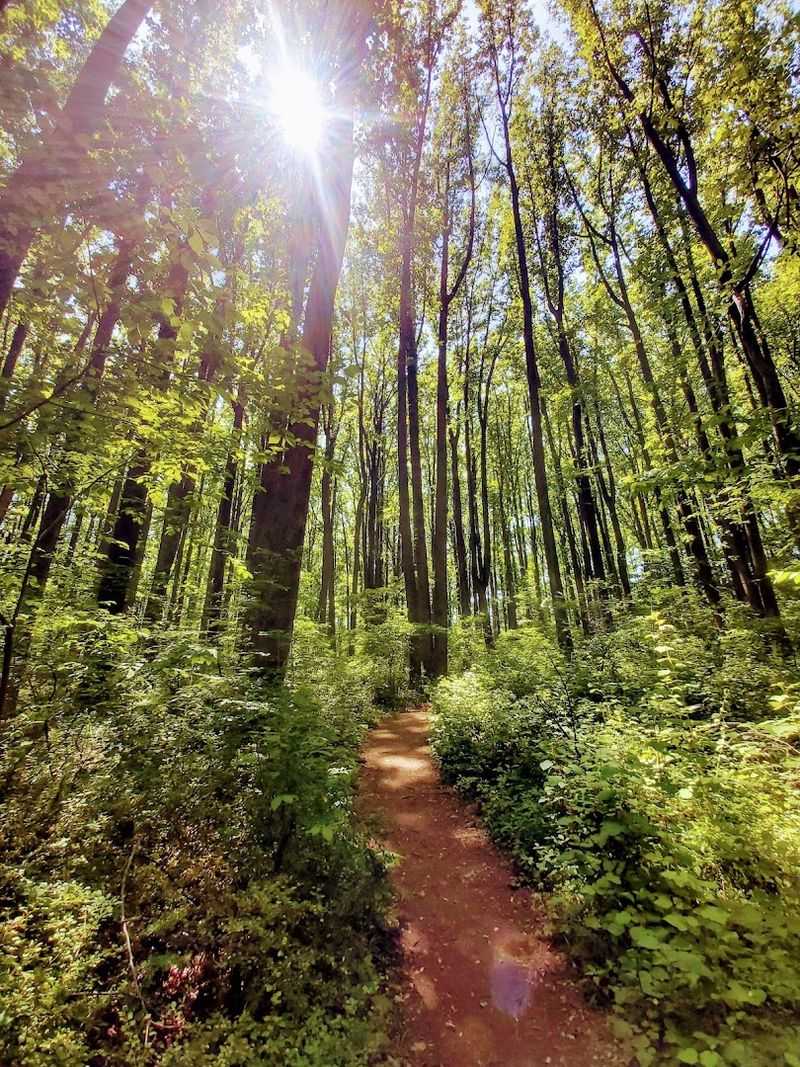
The trail network surrounding Jerusalem Mill is part of the broader Gunpowder Falls State Park system, and it offers a solid range of options for hikers, runners, and walkers of all experience levels. Color-coded trail markers guide visitors along paths that wind through forest, cross small creeks, and follow the river for stretches of the route.
A popular loop runs about 2.5 miles from the parking area heading north, while shorter options connect the village to the covered bridge and back. The terrain includes some rocky sections and modest elevation changes, but nothing that would be considered technically demanding.
Trail conditions can get muddy during fall and winter, so waterproof footwear is a practical choice for off-season visits. The trails are also horse-friendly and accommodate bikes on certain routes, expanding the options for different types of outdoor recreation.
One practical note: bring a printed map or screenshot the trail map before arriving, since the on-site paper maps are sometimes printed in black and white, which makes the color-coded routes harder to follow.
Little Gunpowder Falls: The River That Runs Through It All
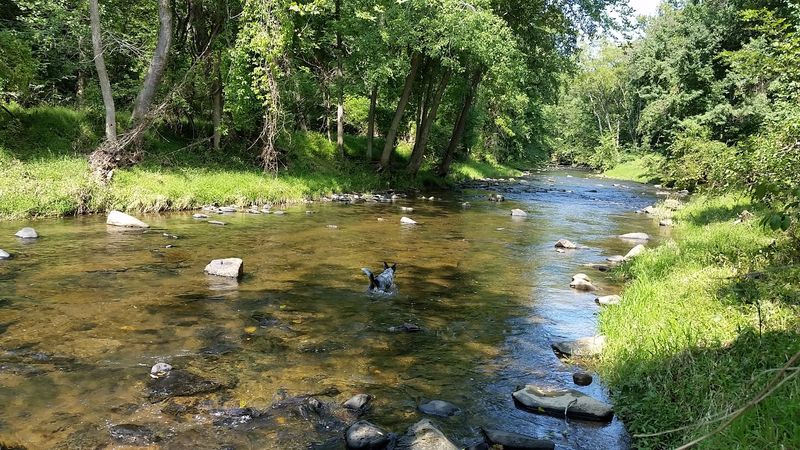
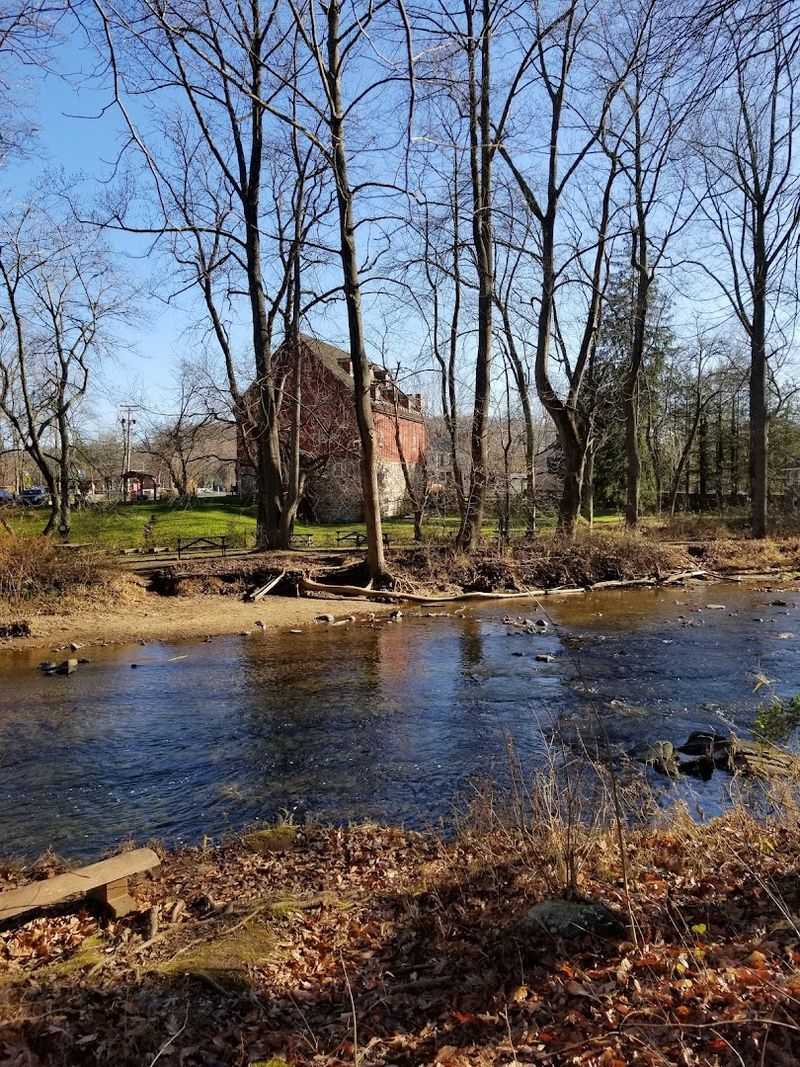
Little Gunpowder Falls is not just a scenic backdrop for the village; it is the reason the mill exists at all. The flowing water once powered the grinding stones inside the mill, and today it continues to shape the landscape and the experience of visiting Jerusalem Mill.
Near the covered bridge, there is a rocky beach area where the water runs shallow enough for wading. Families often spend time here during warmer months, and picnic tables nearby make it a natural spot to stop and take a break mid-hike.
Water shoes are worth bringing if a wading stop sounds appealing.
Fishing is also permitted along sections of the river, and the clear water and wooded banks make for a peaceful spot to cast a line. The combination of river access, trail connections, and historic buildings along the same stretch of land is genuinely unusual.
Most parks offer one or two of these things; Jerusalem Mill manages to offer all of them in a single, compact, and entirely free visit.
Seasonal Events That Bring the Village to Life

Throughout the year, Jerusalem Mill hosts a calendar of events that draw visitors back for new experiences across different seasons. These range from free outdoor concerts and jousting demonstrations in summer to seasonal celebrations that make use of the village’s unique historic setting.
The Halloween celebration has developed a strong following, with the grounds taking on a festive character that works naturally with the old stone buildings and wooded surroundings. The Christmas display inside the main house has also earned a reputation for being particularly well done, with a decorated tree and period-appropriate decorations that fit the historic atmosphere.
Roasting chestnuts over an open fire during cooler months is one of the more memorable seasonal activities that has taken place on the grounds, giving visitors an experience that connects directly to how people in this village would have spent their time centuries ago.
Checking the official website at jerusalemmill.org before visiting is the best way to find out what events are scheduled during any given season.
Photography at Jerusalem Mill: Every Angle Tells a Story
Jerusalem Mill has quietly developed a reputation as one of the better photography destinations in the greater Baltimore area, and it is easy to understand why. The combination of old stone buildings, a historic covered bridge, a clear-running river, and mature trees creates a setting that works in almost any season and any lighting condition.
Families use the grounds for portrait sessions, and the varied backdrops mean that a single visit can produce images with very different looks and moods. The stone walls of the mill building, the interior of the covered bridge, and the rocky banks of the river all offer distinct visual opportunities.
Graduation photos, family portraits, and nature photography all happen here regularly, and the open grounds make it easy to find a quiet corner even when the trails are moderately busy. There is no permit required for casual photography on the public grounds.
The combination of natural beauty and historic architecture in one compact location makes this one of the more underrated photography spots in all of Maryland.
Picnic Areas and Family-Friendly Features
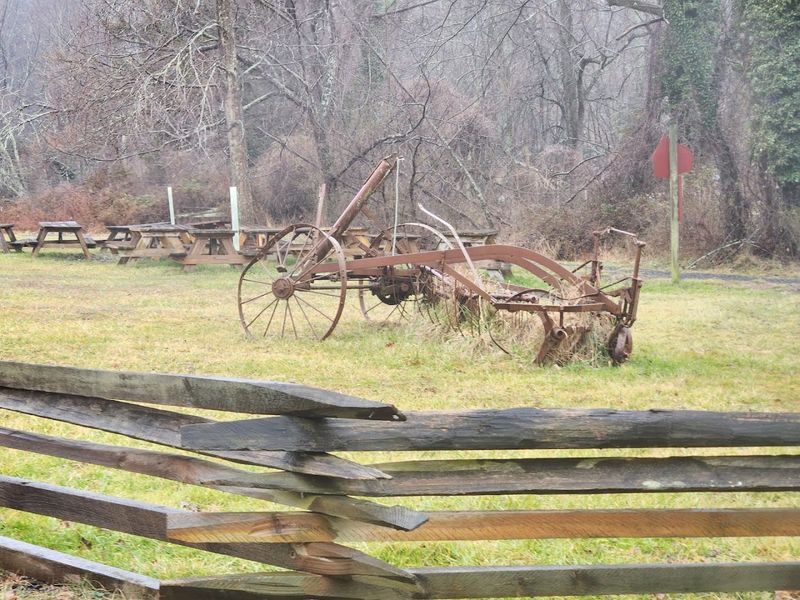
Jerusalem Mill is genuinely set up to welcome families for a full day out, not just a quick walk-through. Picnic tables are scattered throughout the grounds, including areas near the river where the combination of shade and moving water makes for a comfortable resting spot during warmer months.
A covered pavilion provides shelter for larger groups, which makes the site suitable for family gatherings and small community events. Clean indoor restrooms are available at the welcome center, along with a water fountain, which are details that matter a lot when you are spending several hours outdoors with children.
The trails are manageable for kids, and the historic buildings add an educational element that turns the outing into something more than a standard park visit. Pets are welcome on the trails as well, which makes Jerusalem Mill a practical choice for families who want to bring their dogs along.
Free admission and free parking together make this one of the most affordable full-day family outings in the entire region.
What to Know Before You Go: Practical Visitor Tips
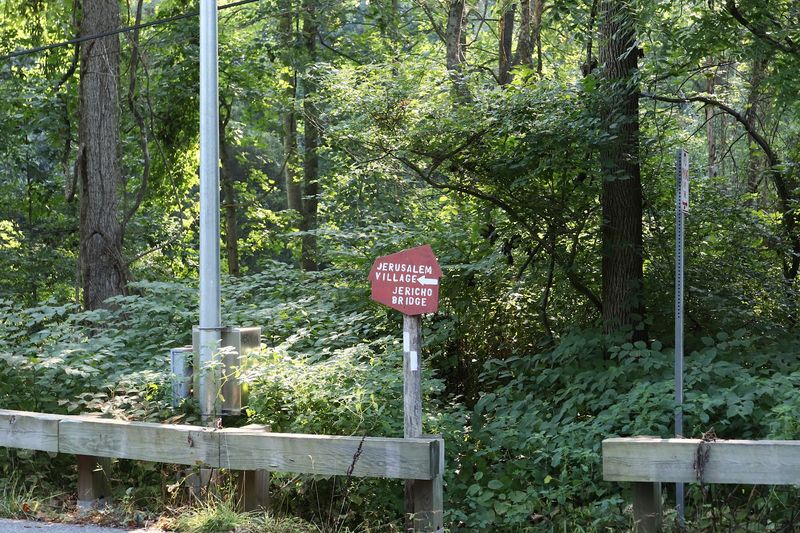
A few practical details can make a visit to Jerusalem Mill significantly smoother, especially for first-timers. The site is open every day of the week from 7 AM to 7 PM, and admission is always free, though donations are appreciated and help support the volunteer-run preservation effort.
The museum inside the main buildings and the gift shop are only open on weekends, so weekday visitors will have access to the grounds and trails but not the interior exhibits. Arriving early on busy weekend days is a smart move, as the parking lots fill up faster than expected during good weather.
Trail maps at the parking area are sometimes printed in black and white, which can make the color-coded route system confusing. Downloading the trail map from the website before arriving is a simple fix.
Muddy conditions are common on the trails during fall and winter, so sturdy footwear makes a real difference.
The official website at jerusalemmill.org is the most reliable source for current event schedules and any seasonal changes to operating hours.
Why Jerusalem Mill Deserves a Spot on Your Maryland Bucket List
Not many places in Maryland can offer two and a half centuries of history, a network of well-maintained hiking trails, a covered bridge, river access, seasonal events, and free admission all in one location. Jerusalem Mill manages to do exactly that, and it does so without the crowds or the commercialization that often come with well-known historic sites.
The fact that the entire operation is sustained by volunteers who genuinely care about the history of this place adds a layer of authenticity that is increasingly rare. The buildings are real, the demonstrations are real, and the history being preserved here represents an actual community that lived and worked on this land for generations.
For Maryland residents who have never made the trip to Kingsville, this is the kind of place that tends to prompt an immediate plan to return. For out-of-state visitors passing through on Interstate 95, it is an easy detour that delivers far more than the short drive off the highway might suggest.
Jerusalem Mill is the kind of place that earns its reputation quietly, one visit at a time.
Where History Lives: The Location and Setting
At 2813 Jerusalem Road in Kingsville, Maryland 21087, the Jerusalem Mill Village sits within the boundaries of Gunpowder Falls State Park, one of the largest state parks in Maryland.
The village rests right alongside Little Gunpowder Falls, a clear-running stream that powered the original grist mill back in the colonial era. The surrounding landscape is thick with mature trees and natural trails, making the setting feel genuinely removed from the busy suburban sprawl nearby.
Despite being just minutes from Interstate 95, the village feels like a different world entirely. The address is easy to find, and the park provides designated parking lots along with an overflow area for busier days.
Getting there early on weekends is a smart move, especially during warmer months when trail traffic picks up. Open every day from 7 AM to 7 PM, the site is accessible year-round without any admission fee.
Share this story