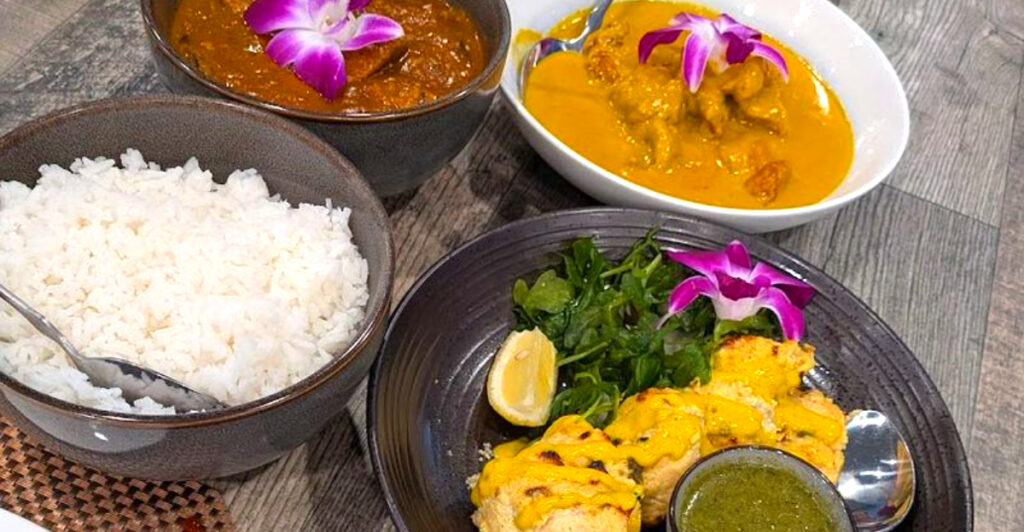
Some of Harrisburg’s most interesting food is being served in a place many drivers barely notice. This unassuming restaurant brings together Nepali, Indian, and Indo-Chinese cuisines, offering a menu that goes far beyond the standard options found at most South Asian eateries.
What makes the restaurant stand out is its range. Steamed momos, butter chicken, Indo-Chinese specialties, and creative dishes like Paneer Bao Buns share the menu, giving diners the chance to explore several culinary traditions in a single meal.
Led by Chef Rakesh Gurung, who brings more than 15 years of experience to the kitchen, the restaurant has built a loyal following through thoughtful preparation and distinctive flavors. For anyone looking to discover something different in central Pennsylvania, it remains one of Harrisburg’s most rewarding hidden gems.
A Strip Mall Address That Hides a Serious Kitchen
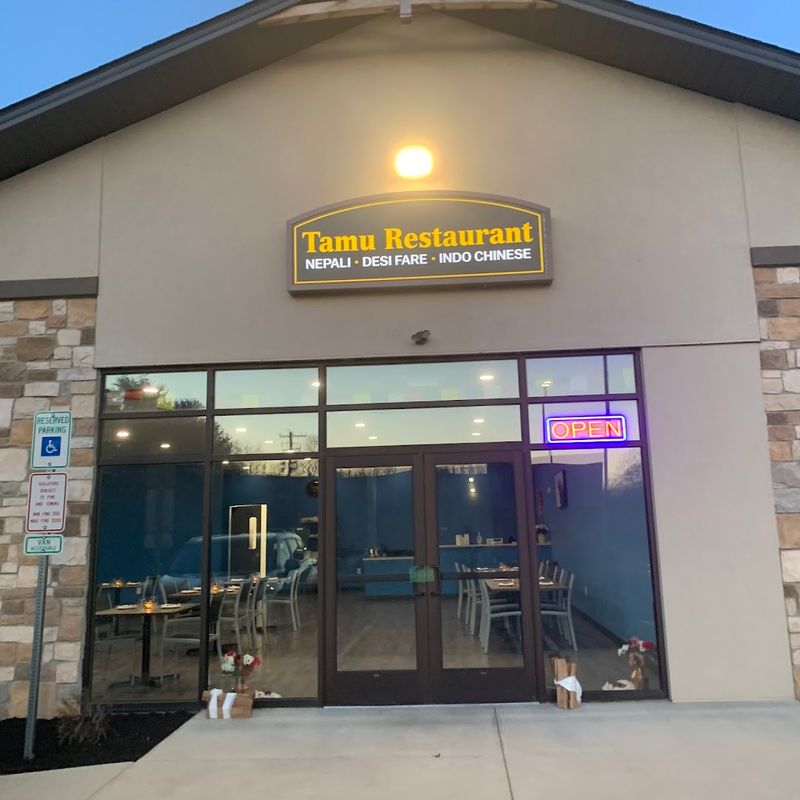
Not every great restaurant announces itself with fanfare, and Tamu Restaurant at 2380 Colonial Road, Suite D, Harrisburg, PA 17112 is proof of that. The address sits inside a quiet strip mall, the kind you might slow down for only if you already know what waits inside.
Plenty of parking surrounds the building, and the entrance is wheelchair accessible, which makes the visit comfortable right from the start. A handwritten note on the door has greeted some guests, giving the place a personal, family-run character that larger chain restaurants simply cannot fake.
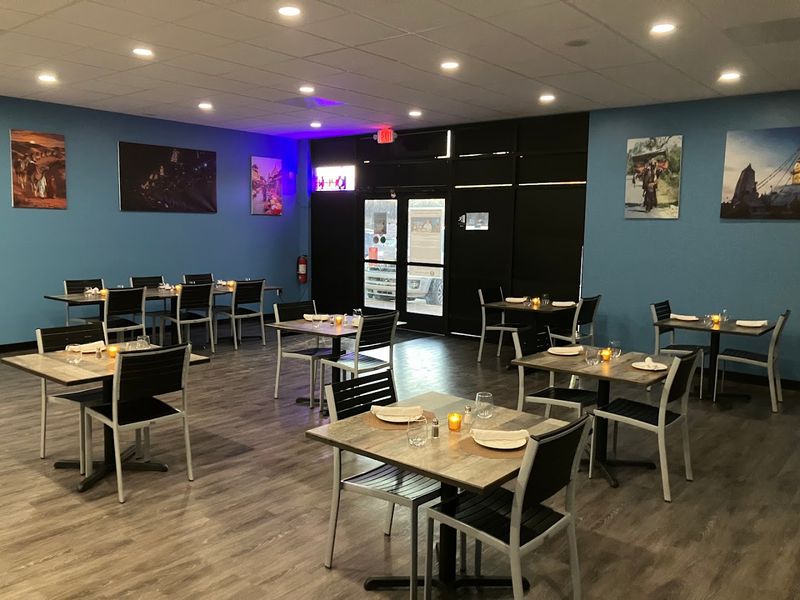
The interior surprises most first-timers. The dining room is spacious, clean, and styled with a modern touch, with candles on tables adding a warm, relaxed mood.
Nothing about the space feels rushed or temporary.
Chef Rakesh Gurung personally greets diners and checks on tables throughout the evening, a gesture that signals this is not just a business transaction but a genuine hospitality experience worth seeking out.
The Craft Behind Every Bold, Layered Flavor
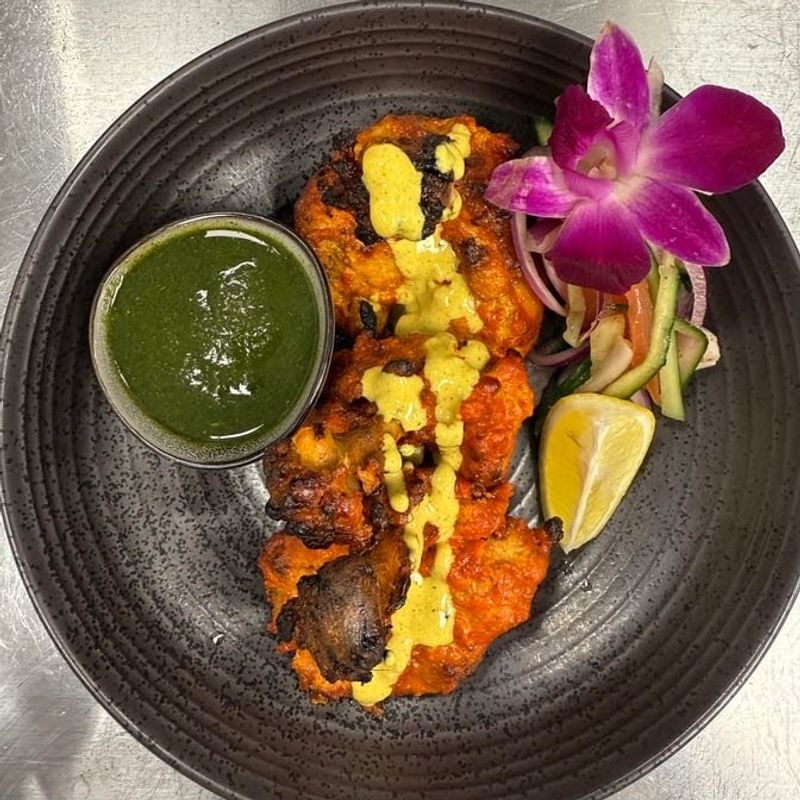
Every dish at Tamu Restaurant reflects a deep command of Nepali, Indian, and Indo-Chinese cooking traditions. The menu is built around bold spices, layered sauces, and carefully balanced flavors that feel both comforting and distinctive.
What makes the food stand out is the level of care behind each preparation. Ingredients are explained thoughtfully, spice levels can be adjusted, and dishes are often tailored to match individual preferences.
That flexibility gives the dining experience a personal feel without losing the authenticity and structure of the cuisine.
The restaurant’s attention to detail shows up in memorable touches, from freshly prepared accompaniments to house-made flavor boosters that add heat, depth, and character. Guests often return repeatedly because the food delivers the same richness and consistency from one visit to the next.
That commitment to flavor, hospitality, and customization is what gives Tamu Restaurant its loyal following and makes each meal feel carefully prepared rather than routine.
Momos: The Dumpling That Deserves Its Own Fan Club
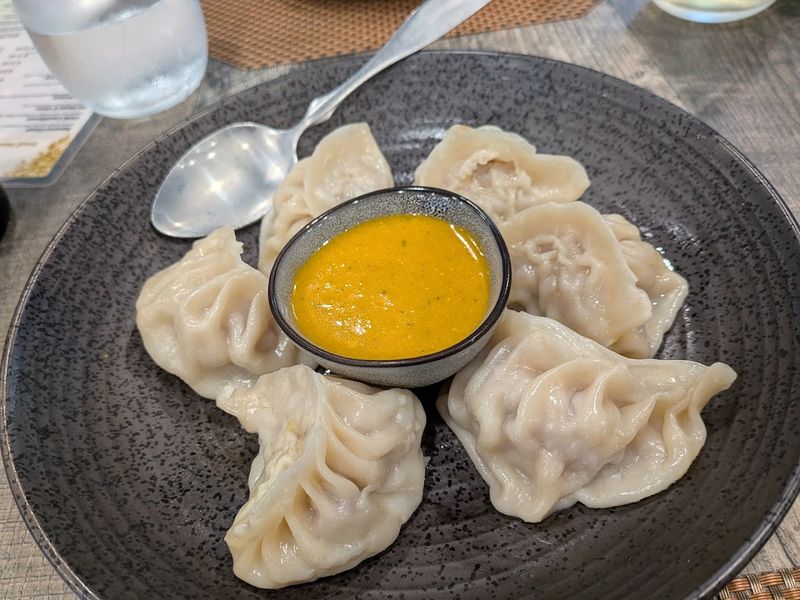
Momos are the soul food of Nepal, and Tamu Restaurant treats them with the respect they deserve. These small folded dumplings come steamed or fried, filled with seasoned vegetables or meat, and arrive with a dipping sauce that adds just the right punch of heat and tang.
First-time visitors often order them as a starter and end up wishing they had ordered a second round. The wrappers hold their shape well, neither too thick nor too delicate, and the filling inside carries that distinct Nepali seasoning that feels both familiar and completely new at the same time.
For anyone who has only ever encountered dumplings in Chinese-American restaurants, momos offer a slightly different texture and a more aromatic spice profile. They are a genuine introduction to Nepali culinary tradition.
Once you try the momos, the Paneer Bao Bun waiting further down the menu will call to you in a way that is very hard to ignore.
The Paneer Bao Bun That Converts Skeptics Instantly
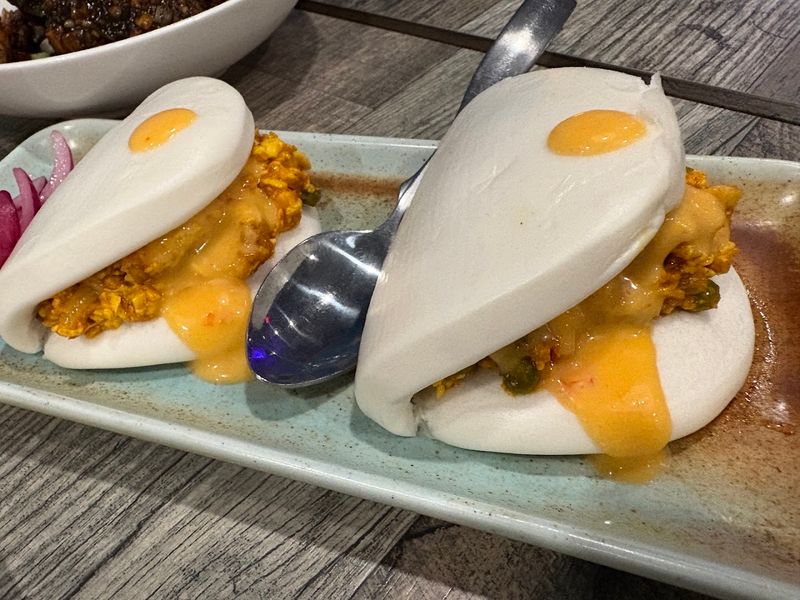
Some dishes exist at the crossroads of two culinary traditions and manage to honor both without compromising either. The Paneer Bao Bun at Tamu Restaurant is exactly that kind of dish, pairing soft steamed bao buns with spiced Indian paneer in a fusion that feels intentional rather than experimental.
The bun itself is pillowy and light, and the paneer filling carries enough seasoning to stand on its own. Together, they create a bite that is both satisfying and genuinely surprising for anyone who has never encountered this combination before.
Guests who ordered it as an afterthought have described it as one of the best things they tried that evening, occasionally regretting having to share it with the rest of the table. That reaction says something real about the dish.
It pairs beautifully with the Gobi Manchurian as part of a shared appetizer spread, which is a combination worth planning your entire visit around.
Gobi Manchurian and the Art of Indo-Chinese Flavor
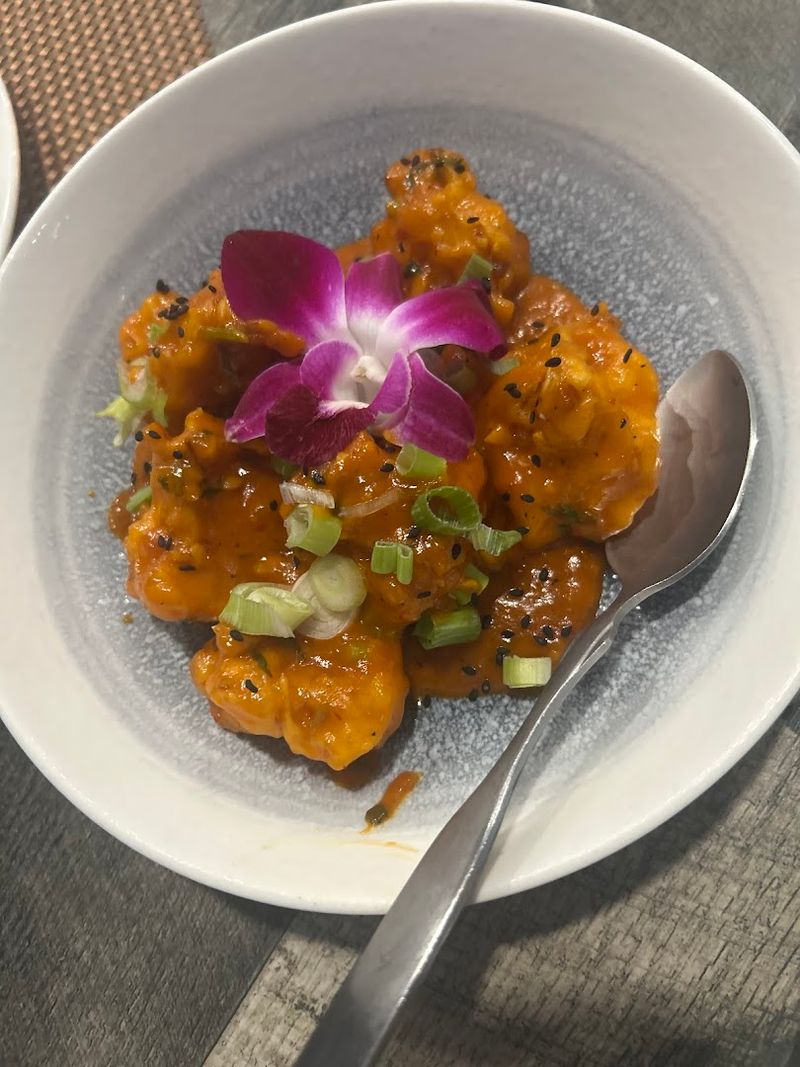
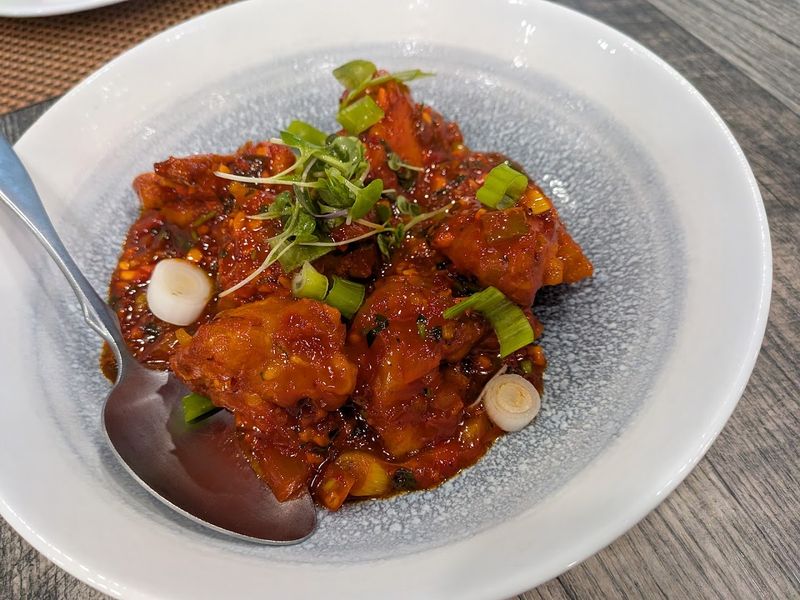
Indo-Chinese cuisine is its own distinct culinary language, and Tamu Restaurant speaks it fluently. The Gobi Manchurian, made with crispy cauliflower florets tossed in a bold brown sauce with green pepper and minced onion, is one of the clearest examples of that fluency on the menu.
The dry version arrives with a noticeable Chinese influence in the sauce, but the spice layering underneath is unmistakably South Asian. The result is a dish that does not belong entirely to either tradition, which is precisely what makes it so compelling.
Crunch is the defining texture here. The cauliflower holds its crispiness even after being coated in sauce, which requires real technical skill at the wok.
Overcooking by even a minute would ruin the balance.
Regulars tend to order it as a starter, but it is substantial enough to anchor a lighter meal all on its own, especially when paired with a bowl of Manchow soup.
Old Delhi Butter Chicken Done the Right Way
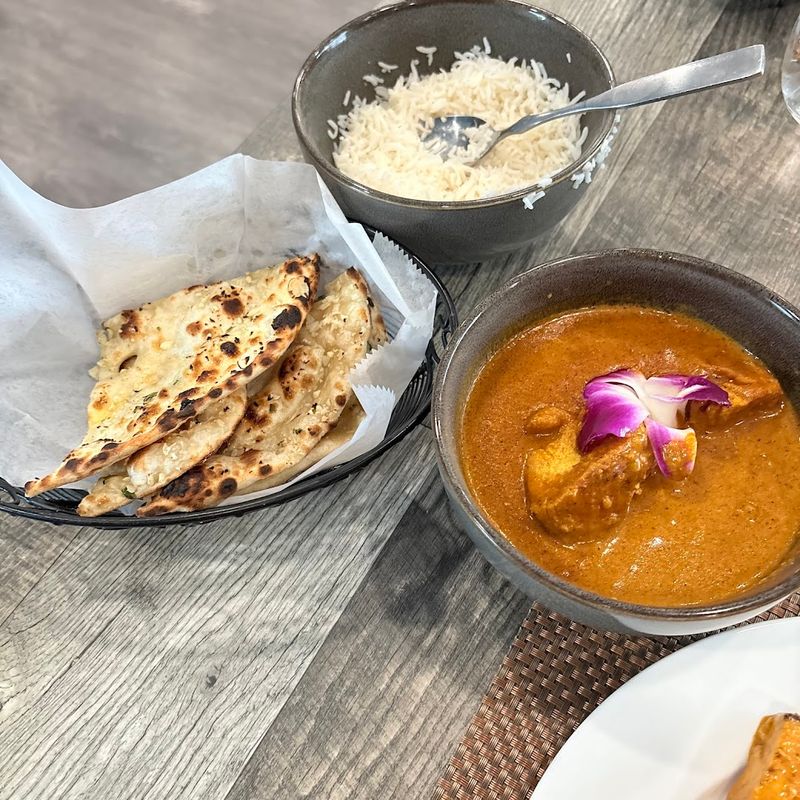
Butter chicken is one of those dishes that almost every Indian restaurant offers, but the gap between a mediocre version and a truly great one is enormous. At Tamu Restaurant, the Old Delhi Butter Chicken lands firmly in great territory, with a creamy tomato-based sauce that carries real depth rather than just sweetness.
The chicken itself is well-cooked throughout the menu, and this dish is no exception. Each piece absorbs the sauce without losing its texture, and the seasoning is layered in a way that reveals itself slowly as you eat.
Pairing it with garlic naan or the onion kulcha turns the meal into something worth lingering over. The kulcha in particular has earned its own devoted following among repeat visitors who describe it as a near-perfect bread experience.
For anyone new to Indian cuisine, this dish is an approachable and genuinely satisfying entry point into the broader menu that Tamu has built with such care.
Hakka Noodles and the Wok Smoke You Can Actually Taste
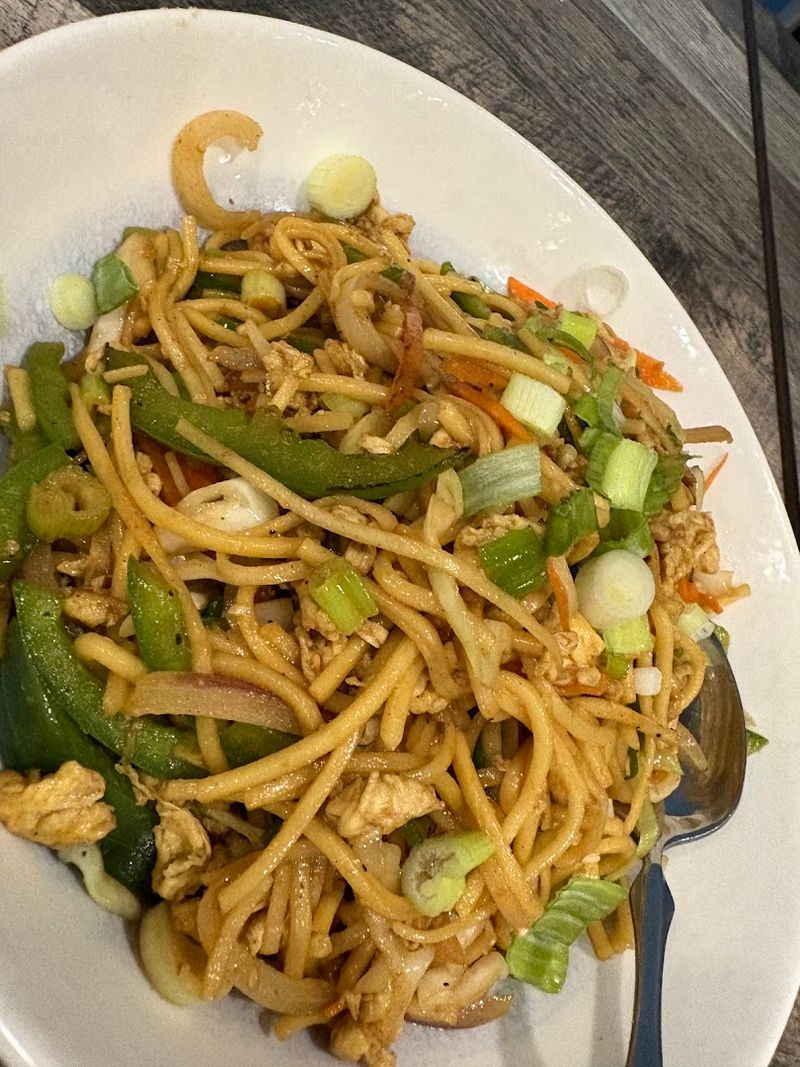
There is a specific kind of satisfaction that comes from noodles cooked in a properly heated wok, and the Hakka Noodles at Tamu Restaurant deliver that experience with consistency. The smoky, slightly charred aroma that comes from high-heat wok cooking is present in every forkful.
The egg version includes fresh vegetables that retain their bite rather than turning soft and lifeless, a detail that separates a skilled kitchen from an average one. The noodles themselves are neither too oily nor too dry, hitting the balance that makes this dish so endlessly craveable.
Indo-Chinese cuisine developed in the Hakka Chinese communities of Kolkata, and Tamu honors that tradition while adding its own personality to the dish. It is comfort food with a story attached to it.
Ordering it alongside the Triple Szechuan Fried Rice creates a carb-forward combination that sounds excessive on paper but somehow makes perfect sense once both dishes arrive at the table together.
Complimentary Spinach Fritters: The Welcome Gift
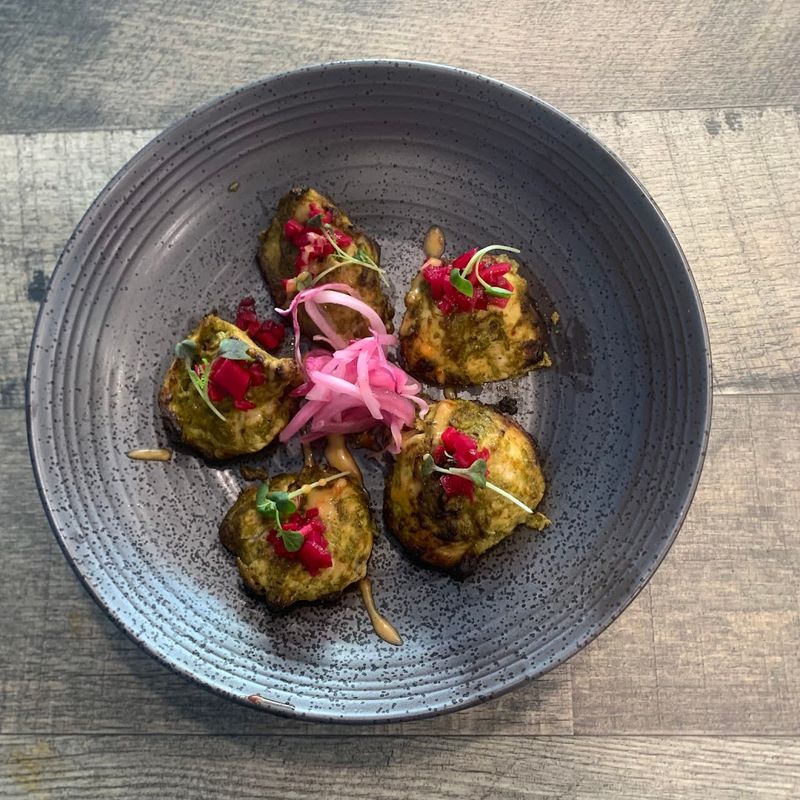
A restaurant that greets every table with a complimentary appetizer is making a statement about the kind of experience it wants to create. At Tamu Restaurant, that statement arrives in the form of spinach fritters, golden and crispy, delivered before you have even had a chance to fully settle into your seat.
The fritters are light enough not to fill you up, but flavorful enough to set your expectations for everything that follows. Seasoned with a blend of spices and fried to a satisfying crunch, they function as both a warm greeting and an early preview of the kitchen’s abilities.
It is a small gesture, but it consistently earns positive comments from first-time visitors and regulars alike. In a dining landscape where extras often come with a price tag, this kind of generosity feels genuinely refreshing.
By the time the fritters are gone, most diners are already mentally rearranging their order to make room for as many dishes as the table can reasonably hold.
Malai Kofta and the Dishes Built for Vegetarians
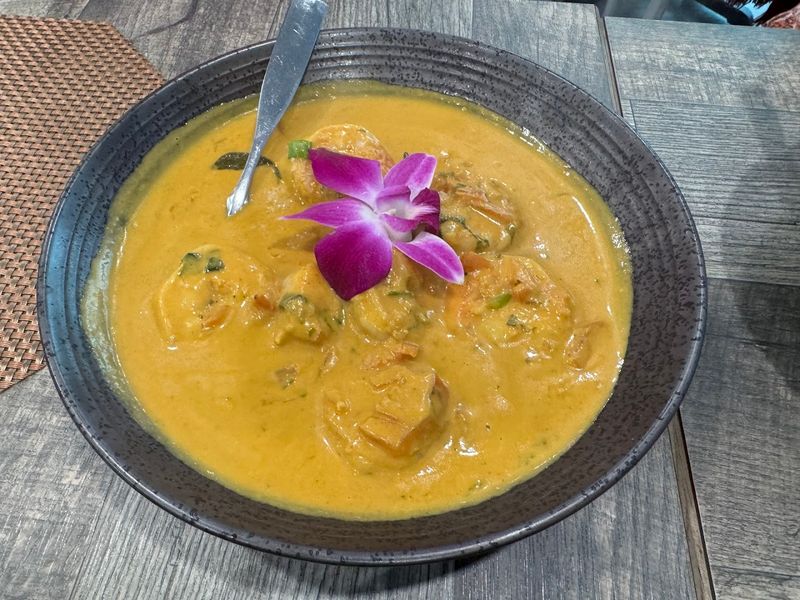
Vegetarian dining at Tamu Restaurant is not an afterthought. The menu is built with plant-based eaters in mind, and the Malai Kofta stands as one of the strongest arguments for skipping the meat entirely on at least one visit.
Soft, tender kofta balls made from paneer and potato sit in a silky, indulgent gravy that is spiced with enough complexity to reward slow, attentive eating. The sauce clings to rice and roti equally well, making the dish versatile across different eating styles.
The Paneer Manchurian, Roti with Paneer Saag, and Gobi 65 round out a vegetarian lineup that could anchor an entire meal without a single protein gap. Each dish is seasoned independently rather than relying on a single base sauce, which keeps the variety genuine.
For anyone who assumed that vegetarian Indian food meant a limited selection, the menu at Tamu Restaurant offers a respectful and delicious correction to that assumption.
Spice Levels Customized to Your Comfort Zone
One of the quieter strengths of Tamu Restaurant is its flexibility around heat. The kitchen offers multiple spice tolerance levels, from mild preparations that let the underlying flavors speak clearly, to medium and high options that build genuine warmth without overwhelming the dish.
For guests who enjoy serious heat, the step between medium spicy and high spicy has been described as exactly right, which is a rare calibration to get consistently correct. Too many restaurants treat spice as a binary choice rather than a spectrum.
The staff is knowledgeable about the menu and willing to make recommendations based on personal tolerance, a quality that becomes especially valuable when ordering dishes from multiple culinary traditions in a single sitting. They have also accommodated custom requests, such as adding vegetables to dishes that do not normally include them.
That kind of attentiveness transforms a meal from a transaction into a conversation, and it is one of the reasons so many first-time visitors end up becoming regulars before the month is out.
Lamb, Goat, and the Slow-Cooked Dishes Worth the Wait
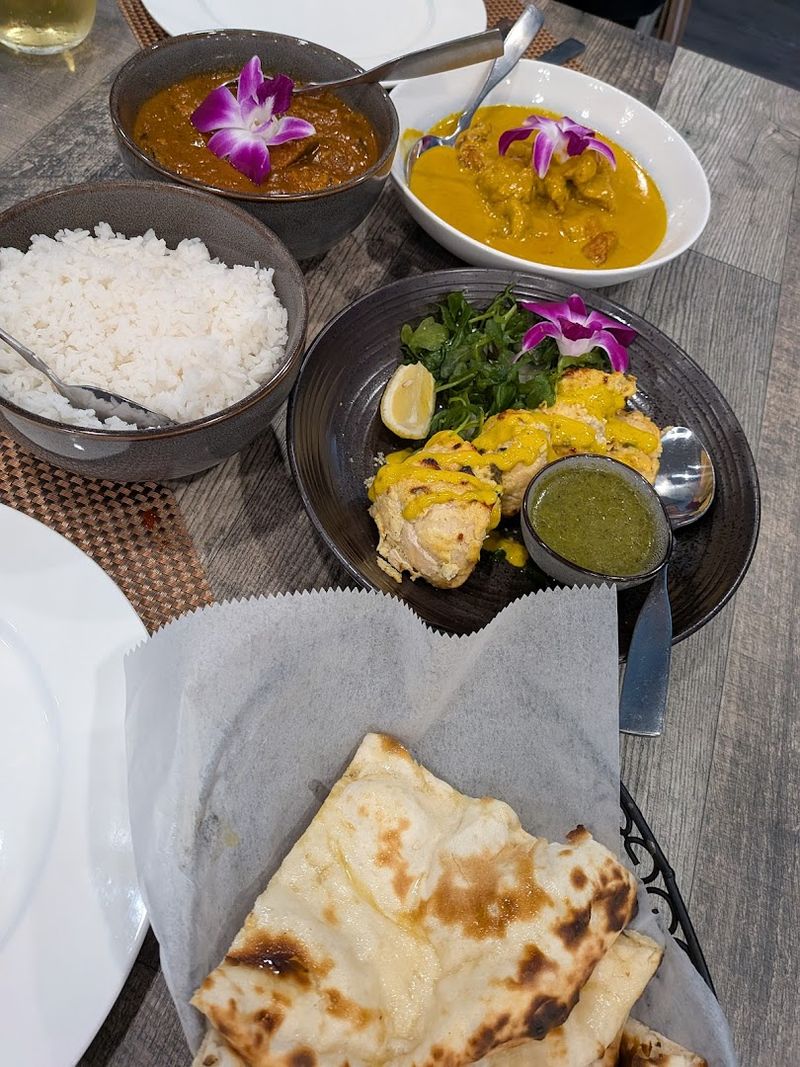
Patience is an ingredient, and the slow-cooked dishes at Tamu Restaurant prove it. The curry lamb has earned particular praise for the way it falls apart at the slightest pressure, having absorbed hours of seasoning and low heat into every fiber of the meat.
Goat curry follows a similar philosophy, arriving tender and deeply flavored, the kind of dish that rewards diners who are willing to eat slowly and pay attention. Both proteins appear across different preparations on the menu, giving repeat visitors genuine variety across multiple visits.
The Rogan Josh lamb, available as part of the lunch deal, delivers that same depth of flavor at a price point that makes the midday trip entirely worth the detour. Portions are generous across the board, with many diners reporting enough leftovers for a second meal at home.
There is something quietly impressive about a kitchen that treats slow cooking as a standard rather than a special occasion, and Tamu does exactly that.
Hours, Reservations, and Tips for Your First Visit
Planning a visit to Tamu Restaurant is straightforward once you know the schedule. The restaurant is open Tuesday through Sunday from 11:30 AM to 9 PM, and it is closed on Mondays.
That Tuesday-to-Sunday window covers both lunch and dinner, giving you real flexibility depending on your schedule.
Reservations are accepted but not always necessary, particularly for weekend lunches when the dining room tends to be quieter. Saturday evenings draw more traffic, so calling ahead to 717-216-5159 or checking availability through the website at tamuharrisburg.com is a reasonable precaution.
Parking is plentiful around the strip mall location, and the entrance is wheelchair accessible, removing two common friction points before you even walk in. The dining room is spacious enough that the experience never feels crowded or rushed, even when the restaurant is busy.
First-time visitors are encouraged to order broadly across the menu, because the kitchen handles Nepali, Indian, and Indo-Chinese dishes with equal confidence, and narrowing your selection too early is a choice you may quietly regret.
Share this story