Some of the most remarkable people in history never became parents. Instead, they poured their energy into ideas, art, science, and causes that changed the world forever.
Their legacies live on through their discoveries, writings, and movements rather than through children of their own. Here are 15 extraordinary historical figures who left a lasting mark on humanity without ever having kids.
Isaac Newton (1643–1727)
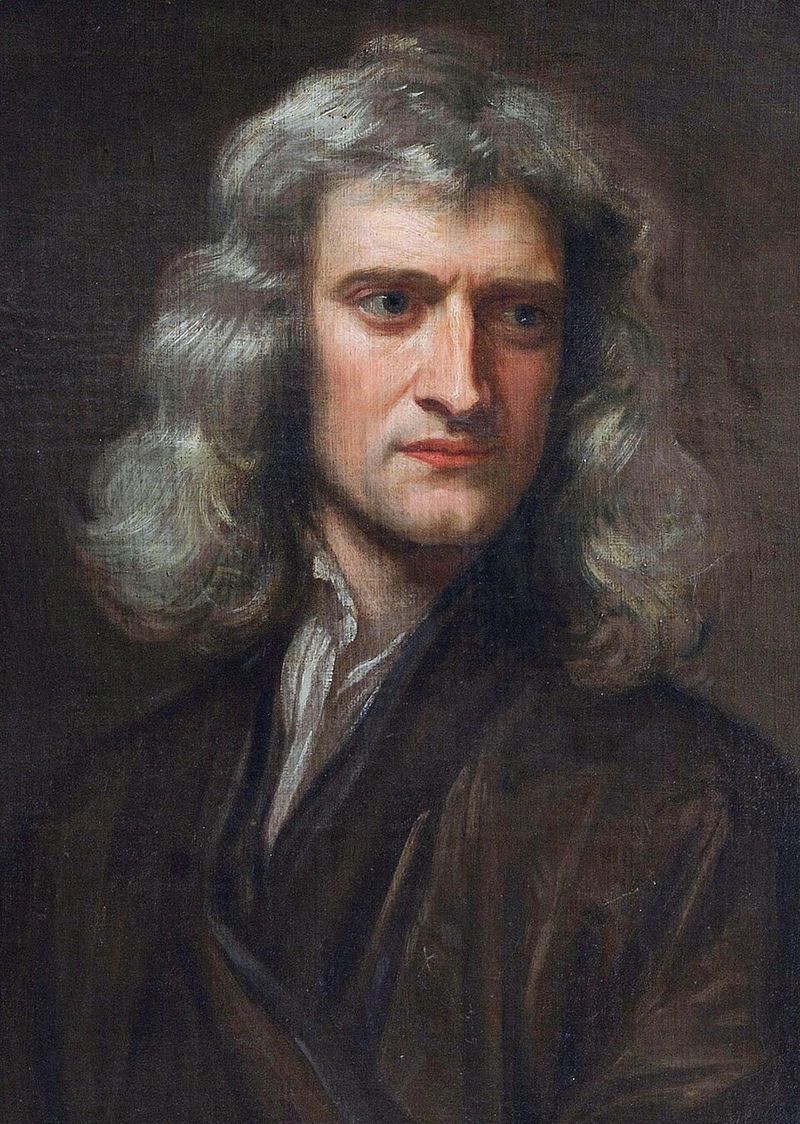
Few people have reshaped human understanding the way Isaac Newton did. Born prematurely in England, he grew up to become one of the greatest scientific minds the world has ever known.
His laws of motion and universal gravitation explained how objects move both on Earth and in space.
Newton also co-invented calculus and made groundbreaking discoveries in optics, showing that white light is made up of all the colors of the rainbow. He never married and had no children, dedicating nearly his entire life to study and research.
Some historians believe he may have had close friendships but chose solitude and intellectual work above all else. His book “Principia Mathematica,” published in 1687, is still considered one of the most important scientific works ever written.
Newton lived to age 84, leaving behind a legacy that shaped modern physics and mathematics forever.
Leonardo da Vinci (1452–1519)
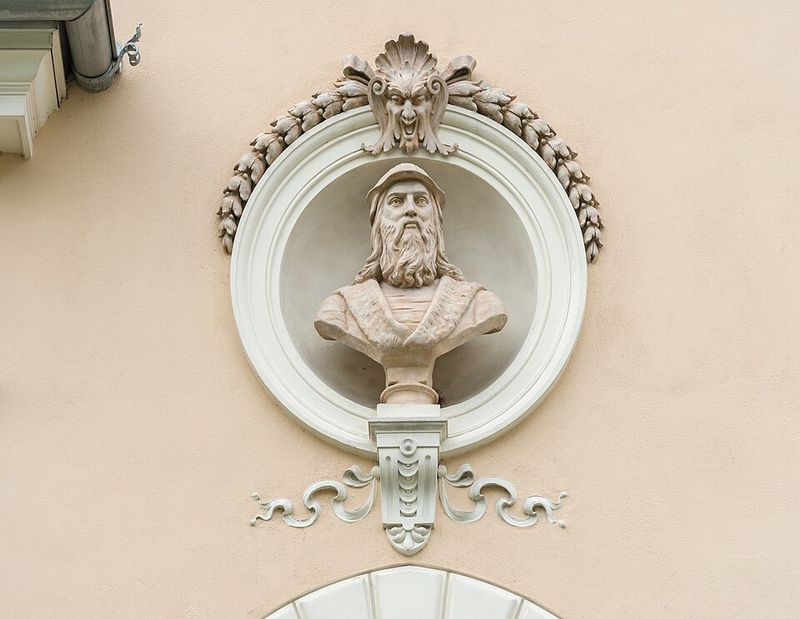
Leonardo da Vinci was the kind of person who could never stop asking questions. Born in Tuscany, Italy, he became one of the most talented and curious individuals who ever lived.
He painted masterpieces like the Mona Lisa and The Last Supper while also designing flying machines centuries before airplanes existed.
Leonardo never married and had no biological children, though he did take on apprentices he mentored closely. His notebooks, filled with thousands of sketches and ideas, reveal a mind that leaped from anatomy to architecture to astronomy without missing a beat.
Historians believe his relentless curiosity and perfectionism may have made traditional family life impractical for him. He often left projects unfinished because his interests kept pulling him in new directions.
Despite this, his contributions to art and science remain unmatched, and he is widely regarded as the ultimate Renaissance man.
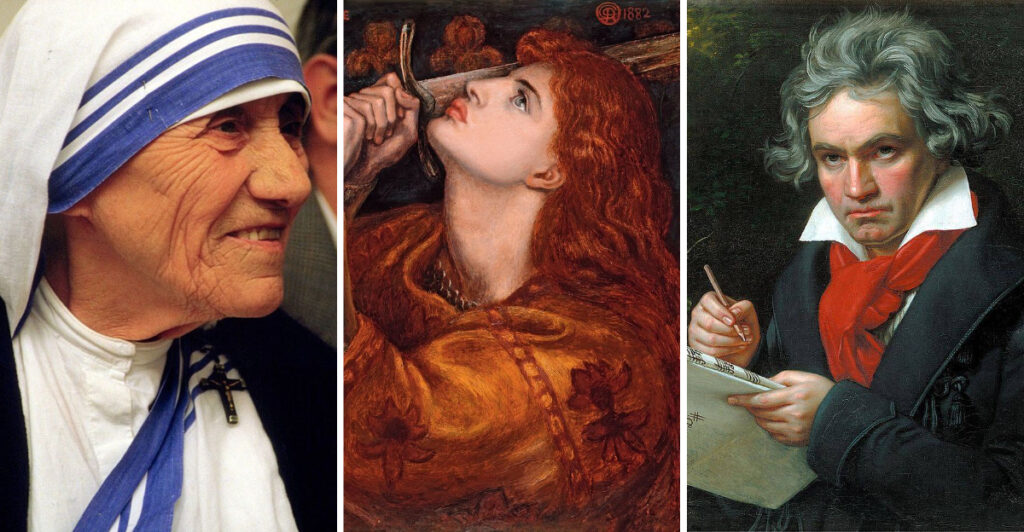
Joan of Arc (1412–1431)
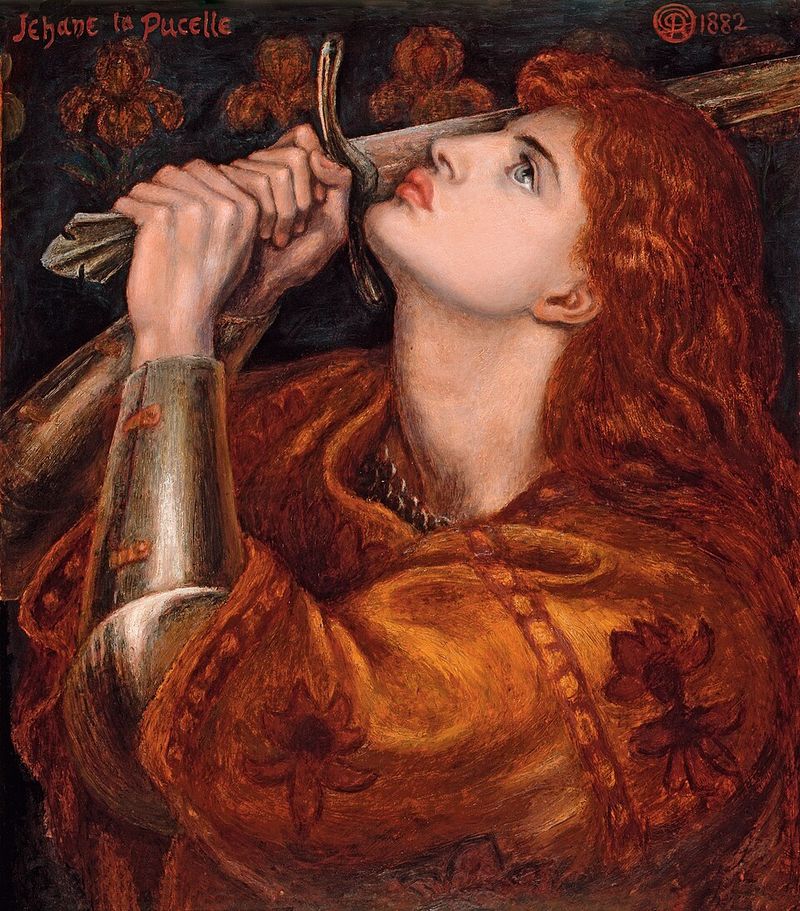
At an age when most teenagers were focused on daily survival, Joan of Arc was leading armies. Born into a peasant family in northeastern France, she claimed to hear the voices of saints urging her to help drive English forces out of her country.
Remarkably, French military leaders listened to her.
Joan led French troops to several key victories during the Hundred Years War, most notably the relief of the siege of Orleans in 1429. She never married and had no children, as her short life was consumed entirely by her mission and faith.
Captured by Burgundian forces and handed to the English, she was tried for heresy and burned at the stake at just 19 years old. The Catholic Church later declared her a saint in 1920.
Her courage and conviction continue to inspire millions of people around the world today.
Ludwig van Beethoven (1770–1827)
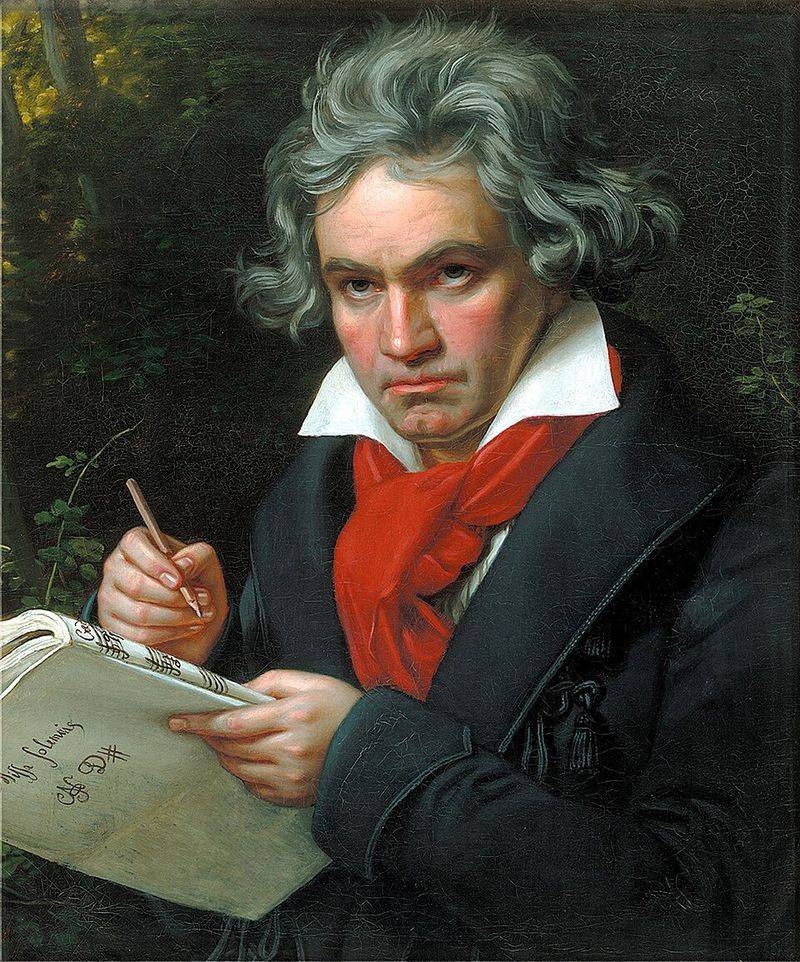
Beethoven composed some of the most powerful music ever written, and he did it while gradually losing his hearing. Born in Bonn, Germany, he showed musical talent at a very young age and went on to write nine symphonies, numerous piano sonatas, and string quartets that still move audiences today.
He never married and had no children, though he fell in love several times and wrote a famous unsent letter to someone he called his “Immortal Beloved.” The identity of this person remains one of music history’s great mysteries. His personal life was often turbulent and lonely.
By the time he completed his Ninth Symphony, featuring the iconic “Ode to Joy,” he was completely deaf. He reportedly felt the vibrations through the floor when it was first performed.
Beethoven’s music bridges the Classical and Romantic eras, and his influence on Western music is simply immeasurable.
Immanuel Kant (1724–1804)
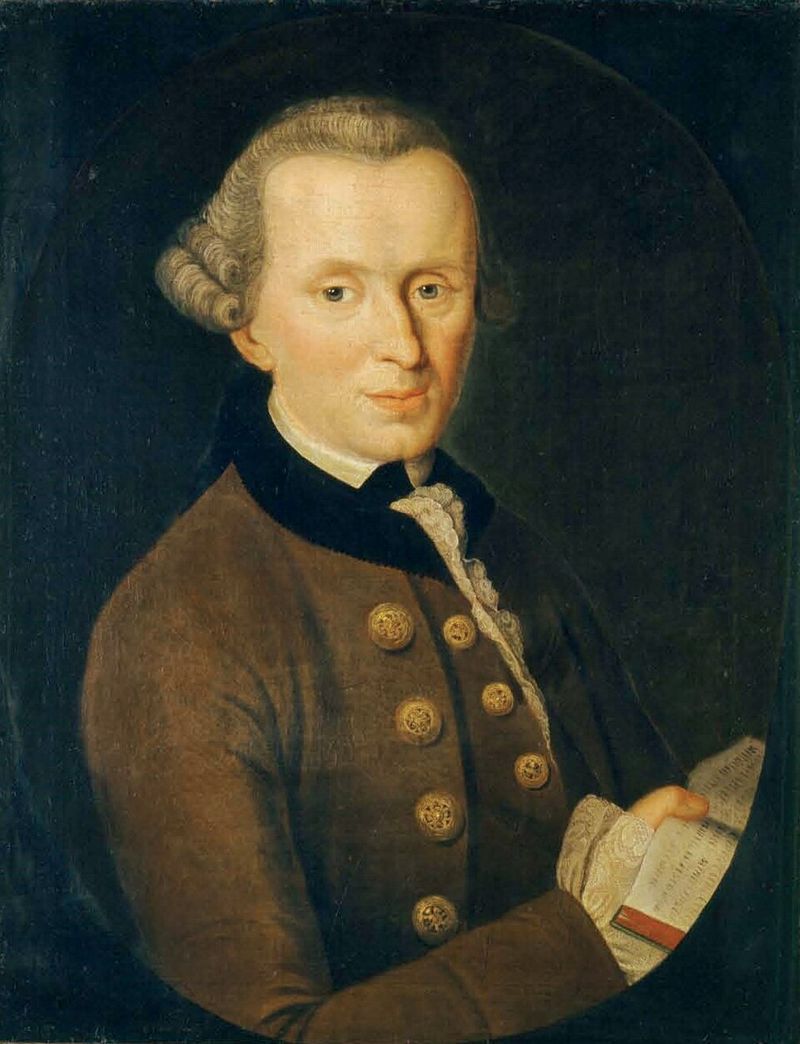
Immanuel Kant lived such a routine life that the people of Konigsberg, Prussia, reportedly set their clocks by his daily walks. Yet beneath this orderly exterior was one of the most revolutionary thinkers of the Enlightenment.
His philosophical ideas challenged how people understood knowledge, morality, and the nature of reality itself.
Kant never married and had no children, seemingly preferring the company of ideas to the demands of family life. His major work, “Critique of Pure Reason,” published in 1781, fundamentally changed the course of Western philosophy.
He argued that human perception shapes our experience of the world in ways we rarely stop to consider.
Despite his global intellectual influence, Kant rarely traveled far from his hometown. He believed that a disciplined, moral life was its own reward.
His ethical framework, known as the categorical imperative, is still studied and debated in philosophy classrooms around the world today.
Florence Nightingale (1820–1910)
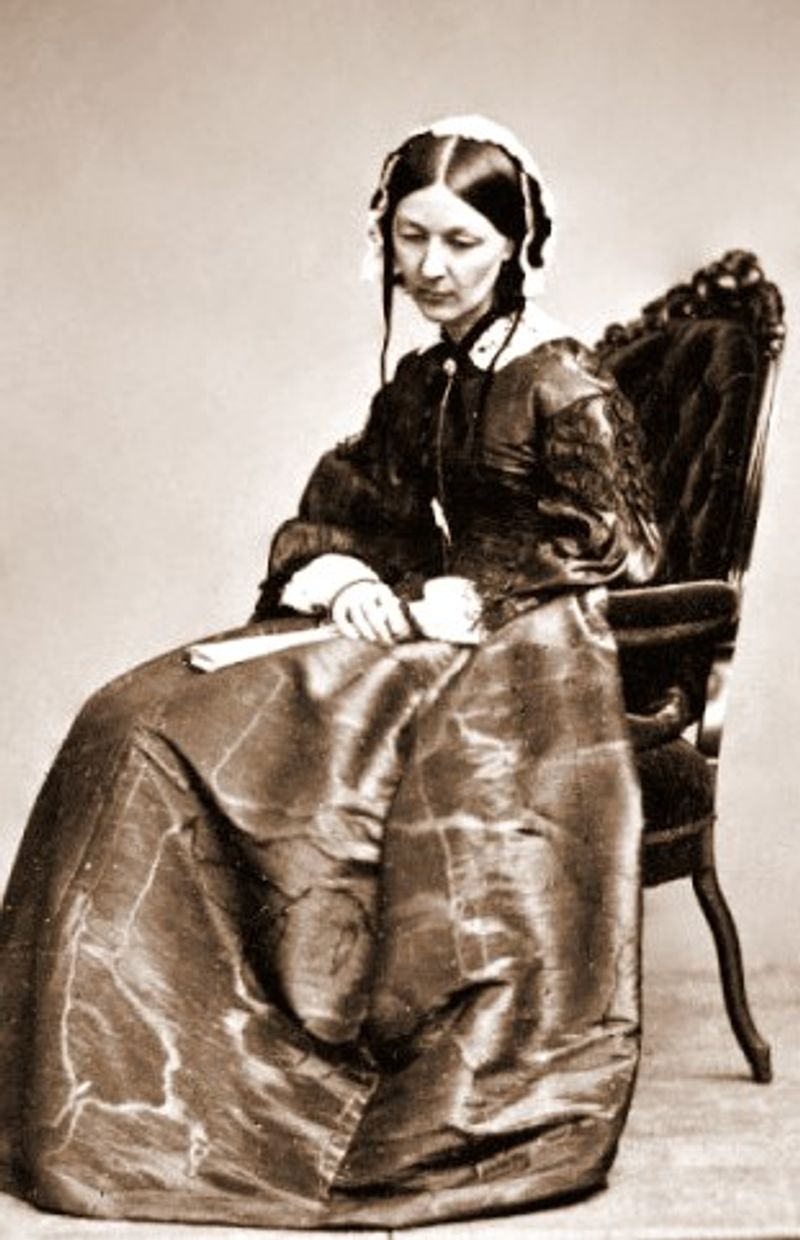
Florence Nightingale walked through dark hospital wards at night with a lamp in hand, tending to wounded soldiers during the Crimean War. That image earned her the nickname “The Lady with the Lamp,” but she was far more than a caring nurse.
She was a sharp statistician, a reformer, and the founder of modern nursing as a profession.
Born into a wealthy British family, she defied social expectations by pursuing medicine instead of marriage. She never had children, dedicating her life entirely to improving healthcare systems and training nurses.
Her detailed records and statistical charts helped convince governments to improve hospital sanitation.
After returning from the Crimea, she spent decades writing and advising on public health policy from her home, largely bedridden due to illness. Florence Nightingale’s work saved countless lives and transformed the way hospitals operate, setting standards that still guide healthcare professionals around the world today.
Nikola Tesla (1856–1943)
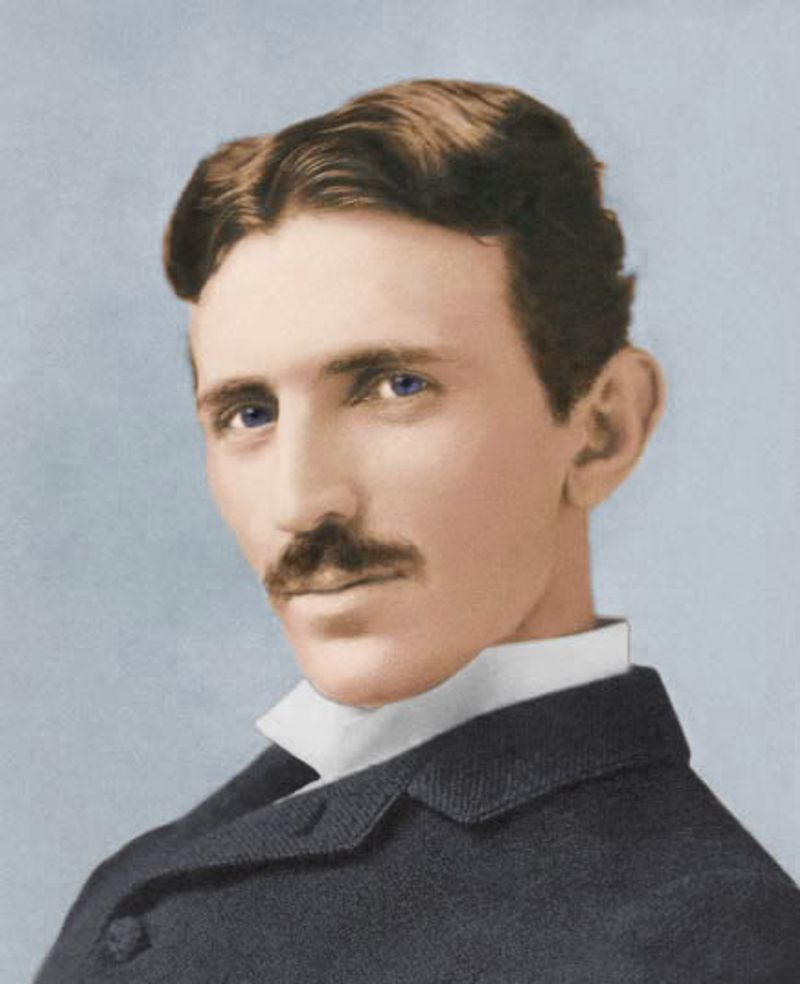
Nikola Tesla could visualize complete machines in his mind before ever building them, a mental ability that amazed and puzzled those around him. Born in Serbia and later immigrating to America, he developed the alternating current (AC) electrical system that powers homes and businesses around the world to this day.
Tesla never married and had no children, reportedly saying that his work was his only true love. He had a famously complicated rivalry with Thomas Edison and struggled financially for much of his later life despite his brilliant inventions.
His work also laid the groundwork for radio, remote control, and wireless communication.
He spent his final years alone in a New York hotel room, nearly forgotten by the public. Tesla died in 1943, but his reputation has soared in the decades since.
Today, he is celebrated as one of the greatest electrical engineers and visionaries in the history of science.
Emily Dickinson (1830–1886)
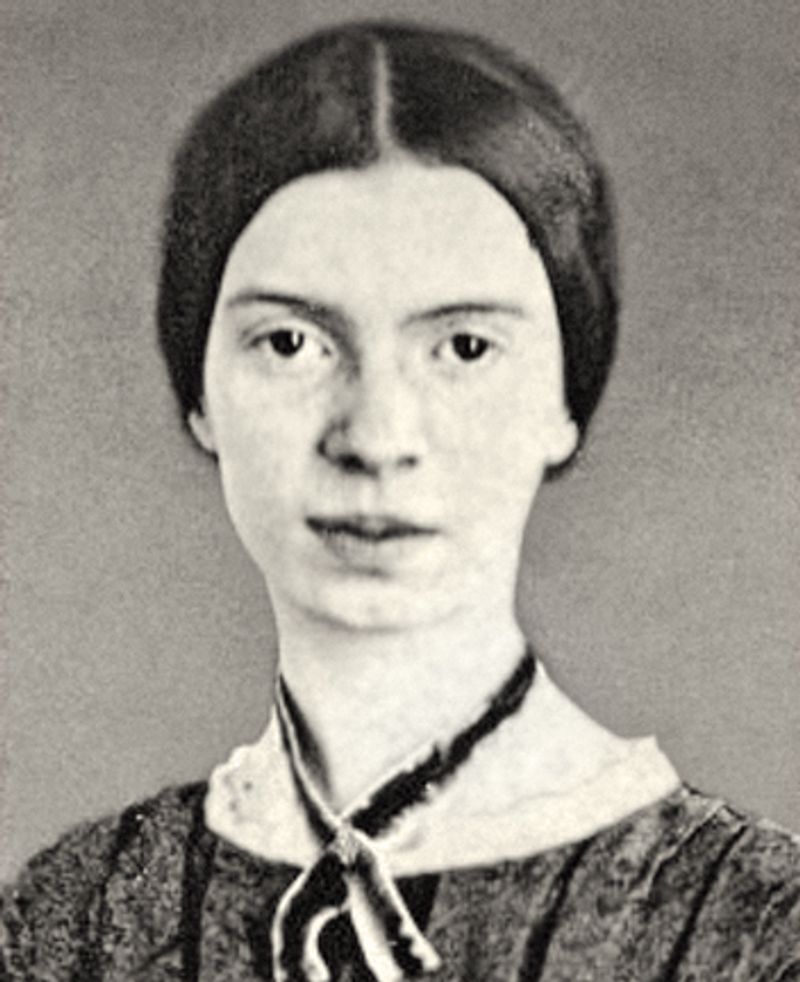
Emily Dickinson wrote nearly 1,800 poems in her lifetime, but fewer than a dozen were published while she was alive. That quiet statistic says a lot about how she lived: privately, intensely, and almost entirely within the walls of her family home in Amherst, Massachusetts.
She rarely left, and in her later years, she barely left her room.
Dickinson never married and had no children, though she formed deep and sometimes mysterious emotional bonds through letters. Her poetry explored death, nature, faith, and the inner workings of the human mind with a sharpness that was far ahead of her time.
After her death, her sister discovered the enormous collection of poems tucked away in drawers. When they were finally published, the world recognized a literary genius.
Emily Dickinson is now considered one of the greatest American poets ever, her unconventional style influencing generations of writers who came after her.
Henry David Thoreau (1817–1862)
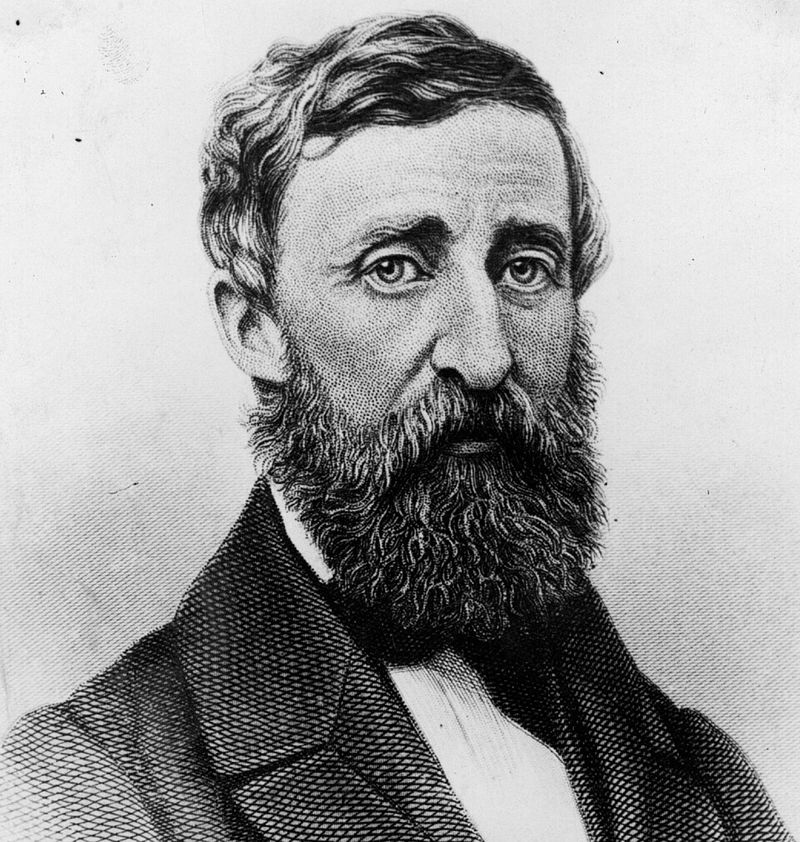
Henry David Thoreau once spent two years, two months, and two days living alone in a cabin he built by Walden Pond in Massachusetts. That experiment in simple living became the basis for his most famous book, “Walden,” a work that challenged readers to question what they truly needed to be happy.
Thoreau never married and had no children, preferring solitude, nature, and philosophical reflection. He was also a passionate abolitionist and wrote “Civil Disobedience,” an essay arguing that individuals have a moral duty to resist unjust laws.
That essay later inspired leaders like Mahatma Gandhi and Martin Luther King Jr.
He worked as a surveyor and pencil maker while writing some of the most thought-provoking prose in American literature. Thoreau died at just 44 from tuberculosis, but his ideas about nature, freedom, and personal integrity have continued to resonate with readers and activists for more than 160 years.
Susan B. Anthony (1820–1906)
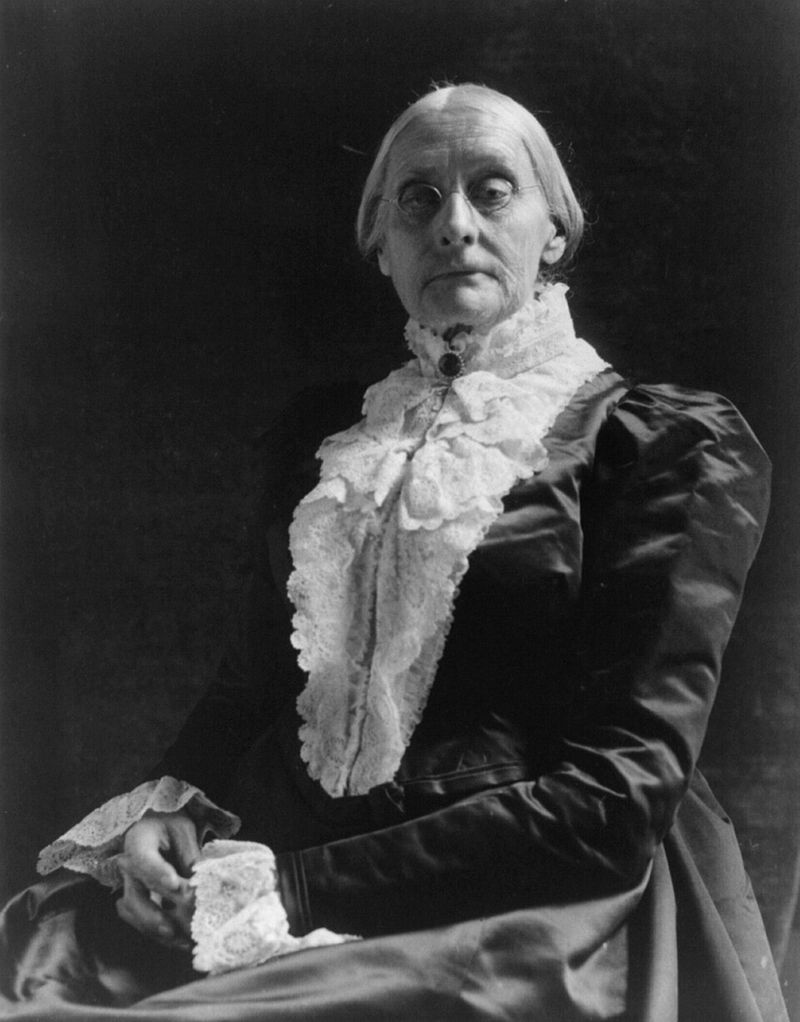
Susan B. Anthony spent more than 50 years fighting for women’s right to vote, and she never saw it happen in her lifetime.
Born into a Quaker family in Massachusetts, she grew up believing deeply in equality and justice. Those values drove her to become one of the most tireless activists in American history.
Anthony never married and had no children, a deliberate choice that gave her the freedom to travel, speak, and organize without the restrictions society placed on married women at the time. She was arrested in 1872 for illegally casting a ballot in a presidential election, turning her trial into a public statement about gender inequality.
She co-founded the National Woman Suffrage Association and worked alongside Elizabeth Cady Stanton for decades. Anthony died in 1906, fourteen years before the 19th Amendment granted women the vote.
That amendment is sometimes called the “Susan B. Anthony Amendment” in her honor.
Queen Elizabeth I (1533–1603)
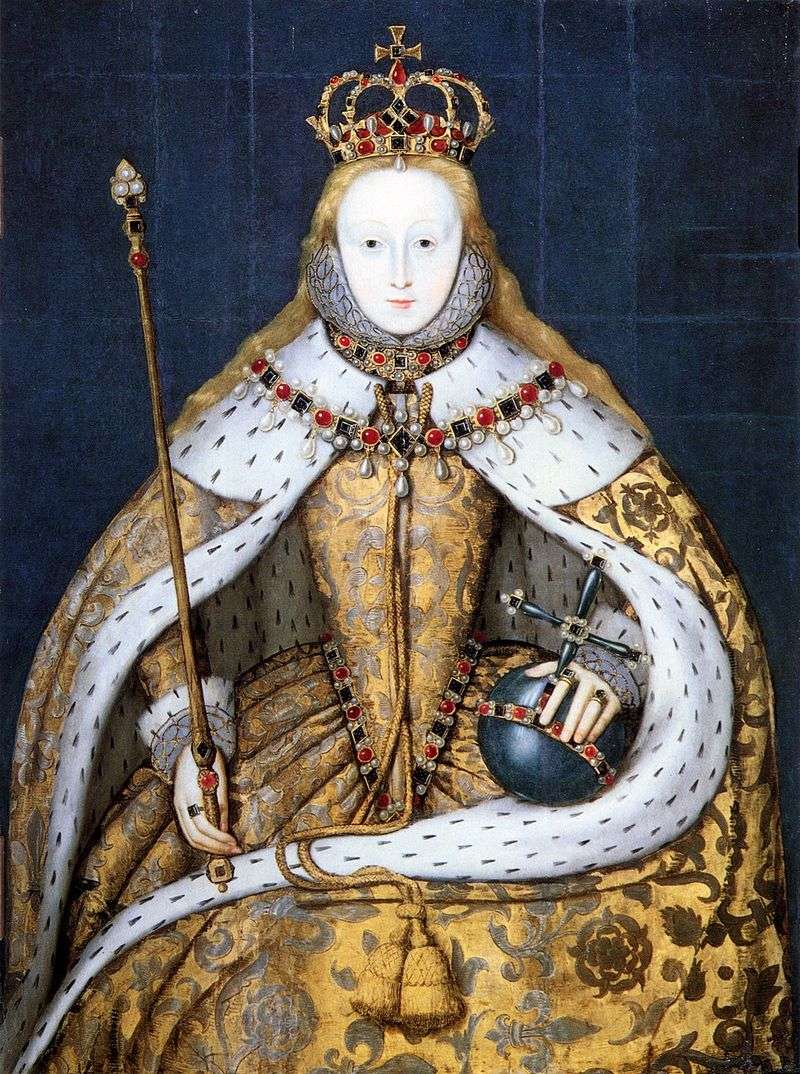
Queen Elizabeth I ruled England for 45 years without ever marrying or producing an heir, a choice that defined both her reign and her identity. Daughter of King Henry VIII and Anne Boleyn, she came to the throne in 1558 at a time when many doubted a woman could govern effectively.
She proved them spectacularly wrong.
Elizabeth became one of England’s greatest monarchs, overseeing a golden age of exploration, art, and literature. Her reign saw Shakespeare write his plays and English ships defeat the Spanish Armada in 1588.
She used her unmarried status strategically, keeping foreign powers guessing about potential alliances.
Her nickname, the “Virgin Queen,” became a symbol of strength and self-determination rather than loss. She reportedly said she was already married to England.
Elizabeth died in 1603, leaving behind a transformed nation and a reputation as one of history’s most formidable and intelligent rulers.
Jane Austen (1775–1817)
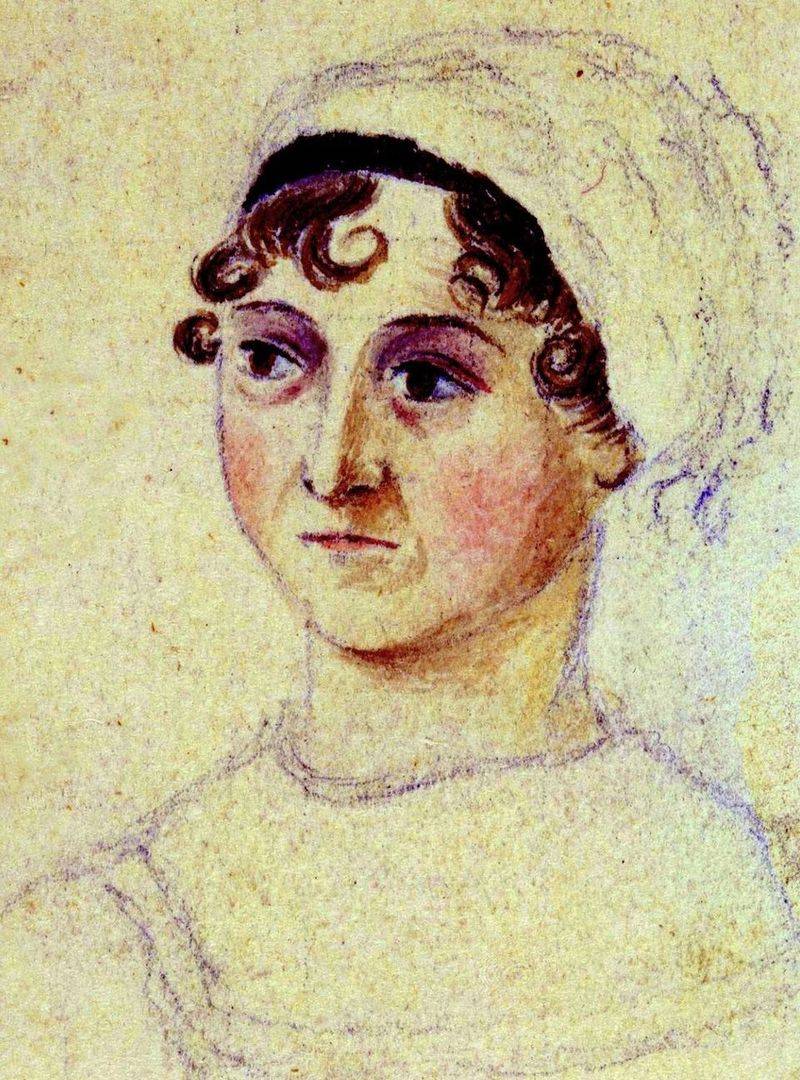
Jane Austen wrote about love, marriage, and society with a wit so sharp it still makes readers laugh out loud today. Born in Hampshire, England, she grew up in a close-knit family that encouraged reading and storytelling.
Her six completed novels, including Pride and Prejudice and Sense and Sensibility, remain among the most beloved books in the English language.
Austen never married and had no children, though she did accept and then quickly withdraw a marriage proposal early in her life. Some scholars believe she had genuine romantic feelings that were never fulfilled.
She channeled much of that emotional insight directly into her characters.
Writing was not considered a respectable career for women of her era, so her books were initially published anonymously. She died at just 41 from what was likely Addison’s disease.
Jane Austen’s influence on literature and popular culture continues to grow stronger with every passing generation.
Louis Braille (1809–1852)
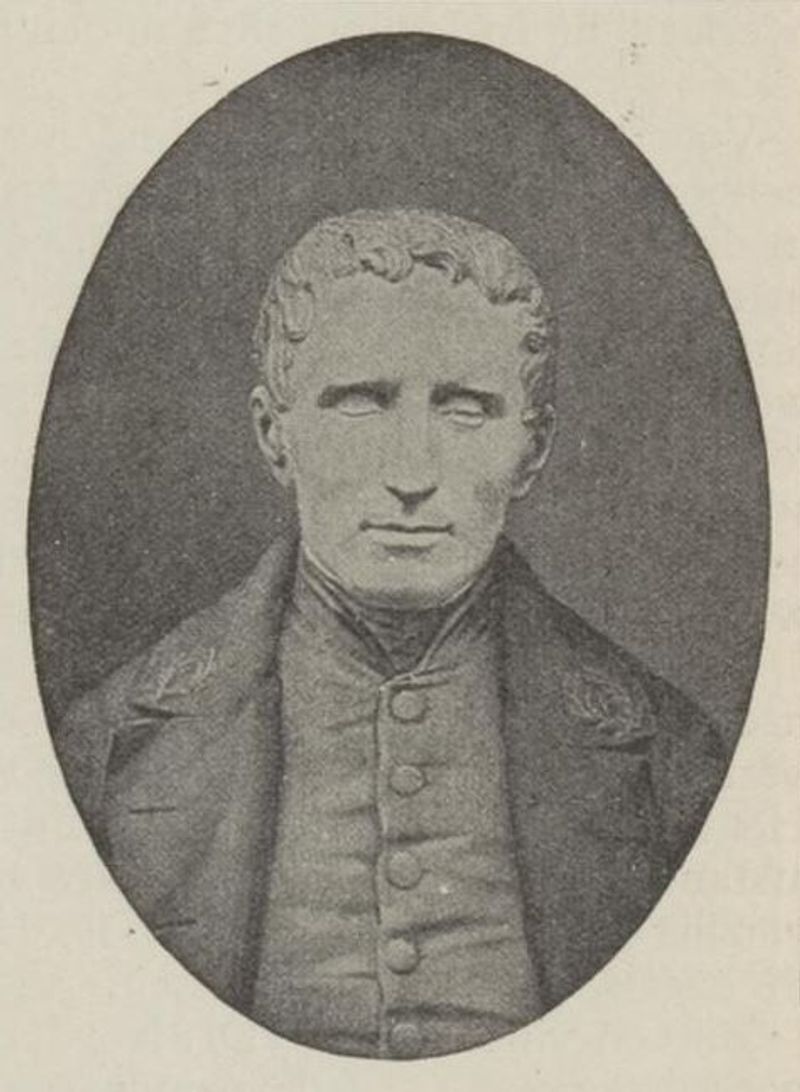
Louis Braille lost his sight in both eyes by the time he was five years old, the result of an accident in his father’s workshop. That tragedy ultimately led him to create a system that gave millions of blind people around the world the ability to read.
He developed the Braille alphabet at just 15 while studying at the National Institute for Blind Youth in Paris.
Braille never married and had no children, dedicating his short life to teaching and refining his reading system. Sadly, the institute where he taught was slow to officially adopt his method, and it was not widely recognized until after his death at age 43 from tuberculosis.
Today, the Braille system is used in nearly every language on Earth and remains the standard for written communication among blind and visually impaired people. Louis Braille’s invention stands as one of the most compassionate and practical contributions to human communication ever made.
Frédéric Chopin (1810–1849)
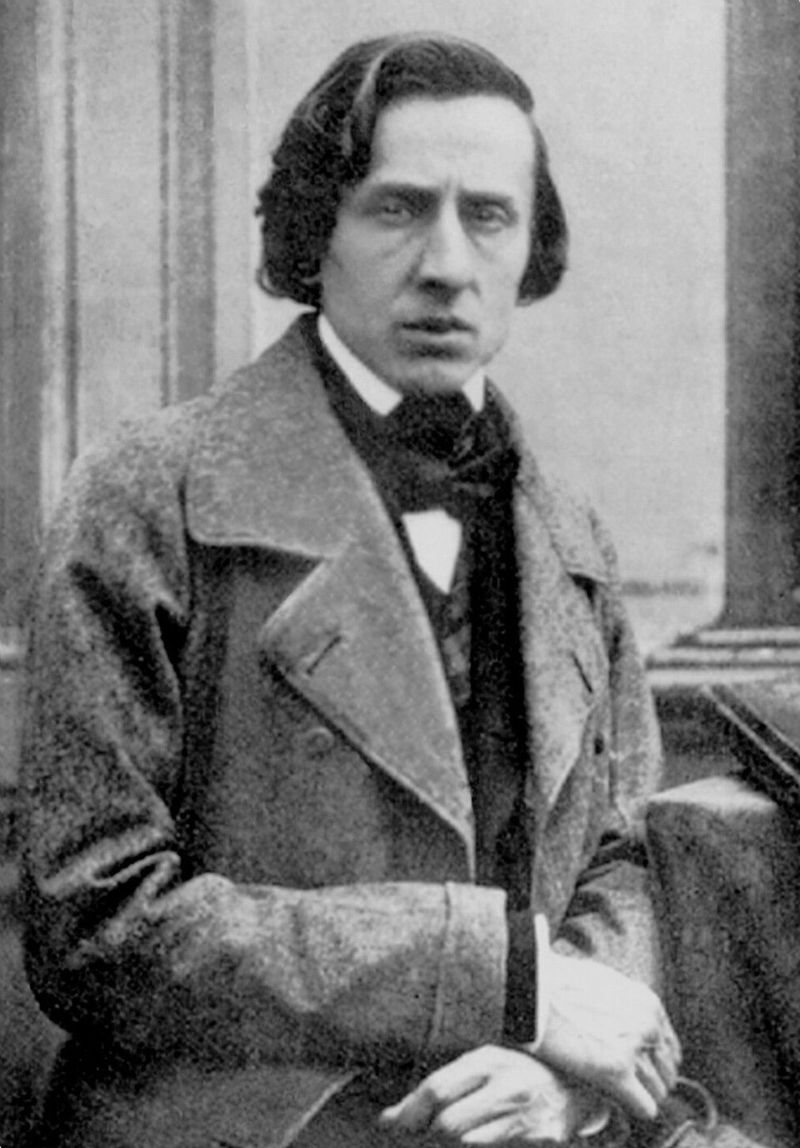
Frédéric Chopin composed music that felt like a private conversation between the piano and the soul. Born in Poland in 1810, he showed extraordinary musical talent as a child and became one of the most celebrated pianists and composers of the Romantic era.
His nocturnes, mazurkas, and etudes remain staples of classical piano repertoire to this day.
Chopin never married and had no children, though he had a long and well-known relationship with the French writer George Sand. Their partnership was as complicated as it was creative, and their eventual separation deeply affected him.
He spent much of his life in Paris, where he taught piano lessons to support himself.
Tuberculosis plagued him throughout his adult life, and he died in Paris at just 39. Despite his brief life, Chopin left behind more than 230 compositions.
His music carries an emotional depth that has moved audiences for nearly two centuries and continues to do so today.
Mother Teresa (1910–1997)
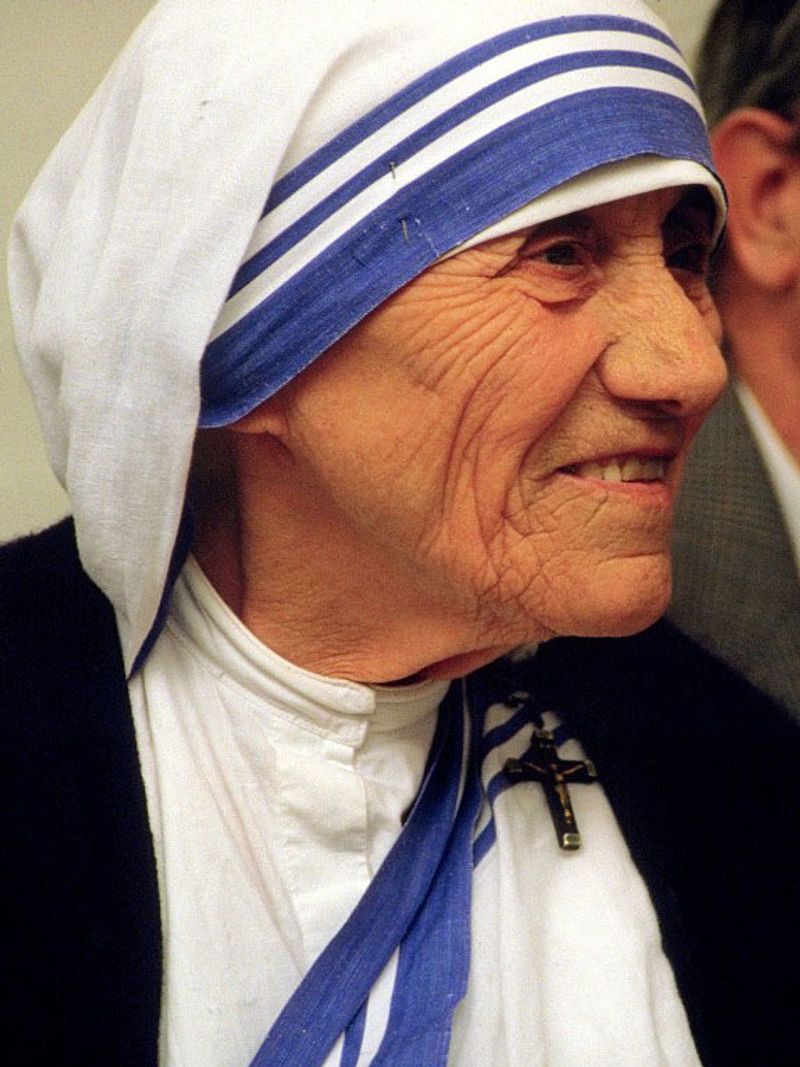
Mother Teresa once said, “If you judge people, you have no time to love them.” That philosophy guided her entire life. Born Agnes Gonxha Bojaxhiu in what is now North Macedonia, she moved to India as a young nun and eventually founded the Missionaries of Charity in Calcutta in 1950.
The organization grew to operate hundreds of centers across the world.
She never married and had no biological children, but she devoted her life to caring for the poorest and most vulnerable people she could find. She and her fellow sisters cared for the sick, the dying, orphans, and those living in extreme poverty.
Her work earned her the Nobel Peace Prize in 1979.
Mother Teresa accepted the award on behalf of the poor, asking that the usual celebratory banquet be cancelled and the money donated instead. She was canonized as a saint by the Catholic Church in 2016, nearly two decades after her death at age 87.
Share this story