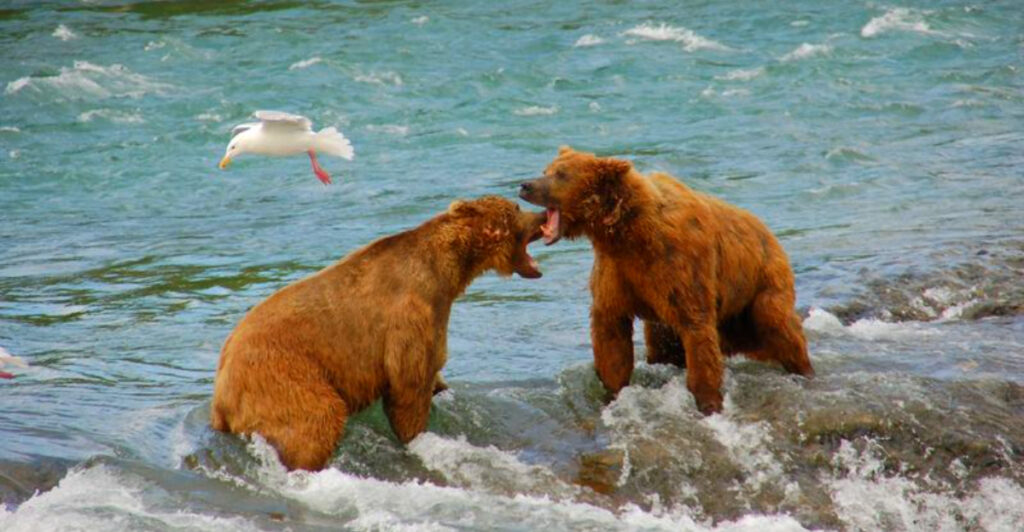
Alaska is home to more than half of the grizzly bears in the United States, making it one of the best places on Earth to see these iconic animals in the wild. Across the state, grizzlies roam coastal meadows, fish in salmon-filled rivers, and forage along remote shorelines.
Some viewing areas are easily reached by road, while others require a floatplane ride and a sense of adventure. This guide highlights 14 of the best places to observe grizzly bears in their natural habitat, along with practical tips to help you plan an unforgettable wildlife experience.
1. Katmai National Park and Preserve, Alaska, USA
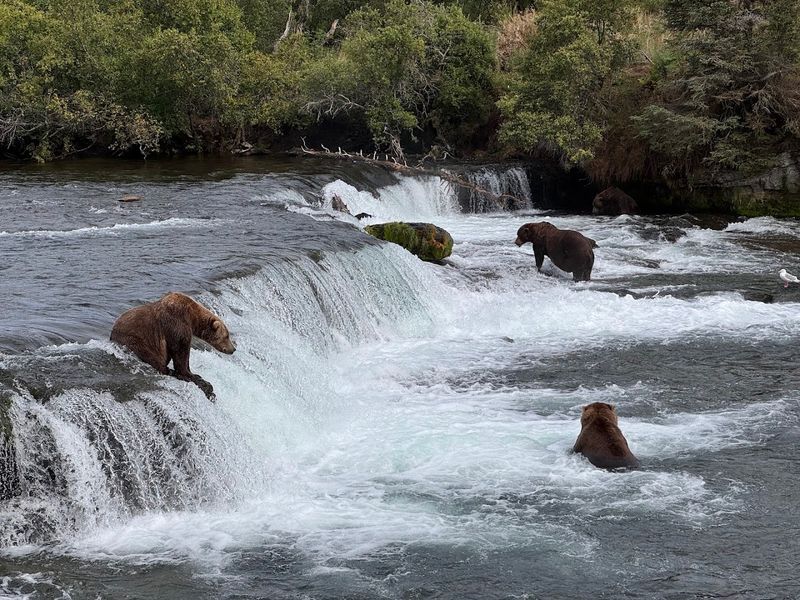
No place on Earth has done more to shape the public image of the grizzly bear than Katmai National Park and Preserve. Covering more than four million acres on the Alaska Peninsula, this park supports one of the highest concentrations of brown bears found anywhere in the world.
Bears begin arriving in coastal meadows as early as May to feed on sedge grasses and dig for clams along the shoreline. By midsummer, the focus shifts inland toward salmon-filled rivers, where the real spectacle begins.
The park is accessible by small aircraft from the town of King Salmon, and several lodges operate within or near park boundaries. Guided bear-viewing programs are widely available, making Katmai a practical choice even for first-time visitors who want a structured, safe, and genuinely unforgettable wildlife experience.
2. Lake Clark National Park and Preserve, Alaska, USA
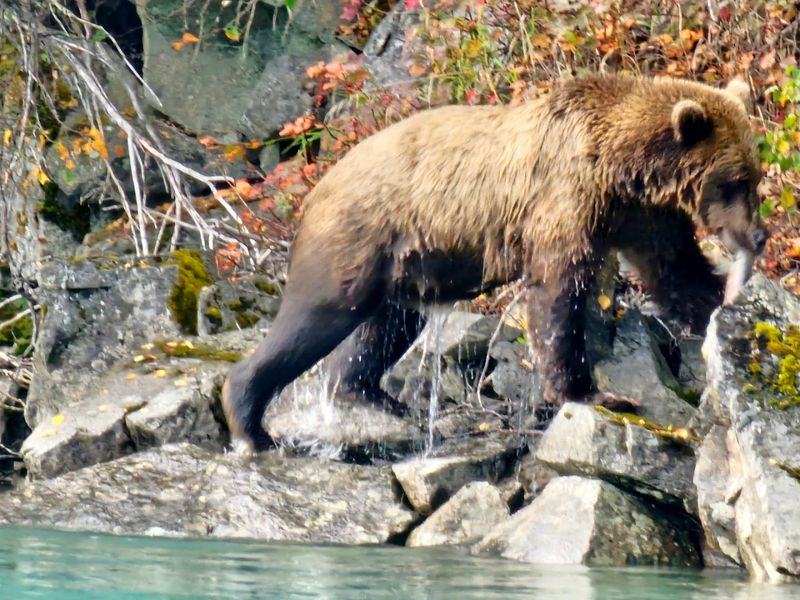
Lake Clark National Park sits directly across Cook Inlet from Katmai, yet it attracts a fraction of the visitors despite offering equally impressive bear-watching opportunities. The park has no road access, which means everyone who gets there arrives by small plane, and that filter alone keeps the crowds manageable.
The coastline is the main attraction for bear watchers. Brown bears patrol beaches and open meadows throughout the warmer months, foraging on clams, grasses, and sedges before the salmon runs kick in during late summer.
The park also holds one of the highest brown bear population densities recorded anywhere in the world, which means sightings are frequent rather than lucky. Several small lodges and guiding operations serve the area, with Silver Salmon Creek and Chinitna Bay standing out as the top bear-viewing zones within park boundaries.
3. McNeil River State Game Sanctuary, Alaska, USA
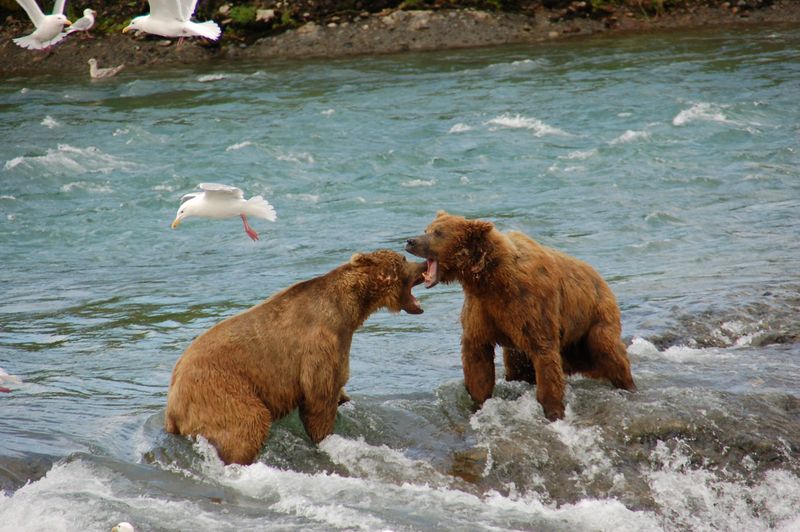
McNeil River holds a record that wildlife biologists still find remarkable: the highest documented gathering of wild grizzly bears in the world. During peak salmon season, as many as 144 individual bears have been recorded using the sanctuary in a single season, with 74 counted at the falls in a single day.
Access is strictly controlled through an annual permit lottery run by the Alaska Department of Fish and Game. Winning a permit is genuinely competitive, with thousands of applicants vying for a small number of spots each season.
Those who do get in are rewarded with guided viewing from established positions along the river, supervised by state biologists. The bears at McNeil are remarkably tolerant of human presence because the sanctuary has been carefully managed for decades, creating a viewing dynamic unlike anything else in North America.
4. Admiralty Island National Monument, Alaska, USA
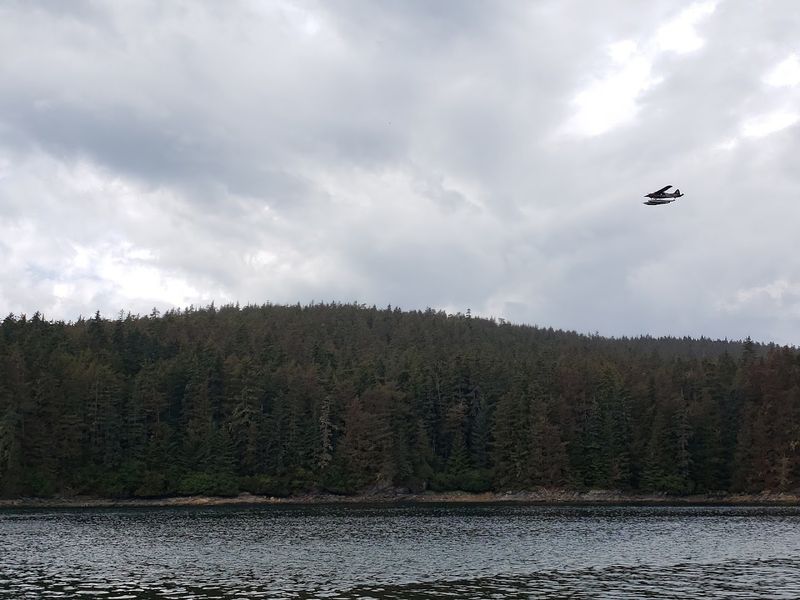
Admiralty Island has earned the nickname “Fortress of the Bears” for a straightforward reason: it supports roughly one brown bear per square mile, making it one of the densest bear populations in North America. The island stretches about 100 miles long and sits within the Tongass National Forest near Juneau.
Black bears do not live on Admiralty Island, which means the brown bears here face less competition and have adapted to use nearly every habitat the island offers, from coastal tidal flats to interior forest streams.
Most visitors access the island by floatplane or boat from Juneau, roughly 15 miles away. The island is almost entirely designated wilderness, with limited development outside of the small Native village of Angoon.
Pack Creek, located on the eastern shore, serves as the primary managed bear-viewing destination within the monument.
5. Pack Creek Bear Viewing Area, Admiralty Island, Alaska, USA
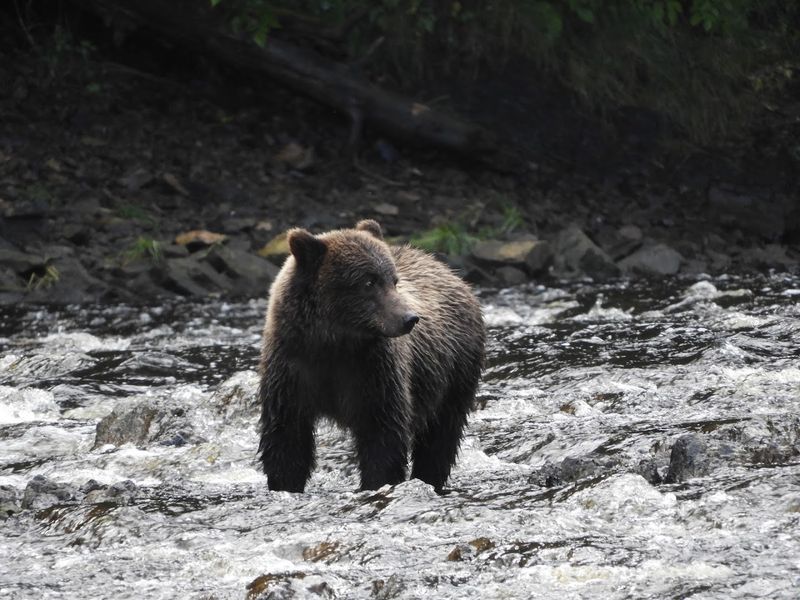
Pack Creek is jointly managed by the U.S. Forest Service and the Alaska Department of Fish and Game, and the careful management shows in how relaxed the bears are around visitors.
The site features a viewing spit at the creek mouth, an elevated observation tower, and a resident park ranger during the peak season.
Permits are capped at 24 visitors per day and go on sale annually on February 1, so planning ahead is essential. The prime viewing window runs from late June through early September, with peak activity timed to the pink salmon run in July and August.
Access from Juneau is by floatplane or boat, and several licensed guide services operate regular trips to the site. The combination of reliable bear activity, managed access, and knowledgeable rangers makes Pack Creek one of the most rewarding guided bear-viewing experiences in Southeast Alaska.
6. Kodiak National Wildlife Refuge, Kodiak Island, Alaska, USA
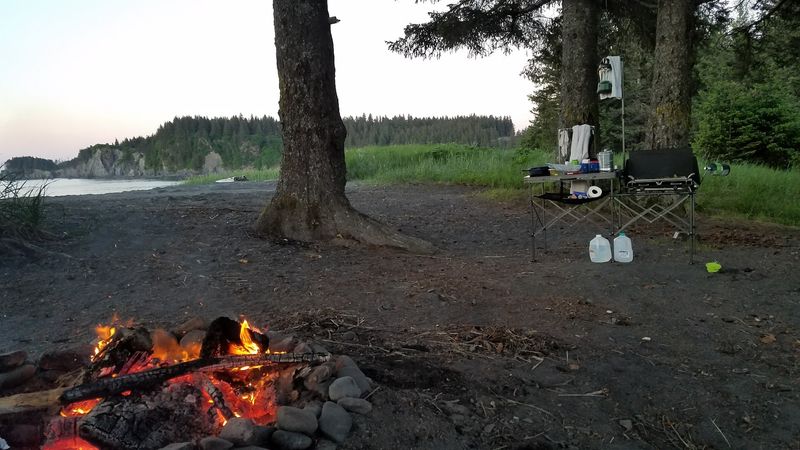
The Kodiak bear is its own subspecies of brown bear, and it holds the title of one of the largest land carnivores on Earth. Adult males on Kodiak Island regularly exceed 1,000 pounds, and some individuals have been documented at more than 1,500 pounds, which puts them in a category that genuinely demands respect.
Kodiak National Wildlife Refuge covers about 1.9 million acres on the southern two-thirds of Kodiak Island. The refuge’s rivers fill with sockeye, pink, and silver salmon throughout the summer, drawing bears out of the interior and into areas where visitors can observe them.
Bear-viewing lodges operate on and around the island, and small ship cruises occasionally incorporate coastal bear watching into their itineraries. With nearly 3,500 Kodiak bears estimated on the island, the odds of a sighting during a well-planned visit are genuinely high.
7. Geographic Harbor, Katmai National Park, Alaska, USA
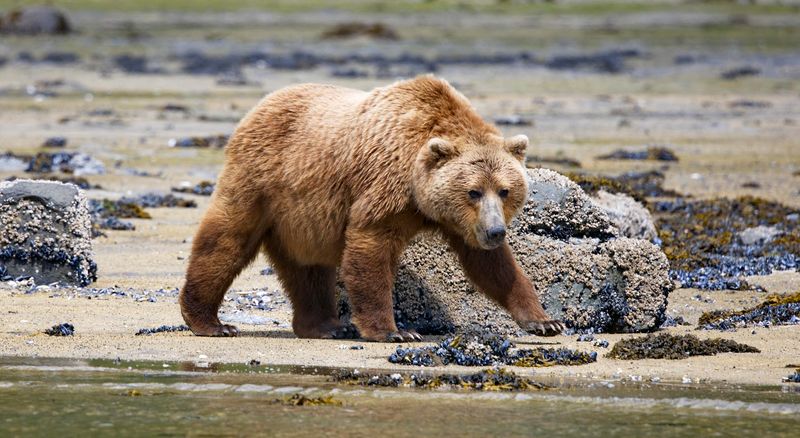
Geographic Harbor sits in a remote corner of Katmai that most visitors never reach, which is precisely what makes it special. The harbor’s tidal flats and nearby salmon streams attract bears throughout the summer, and the dramatic backdrop of volcanic mountains and open water adds a visual dimension that more crowded spots simply cannot match.
Access typically requires a floatplane or boat, and guided tours from the town of Homer or King Salmon serve the area. Because visitor numbers here are far lower than at Brooks Falls, encounters tend to feel more private and less structured.
Bears at Geographic Harbor can often be observed foraging along the shoreline for clams and marine invertebrates, a behavior less commonly seen at inland viewing sites. For travelers who want the Katmai bear experience without the crowds, this harbor is a genuinely strong alternative worth the extra logistics.
8. Hallo Bay, Katmai National Park, Alaska, USA
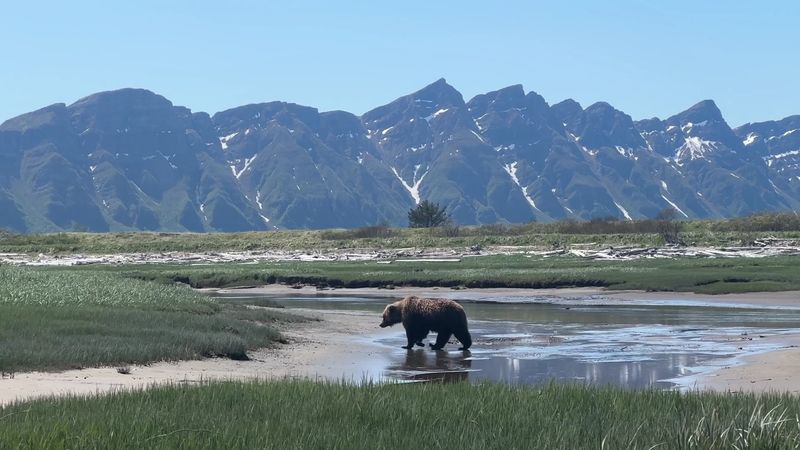
Hallo Bay has built a quiet but solid reputation among serious wildlife watchers as one of the best places in Katmai to observe bears behaving naturally at close range. The broad coastal meadows here attract bears feeding on sedge grasses and clams from spring through early summer, long before the salmon runs begin.
A small number of permitted guide operations run day trips and multi-day camps at Hallo Bay, keeping visitor numbers low and the experience personal. Groups typically walk on foot across the tidal flats with a guide, which creates a ground-level perspective that platform-based viewing cannot replicate.
The bears at Hallo Bay are known for their tolerance of quiet, respectful visitors, a result of consistent, low-impact human presence over many years. Sightings of sows with cubs are particularly common here during early season, making it a favorite destination for photographers focused on family group behavior.
9. Silver Salmon Creek, Lake Clark National Park, Alaska, USA
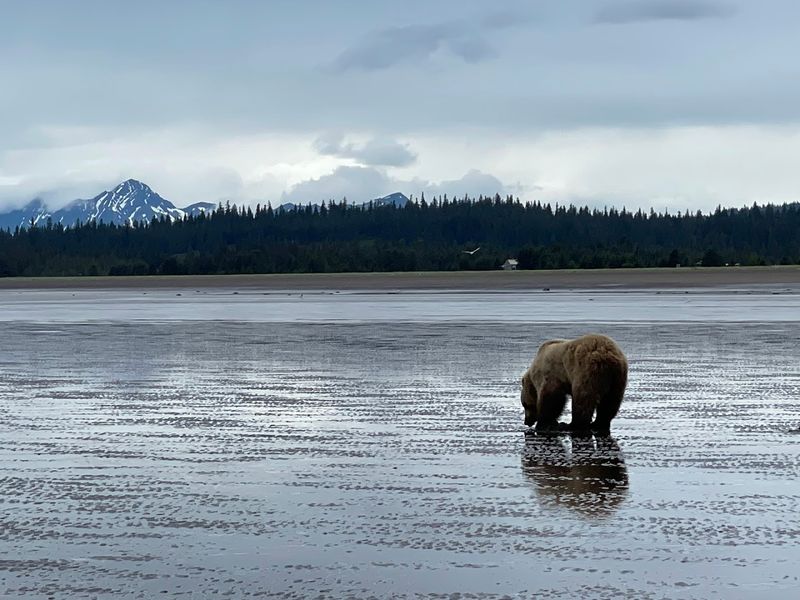
Silver Salmon Creek delivers something genuinely unusual in the Alaska bear-watching world: coastal bears on an open beach. Rather than watching from a riverbank or a platform above a waterfall, visitors here observe bears patrolling sandy shorelines, digging through kelp, and wading in tidal channels with mountains rising directly behind them.
The site is accessible by small plane from Homer, roughly 90 miles away, and a lodge operates near the creek offering guided walks and multi-day stays. Bears are present from late spring through early fall, with late summer bringing the added attraction of silver salmon in the creek itself.
Group sizes are intentionally kept small, and guides lead visitors on foot across the flats and along the beach. The combination of easy access from Homer, reliable bear activity, and a beach setting that differs from every other major viewing site makes Silver Salmon Creek a genuinely distinctive choice.
10. Anan Wildlife Observatory, Tongass National Forest, Alaska, USA
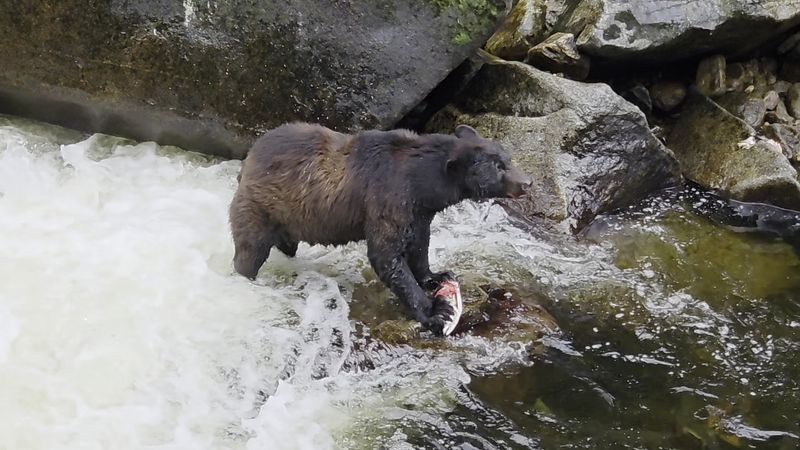
Anan Creek is one of the few places in Alaska where brown bears and black bears show up at the same stream during the same season, which creates a viewing dynamic that is genuinely unlike anything else in the state. The creek hosts one of Southeast Alaska’s most productive pink salmon runs, and both species take full advantage of it from mid-July through mid-August.
The U.S. Forest Service manages the observatory, which includes a covered viewing deck, a water-level observation hide, and a half-mile boardwalk trail from the floatplane landing area.
Permits are required from July 5 through August 25, with a daily cap of 60 visitors.
Access is by floatplane or boat from the town of Wrangell, about 30 miles away, and Ketchikan-based operators also run trips to the site. The lush rainforest setting and the chance to compare two bear species side by side make Anan a memorable stop.
11. Chinitna Bay, Lake Clark National Park, Alaska, USA
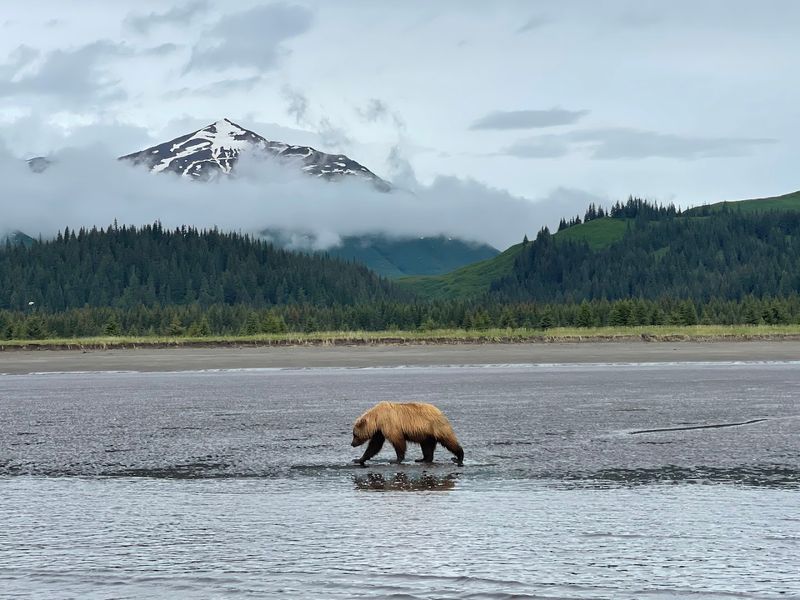
Chinitna Bay offers something that most bear-watching destinations in Alaska do not: the chance to observe grizzlies hunting for clams on open tidal flats, with views of Cook Inlet and the volcanic peaks of the Alaska Range forming the backdrop. It is a combination of wildlife and scenery that consistently surprises first-time visitors.
Bears arrive at the bay in late spring and remain through the summer, foraging along the shoreline before shifting focus to salmon streams as the runs develop. Viewing here is typically done on foot with a guide, walking across the flats at a respectful distance from the bears.
Floatplane access from Homer is the standard route, and several guide services offer day trips and overnight packages. Compared to the more heavily visited sites in Katmai, Chinitna Bay sees fewer visitors, which translates directly into a quieter and more relaxed viewing experience for everyone involved.
12. Redoubt Bay State Critical Habitat Area, Alaska, USA
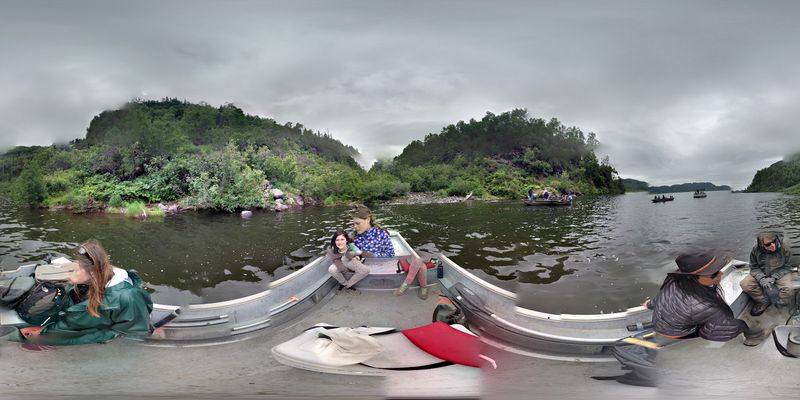
Redoubt Bay sits southwest of Anchorage on the western shore of Cook Inlet, making it one of the more geographically accessible remote bear-watching destinations in Alaska. The area was designated a State Critical Habitat Area specifically to protect the salmon streams and wetlands that draw bears and other wildlife to the region.
Healthy runs of sockeye and silver salmon move through the bay’s rivers each summer, and bears follow predictably. Guided floatplane excursions from Anchorage serve the area, typically offering day trips that include several hours of active bear-watching time along the water.
Because the site lacks the international profile of Katmai or McNeil River, it tends to attract a more local crowd, which keeps the atmosphere low-key. For travelers based in Anchorage who want a legitimate wilderness bear experience without a multi-day commitment, Redoubt Bay is a practical and underrated option.
13. Alaska Peninsula National Wildlife Refuge, Alaska, USA
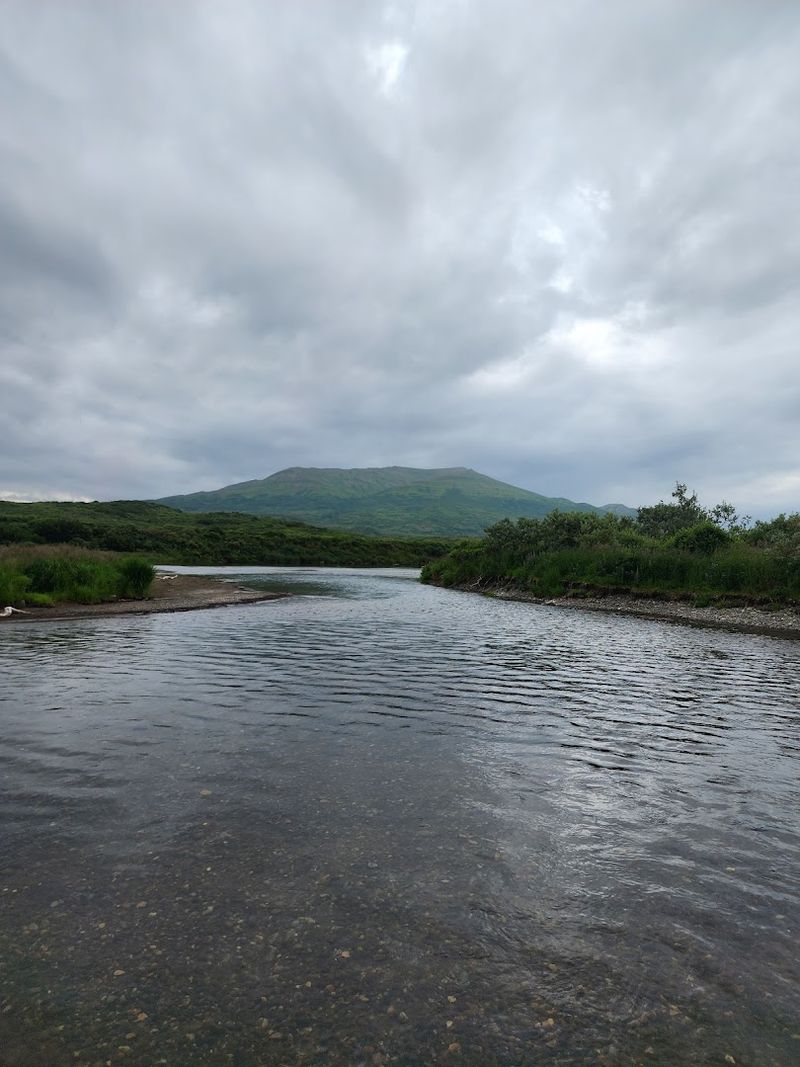
The Alaska Peninsula National Wildlife Refuge stretches across roughly 4.5 million acres of the Alaska Peninsula, protecting a chain of volcanic mountains, river systems, and coastal habitats that support substantial populations of brown bears. The sheer scale of the refuge means that bears here live with minimal human contact compared to more visited parks.
Access requires small aircraft and advance planning, and visitor infrastructure is essentially nonexistent outside of a handful of remote lodges. That remoteness is the point: this is a place where wildlife operates on its own schedule, undisturbed by crowds or facilities.
Brown bears here follow salmon runs through river systems that connect mountain lakes to the coast, covering significant ground across the season.
14. Becharof National Wildlife Refuge, Alaska, USA
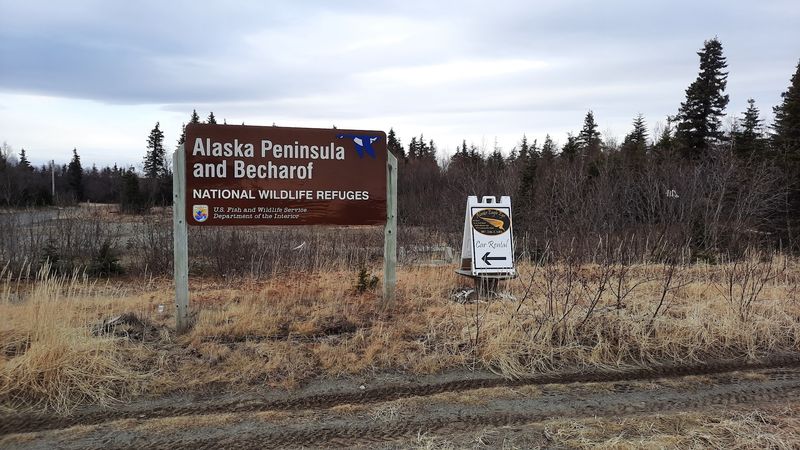
Becharof National Wildlife Refuge is the second-largest national wildlife refuge in the United States, covering about 1.2 million acres on the Alaska Peninsula immediately north of the Alaska Peninsula refuge. At its center sits Becharof Lake, one of the largest lakes in Alaska and a critical staging area for sockeye salmon heading upstream to spawn.
Brown bears congregate along the lake’s outlet streams and tributaries in significant numbers during the salmon runs, which typically peak in late summer. The refuge also protects important coastal habitats along Shelikof Strait where bears forage during the early season.
No roads reach the refuge, and visitor services are minimal, so most trips are organized through guide services or air taxis operating out of King Salmon. The result is a bear-watching experience defined by genuine wilderness rather than managed infrastructure, rewarding visitors who put in the extra effort to get there.
Share this story