Some destinations never lose their magic. For many Baby Boomers, legendary landmarks once seen in schoolbooks, classic films, or travel magazines are now becoming real-life adventures.
The best bucket-list places offer more than beautiful views – they tell stories, reveal history, and create memories that last long after the trip ends. From architectural icons to natural wonders, these 15 destinations have earned their legendary status and deserve a spot on your travel radar.
1. Grand Canyon, Arizona

One glance over the rim is enough to understand why millions of visitors keep returning to this Arizona icon. The Grand Canyon stretches roughly 277 miles and reaches depths of more than a mile, creating a landscape that manages to look different every hour of the day.
Many Boomers remember seeing photos of the canyon in geography textbooks, but pictures rarely capture its true scale. South Rim viewpoints such as Mather Point and Yavapai Point provide easy access and excellent views without requiring strenuous hikes.
For travelers who want a deeper look, shuttle buses connect major overlooks throughout the park, making exploration straightforward and comfortable.
History lovers can visit the Desert View Watchtower, while train enthusiasts often enjoy arriving aboard the historic Grand Canyon Railway. Helicopter tours offer a completely different perspective, revealing formations and side canyons that remain hidden from most viewpoints.
2. Yellowstone National Park, Wyoming, Montana, and Idaho
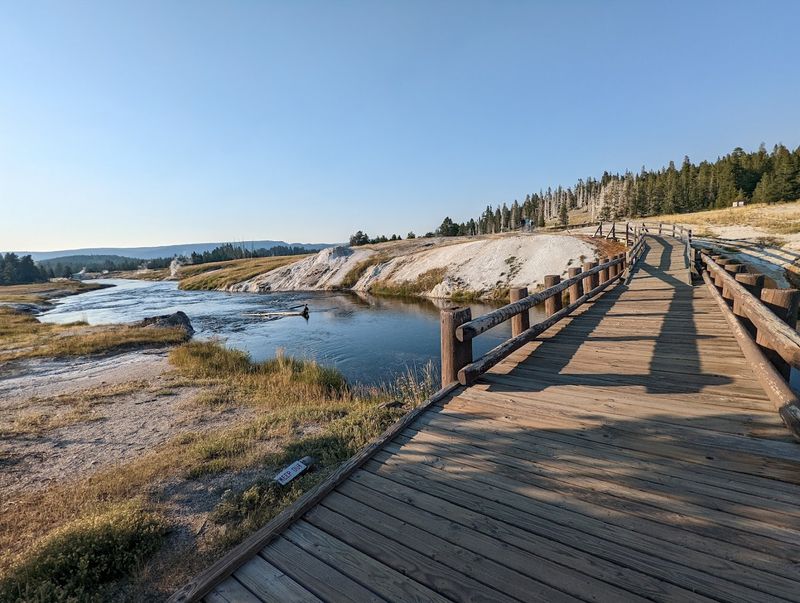
Earth occasionally likes to put on a performance, and Yellowstone may be its most ambitious production.
Established in 1872, Yellowstone became the world’s first national park and set the standard for protected natural spaces everywhere. The park covers more than two million acres and contains a remarkable variety of geological features and wildlife habitats.
Old Faithful remains the headline attraction, drawing crowds eager to witness one of nature’s most dependable geysers. Yet many visitors discover that Yellowstone’s lesser-known attractions become their favorite memories.
Grand Prismatic Spring displays striking colors, while Mammoth Hot Springs showcases unusual limestone terraces that appear almost sculpted by hand.
Wildlife viewing adds another layer of excitement. Bison, elk, bears, wolves, and bald eagles can often be spotted throughout the park.
Many Boomers appreciate Yellowstone’s network of scenic roads, which allows extensive exploration without requiring challenging hikes.
3. Paris, France
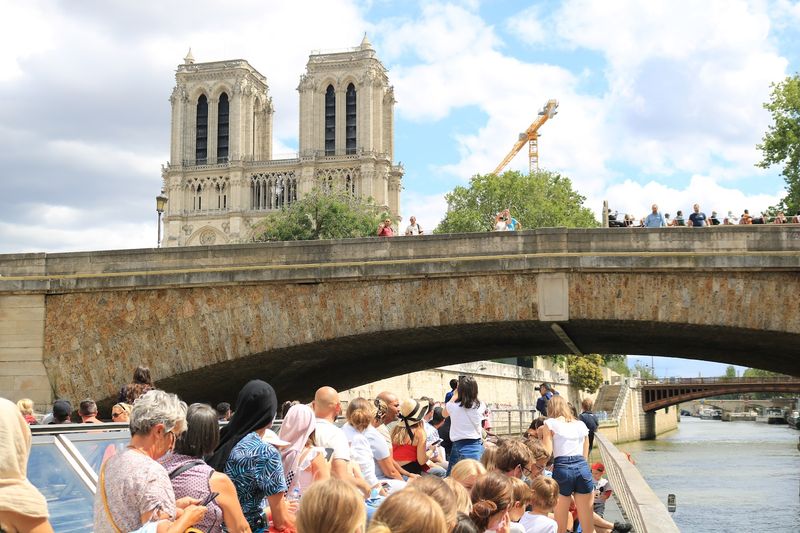
Some cities earn their reputation through centuries of accomplishments, and Paris has been collecting achievements for a very long time.
The French capital offers a combination of art, architecture, and history that few destinations can match. The Eiffel Tower remains the city’s signature landmark, but it represents only one chapter in a much larger story.
Many Boomers have spent decades seeing images of Paris in films, books, and television programs. Standing beneath Notre-Dame Cathedral, strolling along the Seine, or exploring the Louvre transforms those familiar images into personal experiences.
The Louvre alone houses thousands of works, including some of the most recognized paintings in the world.
Paris also excels at making exploration easy. Walkable neighborhoods encourage visitors to move at their own pace, discovering museums, public squares, and historic sites along the way.
Guided river cruises offer a relaxed introduction to many major landmarks without requiring extensive walking.
4. Alaska Inside Passage
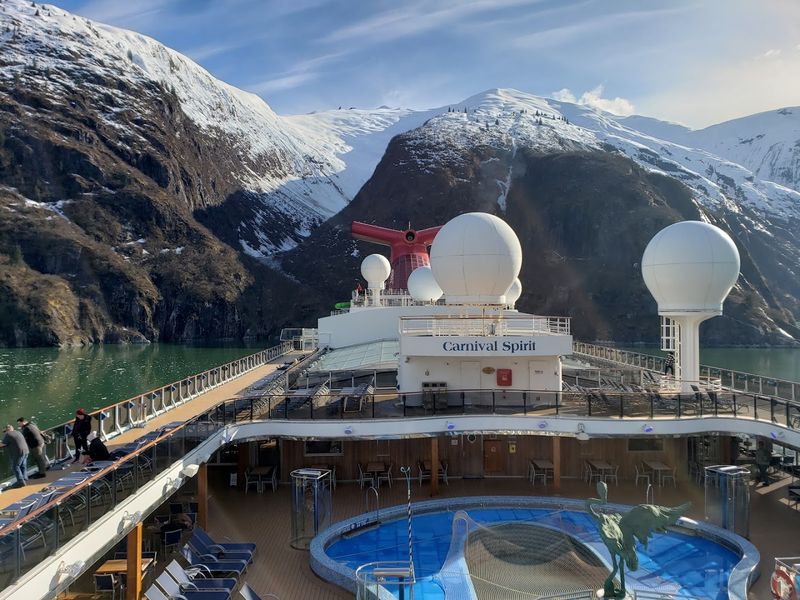
Some bucket-list experiences come with glaciers instead of skyscrapers.
The Alaska Inside Passage stretches along southeastern Alaska and offers one of North America’s most impressive coastal journeys. Many Boomers choose to experience the region by cruise ship, allowing them to access remote communities and dramatic scenery without complicated logistics.
Towering glaciers frequently steal the spotlight. Places such as Glacier Bay National Park showcase immense ice formations that have shaped the landscape for thousands of years.
Wildlife encounters add another layer of excitement, with opportunities to spot whales, sea lions, eagles, and bears.
Historic towns including Juneau, Ketchikan, and Skagway provide fascinating insights into Alaska’s gold rush era. Museums, heritage sites, and guided excursions help visitors understand the region’s unique development and cultural history.
5. Rome, Italy

Ancient history doesn’t sit behind glass in Rome. It practically occupies every corner of the city.
For Boomers who grew up learning about the Roman Empire, seeing the Colosseum in person can feel like meeting a celebrity that has been famous for two thousand years. Built nearly 2,000 years ago, the massive arena remains one of the world’s most recognizable landmarks and continues to draw visitors from every continent.
Beyond the Colosseum lies an astonishing collection of historic treasures. The Roman Forum offers a glimpse into political life during ancient times, while the Pantheon demonstrates engineering techniques that still impress architects today.
Then there is Vatican City, where St. Peter’s Basilica and the Vatican Museums contain some of humanity’s most celebrated artistic achievements.
Rome rewards slow exploration. A morning might involve touring archaeological sites, while an afternoon can be spent people-watching in a lively piazza.
Public transportation makes navigation manageable, and guided tours help visitors connect centuries of history into a coherent story.
6. London, England
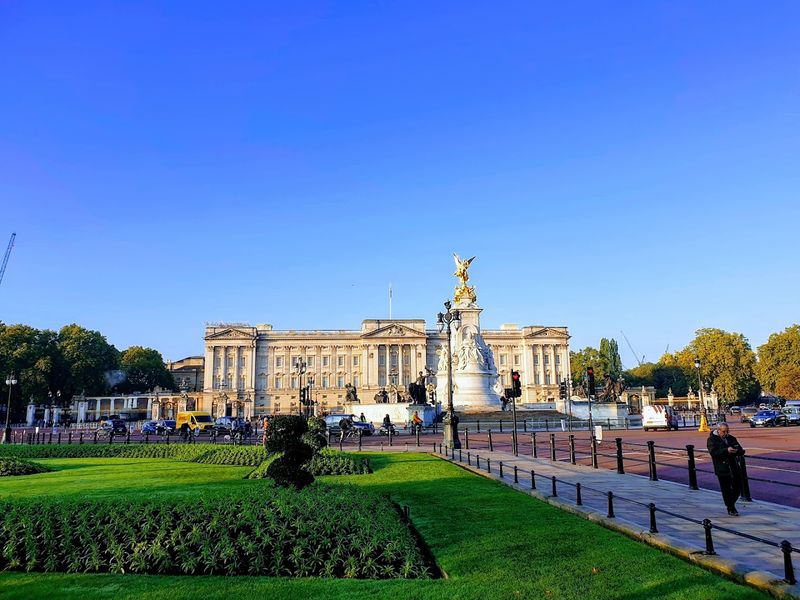
Few cities manage to balance royal tradition and modern energy quite as effectively as London.
The British capital offers an extraordinary collection of landmarks that many Boomers recognize instantly. Buckingham Palace, the Tower of London, Westminster Abbey, and Big Ben have appeared in countless books, films, and news broadcasts over the decades.
History is one of London’s greatest strengths. Visitors can explore Roman ruins, medieval fortresses, Victorian architecture, and contemporary skyscrapers within the same day.
Museums such as the British Museum and the Imperial War Museum provide fascinating insights into global history.
London’s extensive public transportation network simplifies sightseeing. The Underground connects major attractions efficiently, allowing visitors to cover significant ground without excessive effort.
Guided bus tours offer another convenient option.
7. Machu Picchu, Peru
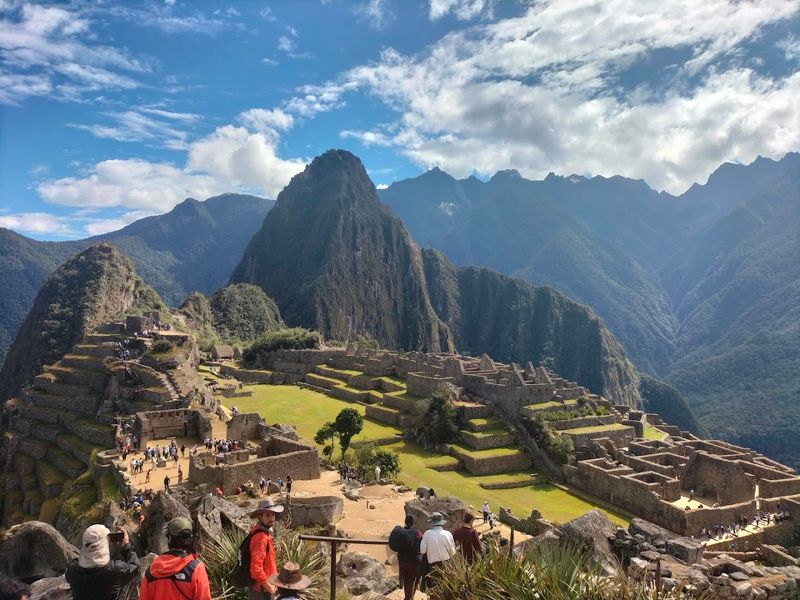
High in the Andes sits a destination that spent centuries hidden from much of the world.
Machu Picchu remains one of the most remarkable archaeological sites on Earth. Built by the Inca civilization during the 15th century, the complex showcases extraordinary engineering and planning in a mountain setting that continues to astonish visitors.
Many travelers arrive via train from Cusco, making the experience accessible even for those who prefer not to tackle challenging treks. Guided tours help explain the significance of temples, terraces, and ceremonial spaces scattered throughout the site.
The mystery surrounding Machu Picchu contributes greatly to its appeal. Historians continue to debate aspects of its original purpose, giving the site an enduring sense of intrigue.
UNESCO recognized its importance by designating it a World Heritage Site.
8. Hawaii Volcanoes National Park, Hawaii
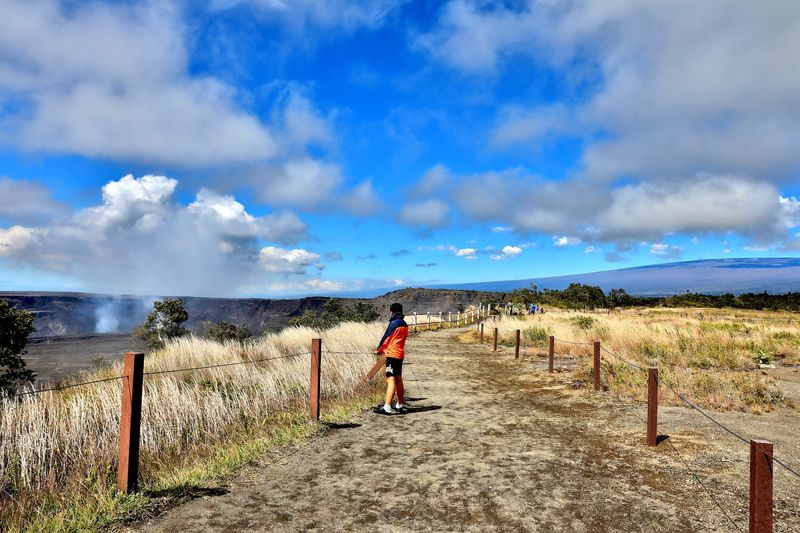
Nature rarely settles for ordinary in Hawaii.
Hawaii Volcanoes National Park showcases geological forces that continue shaping the islands today. The park encompasses active volcanic landscapes, historic lava flows, and remarkable viewpoints that reveal the ongoing evolution of the Hawaiian archipelago.
Many Boomers appreciate the park’s accessibility. Scenic drives connect major attractions, allowing visitors to experience dramatic terrain without lengthy hikes.
The Kilauea Visitor Center provides valuable background information before exploration begins.
Crater overlooks, lava formations, and walking trails highlight different aspects of volcanic activity. Educational exhibits explain how the islands formed and why volcanic processes remain essential to Hawaii’s identity.
9. Athens, Greece

Civilization owes Athens a considerable thank-you note.
As the birthplace of democracy and a center of classical learning, Athens occupies a special place in world history. For Boomers who studied ancient Greece in school, visiting the city often feels like stepping into the pages of a favorite history book.
The Acropolis dominates the skyline and serves as the city’s most famous attraction. The Parthenon, despite centuries of challenges, remains an extraordinary example of classical architecture and engineering.
Athens balances ancient heritage with modern life remarkably well. Museums display artifacts spanning thousands of years, while lively neighborhoods provide opportunities to experience contemporary Greek culture.
10. New Zealand’s South Island

Adventure wears many forms, and New Zealand’s South Island offers an entire wardrobe.
The island combines mountains, lakes, coastal scenery, and charming towns into one remarkably diverse destination. Many Boomers are drawn to the region because it allows visitors to experience dramatic landscapes without extreme travel conditions.
Milford Sound consistently ranks among the island’s highlights. Boat tours navigate through towering cliffs and waterfalls, providing close-up views of one of the country’s most celebrated natural attractions.
Queenstown serves as another popular stop, offering scenic surroundings and a welcoming atmosphere.
The South Island’s road network makes self-guided exploration practical and enjoyable. Travelers can move between destinations at their own pace while stopping at viewpoints and small communities along the way.
Wildlife encounters, national parks, and cultural attractions add variety to every itinerary. The island also maintains a reputation for excellent visitor services and infrastructure, helping guests focus on exploration rather than logistics.
11. Washington, D.C.
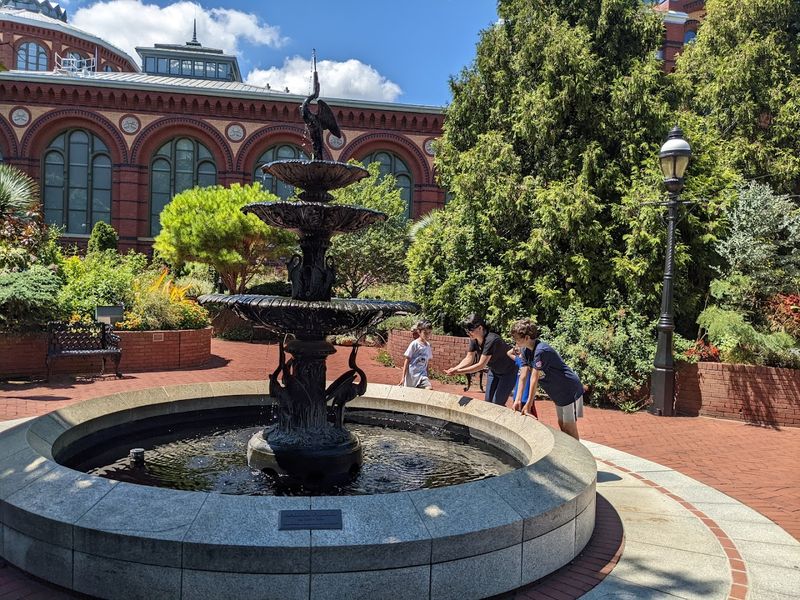
History buffs often find themselves checking off landmarks faster than they can charge their phone batteries.
Washington, D.C., serves as both the nation’s capital and one of its most fascinating destinations. The city contains an impressive collection of monuments, museums, and historic sites concentrated within a relatively compact area.
The National Mall forms the centerpiece of many visits. Here, travelers can see the Lincoln Memorial, Washington Monument, and numerous Smithsonian museums.
Many attractions offer free admission, making it possible to experience world-class exhibits without stretching the travel budget.
Boomers often appreciate the city’s strong connection to American history. Government buildings, memorials, and historic neighborhoods provide context for events that shaped the nation.
Seasonal highlights add extra appeal. Spring brings famous cherry blossoms, while different festivals and exhibitions occur throughout the year.
Washington succeeds because it combines education and entertainment so effectively. Visitors leave with memorable experiences and a deeper understanding of the country’s history and institutions.
12. Sydney, Australia

A city famous for one building would already have plenty to celebrate. Sydney decided to offer much more.
The Sydney Opera House stands among the world’s most recognizable structures and remains a highlight for first-time visitors. Guided tours reveal the fascinating story behind its design and construction.
Sydney Harbour creates another focal point. Ferry rides provide excellent views of the skyline while connecting visitors to different neighborhoods and attractions.
The Sydney Harbour Bridge adds another iconic landmark to the mix.
Boomers often enjoy Sydney’s blend of urban sophistication and outdoor recreation. Museums, historic districts, parks, and waterfront areas offer plenty of variety without requiring complicated planning.
The Rocks district provides a glimpse into the city’s early history, while modern developments showcase Australia’s contemporary culture and economy. Public transportation simplifies exploration, making it easy to cover significant ground during a visit.
Sydney consistently ranks among the world’s most livable cities, and travelers quickly understand why.
13. Canadian Rockies, Alberta and British Columbia

Mountain scenery reaches championship level in the Canadian Rockies.
Stretching across Alberta and British Columbia, this region contains some of North America’s most celebrated national parks. Banff and Jasper attract visitors with stunning landscapes, excellent infrastructure, and abundant recreational opportunities.
Many Boomers choose scenic drives such as the Icefields Parkway, widely considered one of the world’s most beautiful road trips. The route connects major attractions while offering frequent viewpoints and visitor facilities.
Lake Louise and Moraine Lake have become famous for good reason. Their striking settings draw photographers from around the globe, yet they remain accessible to casual visitors as well.
Historic lodges, guided excursions, and wildlife viewing opportunities create a well-rounded travel experience. Educational programs provide insight into local ecosystems and conservation efforts.
The Canadian Rockies deliver impressive scenery without requiring extreme adventure. That accessibility helps explain their enduring popularity among travelers of all ages.
14. Kyoto, Japan
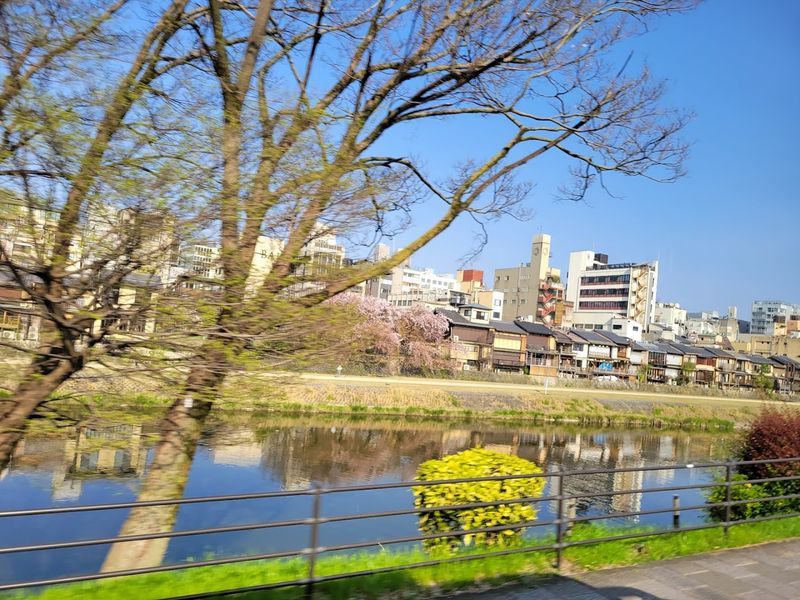
Modern Japan often grabs headlines, but Kyoto quietly preserves centuries of tradition.
For more than a thousand years, Kyoto served as Japan’s imperial capital. Today, it remains one of the country’s most culturally significant destinations, containing hundreds of temples, shrines, and historic sites.
Boomers interested in history and culture frequently place Kyoto near the top of their travel wish lists. Landmarks such as Kinkaku-ji, the famous Golden Pavilion, and Fushimi Inari Taisha attract visitors from around the world.
Kyoto’s historic districts provide valuable glimpses into traditional Japanese architecture and urban design. Museums and cultural centers help explain customs and artistic traditions that continue to influence modern Japanese society.
15. Niagara Falls, New York and Ontario
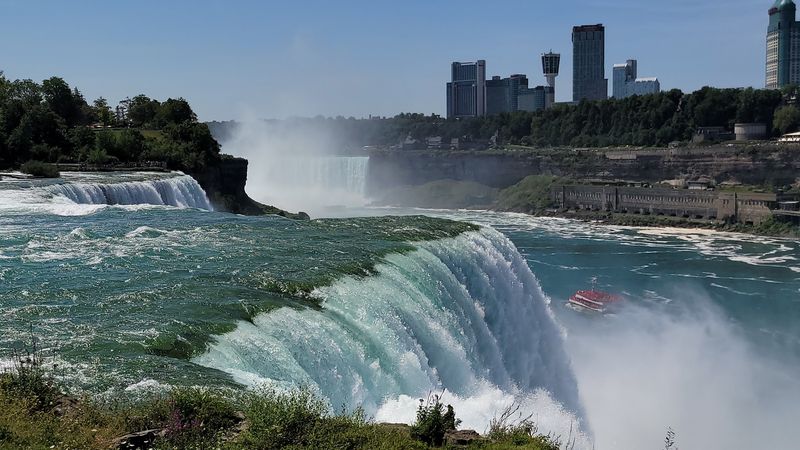
Some attractions spend years trying to earn a legendary reputation. Niagara Falls has had one for generations.
Straddling the border between the United States and Canada, Niagara Falls remains one of North America’s most visited natural landmarks. The falls consist of three separate waterfalls that collectively move enormous volumes of water every second.
Many Boomers remember Niagara Falls as a classic honeymoon destination, but the area offers far more than romantic history. Boat tours bring visitors remarkably close to the falls, while observation towers provide panoramic views from above.
The surrounding region includes parks, museums, walking paths, and historical attractions that extend the experience beyond the waterfalls themselves. Cross-border access allows travelers to enjoy perspectives from both countries.
Share this story