Travel in 2026 looks nothing like it did just a few years ago. Adventurous explorers are skipping the crowded classics and heading to fresh, exciting destinations that are finally getting the attention they deserve.
From ancient desert kingdoms to Arctic wilderness and tropical island hideaways, these 15 places are seeing record-breaking visitor growth for very good reason. Pack your bags, because the world’s best-kept secrets are officially out.
Albania
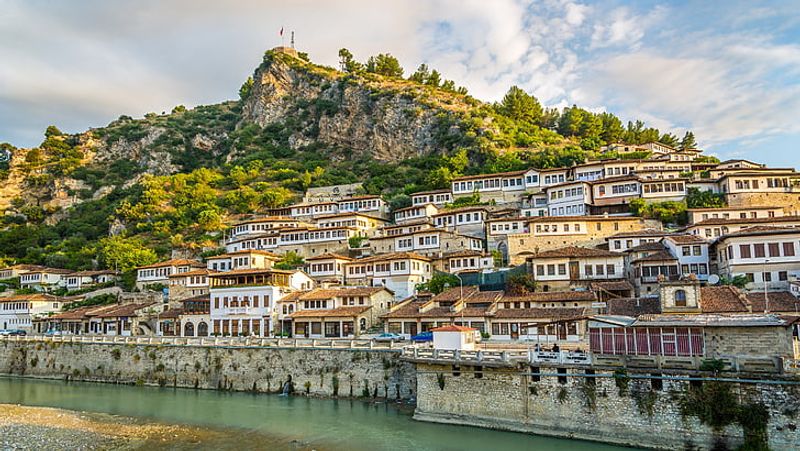
Forget paying a fortune for a tiny slice of European beach. Albania offers jaw-dropping coastline, ancient ruins, and mountains that would make any hiker weep with joy, all at prices that feel almost too good to be true.
The Albanian Riviera stretches along the Ionian Sea with waters so clear you can count the pebbles at the bottom.
Beyond the beaches, ancient cities like Berat and Gjirokaster sit frozen in time, earning UNESCO World Heritage status for their well-preserved Ottoman architecture. Street food is ridiculously cheap, locals are famously warm, and the vibe is refreshingly unhurried.
Albania crossed 12 million visitors in 2025, and that number is climbing fast in 2026.
Getting around is surprisingly straightforward, with improved roads and growing flight connections making access easier than ever. Seasoned travelers who visited five years ago barely recognize how polished the tourism infrastructure has become.
Albania rewards those who show up curious and leave with a full heart and a lighter wallet.
AlUla, Saudi Arabia
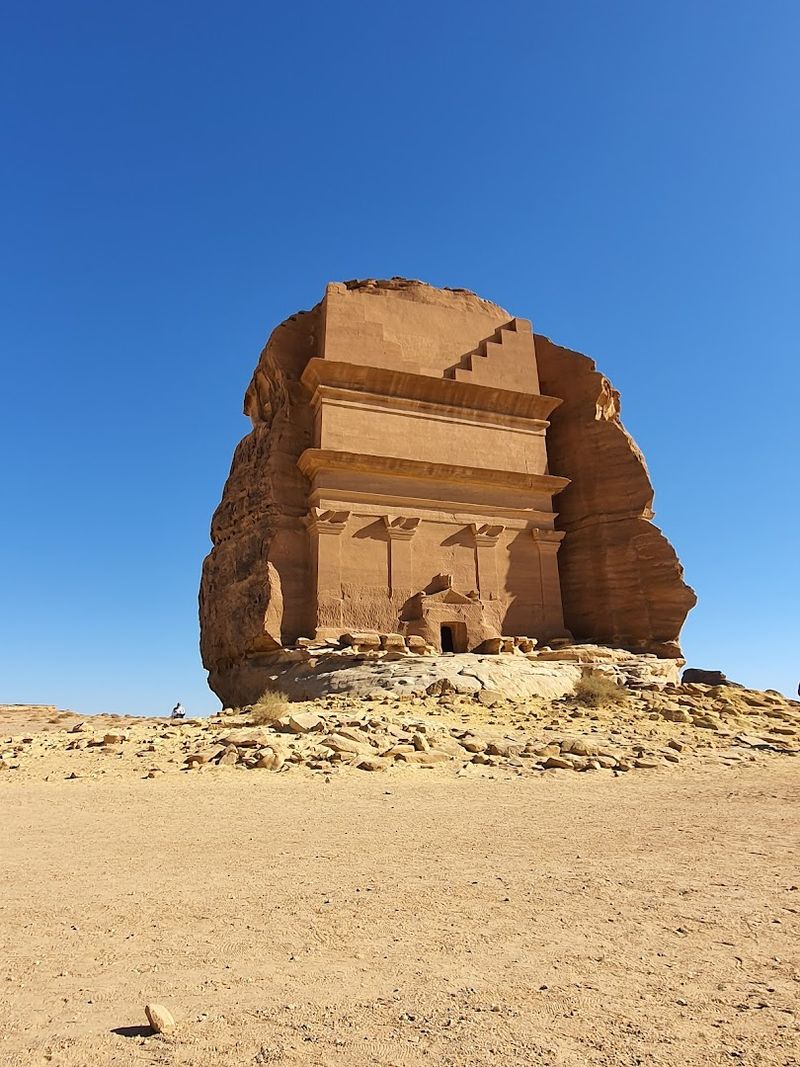
Standing in front of a 2,000-year-old tomb carved directly into a sandstone cliff tends to put daily stress into perspective. AlUla, located in northwestern Saudi Arabia, holds the country’s first UNESCO World Heritage Site at Hegra, a Nabataean city that predates Petra in Jordan.
Until recently, almost nobody outside the region had heard of it.
Saudi Arabia’s Vision 2030 initiative has poured serious investment into AlUla, transforming it into a world-class destination with luxury desert camps, open-air museums, and internationally acclaimed arts festivals. The landscape is genuinely otherworldly, featuring rose-colored rock formations, ancient lava fields, and oasis valleys.
Visitor numbers have surged dramatically as visa restrictions have relaxed, making the country far more accessible to international tourists. Travelers who arrive expecting a simple desert experience leave stunned by the depth of history and the quality of experiences on offer.
AlUla is arguably one of the most underrated archaeological wonders on the planet right now, and 2026 may be the year that changes permanently.
Tbilisi, Georgia
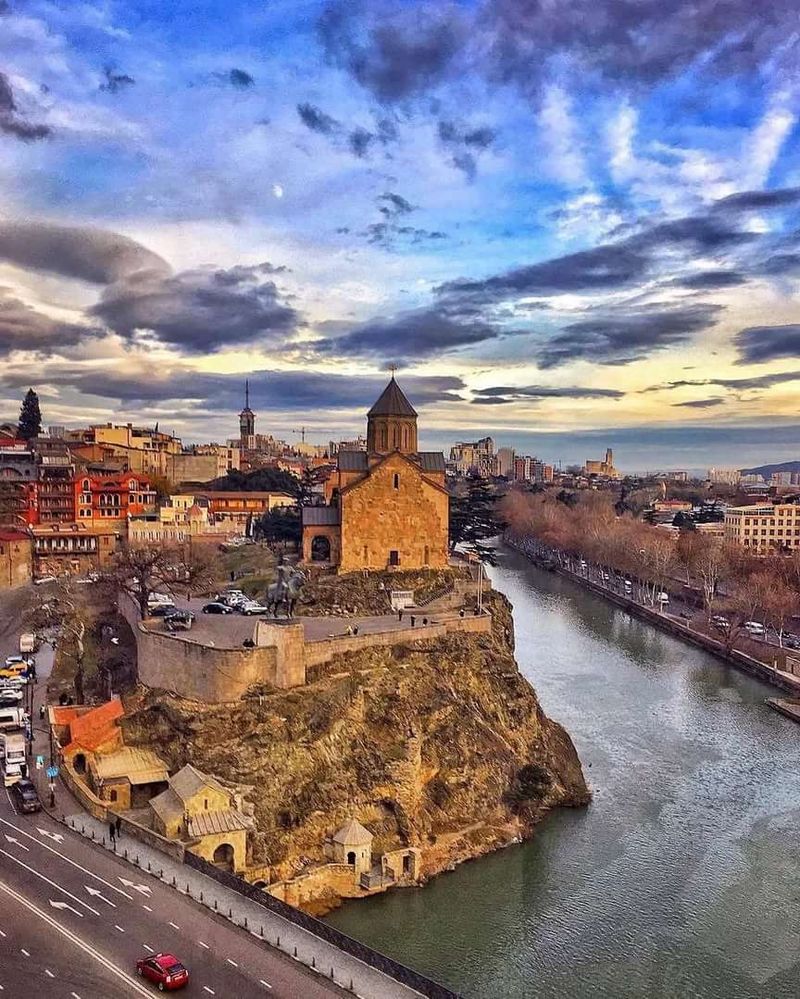
Tbilisi smells like fresh bread, churchkhela candy, and possibility. The capital of Georgia sits at a crossroads between Europe and Asia, and that cultural collision shows up in everything from its architecture to its cuisine.
Winding cobblestone streets in the Old Town reveal centuries-old churches standing just steps away from buzzing wine bars and contemporary galleries.
Georgian food culture alone is worth the trip. Khinkali dumplings, cheese-stuffed khachapuri bread, and natural wines produced using ancient clay vessel methods have earned the country serious culinary credibility on the global stage.
Tbilisi’s restaurant scene punches well above its weight class.
Budget travelers love Georgia because quality accommodation, meals, and transport remain genuinely affordable compared to most of Europe. The country recorded a major spike in visitors in 2025, with Tbilisi serving as the main entry point for exploring mountain regions like Kazbegi and Svaneti.
Friendly locals, walkable neighborhoods, and a calendar packed with cultural events make Tbilisi one of 2026’s smartest travel picks.
Montenegro
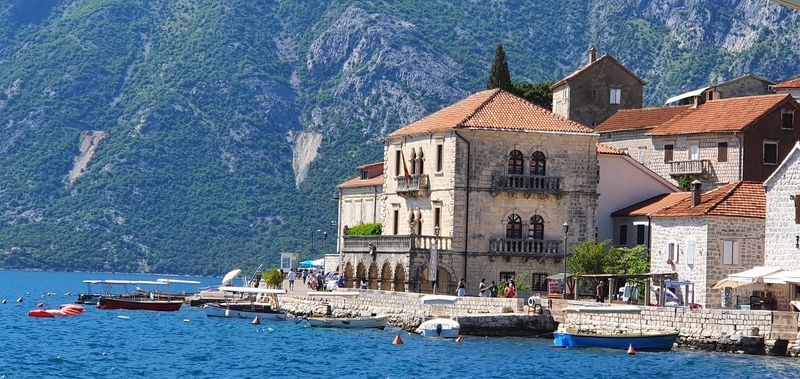
Croatia gets all the postcards, but Montenegro has been quietly stealing hearts just next door. The Bay of Kotor is one of the most dramatic natural harbors in all of Europe, a deep glacial fjord-like inlet ringed by medieval towns and sheer limestone cliffs.
Arriving by boat at sunset is the kind of experience people talk about for years.
Montenegro packs an impressive variety of landscapes into a country smaller than Connecticut. Snow-capped Durmitor National Park sits just a couple of hours from Adriatic beach towns, making it ideal for travelers who struggle to choose between mountains and sea.
Spoiler: here, you do not have to choose.
International arrivals have been climbing steadily as travelers discover that Montenegro delivers a Mediterranean experience without the elbow-to-elbow summer crowds found in places like Dubrovnik or Santorini. New luxury resorts and marina developments along the coast are attracting a wealthier visitor demographic too.
Whether you are hiking canyon trails or sipping local wine in a stone-walled restaurant, Montenegro consistently over-delivers on expectations.
Nepal
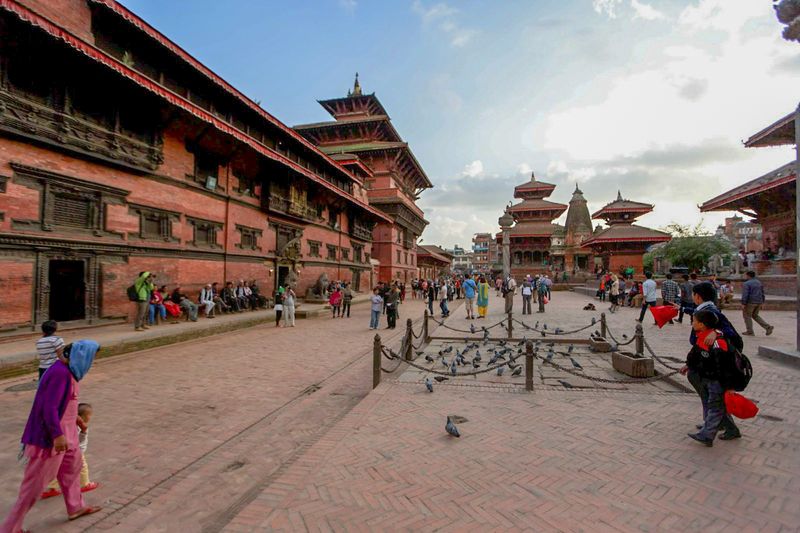
Nepal has always been on the bucket list, but it used to belong almost exclusively to serious trekkers and mountaineers. That is changing fast.
Community tourism programs, cultural homestays, and nature-based experiences are welcoming a much broader audience, from yoga retreats in Pokhara to cycling tours through the Kathmandu Valley’s ancient temple towns.
The numbers back it up. Nepal set new arrival records in 2025, driven largely by visitors from India, China, and an expanding base of Western travelers seeking meaningful, off-the-beaten-path experiences.
Budget options remain plentiful, but mid-range and luxury lodges have improved significantly in quality over recent years.
Wildlife enthusiasts head to Chitwan National Park for rhino and tiger sightings, while Lumbini, the birthplace of Buddha, draws pilgrims and curious travelers alike. The country’s geography is almost unfairly spectacular, ranging from subtropical jungles to the world’s highest peaks within a single country.
Nepal rewards slow travelers who stay long enough to absorb its layered culture and extraordinary natural beauty.
Palau
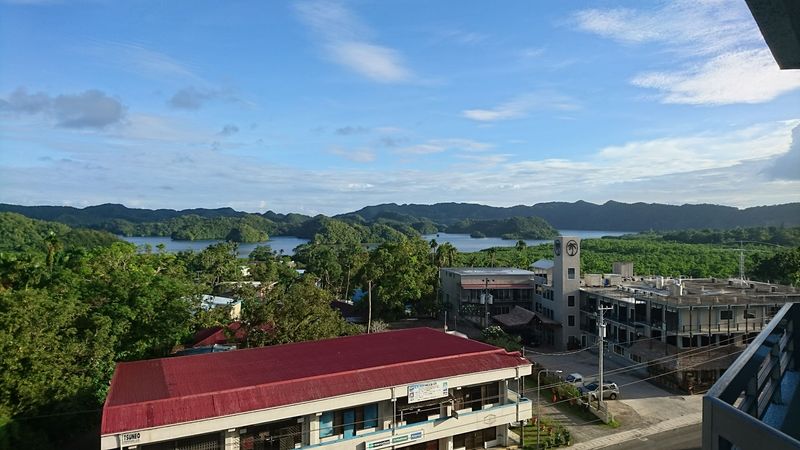
Somewhere in the western Pacific, a tiny island nation is doing more for ocean conservation than most countries ten times its size. Palau was the first country in the world to ban reef-toxic sunscreen, and every visitor must sign the Palau Pledge, a commitment to travel responsibly, before entering the country.
That seriousness about sustainability has become a major draw rather than a deterrent.
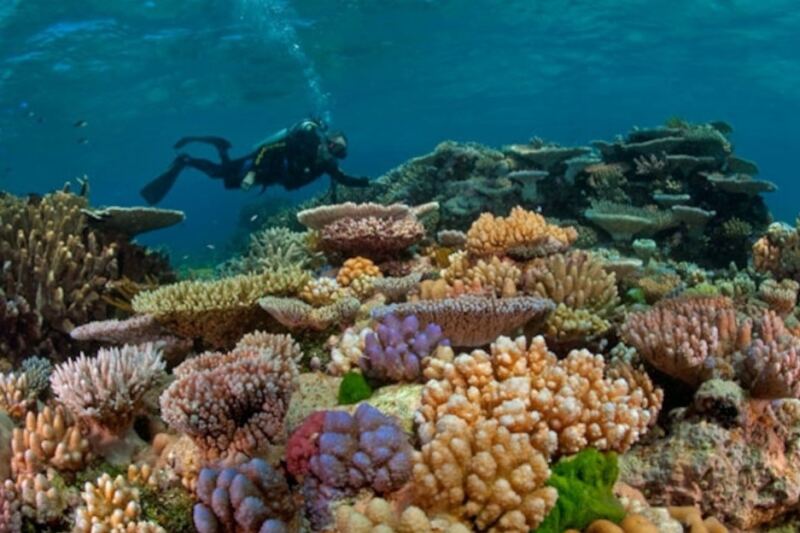
The diving here is genuinely world-class. Jellyfish Lake, where millions of harmless jellyfish drift in golden clouds, is one of the most surreal snorkeling experiences on earth.
The Blue Corner dive site consistently ranks among the top dive spots globally, attracting underwater photographers and marine biology enthusiasts from every corner of the world.
Palau is not a budget destination, but travelers who make the journey consistently call it transformative. Limited tourist numbers are intentional, preserving the pristine reefs and jungle-covered limestone islands that make the place so extraordinary.
Eco-conscious travel trends in 2026 have pushed Palau firmly into the conversation as one of the most thoughtfully managed tourism destinations on the planet.
Rwanda
Rwanda charges up to 1,500 dollars for a single gorilla trekking permit, and travelers pay it without hesitation. That price is not a gimmick.
The revenue funds conservation programs, employs local communities, and helps protect one of the most endangered great apes on earth. Seeing a mountain gorilla family in the misty Volcanoes National Park is widely described as a life-altering experience.
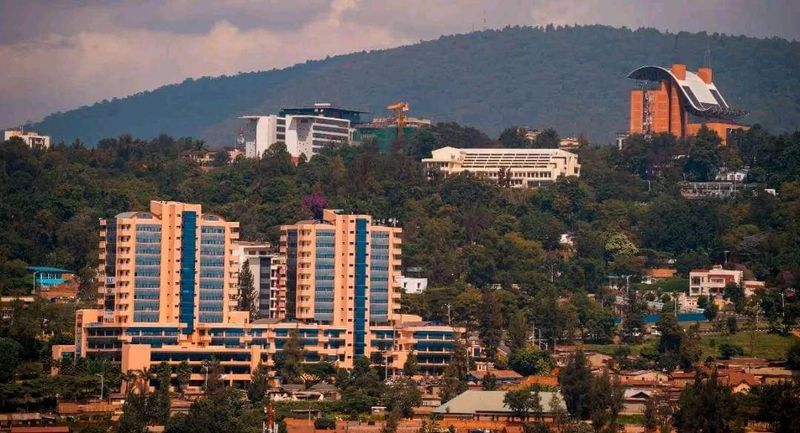
Beyond the gorillas, Rwanda has reinvented itself as a model of responsible African tourism. Kigali, the capital, is consistently ranked among Africa’s cleanest and safest cities.
The Genocide Memorial there is a sobering but essential visit, offering powerful context for understanding the country’s remarkable transformation over the past three decades.
Luxury eco-lodges have multiplied across the country, catering to high-end travelers who want wildlife experiences with genuine conservation impact. New tourism routes are opening up access to lesser-known parks and cultural sites, spreading visitor spending more widely across communities.
Rwanda’s growth in 2026 is being driven by travelers who want their trips to mean something beyond just a good photo.
Mongolia
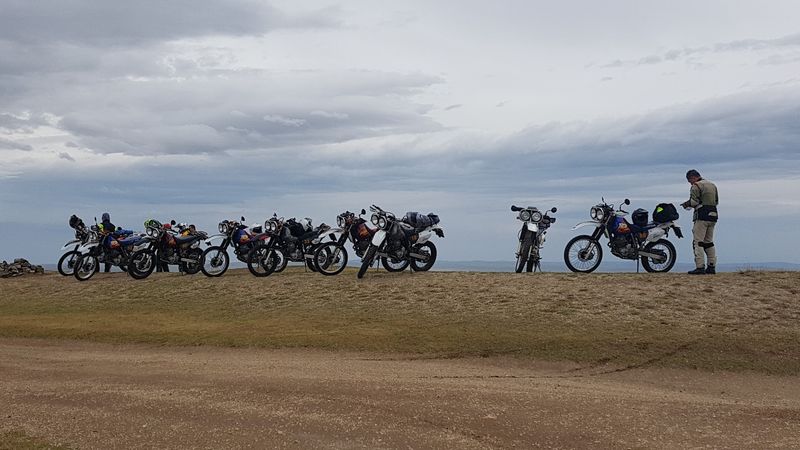
There is a version of travel that involves no crowds, no traffic, and no signal on your phone for days at a time. That version exists in Mongolia, and people are increasingly seeking it out.
The country’s Gobi Desert, sweeping steppe grasslands, and rugged mountain ranges offer a scale of open space that feels almost alien to anyone coming from a densely populated city.
Staying in a traditional ger with a nomadic family is the experience most travelers come for. Sharing fermented mare’s milk, learning to ride horses across open plains, and sleeping under skies thick with stars form the kind of memories that no resort pool can compete with.
Mongolian hospitality is legendary among travelers who have experienced it.
Visitor infrastructure has improved meaningfully, with better road access to key regions and a growing selection of guided adventure tours. The Naadam Festival, held each July, showcases traditional wrestling, archery, and horse racing, and has become one of Asia’s most exciting cultural events for international visitors.
Mongolia in 2026 is the antidote to over-tourism.
Northern Sri Lanka
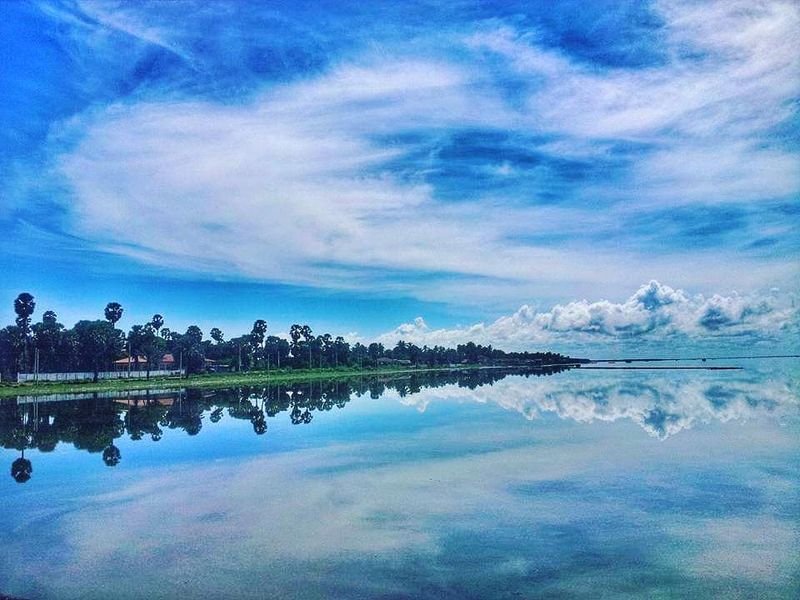
Most visitors to Sri Lanka never make it past Colombo, Kandy, and the southern beaches. The north of the island is a completely different world, and travelers who venture there are finding something rare: genuine authenticity without a souvenir stall in sight.
Jaffna, the northern capital, is a city of Tamil culture, colorful Hindu temples, and some of the most distinctive cuisine on the island.
The northern coast offers beaches that are virtually untouched by mass tourism. Casuarina Beach near Karainagar is strikingly beautiful, with shallow turquoise water and almost zero development.
Nearby islands accessible by short boat rides feel genuinely off the map, even in 2026.
The region’s history adds a layer of depth that more polished tourist destinations often lack. Jaffna Fort, Dutch colonial churches, and ancient Buddhist ruins tell a complex story of a region rebuilding and rediscovering itself.
Improved road and rail connections from Colombo have made the north more accessible than ever, and word is spreading quickly among independent travelers who prioritize discovery over convenience.
Zanzibar, Tanzania
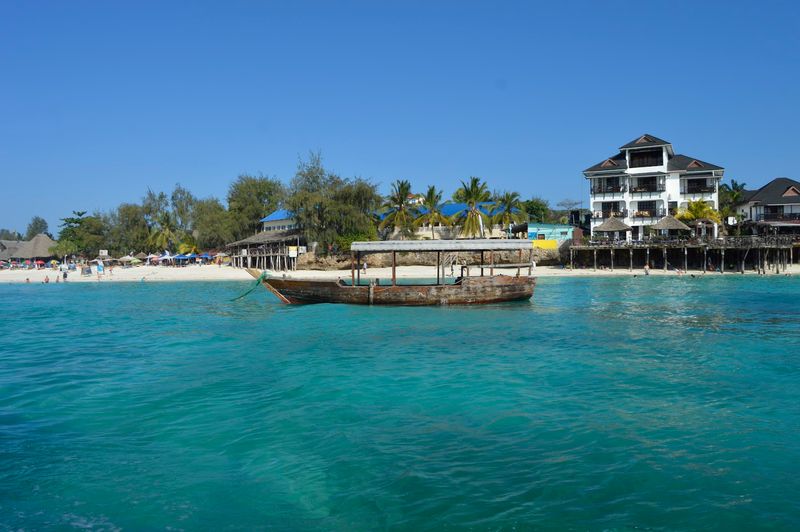
Zanzibar is the kind of place that makes people miss their return flights on purpose. The archipelago off Tanzania’s coast combines Indian Ocean beaches of almost absurd beauty with a layered cultural history shaped by Arab, Persian, Indian, and African influences.
Stone Town, the historic center of Zanzibar City, is a UNESCO World Heritage Site that rewards aimless wandering.
The beaches on the island’s northern and eastern coasts have been drawing sun-seekers for years, but 2026 is seeing a surge in visitors interested in the island’s deeper story. Spice farm tours, dhow sailing trips at sunset, and seafood grilled fresh on the beach at Forodhani Night Market are experiences that go well beyond a standard beach holiday.
Growing direct flight connections from European and Middle Eastern hubs have made Zanzibar significantly easier to reach. New boutique hotels and eco-friendly resorts are catering to travelers who want comfort alongside cultural immersion.
The island is busy finding its balance between rapid tourism growth and preserving the soul that makes it so magnetic in the first place.
Svalbard, Norway
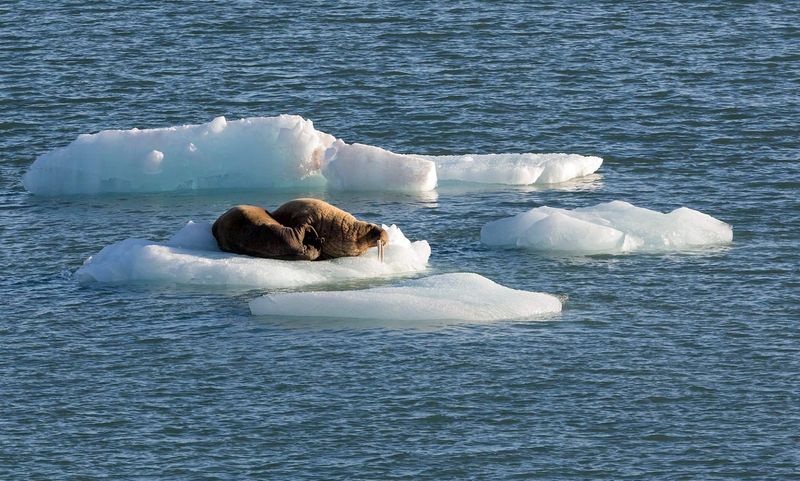
Polar bears outnumber people in Svalbard, and that statistic is not a warning. It is the entire selling point.
This Norwegian archipelago sits deep in the Arctic Ocean, roughly halfway between mainland Norway and the North Pole, and it offers the kind of raw wilderness that most people only see in documentary films. In 2026, it is welcoming more visitors than ever before.
Summer brings the midnight sun, when daylight lasts around the clock and hikers explore glacier-carved valleys bathed in an eerie golden glow. Winter transforms the landscape into a dark, icy stage for the northern lights, with temperatures that test even the best gear.
Dog sledding, snowmobile expeditions, and ice cave explorations keep winter visitors fully occupied.
Longyearbyen, the main settlement, is a surprisingly well-equipped base for Arctic adventures, with good restaurants, knowledgeable guides, and excellent gear rental options. Climate change is ironically making Svalbard more accessible as sea ice retreats, though it also adds urgency to visiting glaciers and Arctic ecosystems while they remain intact.
Svalbard is serious, spectacular, and completely unlike anywhere else on earth.
Borneo, Malaysia and Indonesia
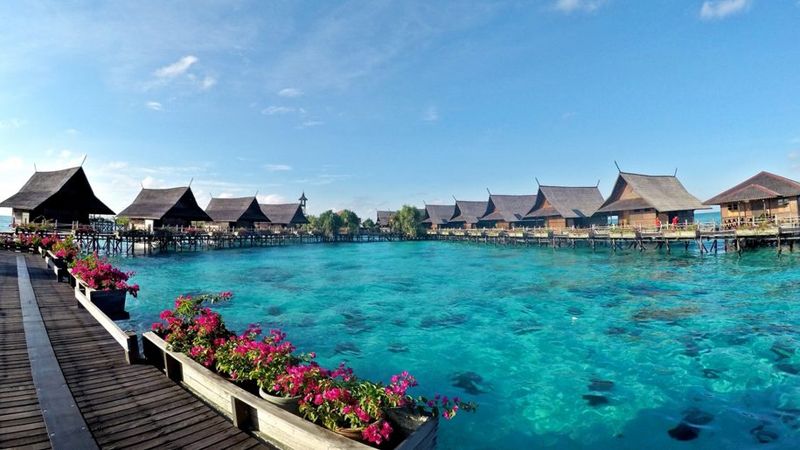
Borneo is home to one of the oldest rainforests on the planet, a jungle so ancient and layered with biodiversity that scientists are still discovering new species within it. Straddling Malaysia, Indonesia, and the tiny nation of Brunei, this island is one of the last places on earth where you can track wild orangutans through dense forest canopy on a proper guided wildlife expedition.
Sabah, in Malaysian Borneo, has become the primary gateway for international nature travelers. The Kinabatangan River offers extraordinary wildlife viewing from simple wooden longboats, with proboscis monkeys, pygmy elephants, and hornbills appearing along the riverbanks with remarkable regularity.
Mount Kinabalu, Southeast Asia’s highest peak, draws serious trekkers looking for a challenging but accessible summit.
Sustainable tourism operators are working hard to ensure that growing visitor numbers translate into conservation funding rather than habitat destruction. Community-based programs allow travelers to stay in traditional Dayak longhouses and learn about indigenous forest knowledge.
Borneo in 2026 is a destination for travelers who want their trip to actively support the natural world they came to experience.
Morocco
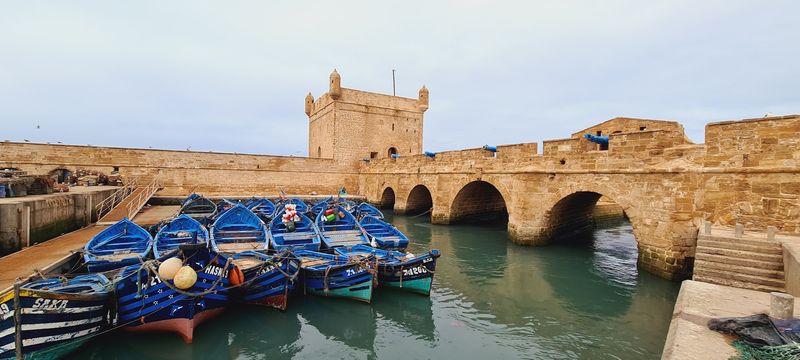
Few countries deliver as much sensory intensity per square kilometer as Morocco. The souks of Marrakech assault the senses in the best possible way, with the smell of spices, the sound of hammers on copper, and the sight of hand-dyed fabrics hanging in vivid cascades.
Then two hours later you can be standing alone in a golden sand dune in the Sahara. The contrast is genuinely thrilling.
Morocco has long attracted travelers, but 2026 is seeing record numbers drawn by a combination of easy accessibility, affordable prices, and a growing reputation for high-quality riads and boutique desert camps. Fez, with its medieval medina and ancient tanneries, is increasingly popular among travelers who find Marrakech too polished.
The Atlantic coast towns of Essaouira and Taghazout offer a completely different, windswept character.
The country has also emerged as a top destination for solo female travelers, food tourism enthusiasts, and photographers chasing extraordinary light. Improved infrastructure connecting major cities has made multi-destination trips within Morocco easier to plan.
The country’s combination of culture, landscape, and affordability is a formula that keeps delivering in 2026.
Brazil
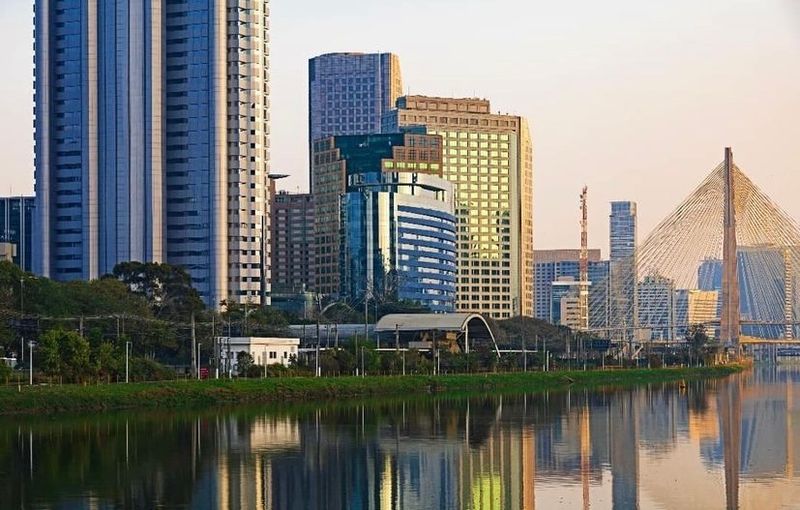
Brazil recorded 9.3 million international visitors in 2025, a number that broke every previous record and confirmed what many travel insiders had been predicting for years. The country is finally capitalizing on its extraordinary natural and cultural assets in a way that is translating into real tourism momentum.
Rio de Janeiro, the Amazon, Iguazu Falls, and the northeastern beaches offer enough variety to fill three separate trips.
The Amazon alone is drawing a surge of eco-travelers eager to experience the world’s largest rainforest before its ongoing challenges worsen. Manaus serves as the main hub for jungle lodges and river expeditions that range from budget hammock boats to luxury floating hotels.
The contrast between urban Brazil and its wilderness is one of the most dramatic in any country on earth.
Improved flight connections from North America, Europe, and Asia have made Brazil more accessible, while a weaker currency has made it more affordable for international visitors. Carnival remains one of the most spectacular events in global tourism, but travelers are increasingly discovering that Brazil’s appeal extends well beyond five days in February.
The country’s moment in the global spotlight is fully deserved.
Finland Lapland Region
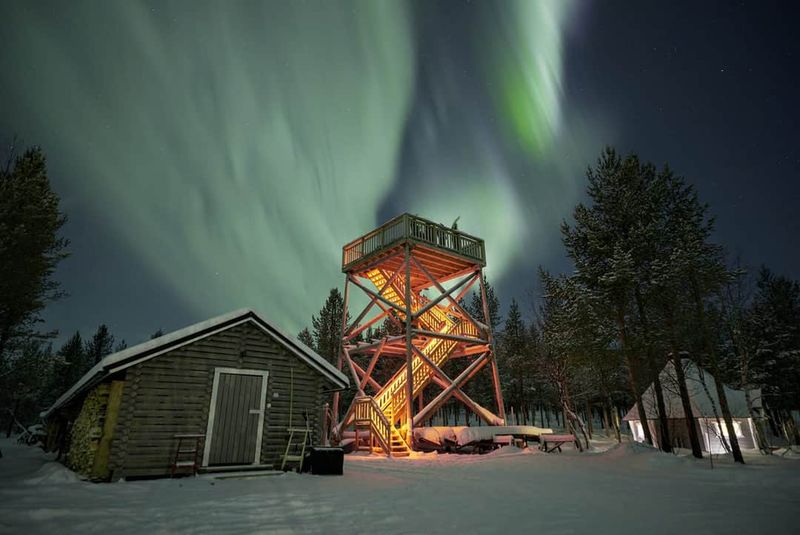
Lapland used to be a one-season wonder, famous almost entirely for Santa Claus and Christmas markets in December. That reputation has been quietly dismantled by a wave of travelers discovering that Finnish Lapland is extraordinary in every single season.
Summer’s midnight sun, when the sky glows orange at 2am and hiking trails stay warm for 24-hour adventures, has become a genuine draw in its own right.
The northern lights season, running roughly from September through March, remains the headline act. Glass igloo hotels and cozy wilderness cabins have proliferated across the region, offering front-row seats to the aurora without sacrificing comfort.
Reindeer safaris, husky sled tours, and ice fishing on frozen lakes round out a winter experience that feels pulled from a dream.
Wellness tourism has added another dimension to Lapland’s appeal. Traditional Finnish sauna culture, combined with forest bathing, cold-water dips, and digital detox retreats, is attracting travelers who want rest as much as adventure.
Rovaniemi and the surrounding wilderness are seeing strong year-round booking growth in 2026, proving that Lapland has successfully rebranded itself as a destination for every season and every kind of traveler.
Share this story