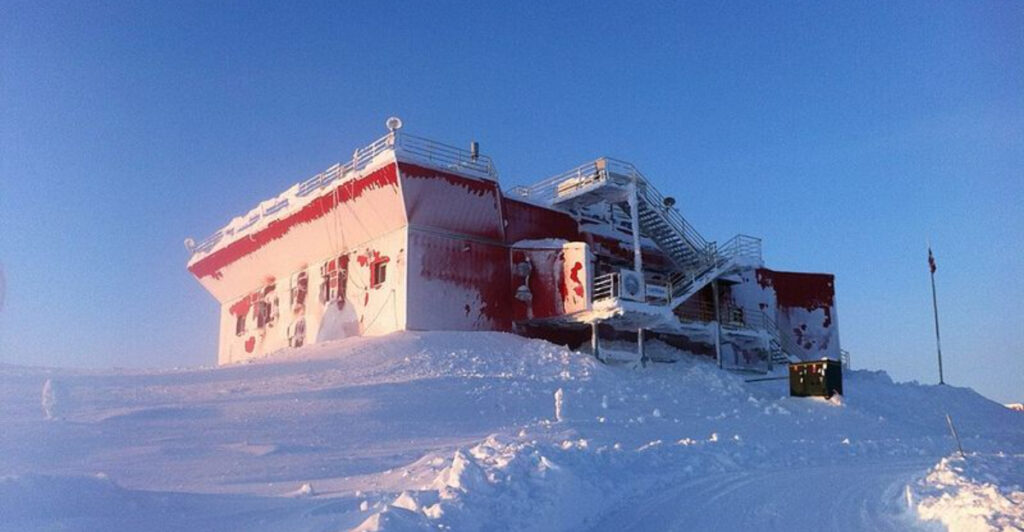
Most people struggle through a few days of winter. In these extraordinary settlements, residents endure months of temperatures that can plunge far below -40°C (-40°F), frozen ground that never fully thaws, and conditions that seem almost impossible for human habitation.
Yet generation after generation continues to call these places home, proving that people can adapt to even the harshest environments on Earth.
Oymyakon, Sakha Republic, Russia
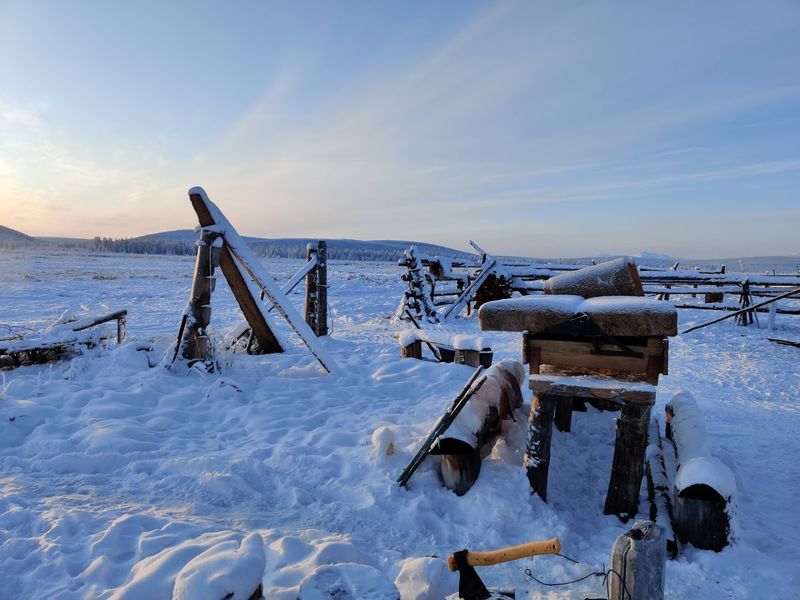
At -67.7°C (-89.9°F), Oymyakon holds the record for the coldest temperature ever recorded in a permanently inhabited settlement. That number is not a typo.
Cars are kept running overnight because engines freeze if they stop, and outdoor plumbing is simply not an option.
A few hundred brave souls call this Siberian village home year-round. The name Oymyakon roughly translates to “non-freezing water,” a nod to a nearby thermal spring that locals have relied on for centuries.
Despite the extreme cold, a small school, a post office, and even a local shop operate here.
Food is almost entirely meat and dairy based, since growing vegetables outdoors is impossible. Visitors who make the journey here often describe the silence of the frozen landscape as eerie and beautiful at the same time.
Oymyakon is proof that human stubbornness knows absolutely no temperature limit.
Verkhoyansk, Sakha Republic, Russia
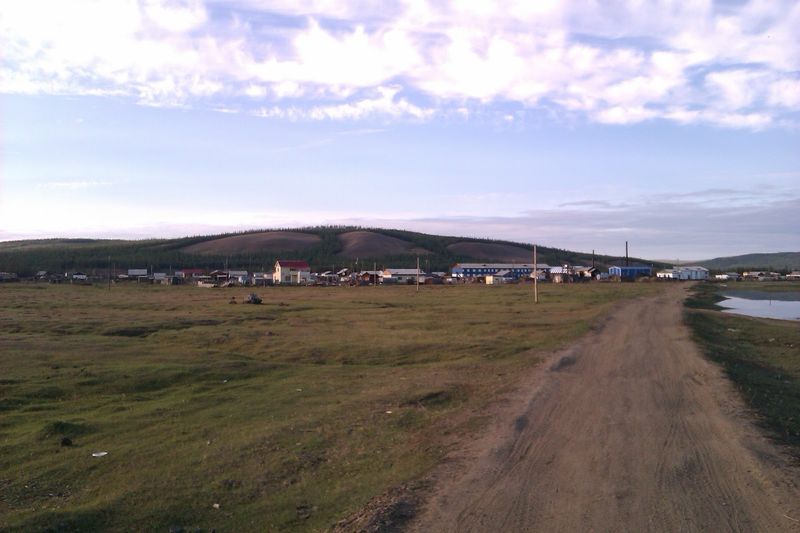
Verkhoyansk holds a record that most cities would never want: one of the greatest temperature swings on Earth. Winters plunge below -50°C, yet summers can climb above 37°C.
That is a range of nearly 90 degrees Celsius in a single location, which sounds almost fictional.
Founded as a Cossack fort in 1638, this small Siberian town has outlasted empires, wars, and centuries of brutal cold. It shares the title of “Pole of Cold” with Oymyakon, and locals take quiet pride in that distinction.
The town sits inside the Arctic Circle, where the sun disappears for weeks during the darkest months.
Residents here have developed a deeply practical lifestyle. Fur clothing is not a fashion statement but a survival tool.
Reindeer herding and fishing remain important parts of local culture. Despite a shrinking population, Verkhoyansk endures with a calm resilience that outsiders find both admirable and quietly astonishing.
Yakutsk, Sakha Republic, Russia
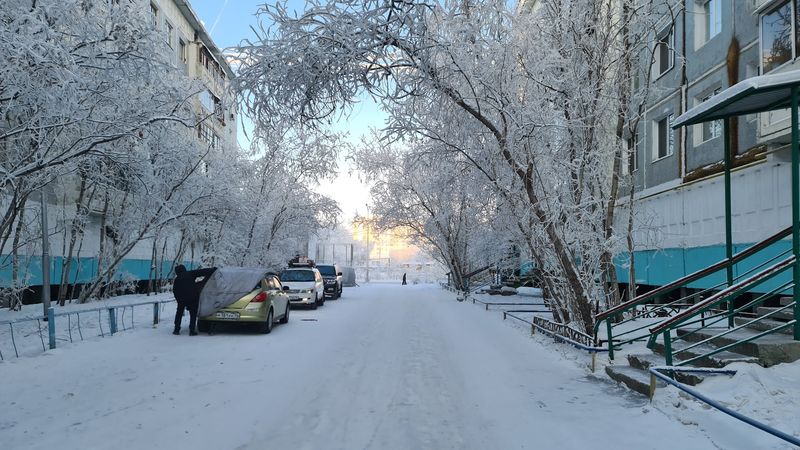
Walking through Yakutsk in January feels like stepping onto another planet. Exhaled breath freezes instantly, eyelashes frost over within minutes, and the city hums with the quiet effort of staying warm at temperatures that regularly fall below -50°C.
With over 300,000 residents, Yakutsk is the largest city built entirely on permafrost. Every building stands on stilts or deep pilings to prevent the frozen ground from thawing and swallowing the foundations.
It is a city that engineers had to completely reinvent to make functional.
Despite the cold, Yakutsk is a surprisingly vibrant place. It has universities, theaters, restaurants, and a fascinating permafrost museum where visitors can walk through ice tunnels carved deep underground.
Local markets sell frozen fish and meat stacked outdoors like firewood, since the city itself acts as a giant natural freezer. Yakutsk proves that even extreme cold cannot freeze human ambition.
Norilsk, Krasnoyarsk Krai, Russia
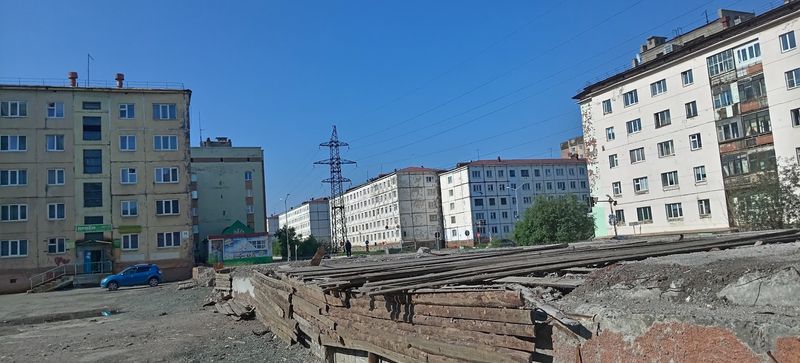
Norilsk is one of those places that challenges every assumption about where cities belong. Built above the Arctic Circle in northwestern Siberia, it endures polar nights lasting nearly two months and winter temperatures that regularly crash below -40°C.
Snow blankets the city for up to 250 days a year.
Originally constructed using Soviet-era forced labor, Norilsk grew into one of the world’s largest nickel and palladium mining hubs. Around 170,000 people live here today, making it one of the most populated Arctic cities on Earth.
Outsiders are rarely permitted to visit, which gives the city an almost mythical quality.
Life in Norilsk involves serious adaptation. Residents layer up with extreme cold-weather gear and navigate underground passages that connect key buildings during the worst storms.
The city also struggles with serious pollution from its smelting industry, adding another layer of difficulty to daily life. Yet locals stay, build families, and maintain a strong sense of community identity in one of the world’s most isolated industrial cities.
Dudinka, Krasnoyarsk Krai, Russia
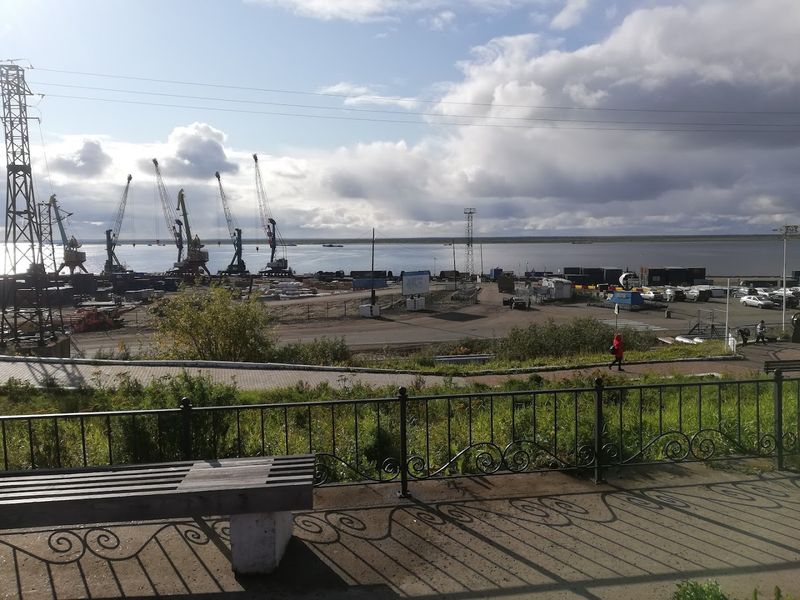
Sitting above the Arctic Circle along the mighty Yenisei River, Dudinka is a place where the river itself freezes solid for months at a time. Winter temperatures regularly drop below -40°C, and fierce winds tear across the flat tundra landscape with almost nothing to slow them down.
Dudinka serves as the main port for the Norilsk industrial region, making it strategically important despite its remote location. During the short summer months, the river thaws and icebreaker ships push through to deliver supplies.
For the rest of the year, air transport keeps the community connected to the outside world.
Around 20,000 people call Dudinka home, and many have indigenous roots tied to the Nenets and Dolgan peoples who have inhabited the region for centuries. Local culture blends traditional Arctic survival knowledge with modern city life.
The cold here is relentless, but the community spirit is equally strong. Dudinka is a reminder that logistical challenge and human determination have a long and fascinating history of coexisting.
Susuman, Magadan Oblast, Russia
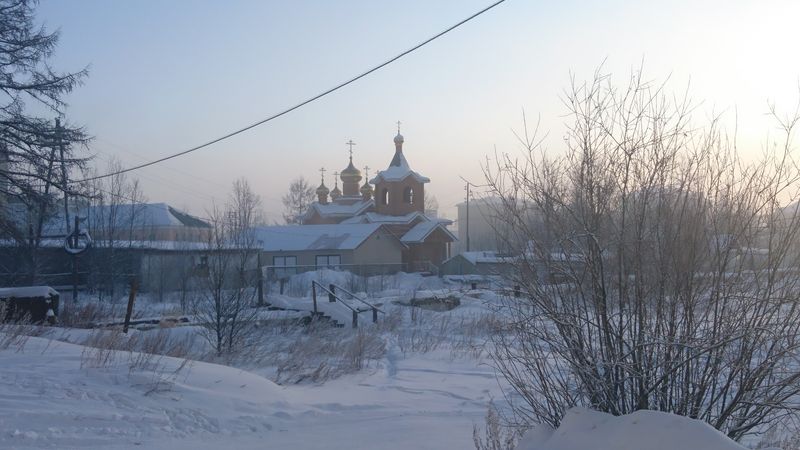
Susuman sits deep in the Kolyma region of Russia’s Far East, a place so cold and remote that it feels deliberately hidden from the rest of the world. Winter temperatures can plunge past -60°C in extreme cases, and above-freezing days during midwinter are essentially unheard of here.
The region carries a dark history. During the Soviet era, the Kolyma area was infamous for its brutal labor camps, and Susuman grew partly as a support settlement for gold mining operations in the surrounding mountains.
Gold is still extracted here today, giving the town an economic reason to exist despite its punishing climate.
The population has dropped significantly since the Soviet collapse, but several thousand residents remain. Life runs on a rhythm shaped entirely by the seasons: short, frantic summers followed by long, frozen winters that test every piece of equipment and every layer of clothing a person owns.
There is a tough, no-nonsense personality to Susuman that feels earned rather than performed. People here do not complain about the cold.
They simply get on with things.
Longyearbyen, Svalbard, Norway
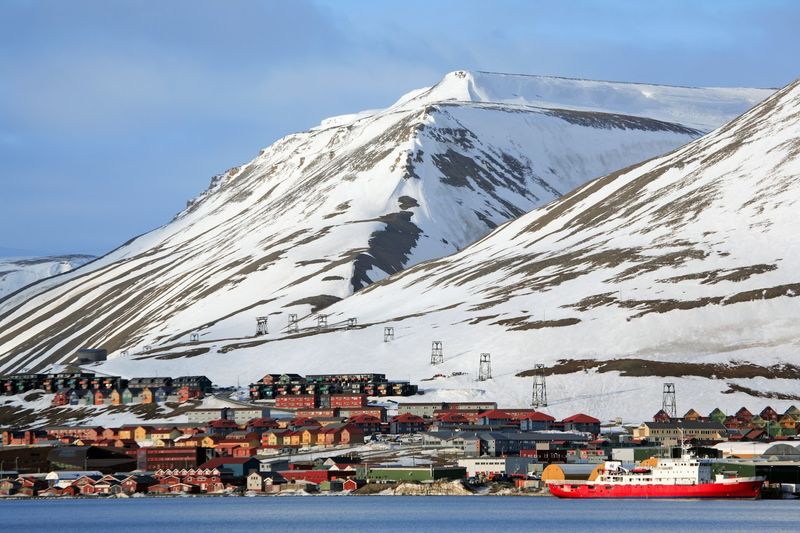
Longyearbyen is the kind of place where polar bears outnumber cars, and residents are legally required to carry a rifle when venturing outside town limits. Sitting at 78 degrees north latitude on the Svalbard archipelago, it is the world’s northernmost settlement of significant size, home to around 2,500 people.
Polar night here lasts from late October to mid-February, meaning the sun does not rise above the horizon for nearly four months straight. Rather than treating this as a hardship, locals have turned it into a cultural event, celebrating the return of the sun each spring with genuine festivity.
The town has a surprisingly lively social scene, with restaurants, a university center, and an international community of researchers and adventurers.
Temperatures in winter typically hover between -15°C and -20°C, which is actually milder than many Siberian towns thanks to the warming influence of the Gulf Stream. Still, the combination of darkness, wind, and isolation makes Longyearbyen a genuine test of character.
Those who thrive here tend to share a love of wild landscapes and a healthy appreciation for a very warm coat.
Barrow (Utqiagvik), Alaska, United States
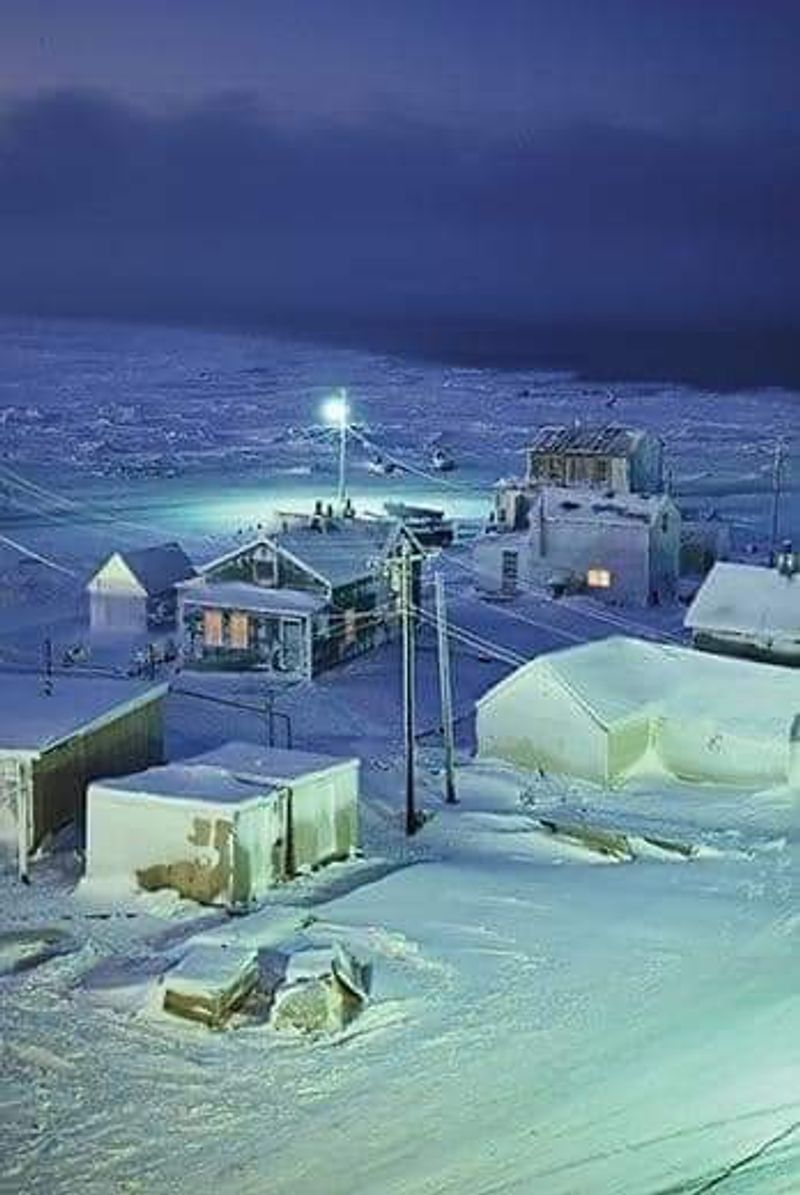
For 65 days every year, the sun simply does not rise over Utqiagvik, formerly known as Barrow. America’s northernmost city sits on the edge of the Arctic Ocean in Alaska, where temperatures regularly fall below -30°C and wind chills make it feel significantly colder.
The Inupiat people have lived in this region for over 1,500 years, developing extraordinary knowledge of Arctic survival, sea ice conditions, and whale hunting traditions that continue to this day. The community of around 5,000 people blends indigenous culture with modern infrastructure, including a hospital, schools, and even a small hotel for visitors who make the journey north.
Grocery prices in Utqiagvik are shockingly high due to the cost of flying in supplies, and fresh produce is a genuine luxury. Locals rely heavily on subsistence hunting and fishing, particularly the bowhead whale harvest, which holds deep cultural and spiritual significance.
Despite the darkness, the cold, and the logistical challenges, Utqiagvik is a community with a strong identity and a fierce pride in its place at the very top of the United States.
Yellowknife, Northwest Territories, Canada
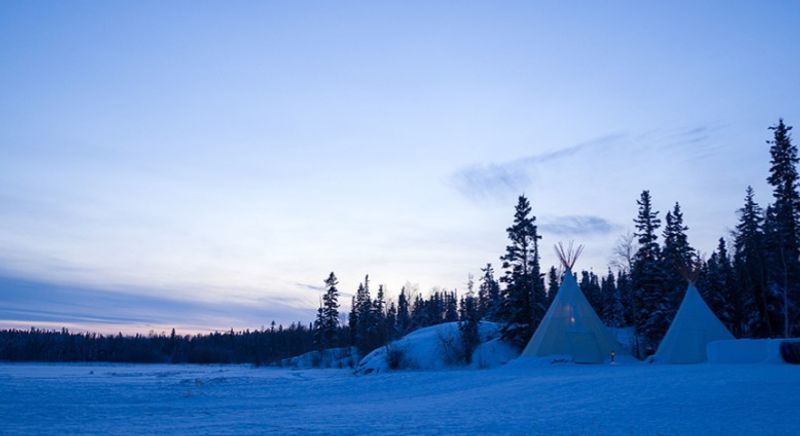
Few cities in the world offer the surreal experience of driving a car across a frozen lake to reach the airport. In Yellowknife, the ice road across Great Slave Lake is a perfectly normal part of winter life, and locals use it without giving it a second thought.
As the capital of Canada’s Northwest Territories, Yellowknife is home to around 20,000 people and serves as the administrative and economic hub of the region. Winter temperatures regularly dip below -40°C, and the city holds the unofficial title of Canada’s aurora borealis capital, drawing photographers and tourists from around the world.
The city has a fascinating mixed heritage, with strong Dene First Nations culture alongside a community shaped by the diamond mining industry that transformed the regional economy in the 1990s. Local restaurants serve hearty food built for cold weather, and outdoor festivals in winter celebrate rather than hide from the season.
Yellowknife has a bold, frontier-town energy that makes it feel more alive in winter than many warmer cities manage in summer.
Eureka, Nunavut, Canada
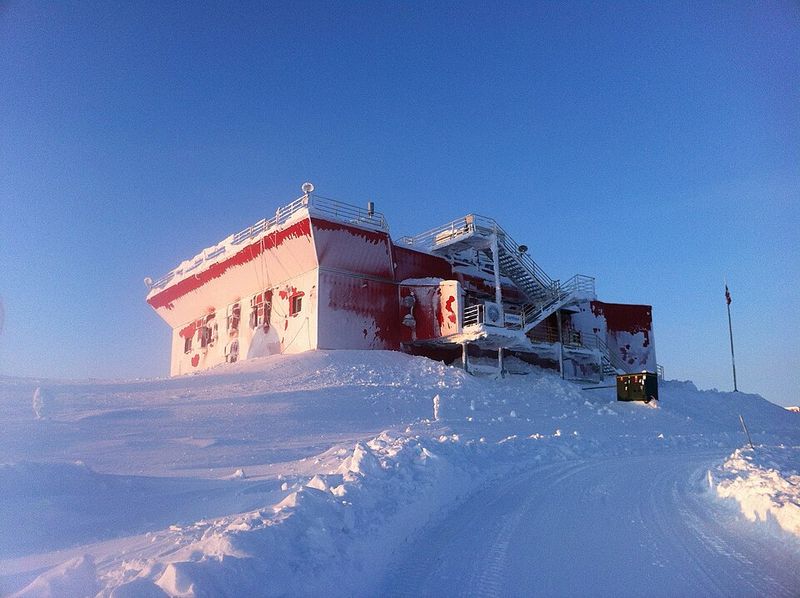
Eureka is so cold and so remote that calling it a settlement feels almost generous. Located on Ellesmere Island in Canada’s High Arctic, it records some of the lowest average annual temperatures of any inhabited location in North America, hovering around -20°C year-round.
There is no permanent civilian population here. Instead, Eureka is home to a small weather station and research facility operated by Environment and Climate Change Canada.
A rotating team of researchers and support staff live and work here, studying atmospheric conditions in one of the most scientifically valuable and least accessible places on the planet.
During the darkest winter months, the handful of people stationed at Eureka experience polar night for weeks on end, with no other community within hundreds of kilometers. The isolation is total and deliberate.
Scientists who choose postings here tend to be a particular breed: deeply curious, highly self-sufficient, and completely comfortable with silence. Eureka may not have a coffee shop or a cinema, but it does have some of the cleanest, most undisturbed Arctic data on Earth, and that, for the right person, is more than enough.
Iqaluit, Nunavut, Canada
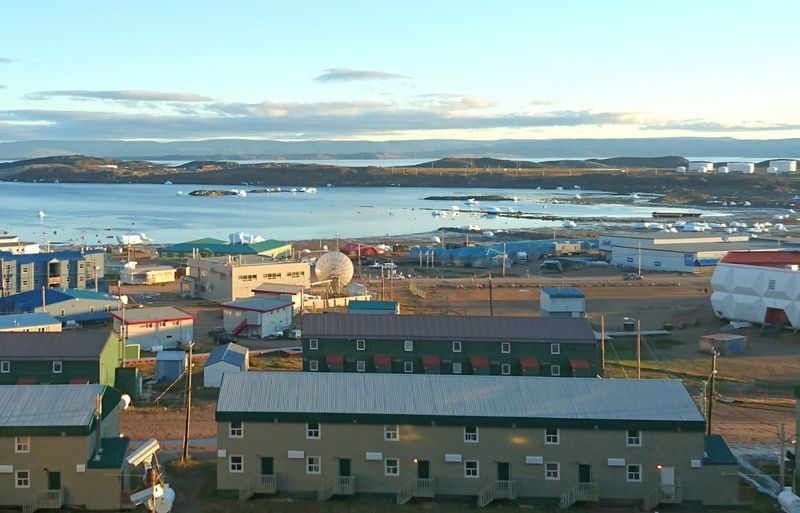
Iqaluit is a city that grew up fast in one of the coldest, most remote corners of North America. As the capital of Nunavut, Canada’s newest territory, it has transformed from a small outpost into a city of around 8,000 people in just a few decades, all while sitting on the edge of frozen Frobisher Bay.
Winters here are long, dark, and bitterly cold, with temperatures regularly dropping below -35°C. Sea ice covers the bay for months, and supply ships can only reach the city during a narrow summer window.
Everything else comes in by air, which keeps the cost of living extremely high. A bag of grapes can cost more than a restaurant meal in most Canadian cities.
Despite those challenges, Iqaluit has a growing arts scene, a strong Inuit cultural identity, and a young population that is expanding faster than most Canadian cities. The annual Toonik Tyme festival celebrates spring with igloo building, dog sledding, and traditional games that draw visitors from across the country.
Life in Iqaluit is not easy, but it is genuinely rich in culture and community spirit.
Inuvik, Northwest Territories, Canada
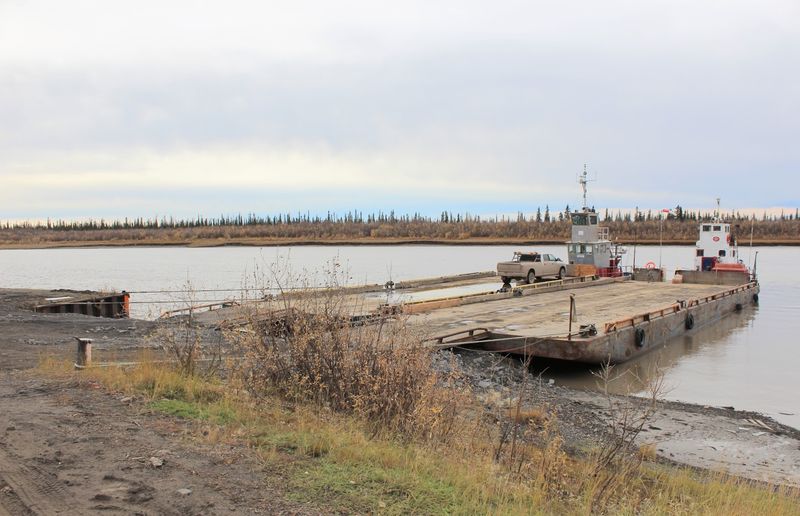
Inuvik was essentially built from scratch in the 1950s and 1960s to solve a problem: existing nearby communities were sinking into the permafrost. Rather than give up on the region, Canadian engineers designed an entirely new town with buildings raised on stilts and an above-ground utility corridor system called a utilidor.
The utilidor is one of the most clever pieces of cold-climate engineering anywhere in the world. It is an insulated above-ground pipe system that carries water, sewage, and heating lines through the town, preventing them from freezing in ground that never fully thaws.
Without it, basic plumbing in Inuvik would be nearly impossible.
Home to around 3,500 people, Inuvik serves as the main service hub for Canada’s western Arctic. Winter temperatures can fall below -40°C, and polar night lasts about a month each year.
The town is known for the iconic Our Lady of Victory Church, shaped like an igloo, which has become one of the most photographed buildings in the Canadian North. Inuvik blends practical innovation with genuine community warmth, making it one of the most interesting Arctic towns in the world.
Qaanaaq, Greenland
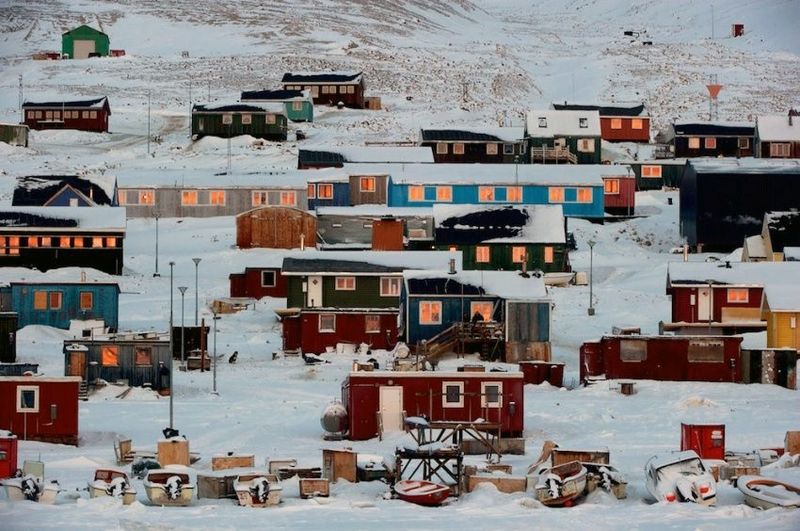
Qaanaaq sits so far north that it makes many Arctic towns look tropical by comparison. Located in northwestern Greenland at around 77 degrees north latitude, it is one of the most northerly permanently inhabited towns on Earth, home to approximately 650 people, most of them Inuit.
The community relies heavily on traditional hunting and dog sledding, practices that have kept people alive in this region for thousands of years. Hunters here still travel across sea ice by dogsled to hunt narwhal, seal, and polar bear, using skills passed down through countless generations.
It is a way of life that feels both ancient and entirely practical.
Winter in Qaanaaq brings months of polar darkness, temperatures well below -30°C, and complete isolation from the rest of the world except by air. The nearest large town is hundreds of kilometers away.
Yet the community has a richness to it that outsiders often find surprising. Storytelling, drum dancing, and communal meals are central to daily life.
Qaanaaq does not just survive its environment. It has built an entire culture around embracing it.
Tasiilaq, Greenland
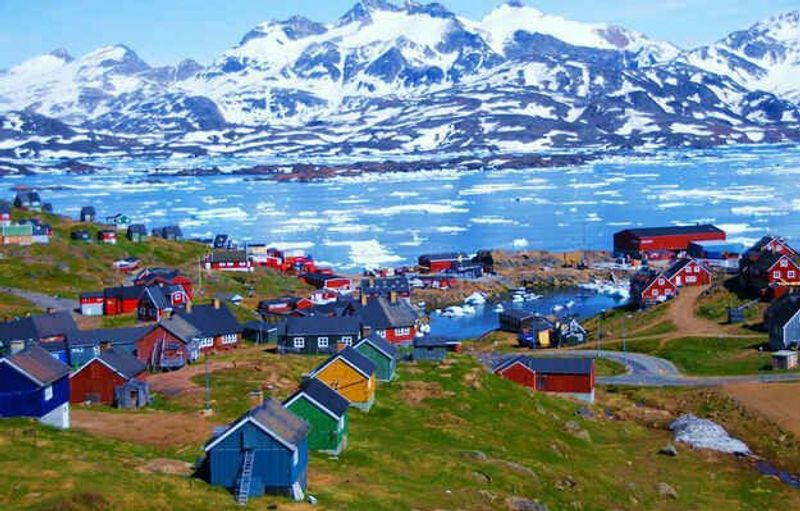
Tasiilaq clings to the eastern coast of Greenland like it is daring the Arctic to try and shake it loose. Surrounded by towering mountains, massive glaciers, and fjords packed with icebergs, this town of around 2,000 people is one of the most visually dramatic settlements anywhere on Earth.
Getting here is not straightforward. Tasiilaq is only accessible by helicopter or small boat during the warmer months, and the surrounding terrain makes overland travel essentially impossible.
This isolation has helped preserve a strong Greenlandic Inuit culture, where traditional kayaking, hunting, and community gatherings remain central to everyday life.
Winter temperatures regularly drop below -20°C, and fierce storms roll in from the North Atlantic with little warning. The combination of wind, cold, and sea ice makes conditions genuinely dangerous at times.
However, the same dramatic geography that creates those hazards also makes Tasiilaq a destination for adventurous travelers, dog sledding expeditions, and researchers studying the effects of climate change on Greenland’s glaciers. Life here demands toughness, creativity, and a deep respect for the natural world that surrounds the town on every side.
Share this story