Most people driving through Oregon’s Coast Range are focused on getting to the beach. They cruise past mile after mile of dense, towering forest without a second glance, completely unaware that one of the Pacific Northwest’s most accessible and rewarding outdoor playgrounds is right there, just off the highway.
Tillamook State Forest covers more than 364,000 acres of publicly owned land in northwest Oregon, and it offers everything from rugged off-road trails to free dispersed camping, swimming holes with blue-green water, and forests so thick and green they almost feel unreal. I have spent time exploring this place firsthand, and I can tell you that most people who have not heard of it are genuinely missing out.
Where It All Starts: The Forest’s Location and Access Point
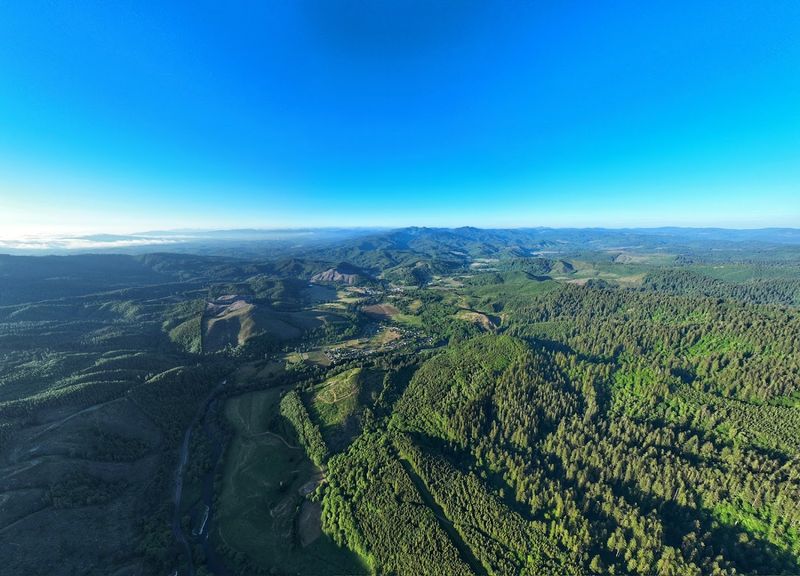
The forest sits at Oregon 97119, tucked into the Coast Range hills of northwest Oregon, roughly an hour west of Portland and not far from the town of Forest Grove. The main gateway is the Tillamook State Forest Discovery Center on Wilson River Highway, which serves as both a visitor hub and a launching point for exploring the broader forest system.
Getting there is straightforward, but one important tip: do not rely solely on GPS. Several roads inside the forest boundary lead to private land or dead ends, and cell service drops out almost completely once you are deeper in.
Downloading an offline map before you leave home is genuinely useful here, not just a nice-to-have suggestion.
The forest spans parts of Tillamook, Washington, and Yamhill counties, making it one of the largest state forests in the Pacific Northwest. Unlike many protected lands out west, most of the forest area does not require a parking fee, which makes it surprisingly accessible for a spontaneous day trip or a longer stay.
A Forest With a Story: The History Behind the Trees
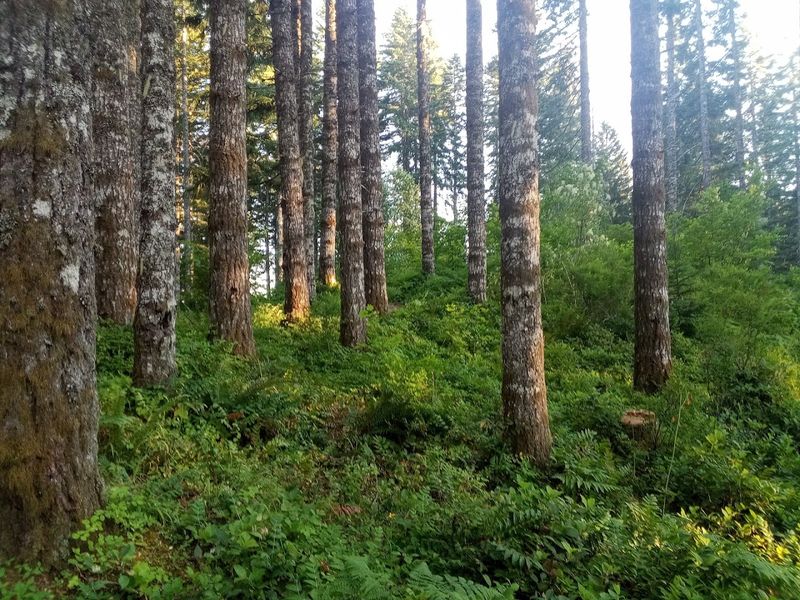
Not many forests have a comeback story quite like this one. Tillamook State Forest was born out of catastrophe, specifically a series of massive fires known as the Tillamook Burn that swept through the region between 1933 and 1951, scorching hundreds of thousands of acres and leaving behind a landscape of ash and standing snags.
What followed was one of the largest reforestation efforts in Oregon history. Schoolchildren across the state planted seedlings by hand during annual planting campaigns, and over decades, the forest slowly grew back into the dense, thriving woodland you see today.
That replanted origin gives the forest a slightly different character than old-growth areas nearby, with younger, more uniform stands of Douglas fir, western hemlock, and red alder filling the hillsides.
The Discovery Center does an excellent job telling this story through exhibits and timelines that are engaging even for younger visitors. Walking through the exhibits and then stepping outside into the very forest that was rebuilt from nothing feels like a genuinely moving experience, one that puts every tall tree you see afterward in a completely different light.
Off-Road Heaven: Trails Built for ATVs, Dirt Bikes, and More

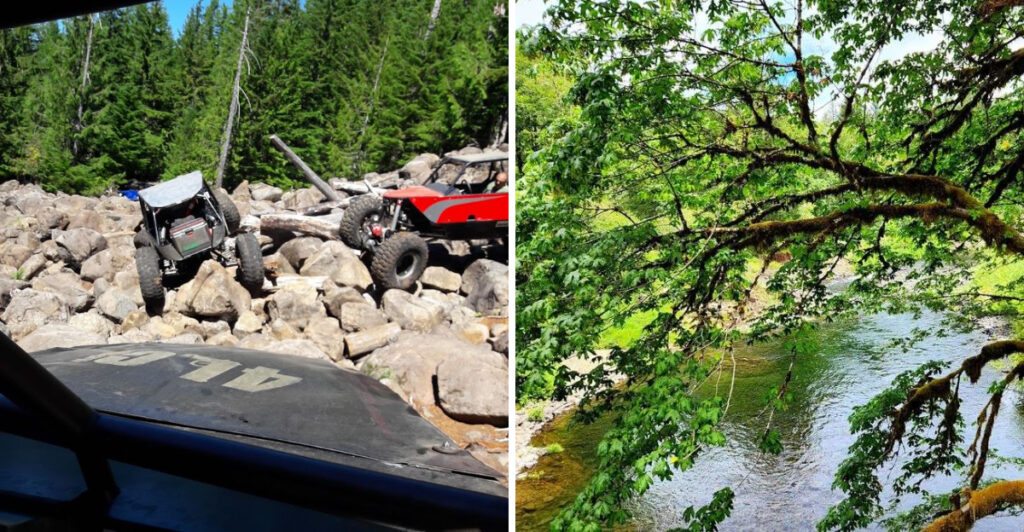
This is where things get exciting for anyone who owns a dirt bike, ATV, or off-highway vehicle. Tillamook State Forest contains one of the most extensive OHV trail networks in Oregon, with hundreds of miles of designated routes winding through the hills, valleys, and ridgelines of the Coast Range.
The trails range from wide, groomed gravel paths that beginners can handle comfortably to steep, narrow, technical routes that will genuinely test experienced riders. The Tillamook State Forest OHV system connects multiple trailheads, and many riders spend full weekends working through different sections without covering the same ground twice.
Unlike some off-road areas that feel overcrowded or poorly maintained, the trails here are reasonably well marked and regularly managed by the Oregon Department of Forestry. The forest environment adds to the experience, with canopies closing overhead on tighter trails and wide-open ridge views rewarding the climbs.
It is the kind of place that riders from states like Oklahoma, where forested OHV terrain is scarcer, often describe as a revelation the first time they visit.
On Two Feet: Hiking Trails for Every Skill Level
You do not need a motor to enjoy what this forest has to offer. The hiking trail network is extensive, ranging from short, flat riverside walks to long, strenuous ridge routes that will have your legs burning well before the summit.
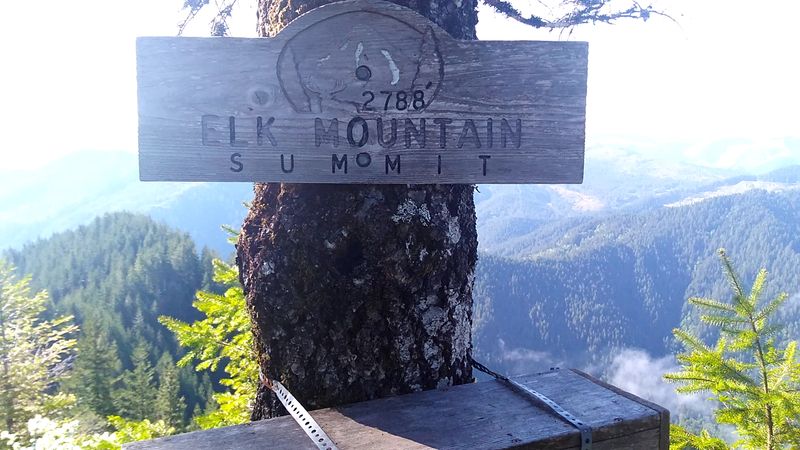
The Kings Mountain and Elk Mountain trails are among the most popular, and for good reason. Both offer significant elevation gain and reward hikers with sweeping views across the Coast Range and, on clear days, glimpses toward the Pacific Ocean.
The trails are steep enough to feel like an accomplishment without requiring technical gear, which puts them in a sweet spot for fit casual hikers.
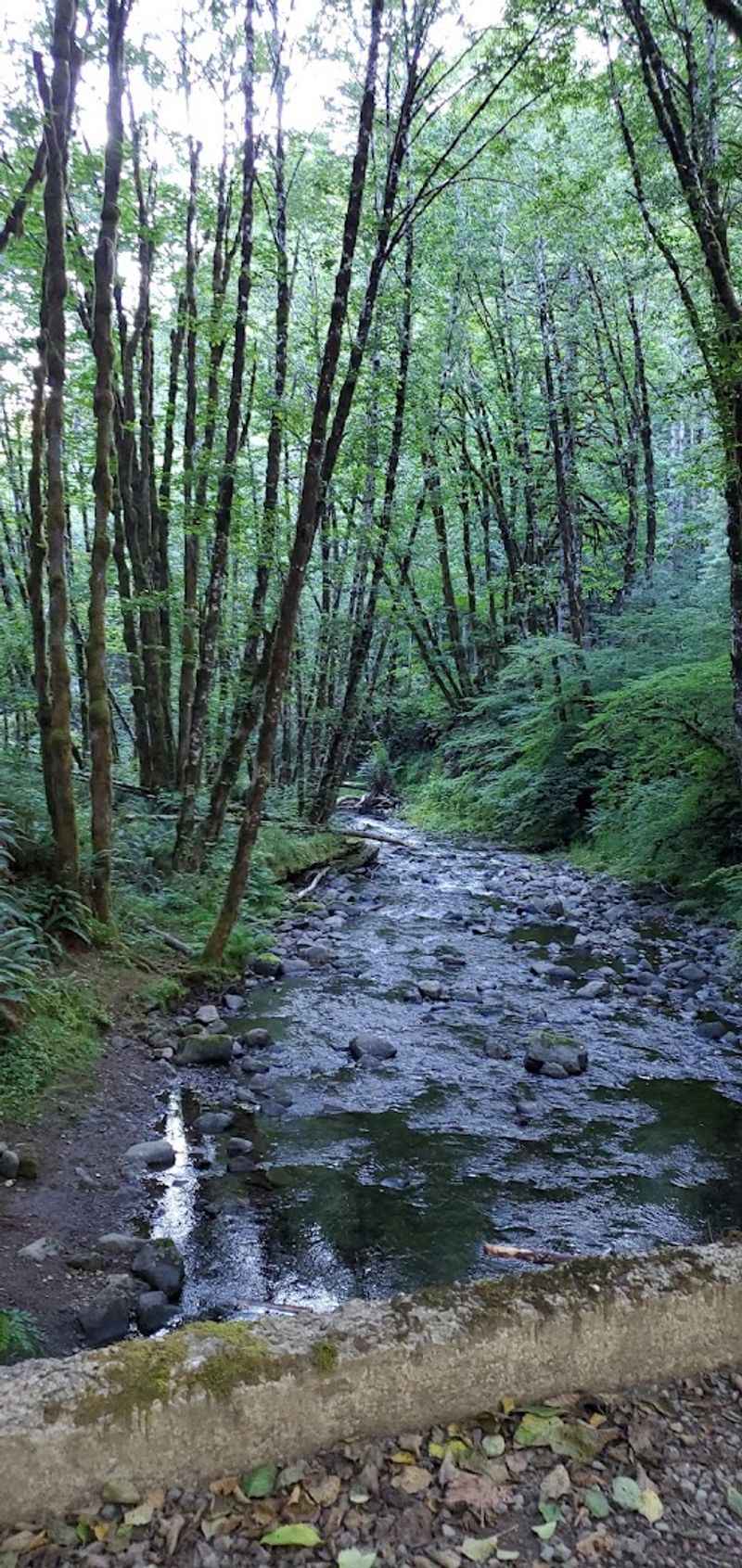
Shorter, easier options follow the Wilson River and other waterways through the forest, offering a more relaxed pace with plenty of chances to spot wildlife, listen to rushing water, and simply breathe in the cool, damp air that the Pacific Northwest does better than almost anywhere else. First-time visitors often walk one of the easier river trails and immediately start planning a return trip to tackle something more challenging, and honestly, that pattern repeats itself more often than you might expect.
Free Camping Under the Canopy: Dispersed Sites and What to Expect
Free camping in a well-maintained, publicly accessible forest is the kind of thing that sounds too good to be true, but Tillamook State Forest genuinely delivers on it. Dispersed camping is allowed throughout much of the forest, meaning you can set up a tent or park an RV in a variety of informal sites without paying a nightly fee.
The campsites vary from cleared gravel pullouts near forest roads to more rustic spots tucked back in the trees. None of them have electrical hookups or formal amenities, but basic facilities like pit toilets are available at several access points, and they are kept reasonably clean.
Rain is a real factor here, especially from fall through spring, so packing quality waterproof gear is not optional. The forest gets significant precipitation as part of the Oregon Coast Range climate, and a wet weekend can dampen the experience considerably if you are not prepared.
That said, camping here on a dry summer night, with the sound of a nearby creek and the smell of fir needles in the air, is the kind of thing that keeps people coming back year after year, some of them driving up from as far away as Oklahoma.
The Swimming Hole Secret: Blue-Green Water in the Hills
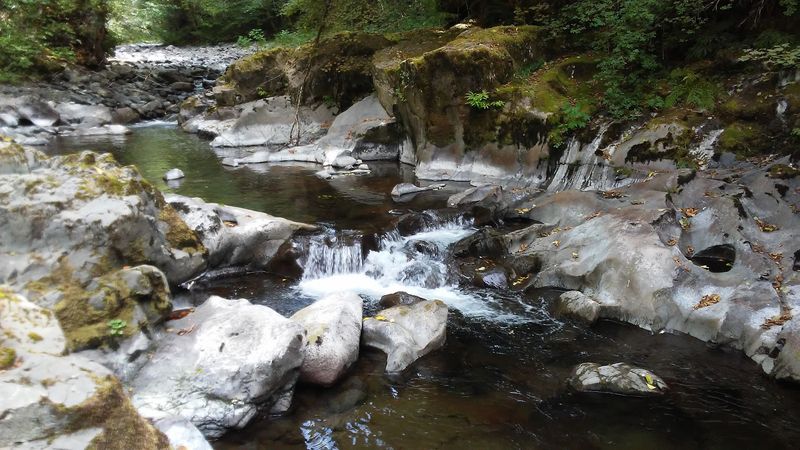
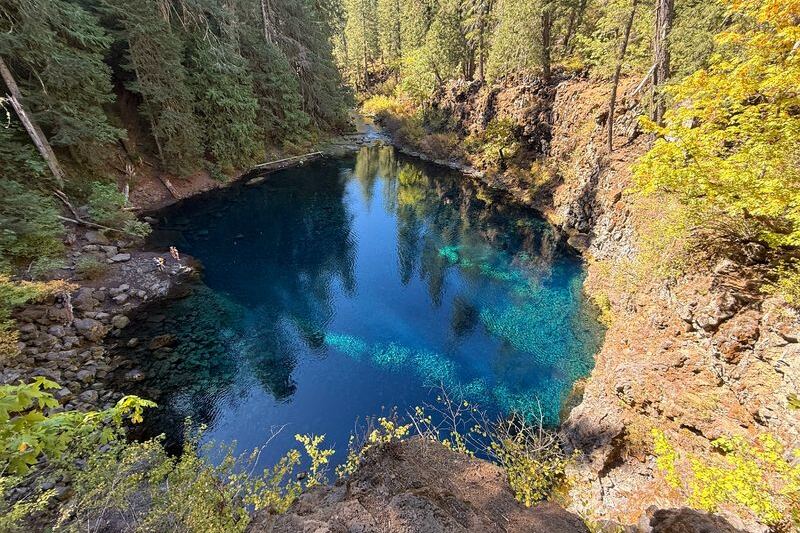
There is a swimming hole in this forest that locals talk about in the same reverent tone people use for places they are slightly afraid will get too popular. The water runs a striking blue-green color, the kind that makes you want to photograph it before you even think about getting in.
The catch, and there is always a catch in the Pacific Northwest, is the temperature. Even in the height of summer, the water stays cold enough to make most people gasp on entry.
That has not stopped generations of visitors from taking the plunge, but it does mean that long, leisurely swims are more of a theoretical concept than a practical reality for most people.
Still, the spot is worth visiting even if you keep your feet dry. The surrounding scenery is beautiful, the sound of moving water is constant and calming, and there is something satisfying about sitting on a mossy rock next to a waterway that looks like it belongs in a travel documentary.
Fishing is also popular in these waters, and the combination of cold, clear streams and overhanging forest canopy creates conditions that trout seem to appreciate just as much as the humans who show up to catch them.
Birding and Wildlife: What Lives in These Woods
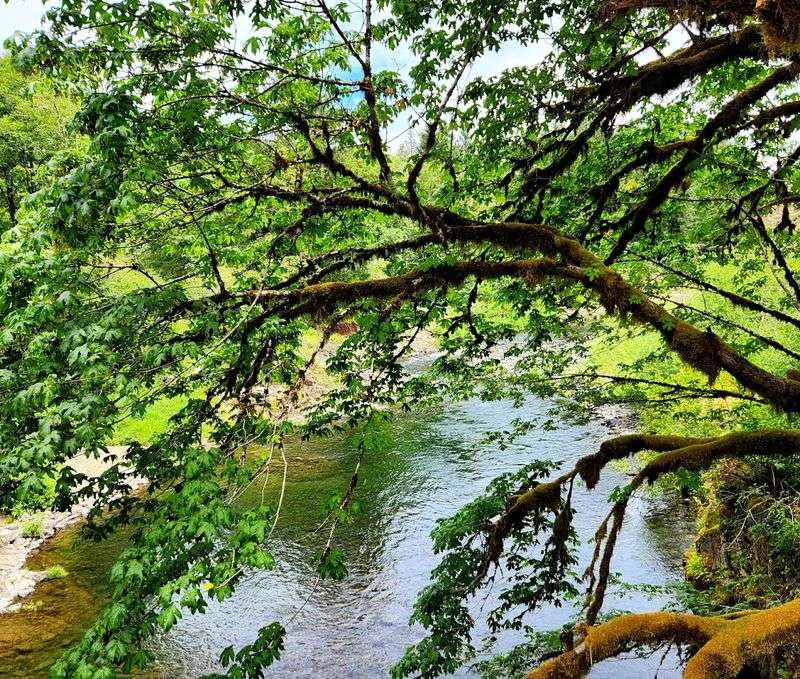
The forest is alive in ways that go well beyond the trees. Tillamook State Forest supports a rich variety of wildlife, and spending a quiet morning on one of the trails with your eyes and ears open can turn into an unexpectedly rewarding wildlife experience.
Bald eagles are spotted regularly along the river corridors, and black-tailed deer are common enough that seeing one barely registers as an event for regular visitors. Roosevelt elk also move through the forest, and spotting a small herd in a clearing is the kind of thing that stops you in your tracks regardless of how many times you have seen elk before.
Birders find the forest particularly rewarding during migration seasons, when a mix of resident and passing species fills the canopy with activity. The variety of habitats, from dense conifer stands to riparian zones along the rivers, creates different conditions that attract different bird communities.
Mushroom hunters also frequent the forest in fall, when the damp conditions and forest floor debris create ideal growing conditions for a wide range of edible and interesting fungi. The forest rewards those who slow down and pay attention to what is happening at ground level, not just at the treetops.
The Discovery Center: More Than Just a Welcome Station
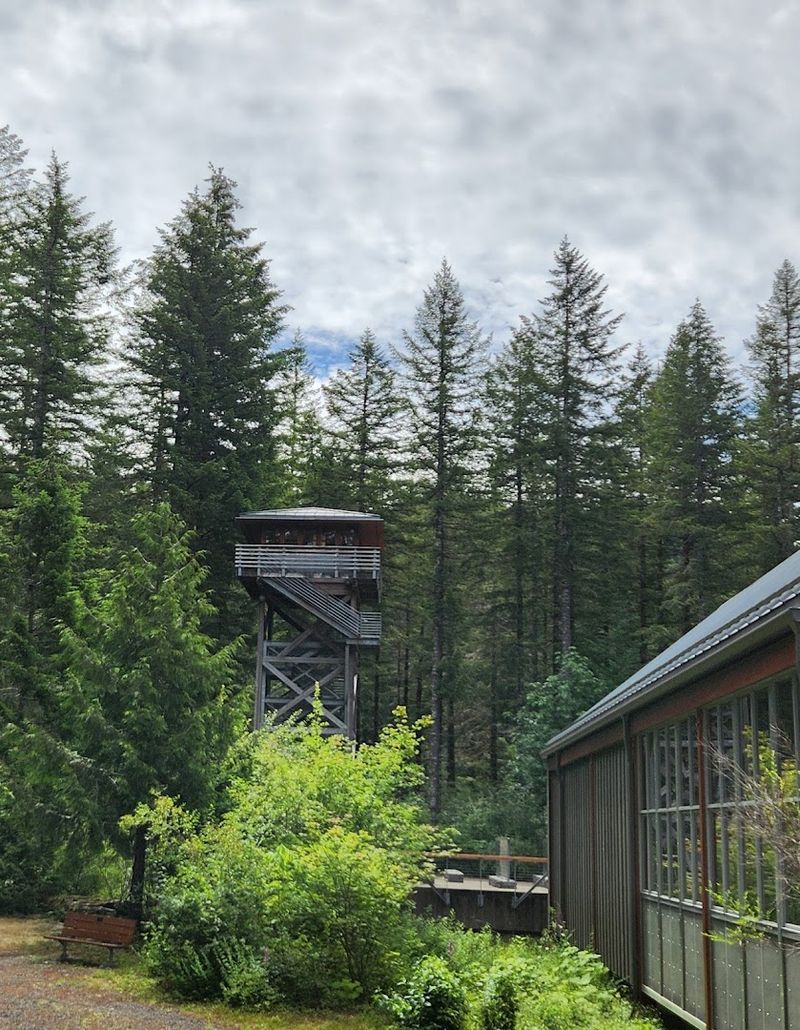
Most state forests do not have a facility worth spending several hours in, but the Tillamook Forest Center, located along the Wilson River Highway, is genuinely worth your time before you head deeper into the woods. The center tells the full story of the Tillamook Burn and the reforestation effort that followed, using exhibits that are detailed enough for adults while remaining accessible for kids.
A suspension footbridge near the center crosses the Wilson River and gives you an immediate sense of the forest’s scale and beauty, all within a short walk from the parking area. The bridge has become something of a photogenic landmark in its own right, and it shows up in a lot of the forest’s visitor photos.
Staff at the center are knowledgeable about current trail conditions, road closures, and seasonal highlights, which makes stopping in before your trip genuinely useful rather than just polite. The center also stocks maps, and given how unreliable cell service is throughout much of the forest, picking up a paper copy is a smart move.
It is the kind of visitor center that actually improves your experience rather than just checking a box on the way to somewhere else.
Mountain Biking Through the Canopy: Trails Worth the Climb
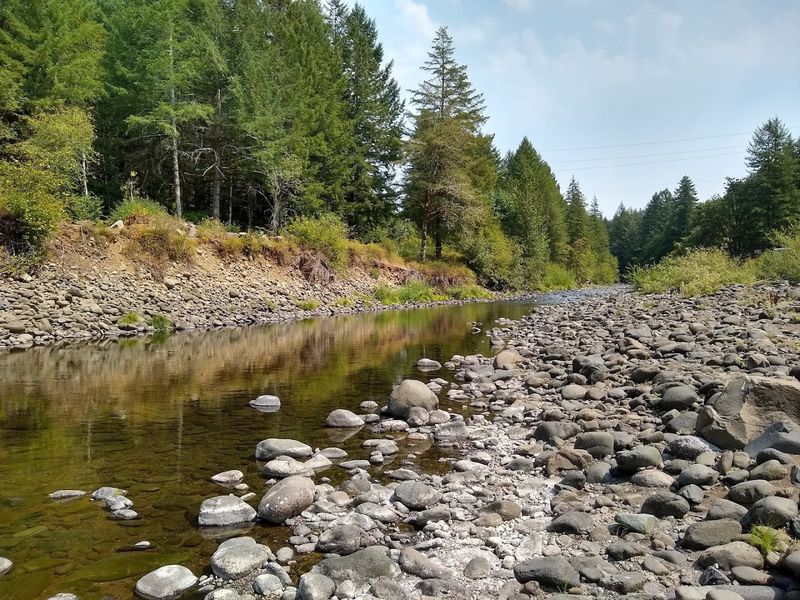
Mountain biking in Tillamook State Forest is not a secret among the cycling community, but it has not yet reached the overcrowded status of some better-known Oregon trail systems. That relative quietness is a big part of its appeal.
The forest road network provides hundreds of miles of rideable terrain, from smooth gravel climbs that let you settle into a rhythm to rooted, technical singletrack sections that demand full attention. The elevation changes throughout the forest are significant, so most rides involve real climbing, but the descents through tree-lined corridors make the effort feel worthwhile.
Several trailheads offer direct access for bikers, and the forest’s size means that even regular riders find new routes to explore. The damp conditions that define the Oregon Coast Range also mean that trails can get muddy from fall through spring, so summer and early fall tend to be the most comfortable riding seasons.
Riders who travel from drier climates, including those coming up from Oklahoma or other southern states, often comment that the lush, green tunnel effect of riding through dense fir and hemlock forest is unlike anything they have experienced on trails back home.
Planning Your Visit: Practical Tips Before You Go
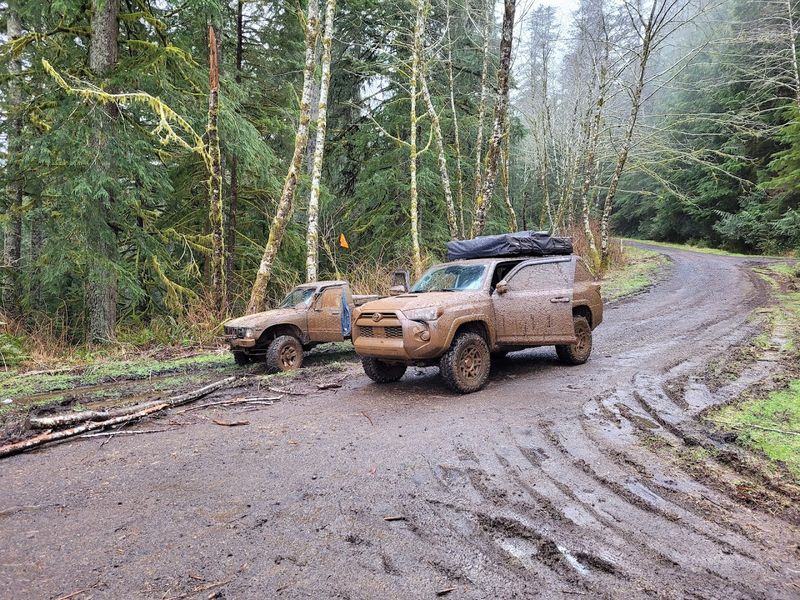
A little preparation goes a long way in a forest this size. The first thing to sort out is maps, because as mentioned earlier, cell service is essentially nonexistent across large portions of the forest, and GPS alone can lead you somewhere you do not want to be.
The Oregon Department of Forestry maintains updated information on road conditions, seasonal closures, and designated recreation areas on its website, and checking that before you leave is worth five minutes of your time. Some areas require a day-use parking pass, while others are free, so knowing in advance saves the frustration of arriving unprepared.
Layered clothing is smart year-round, since temperatures in the Coast Range can shift quickly, and rain can arrive without much warning even in summer. A basic first aid kit, extra water, and a portable charger for your phone round out a sensible packing list for a day trip.
Visitors who have driven up from places like Oklahoma, where the landscape and climate are dramatically different, often underestimate how quickly the weather can change in the Oregon hills, and arriving prepared makes the difference between a great day and a miserable one. The forest is generous with its rewards for those who show up ready for it.
Share this story