Some of the most breathtaking places to swim are not found in fancy resorts or Olympic pools but hidden in nature itself. From ancient sinkholes in Mexico to volcanic fissures in the Galapagos, the world is full of stunning natural swimming spots waiting to be explored.
These places combine adventure, beauty, and a refreshing dip all in one unforgettable experience. Whether you are a seasoned traveler or just dreaming of your next trip, this list will inspire you to seek out the world’s most jaw-dropping swimming holes.
1. Ik Kil Cenote, Mexico
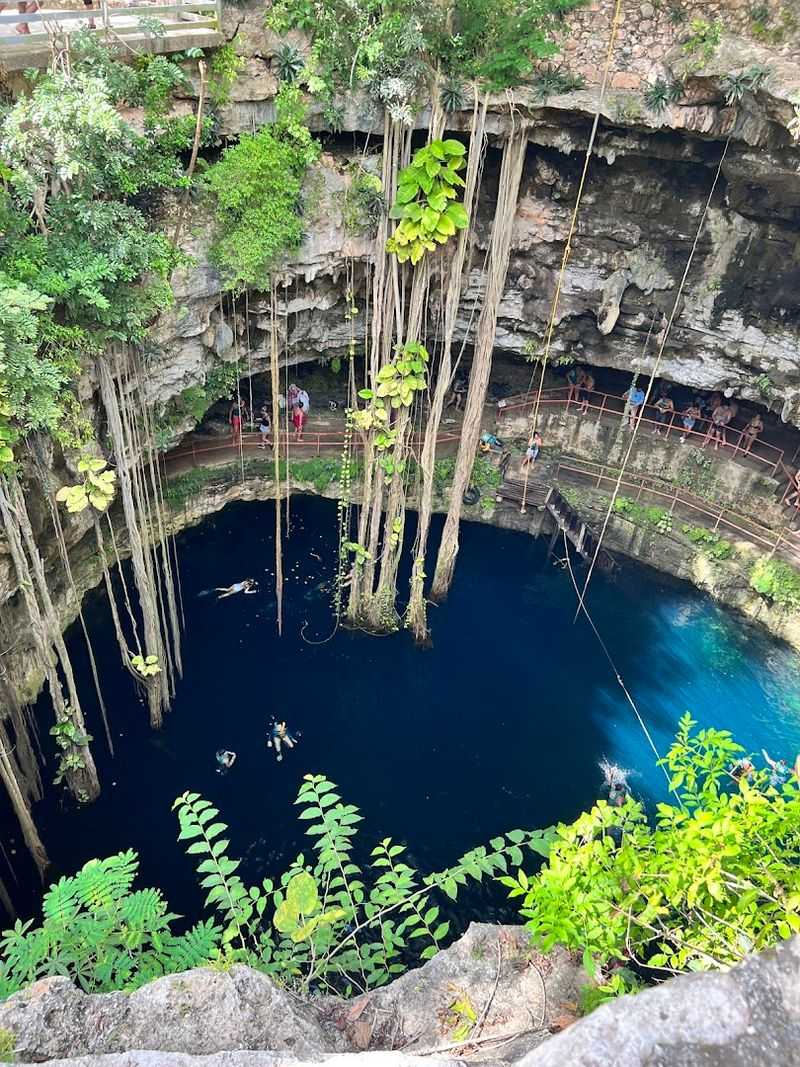
Imagine stepping down into the earth and finding a glowing pool of turquoise water surrounded by hanging vines and ancient stone walls. That is exactly what awaits you at Ik Kil Cenote, located just a short drive from the famous ruins of Chichen Itza in Mexico’s Yucatan Peninsula.
This sacred sinkhole drops about 26 meters below ground level and stretches roughly 60 meters wide. The Maya people once used it for ceremonial purposes, making it a place of both beauty and deep historical significance.
Today, visitors can swim in its cool, clear water while watching waterfalls trickle down the walls.
The best time to visit is in the morning, when sunlight streams through the open ceiling and lights up the pool like something from a dream. Wear water shoes since the steps can be slippery, and arrive early to avoid large crowds.
2. Havasu Falls, Arizona, USA
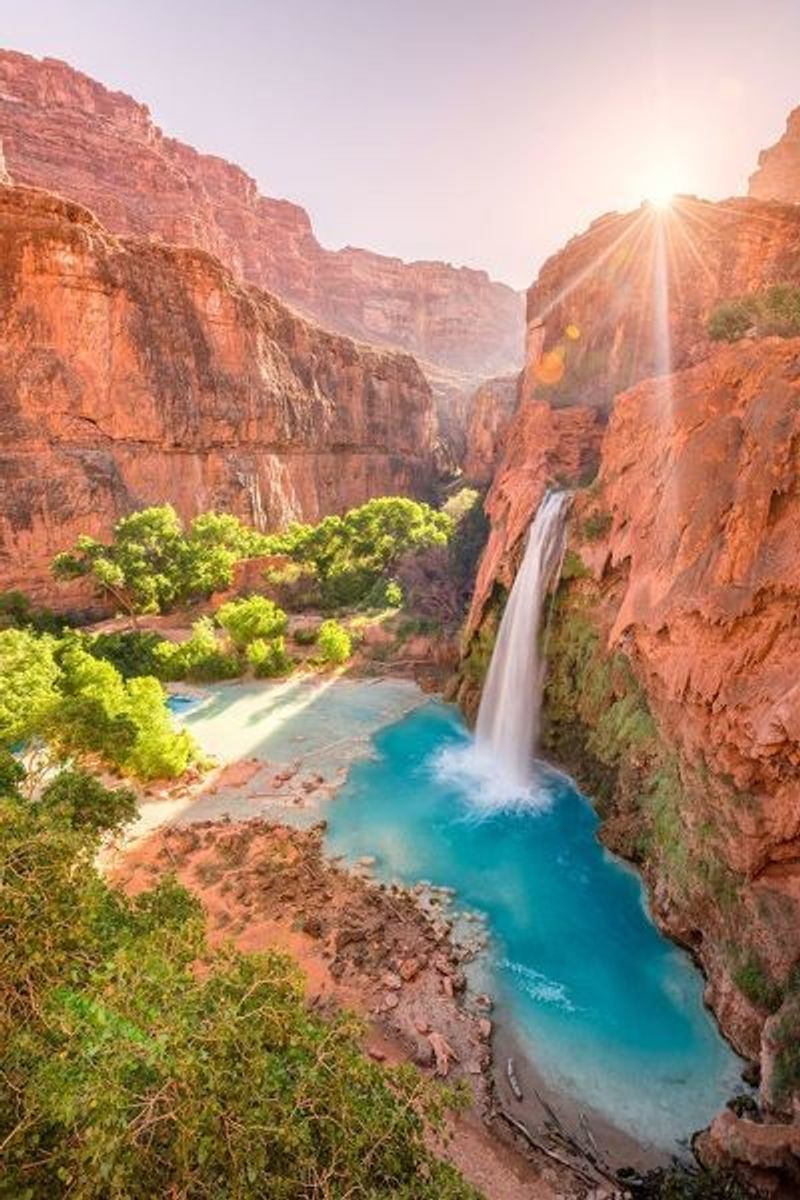
Hidden deep within the Grand Canyon on the Havasupai Tribe’s reservation, Havasu Falls is one of those places that feels almost too beautiful to be real. The waterfall drops about 37 meters into a pool of electric blue-green water, creating a color contrast against the red canyon walls that photographers absolutely love.
Getting here is part of the adventure. Visitors must hike roughly 16 kilometers through the canyon to reach the campground near the falls.
A permit is required, and spots fill up fast since the tribe controls access to protect both the land and the community.
The water gets its brilliant turquoise color from high levels of calcium carbonate and magnesium in the stream. Swimming in the pool beneath the falls feels refreshing and surreal at the same time.
Book your permit well in advance, sometimes up to a year ahead.
3. To Sua Ocean Trench, Samoa
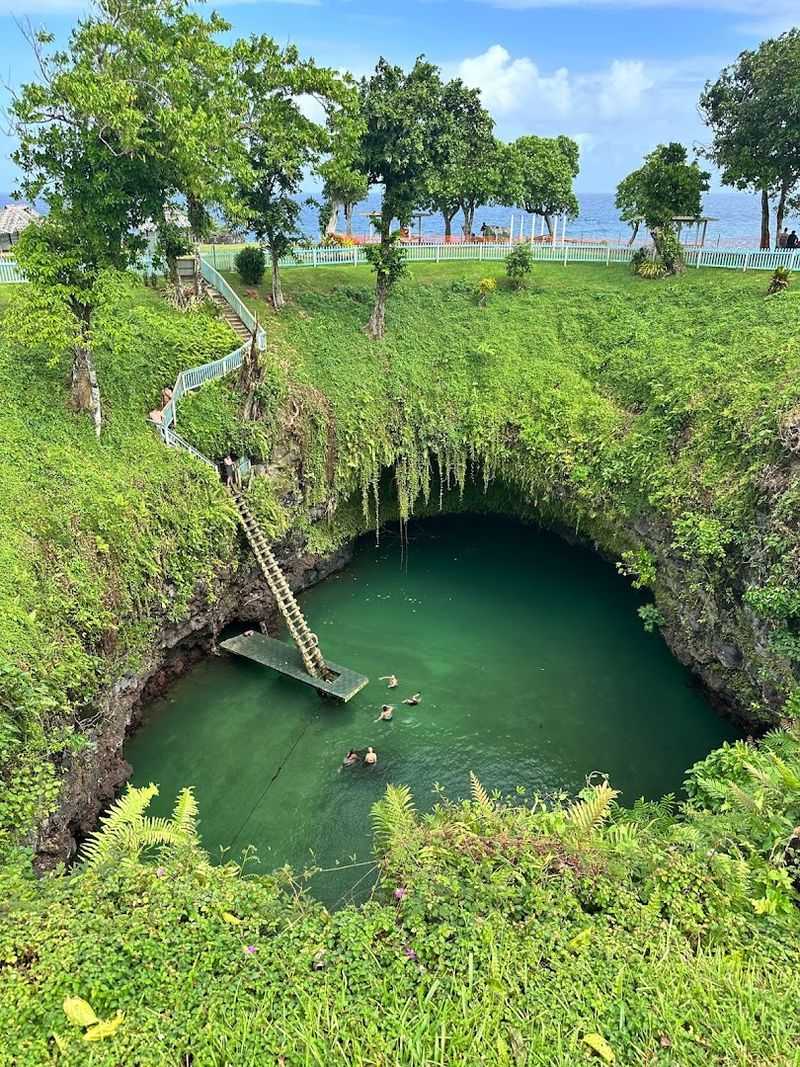
To Sua translates to “giant swimming hole” in Samoan, and honestly, that name does not do it justice. This extraordinary natural pool on the island of Upolu looks like something carved out of the earth by a giant, and in a way, it was.
Over thousands of years, ocean waves eroded the volcanic rock to create this dramatic circular pit filled with brilliant emerald-green water.
A long wooden ladder is your only way down into the trench, which drops about eight meters to the water’s surface. The swim itself is calm and refreshing, with the pool connected to the ocean through an underwater lava tunnel.
You can actually feel the gentle ocean pulse through the water as you float.
The surrounding gardens are beautifully maintained by the local family who owns the property. Entry requires a small fee, and the site closes during rough ocean conditions for safety reasons.
4. Hamilton Pool Preserve, Texas, USA
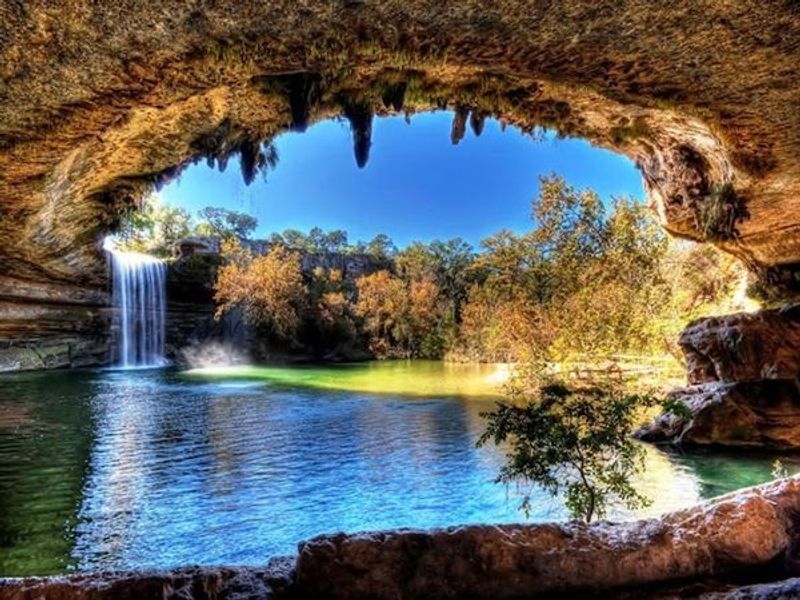
About 40 kilometers west of Austin, Texas, Hamilton Pool Preserve is proof that the Lone Star State holds more than just wide open plains. This stunning swimming hole was formed thousands of years ago when the dome of an underground river collapsed, leaving behind a jade-green pool tucked beneath a dramatic limestone overhang.
A 15-meter waterfall tumbles over the grotto’s edge and into the pool below, creating a mist that keeps the surrounding ferns lush and green even in the Texas heat. The limestone ceiling stretches overhead like a natural amphitheater, making every angle of this place feel picture-perfect.
Swimming is allowed when water quality tests meet safety standards, so always check the preserve’s website before visiting. Reservations are required and spots are limited to protect the fragile ecosystem.
Arrive early and bring plenty of water since the hike down to the pool can be warm in summer months.
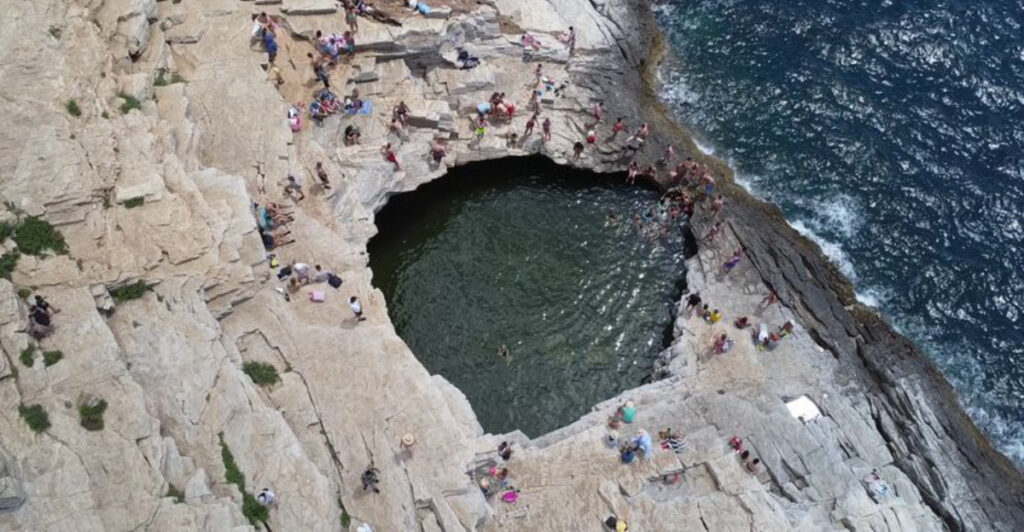
5. Giola Lagoon, Thassos, Greece
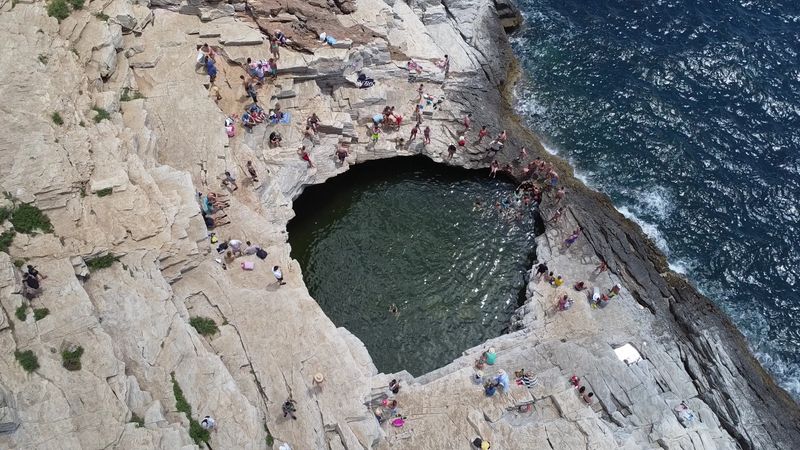
Locals on the Greek island of Thassos have a poetic nickname for this place: Aphrodite’s Tear. Giola Lagoon is a naturally carved rock pool sitting right at the edge of the Aegean Sea, separated from the open water by just a thin barrier of limestone.
When the sea is calm, the pool shimmers with crystal-clear turquoise water that invites every passerby for a swim.
What makes Giola especially thrilling is the rock jumping. Brave visitors climb to ledges above the pool and leap into the water below, turning the lagoon into a natural playground for adventurous swimmers.
The surrounding white and grey limestone rocks make for stunning photos at any time of day.
Getting here requires a short hike through olive groves, and there are no facilities nearby, so pack snacks, water, and sun protection. Visit during weekdays if possible since weekends attract larger crowds during peak summer season.
6. Kuang Si Falls, Laos
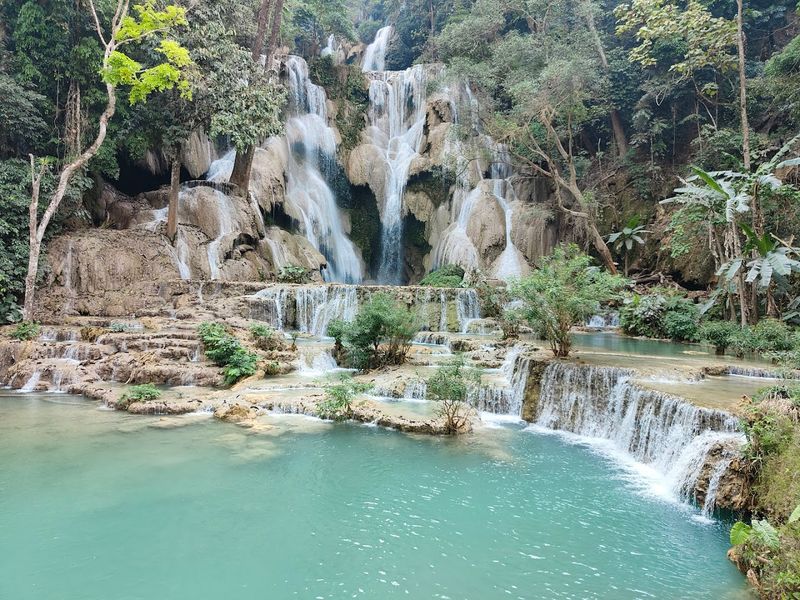
Just 30 kilometers outside the ancient city of Luang Prabang in Laos, Kuang Si Falls is a tiered wonderland of cascading water and glowing turquoise pools. The falls tumble over multiple limestone shelves before collecting in a series of natural pools at the base, each one more inviting than the last.
The water’s striking blue-green color comes from the high mineral content of the limestone it flows over. Swimmers can wade into the lower pools, which are calm enough for all skill levels, while the upper tiers of the falls remain off-limits to protect the natural environment.
A walking trail leads visitors up through the forest to view the main waterfall from above.
Near the entrance, a small sun bear rescue center adds an educational element to the visit. The falls are open year-round, but the water level is highest and most dramatic during the wet season from May through October.
7. Fairy Pools, Isle of Skye, Scotland
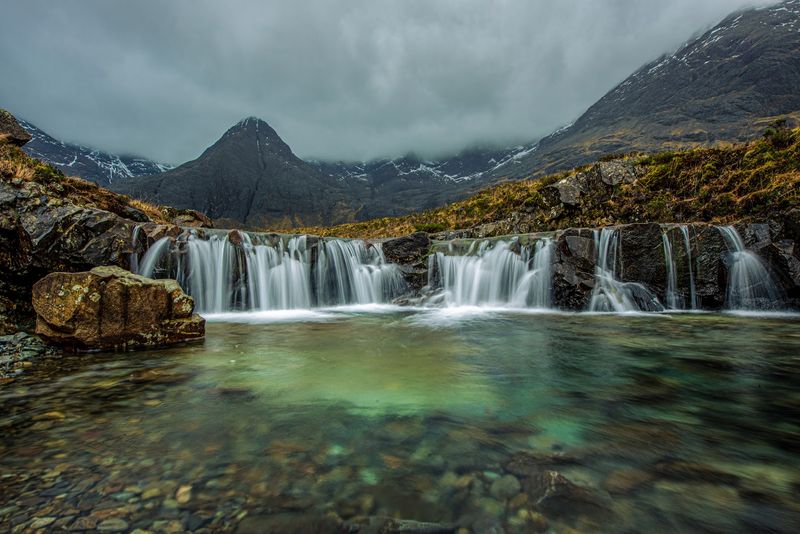
There is something almost mythical about the Fairy Pools on the Isle of Skye. Nestled at the foot of the dramatic Black Cuillin mountains, these crystal-clear pools and small waterfalls sit in a landscape so rugged and wild it looks like it belongs in a fantasy novel.
On a clear day, the water reflects shades of blue and green that seem impossible for a Scottish stream.
The pools are fed by mountain streams flowing down from the Cuillins, keeping the water exceptionally clear but also very cold year-round. Some brave swimmers take the plunge regardless, wearing wetsuits to handle the chill.
The walk along the river to reach the pools is about four kilometers round trip and rewards hikers with some of Scotland’s most photographed scenery.
Wear sturdy, waterproof footwear since the terrain can be muddy and uneven. The site is free to visit, though parking fees apply at the nearby car park in Glenbrittle.
8. Devil’s Pool, Zambia and Zimbabwe
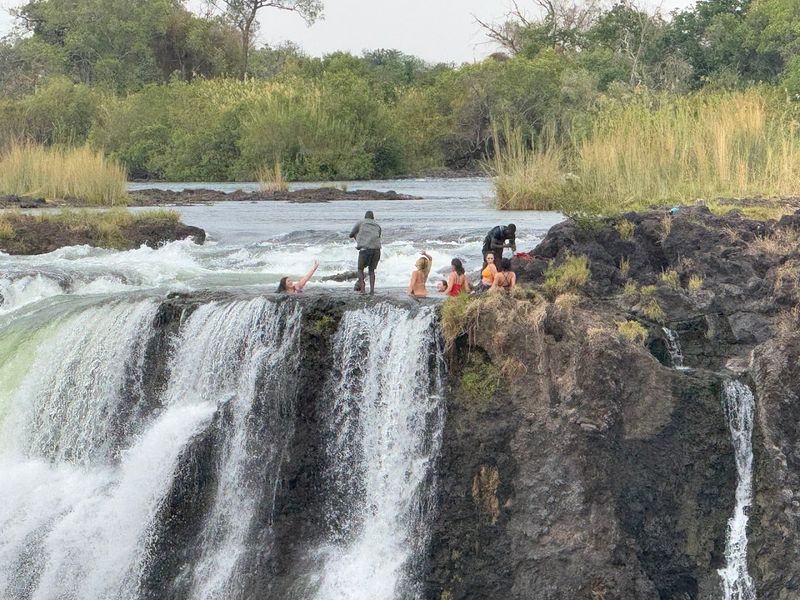
Sitting on the very lip of Victoria Falls, one of the world’s largest waterfalls, Devil’s Pool is not for the faint of heart. During the dry season from August to January, a natural rock barrier forms at the edge of the falls on Livingstone Island, creating a pool where thrill-seekers can swim with a sheer 108-meter drop just inches away.
The experience is every bit as wild as it sounds. Guides lead small groups across the Zambezi River to the island, and swimmers can peer straight over the edge of the falls while the water roars around them.
Despite how terrifying it looks, the current actually pushes swimmers back against the rock wall, keeping them safe.
Only guided tours are permitted, and access depends entirely on water levels in the Zambezi River. Victoria Falls Bridge and the surrounding national parks offer incredible views whether or not you choose to swim.
9. Las Grietas, Galapagos Islands, Ecuador
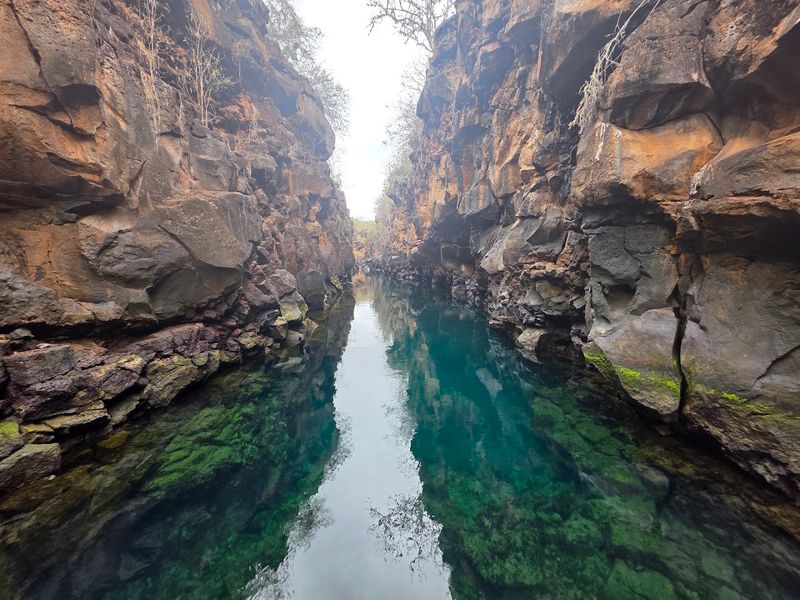
Las Grietas means “the cracks” in Spanish, and once you see this place, the name makes perfect sense. This narrow volcanic fissure on Santa Cruz Island in the Galapagos was carved by ancient lava flows and later filled with a mix of fresh and saltwater, creating a pool of remarkable clarity tucked between towering rock walls.
Snorkeling here is especially rewarding. The water is calm and clear enough to spot colorful fish, sea lions, and marine iguanas without much effort.
The walls on either side rise several meters above the water, and the slot canyon feel gives Las Grietas a mysterious, almost hidden quality that makes it feel like a secret discovery.
Access requires a short water taxi ride from Puerto Ayora followed by a 15-minute walk. The site is managed by the Galapagos National Park, so visitors must follow strict environmental guidelines.
Bring your own snorkeling gear if possible since rentals may be limited.
10. Jellybean Pool, New South Wales, Australia
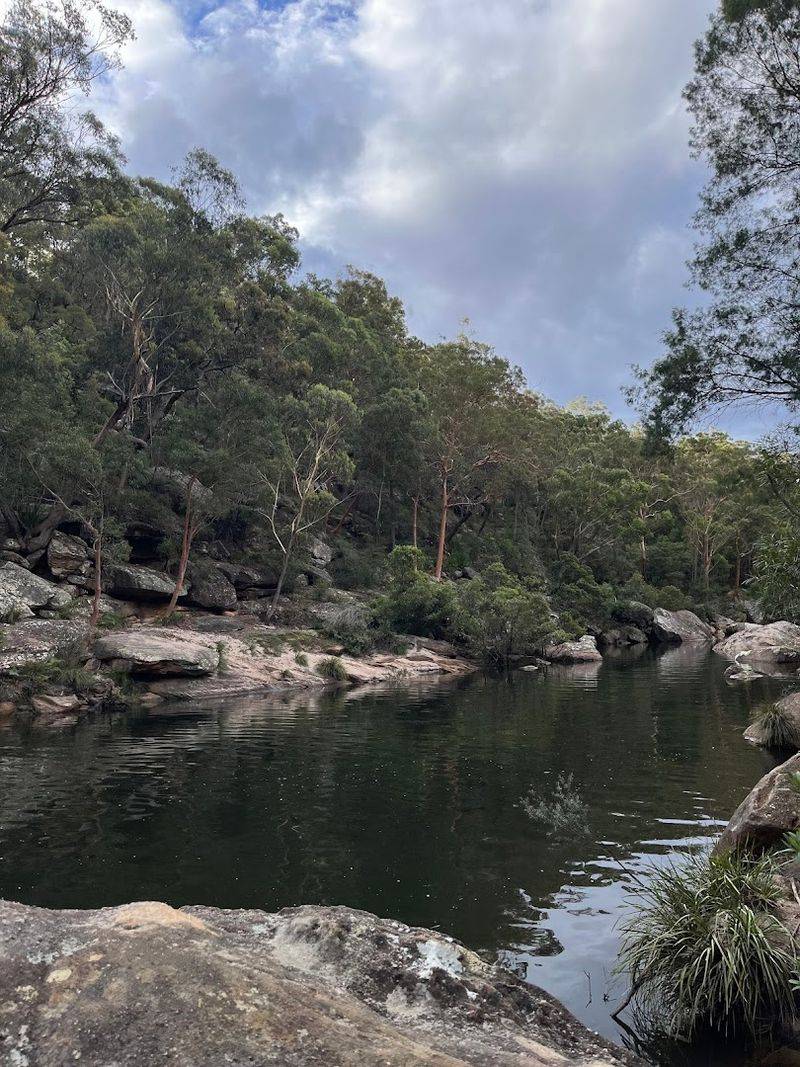
Tucked inside Royal National Park, just south of Sydney, Jellybean Pool earns its playful name from the smooth, rounded shape of its sandstone basin. The water is clear and calm, filtered naturally through the surrounding rock, and the pool is shaded by towering eucalyptus trees that keep the temperature comfortable even on hot Australian summer days.
The hike to reach Jellybean Pool is part of what makes it special. A well-marked trail winds through native bushland, crossing small creeks and offering glimpses of local wildlife before opening up to the pool’s peaceful clearing.
The sandstone shelves around the water are perfect for sunbathing or picnicking.
This spot is popular with locals but remains relatively peaceful compared to Sydney’s crowded beaches. Always check water quality notices before swimming, especially after heavy rainfall.
Bring insect repellent, sturdy walking shoes, and plenty of sunscreen for the exposed sections of the trail leading to the pool.
11. Pamukkale Thermal Pools, Turkey
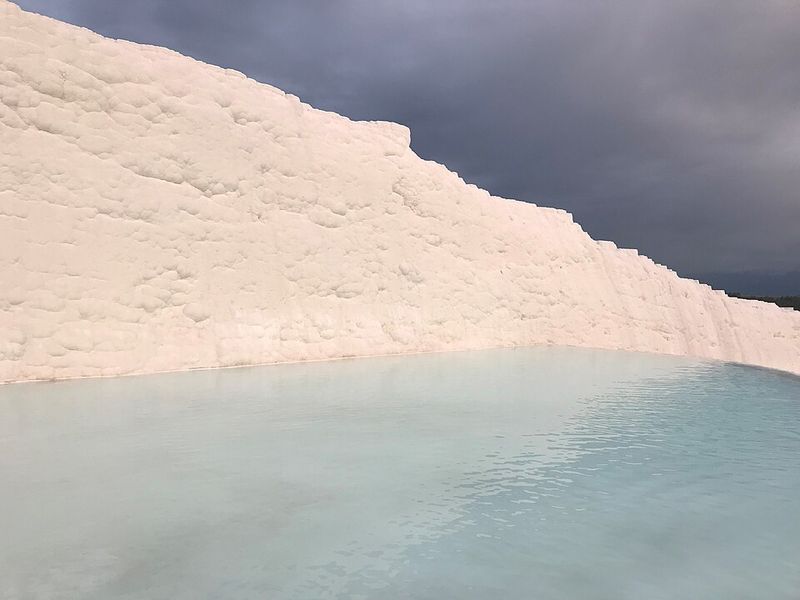
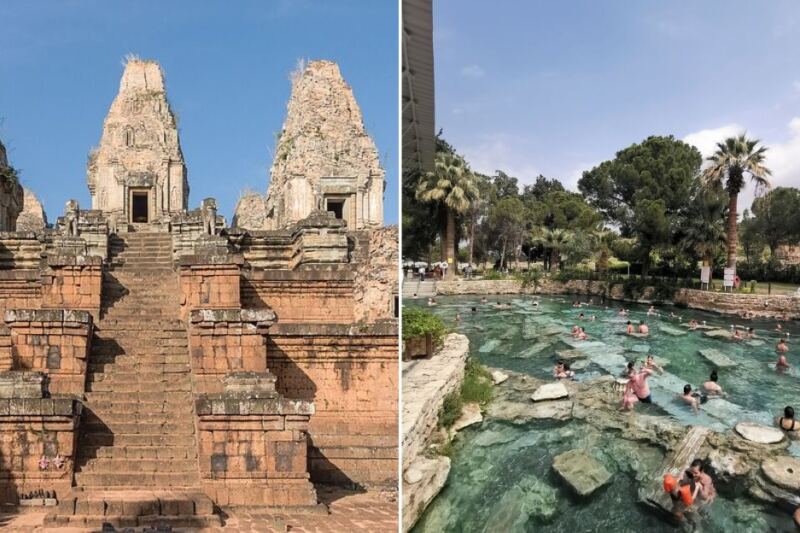
Pamukkale means “cotton castle” in Turkish, and one look at this place tells you exactly why. A hillside of dazzling white calcium carbonate terraces cascades down the landscape like frozen waterfalls, each shelf holding warm, mineral-rich water that has been drawing bathers for over two thousand years.
The ancient Romans built the spa city of Hierapolis at the top of the hill, and visitors today can still swim in the Antique Pool, which contains actual ancient columns submerged beneath the warm water. The thermal springs maintain a temperature of around 35 degrees Celsius, making them comfortable year-round regardless of the season.
Pamukkale is a UNESCO World Heritage Site, so access to the terraces is carefully managed. Visitors must remove their shoes before walking on the white mineral formations to protect them from damage.
The site looks most magical at sunrise or sunset when the white terraces glow in shades of orange and pink.
12. Bimmah Sinkhole, Oman
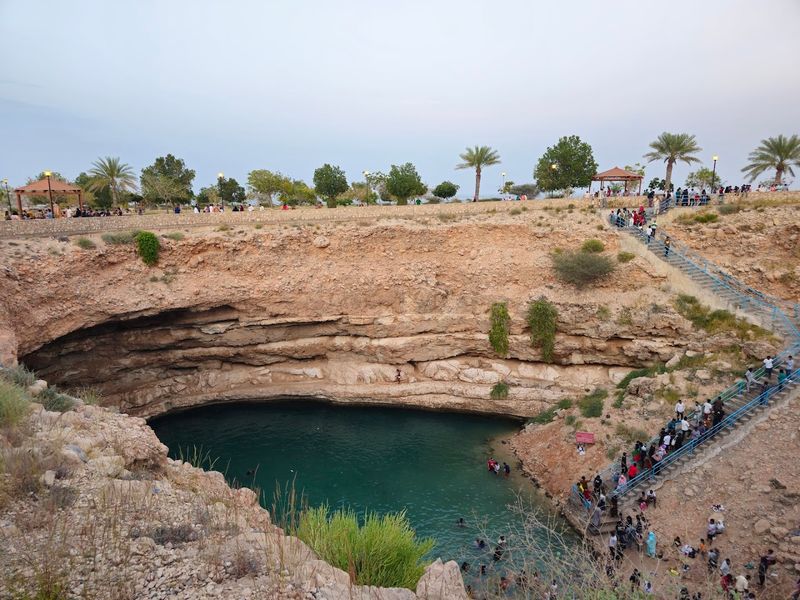
Along Oman’s scenic coastal highway between Muscat and Sur, the Bimmah Sinkhole appears like a mirage in the desert. This natural limestone depression, roughly 30 meters wide and 10 meters deep, is filled with stunning turquoise-green water that almost glows against the surrounding beige rock and dry landscape.
Local legend says the sinkhole was created when a meteor struck the earth, though geologists explain it as a result of rainwater slowly dissolving the limestone over thousands of years. Small fish dart through the clear water, and the site is popular with both tourists and local families looking to cool off in the intense Omani heat.
The Omani government developed the area into a public park with changing rooms, wooden platforms, and shaded seating, making it one of the most accessible natural swimming spots in the Arabian Peninsula. Entry is free, and the sinkhole is open year-round.
Visit in the morning for the best light and fewer visitors.
13. Emerald Pools, Dominica
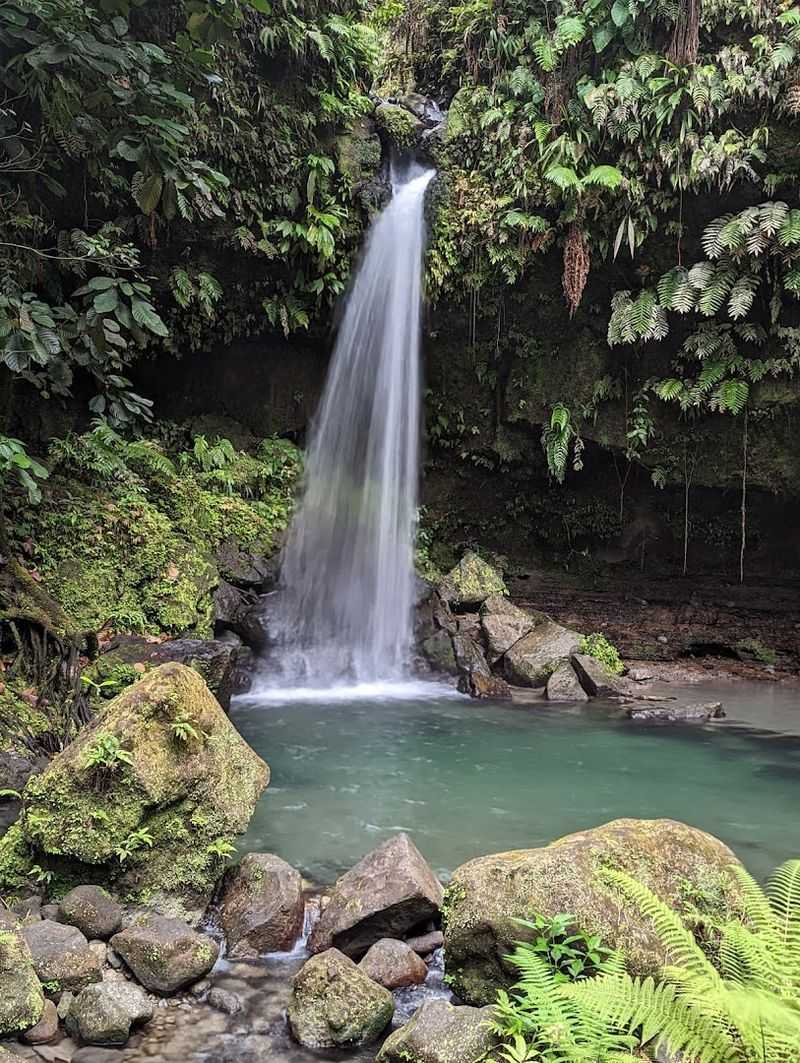
On the lush Caribbean island of Dominica, often called the Nature Isle of the Caribbean, the Emerald Pools live up to every bit of their name. Hidden within a dense tropical rainforest in Morne Trois Pitons National Park, these pools are fed by a small but beautiful waterfall that tumbles down a mossy rock face into calm, green-tinted water below.
The hike to reach the pools takes about 20 minutes along a well-maintained trail through towering tree ferns and dense jungle. Along the way, the sounds of tropical birds and rushing water create a soundtrack that makes the whole experience feel wonderfully remote.
The pools themselves are shallow enough for non-swimmers to enjoy while still offering a refreshing swim for those who want one.
Dominica is far less crowded than many Caribbean destinations, making this feel like a genuinely off-the-beaten-path discovery. Bring waterproof sandals and a light rain jacket since afternoon showers are common in the rainforest.
14. Cenote Azul, Mexico
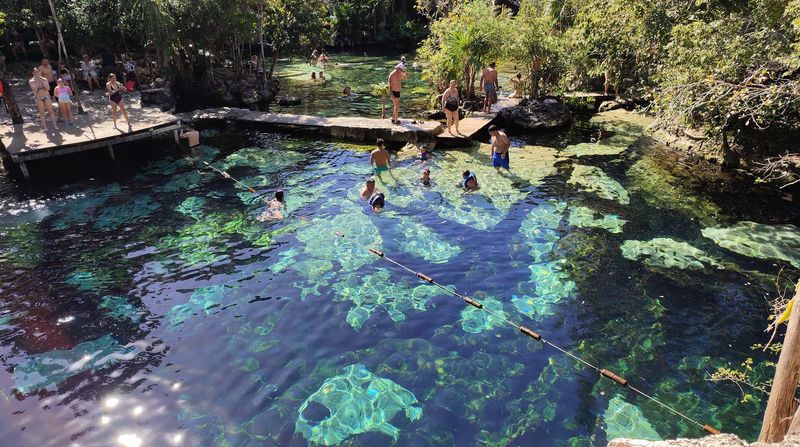
Along the Riviera Maya, Cenote Azul stands out even among the hundreds of cenotes scattered across the Yucatan Peninsula. As one of the largest open-air cenotes in the region, it stretches wide enough to offer multiple swimming areas, ranging from shallow, child-friendly sections to deep open water that snorkelers and divers love to explore.
The water clarity here is extraordinary. You can see clearly to depths of several meters, and the sunlight filtering through creates shifting patterns of light and shadow across the sandy bottom.
Freshwater fish swim lazily through the pool, unbothered by the visitors sharing their space.
Cenote Azul has basic facilities including restrooms and a small snack area, making it a comfortable full-day destination. Biodegradable sunscreen is mandatory at most cenotes to protect the fragile freshwater ecosystem, so come prepared.
The cenote is located near the town of Puerto Morelos and is easily reachable by rental car or local bus from Cancun or Playa del Carmen.
15. Lake McKenzie, K’gari (Fraser Island), Australia
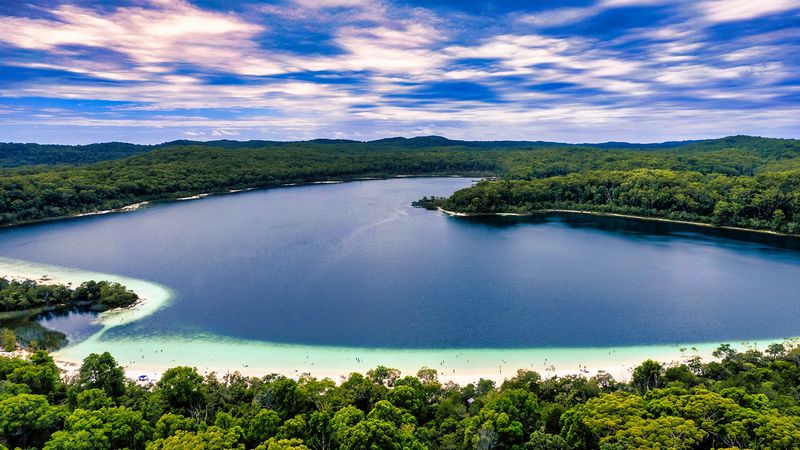
Sitting high above sea level on the world’s largest sand island, Lake McKenzie is one of those places that genuinely makes you stop and stare. The water is so clear and the white silica sand so fine that the lake looks like a tropical lagoon transported to the middle of a forest.
Incredibly, the lake has no inlets or outlets and is fed entirely by rainwater, keeping it remarkably pure.
Because the water contains almost no minerals or organic matter, it is naturally soft and gentle on skin, giving it a silky quality that swimmers notice immediately. The surrounding forest of scribbly gums and banksias adds to the sense of complete seclusion.
No motorized boats are allowed on the lake, keeping it peaceful and pristine.
K’gari, formerly known as Fraser Island, is a UNESCO World Heritage Site accessible by ferry from the Queensland coast. Tours and four-wheel-drive vehicles are the main ways to explore the island’s interior, where Lake McKenzie sits as the undisputed highlight.
Share this story