Television has given us some truly unforgettable characters, and not always for the nicest reasons. Some of the most compelling women on the small screen have been the ones who scheme, manipulate, and cut others down without a second thought.
Whether they rule the school hallways or pull strings from the shadows, these characters made us cringe, gasp, and sometimes secretly cheer. Here are 14 of the meanest girls in TV history who left a lasting mark on pop culture.
1. Blair Waldorf (Gossip Girl)
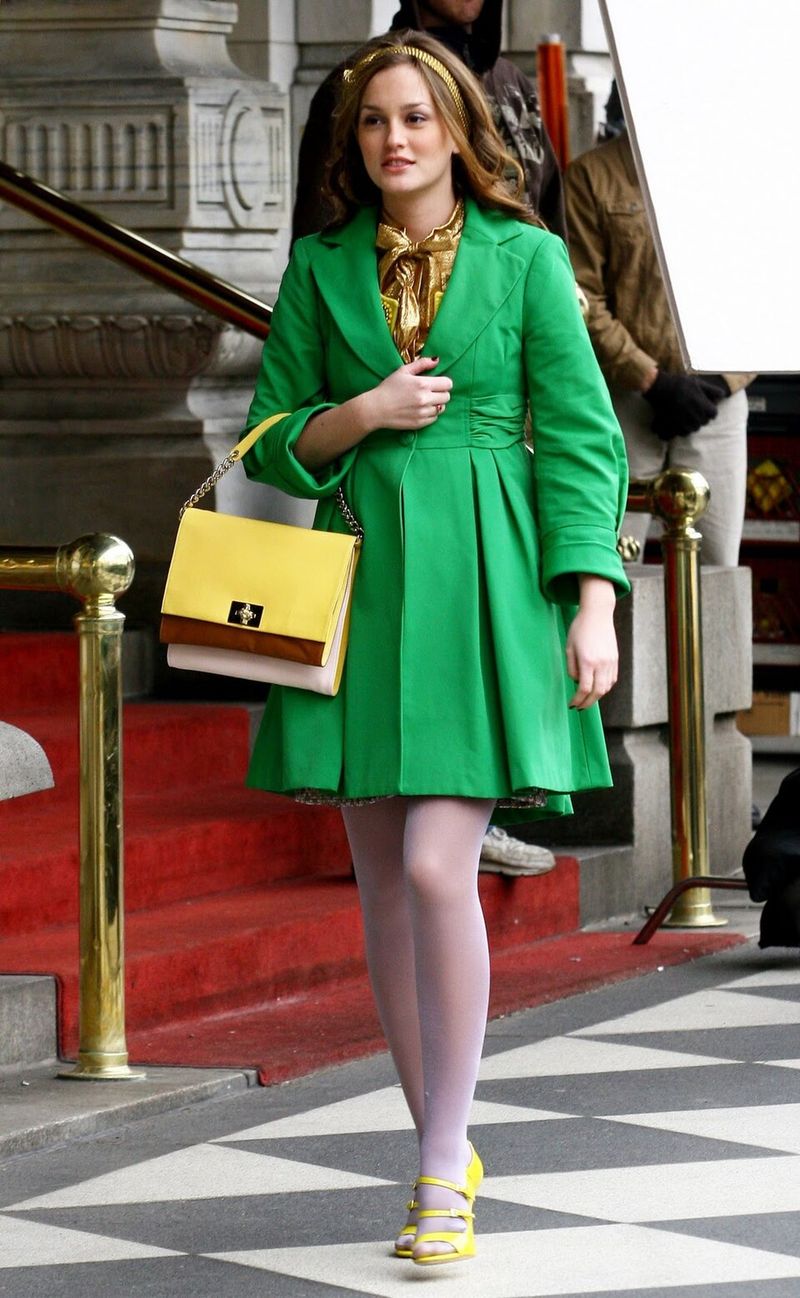
Queen B herself, Blair Waldorf set the gold standard for calculated cruelty wrapped in cashmere and pearls. From her penthouse on the Upper East Side, Blair orchestrated social takedowns with the precision of a chess grandmaster.
Nobody wore a headband and a smirk quite like she did.
Her rivalries, especially with Serena van der Woodsen, were legendary. Blair did not just want to win; she needed everyone else to lose.
She blackmailed, manipulated, and plotted her way through every season of Gossip Girl without ever smudging her lipstick.
What made Blair fascinating was the vulnerability hiding beneath all that ice. She was ambitious, deeply insecure, and fiercely loyal to the very few she truly loved.
Leighton Meester brought so much complexity to the role that audiences could not help rooting for a character who probably deserved a time-out more than applause.
2. Sue Sylvester (Glee)
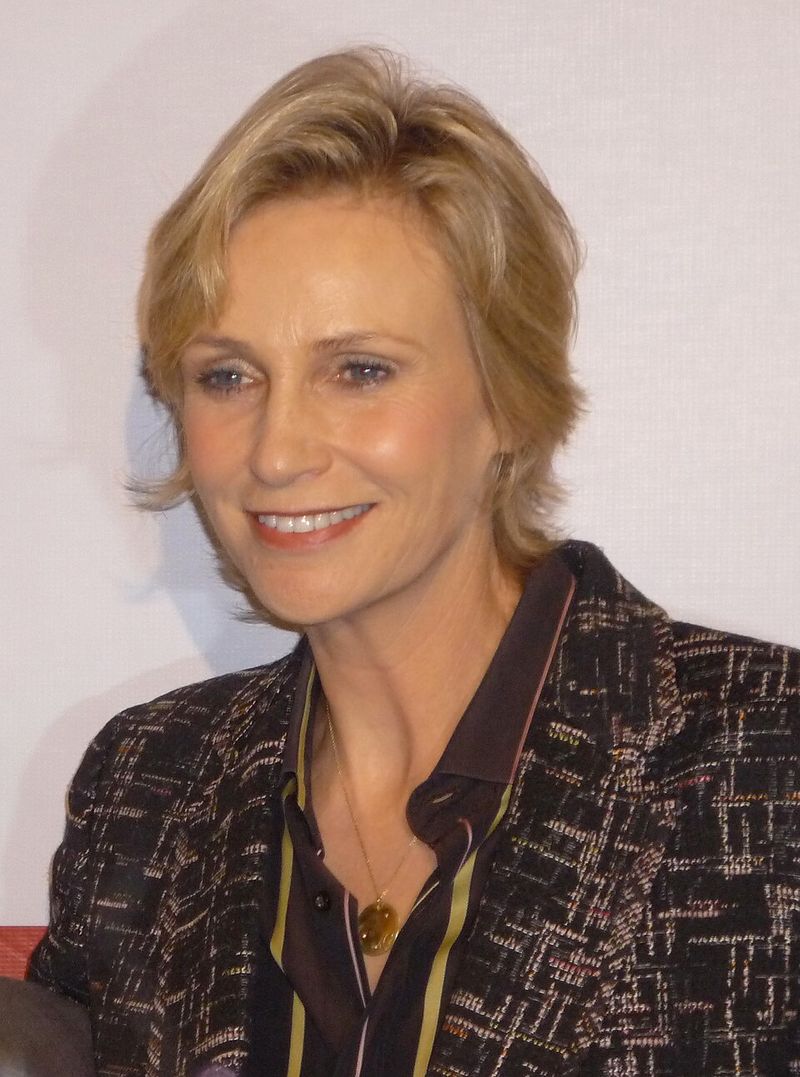
Sue Sylvester did not just walk into a room; she conquered it. As the fearsome cheerleading coach at McKinley High, Sue made it her personal mission to destroy the glee club one snarky monologue at a time.
Jane Lynch played her with such ferocious commitment that the character became an instant television icon.
Her insults were almost artistic in their cruelty. Sue once told a student his singing made her want to puncture her own eardrums, and she said it with a straight face.
She rigged competitions, manipulated students, and undermined colleagues without a single flicker of remorse.
Yet Glee occasionally pulled back the curtain to reveal a more complicated woman. Her fierce protectiveness of her sister with Down syndrome showed a softer core.
That contrast made Sue one of the most layered mean characters in recent TV memory, equal parts monster and misunderstood.
3. Alison DiLaurentis (Pretty Little Liars)
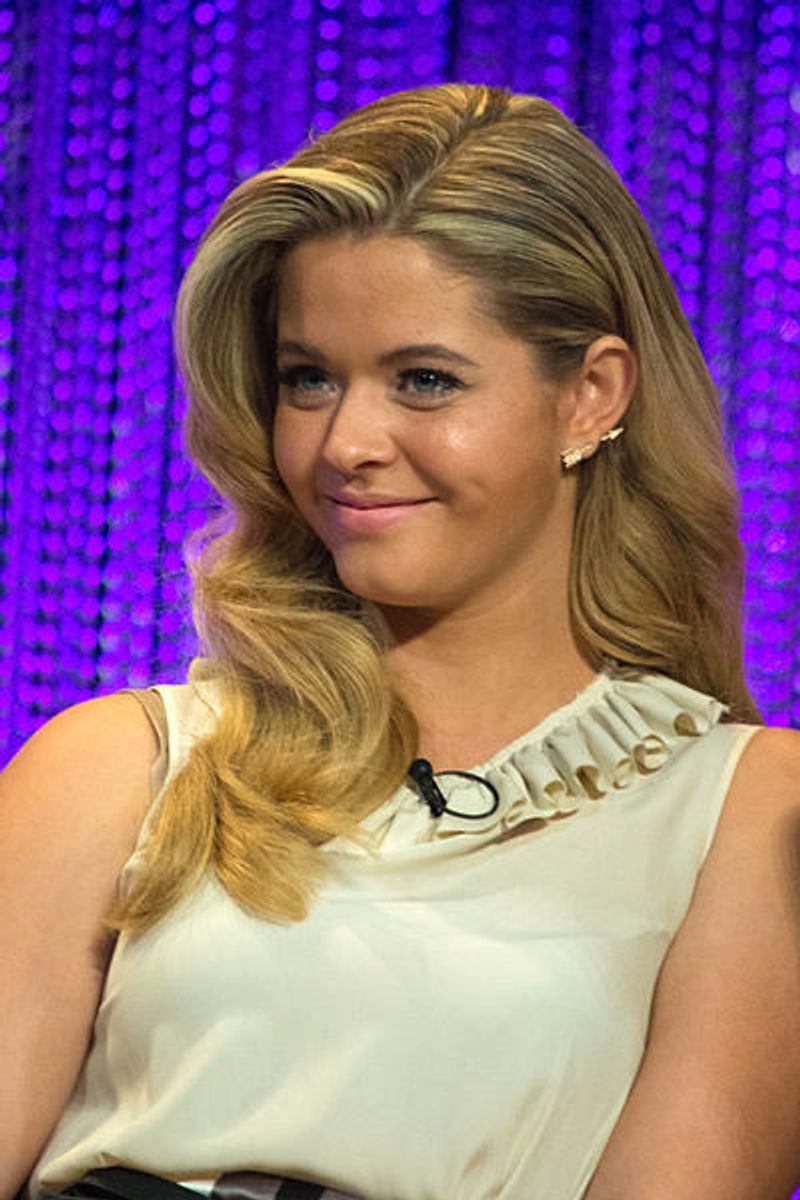
Before she disappeared, Alison DiLaurentis ruled Rosewood with an iron fist and a perfectly glossed smile. She collected secrets about her friends the way other girls collected friendship bracelets, and she was not afraid to use them.
Every conversation with Ali felt like a test you did not know you were taking.
Her cruelty was personal and targeted. She knew exactly which insecurities to poke and exactly when to twist the knife for maximum effect.
She gave each of her so-called best friends a cruel nickname, reminding them constantly of their flaws while keeping them close enough to control.
What made Alison so chilling was how real she felt. Many viewers recognized her behavior from their own school days.
Pretty Little Liars used her character to explore the toxic dynamics of girl-group friendships and the lasting damage a single bully can cause to an entire social circle.
4. Chanel Oberlin (Scream Queens)
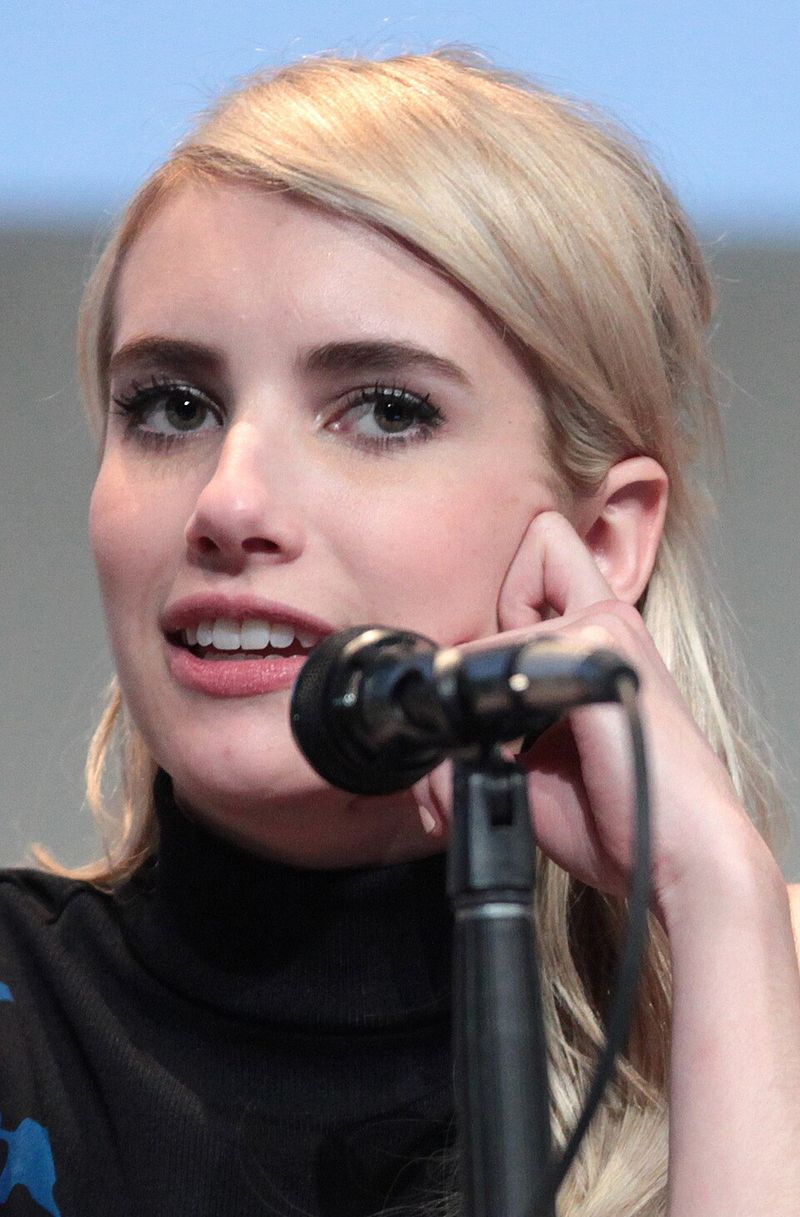
Chanel Oberlin did not just think she was better than everyone else; she had a whole ranking system to prove it. As the reigning queen of Kappa Kappa Tau sorority, she referred to her followers literally as Chanel Number Two, Three, and so on, because she could not be bothered to learn their actual names.
Emma Roberts played Chanel with gleeful, over-the-top nastiness that turned the character into a satirical masterpiece. She hurled insults like confetti, called people names in the most elaborate ways possible, and treated cruelty like a competitive sport she intended to win every single time.
Scream Queens leaned into the absurdity of Chanel’s awfulness, making her more of a comedic villain than a realistic bully. Still, beneath the fur coats and the biting one-liners was a character who brilliantly skewered the culture of status-obsessed mean girls that television audiences had come to know so well.
5. Georgina Sparks (Gossip Girl)

If Blair Waldorf was the chess player, Georgina Sparks was the one who flipped the board entirely. She arrived on Gossip Girl like a hurricane wearing designer boots, and nothing was ever the same after she showed up.
Serena van der Woodsen’s past came roaring back the moment Georgina walked through the door.
Georgina operated without a moral compass of any kind. She blackmailed, lied, faked pregnancies, and manipulated everyone around her purely because she enjoyed the chaos.
Michelle Trachtenberg played her with such wild-eyed energy that every scene felt unpredictable in the best possible way.
Unlike Blair, whose scheming had a purpose, Georgina was destructive almost for sport. She remains one of the most genuinely dangerous female characters in teen drama history.
Fans still debate whether she was a villain, an agent of chaos, or just the most honest person in a show full of liars and social climbers.
6. Santana Lopez (Glee)
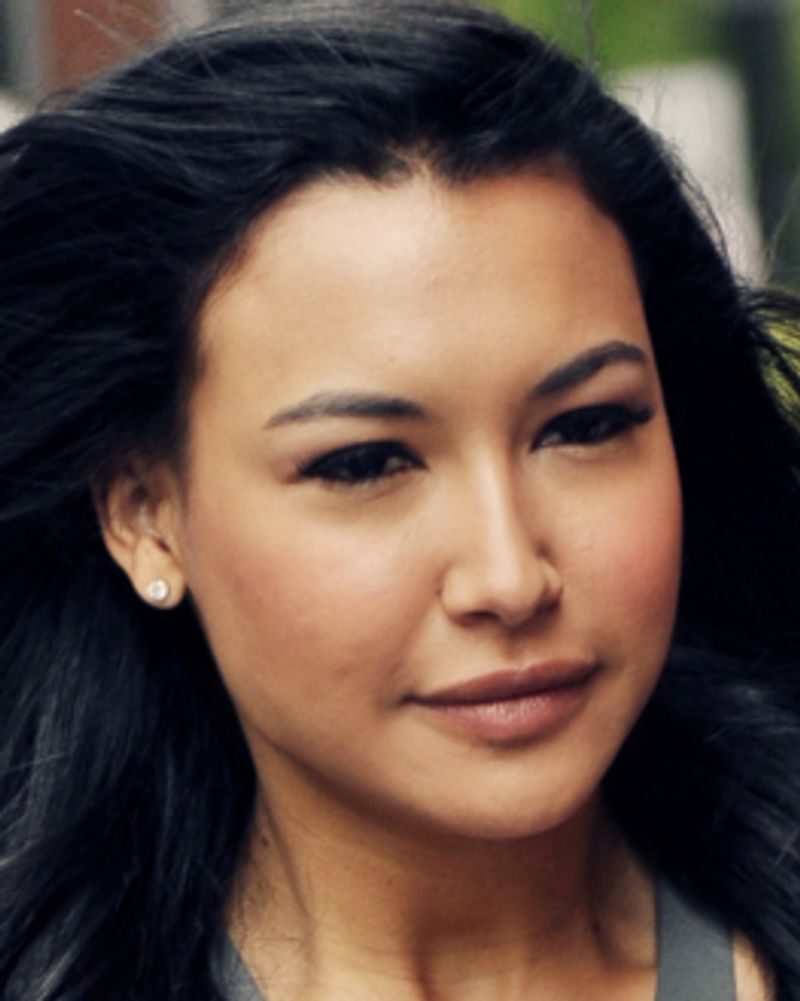
Nobody on Glee could deliver a verbal takedown quite like Santana Lopez. Armed with a razor-sharp tongue and absolutely zero filter, Santana turned insults into a performance art form.
She was the kind of person who could end you emotionally and then harmonize beautifully on the very next note.
Her meanness was layered with her own internal struggles. Santana was hiding a significant part of her identity, and that fear often came out as aggression toward others.
Naya Rivera brought enormous depth to the role, making Santana sympathetic even when she was at her most cutting.
Her character arc across Glee’s run is one of the show’s most thoughtful. She went from casually cruel cheerleader to someone genuinely reckoning with who she was.
Santana proved that mean girls on television are often the most interesting when the writers bother to explain where all that anger actually comes from.
7. Cheryl Blossom (Riverdale)
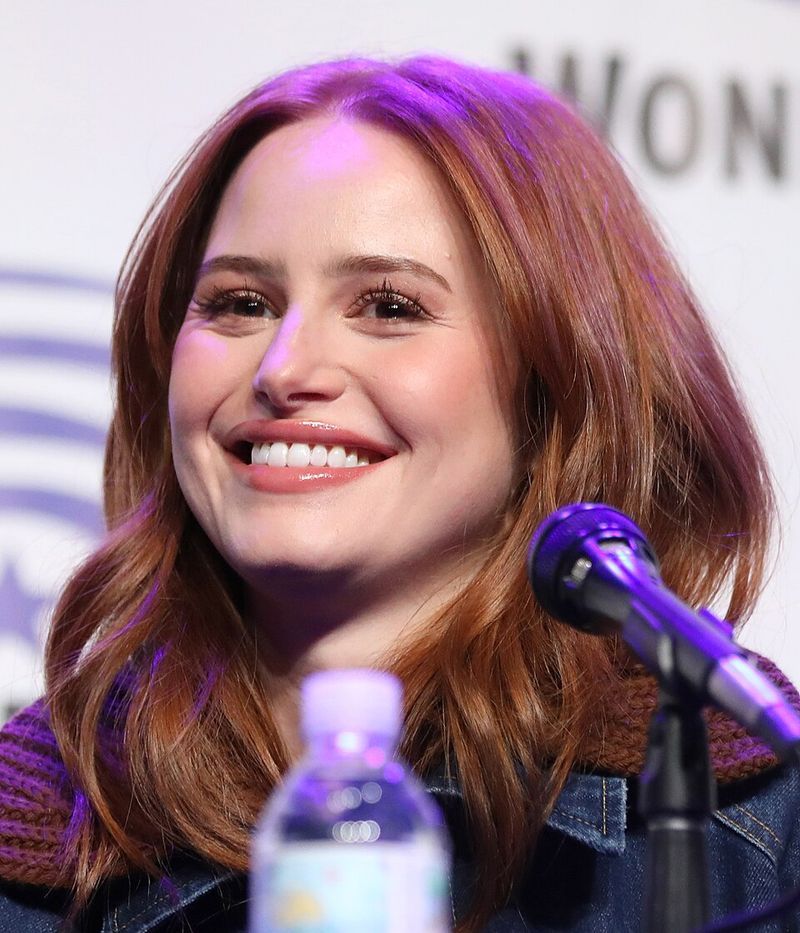
Cheryl Blossom walked into Riverdale like she owned the town, which, technically, her family kind of did. With her signature red hair and gothic mansion backdrop, Cheryl established herself immediately as someone you did not want to cross.
Her introductory scene alone told viewers everything: this girl played by her own rules.
Her cruelty had a theatrical flair that set her apart from other TV mean girls. Cheryl did not just cut people down; she did it with a dramatic monologue and perfect posture.
She weaponized her family’s wealth and social standing to humiliate anyone who challenged her position at Riverdale High.
Madelaine Petsch gave Cheryl layers that kept the character compelling through multiple wild seasons. Beneath the bravado was a girl processing serious trauma and grief.
Cheryl Blossom reminded audiences that the most performatively mean characters are sometimes the ones carrying the heaviest emotional weight quietly on their own.
8. Cordelia Chase (Buffy the Vampire Slayer)
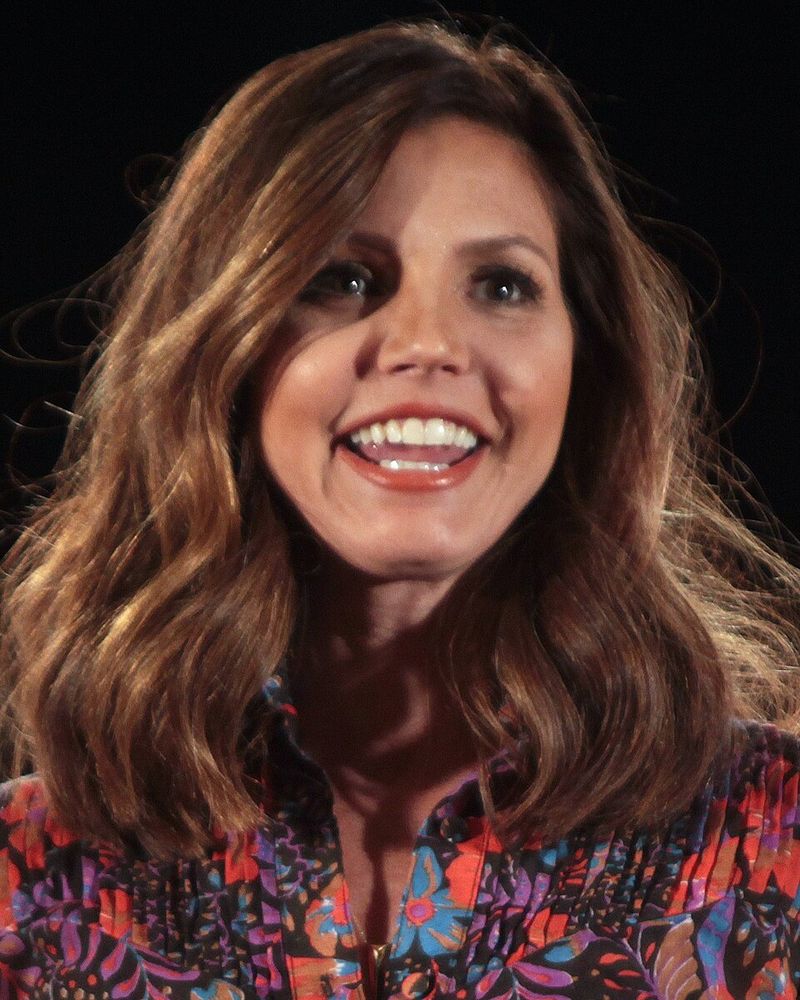
Long before the supernatural threats showed up in Sunnydale, Cordelia Chase was already making life miserable for her classmates. As the most popular girl at Sunnydale High, Cordelia had a gift for social cruelty that felt disturbingly realistic compared to the show’s actual monsters.
She made exclusion look effortless.
Charisma Carpenter played Cordelia with a bright, breezy confidence that made her insults land even harder. She was not brooding or calculating like other TV villains; she was simply certain she was the most important person in any room, and she acted accordingly without apology.
What made Cordelia one of TV’s great characters was her eventual growth. On Angel, the spinoff series, she transformed into a genuine hero.
Her Buffy years, however, remain a masterclass in writing the popular mean girl archetype with humor, honesty, and just enough self-awareness to keep viewers endlessly entertained by her spectacular awfulness.
9. Nellie Oleson (Little House on the Prairie)
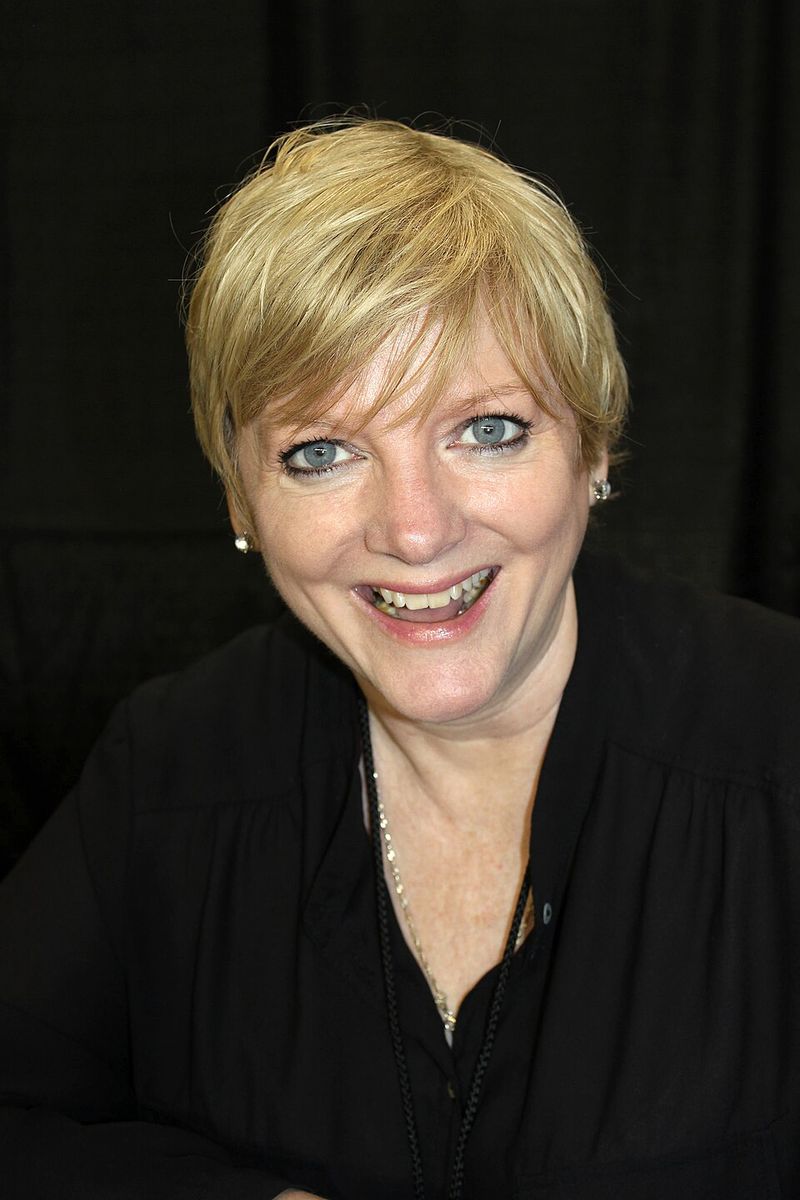
Nellie Oleson may be one of the oldest entries on this list, but her legacy as television’s original mean girl is completely unmatched. Strutting through the frontier town of Walnut Grove with her perfect ringlet curls and a permanent sneer, Nellie made Laura Ingalls Wilder’s life miserable for years on Little House on the Prairie.
Her meanness was old-fashioned in the best way: pure snobbery and entitlement fueled by a mother who spoiled her rotten. Nellie used her family’s wealth to lord it over less fortunate classmates, and she had absolutely no shame about it whatsoever.
Alison Arngrim played Nellie with such gusto that the actress has joked in interviews about how much fan mail she received from people who genuinely despised the character. Nellie proved that mean girls are not a modern invention; they have been making audiences groan and cheer since television’s earliest days.
10. Amanda Woodward (Melrose Place)
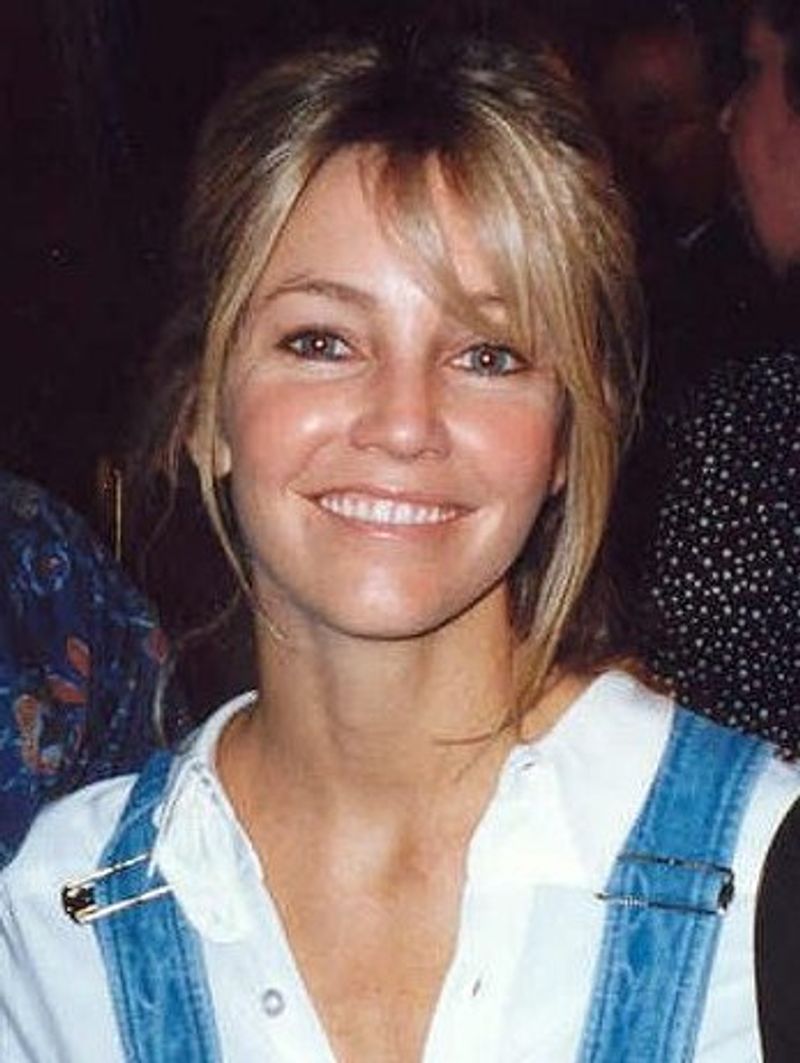
Amanda Woodward arrived at Melrose Place in season two and immediately began dismantling every relationship in the building. Heather Locklear played her as the ultimate power-hungry schemer, a woman who climbed the corporate and social ladder by stepping directly on the people who trusted her most.
She was manipulative in ways that felt genuinely adult and sophisticated compared to high school mean girls. Amanda used business deals, romantic relationships, and psychological pressure as weapons.
She did not need a cafeteria to rule; she had an entire advertising agency and a Los Angeles apartment complex at her disposal.
Audiences adored her for it. Amanda Woodward became one of the defining female villains of 1990s primetime television.
She showed that mean girls do not age out of their behavior; sometimes they just trade in the hallway gossip for boardroom power plays and corner offices with a view.
11. Paris Geller (Gilmore Girls)
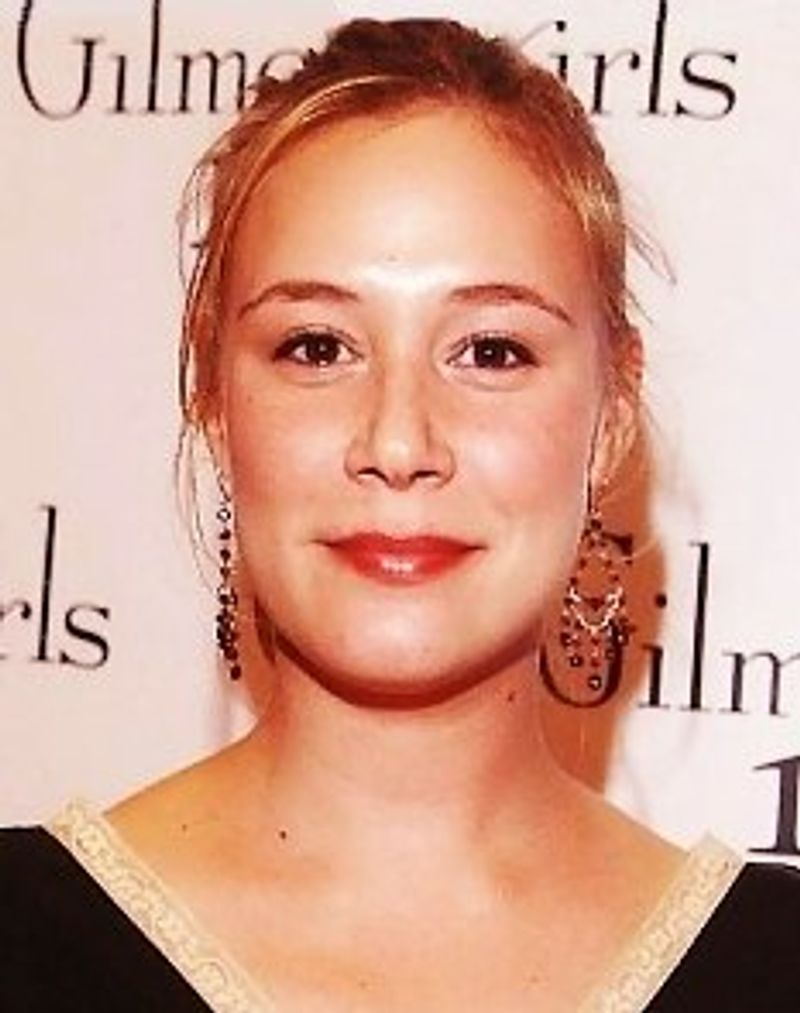
Paris Geller did not wake up every morning asking what kind of person she wanted to be. She already knew: the best, the most accomplished, and the undisputed academic champion of Chilton Academy.
Anyone who stood between Paris and that goal was going to have a very unpleasant year.
Her meanness was rooted entirely in competitive drive rather than social cruelty. Paris did not care about being popular; she cared about being right, being first, and being better.
That made her a different kind of intimidating than most TV mean girls, and honestly, a more relatable one for a certain type of student.
Liza Weil gave Paris such sharp comic timing that she became a fan favorite despite being introduced as Rory Gilmore’s nemesis. Over time, Paris evolved into something closer to an unlikely ally.
She remains one of television’s most brilliantly written overachievers, mean in the most academically intense way imaginable.
12. Madison Montgomery (American Horror Story: Coven)
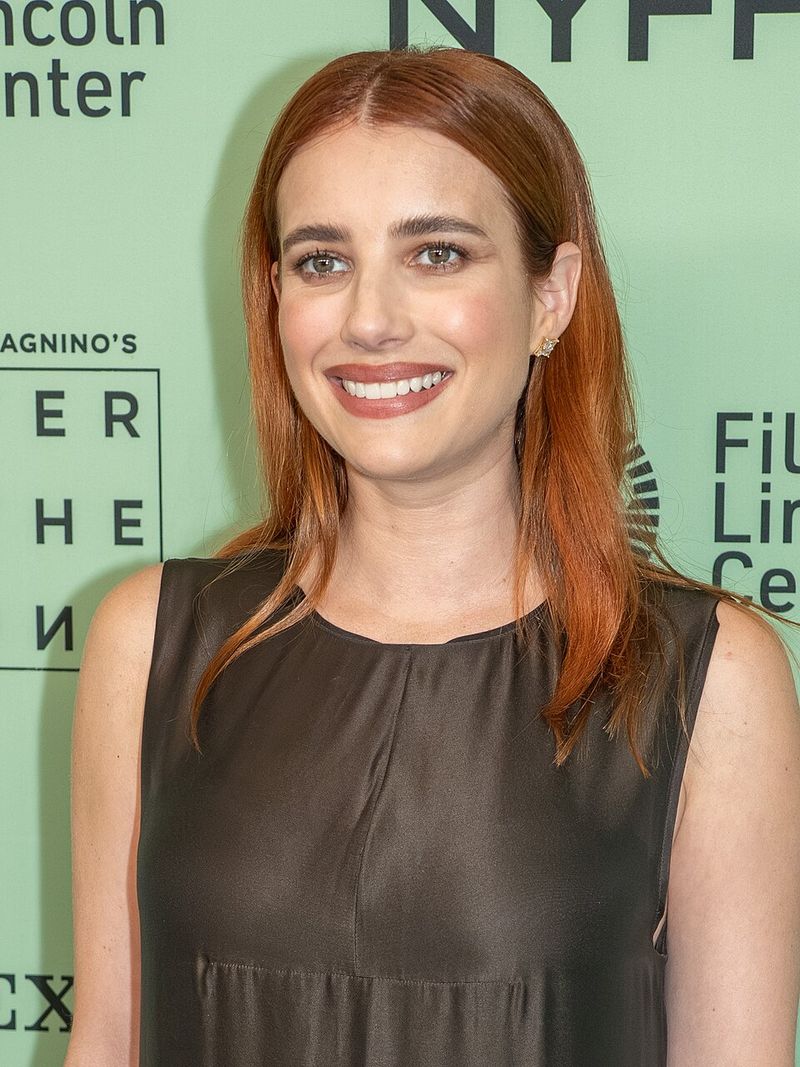
Madison Montgomery had the kind of cruelty that felt almost supernatural, which made perfect sense given that she was, in fact, a witch. Introduced as a spoiled Hollywood starlet with telekinetic powers and absolutely no conscience, Madison became one of American Horror Story’s most memorable characters almost immediately.
Emma Roberts played her with a bored, ice-cold detachment that was somehow more frightening than outright rage. Madison did not get angry; she got even, usually in ways that involved seriously misusing her magical abilities.
She was the mean girl evolved to her most extreme and dangerous possible form.
What gave Madison staying power was the occasional glimpse of something human underneath the cruelty. She was used, discarded, and underestimated by the people around her, and her nastiness was partly a defense mechanism.
American Horror Story: Coven used her character to ask how much sympathy a genuinely awful person actually deserves.
13. Valerie Malone (Beverly Hills, 90210)
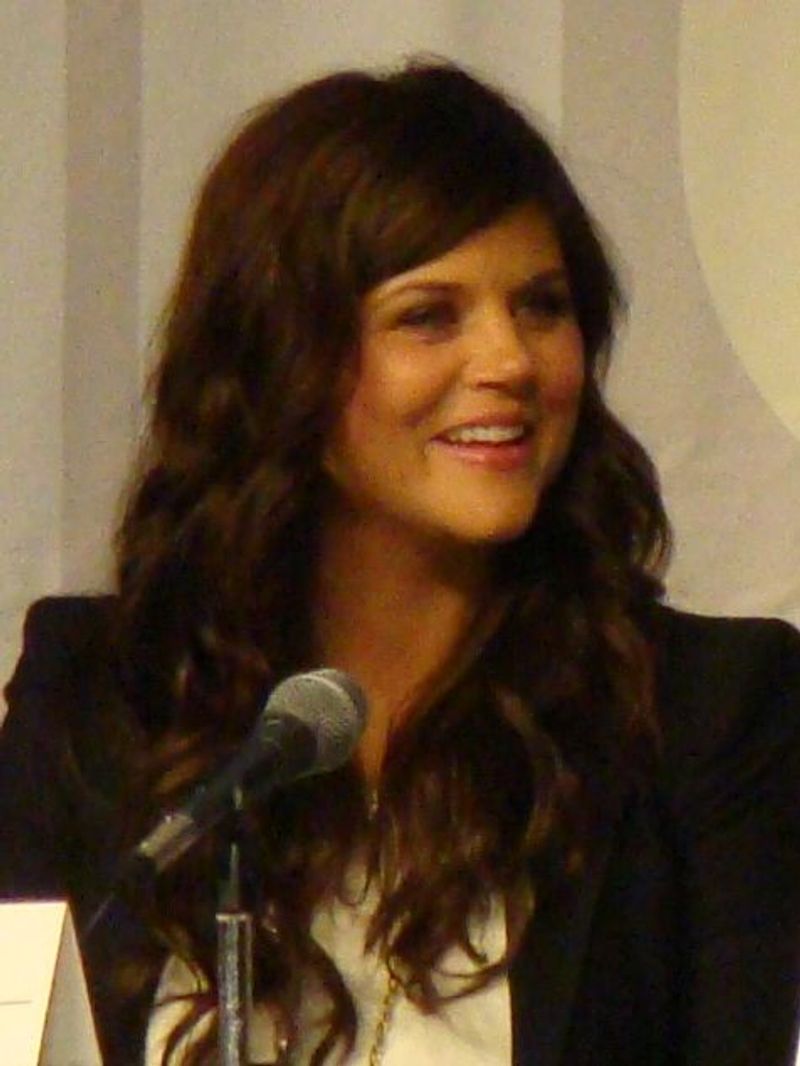
Valerie Malone blew into Beverly Hills like a storm the West Beverly crowd never saw coming. Tiffani Thiessen played her as a character who looked friendly on the surface but was quietly running schemes underneath every smile.
She replaced Brenda Walsh in the group, and then spent seasons making everyone question who they could actually trust.
Her manipulative streak was sophisticated for a teen drama. Valerie used romantic relationships, financial leverage, and carefully timed revelations to keep everyone off balance.
She was not just mean for the sake of it; she had goals, and people were simply pieces she moved around the board.
What made Valerie fascinating was the dark backstory the show eventually revealed. Her behavior made far more sense once viewers understood what she had survived.
She joined the short list of TV mean girls whose awfulness the audience could understand, even if they could never fully excuse it.
14. Taylor Townsend (The O.C.)

Taylor Townsend burst onto The O.C. scene as the student body president nobody actually voted for in spirit. She was relentlessly ambitious, socially aggressive, and completely willing to use her position of authority to make life harder for anyone who did not fall in line with her agenda.
Newport Beach was her domain, and she policed it accordingly.
Autumn Reeser played Taylor with such frantic, comedic energy that the character became unexpectedly lovable even at her most insufferable. She was the kind of overachiever who organized events nobody asked for and then punished people for not attending with enough enthusiasm.
The writers eventually softened Taylor into a more sympathetic character, and her later seasons revealed genuine charm beneath the control-freak exterior. Still, Taylor’s early run as the school’s self-appointed enforcer of social rules earned her a permanent spot on any list of TV’s most memorably difficult young women.
Share this story