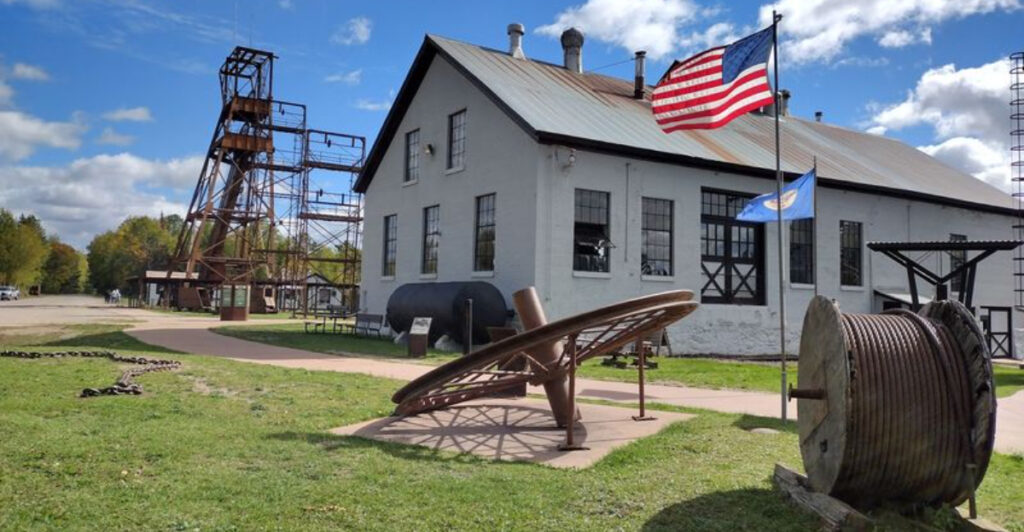
There is a place in northern Minnesota where you can ride a rattling elevator nearly half a mile straight down into the earth, step off into a tunnel carved out over a century ago, and suddenly understand what it meant to pull iron ore from solid rock by hand. The Soudan Underground Mine is not just the oldest iron ore mine in Minnesota, it is also the deepest and richest, and it sits inside a state park that wraps around the stunning shoreline of Lake Vermilion.
The contrast between the sparkling lake above and the dark, cool tunnels below makes this one of the most genuinely surprising destinations in the entire state. Whether you are a history lover, a curious kid, or someone who simply wants a story worth telling, this place delivers in ways that are hard to put into words until you have been there yourself.
The Historic Soudan Underground Mine: Minnesota’s Iron Ore Legend
Long before Minnesota was known for its lakes, it was known for its iron. The Soudan Underground Mine, located at 1302 McKinley Park Rd, Soudan, began operations in 1882 and holds the title of the oldest, deepest, and richest iron ore mine in the state.
At its peak, this mine produced some of the highest-grade hematite iron ore ever extracted in North America. The ore pulled from these tunnels helped build bridges, railroads, and skyscrapers across a rapidly growing country.
Today, the mine operates as part of Lake Vermilion-Soudan Underground Mine State Park, managed by the Minnesota Department of Natural Resources. The park is open daily from 7 AM to 10 PM, giving visitors plenty of time to explore both the surface grounds and the fascinating underground world that made this corner of Minnesota famous.
Going Underground: The Elevator Ride That Changes Everything
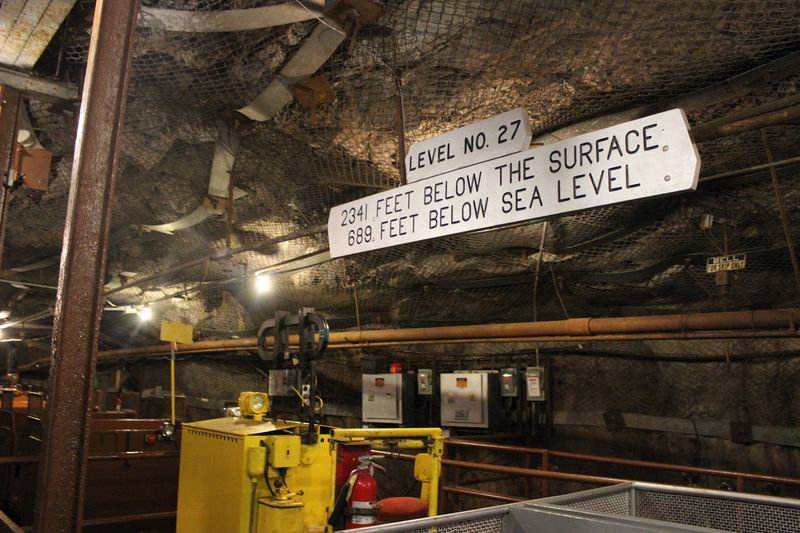
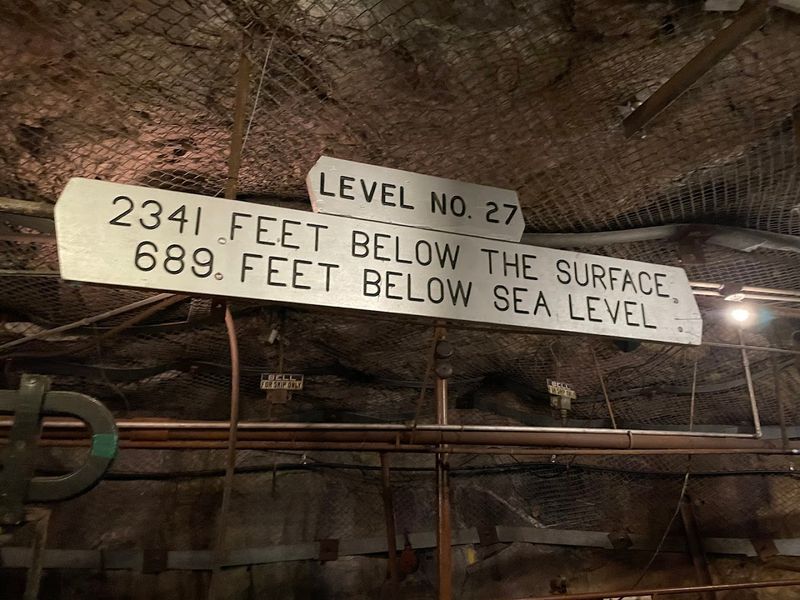
Nothing quite prepares you for that first drop. The mine shaft elevator at Soudan is a genuine piece of industrial history, a steel cage that carries visitors nearly 2,341 feet below the surface at a speed that makes your stomach do a small, involuntary flip.
The descent takes about three minutes, and the temperature drops noticeably as you go deeper, settling at a cool 50 degrees Fahrenheit year-round regardless of the season above. That chill is a reminder that you are entering a world completely separate from the one you left at the surface.
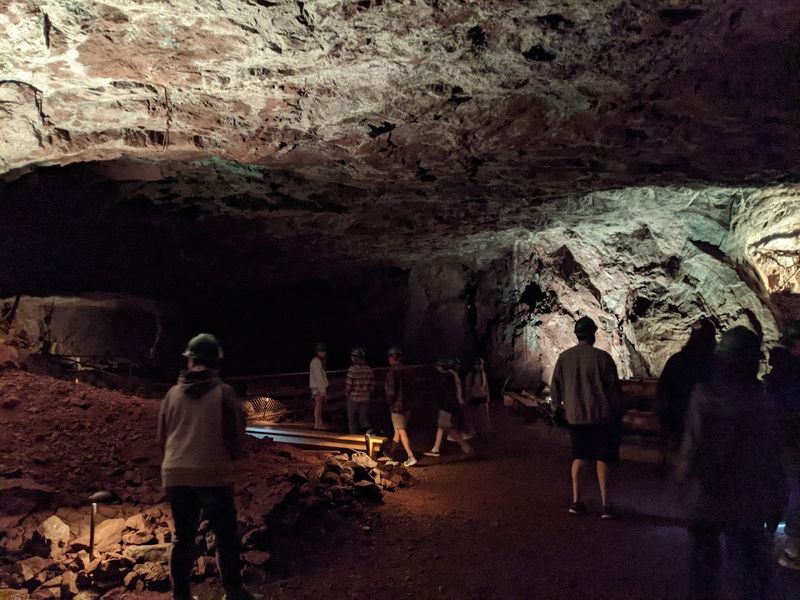
Once you reach the bottom, the scale of the tunnels is genuinely impressive. The rock walls are close, the ceiling is low in places, and the silence is the kind you only find deep underground.
Bringing a light jacket is strongly recommended, even on the hottest summer days.
Riding the Mine Cars: A Journey Through the Rock
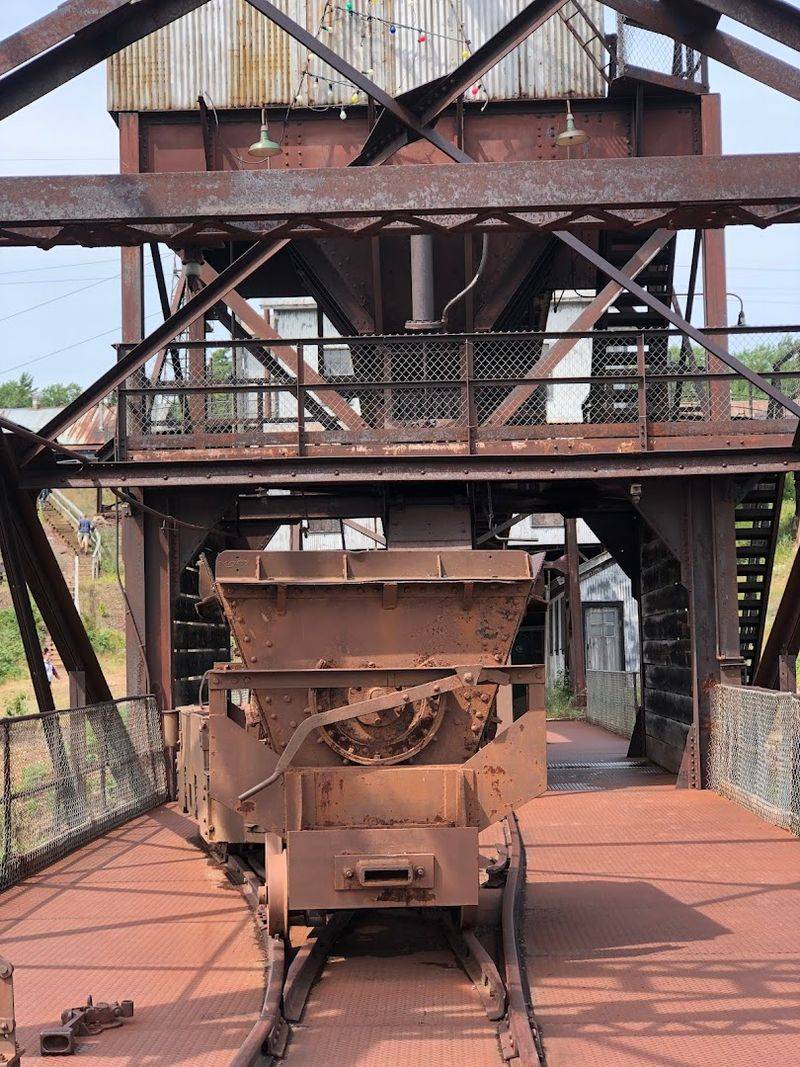
After the elevator deposits you at the bottom level, the next chapter of the underground experience begins: a ride in actual mine cars along narrow-gauge rails through the tunnels. This is not a theme park recreation, it is the real equipment used by miners who worked these passages for decades.
The mine cars carry visitors through roughly 2,300 feet of underground drifts to reach the main chamber, where the tour guide brings the history of the operation to life. The rock walls on either side show the layered geology of the Canadian Shield, one of the oldest rock formations on Earth.
Kids and adults alike tend to go quiet during this ride, partly from the atmosphere and partly from genuine awe at what they are seeing. It is one of those rare moments where history stops being something you read about and becomes something you feel.
The Surface Tour: Above-Ground History Worth Your Time
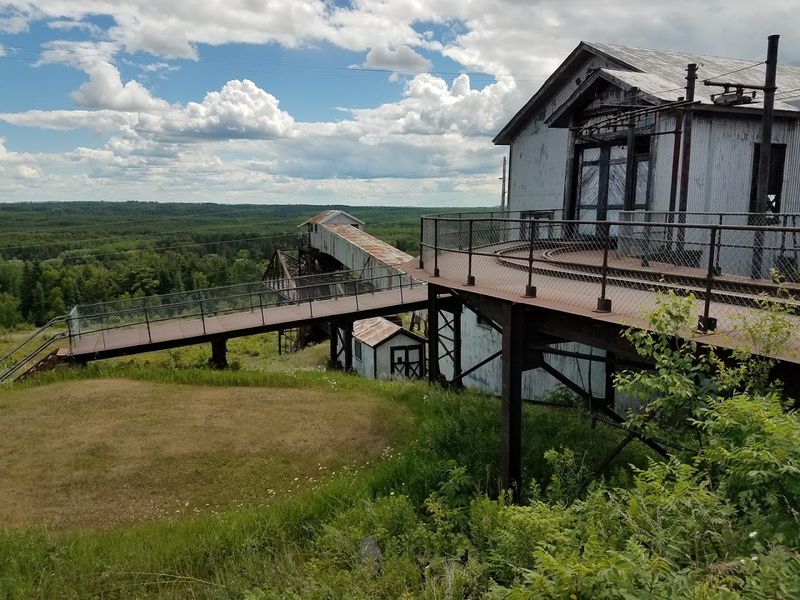
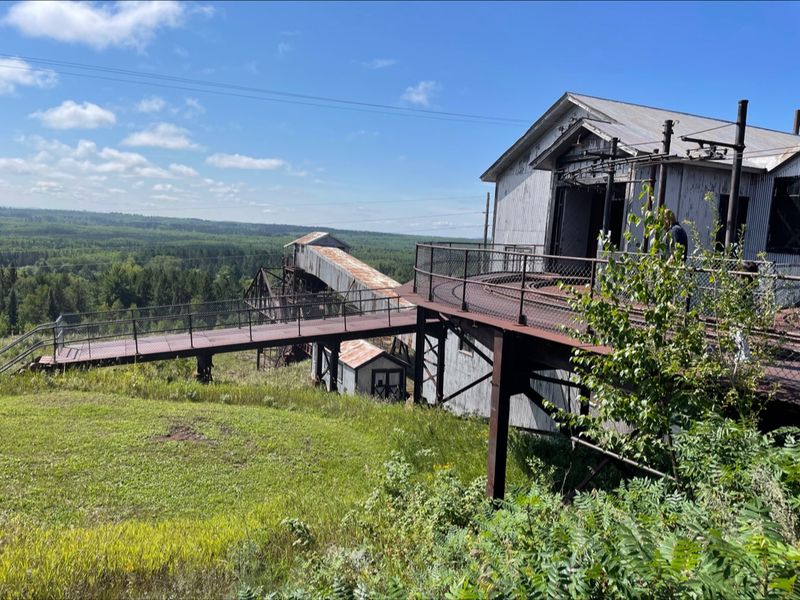
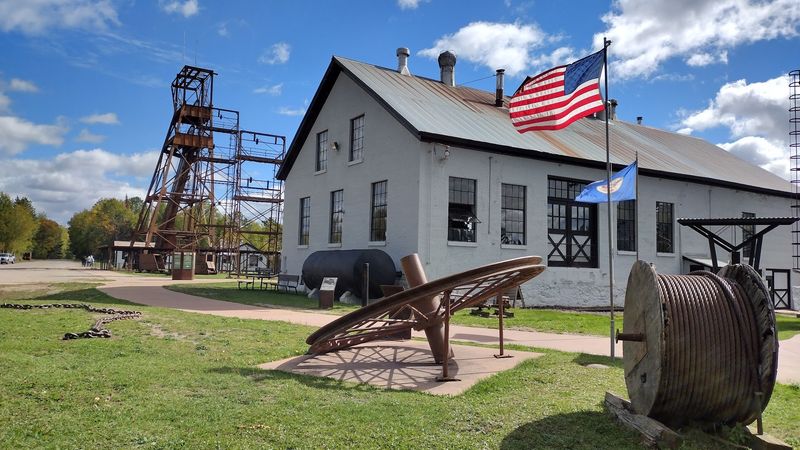
Not every great story is told underground. The surface tour at Soudan covers the processing buildings, machinery, and structures that formed the working backbone of the mine’s operations from the 1880s through its closure in 1962.
Tour guides lead visitors through the engine house, the dry house where miners changed clothes, and the rock crushing facilities, explaining each step of the process that turned raw ore into a product ready for the steel mills of the Great Lakes region. The sheer complexity of the surface operation surprises most visitors who assumed the real action was all underground.
The surface tour is also available when the underground portion is temporarily closed for maintenance, and those who have taken it report leaving with a surprisingly thorough understanding of the entire mining process. Sometimes the full picture only makes sense when you see the machinery that connected the two worlds.
Lake Vermilion: The Stunning Backdrop You Did Not Expect
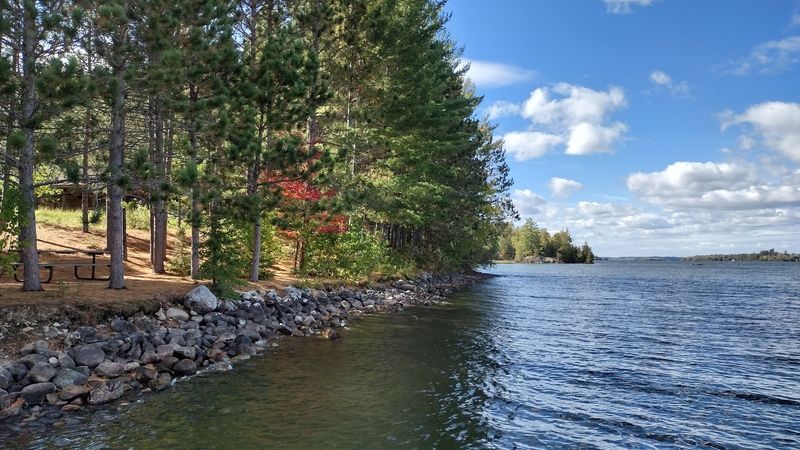
Most people come to this park for the mine and stay for the lake. Lake Vermilion is one of the largest lakes in Minnesota, covering more than 40,000 acres and dotted with over 360 islands, and the park sits right along its heavily wooded southern shore.
The views from the park’s waterfront areas are genuinely beautiful, with clear water reflecting the dense boreal forest that surrounds it. On calm evenings, the surface of the lake turns glassy and the reflections of the pines are almost perfectly mirrored.
There is a small day use area near the water with a fishing pier and a boat access point, making it easy to spend time on or near the lake after finishing your mine tour. The combination of industrial history and natural scenery in one place is something you rarely find, and it makes the drive to Soudan feel entirely worth it.
Camping at the Park: Spending the Night Under Northern Stars
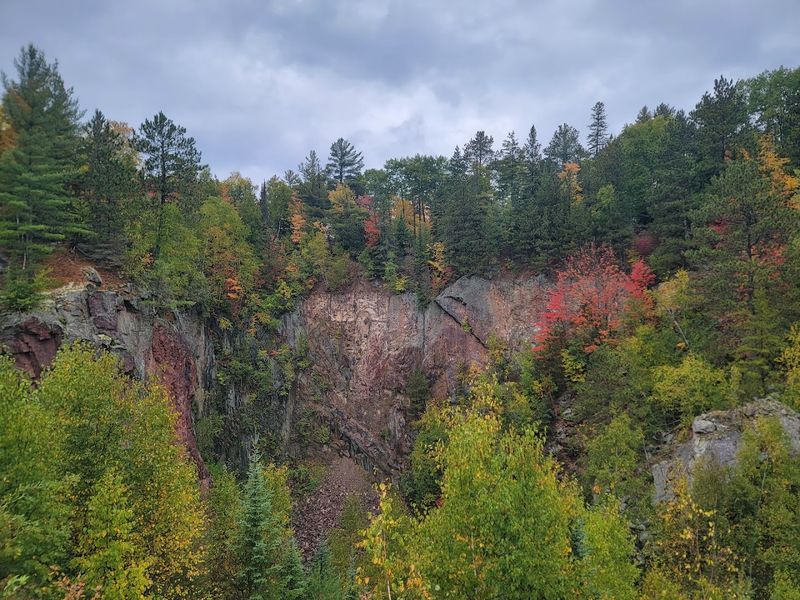
Spending a night at this park is a completely different experience from a day visit. The campground features modern bathrooms and a collection of eight unique camper cabins that stand out even within the broader Minnesota state park system for their quality and design.
The site is heavily wooded, which means privacy between campsites and a genuine sense of being surrounded by the boreal forest. As night falls, the tree canopy opens up enough to reveal some seriously impressive stargazing, especially on clear nights away from city light pollution.
Bats are a common evening sight here, swooping between the trees and over the water as they hunt insects, which is a good sign for the health of the local ecosystem. Reservations are recommended, particularly during summer weekends, so booking ahead through the Minnesota DNR reservation system is the smart move for anyone planning an overnight stay.
Hiking the Trails: Forest Paths and Quiet Discoveries
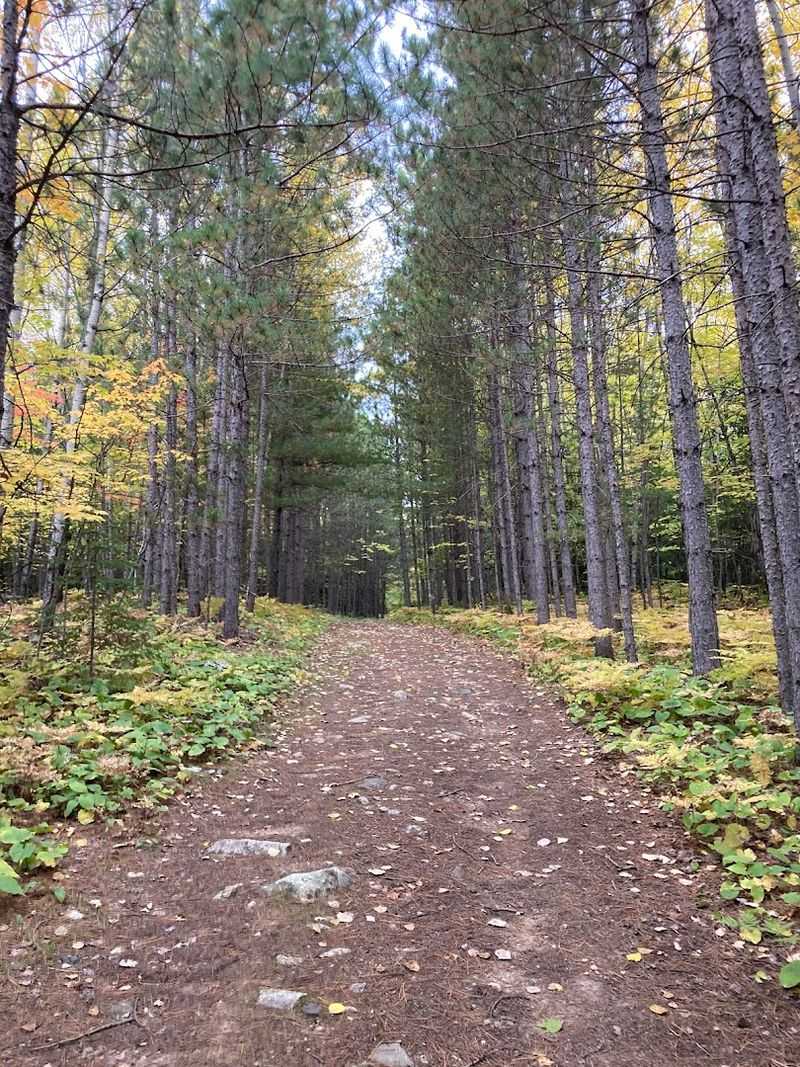
The trail network at this park is not vast, but what exists rewards those who take the time to explore it. Wooded paths wind through the boreal forest, passing through areas of birch, pine, and aspen that shift colors dramatically in the fall.
The backpack sites accessible from the trails offer a more remote camping experience, with bear boxes, fire rings, and tent pads already in place. Site 2 is notably shaded and private, tucked off the main trail, while Site 3 sits at the far end and offers the most seclusion of the group.
The Wawa Way trail branch adds mileage for those who want a longer outing, and combining it with the main loop creates roughly a three-mile trek that is manageable for most fitness levels. Trail signage throughout the park is clear, which makes navigation straightforward even for first-time visitors.
Biking the Mesabi Trail: Pedaling Through Iron Range History
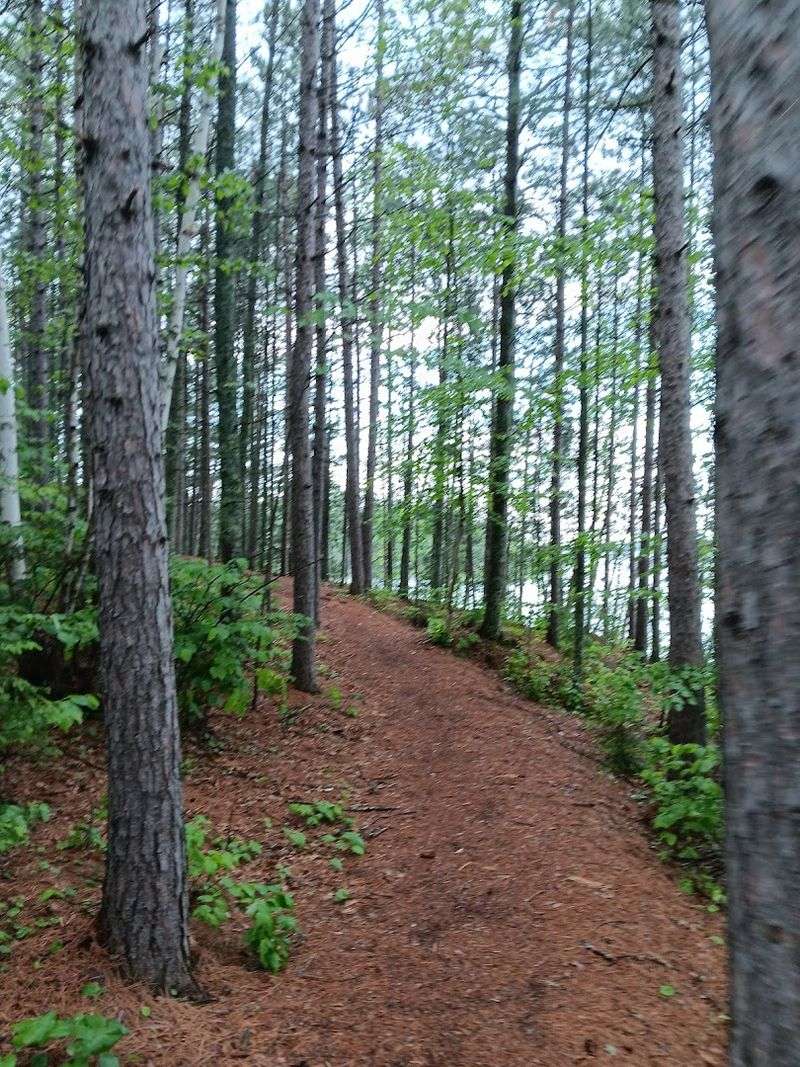
For visitors who prefer exploring on two wheels, the park connects directly to the Mesabi Trail, a paved multi-use path that stretches across the Iron Range region of northern Minnesota. This trail system covers over 130 miles in total and passes through communities that were shaped by the same iron ore industry that built the Soudan Mine.
The section near the park is smooth and well-maintained, making it accessible for casual riders as well as more dedicated cyclists. The surrounding landscape shifts between forest, wetland, and open terrain as you ride, giving a strong sense of the geography that made this region so valuable to early industrial America.
Nearby towns like Tower and the slightly farther Ely offer places to grab food or supplies, so planning a longer biking day with a stop in town is entirely feasible. Two wheels and Iron Range history turn out to be a surprisingly good combination.
The Geology Beneath Your Feet: Ancient Rock and Iron Ore
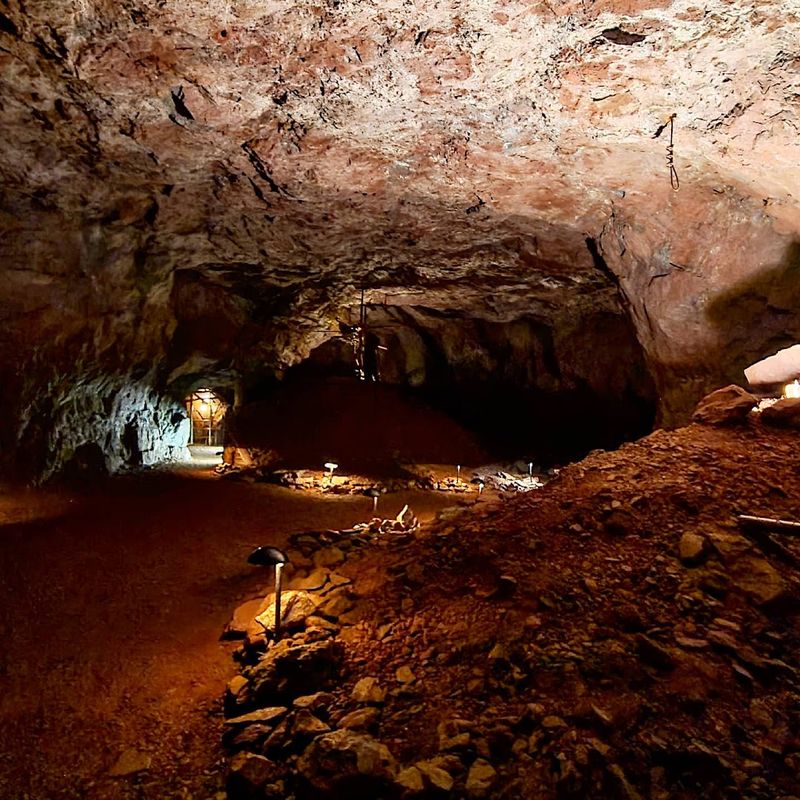
The rock you see in the walls of the Soudan Mine is not ordinary stone. The iron formation here belongs to the Ely Greenstone Belt, part of the Canadian Shield, and it is estimated to be approximately 2.7 billion years old, some of the most ancient exposed rock on the planet’s surface.
The hematite ore found at Soudan was considered unusually pure and high-grade compared to other Iron Range deposits, which is part of why the mine earned its reputation as the richest in the state. Miners followed the ore body downward through 27 underground levels, which is what eventually pushed the mine to its record depth.
Tour guides do an excellent job of explaining the geology in terms that make sense without a science background. Understanding what you are looking at transforms the underground tunnels from just a dark passage into something that genuinely puts the age of the Earth into perspective.
The Human Story: Immigrant Miners Who Built a Legacy
The Soudan Mine is not only a story about rock and machinery. The workers who carved these tunnels were largely immigrants from Finland, Croatia, Slovenia, and other parts of Europe, many of whom arrived in northern Minnesota with very little and built their lives around the rhythms of the mine.
They lived in tight-knit communities in Soudan and the nearby town of Tower, developing cultural traditions, mutual aid societies, and a strong sense of collective identity that still echoes in the region today. The physical demands of underground mining were extreme, and the risks were real, yet generations of families committed to this work.
Tour guides at the park bring these human stories into their presentations, connecting the machinery and the geology to the actual people who operated everything. That personal dimension is what separates a truly memorable tour from a simple walkthrough of old equipment.
Planning Your Visit: Practical Tips for a Great Trip
A little preparation goes a long way at this park. The mine tour requires reservations, and spots fill up quickly during the summer months, so booking through the Minnesota DNR website well in advance is the best approach.
Walk-in availability is not guaranteed on busy weekends.
A Minnesota State Park vehicle permit is required for entry, and the annual pass is worth considering if you plan to visit more than one park during the year since it covers all state parks for a full calendar year. The mine itself stays at 50 degrees Fahrenheit year-round, so packing a jacket regardless of the outdoor temperature is genuinely important.
The park is open daily from 7 AM to 10 PM, which gives you a solid window to combine a morning mine tour with an afternoon on the lake or trails. Arriving early on summer days helps you avoid crowds and snag the best parking near the mine buildings.
Why This Park Deserves a Spot on Your Minnesota Bucket List
Very few places in Minnesota manage to pack this much variety into a single destination. Within one park, you get a world-class industrial history site, a genuinely thrilling underground experience, a beautiful Great Lakes-region lake, hiking trails, biking connections, and a campground that locals genuinely rave about.
The mine tour alone justifies the drive for most visitors, but the surrounding natural setting makes it easy to turn a single afternoon into a full weekend. Families with young children, history enthusiasts, geology fans, and outdoor adventurers all seem to leave with the same response: they want to come back.
There is something about going nearly half a mile underground and then resurfacing to a view of Lake Vermilion glittering through the pines that resets your sense of scale in the best possible way. This park earns its place on any serious Minnesota travel list without needing any extra convincing.
Share this story