Minnesota might not be the first place that comes to mind when you think about stargazing or space exploration, but there is a spot in the Twin Cities area that will completely change that. A university-affiliated museum sits quietly on the edge of a campus, housing one of the most impressive planetariums in the entire Midwest.
The domed ceiling above you fills with stars, galaxies, and cosmic events so vivid that you almost forget you are still on Earth. From prehistoric fossils to live amphibian exhibits, from Minnesota wildlife dioramas to a full-scale astronomy wing, this place covers more ground than you might expect.
Whether you are a curious kid, a science lover, or just someone looking for a genuinely memorable afternoon, this museum earns its place on your must-visit list.
What the Bell Museum Actually Is
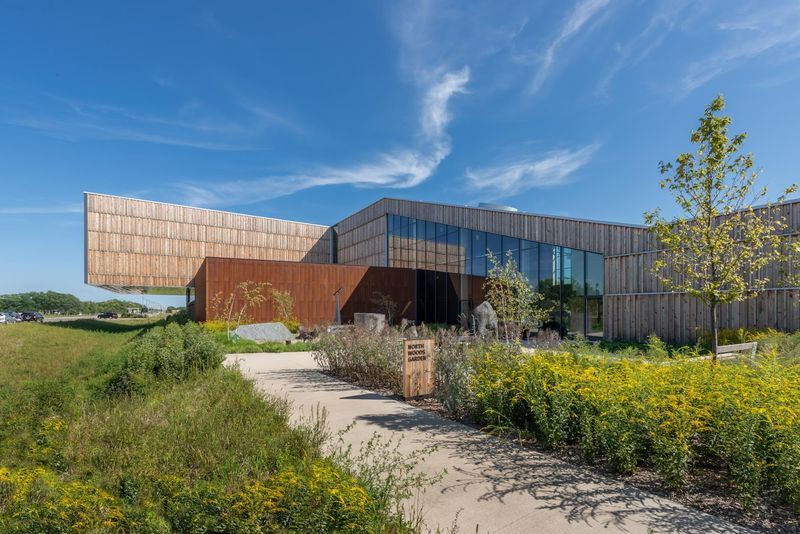
Not every museum can claim to be both a natural history archive and a working planetarium under one roof, but the Bell Museum pulls it off with quiet confidence. Officially affiliated with the University of Minnesota, it serves as the state’s natural history museum and has been a center for science education for well over a century.
The current building at 2088 Larpenteur Ave W, St Paul, opened in July 2018 after a major relocation and expansion from its original Minneapolis home. That move added the planetarium, a dedicated education wing, and the beloved Touch and See Lab.
The surrounding grounds were also redesigned with sustainable native plants, a geology area, and a solar station, making the outdoor space just as thoughtful as the interior. This is a place built to make science feel personal.
The Planetarium Experience That Steals the Show
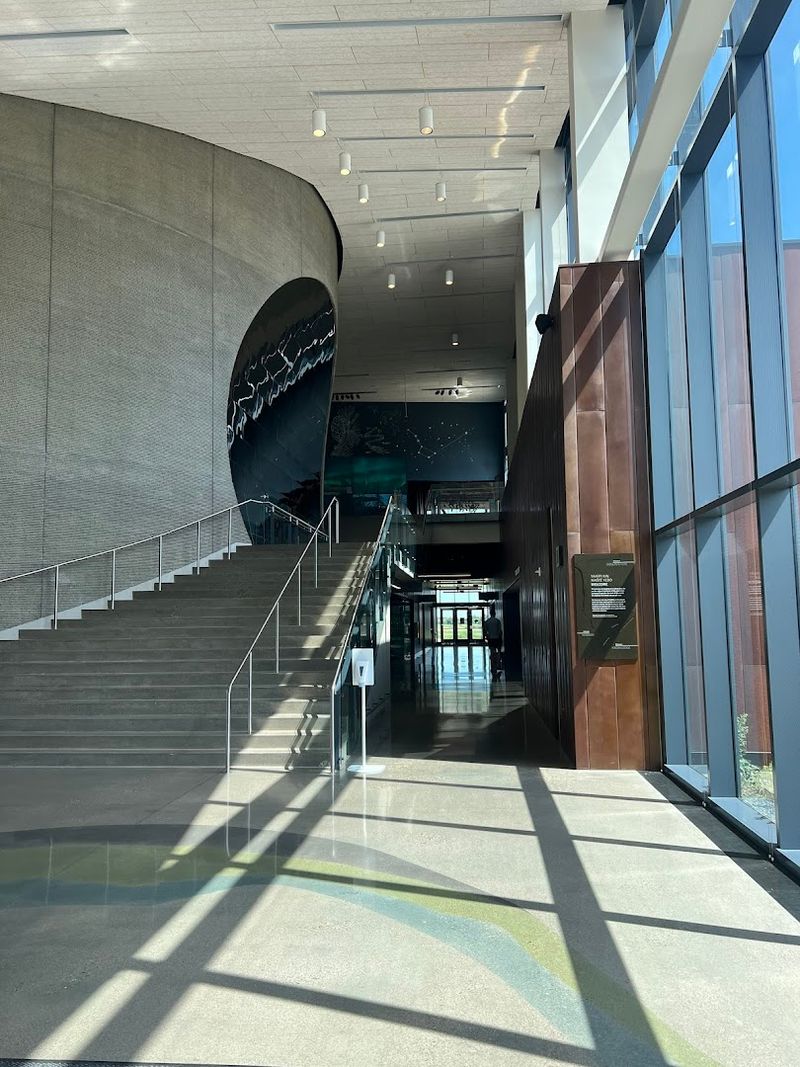
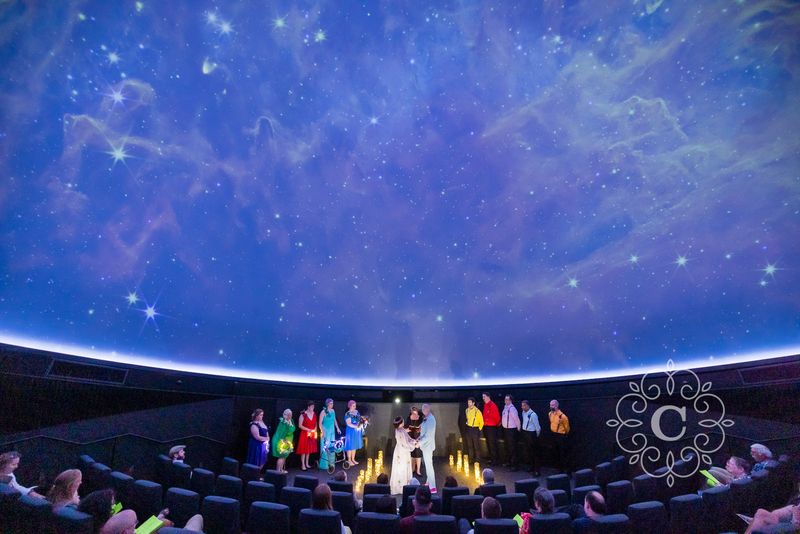
The planetarium is the crown jewel of the Bell Museum, and it earns that title every single show. A full-dome digital projection system wraps the universe around you in a way that flat screens simply cannot replicate.
The curved ceiling above becomes a living sky, and the effect is genuinely breathtaking.
Shows rotate throughout the day and cover a wide range of topics. Titles like “Secrets of the Forest,” “Supervolcanoes,” and “We Are Guardians” have all played here, each one blending stunning visuals with educational storytelling that keeps both kids and adults fully locked in.
The seating reclines, the room goes dark, and for the next half hour or so, the universe feels surprisingly close. Multiple shows play on any given visit day, so checking the schedule online before you arrive is a smart move that pays off.
Minnesota Wildlife Dioramas That Deserve Your Full Attention

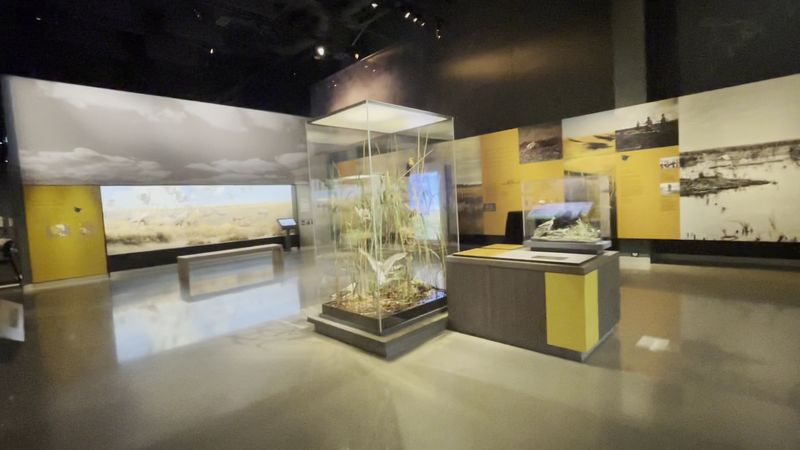
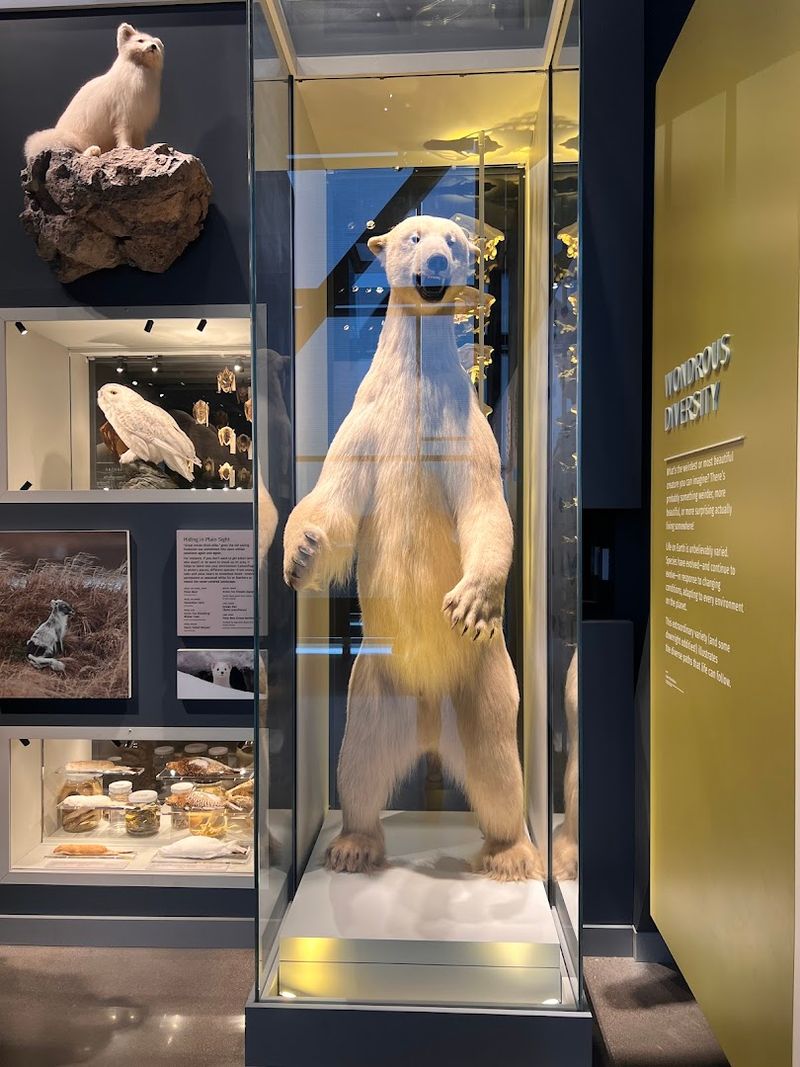
Upstairs in the museum, the natural history exhibition stops visitors in their tracks. The wildlife dioramas here are among the most carefully crafted displays you will find in any regional museum, depicting Minnesota ecosystems with a level of detail that makes each scene feel alive.
Wolves, deer, loons, and dozens of other native species appear in their natural settings, surrounded by accurate vegetation, lighting, and environmental context. These are not dusty old displays either.
The dioramas feel fresh, well-maintained, and genuinely educational.
What makes them stand out is the storytelling behind each scene. Rather than simply showing an animal, each diorama explains behavior, habitat, and ecological relationships in a way that sticks with you long after you leave the room.
Kids tend to press their faces right up to the glass, and honestly, adults do the same thing when they think no one is watching.
The Touch and See Lab: Science You Can Actually Handle
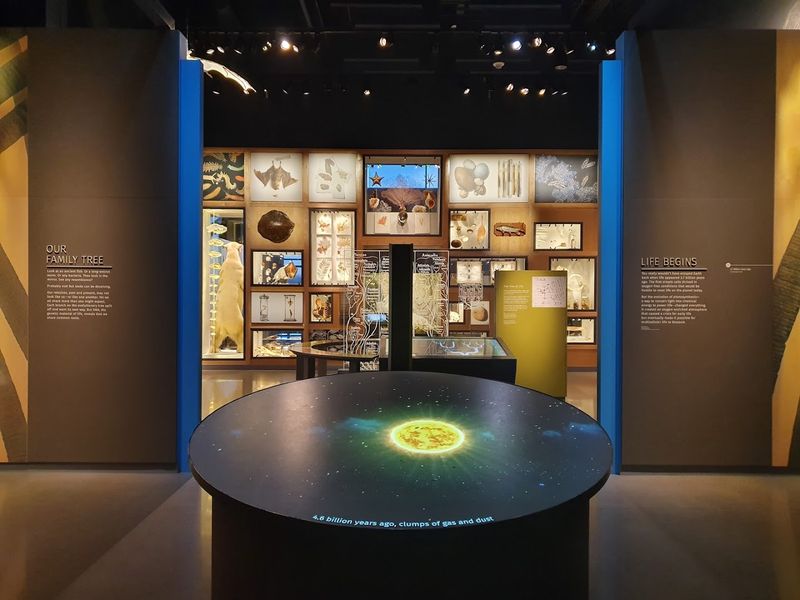
Hands-on science is not always easy to find in museums that lean heavily toward display cases and informational panels. The Touch and See Lab at the Bell Museum breaks that mold entirely.
Here, visitors can handle real specimens, examine objects under digital microscopes, and interact with materials that bring scientific concepts to life.
The microscopes are a particular hit. Placing a feather, a leaf, or a small fossil under the lens and watching it transform into something almost alien on the screen is a genuinely surprising moment, even for adults who thought they already knew what those things looked like up close.
Families with younger children tend to spend a significant chunk of their visit right here. The lab is designed to encourage curiosity without overwhelming anyone, and the self-guided format means you move at your own pace through each discovery.
Live Amphibian Exhibits That Add a Surprising Twist
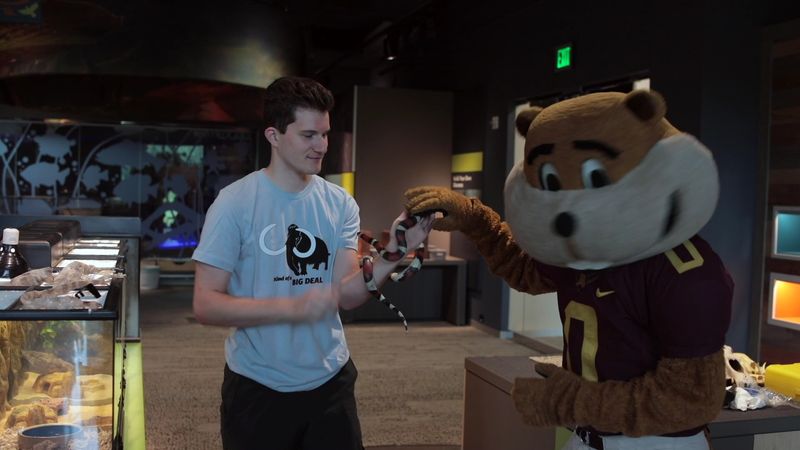
Most natural history museums stick to specimens behind glass. The Bell Museum takes things a step further with live animal exhibits that bring an unexpected energy to the visit.
The amphibian and reptile displays are a standout, featuring living creatures in carefully designed habitats that mirror their natural environments.
Bull snakes are among the residents that tend to draw the biggest crowds, particularly from visitors who grew up in the Carolinas or the Southeast and recognize their relatives. Seeing a live animal in the context of a natural history museum adds a dimension that no taxidermy display can fully match.
The exhibits are clearly labeled and thoughtfully arranged so that even younger visitors can understand what they are looking at and why it matters. These animals are not just attractions; they serve as living examples of the biodiversity that the Bell Museum works to document and protect.
Fossils and Ancient Creatures That Reframe Minnesota’s Past
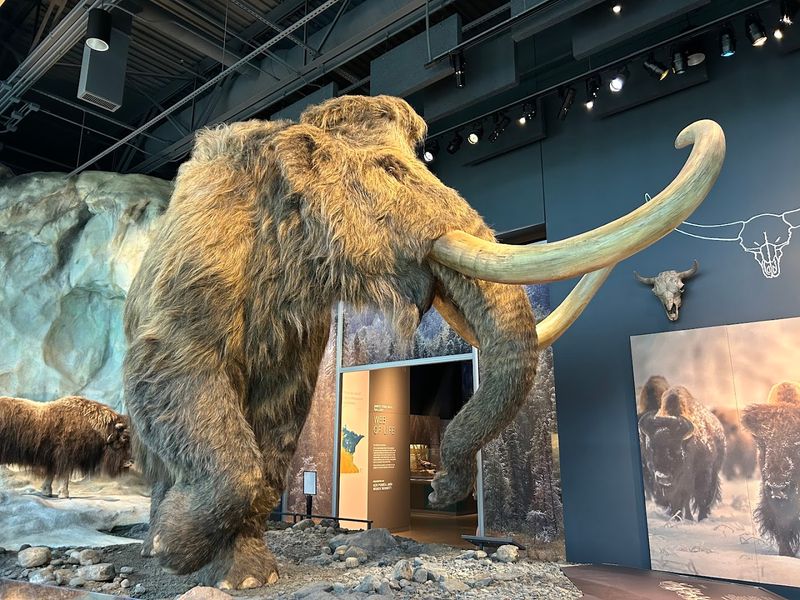
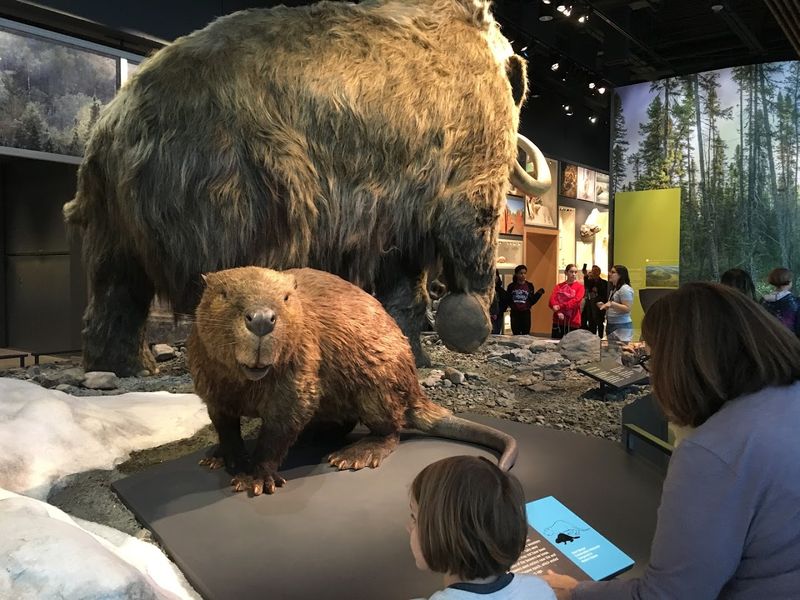
One of the most talked-about exhibits in the entire museum is the mammoth. Full-scale and commanding, it anchors the fossil section with the kind of presence that makes you stop mid-stride and just look up.
Ancient creatures have a way of making you reconsider how long this land has been occupied by remarkable life forms.
The fossil and prehistoric collections extend well beyond the mammoth, though. Giant prehistoric beavers are among the more surprising displays, their proportions so dramatically different from their modern descendants that first-time visitors often do a double-take.
These were not small, industrious rodents; they were something closer to a very large, determined problem.
The fossil section ties directly into Minnesota’s geological history, grounding each exhibit in the specific story of this state rather than presenting prehistoric life as a generic global narrative. That local focus is one of the Bell Museum’s consistent strengths throughout the building.
Space and Astronomy Exhibits Beyond the Planetarium
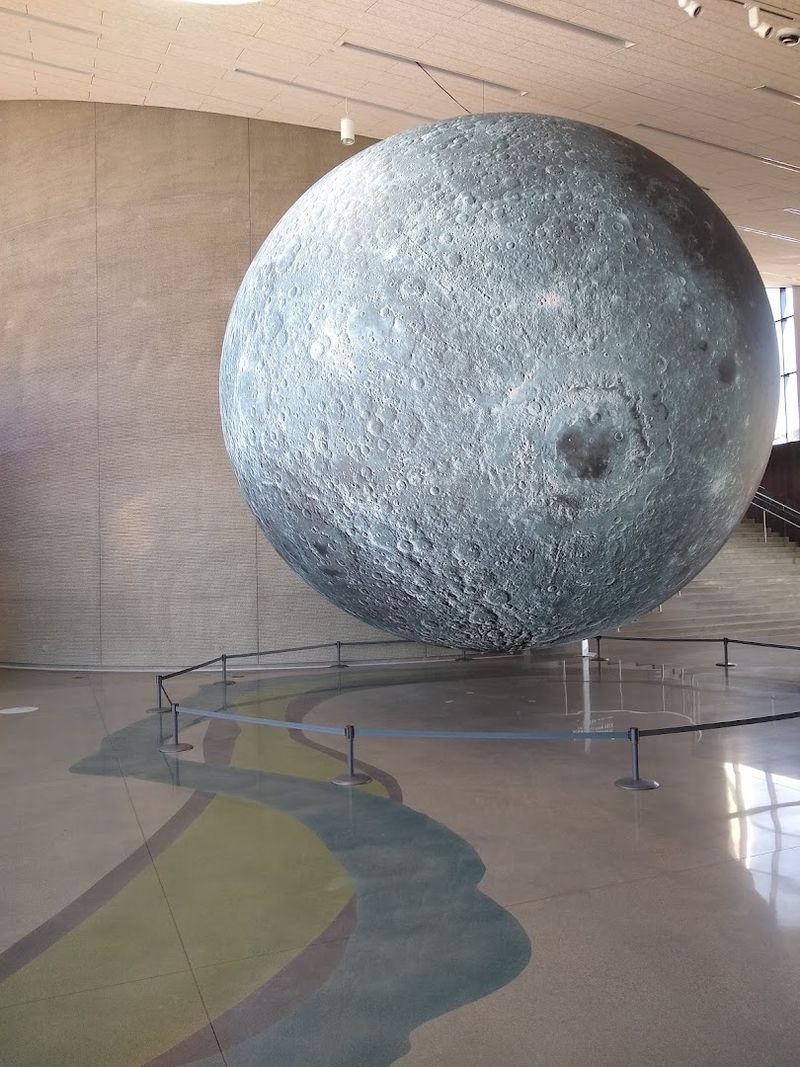
The planetarium gets most of the attention when people talk about the Bell Museum’s space offerings, but the permanent astronomy exhibits on the museum floor deserve equal credit. These displays cover everything from the solar system to deep space phenomena, using interactive panels and physical models that make abstract concepts feel grounded.
A solar station on the museum grounds adds another layer to the experience, connecting visitors to real-time data about our own star. It is a detail that reflects the Bell Museum’s commitment to science education that extends beyond the building’s walls.
For anyone who attended one of the museum’s star parties, the experience reaches another level entirely. High-powered telescopes pointed at Venus or a passing comet turn an already impressive museum visit into something that genuinely competes with a clear night sky in the middle of nowhere.
The universe, it turns out, is surprisingly accessible from St Paul.
The Architecture and Outdoor Grounds Worth Exploring

The Bell Museum building itself is worth a moment of appreciation before you even walk through the door. The architecture is modern and purposeful, with clean lines and large windows that connect the interior to the natural world outside.
Several visitors have described the building as genuinely interesting to be inside, which is not something every museum can claim.
Outside, the grounds were redesigned as part of the 2018 relocation to include sustainable native plantings, a geology area with rock and mineral displays, and the solar station mentioned in the astronomy wing. The landscaping is not just decorative; it functions as an outdoor classroom that extends the museum’s educational mission into the open air.
On pleasant days, the outdoor area offers a quiet spot to decompress between exhibits, take photographs, or simply appreciate how thoughtfully the whole property has been designed. The grounds alone make a strong case for arriving with a little extra time to spare.
A Museum That Works for Every Age Group
One of the more impressive things about the Bell Museum is how consistently it delivers for visitors at completely different stages of life. Grandparents, parents, teenagers, and toddlers all seem to find something that genuinely holds their interest, which is a harder balance to strike than most museums make it look.
Younger children gravitate toward the Touch and See Lab and the live animal exhibits. Older kids and teens tend to get absorbed by the planetarium and the fossil displays.
Adults who come in expecting a quick walk-through often find themselves still reading panels and examining dioramas an hour later than planned.
The self-guided format respects every visitor’s pace and curiosity level without forcing anyone through a prescribed route. That flexibility is part of what makes the Bell Museum feel welcoming rather than overwhelming, and it is a big reason why many families return more than once each year.
Practical Tips for Planning Your Visit
A few logistical details can make the difference between a smooth visit and a frustrating one at the Bell Museum. The museum is open Wednesday through Sunday from 10 AM to 4 PM and is closed on Mondays and Tuesdays, so double-checking the schedule before heading out is worth the thirty seconds it takes.
There is an entry fee, and buying tickets online in advance is genuinely recommended. The parking lot on site is small, and on busy days it fills up quickly.
Parking a short distance down the street near the open field is a common workaround that adds only a few minutes to the walk.
Plan to spend at least two to three hours to cover the exhibits, catch a planetarium show, and spend time in the Touch and See Lab without feeling rushed. Arriving close to opening time tends to mean shorter waits for the more popular planetarium screenings.
Star Parties and Special Events That Expand the Experience
Beyond the regular exhibits and planetarium shows, the Bell Museum hosts special events that turn an already strong visit into something truly memorable. The October star parties are among the most popular, drawing visitors out onto the campus grounds after dark with high-powered telescopes aimed at real astronomical objects.
Seeing Venus through a telescope for the first time or tracking a comet across the eyepiece is the kind of experience that recalibrates your sense of scale in a way that no screen-based presentation fully replicates. These events are community-oriented and accessible, designed for curious people of all ages rather than just dedicated astronomy enthusiasts.
The museum also hosts educational programs, temporary exhibits, and seasonal events throughout the year that give returning visitors a reason to come back even after they have seen the permanent collection. Checking the Bell Museum’s website for upcoming programming before your visit is a habit that tends to pay off well.
Why the Bell Museum Stays With You Long After You Leave
There is a particular kind of museum that sends you home thinking differently about the world you live in. The Bell Museum earns that description honestly.
Between the planetarium’s cosmic scale, the fossil hall’s deep time perspective, and the living animal exhibits, the experience has a cumulative effect that builds quietly throughout your visit.
The focus on Minnesota’s specific natural history gives the whole collection a sense of place that broader science museums sometimes lack. You leave knowing more about the land you are actually standing on, and that local specificity makes the science feel relevant rather than abstract.
For a museum that does not dominate the cultural conversation the way some larger institutions do, the Bell Museum consistently delivers at a level that exceeds expectations. A few hours here is time genuinely well spent, and the urge to come back with someone new is one that most visitors report feeling on the drive home.
Share this story