Flip back to 1926, and the American dining scene was a world of its own. Cities were growing fast, automobiles were filling the roads, and eating out had become a real social event, with nearly 60% of city restaurant patrons being women.
Fine dining establishments competed with new tearooms and early diner chains like Childs, which had spread to 107 locations across 29 cities by that year. Menus from this period offer a surprisingly detailed window into how people ate, what ingredients they valued, and which European culinary traditions still held influence over American kitchens.
Prices were modest by today’s standards, a full business lunch could cost under a dollar, but the presentation and course structure often rivaled what you’d find in upscale restaurants today. From delicate clear soups to theatrical desserts, a 1926 menu was a carefully curated experience.
Read on to see exactly what would have been on the table.
1. Oyster Cocktail
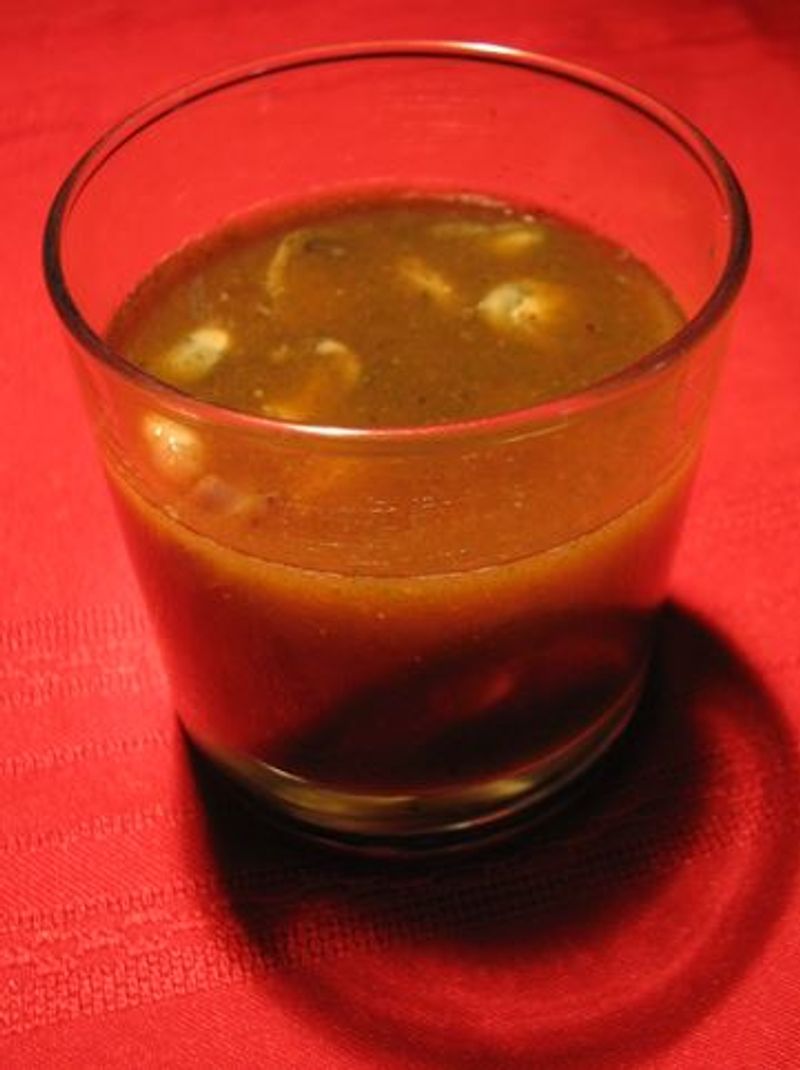
Before shrimp cocktail claimed its throne as America’s go-to starter, oysters held that spot with quiet authority. In 1926, oyster cocktails were a standard opening course in hotel dining rooms and upscale city restaurants across the East Coast and Midwest.
Chilled oysters were arranged in a stemmed glass, typically served with a tomato-based sauce sharpened with horseradish and lemon. The presentation was intentionally elegant, signaling to diners that the meal ahead would be handled with care.
Oysters were affordable and widely available at the time, making them a practical luxury. Coastal supply chains had improved enough that fresh shellfish could reach inland cities with reasonable reliability.
The oyster cocktail occupied a specific social role too, it was ordered to signal sophistication without excess. By the 1930s, shrimp would begin edging oysters off the starter pedestal, but in 1926, this dish was still firmly in fashion.
2. Celery Hearts and Radishes
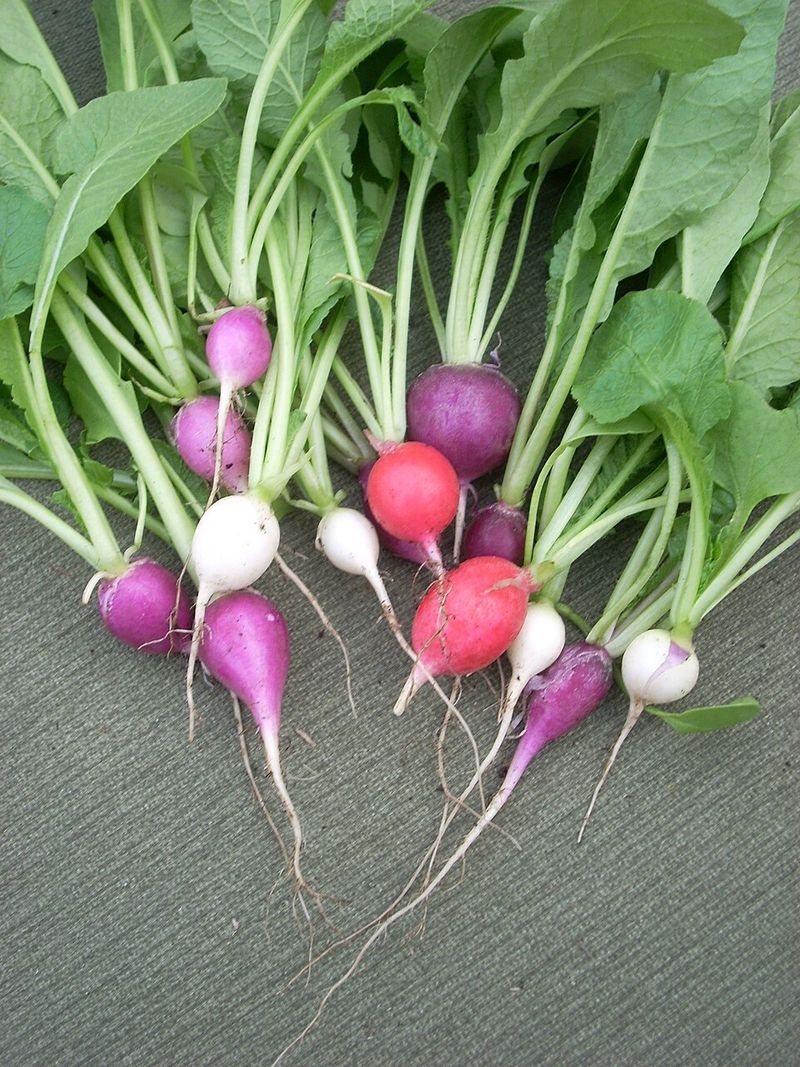
Raw vegetables appearing as a formal course might seem unusual today, but in 1926 it was completely standard. Celery hearts and radishes were placed on the table early in the meal, functioning as a light first course or palate preparation before heavier dishes arrived.
Celery was genuinely popular in this era, not just as a garnish but as a featured ingredient. Pimento-stuffed celery was a common party dish, and celery root appeared frequently in soups and sides.
The vegetable carried a certain freshness that diners appreciated between richer courses.
Radishes added a sharp contrast, providing crunch and a mild bite that cut through the richness of cream soups and roasted meats to follow. Restaurants of the period understood pacing a meal in a way that modern fast-casual dining has largely set aside.
This simple plate of raw vegetables represented a deliberate, structured approach to how a proper dinner should unfold.
3. Cream of Tomato Soup
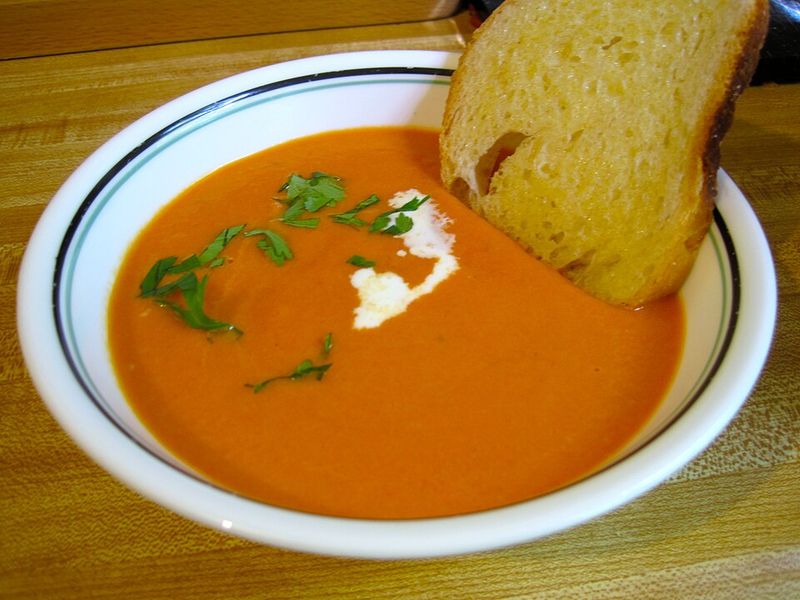
Cream of tomato soup was everywhere in 1926. Hotel dining rooms, chain restaurants, tearooms, and family establishments all carried it, making it one of the most democratic dishes on the decade’s menus.
The Campbell Soup Company had been selling canned condensed tomato soup since 1897, and by the 1920s it had become a kitchen staple. Restaurants that made it from scratch still held an edge, but the dish had crossed firmly into everyday American food culture regardless of where it was prepared.
It was typically served with small crackers or buttered rolls, and the cream gave it a richness that set it apart from thinner tomato broths. Nutritional awareness was also growing during this period, with some progressive restaurant chains like Childs actually listing calorie and vitamin content on their menus by 1926.
Cream of tomato soup, filling and familiar, fit neatly into that emerging health-conscious conversation.
4. Chicken à la King
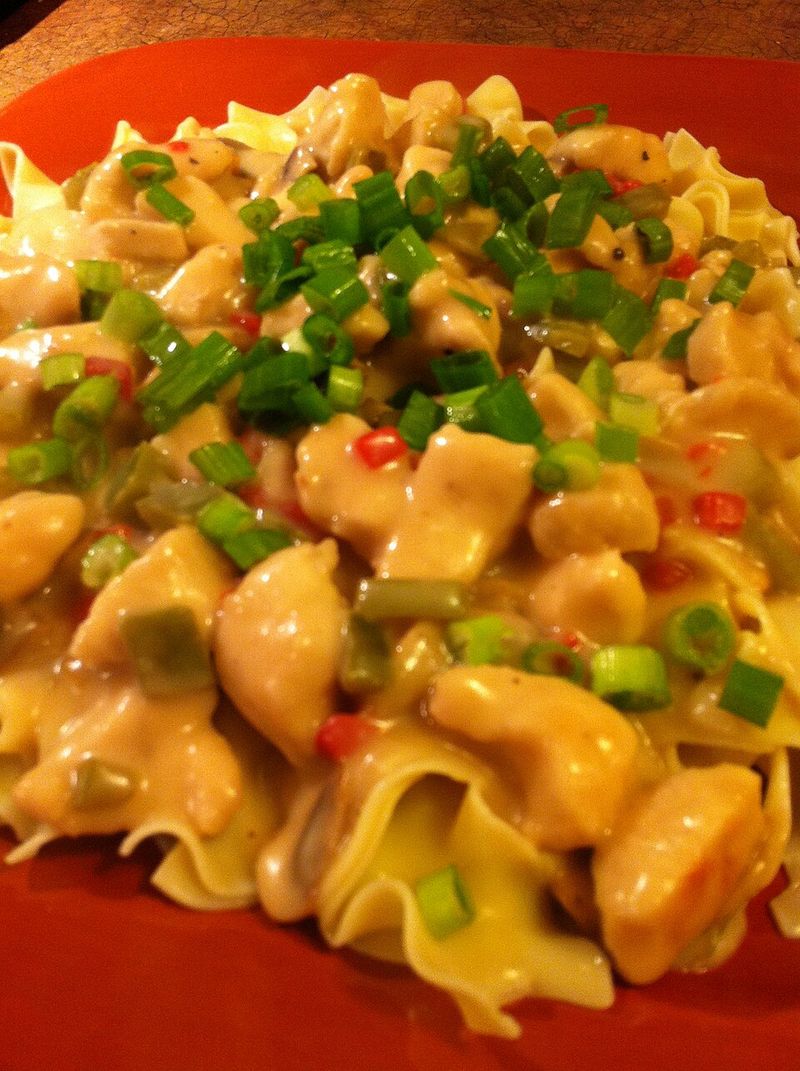
Few dishes captured the spirit of 1920s American fine dining quite like Chicken a la King. It was rich, visually impressive, and flexible enough to appear in hotel ballrooms and mid-range city restaurants alike.
The dish combined diced chicken with mushrooms, pimentos, and green peppers folded into a thick cream sauce. It was served over toast points or puff pastry shells, which gave it a presentation that felt celebratory without requiring exotic ingredients.
Its origins are genuinely disputed. Multiple hotels and restaurateurs from New York to Philadelphia claimed credit for creating it, which only added to its cultural cachet.
By 1926, the debate had long since faded into the background while the dish itself remained a menu fixture. It was the kind of recipe that also translated well into home cooking, appearing in women’s magazines and church cookbooks throughout the decade.
Practical, crowd-pleasing, and unmistakably of its time.
5. Broiled Lake Trout

Freshwater fish held a respected place on restaurant menus in 1926, and lake trout was among the most commonly featured. Hotels near the Great Lakes region in particular could source it reliably, and broiling kept the preparation clean and relatively quick for a busy kitchen.
The dish typically arrived with drawn butter, fresh parsley, and a selection of seasonal vegetables. It was considered a lighter alternative to the heavier beef and pork dishes that dominated the main course section, and diners who wanted something less indulgent often gravitated toward it.
Improved refrigeration technology in the 1920s, including Clarence Birdseye’s flash-freezing methods developed during this decade, was beginning to change how fish could be stored and transported. That meant restaurants farther from coastlines or lakeshores could offer fish dishes with more confidence than previous generations.
Broiled lake trout was both a product of its geography and a beneficiary of new food science.
6. Roast Prime Rib of Beef
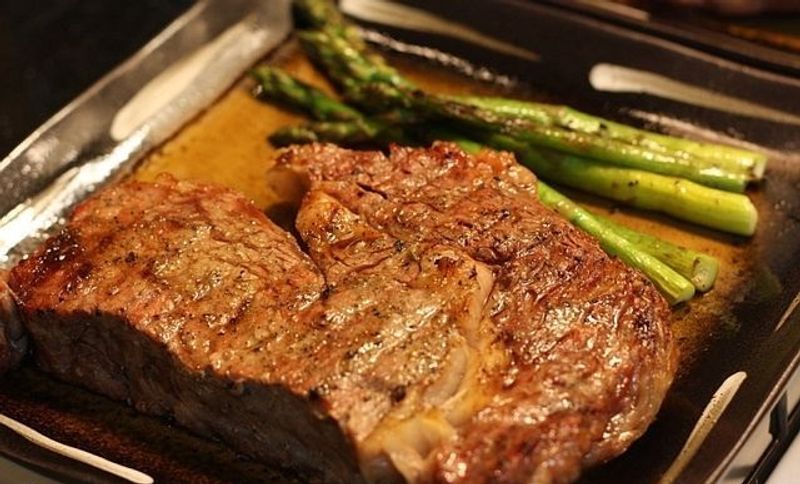
Prime rib was the anchor of the dinner menu in 1926. It signaled abundance, tradition, and a kitchen confident enough in its product to let the beef speak for itself.
Hotel dining rooms featured it as a centerpiece, and ordering it was understood as choosing the definitive meal of the evening.
Thick slices were carved tableside in the grandest establishments, then plated with roasted or mashed potatoes and a rich brown gravy. The combination was straightforward by design.
There was no need to dress it up with complicated sauces when the quality of the beef itself was the point.
Beef consumption in the United States was climbing steadily during the 1920s as incomes rose and supply chains improved. Stockyards in Chicago and Kansas City were processing record volumes, making quality cuts more accessible to restaurants at various price points.
A T-bone steak at a modest diner in 1926 could cost as little as forty cents with sides included.
7. Lamb Chops with Mint Jelly
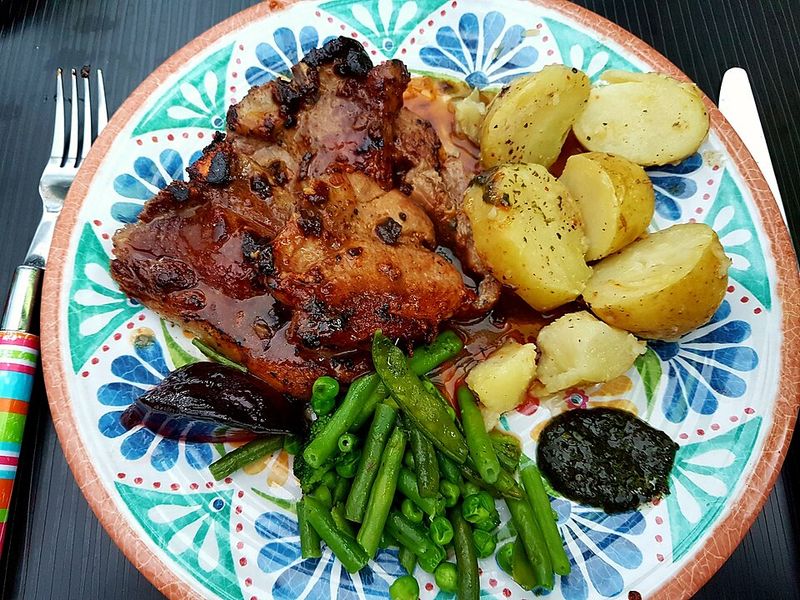
Lamb was a far more common menu item in 1920s America than it is today. Per capita lamb consumption in the United States was notably higher during the first half of the twentieth century, and restaurants reflected that reality without hesitation.
Mint jelly was the expected accompaniment, and the pairing had roots in British culinary tradition that American fine dining had absorbed and made its own. The sweetness of the jelly provided a counterpoint to the stronger flavor of the lamb, and the combination had been standard long enough by 1926 that ordering lamb without it would have seemed unusual.
Lamb chops were typically broiled and served simply, with potatoes and a vegetable rounding out the plate. The dish was neither exotic nor particularly trendy in 1926, it was just a reliable, well-regarded choice.
Its decline on American menus over the following decades has more to do with shifting agricultural economics than any change in how the dish was prepared.
8. Veal Cutlets Milanese
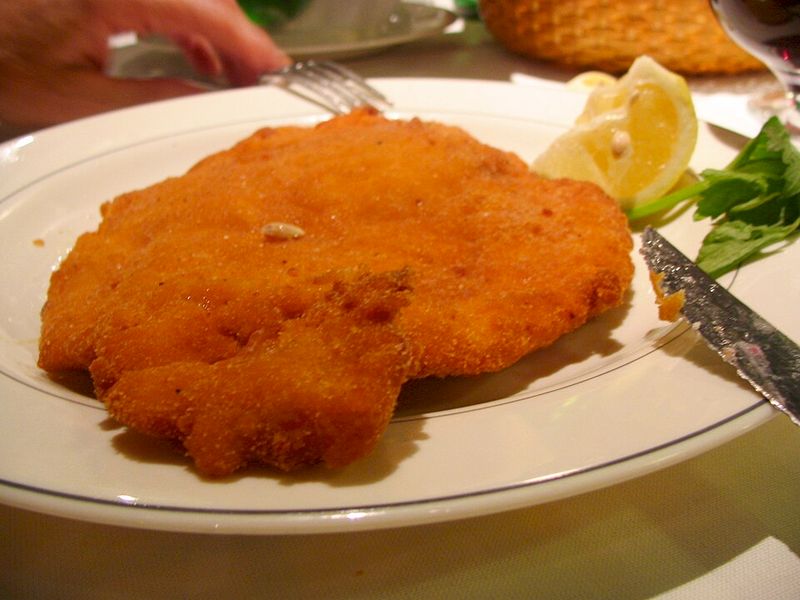
European culinary influence ran deep in American restaurant kitchens during the 1920s, and Veal Cutlets Milanese was one of the clearest examples of that connection. The dish came directly from Italian tradition, specifically from Milan, where breaded and fried veal cutlets had been a regional staple for generations.
In American restaurants of 1926, it offered a sense of continental sophistication that diners found appealing. The preparation was straightforward: veal was pounded thin, coated in breadcrumbs, fried until golden, and finished with a squeeze of lemon.
The simplicity was the point.
Italian-American food culture was gaining visibility during this period, partly through the growth of Italian immigrant communities in major cities. Spaghetti and meatballs appeared on menus alongside dishes like this one, showing that Italian cuisine occupied multiple registers in American dining, from the everyday to the upscale.
Veal Cutlets Milanese sat comfortably at the refined end of that spectrum.
9. Saratoga Chips
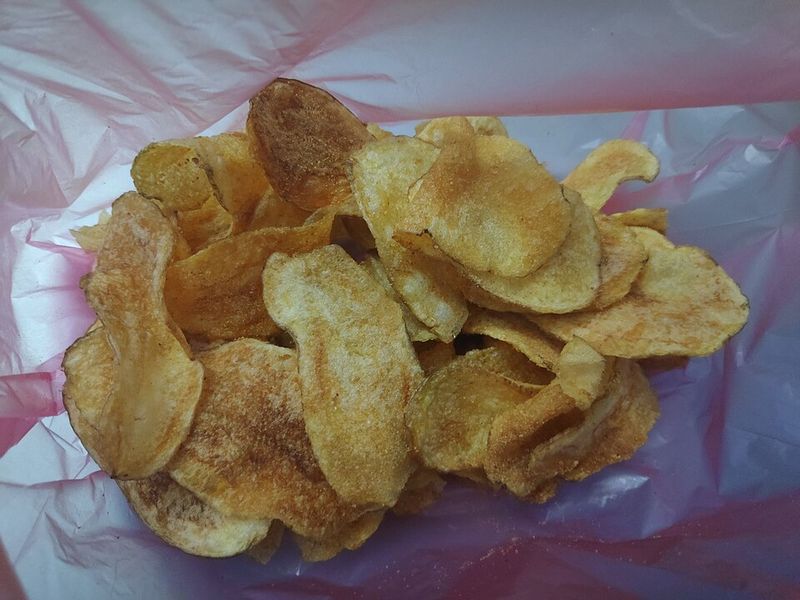
Most people today know them simply as potato chips, but in 1926 the more formal name Saratoga chips was still widely used on restaurant menus. The name traced back to Saratoga Springs, New York, where thin-sliced fried potatoes had become famous at resort hotels in the late nineteenth century.
By the 1920s, they appeared regularly as a side dish rather than a snack, served alongside meat and fish entrees to add a crispy contrast to the plate. Their presence on a printed menu gave them a legitimacy that set them apart from street food or casual fare.
Commercial potato chip production was also expanding rapidly during this decade. Companies were beginning to package and sell chips in wax paper bags, moving the product toward the mass-market snack it would eventually become.
In 1926, though, Saratoga chips still carried enough of their resort-town origins to feel like a deliberate, slightly refined choice on a dinner menu.
10. Creamed Spinach
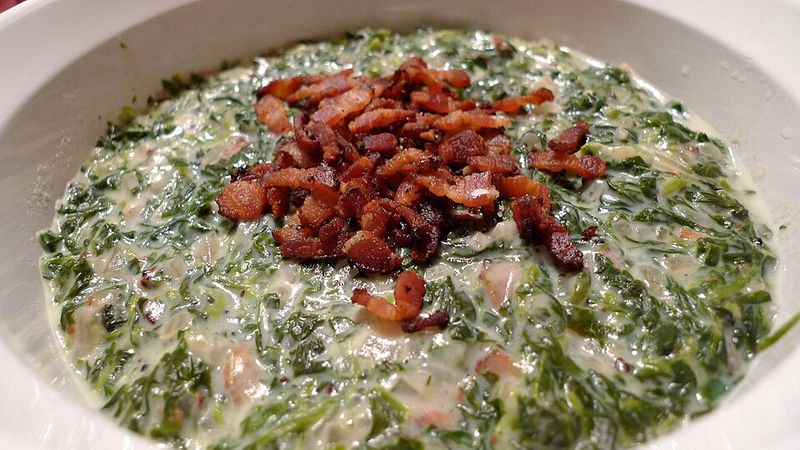
Rich cream sauces transformed vegetables into something diners were genuinely willing to order in 1926. Creamed spinach was a dependable side dish that appeared across restaurant types, from hotel dining rooms to modest city eateries, because it worked well alongside almost any main course.
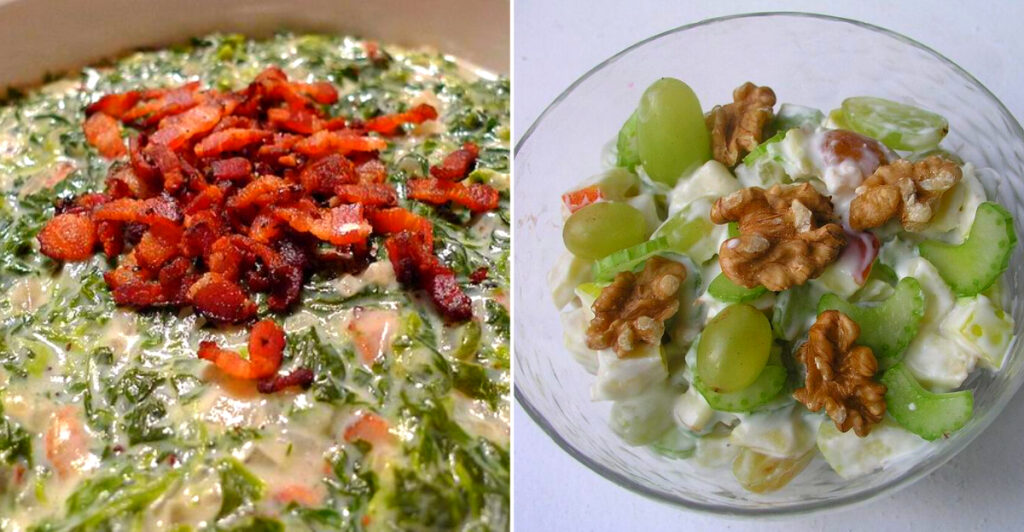
The preparation involved cooking spinach down, then folding it into a thick bechamel or cream reduction. The result was dense, filling, and visually appealing on the plate, a deep green against white china.
It added both color and substance to a meal built around roasted meats or broiled fish.
Vegetables prepared this way reflected the era’s general cooking philosophy: raw or lightly cooked vegetables were for the appetizer course, while the side dishes accompanying the main event were expected to be richer and more substantial. Creamed spinach fit that expectation perfectly.
It has never entirely left American menus, which is a testament to how well the combination of simplicity and indulgence holds up over time.
11. Waldorf Salad
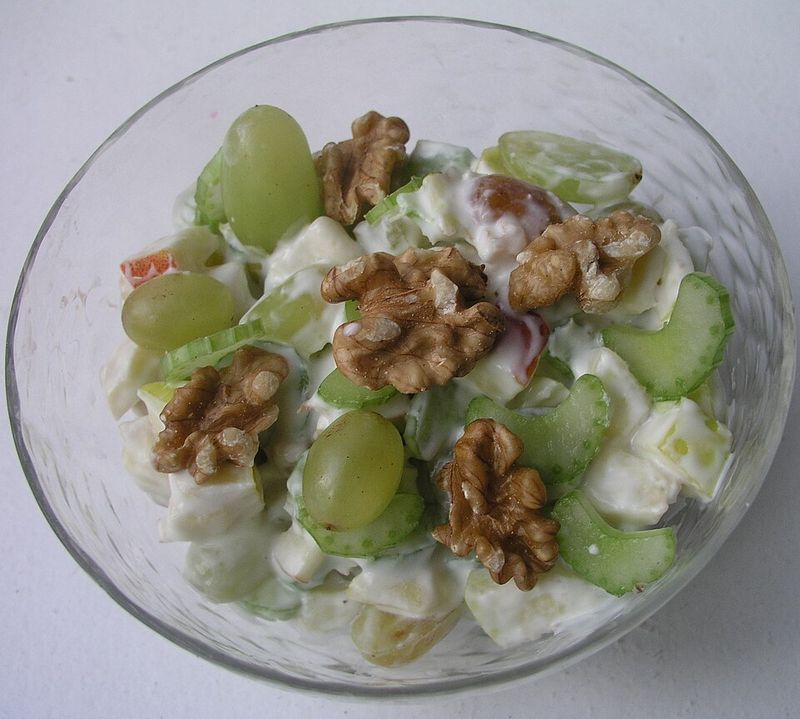
The Waldorf Salad had already been around for about three decades by 1926, having been created at the Waldorf-Astoria Hotel in New York City in the 1890s. That origin story gave it an ongoing prestige that kept it on fashionable menus long after its debut.
The original version combined apples and celery with mayonnaise. Walnuts were added later and became a standard part of the recipe by the time the 1920s rolled around.
The result was a salad that offered crunch, sweetness, and creaminess in a single course.
Salads in 1926 occupied a specific place in the meal structure, usually appearing after the soup course or between the main and dessert. The Waldorf version was considered upscale enough for hotel dining rooms but accessible enough to be replicated at home.
Women’s magazines of the period published versions of it regularly, which helped cement its reputation as both a restaurant dish and a respectable home recipe.
12. Parker House Rolls
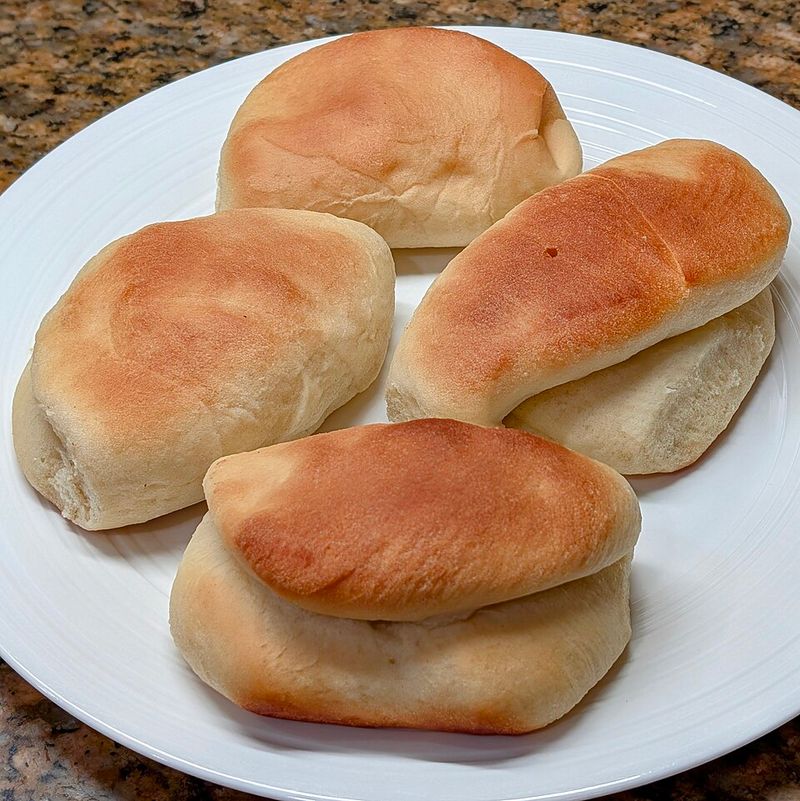
Warm dinner rolls were not optional in a proper 1920s restaurant meal, they were expected. Parker House rolls, named after the Parker House Hotel in Boston where they were developed in the nineteenth century, were among the most recognized and requested varieties.
Their defining characteristic was a fold-over shape that created a soft interior pocket, ideal for holding a pat of butter. The dough was enriched with milk and butter, giving the rolls a slightly sweet, tender quality that set them apart from plainer bread options.
By 1926, the Parker House roll had moved well beyond its Boston origins. Recipes appeared in national cookbooks, and bakeries across the country produced versions of them.
Restaurants that served them fresh from the oven understood that bread quality signaled kitchen standards to diners before the entree even arrived. A good roll was a small but meaningful statement about how seriously a kitchen took its work.
13. Baked Alaska
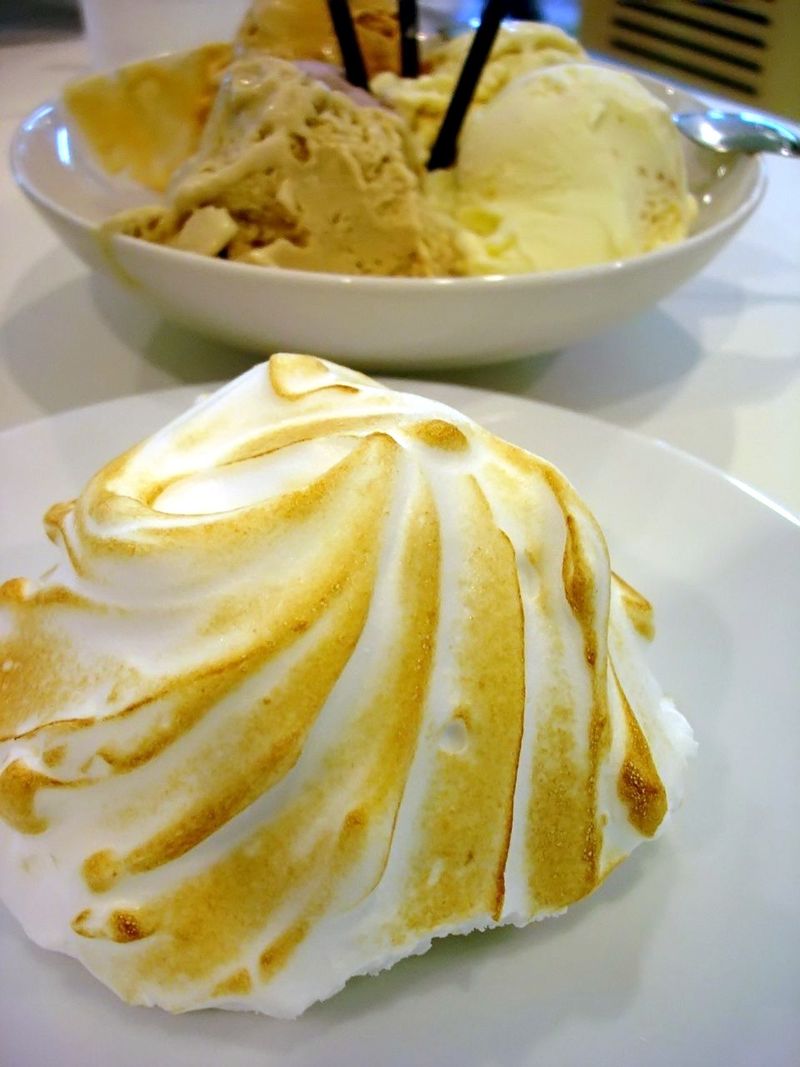
Ordering Baked Alaska in 1926 was a statement. The dessert combined sponge cake and ice cream topped with meringue that was briefly heated until the outside browned while the ice cream inside stayed frozen.
The contrast seemed almost impossible, which was precisely the point.
The dish had origins in the 1860s, reportedly developed at Delmonico’s restaurant in New York City. By the 1920s it had become a reliable showpiece for restaurants that wanted to demonstrate technical skill and give diners something worth talking about after the meal.
Producing it required timing and confidence from the kitchen staff. Ice cream technology had improved enough by the 1920s that maintaining the frozen interior during the brief oven exposure was manageable, but it still required attention.
Baked Alaska represented a category of dessert that rewarded the diner for choosing the full experience of a formal meal rather than leaving early. It was a fitting close to an evening built around careful, deliberate cooking.
Share this story