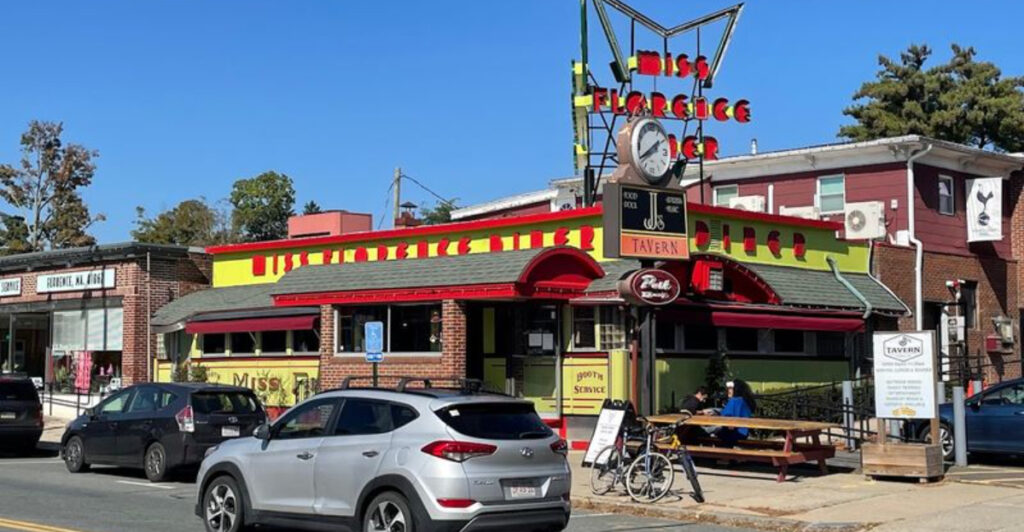
There is a small diner in Florence, Massachusetts, that has been feeding the community since 1941, and it still looks almost exactly the way it did on opening day. The building itself is a genuine 1941 Worcester Lunch Car, a classic diner car style that helped define American roadside culture, and it now sits proudly on the National Register of Historic Places.
That alone would be enough to make a visit worthwhile, but the fact that the kitchen is still turning out hearty breakfasts and lunches every single week makes this place something truly rare. This is the story of a landmark that has survived decades of change without losing a single ounce of its original character.
What Makes a Worcester Lunch Car Special
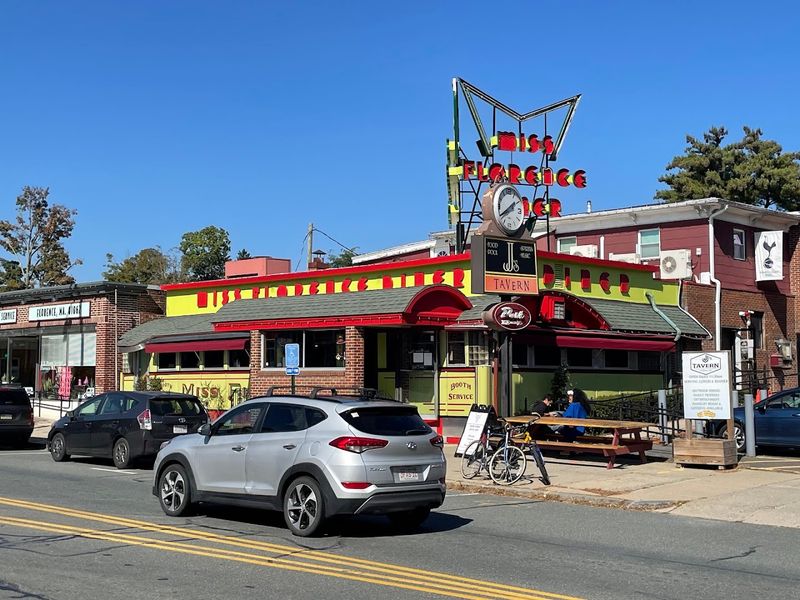
The Worcester Lunch Car Company was based in Worcester, Massachusetts, and between 1906 and 1961 it produced hundreds of prefabricated diners that were shipped across the country. Each one was built like a precision product, with porcelain enamel panels, stainless steel trim, and a compact but highly functional layout designed to feed a crowd quickly and efficiently.
Car No. 812, which is the official designation for the Miss Florence Diner unit, was delivered in 1941. That makes it one of the later models produced before wartime materials shortages slowed the company’s output considerably.
Only a small number of Worcester Lunch Cars survive today in anything close to original condition, and even fewer are still operating as working diners. The craftsmanship that went into these structures was remarkable for its era, and the Miss Florence unit stands as a well-preserved example of that mid-century American manufacturing tradition that shaped the country’s food culture for generations.
The National Register of Historic Places Honor
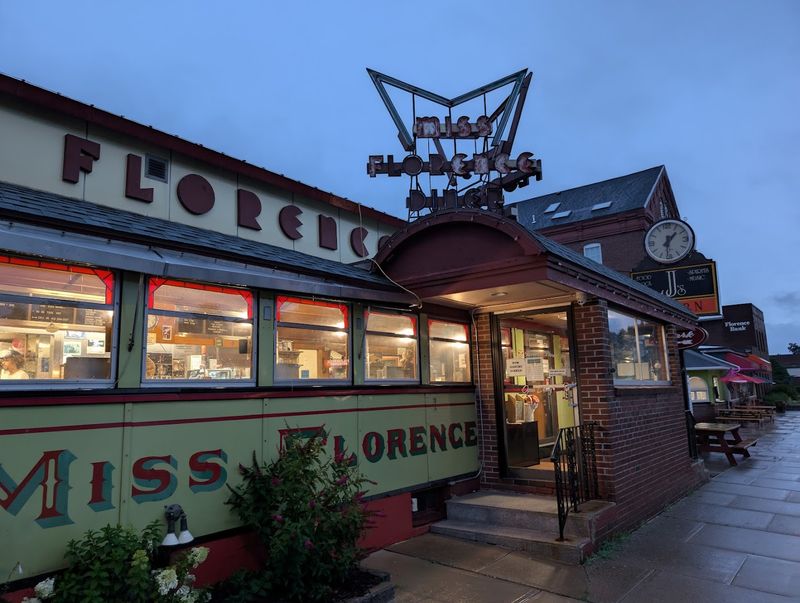
Being listed on the National Register of Historic Places is not a casual achievement. It requires documentation, historical significance, and a demonstrated connection to broader American cultural or architectural history.
Miss Florence Diner earned its listing precisely because it represents a vanishing type of American roadside architecture.
The designation recognizes the diner both as a physical artifact of mid-twentieth-century manufacturing and as a piece of living community history. Unlike many historic buildings that become museums or offices, this one kept doing exactly what it was built to do.
The National Register listing also means the structure is protected and documented at the federal level, which adds a layer of permanence to its story. For guests sitting at the counter or settling into a booth, the designation is a quiet reminder that the space around them carries genuine historical weight.
That kind of context changes how a simple breakfast can feel, even without trying to make it more than it is.
The Layout Inside the Diner Car
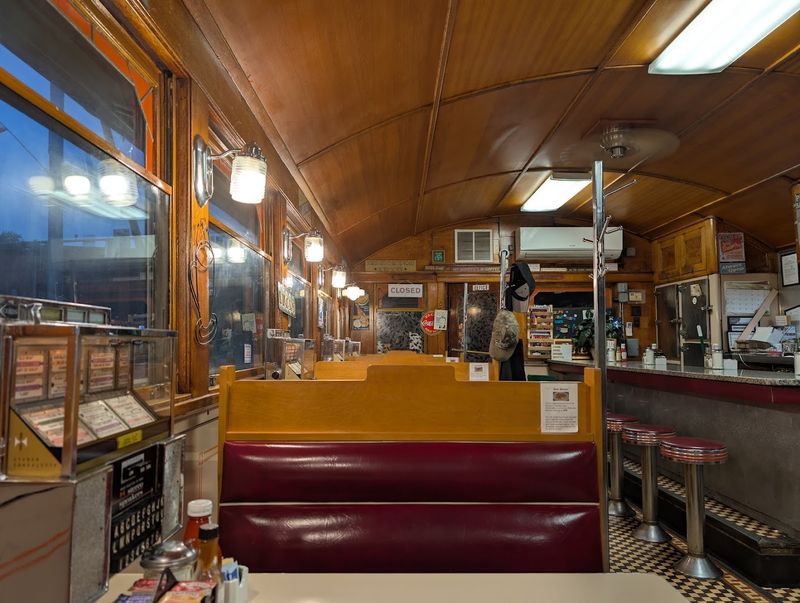
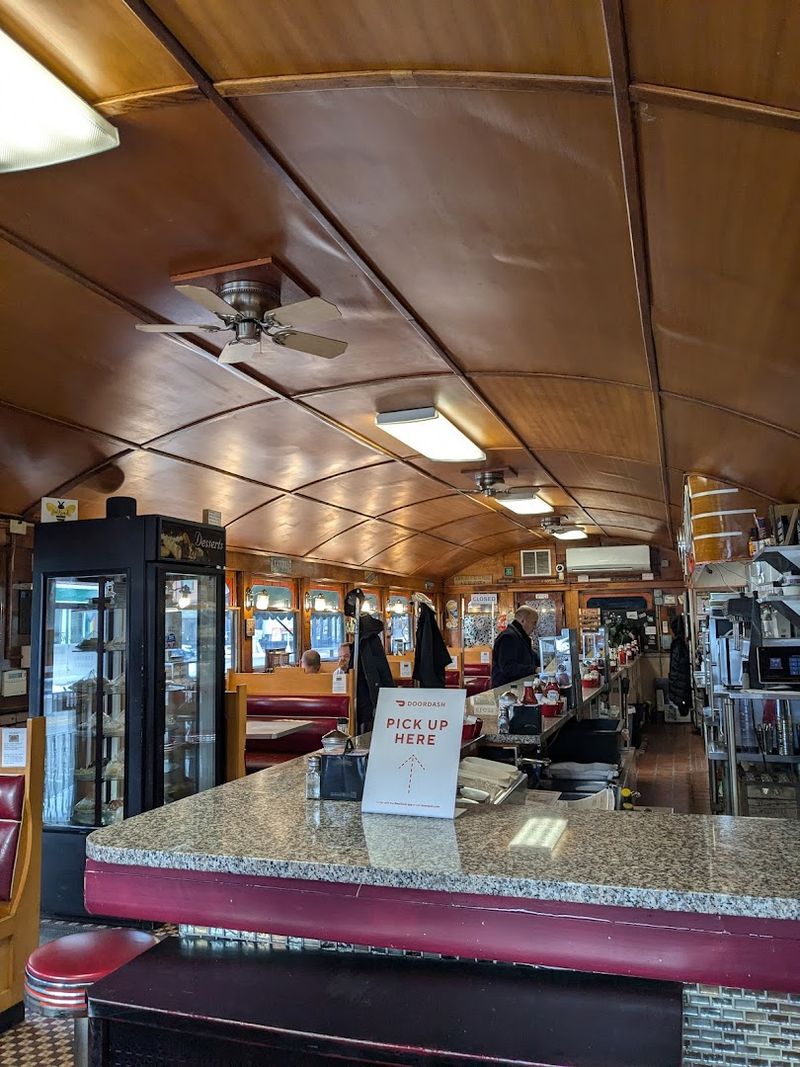
The interior of Miss Florence Diner follows the classic Worcester Lunch Car floor plan almost exactly as it was originally configured. A long counter runs down one side, lined with fixed stools where solo diners and regulars tend to gravitate.
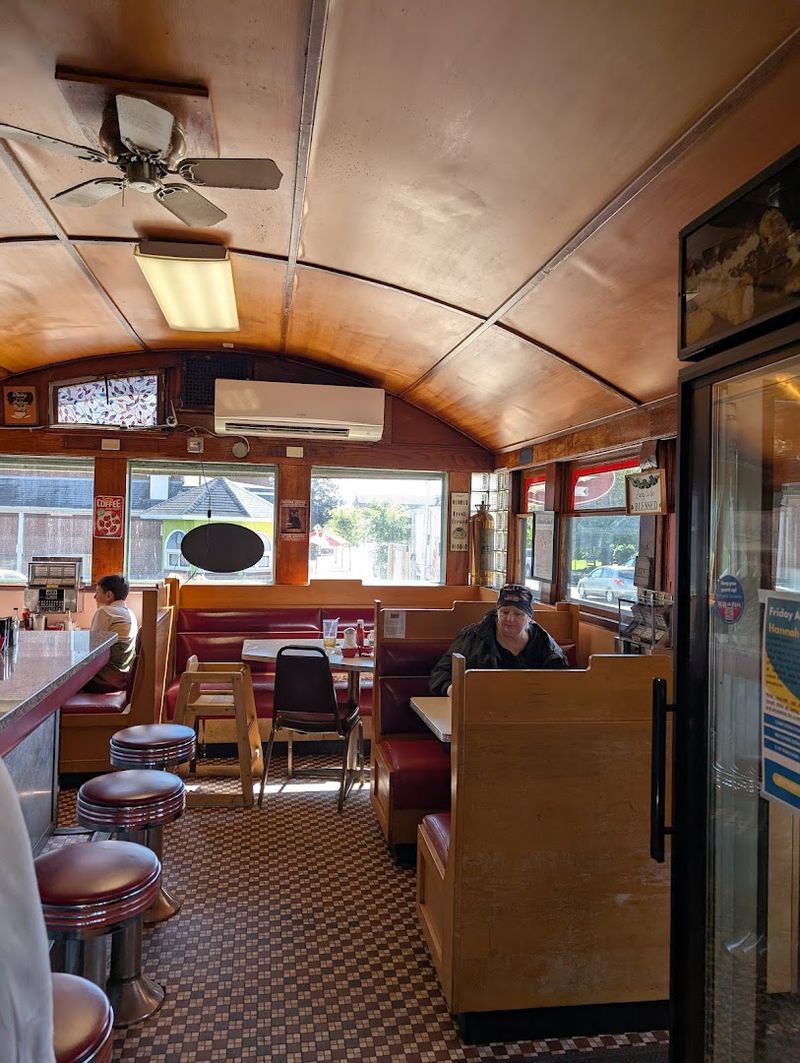
Booths run along the opposite wall, offering a bit more room for groups or families.
The ceiling is low, the space is narrow, and every inch has a purpose. That compact efficiency is part of what made the diner car format so popular during its peak years, because it allowed a small kitchen crew to serve a full dining room without unnecessary steps or wasted space.
Table jukeboxes are one of the most talked-about features inside the diner, adding a layer of retro authenticity that most modern restaurants simply cannot replicate. The overall effect is a room that feels genuinely unchanged, not because someone tried to recreate a vintage aesthetic, but because very little has actually been altered since 1941.
Table Jukeboxes and the Music Connection
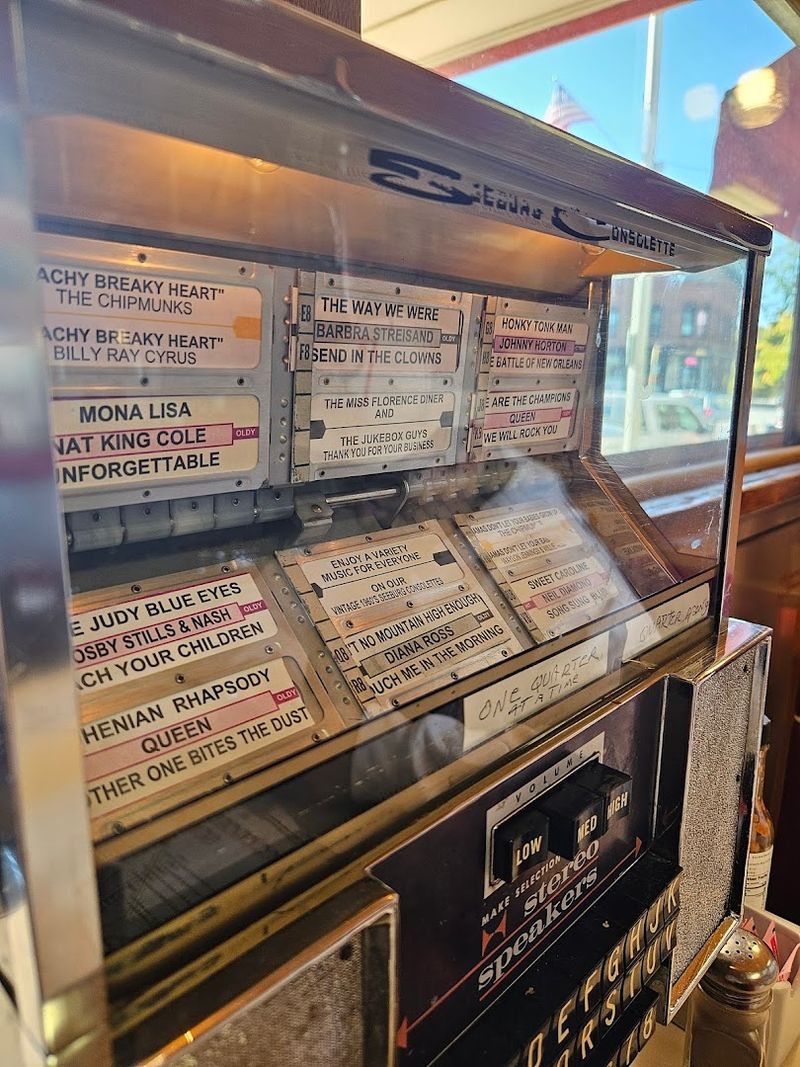
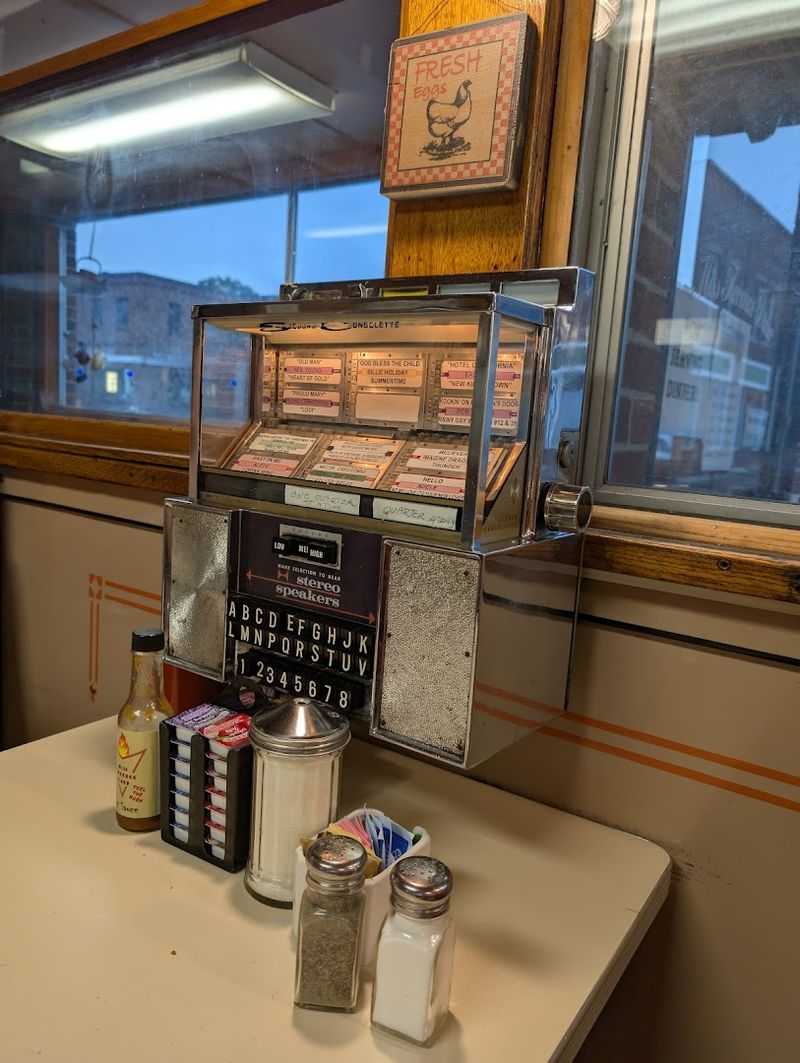
Few details inside Miss Florence Diner get as much attention as the table jukeboxes. These small, coin-operated music selectors sit right at the booth tables, allowing guests to flip through song titles and choose what plays overhead.
They are a direct connection to the diner culture of the 1940s and 1950s, when music was a central part of the dining experience.
The jukeboxes require quarters to operate, which is a small price for the novelty of controlling the soundtrack of your meal. The selection leans toward classic American music, which fits the overall atmosphere without any awkwardness.
For younger guests who have never encountered a table jukebox before, the machines tend to spark genuine curiosity. For older guests, they carry a different kind of weight, one tied to memory and familiarity.
Either way, the jukeboxes are not just decorations. They are functional pieces of the diner’s identity, and they keep the 1940s era feeling very much alive during every visit.
Breakfast Hours and Weekly Schedule
Miss Florence Diner keeps a schedule that reflects its roots as a working neighborhood diner rather than a trendy brunch destination. Monday through Wednesday, the diner operates from 7 AM to 8 PM, making it one of the few times during the week when dinner service is available.
Thursday and Friday hours run from 7 AM to 3 PM, while Saturday opens slightly later at 7:30 AM and closes at 3 PM.
Sunday hours are the shortest of the week, with service running from 8 AM to 2 PM. That makes early planning a smart move, especially on weekends when the diner tends to draw a crowd and seating inside the compact car fills up quickly.
The staggered schedule is worth checking before making a trip, particularly for anyone hoping to catch dinner service, which is only available at the start of the week. The website at imissflorencediner.com carries the most current hours and any seasonal changes that might apply.
The Atmosphere That Regulars Keep Coming Back For
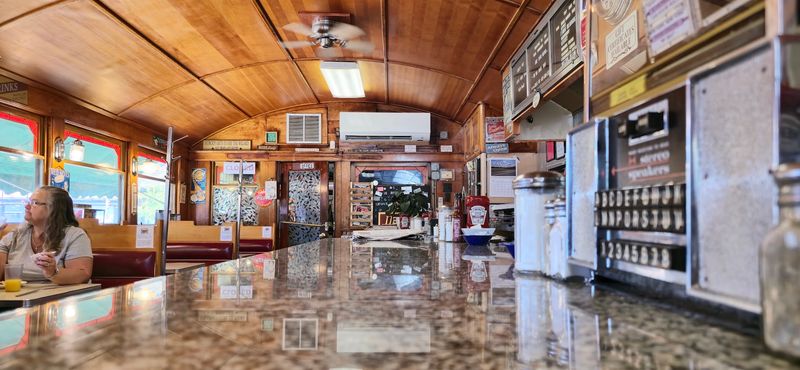
There is a particular kind of comfort that comes from a diner where the staff knows the regulars by name and the coffee never stays empty for long. Miss Florence Diner has cultivated exactly that kind of atmosphere over its eight-plus decades of operation, and it shows in the way the room functions on a busy morning.
The counter seats tend to fill with locals who treat the diner as a daily ritual rather than an occasional outing. The staff moves with the practiced efficiency of a crew that has handled full houses many times before, keeping things moving without making anyone feel rushed.
New guests often notice how quickly they feel at home in the space, partly because the layout is so familiar from old movies and photographs, and partly because the staff extends the same warmth to first-timers that they give to regulars. That consistency is genuinely rare in the restaurant world and speaks to the culture that has built up inside these walls over generations.
A Menu Built on American Comfort Classics
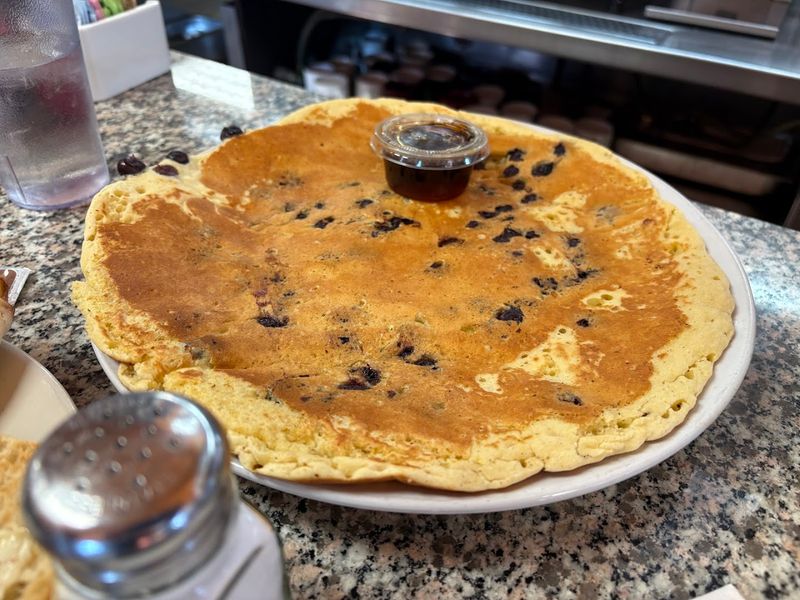
The menu at Miss Florence Diner is broad by diner standards, covering the full range of American breakfast and lunch staples without veering into trendy territory. Pancakes come in generous sizes that have genuinely surprised guests who ordered more than one.
Omelettes, egg dishes, French toast, and corned beef hash round out the morning offerings.
Lunch options extend the range further, with sandwiches, dinner plates on select evenings, and classic American comfort food that suits the historic setting. Portions are consistently described as large, which is very much in keeping with the diner tradition of sending people home full.
The menu also features some creative seasonal and specialty items that give returning guests something new to try without abandoning the core identity of the place. Researching the menu online before arriving is a practical tip, especially given how many options are available and how quickly decisions need to be made once the server arrives at a busy table.
What Makes the Counter Seats Worth Choosing
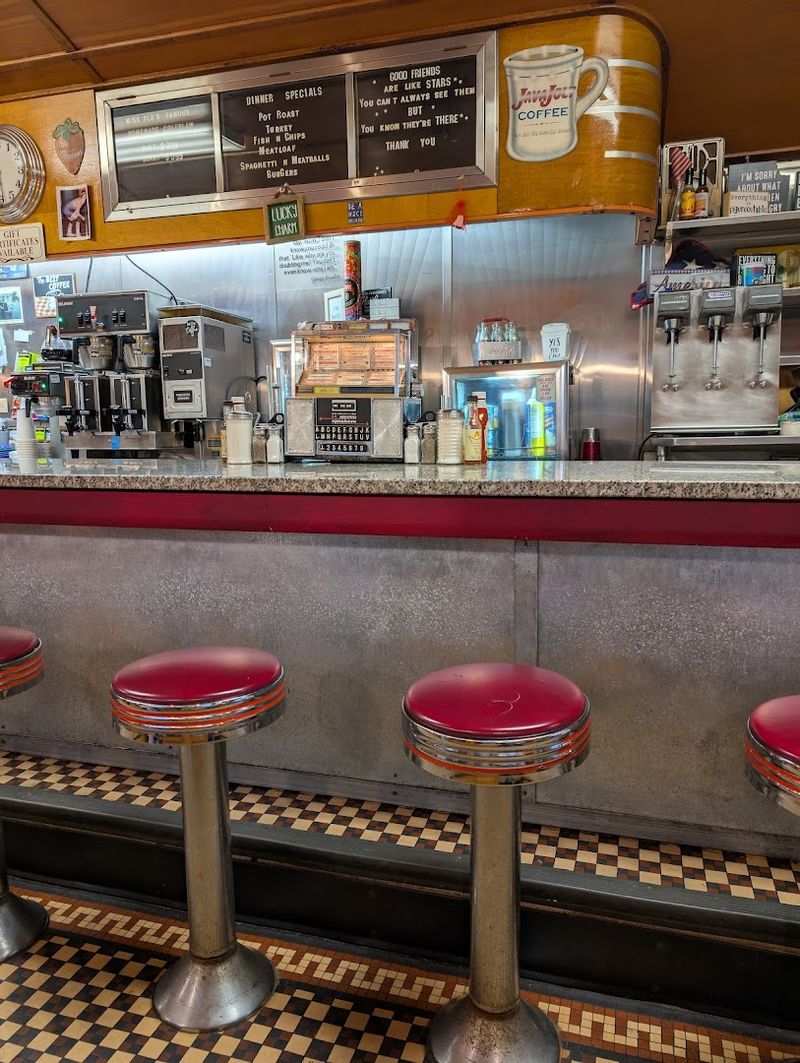
Counter seating at a classic diner is its own distinct experience, and Miss Florence Diner delivers it in the most authentic way possible. The stools run along the original counter, putting guests directly across from the kitchen activity and the staff who keep everything running.
For solo travelers or anyone who enjoys a more social breakfast, the counter is the best seat in the house. Conversation flows naturally in that setting, and the proximity to the kitchen means food arrives quickly.
Several guests have specifically noted the one-sided booth options that make solo dining feel comfortable rather than awkward.
The counter format also gives a clear view of the original diner car interior, including the low ceiling, the vintage fixtures, and the compact kitchen layout that has not changed significantly since the car was first installed. Choosing a counter seat is essentially choosing the most direct connection to the 1941 experience that the diner was built to provide from day one.
The Private Label Soda and Small Details
Beyond the food and the historic setting, Miss Florence Diner has a few small details that tend to catch guests off guard in the best way. The diner carries its own private label soda, which is an unusual touch that sets it apart from the standard fountain drink lineup found at most comparable establishments.
These kinds of small, specific choices reflect a deliberate effort to maintain an identity that is entirely its own. A private label soda is not a major selling point on its own, but it adds to the cumulative effect of a place that takes its distinctiveness seriously across every detail of the operation.
The miniature jukeboxes at the tables, the vintage music playing in the background, the classic counter layout, and a house soda all contribute to a visit that feels curated without feeling forced. The authenticity at Miss Florence comes from decisions that were made decades ago and have simply never been reversed, which is a rarer achievement than it might sound.
Tips for Visiting Without the Wait
Miss Florence Diner is a compact space, and on busy weekend mornings the wait for a table can stretch longer than expected. The diner does not take reservations in the traditional sense, so arriving early is the most reliable strategy for avoiding a long wait outside.
Weekday mornings tend to move more smoothly than weekend rushes, and arriving close to opening time gives the best chance of walking straight to a seat. Thursday and Friday lunch hours can also be a solid option for those with flexible schedules who want a quieter experience inside the diner car.
The seating process has occasionally been noted as informal, with guests directed to various waiting spots without a strict queue. Coming prepared for that casual approach and staying patient pays off once a seat opens up.
The wait, when it happens, is genuinely worth it, and most guests who have stood outside for twenty minutes end up glad they stayed rather than leaving for somewhere else.
A Florence Address With Deep Roots
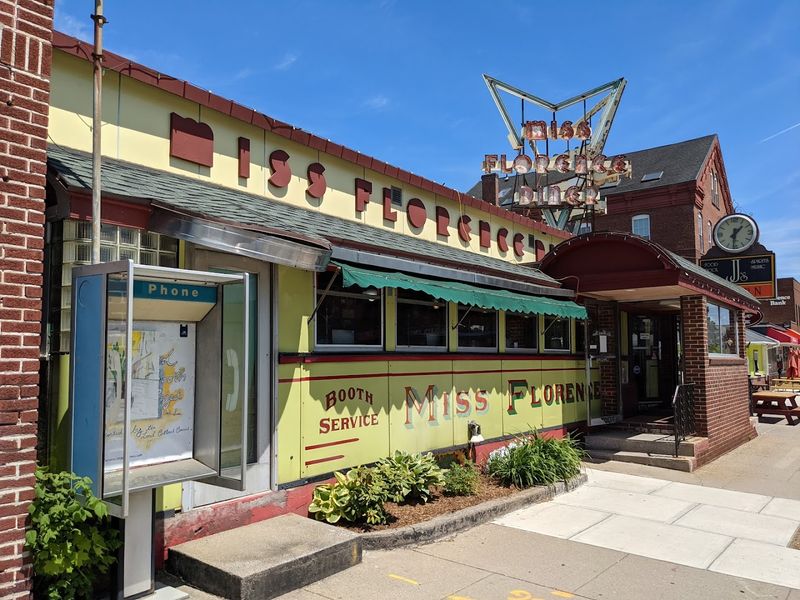
Right on the main road through Florence, Massachusetts, Miss Florence Diner sits at 99 Main St, Florence, MA 01062, tucked into a quiet stretch of this small Western Massachusetts village that is part of the city of Northampton.
The diner occupies a spot that feels like it has always been there, because it essentially has. The Worcester Lunch Car that houses the diner was manufactured in 1941 and installed at this very location, making it one of the few surviving examples of its kind still operating at its original address.
Florence itself is a neighborhood with a strong working-class history, and the diner has always reflected that spirit. The surrounding area is modest and unpretentious, which suits the diner perfectly.
Knowing exactly where to find it is half the adventure, and once you arrive, the low-slung stainless steel exterior makes it unmistakably clear that this is no ordinary stop along Main Street.
Share this story