California wine country is so much more than Napa and Sonoma. Tucked between mountain ranges, coastal valleys, and Gold Rush towns, there are dozens of wine regions quietly building something special.
I stumbled onto a few of these spots by accident, and each one surprised me in the best way possible. From old-vine Zinfandel country to surf-and-sip coastal towns, these 12 under-the-radar destinations are turning heads for all the right reasons.
Anderson Valley, Mendocino County, California
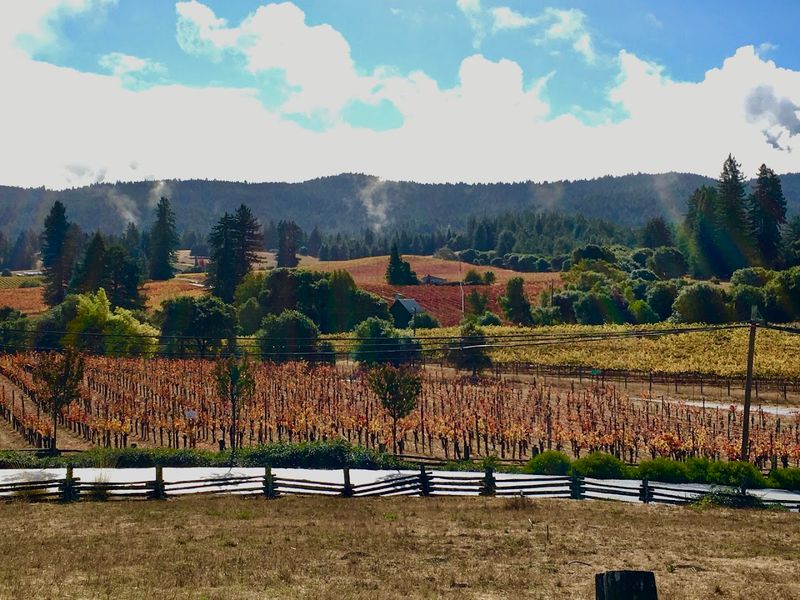
Forget the crowds. Anderson Valley moves at its own unhurried pace, and that is precisely why wine lovers keep coming back.
Cool coastal air rolls through Boonville and Philo, coaxing out some of California’s most expressive Pinot Noir and sparkling wines.
The food scene here is quietly impressive. The Madrones in Philo pulls off something rare: a tasting room, lodging, and wood-fired kitchen all under one roof.
The meals feel like they grew from the land around you, which is not an exaggeration given how much local produce shows up on every plate.
Redwood-lined drives between wineries are basically free therapy. Skip the resort polish and lean into the valley’s honest, unhurried character.
Anderson Valley is proof that the best wine trips do not always come with a valet.
Lodi, San Joaquin County, California
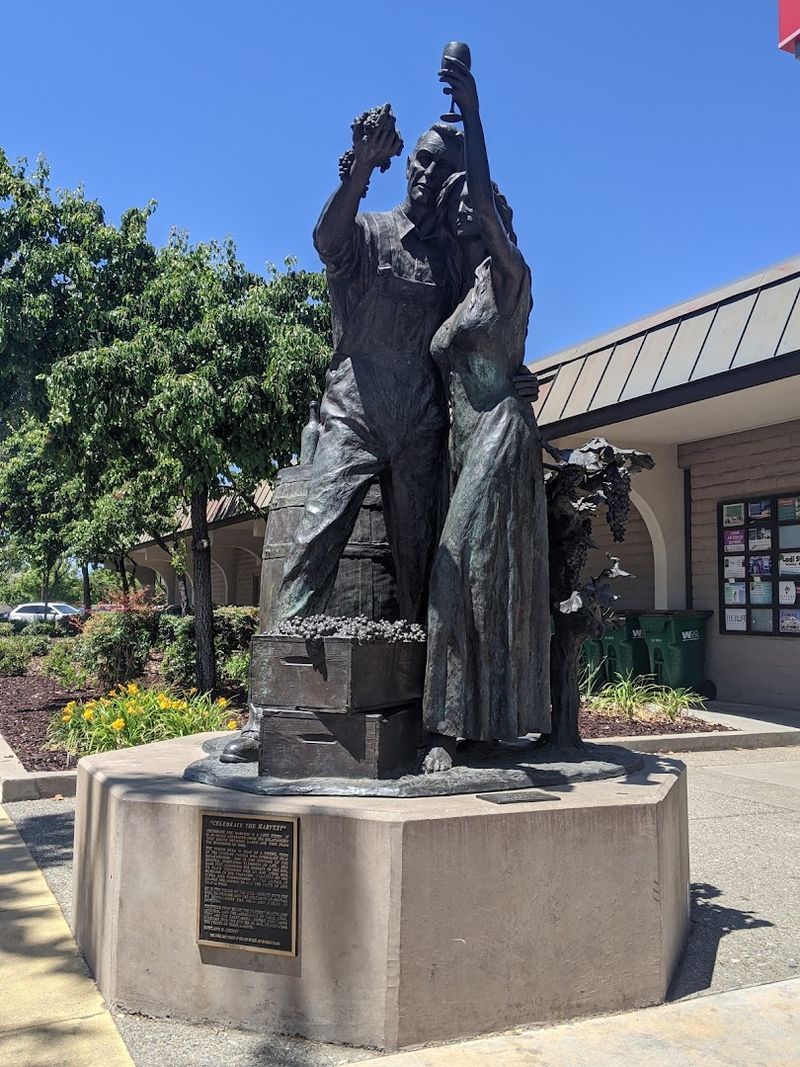
Old vines have a lot to say, and Lodi’s century-old Zinfandel blocks are practically shouting. This Central Valley town has been quietly growing some of California’s most interesting grapes while the wine press obsessed over Napa.
The variety here is genuinely surprising.
Downtown Lodi has evolved into a legit destination. Good restaurants, walkable tasting rooms, and a food scene with actual momentum make it easy to stretch a Saturday into a full weekend.
The Lodi Wine Visitor Center is the smartest first stop, letting you sample from dozens of producers before committing to a full tasting.
Smaller wineries here still feel personal. You might end up chatting with the winemaker over a pour of Albariño or Kerner, two grapes you definitely did not expect to find this far inland.
Lodi keeps surprising people, which is exactly what makes it worth the detour.
Amador County, Sierra Foothills, California

Gold Rush history and great Barbera in the same afternoon? Amador County is that kind of overachiever.
Sutter Creek and Plymouth are small towns with big personalities, and the Shenandoah Valley wine trail that connects them is one of California’s most underrated drives.
The wine lineup here skews Italian and Rhone, which makes Amador feel distinctly different from the Cabernet-heavy regions further west. Zinfandel is still the star, but Barbera and Sangiovese are putting in strong supporting performances.
Local restaurants lean seasonal and hearty, the kind of cooking that actually matches the wines being poured nearby.
I spent a Saturday hopping between Main Street tasting rooms and a countryside winery with a picnic table view that cost nothing extra. Amador is old California wine country without the velvet rope.
That authenticity is becoming increasingly rare, which makes it increasingly valuable.
El Dorado County, Sierra Foothills, California
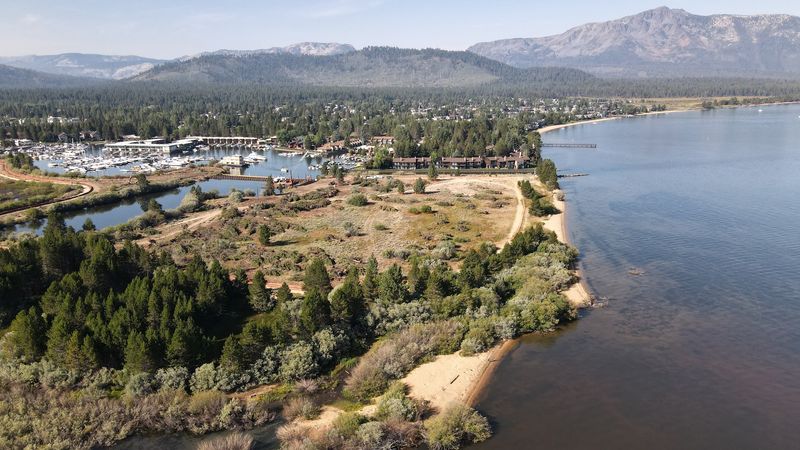
El Dorado County might be the only wine region where you can taste Cabernet, buy a bag of apples, eat Roman-style pizza, and explore a Gold Rush ghost town all before dinner. High-elevation vineyards produce wines with a brightness that lower-altitude regions simply cannot replicate.
Apple Hill is the not-so-secret weapon here. Farm stands, cider stops, and bakeries line the roads between wineries, turning a tasting day into something that feels more like a treasure hunt.
Placerville anchors the area with historic charm and enough good restaurants to round out an evening properly.
The adventure factor is real. El Dorado does not feel curated or packaged.
It rewards the curious traveler who enjoys making unexpected stops and discovering that the winery down the dirt road pours something genuinely special. Pack snacks, keep the schedule loose, and let the mountain roads do the rest.
Livermore Valley, Alameda County, California
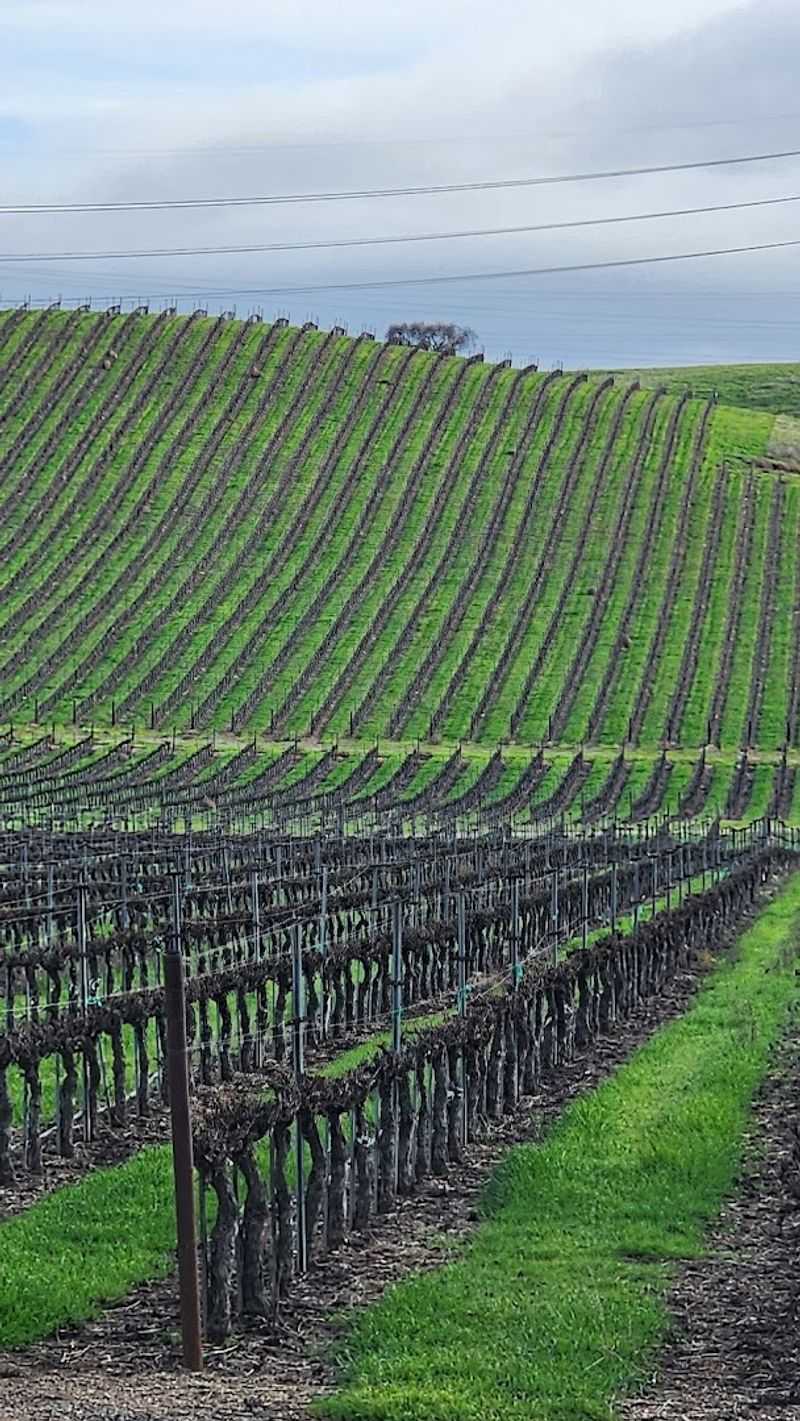
Livermore Valley has been making wine since the 1880s, which means it was already old when Napa was still figuring things out. Yet somehow it still feels like a discovery.
Located just east of San Francisco, it offers over 40 wineries without the weekend gridlock of more famous regions.
Cabernet Franc and Sauvignon Blanc have emerged as the valley’s calling cards, giving Livermore a clearer identity than it had a decade ago. The downtown dining scene has kept pace, with restaurants and wine bars that make it easy to extend a tasting day into a full overnight stay.
Convenience is the underrated selling point. Wine country, good food, and comfortable hotels are all within easy reach of each other.
Livermore is the kind of place that earns a loyal following once people actually visit, which is why the secret is slowly getting out.
Santa Cruz Mountains, Santa Cruz County, California
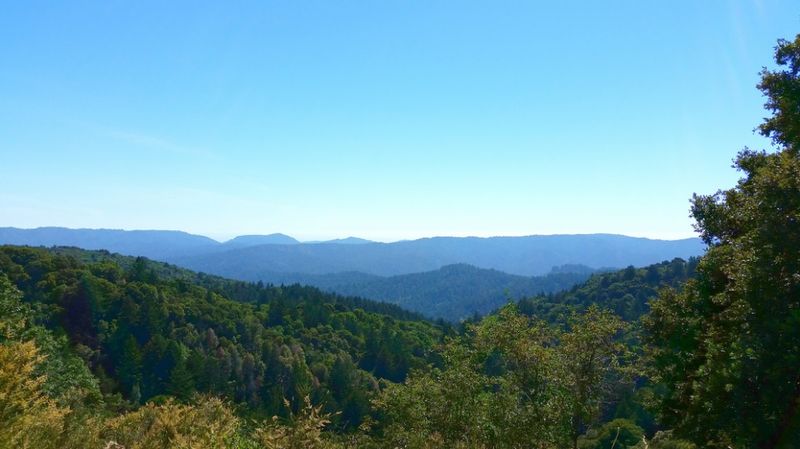
Wine country with redwoods and surf culture is not a combination most people expect, but the Santa Cruz Mountains pull it off without even trying hard. The region produces mountain-grown Pinot Noir and Chardonnay with a wild, earthy quality that reflects the rugged terrain they come from.
Rural mountain wineries sit just a short drive from the Santa Cruz boardwalk, which means your day can include both a serious vineyard tasting and a fish taco on the beach. Wine bars, bakeries, and tapas spots in town fill in the culinary gaps nicely.
This is California wine travel at its most flexible.
The Santa Cruz Mountains attract a crowd that likes its wine country a little rough around the edges, and I mean that as a compliment. Hikers, surfers, and serious wine nerds all coexist here without anyone feeling out of place.
That easy-going mix is part of the genuine charm.
Carmel Valley, Monterey County, California
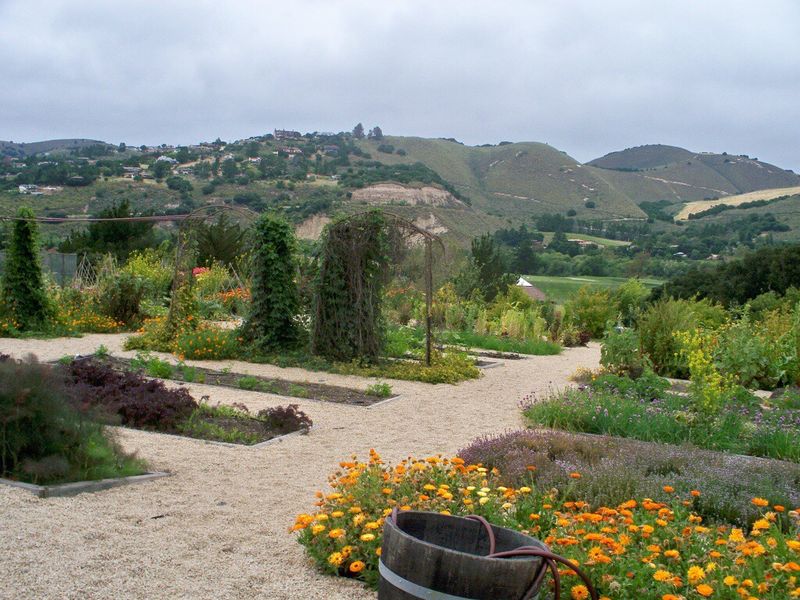
While the Carmel coast is busy being famously foggy, the valley just inland basks in warm sunshine and pours excellent Monterey County wines on breezy patios. Carmel Valley Village is a genuinely low-key strip of tasting rooms that somehow never feels crowded, even on a holiday weekend.
The food situation leans toward resort-quality comfort. Long lunches on shaded terraces, local charcuterie boards, and dinners that pair beautifully with whatever you tasted that afternoon.
It is a softer, more indulgent version of wine country travel, and there is absolutely nothing wrong with that.
Being close to Carmel-by-the-Sea and Big Sur means you can build a trip that mixes serious scenic beauty with serious wine. The valley handles the warm, sunny, relaxed part of the itinerary while the coast handles the drama.
Together they make for a near-perfect California weekend with very few complaints and excellent pours.
Ojai Valley, Ventura County, California
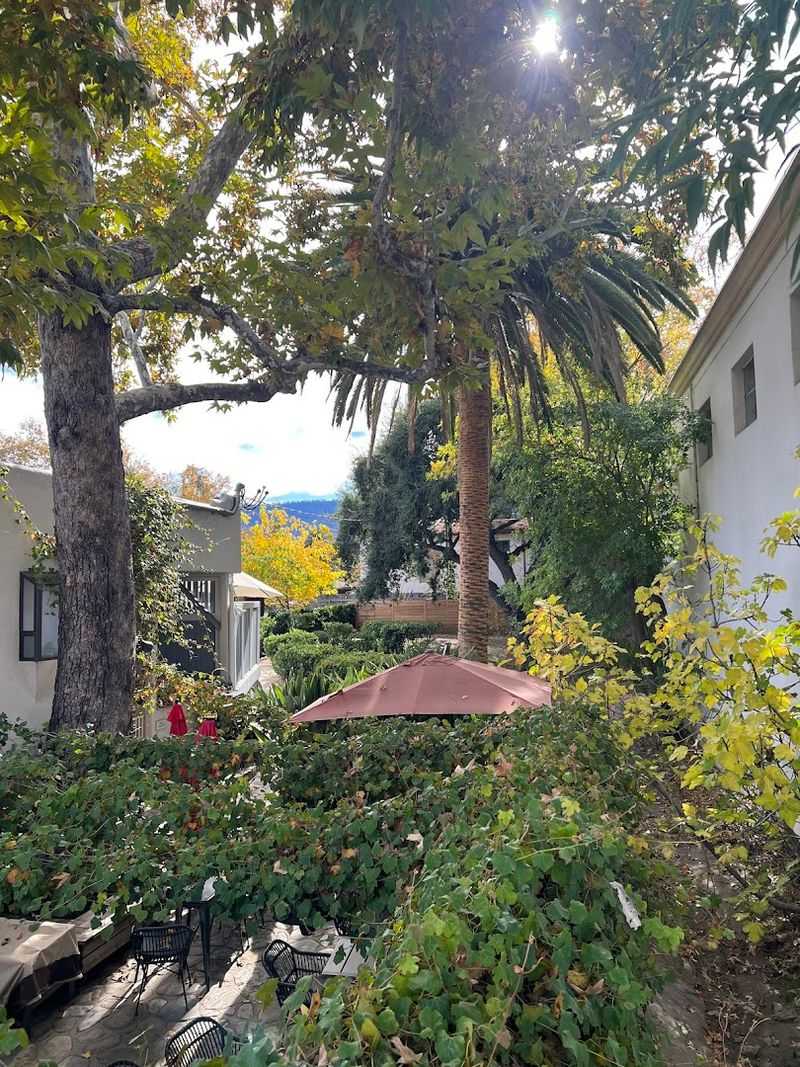
Ojai is the kind of town that makes you want to cancel your return flight. Known mostly for wellness retreats and citrus groves, it has quietly built a food culture that rivals destinations three times its size.
Wine fits naturally into Ojai’s slow-travel rhythm without dominating the agenda.
The Ojai Vineyard tasting room serves as a relaxed anchor for wine exploration, while the Sunday farmers market turns the town into a produce lover’s dream. Local restaurants use what grows nearby, which in Ojai means avocados, citrus, herbs, and vegetables that taste like they were harvested approximately twenty minutes ago.
Ojai works especially well for travelers who want wine without committing to a traditional wine-country itinerary. You can taste, browse the market, eat well, and still have time for a hike before sunset.
It is a food-first getaway that happens to pour very good wine on the side.
Temecula Valley, Riverside County, California
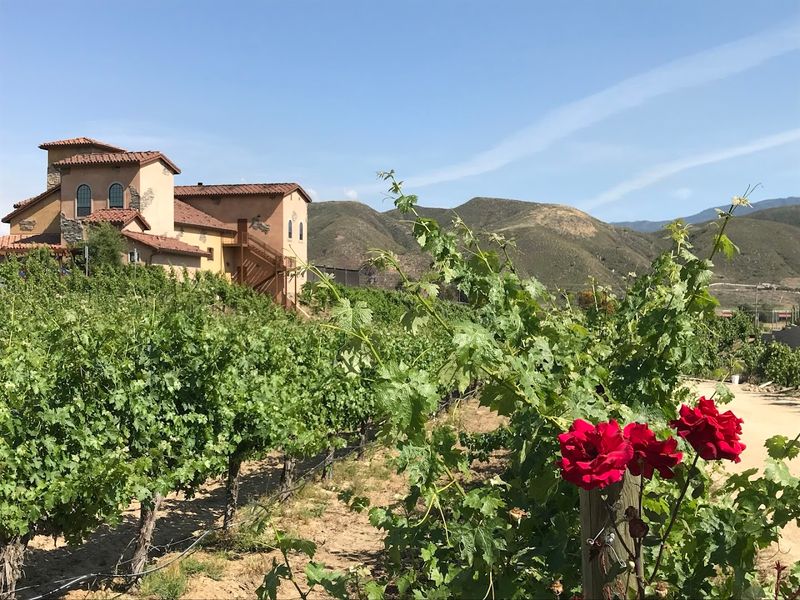
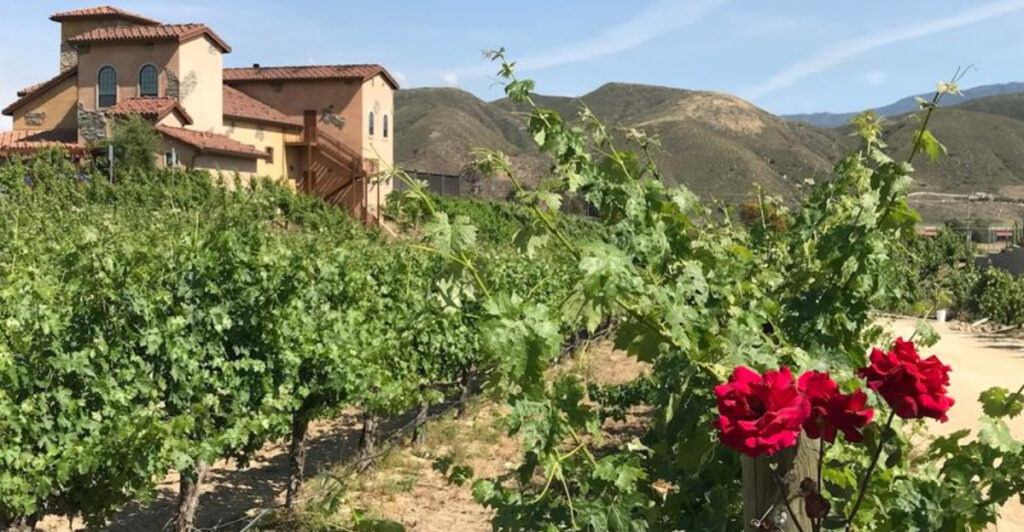
Southern California finally has its own answer to wine country weekends, and it has been hiding in plain sight. Temecula Valley sits about an hour from San Diego, making it the most accessible full-scale wine destination for millions of people who somehow still have not been.
The region has matured significantly. Vineyard restaurants now serve meals worth planning a trip around, and Old Town Temecula adds a genuinely fun dining and shopping scene away from the vines.
Olive oil, local produce, and resort-style tasting experiences round out a destination that no longer feels like it is trying to be Napa. It is comfortable being itself.
For culinary travelers coming from Los Angeles or Orange County, Temecula solves the distance problem without sacrificing quality. The drive is easy, the welcome is warm, and the food-and-wine pairing opportunities are plentiful.
Sometimes the best wine country is the one closest to home.
Ramona Valley, San Diego County, California

Most people drive through Ramona on the way somewhere else. That is a mistake worth correcting immediately.
This San Diego County wine region has an owner-operated charm that is genuinely rare, the kind of place where the person pouring your wine is the same person who pruned the vines last winter.
Ramona is not trying to impress anyone with a flashy tasting lounge or a celebrity winemaker. The appeal is discovery: scenic hillside patios, small-production wines that reflect the local chaparral landscape, and casual food stops that feel like insider finds rather than tourist traps.
The whole experience stays personal in a way that larger regions simply cannot replicate.
A day trip from San Diego takes less than an hour, which makes Ramona one of the easiest wine country escapes in California. Go on a weekday if you can.
The tasting rooms are quieter, the conversations longer, and the chance of meeting the actual winemaker considerably higher.
Suisun Valley, Solano County, California
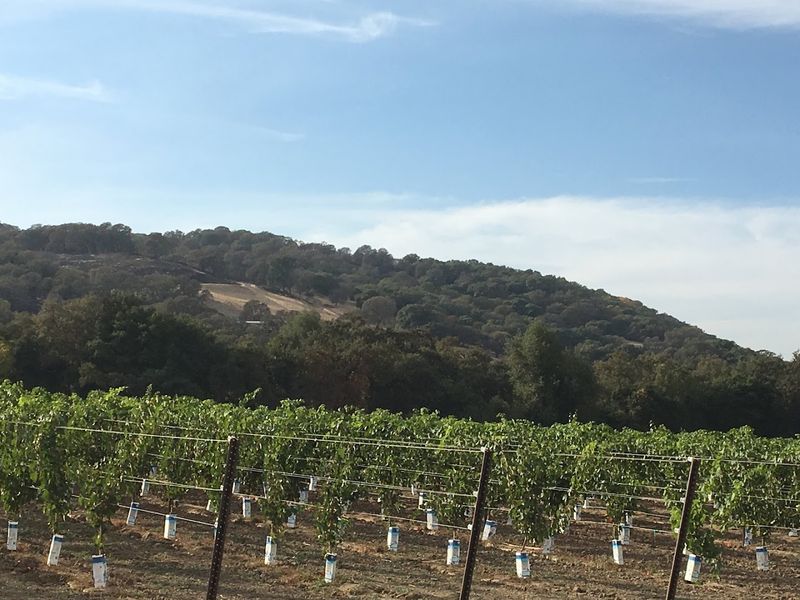
Suisun Valley sits right next door to Napa but operates on a completely different frequency. There are no reservation-only tasting experiences here, no three-digit tasting fees, and no valet parking.
What there is: good wine, fresh produce, and a pace of life that feels genuinely agricultural rather than theatrical.
The valley blends wineries with working farms and produce stands in a way that makes the food-and-wine connection feel literal rather than just a marketing phrase. Stop at a winery, pick up local tomatoes at the stand next door, and call it a perfect afternoon.
Nobody here is going to rush you out.
Its location between San Francisco and Sacramento makes Suisun one of the most logistically easy wine regions in Northern California to visit. Skip the Napa traffic, take the quieter road, and arrive somewhere that actually wants you to linger.
Suisun Valley rewards the traveler who prefers authenticity over prestige every single time.
Los Alamos, Santa Barbara County, California
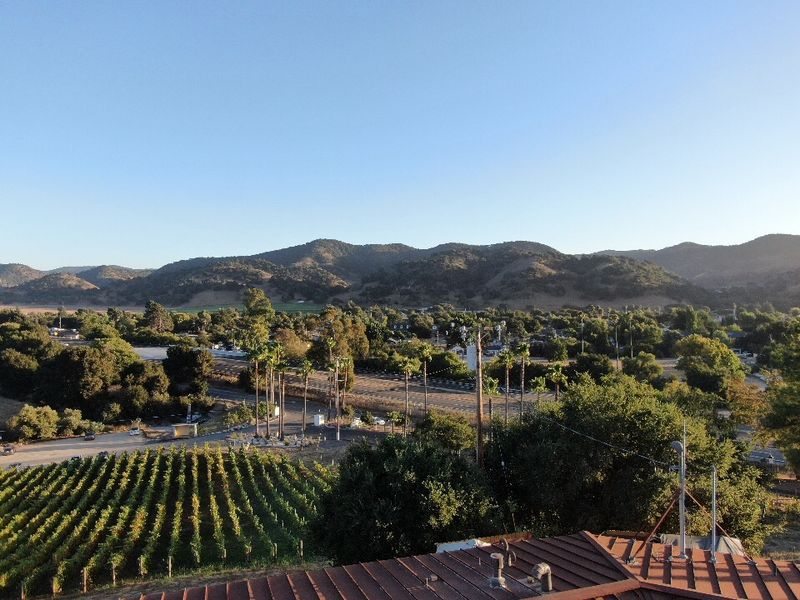
Los Alamos is a one-street town with a dining reputation that punches several weight classes above its size. The Western false-front buildings and dusty main drag give it a cinematic quality, but the food coming out of its kitchens is anything but a period piece.
Bell’s restaurant alone has earned national attention and continues to deliver.
Wine bars, tasting rooms, and bakeries line the short stretch of Bell Street, making it possible to eat and drink your way through the entire town without moving your car. Nearby vineyards in the Santa Ynez Valley supply the bottles, and local farms supply the kitchens.
The sourcing here is taken seriously.
Los Alamos has already arrived as a culinary destination, which means now is still a good time to visit before the weekend crowds catch up to the reputation. It is small, focused, and completely committed to doing a few things exceptionally well.
That is a formula worth traveling for.
Share this story