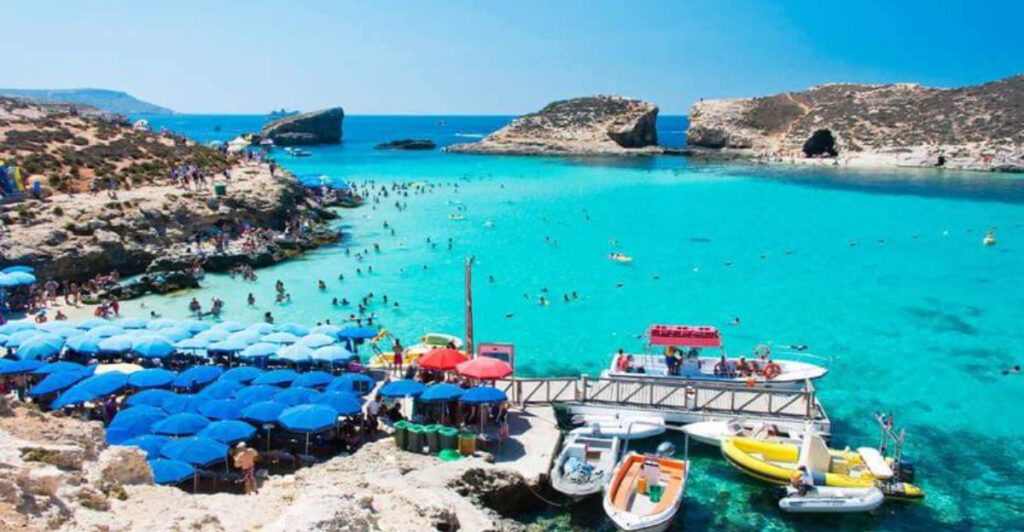
Europe’s islands are stunning, sun-soaked, and absolutely packed with tourists right now. From volcanic Canary Islands to glittering Greek gems, some destinations have become so popular that the crowds are part of the experience, whether you want them to be or not.
Knowing which islands are bursting at the seams helps you plan smarter, travel better, and actually enjoy yourself. Here are the 15 most tourist-crowded islands in Europe right now, and trust me, No. 5 will surprise you.
Malta
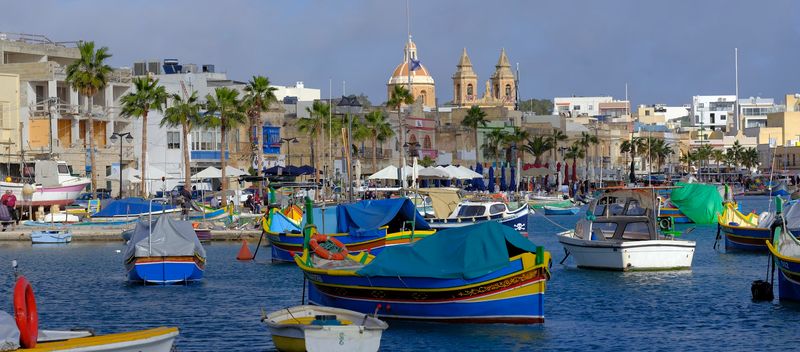
Malta packs more history per square mile than almost anywhere on earth, and tourists have clearly noticed. This tiny archipelago welcomes millions of visitors each year, which sounds impressive until you are stuck behind a cruise group in Valletta’s narrow streets on a hot July afternoon.
Valletta, Mdina, Sliema, and St. Julian’s all absorb huge visitor numbers during peak season. The ferry routes to Gozo and Comino add another layer of daily crowd pressure.
I once waited 45 minutes for a bus that should have taken 10 minutes, purely because of tourist traffic.
Malta is genuinely beautiful and absolutely worth visiting. The trick is going early in the morning, using public transport, and exploring beyond the obvious stops.
Skip the midday rush at popular sites and you will find a much calmer, more rewarding version of this remarkable little island.
Lanzarote, Spain
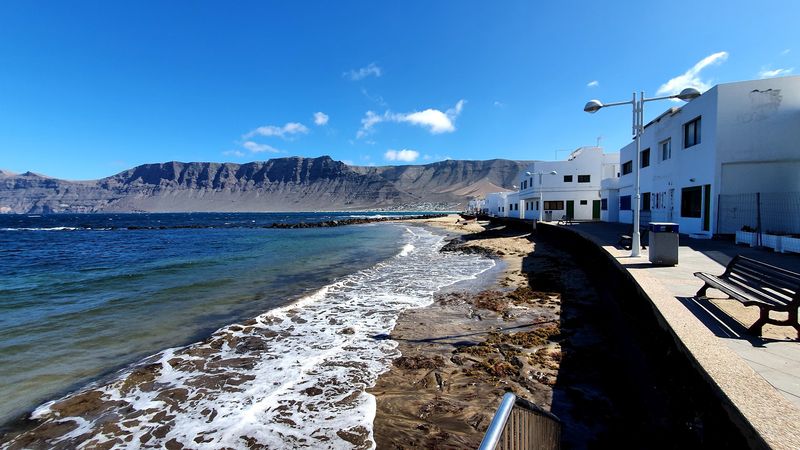
Lanzarote looks like someone dropped a chunk of Mars into the Atlantic Ocean, and that alien beauty has made it one of the Canary Islands’ busiest destinations. Volcanic craters, black sand beaches, and year-round warmth are a powerful combination for European sunseekers.
The real problem is not just visitor numbers but where those visitors go. Timanfaya National Park, coastal promenades, and resort beach zones all feel the squeeze at the same time.
Lanzarote has fragile landscapes that genuinely cannot absorb unlimited footfall without suffering for it.
Traveling here responsibly means more than just showing up and snapping photos. Lanzarote has working communities, protected natural areas, and limited water resources.
Stick to marked paths in the national park, support local businesses rather than big resort chains, and resist the urge to treat every viewpoint as a personal photo studio. The island rewards respectful visitors far more generously.
Ibiza, Spain
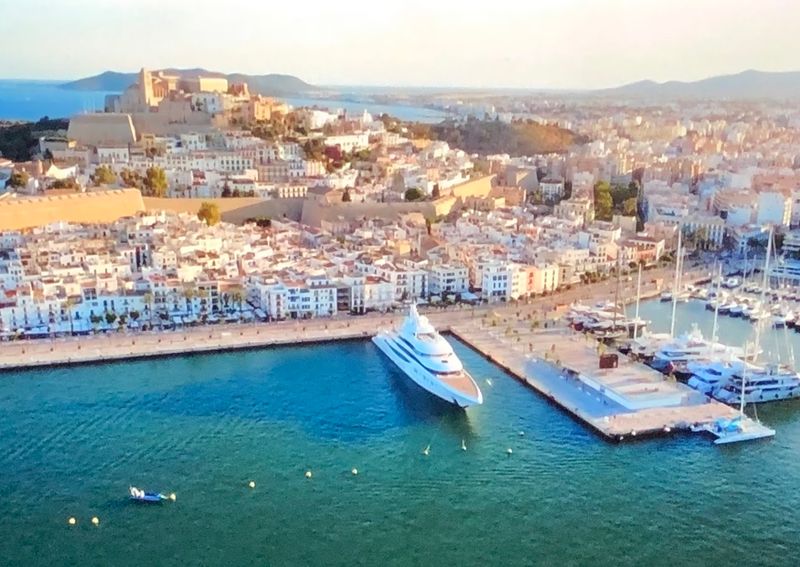
Ibiza has a reputation so powerful it practically markets itself. Beach clubs, turquoise coves, legendary sunsets, and nightlife that runs until Tuesday morning have turned this Balearic island into a summer pilgrimage for millions of Europeans.
That fame comes with real consequences. In July and August, roads jam up, taxis disappear, beaches overflow, and restaurants turn into hour-long waits.
The pressure is not evenly spread either: Ibiza Town, Sant Antoni, and Playa d’en Bossa absorb enormous crowds while quieter corners of the island stay relatively calm.
Visiting outside peak season is genuinely one of the best travel decisions you can make here. May, June, or September offer warm weather, open beaches, and a fraction of the chaos.
If you do visit in summer, stay longer instead of rushing in for a party weekend. Respect residential noise rules too, because locals live here year-round and they deserve some peace.
Tenerife, Spain
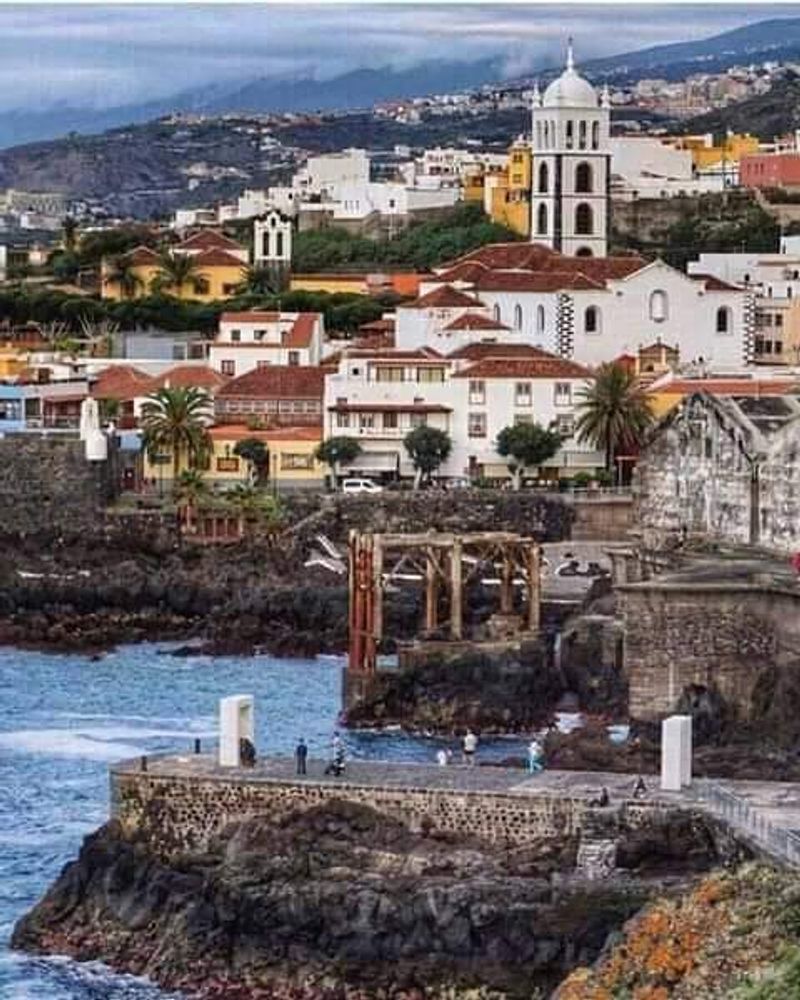
Tenerife is the largest Canary Island, and it uses every square kilometer of that size to absorb an almost unbelievable number of tourists. Over five million visitors arrive each year, clustering in southern resorts, along whale-watching routes, and on the trails up to Mount Teide.
Being large does not make Tenerife immune to crowd pressure. Traffic congestion, housing strain, and environmental debates have become serious topics across the Canaries, and Tenerife sits at the center of those conversations.
The southern resort belt in particular can feel relentlessly busy from autumn through spring.
A more thoughtful visit means spending money with local businesses rather than big international chains. Explore the northern towns, which are less visited but genuinely charming.
Avoid illegal holiday rentals, which drive up housing costs for residents. Tenerife has mountains, forests, historic towns, and coastline that most package tourists never see.
Go find them.
Comino, Malta
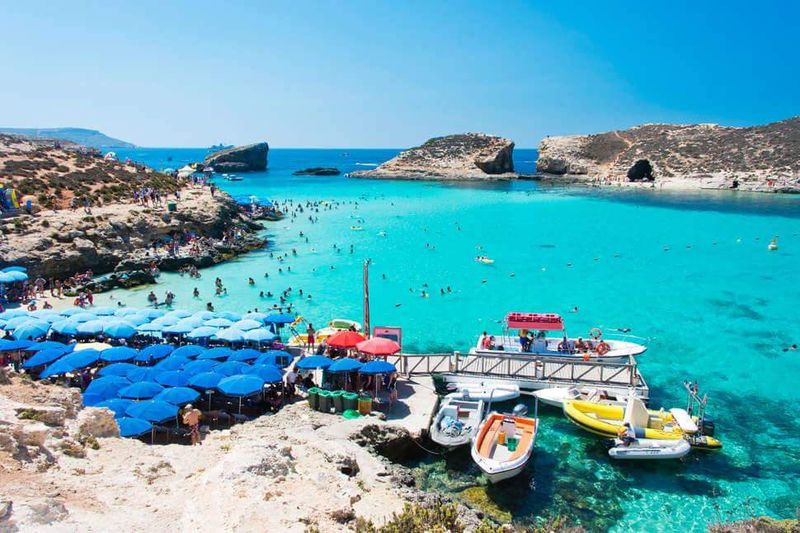
Comino is barely three square kilometers of rock, scrub, and one spectacularly famous lagoon. The Blue Lagoon’s water is so clear and so absurdly blue that photos of it look heavily filtered even when they are not.
That beauty, combined with the island’s tiny size, has created one of the Mediterranean’s most dramatic overtourism problems.
On peak summer days, the Blue Lagoon fills with boats, swimmers, and day-trippers until the water itself seems crowded. Malta’s authorities now require visitors to follow access rules and booking systems for the area, which is genuinely one of the smarter crowd-management moves any European island has made recently.
The water is still absolutely stunning. But the best visit to Comino is an early, planned, low-impact one.
Booking ahead, arriving before the main boat rush, and spending a little time exploring the rest of the island will give you a far better experience than charging in at noon with everyone else.
Gran Canaria, Spain
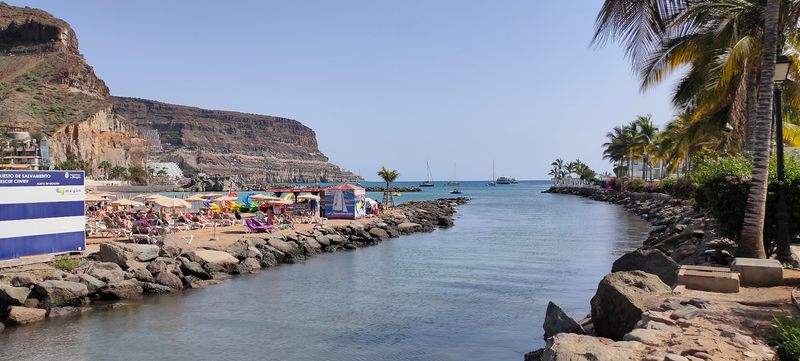
Gran Canaria is basically three holidays in one: beach resort, mountain hiking adventure, and vibrant city break, all on a single island. That versatility is exactly why it pulls in tourists from across Europe all year long, with no real off-season to speak of.
Maspalomas dunes, Playa del Inglés, Las Palmas, and popular inland viewpoints all carry serious crowd pressure. The overtourism debate in the Canaries hits Gran Canaria hard, particularly around housing costs, water scarcity, and the feeling that local neighborhoods are being slowly hollowed out by visitor demand.
Travelers can make a real difference here by booking legal accommodation, eating at locally owned restaurants, and spreading their itinerary beyond the same handful of resort zones. The island has mountain villages, dramatic ravines, and a genuinely fascinating Canarian culture that most package tourists completely miss.
Gran Canaria is more than its beaches, and the locals really want you to know that.
Mallorca, Spain
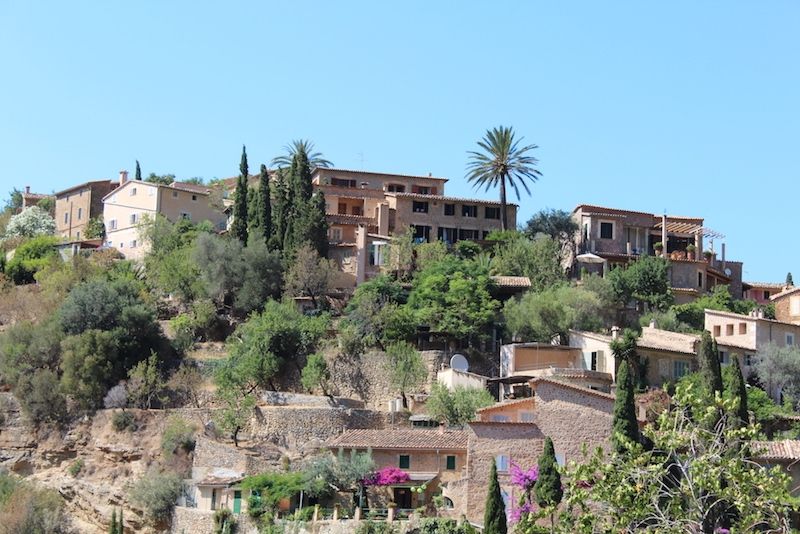
Mallorca is Europe’s tourism heavyweight, and it knows it. Dreamy coves, stone mountain villages, luxury hotels, family resorts, and the buzzing capital of Palma have made it one of the continent’s most visited islands for decades.
Around 13 million tourists arrive each year, which is roughly 12 times the local population.
That level of demand creates real friction. Traffic jams on mountain roads, overcrowded beaches, daily cruise ship surges in Palma, and growing local frustration are all part of the modern Mallorcan experience.
Tiny villages like Deià and Fornalutx can feel like open-air museums in peak season rather than actual living communities.
Mallorca genuinely rewards slower, more thoughtful travel. Visit in April, May, or October and the whole island feels like a completely different place.
Use buses where available, hire bikes on flatter routes, and resist treating picturesque villages purely as photo backdrops. The island has real depth if you give it the time it deserves.
Zakynthos, Greece
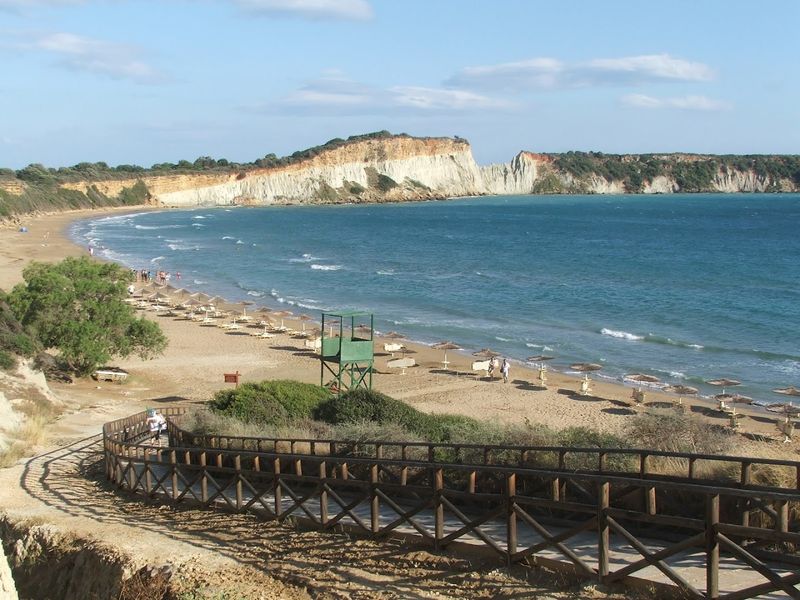
Zakynthos, or Zante as most British tourists call it, has one of the most jaw-dropping beaches in Europe and one of the most chaotic peak seasons to match. Visitor numbers during July and August vastly outnumber residents, creating pressure that the island’s roads, beaches, and infrastructure were never designed to handle.
Navagio, the famous Shipwreck Beach, is the image everyone comes for. But here is something worth knowing before you book: direct beach access has faced serious safety restrictions, so do not build your entire trip around landing on that particular stretch of white pebbles.
Check current access rules before booking any tours.
Zakynthos has plenty of other genuinely open beaches, sea caves, coastal viewpoints, and traditional villages that most visitors rush straight past. The island is accessible and beautiful, but a little research before you arrive goes a long way.
Showing up with realistic expectations is the best souvenir you can pack.
Fuerteventura, Spain
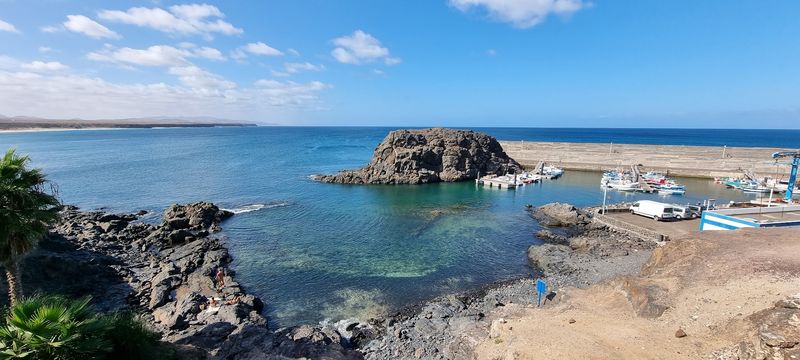
Fuerteventura built its reputation as the chilled-out alternative to the louder Canary Islands, and for years that reputation held up reasonably well. Then everyone found out about it, and now the island gets over 12 million visitors a year.
So much for the quiet option.
The spacious landscape creates a useful illusion of emptiness. Wide beaches, desert-like interior, and long coastlines make crowding feel less obvious than on smaller Mediterranean islands.
But Corralejo, major surf beaches, ferry routes to Lanzarote, and resort zones around Jandia can all become very busy during peak periods.
The protected dunes at Corralejo Natural Park are a particular concern. Tourists regularly wander off marked paths, which damages fragile ecosystems that take years to recover.
It is a small thing to stay on designated routes, but it genuinely matters here. Fuerteventura is worth the visit, especially if you respect the landscapes that make it special in the first place.
Santorini, Greece
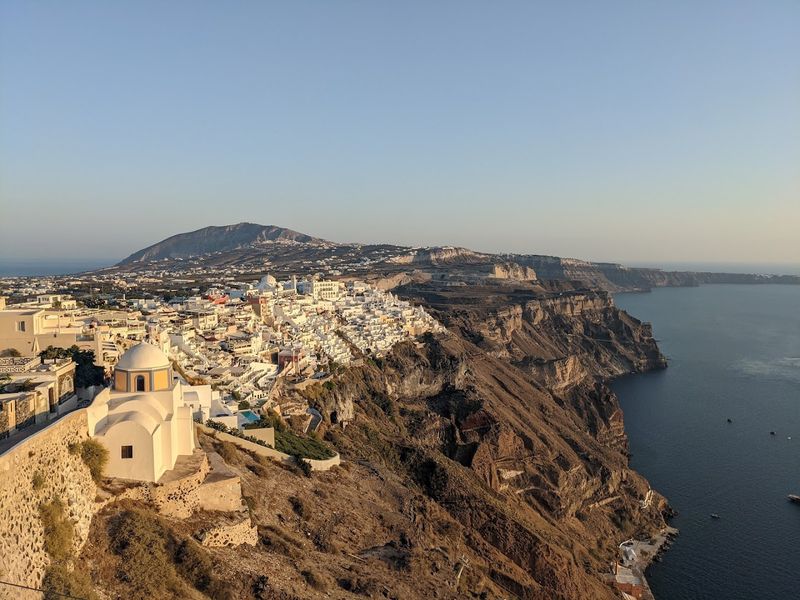
Santorini is the poster child for European overtourism, and it has held that title for years without showing any signs of giving it up. The caldera views, the white-blue architecture, the sunsets over Oia: all of it is genuinely as beautiful as advertised, and all of it is genuinely as crowded as the horror stories suggest.
When multiple cruise ships dock on the same day, Oia and Fira can become nearly impassable. Greece has started introducing measures to manage cruise arrivals and peak-season pressure, which is a step in the right direction, even if the changes are still catching up with reality.
The best Santorini experience is usually found by going in May or October, staying at least three nights, and waking up before 7am to see the famous viewpoints before the crowds arrive. Chasing the same sunset terrace as ten thousand other tourists is optional.
Choosing a quieter village like Pyrgos or Megalochori is not.
Mykonos, Greece
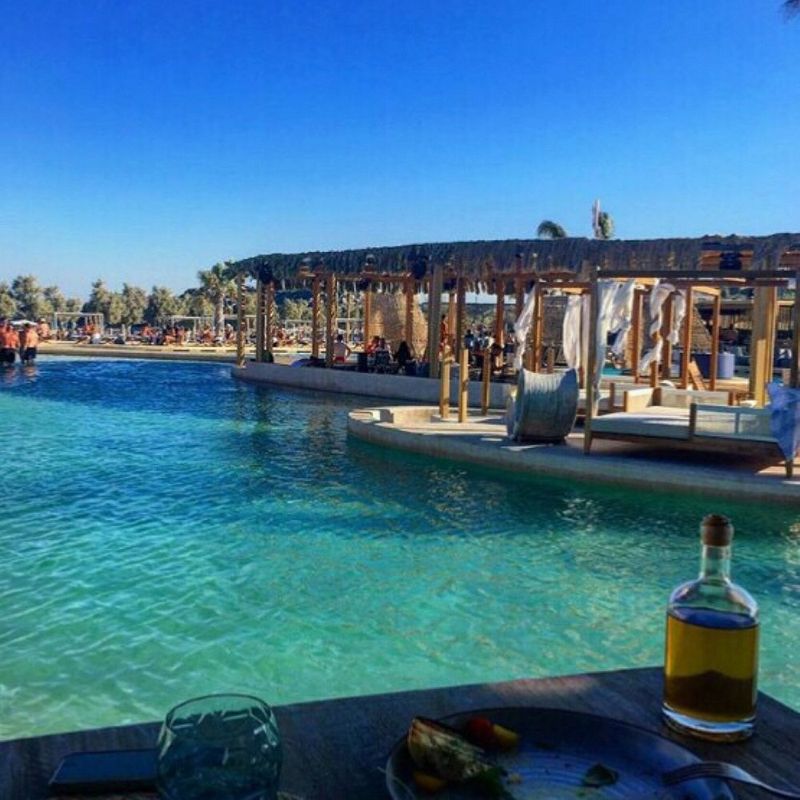
Mykonos has successfully marketed itself as the glamorous heartbeat of the Aegean, and the global response has been enthusiastic to the point of overwhelming. Luxury beach clubs, yacht arrivals, world-famous DJs, and Cycladic architecture combine to make it one of the most photographed islands on the planet.
July and August bring a perfect storm of pressure: cruise passengers, party travelers, yacht crews, and hotel guests all competing for the same narrow streets, the same beach loungers, and the same restaurant tables. Water supply is a genuine infrastructure concern on an island that was never built for this volume of visitors.
Going in shoulder season, specifically May or September, transforms the experience completely. Prices drop, queues shrink, and the island’s actual charm becomes visible beneath the peak-season chaos.
When you do visit, choose locally run tavernas over big branded beach clubs. Your meal will be better and your money will go somewhere that actually matters to the community.
Capri, Italy
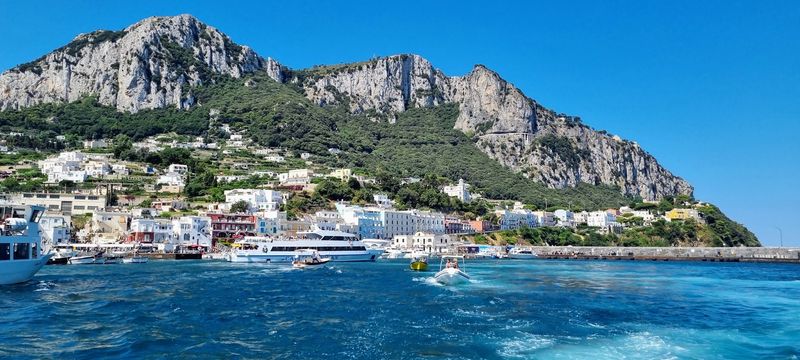
Capri has been attracting wealthy, style-conscious visitors since the Roman emperors decided it was their favorite holiday spot. Two thousand years later, the island is still pulling them in, except now they arrive by hydrofoil from Naples every fifteen minutes and the piazzetta gets absolutely mobbed by lunchtime.
The daily rhythm of Capri is essentially a crowd-surge machine. Ferries arrive from Naples, Sorrento, and the Amalfi Coast throughout the morning.
Narrow streets fill quickly. The famous Blue Grotto queue can stretch for hours.
By early afternoon, the island’s carrying capacity feels genuinely stretched.
The smartest move on Capri is staying overnight. Visitors who sleep on the island get the mornings and evenings almost to themselves, which is when the place actually feels magical rather than overwhelming.
Arriving early on the first ferry works too. Capri has introduced group management rules in recent years, so tour operators can no longer just flood the streets unchecked.
Progress, slowly.
Sardinia, Italy
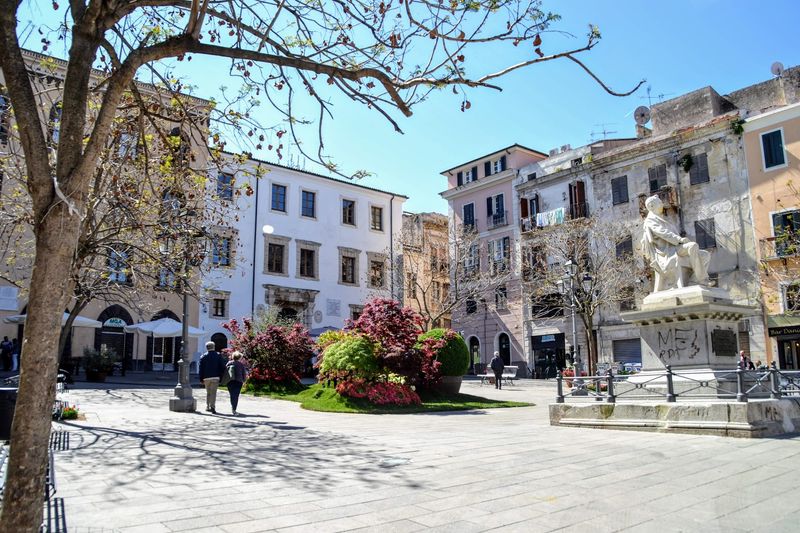
Sardinia is Italy’s second-largest island, which means it has enough space to absorb visitors without feeling completely overwhelmed everywhere. But do not let that size fool you into thinking anything goes.
Some of its most famous beaches are under serious environmental pressure, and the rules are getting stricter every season.
La Pelosa, near Stintino, now requires timed entry tickets in summer and bans beach bags, mats, and sand removal. Cala Goloritzè, one of the most spectacular beaches in the Mediterranean, has strict daily visitor limits.
These are not bureaucratic annoyances. They are genuine attempts to preserve coastlines that were showing real signs of degradation.
Sardinia rewards travelers who plan ahead and look beyond the famous names. The island has hundreds of beaches, most of which never appear on any Instagram feed and never require a booking.
The food is extraordinary, the interior is dramatic and barely visited, and the locals are warm when treated with genuine respect rather than tourist entitlement.
Lampedusa, Italy
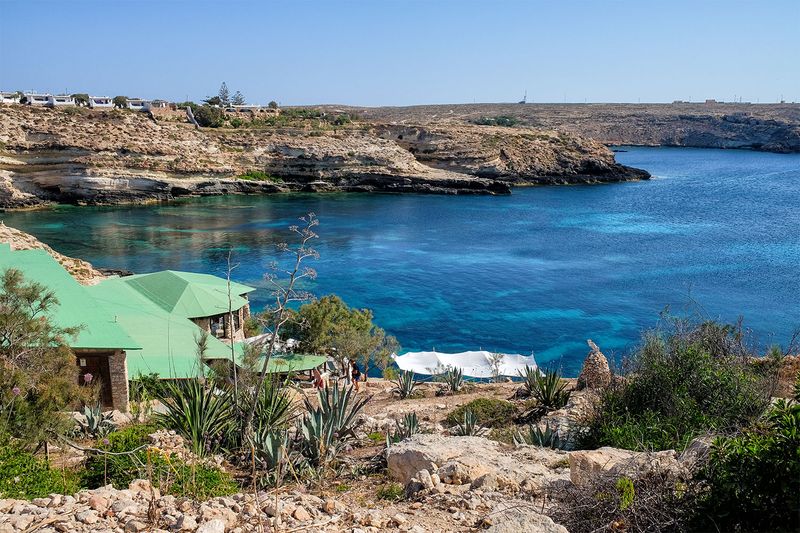
Lampedusa sits closer to Tunisia than to Sicily, which gives it a North African warmth and a remoteness that makes arriving there feel like a genuine discovery. Rabbit Beach, officially Spiaggia dei Conigli, has been voted one of the world’s best beaches multiple times, and that recognition comes with a predictable consequence: everyone wants to go.
The beach sits inside a protected marine reserve, which means access is managed and limited. You cannot simply show up at any hour and expect to walk straight onto the sand during peak season.
Booking ahead and checking official reserve rules is not optional here, it is essential.
Lampedusa deserves to be treated as the fragile natural place it genuinely is, not as a beach trophy to check off a list. The island has a small permanent population, limited infrastructure, and ecosystems that depend on careful management.
Visitors who arrive with patience, respect, and a bit of advance planning will find it absolutely extraordinary.
Hvar, Croatia
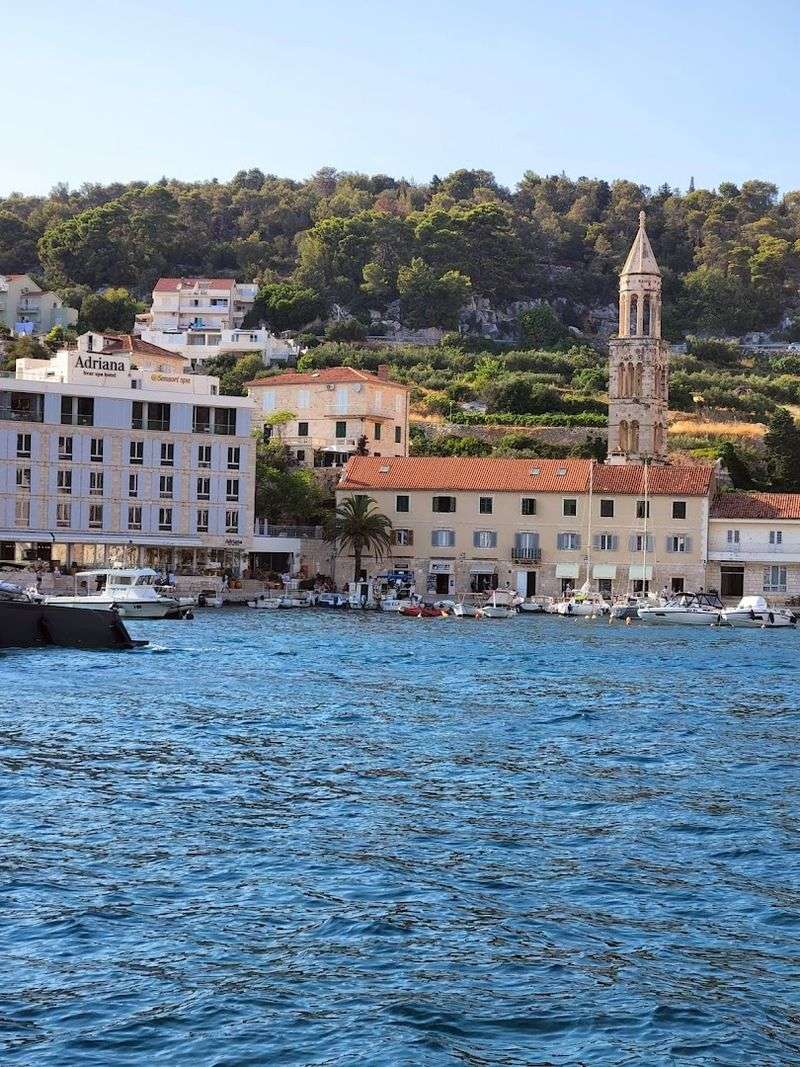
Hvar has a magnetic quality that is genuinely hard to explain to someone who has not been there. Old stone streets, lavender-scented hillsides, Venetian architecture, crystal-clear Adriatic water, and a party scene that somehow coexists with all of that elegance.
No wonder it became Croatia’s most famous island.
That fame has created real friction over the years. Noise complaints, yacht-party excess, and the tension between residents trying to sleep and tourists trying to celebrate have made Hvar a case study in what happens when a beautiful place becomes a brand.
The island is actively working to shift its image away from pure party destination.
Travelers who visit Hvar thoughtfully will have a genuinely wonderful time. Stay more than two nights.
Walk to hilltop villages like Humac or Vrisnik, which are quiet, stunning, and almost entirely tourist-free. Follow noise rules in residential areas.
Hvar Town is the showpiece, but the rest of the island is where the real magic quietly lives.
Share this story