Some of Hollywood’s biggest stars have a secret weapon that no acting class can teach: real military service. Before the cameras rolled, these actors wore uniforms, followed orders, and faced challenges most of us only see in movies.
Their time in the armed forces shaped their discipline, presence, and depth in ways that clearly carried over to the screen. Get ready to see some of your favorite stars in a whole new light.
Morgan Freeman
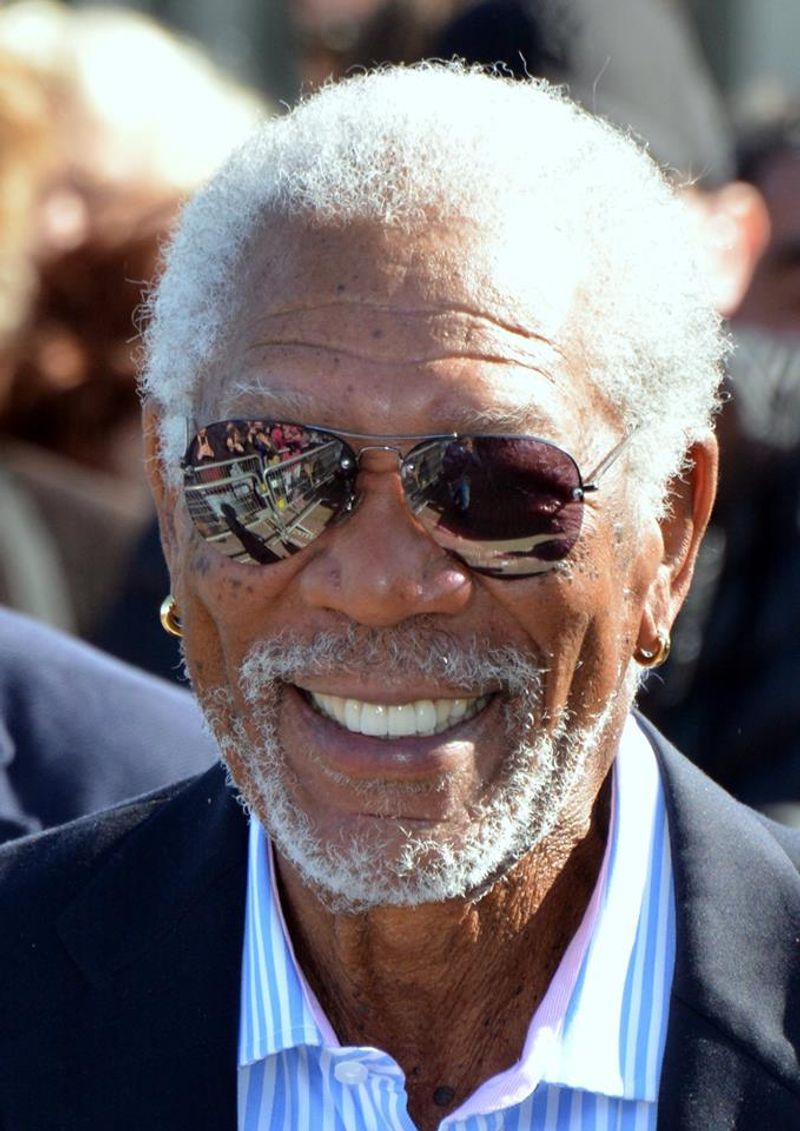
Most people know Morgan Freeman as the man whose voice could narrate a grocery list and make it sound profound. Before all of that, he turned down a drama scholarship to join the United States Air Force after graduating high school in 1955.
He trained as an automatic tracking radar repairman, which sounds like the opposite of glamorous, but it built something in him that no drama class could.
That military chapter came years before his acting breakthrough, yet the patience and discipline he developed clearly followed him. Freeman spent years grinding through small roles before becoming a household name.
His calm authority on screen feels almost too real, and now we know why. Whether narrating a documentary or playing a president, he carries a weight that seems earned rather than performed.
His Air Force years were the first act of a very long, very impressive career.
Adam Driver
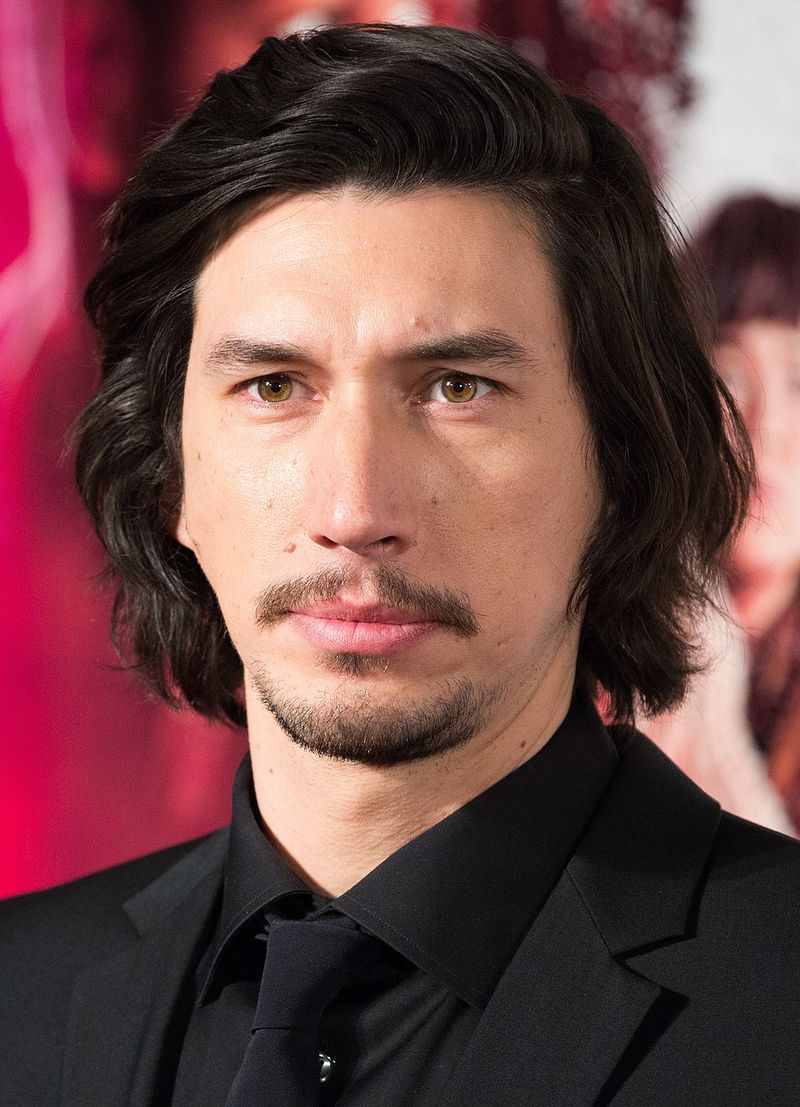
Adam Driver might be best known for playing Kylo Ren, but his real-life intensity did not come from a costume department. After the September 11 attacks, he enlisted in the United States Marine Corps with a purpose that had nothing to do with Hollywood.
He trained hard, committed fully, and found a sense of belonging that he has spoken about openly ever since.
An injury kept him from deploying with his unit, which changed his path entirely. He left the Marines and eventually found his way to the Juilliard School and then to stardom.
Driver has never downplayed his Marine background. In fact, he founded the Arts in the Armed Forces organization to bring theater to active-duty military members.
That is not a fun PR move. That is someone who genuinely never forgot where he came from, and carries it with him into every role he takes.
Gene Hackman
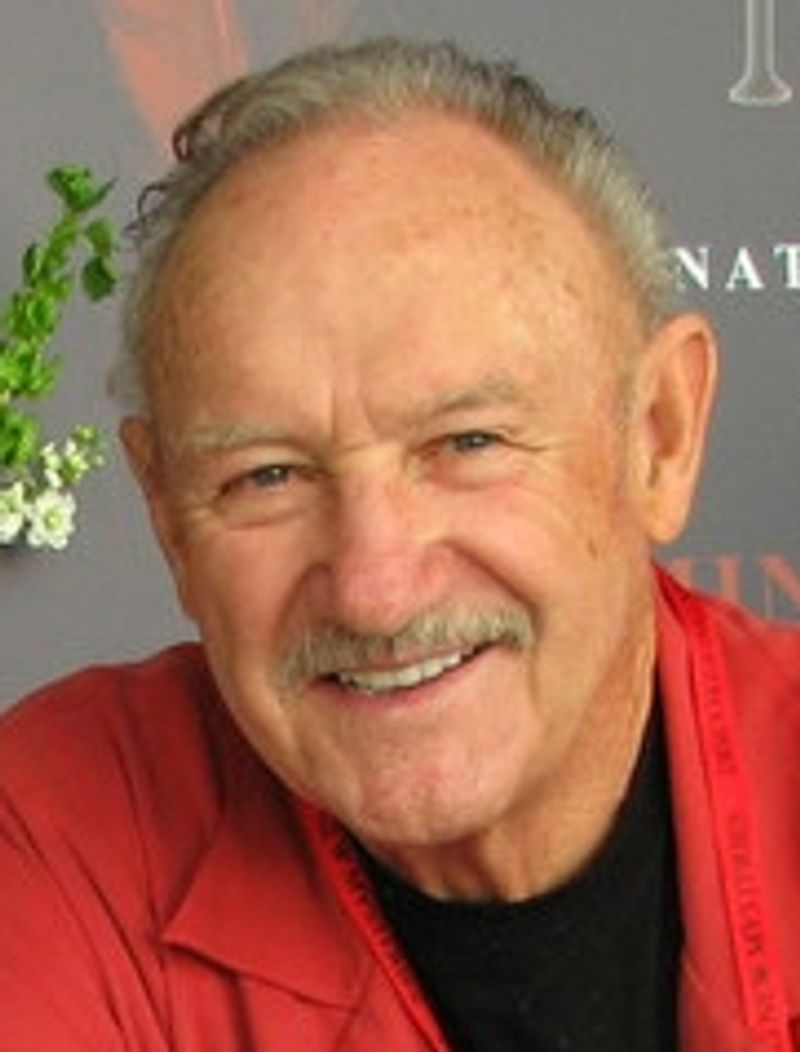
Gene Hackman was never the kind of actor who felt like he was acting. There was always something uncomfortably real about his performances, and his Marine Corps background might explain exactly that.
He enlisted as a teenager and served as a field radio operator before later working as a broadcast journalist within the military. That combination of communication skills and raw toughness was a surprisingly solid acting foundation.
His Marine years gave him structure at an age when most kids were still figuring things out. By the time Hackman landed serious film roles, he already knew how to carry authority in his posture and voice.
Whether playing a detective in The French Connection or a villain in Superman, he never seemed to be trying too hard. The no-nonsense quality audiences loved was not manufactured.
It was built long before any director ever called action on a Gene Hackman set.
Clint Eastwood
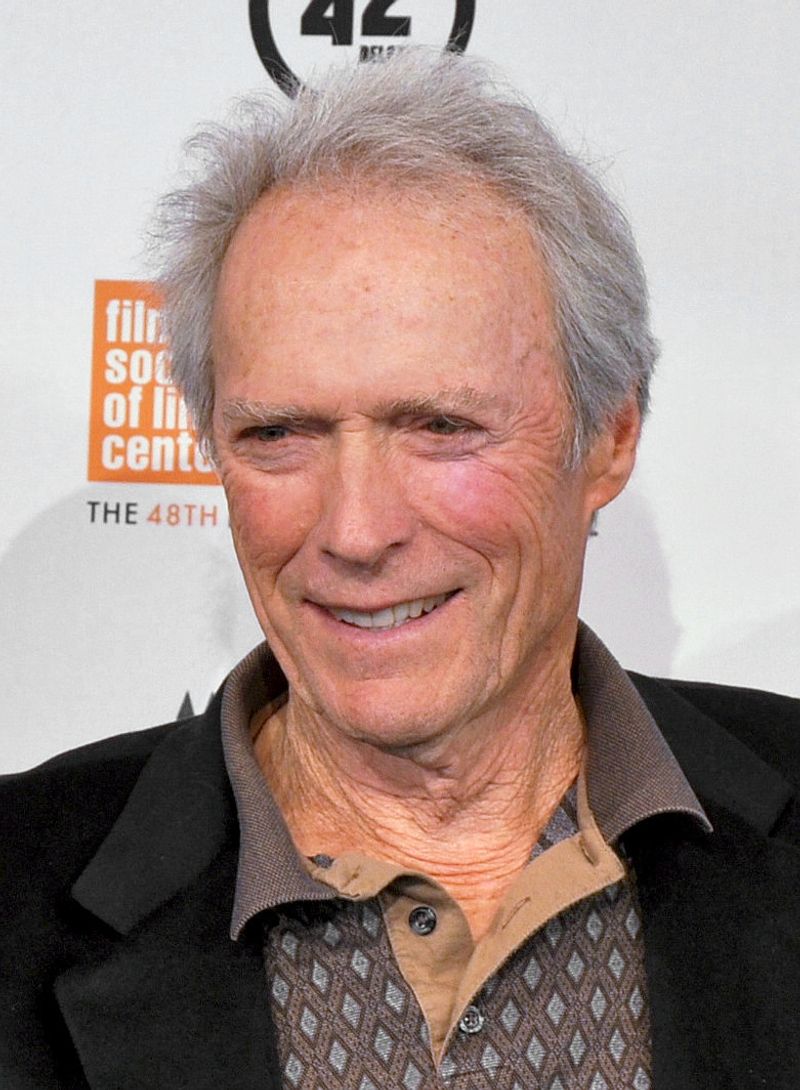
Clint Eastwood spent decades playing the toughest guy in any room, but his actual military job was teaching people how to swim. He was drafted into the United States Army during the Korean War era and assigned as a swimming instructor at Fort Ord in California.
Not exactly the dusty standoff at high noon, but let us not underestimate what it takes to wrangle Army recruits in a pool.
That role still demanded leadership, patience, and the ability to keep people calm under pressure, all qualities that later defined his screen work and his directing career. Eastwood famously flew a military aircraft from Seattle back to Fort Ord after surviving a plane crash in the ocean.
That story alone tells you the man was not just performing toughness for the cameras. His Army years were less cinematic than his films, but they were very much part of the real Clint Eastwood.
James Earl Jones
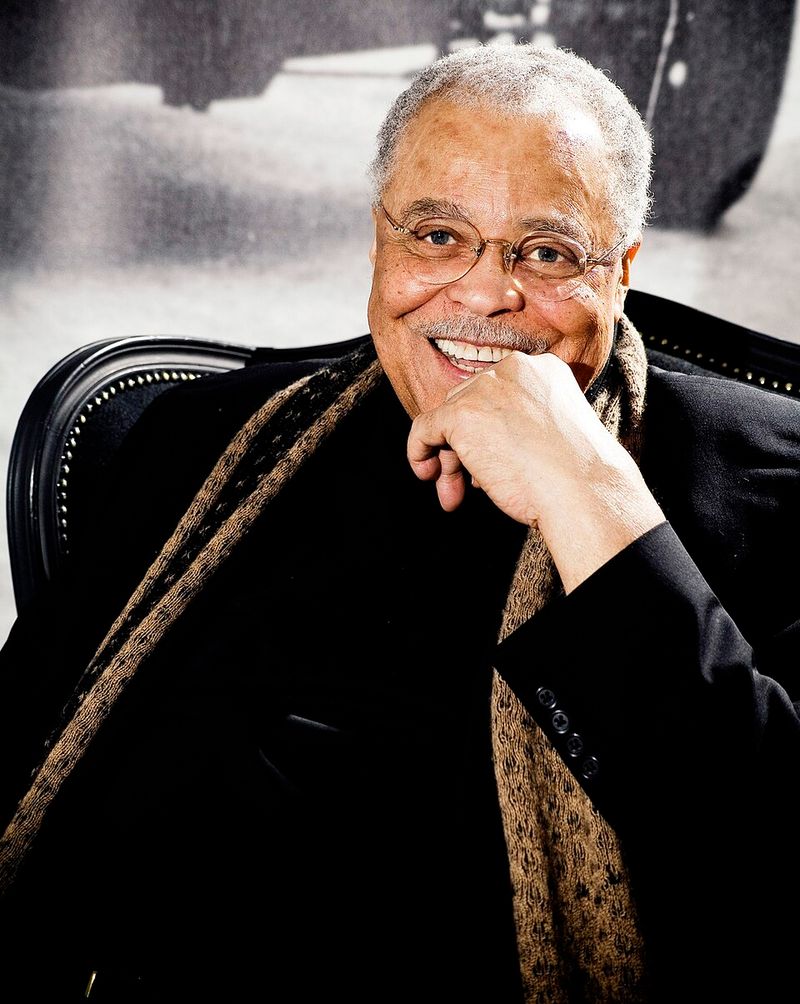
The voice of Darth Vader and Mufasa once reported for duty as a real military officer, which honestly feels completely on brand. James Earl Jones was commissioned as an officer in the United States Army after college, attended Infantry Officers Basic Course, and then completed Ranger School.
He eventually left the Army as a first lieutenant, which is a solid rank for someone who later became Hollywood royalty.
Jones has spoken about how his military training helped him overcome a severe stutter he struggled with growing up. The discipline and confidence he built in the Army became tools he carried into his acting career.
His commanding presence on stage and screen did not appear out of nowhere. It was forged through years of military structure and personal determination.
When James Earl Jones spoke, people listened, and it turns out the Army had a lot to do with training that extraordinary instrument of a voice.
Ice-T
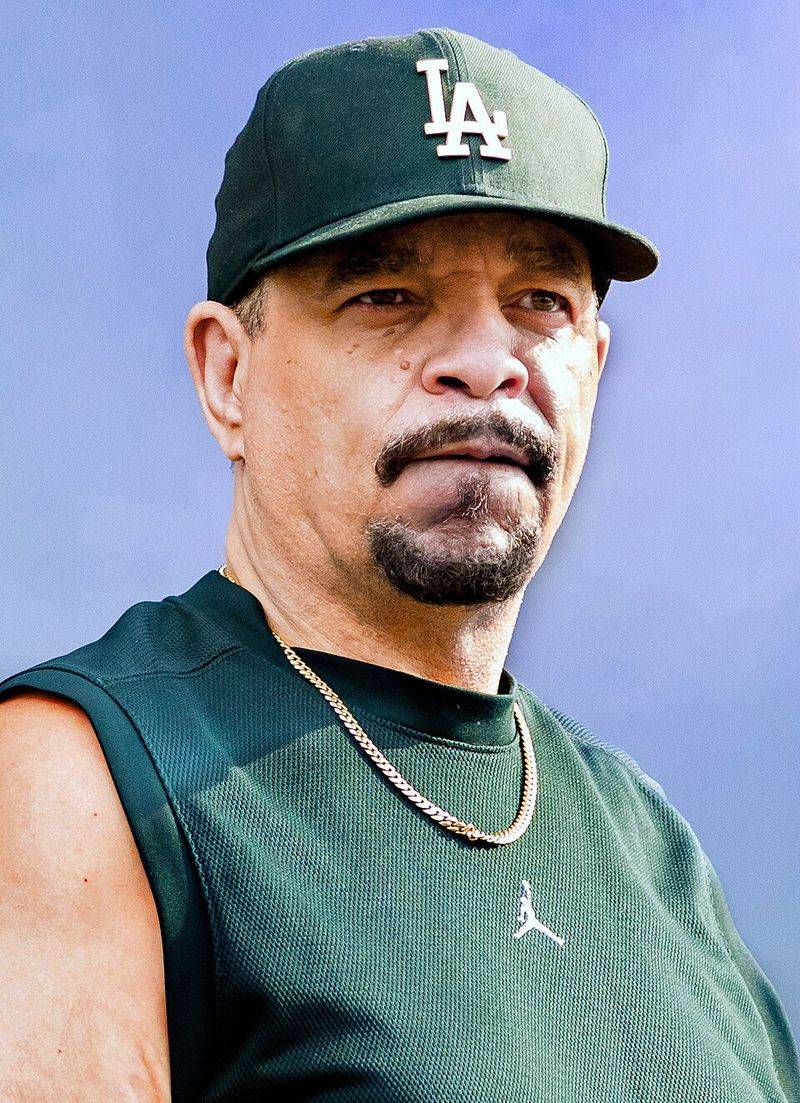
Before Ice-T was dropping albums or arresting criminals on television, he was an actual soldier in the United States Army. He served with the 25th Infantry Division, a storied unit with a history stretching back decades.
For a young man who grew up navigating tough circumstances, the Army provided structure, accountability, and a new perspective on life.
His military years came before his entertainment breakthrough, but they were not wasted time. Ice-T has talked about how those experiences shaped his worldview and fed into the raw authenticity of his rap lyrics.
After leaving the Army, he built one of the most varied careers in entertainment, moving from rap legend to film roles to his long-running spot on Law and Order: Special Victims Unit. His path from soldier to pop culture icon is genuinely one of the more unexpected journeys in the business, and it all started with a uniform.
Bea Arthur
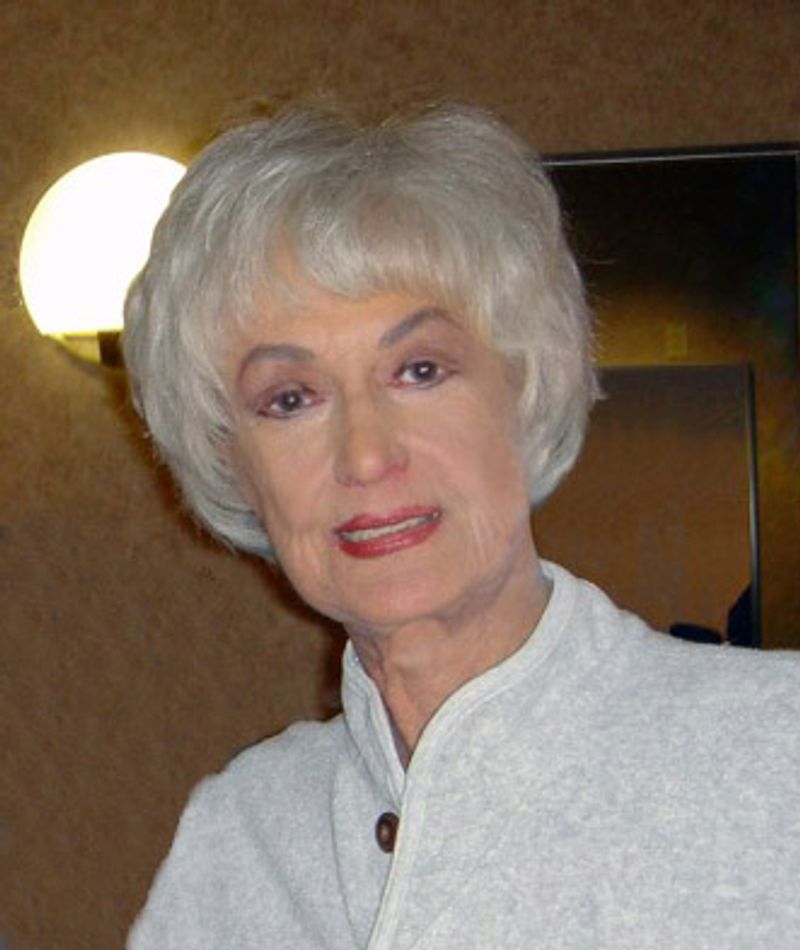
Most people remember Bea Arthur as Dorothy Zbornak delivering a perfectly timed deadpan in The Golden Girls. Far fewer people know that before the sitcom glory, she was a Marine.
Born Bernice Frankel, Arthur enlisted in the United States Marine Corps Women’s Reserve during World War II, joining a group of women who were quietly rewriting the rules of what female service members could do.
She reportedly listed her previous occupation as truck driver on her enlistment paperwork, which is the most Bea Arthur thing imaginable. Her military service placed her among the women who stepped up during one of history’s most demanding periods, long before that was celebrated the way it is today.
The boldness and sharp confidence she later brought to television were not invented for the screen. That spine of steel was real, and it was forged in a Marine Corps uniform long before the laugh track ever started rolling.
Chuck Norris
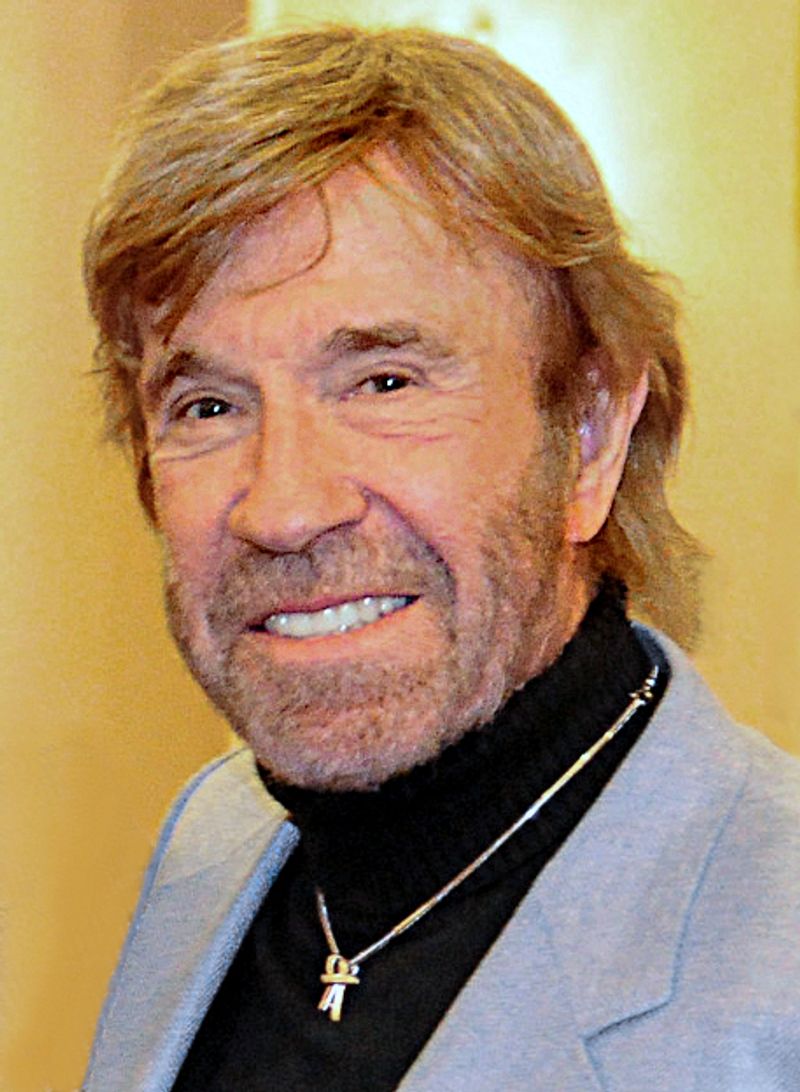
Chuck Norris did not walk into a dojo and decide to become a legend. His martial arts journey started on a military base in South Korea while he was serving in the United States Air Force.
He enlisted in 1958 and worked as an air policeman, which is now called a security forces role. During his posting overseas, he discovered Tang Soo Do and became completely hooked.
That discovery changed everything. After leaving the Air Force, Norris trained obsessively and became a martial arts champion before transitioning into film and television.
Without the Air Force assignment to South Korea, the entire Chuck Norris brand might never have existed. His military discipline and his martial arts dedication turned out to be a perfect combination.
Walker, Texas Ranger did not come from nowhere. It came from a disciplined airman who found his calling on a foreign base and never stopped training once he came home.
Sidney Poitier
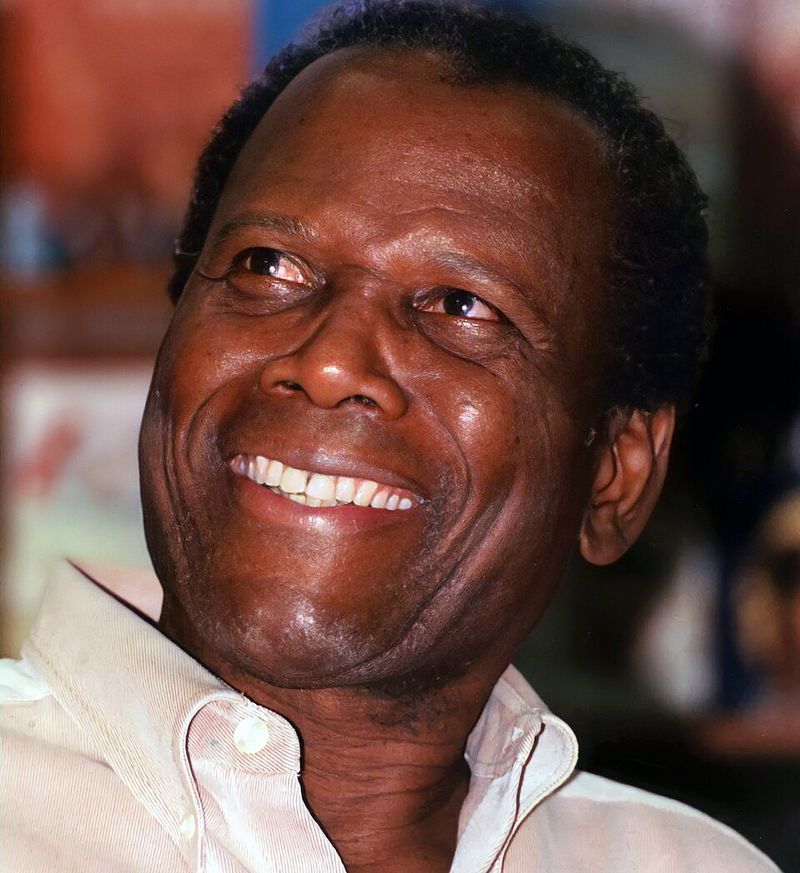
Sidney Poitier changed the face of Hollywood, but his story started long before any film set. As a young man, he served in the United States Army during World War II, spending time with a medical unit before eventually pursuing acting in New York.
That early chapter of discipline and service set the tone for a life built on quiet determination.
Poitier went on to become the first Black actor to win the Academy Award for Best Actor, a milestone that meant far more than a trophy. His performances carried a dignity and intelligence that felt completely unforced, and his military background was part of what shaped that inner steadiness.
He did not stumble into greatness. He worked toward it deliberately and patiently, decade after decade.
His journey from Army service to Oscar winner is one of the most powerful arcs in American entertainment history, and it deserves to be told in full every time his name comes up.
Rob Riggle
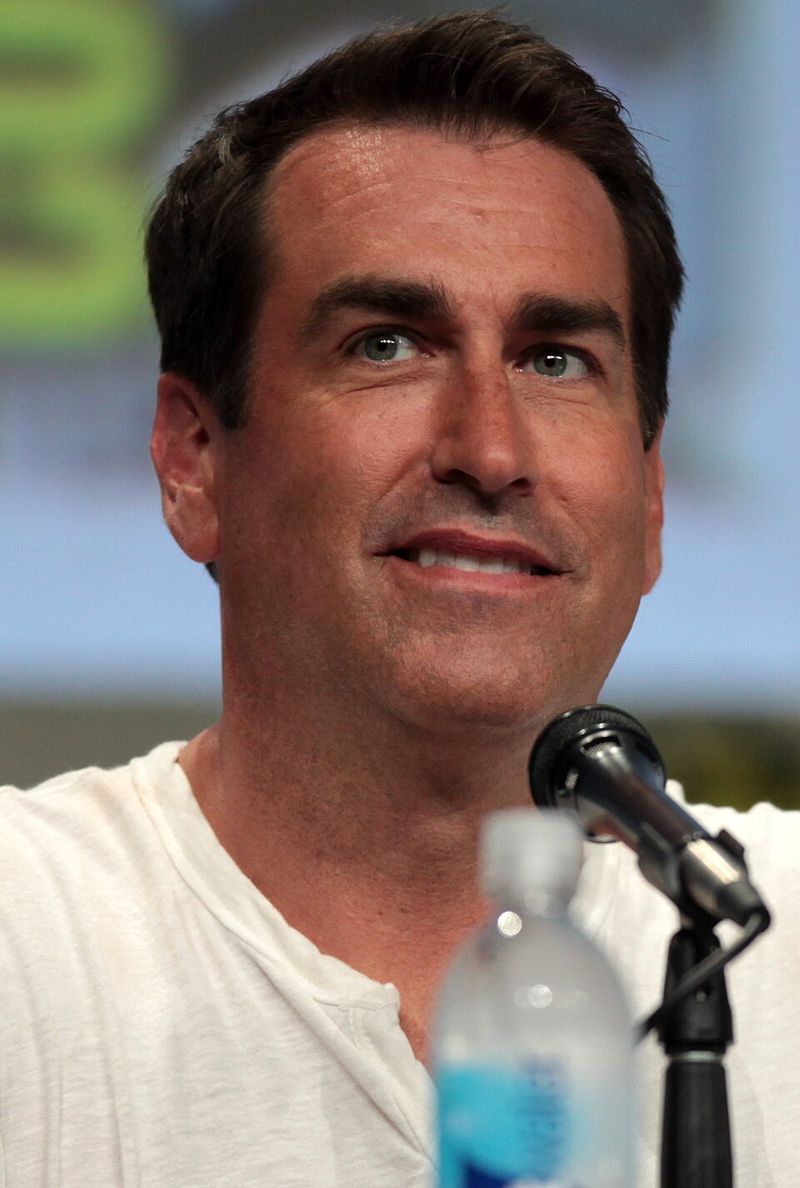
Rob Riggle is the guy who makes you laugh on screen, but off screen he spent 23 years in the United States Marine Corps and Marine Corps Reserve, eventually retiring as a lieutenant colonel. That is not a weekend warrior situation.
That is a serious, long-term military commitment running parallel to a full entertainment career, which is honestly impressive and slightly exhausting to think about.
His military service included real deployments and active duty assignments, not just reserve weekends. Audiences who know him from The Daily Show, Saturday Night Live, or various comedy films might be surprised to learn the depth of his service record.
Riggle never hid his military background, and it clearly informed the grounded, reliable quality he brings even to comedic roles. He is proof that discipline and humor are not opposites.
Sometimes the funniest people in the room are also the ones who have handled the most serious situations in real life.
Humphrey Bogart
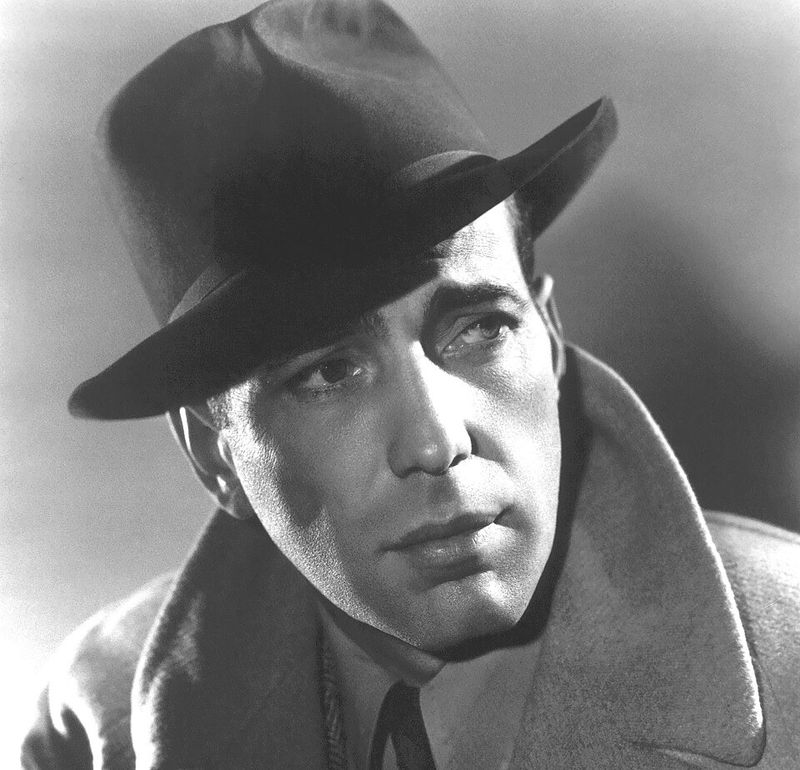
Long before Humphrey Bogart told Ingrid Bergman they would always have Paris, he was serving in the United States Navy during World War I. He enlisted as a young man and served aboard naval vessels before transitioning into stage work and eventually film.
That early brush with real-world stakes gave him something most actors of his era simply did not have.
Bogart became one of classic Hollywood’s most enduring icons through films like Casablanca and The Maltese Falcon. His screen persona was built on toughness, moral complexity, and a kind of weary cool that audiences found irresistible.
Knowing he actually served in wartime adds another layer to all of that. He was not pretending to be someone who had seen difficult things.
He had genuinely lived through a period of real uncertainty and danger. That experience, however briefly it touched his young life, became part of the quiet credibility behind one of Hollywood’s greatest careers.
Mr. T
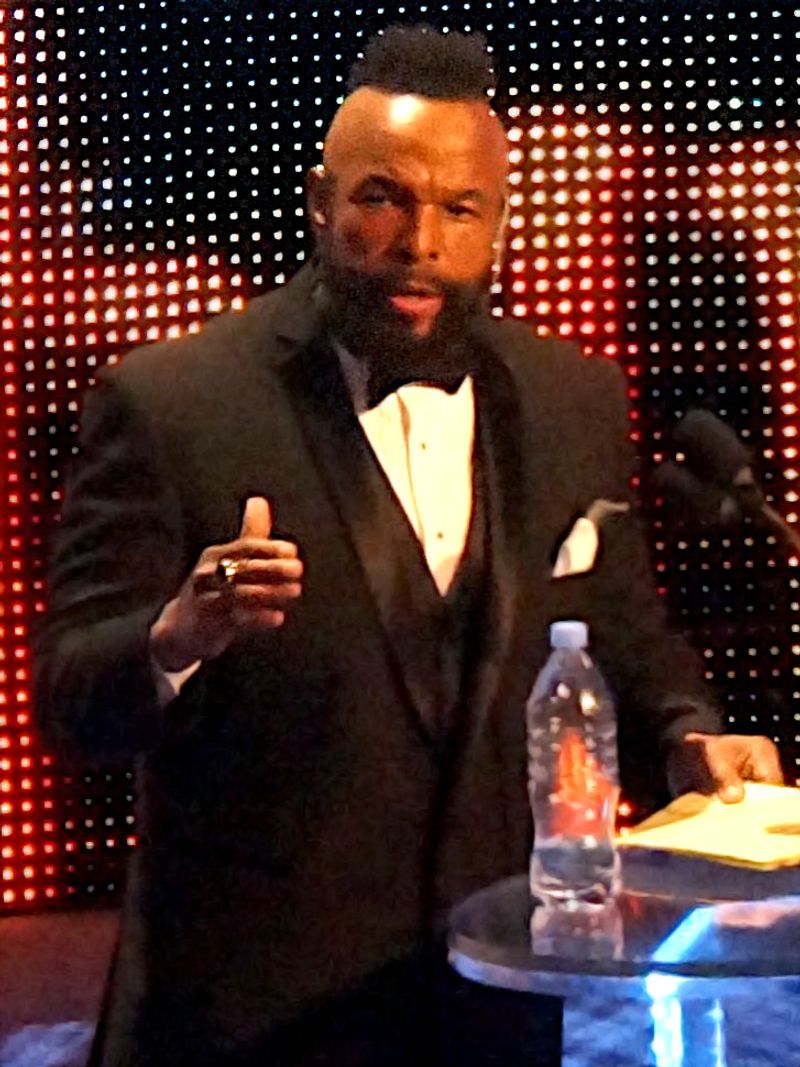
Mr. T once said he pitied the fool, but back in the 1970s, actual fools in the Army had real reason to be nervous around him. Born Laurence Tureaud, he served in the United States Army Military Police Corps, which is about as on-brand as a career choice can possibly get.
He was reportedly so effective at his job that a commanding officer once called him the best soldier he had ever seen.
His military years built the physical discipline and commanding presence that later made him a pop culture phenomenon. The toughness he projected in The A-Team and Rocky III was not a character invention.
It was a natural extension of someone who had already spent years in a role that demanded authority and strength. Mr. T became larger than life, but the foundation underneath all those gold chains and the mohawk was very much grounded in real military service and genuine personal discipline.
Mel Brooks
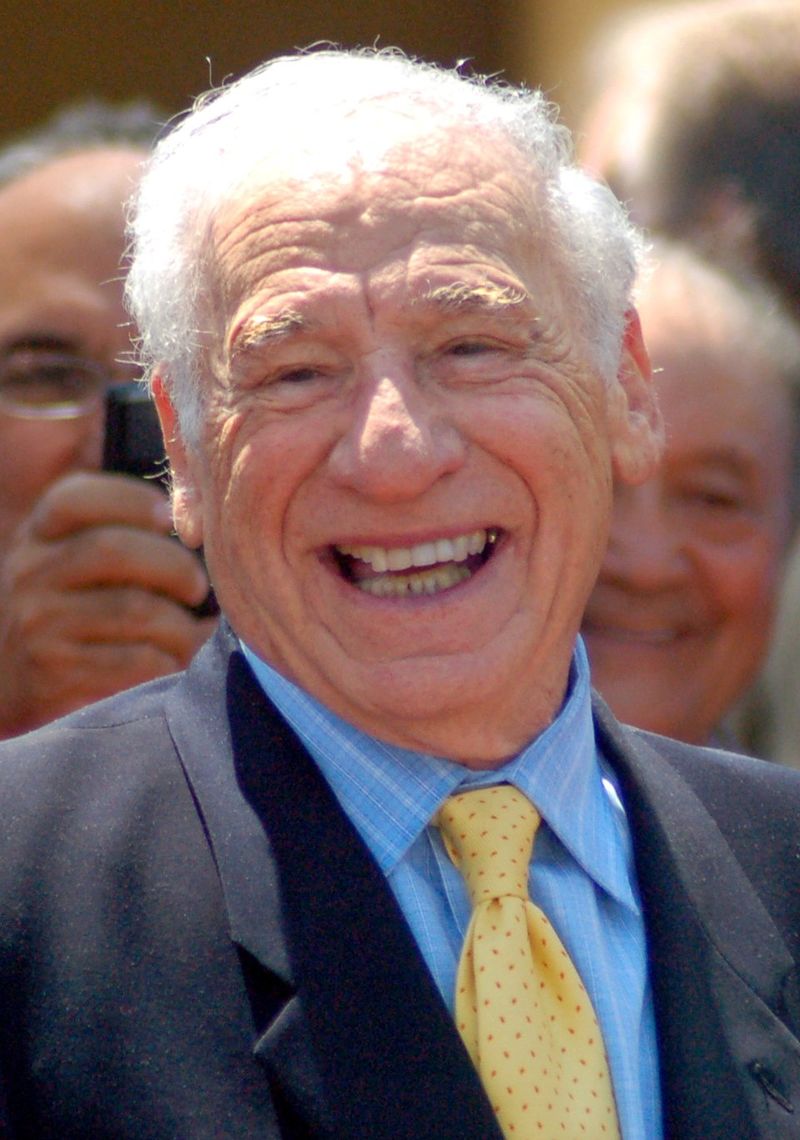
Mel Brooks made the world laugh for decades, but his entry into adulthood was anything but funny. He served in the United States Army during World War II as part of the 1104th Engineer Combat Group, where his job included clearing German land mines so Allied troops could advance safely.
That is not a punchline. That is genuinely dangerous, high-stakes wartime work done by a teenager.
What makes his story remarkable is the contrast. The man who later created Blazing Saddles, Young Frankenstein, and The Producers started out defusing explosives in Europe.
Brooks has spoken about using humor as a way to cope with the horrors of war, which gives his comedy an unexpectedly poignant backstory. His transition from combat engineer to comedy genius is one of Hollywood’s most striking personal journeys.
Laughter, for Mel Brooks, was never just entertainment. It was survival, and that started long before any film ever made it to the screen.
Johnny Cash
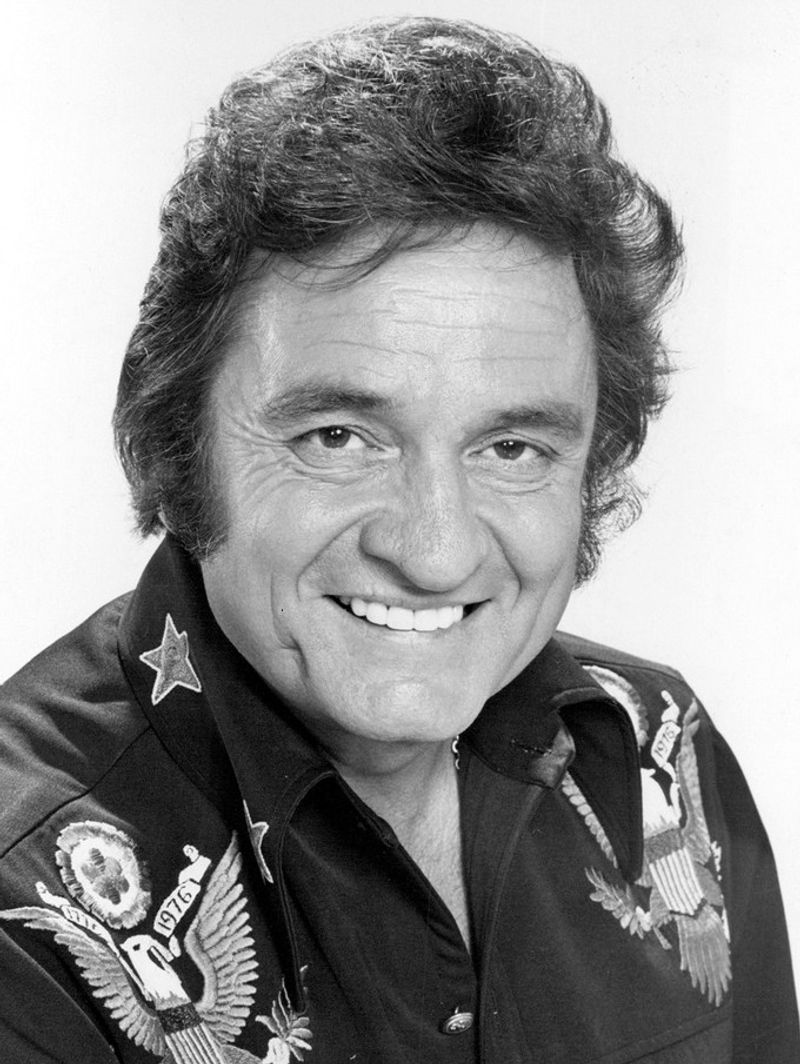
Johnny Cash became The Man in Black, but before the dark wardrobe and the legendary music career, he was an Air Force airman intercepting Soviet communications in West Germany. He was assigned to the 12th Radio Squadron Mobile of the Air Force Security Service, where he worked as a Morse code operator.
His job was literally listening in on Cold War enemies, which is somehow both thrilling and very Johnny Cash.
Cash reportedly was among the first Americans to learn of Stalin’s death because of intelligence he intercepted during his service. That kind of detail is almost too cinematic to be true, yet it is.
His time overseas shaped his perspective and fed into the restless, searching quality that defined his music. After leaving the Air Force, he moved toward a career that would make him one of the most influential American artists of the 20th century.
The signal he sent turned out to be music.
Paul Newman
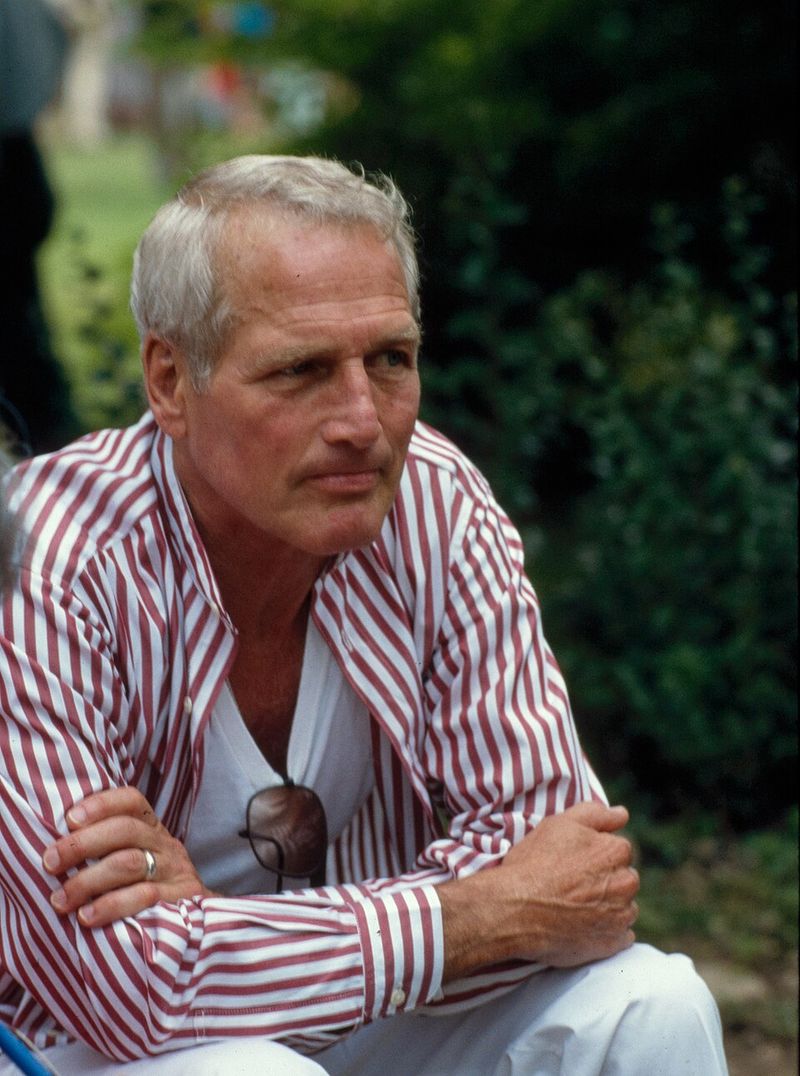
Paul Newman wanted to be a Navy pilot, and honestly, who could blame him. The problem was colorblindness, which grounded that particular dream before it ever got airborne.
Instead, he trained as a rear-seat radioman and gunner in torpedo bombers, a role that still required skill, nerve, and a willingness to fly into combat situations without being the one holding the controls.
Newman served during World War II before his acting career even began to take shape. He later starred in The Hustler, Cool Hand Luke, and Butch Cassidy and the Sundance Kid, becoming one of the most beloved actors in Hollywood history.
His military service was an early lesson in adapting when life changes the plan, something he seemed to do exceptionally well throughout his entire career. From racing cars to philanthropy to film, Newman kept finding new ways to excel.
The Navy gave him his first real taste of that kind of adaptability.
Share this story