For nearly a thousand years, the Tower of London served as both a fortress and one of England’s most notorious prisons. Kings, queens, nobles, and political rivals passed through its gates, and many never emerged.
Their stories reflect the betrayals, power struggles, and shifting loyalties that shaped English history for centuries.
Some prisoners were executed, others disappeared under mysterious circumstances, and a few simply died in captivity. Whatever their fate, the Tower became their final destination.
Read on to discover who they were, why they were imprisoned, and what their stories reveal about England’s turbulent past.
Catherine Howard
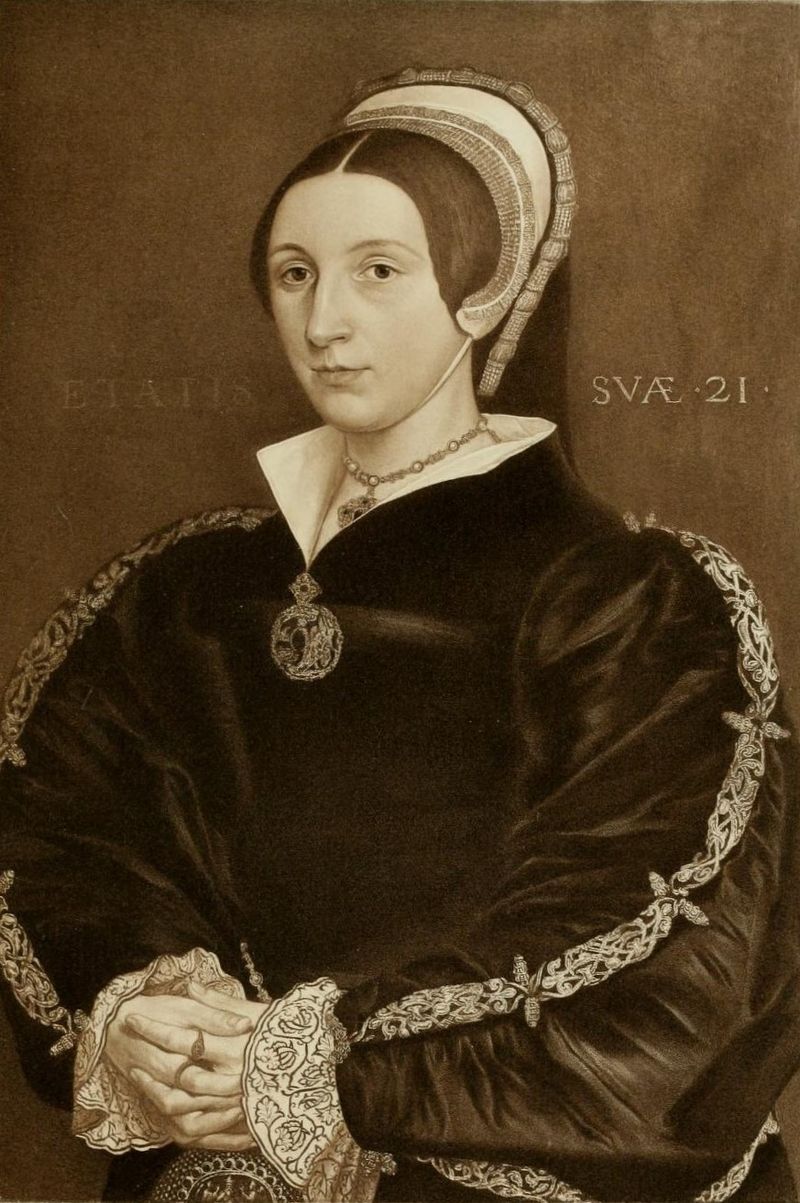
Catherine Howard became Henry VIII’s fifth wife in 1540, when she was likely around 16 or 17 years old. She had grown up in the household of the Dowager Duchess of Norfolk, where her early life lacked close supervision and left her vulnerable to older men at court.
Accusations of adultery and misconduct reached Henry in late 1541. She was arrested and confined to the Tower in February 1542.
The night before her execution, she reportedly asked for the block to be brought to her cell so she could practice placing her head on it correctly.
On February 13, 1542, she was beheaded on Tower Green. She was buried in the Chapel of St. Peter ad Vincula.
Her downfall was swift even by the standards of Henry’s court, and she remains one of the youngest people executed there.
Thomas More
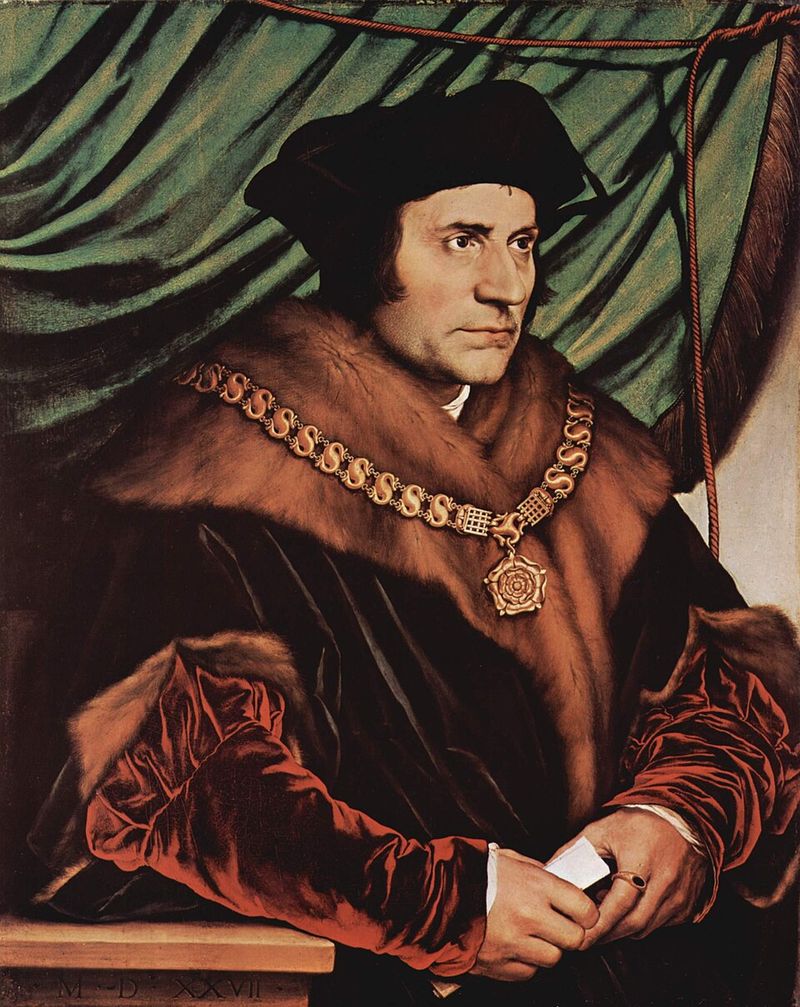
Few figures in English history have been as widely respected as Thomas More, and few paid as high a price for a matter of personal conscience. As Lord Chancellor under Henry VIII, he was one of the most powerful men in the kingdom.
He resigned in 1532 rather than endorse the king’s break from the Catholic Church.
Imprisoned in the Bell Tower in 1534, More spent over a year confined there before his trial. He refused to take the Oath of Supremacy, which would have recognized Henry VIII as head of the Church of England.
His silence on the matter was treated as defiance.
On July 6, 1535, he was executed by beheading on Tower Hill. His final words reportedly included the declaration that he died as “the King’s good servant, but God’s first.” He was canonized by the Catholic Church in 1935.
Thomas Cromwell
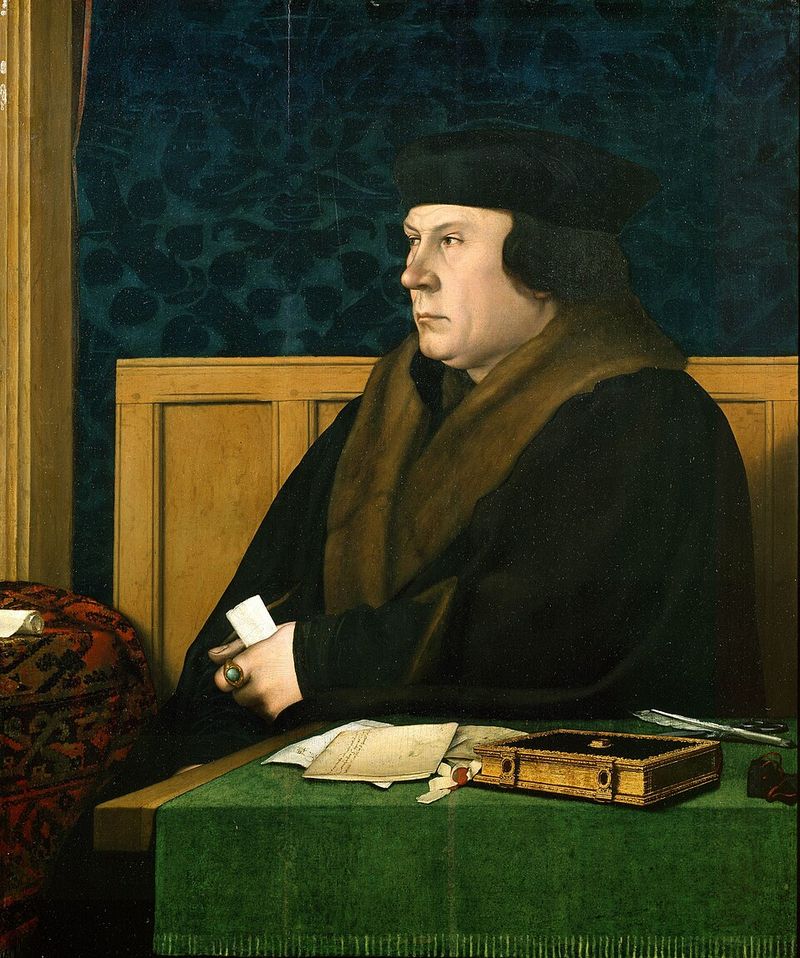
Thomas Cromwell spent decades building one of the most formidable political careers in Tudor England. Starting from a relatively modest background, he became Henry VIII’s chief minister and the architect of major reforms, including the dissolution of the monasteries.
His influence over royal policy was enormous.
His downfall came partly from arranging Henry’s disastrous marriage to Anne of Cleves in 1540, a match the king despised. His enemies at court, including the Duke of Norfolk, used the opportunity to move against him.
He was arrested in June 1540 and imprisoned in the Tower.
He was condemned by a bill of attainder rather than a formal trial, meaning Parliament declared him guilty without requiring standard legal proceedings. He was executed on Tower Hill on July 28, 1540.
By some accounts, the execution required multiple blows, making it one of the most troubled public endings of the Tudor period.
Anne Boleyn
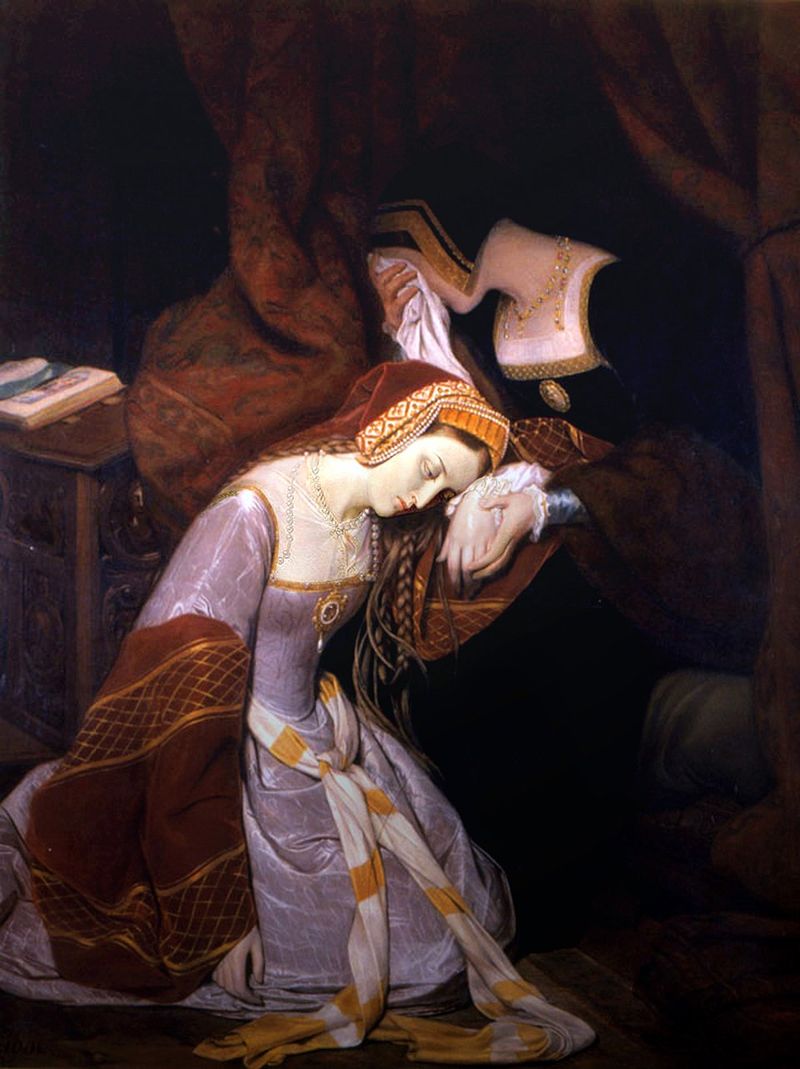
From the highest point a woman could reach in Tudor England to a cell in the Tower of London, Anne Boleyn’s story unfolded in just a few years. She had been welcomed at the Tower before her coronation in 1533, which makes her return in May 1536 as a prisoner all the more striking.
Henry VIII accused her of adultery, incest, and treason, charges that most historians today consider fabricated to clear the path for his next marriage. Her trial lasted less than two days, and the verdict was never really in doubt.
On May 19, 1536, she was executed on Tower Green by a French swordsman, a method considered more merciful than the axe. She was buried in the Chapel of St. Peter ad Vincula within the Tower grounds.
Lady Jane Grey
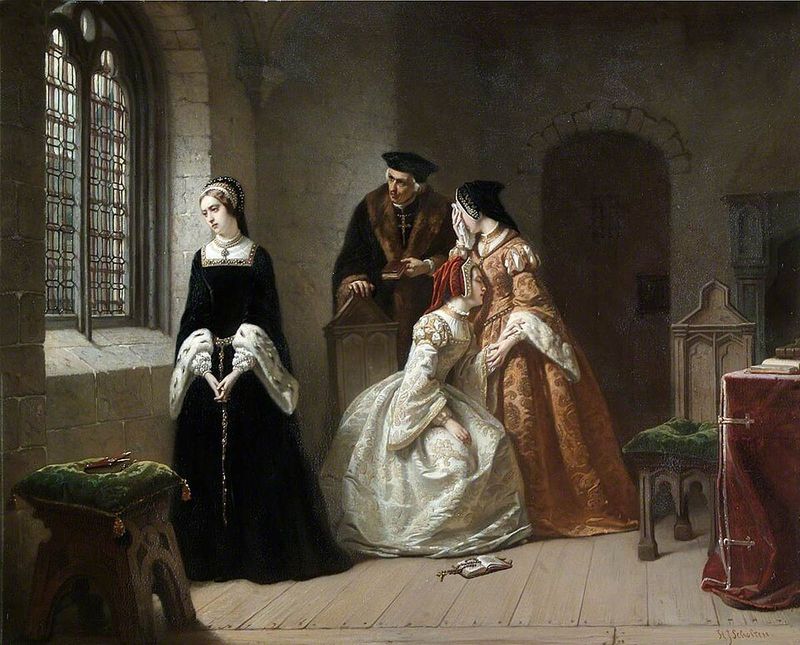
She was queen for nine days and a prisoner for months. Lady Jane Grey was placed on the English throne in July 1553 by powerful nobles, including her own father-in-law, who wanted to keep the Catholic Mary I from claiming power.
The plan collapsed almost immediately. Mary I had broad public support and moved quickly to secure the throne.
Jane was sent to the Tower, where she remained while political decisions about her future were debated.
Her fate was sealed after her father joined a rebellion against Mary in early 1554. On February 12, 1554, Jane was executed on Tower Green at the age of 17.
She delivered a composed final speech and was buried alongside Anne Boleyn in the Chapel of St. Peter ad Vincula. Her story remains one of the most debated in Tudor history.
Margaret Pole
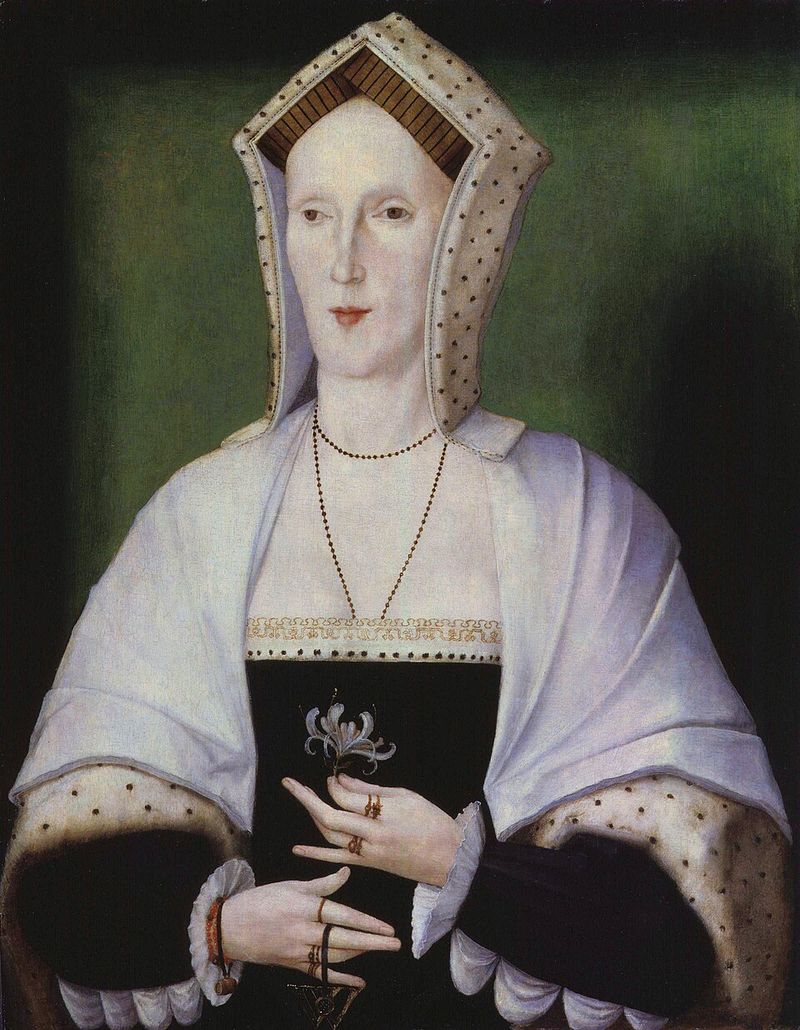
Margaret Pole was 67 years old when she was executed at the Tower, making her one of the oldest people put to death there. As the Countess of Salisbury and one of the last surviving members of the Plantagenet royal line, she had lived through some of the most turbulent decades in English history.
Henry VIII grew increasingly suspicious of families with royal blood, viewing them as potential threats to his dynasty. Margaret’s son, Cardinal Reginald Pole, publicly criticized the king from abroad, and Henry turned his anger toward the mother left behind in England.
She was imprisoned in the Tower in 1539 and executed on May 27, 1541. Contemporary accounts describe the execution as poorly carried out, with multiple blows required.
She was later beatified by the Catholic Church in 1886, recognized as a martyr for her faith.
Robert Devereux, 2nd Earl of Essex
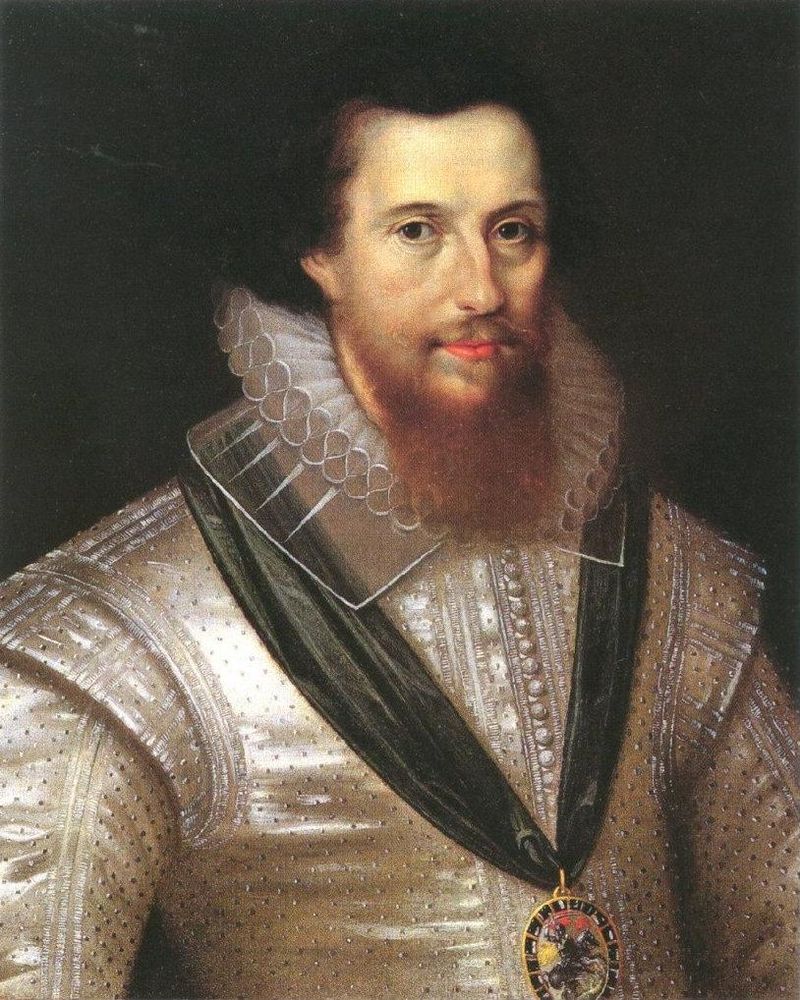
Robert Devereux had been one of the most celebrated men at Elizabeth I’s court, admired for his military record and his close relationship with the aging queen. He led successful campaigns in Cadiz and Ireland, and for a time, his star seemed unshakeable at the highest levels of English power.
His fortunes changed after a disastrous campaign in Ireland in 1599, where he made an unauthorized truce with the rebel leader Hugh O’Neill and returned to England without permission. Elizabeth stripped him of his offices and income.
Desperate and politically isolated, he attempted a rebellion in London in February 1601, hoping the city would rise up behind him. Almost no one did.
He was arrested within hours, confined in the Tower, and tried for treason. On February 25, 1601, he was executed by beheading inside the Tower, one of the few earls given that private distinction rather than a public Tower Hill execution.
Richard II
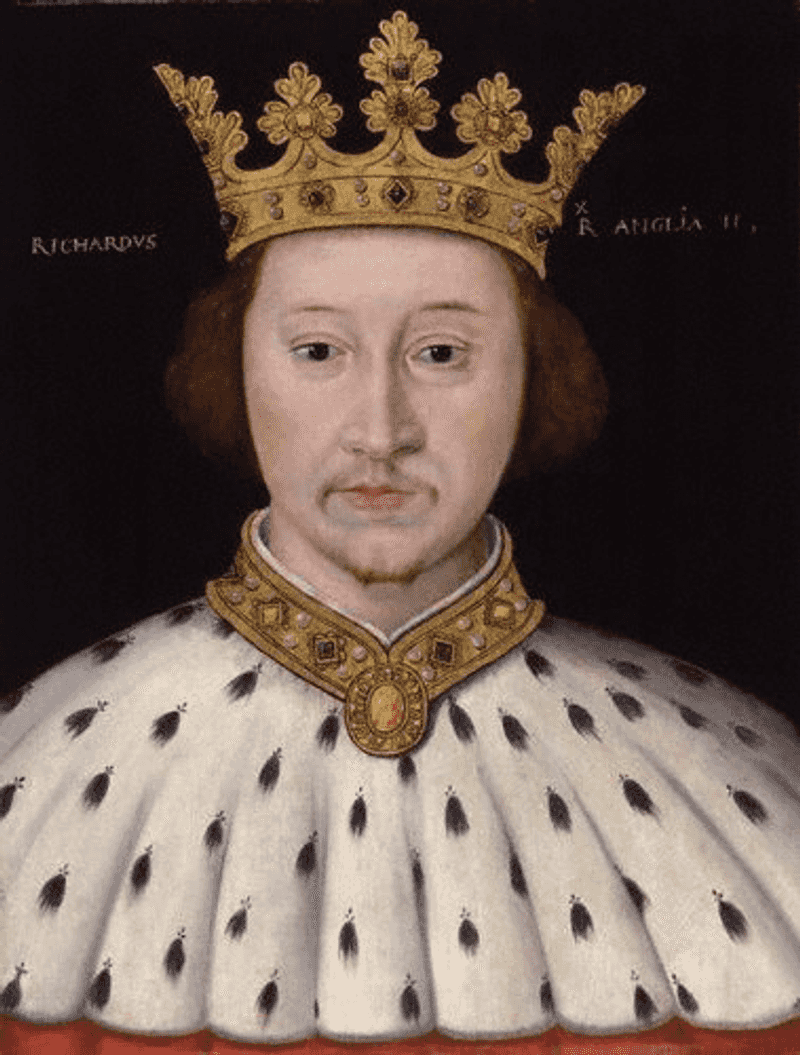
Richard II ruled England with a strong belief in absolute royal authority, which put him on a collision course with powerful nobles throughout his reign. His conflict with Henry Bolingbroke, his own cousin, eventually cost him everything.
In 1399, Bolingbroke returned from exile with an army, and Richard’s support collapsed almost entirely.
He was forced to abdicate and was taken to the Tower of London, then later transferred to Pontefract Castle. Parliament formally deposed him in September 1399, and Bolingbroke was crowned Henry IV.
Richard was now not just a prisoner but a former king with a claim that could inspire rebellion.
He died in early 1400 under circumstances that remain disputed by historians. Official records cited natural causes, but most modern scholars believe he was deliberately starved or otherwise harmed.
His body was displayed publicly to confirm his passing, a common practice meant to prevent rumors of survival.
Sir Thomas Overbury
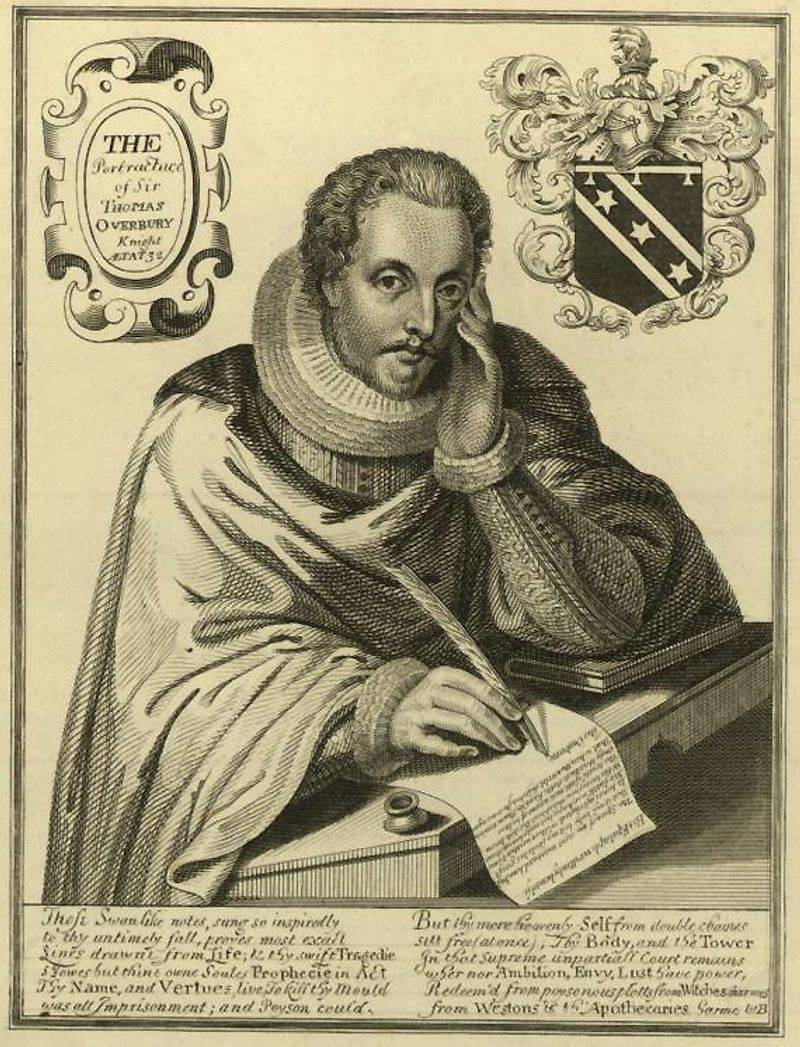
Sir Thomas Overbury was a poet and courtier who made a fatal mistake: he opposed the marriage plans of Robert Carr, one of King James I’s most favored courtiers. Carr wanted to marry Frances Howard, and Overbury made his objections known loudly enough to become a problem.
In April 1613, he was imprisoned in the Tower on a pretext arranged by his enemies.
Within months, he was dead. Investigations later revealed he had been systematically poisoned through contaminated food and medicine delivered to his cell.
The scandal that followed was enormous, implicating Frances Howard, Carr, and several servants in a deliberate scheme.
Trials were held in 1615 and 1616. Howard and Carr were convicted of murder, though they were eventually pardoned by the king.
The Overbury affair exposed just how far court factions would go to eliminate opponents, and it remains one of the most sensational cases of the Jacobean period.
William Laud
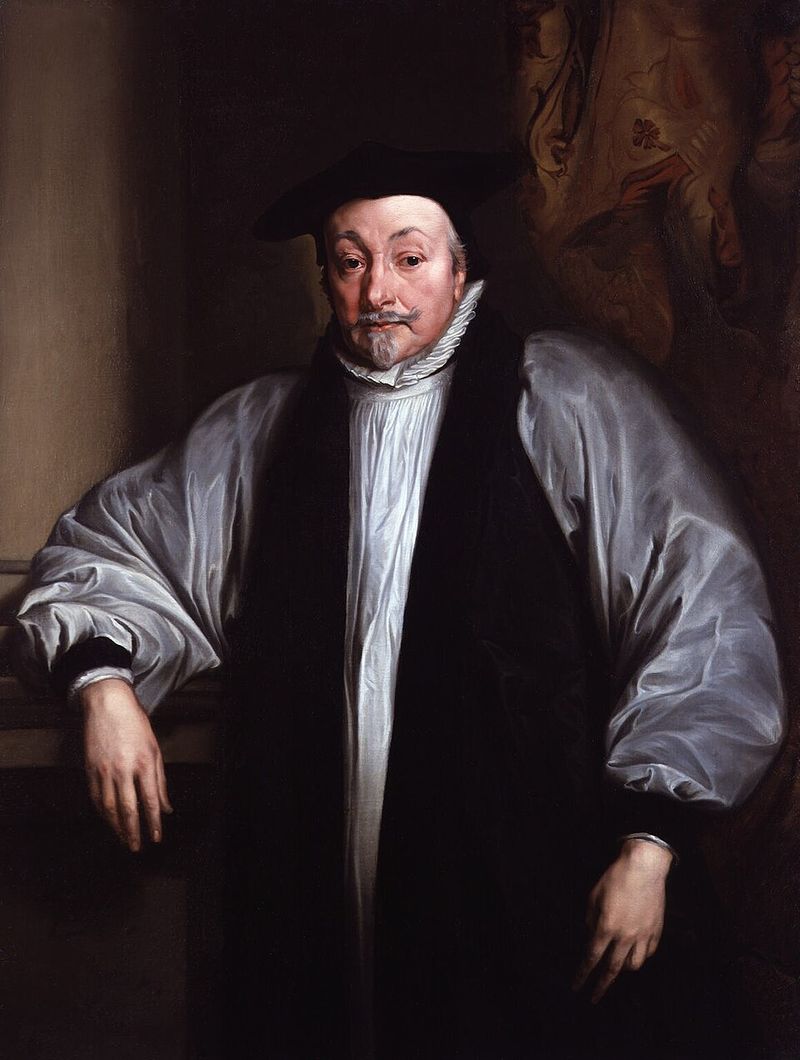
William Laud served as Archbishop of Canterbury from 1633 under King Charles I, and his religious policies made him deeply unpopular with Puritans and Scottish Presbyterians alike. He pushed for uniformity in worship across England and Scotland, a move that contributed directly to the Bishops’ Wars and helped push the country toward civil conflict.
Parliament turned on him in 1640, impeaching him on charges of attempting to subvert the laws of the realm. He was imprisoned in the Tower, where he remained for nearly five years as England descended into civil war around him.
Parliament eventually passed a bill of attainder to ensure a conviction when the treason charges seemed legally uncertain.
He was executed on Tower Hill on January 10, 1645. Laud was 71 years old.
His execution came just years before Charles I himself would face a similar fate, marking how completely the old political order had unraveled.
Henry VI
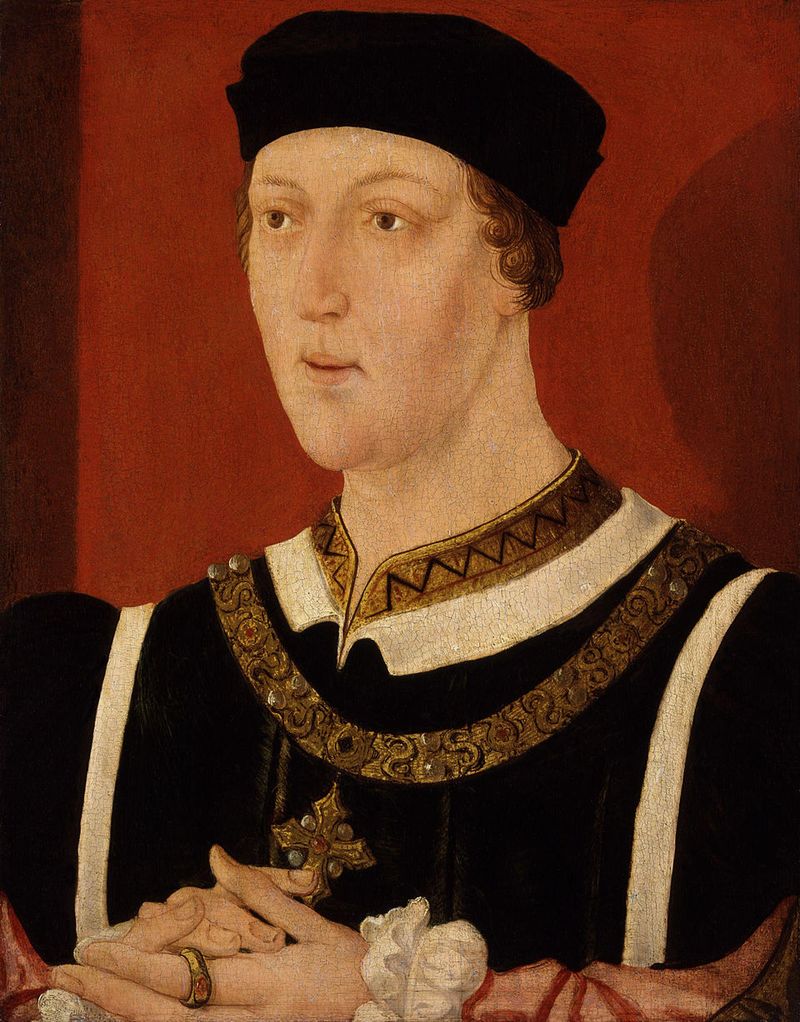
Henry VI had one of the most difficult reigns in English history. He inherited the throne as an infant, struggled with mental illness as an adult, and found himself caught between the rival Yorkist and Lancastrian factions during the Wars of the Roses.
He was deposed twice, first in 1461 and again in 1471.
After the Lancastrian defeat at the Battle of Tewkesbury in May 1471, Henry was held in the Tower of London. He died there on May 21, 1471, under circumstances that official Yorkist accounts attributed to grief and distress.
Few people believed that explanation at the time.
The Croyland Chronicle and Milanese State Papers both suggest he was murdered on the orders of Edward IV. His body was reported to show physical signs of violence.
He was initially buried at Chertsey Abbey before being moved to St. George’s Chapel, Windsor, where his grave became a minor site of pilgrimage.
The Princes in the Tower
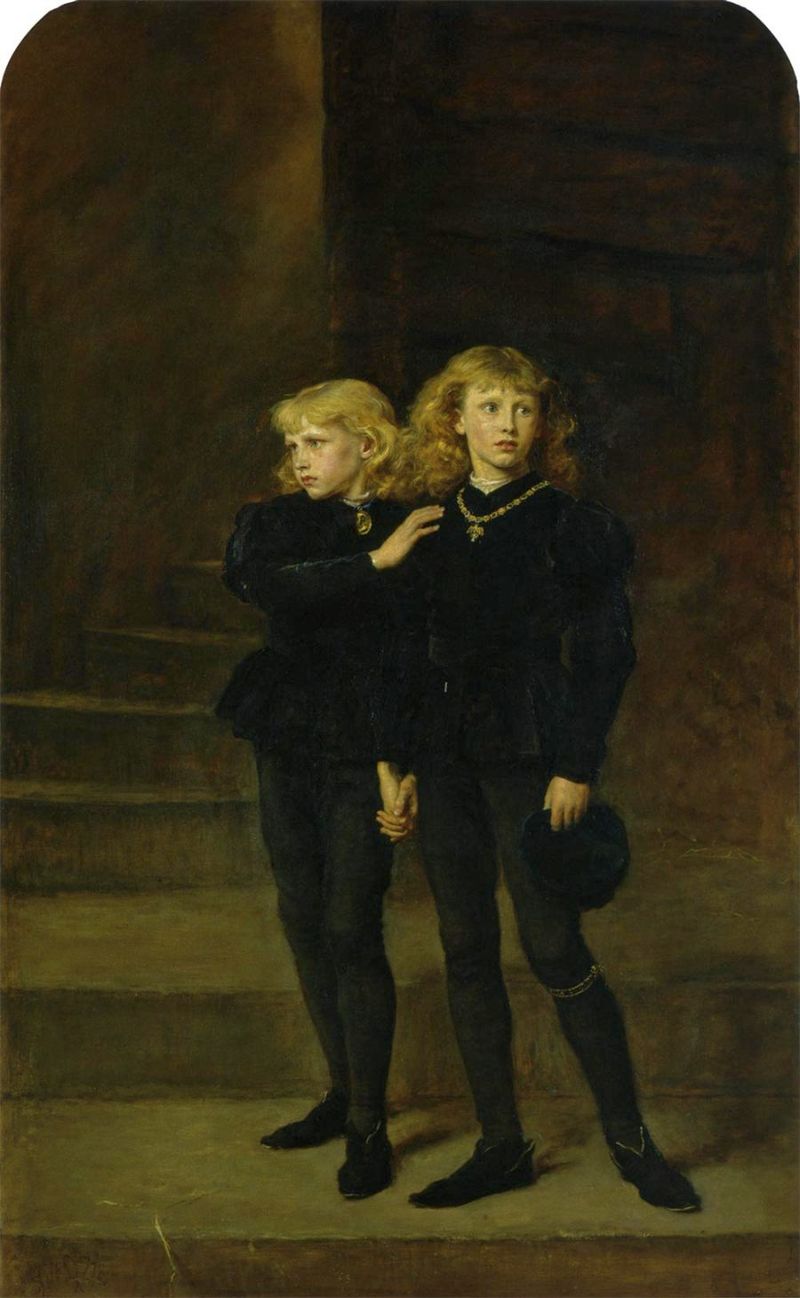
Edward V was just 12 years old when he was escorted to the Tower of London in May 1483, supposedly in preparation for his coronation. His younger brother Richard, Duke of York, joined him shortly afterward.
Neither boy was ever seen in public again.
Their uncle Richard, Duke of Gloucester, had them declared illegitimate and took the throne as Richard III in June 1483. What happened to the boys after that has been debated for over five centuries.
No confirmed burial site has ever been identified, though bones discovered in the Tower in 1674 were assumed to be theirs.
Richard III remains the primary suspect in most historical analyses, though some scholars have pointed to Henry VII or other figures. A 2023 study re-examined the 1674 bones and raised further questions about their identity.
The case has never been officially resolved, making it one of history’s most enduring unsolved mysteries.
James Scott, 1st Duke of Monmouth
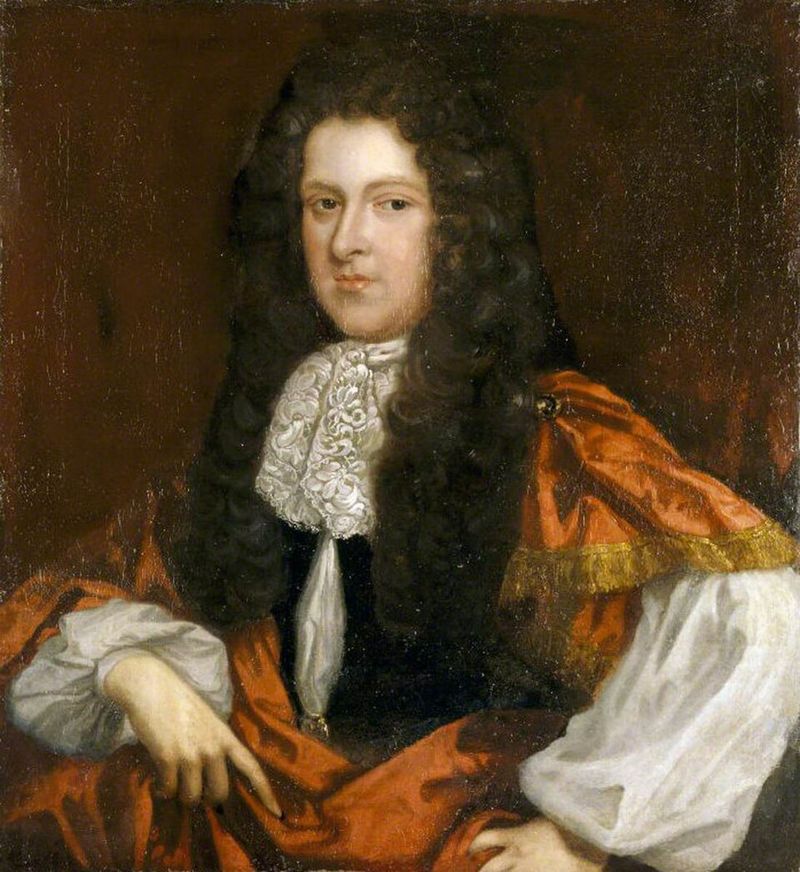
James Scott was the eldest illegitimate son of King Charles II, and for years he was treated with considerable favor at court. Some Protestant supporters hoped he might be legitimized and placed in the line of succession ahead of his Catholic uncle, who became James II in 1685.
Monmouth launched a rebellion from the West Country in June 1685, landing in Dorset with a small force and gathering support among local Protestant communities. The rebellion was crushed at the Battle of Sedgemoor on July 6, 1685, the last pitched battle fought on English soil.
Monmouth was captured hiding in a ditch two days later.
He was taken to the Tower and executed on Tower Hill on July 15, 1685. The execution was notoriously botched, requiring multiple blows.
His defeat triggered the Bloody Assizes, a series of trials that resulted in hundreds of executions and transportations across the West Country.
Judge George Jeffreys
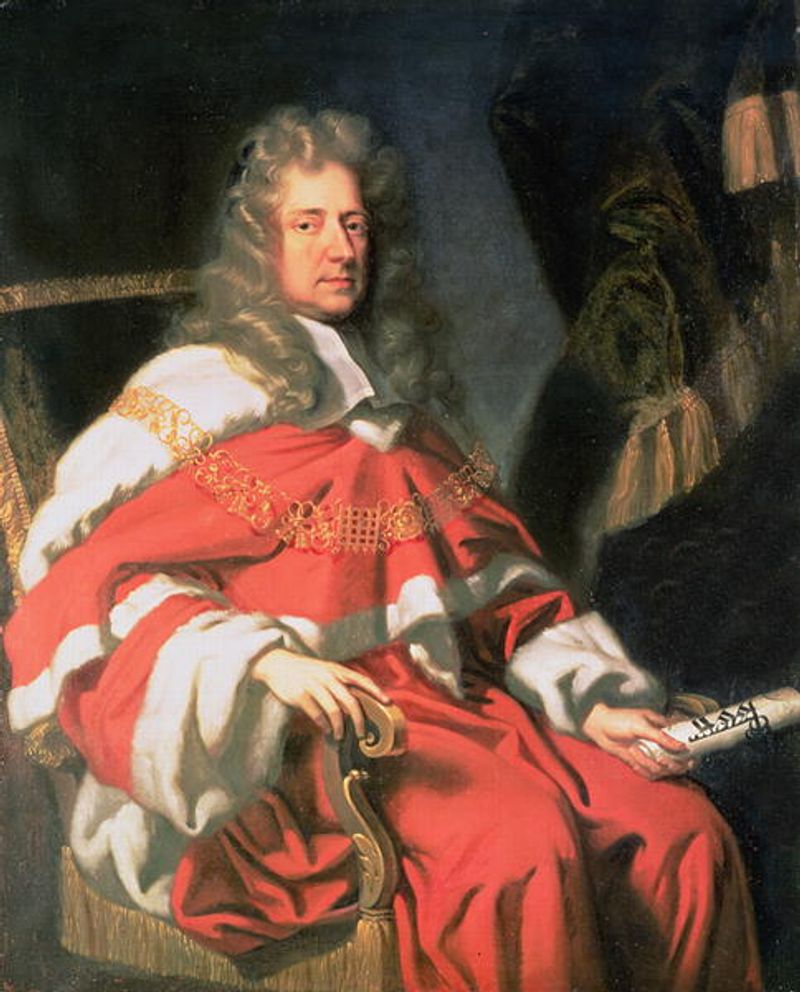
George Jeffreys earned his place in history through the trials he presided over following Monmouth’s rebellion. The Bloody Assizes of 1685 resulted in approximately 320 executions and around 800 transportations to the Caribbean colonies.
Jeffreys showed almost no leniency, and his name became synonymous with judicial harshness.
He continued to serve as Lord Chancellor under James II, but his fortunes collapsed alongside the king’s. When William of Orange invaded England in 1688 and James II fled, Jeffreys tried to escape the country himself, disguising himself as a sailor.
He was recognized at a pub in Wapping and arrested by an angry crowd.
He was taken to the Tower of London, where he died on April 18, 1689, from kidney disease before any formal proceedings could take place. He was 44 years old.
His death in the Tower spared him a trial that would almost certainly have ended the same way.
John Dudley, Duke of Northumberland
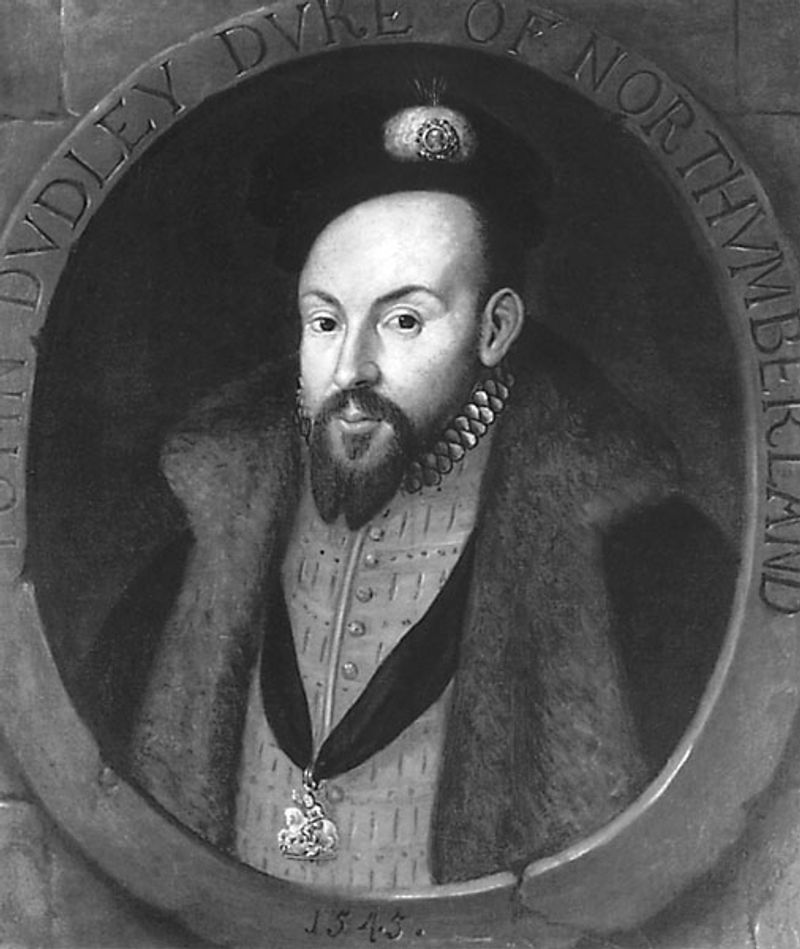
John Dudley rose to become the most powerful man in England during the final years of Edward VI’s reign, serving effectively as regent while the young king’s health declined. His political maneuvering was calculated and effective, but his greatest gamble was also his last.
When it became clear that Edward VI was dying in 1553, Dudley pushed to have Lady Jane Grey, his own daughter-in-law, named as heir to the throne. The plan bypassed both of Henry VIII’s daughters, Mary and Elizabeth.
It collapsed within days of Edward’s death as Mary I moved quickly and gathered overwhelming popular support.
Dudley was arrested and taken to the Tower in July 1553. He was tried for treason and executed on Tower Hill on August 22, 1553.
His fall brought down much of his family with him, including his son Guildford Dudley, who was executed alongside Lady Jane Grey the following year.
Share this story