Not all beaches are created equal, and some of them have a secret weapon: pink sand. These rare shorelines get their rosy hue from tiny coral fragments, shells, and microscopic organisms mixed into the white sand.
From the Bahamas to the Philippines, pink-sand beaches are scattered across the globe like nature’s own highlight reel. Pack your bags, because this list is about to make your travel bucket list a whole lot rosier.
Pink Sands Beach, Harbour Island, Bahamas
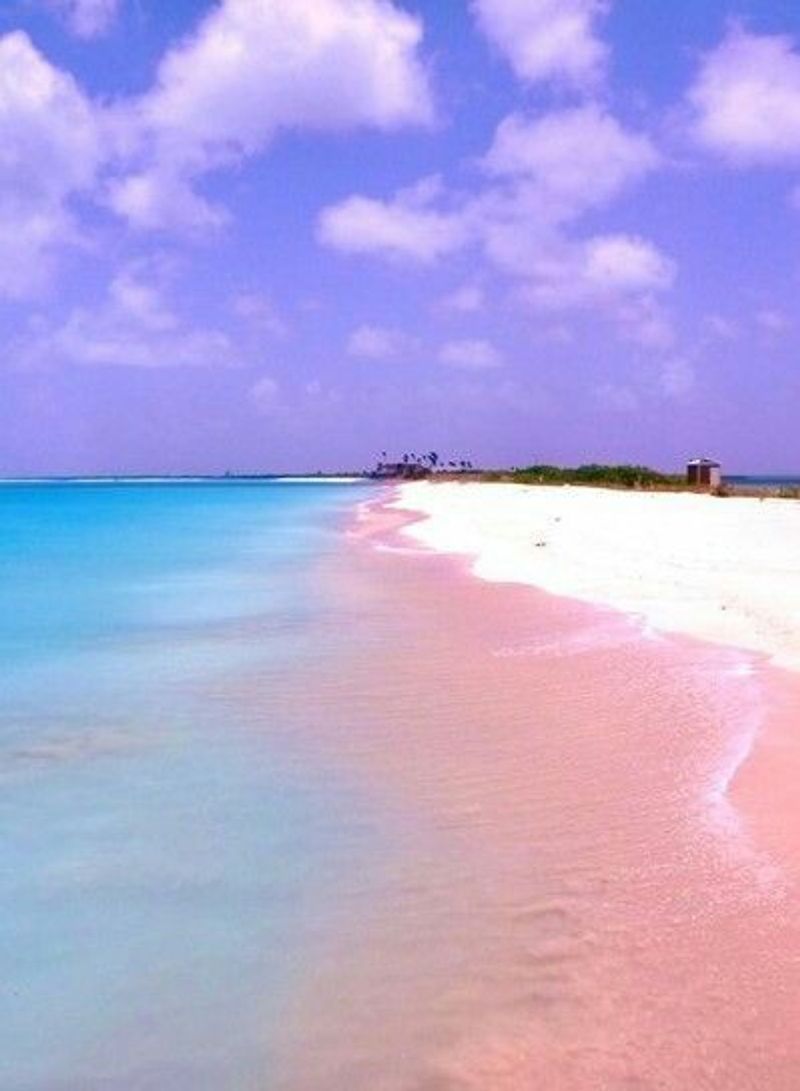
The most famous pink beach on the planet has a surprisingly tiny origin story. Microscopic creatures called foraminifera, with their red-pink shells, mix with white sand to create Harbour Island’s legendary blush shoreline.
Three miles of it. Yes, three whole miles of pink.
I visited on a Tuesday, and even then it felt like the beach was showing off. The water is that specific shade of turquoise that makes you question whether you’ve stepped into a screensaver.
Golfers in pastel polos ride rented golf carts past boutique hotels lining the shore.
Harbour Island itself is small, charming, and oddly chic for a place you reach by water taxi. The beach stays uncrowded compared to other Caribbean hotspots.
No massive resort towers block the view. Just pink sand, warm water, and the quiet satisfaction of standing somewhere genuinely extraordinary.
Worth every connecting flight.
Elafonissi Beach, Crete, Greece
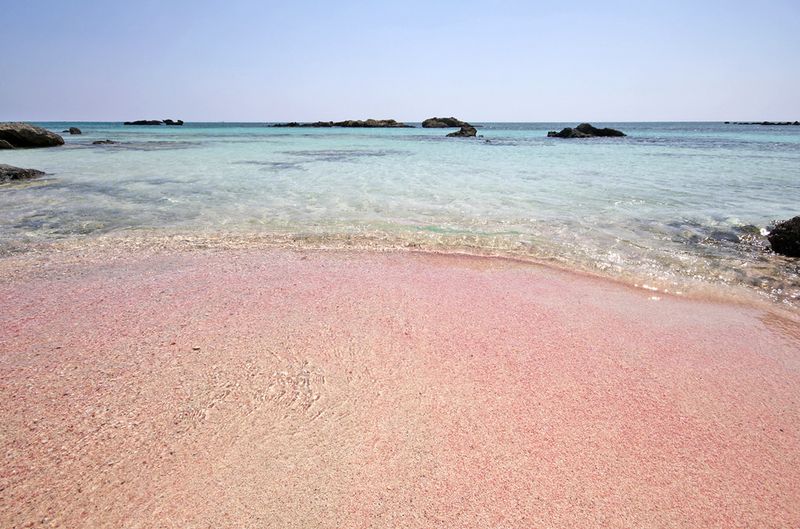
At the southwestern tip of Crete sits a beach that genuinely looks like it belongs in a fairy tale. Elafonissi is a shallow lagoon separated from a small island by a narrow strip of water you can wade across.
The sand ranges from white to a soft, dreamy pink depending on where you step.
Crushed shells and marine organisms are responsible for the rosy tint. Conservation rules are in place here, so avoid picking up shells or disturbing the ecosystem.
The beach is protected, and for good reason. It’s irreplaceable.
Summer crowds can be intense, since Elafonissi is one of Crete’s most popular destinations. Visiting in late May or early September gives you the beauty without the chaos.
The water stays shallow for a long stretch, making it ideal for families. Parking fills up fast, so arriving before 9 a.m. is genuinely sound advice, not just a polite suggestion.
Pink Beach (Pantai Merah), Komodo National Park, Indonesia
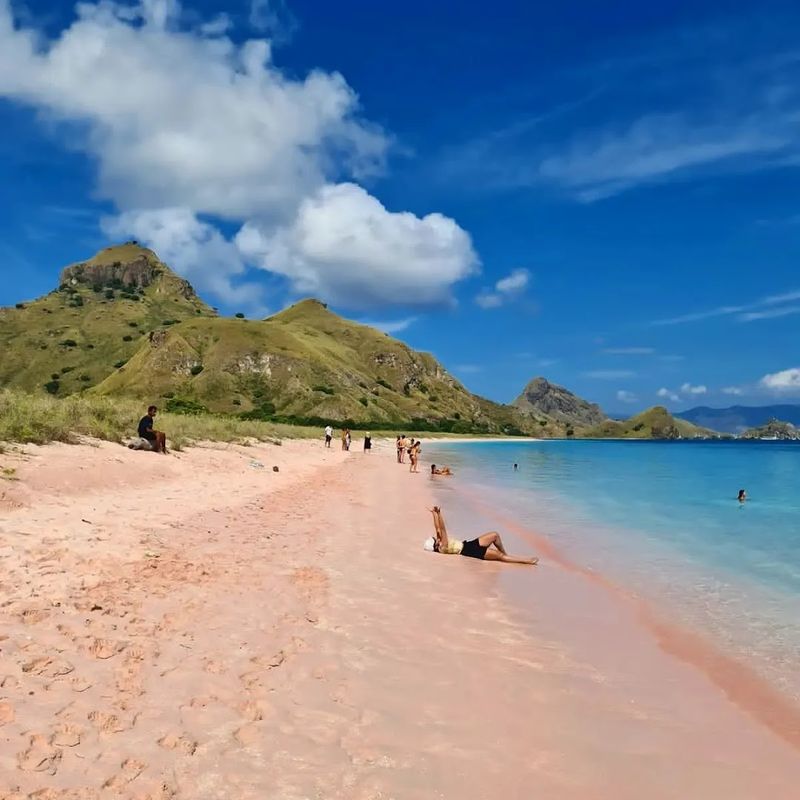
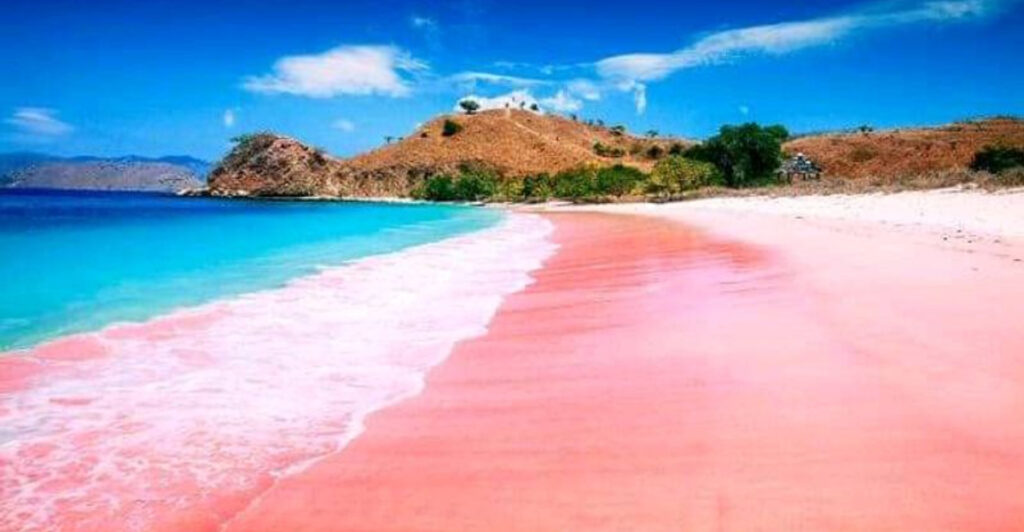
There are only about seven genuinely pink beaches in the entire world. Pantai Merah, which literally translates to Red Beach, is one of them, and it delivers.
The pink color comes from fragments of red coral that broke apart over centuries and blended with the white sand below.
Getting here requires a boat trip through Komodo National Park, which is already one of the world’s most dramatic landscapes. You might spot Komodo dragons on nearby islands during the journey.
That is not a sentence most beach guides get to include.
The snorkeling at Pantai Merah is exceptional. Coral reefs just offshore host an almost ridiculous variety of marine life, including reef sharks, manta rays, and sea turtles.
The beach itself stays relatively uncrowded because access is regulated through the national park. Entrance fees apply, and guides are required in some areas.
All of it is worth it for a beach this genuinely rare.
Tangsi Beach (Pink Beach), Lombok, Indonesia
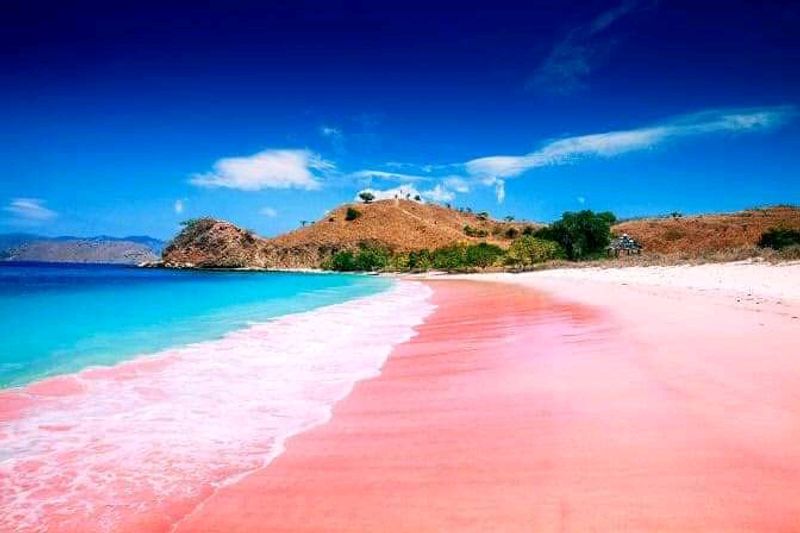
Lombok’s best-kept secret has a color palette that requires a second look. Tangsi Beach, nicknamed Pink Beach by locals and travelers alike, sits on the island’s southeastern coast and offers a quieter, more laid-back alternative to Komodo’s famous shoreline.
The pink hue here is subtle, almost shy.
The sand blends crushed coral and shell fragments into a soft rose tone that photographs beautifully in golden hour light. The water is clear enough to see the seafloor without snorkeling gear, though snorkeling is highly recommended.
The reef system here is healthy and surprisingly vibrant.
Getting to Tangsi involves a mix of roads that range from decent to adventurous, depending on your vehicle. Hiring a local driver is the smartest move.
There are minimal facilities on site, so bringing water, snacks, and sunscreen is essential. The low-key atmosphere is exactly what makes it special.
No beach clubs, no loud music, just pink sand and quiet waves.
Les Sables Roses, Rangiroa, French Polynesia
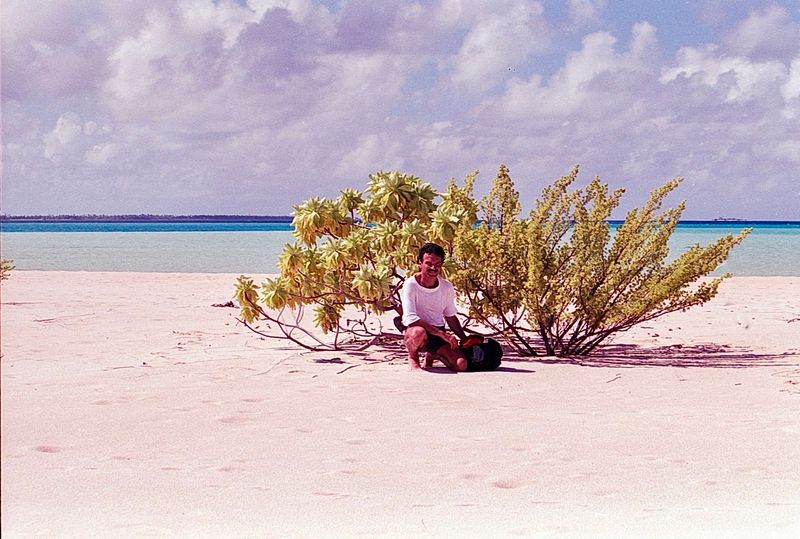
Rangiroa is one of the largest atolls in the world, and somewhere inside it hides a stretch of sand so remote and so beautiful that reaching it feels like a reward in itself. Les Sables Roses, or the Pink Sands, sits deep inside the atoll, accessible only by boat.
The pink color comes from coral fragments and shell deposits accumulated over thousands of years. The result is a pale, peachy-rose shoreline that contrasts dramatically with the deep blues of the surrounding Pacific.
It’s genuinely hard to photograph badly.
Most visitors access Les Sables Roses through guided boat excursions from Rangiroa’s main village. Day trips are the standard option, and they typically include snorkeling stops along the way.
The lagoon around Rangiroa is famous for its shark and dolphin populations. Spotting a dolphin on your way to a pink beach is the kind of travel day that makes everyone else’s vacation look ordinary by comparison.
Pink Sand Beaches of Tikehau, French Polynesia
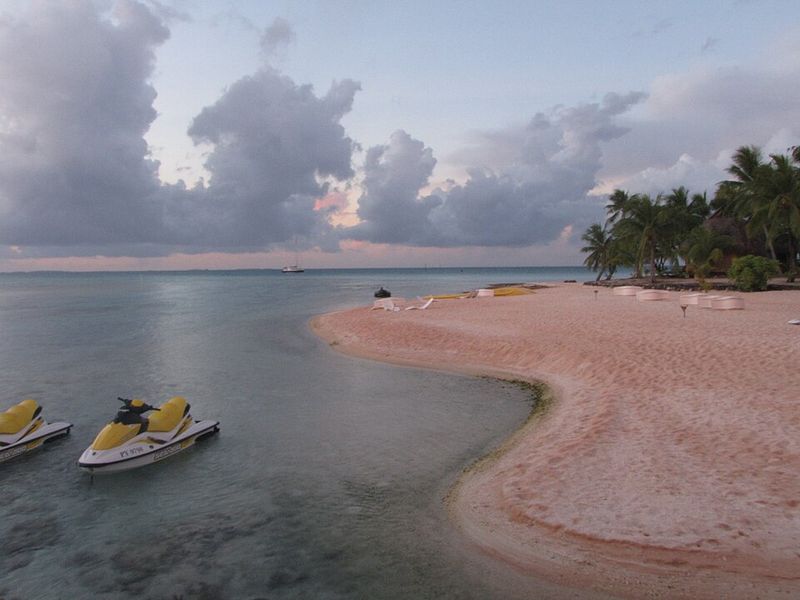
Tikehau is the kind of place that makes you wonder why you ever vacationed anywhere else. This coral atoll in French Polynesia is ringed with beaches dusted in pink coral sand, and the whole island operates at a pace best described as blissfully unhurried.
Travelers looking to escape the tourist trail end up here and rarely regret it.
The pink tint comes from the coral that makes up the atoll itself. As coral breaks down over time, it leaves behind fine pinkish grains that mix with white sand across the shoreline.
It’s geology working quietly in your favor.
Tikehau has a small population and limited accommodation options, which keeps visitor numbers low. That’s a feature, not a bug.
The lagoon is one of the most fish-rich in French Polynesia, making it a top snorkeling and diving destination. Flying in from Papeete takes about an hour.
The remoteness is part of the charm, and honestly, so is the silence.
Pink Sand Beach, Barbuda
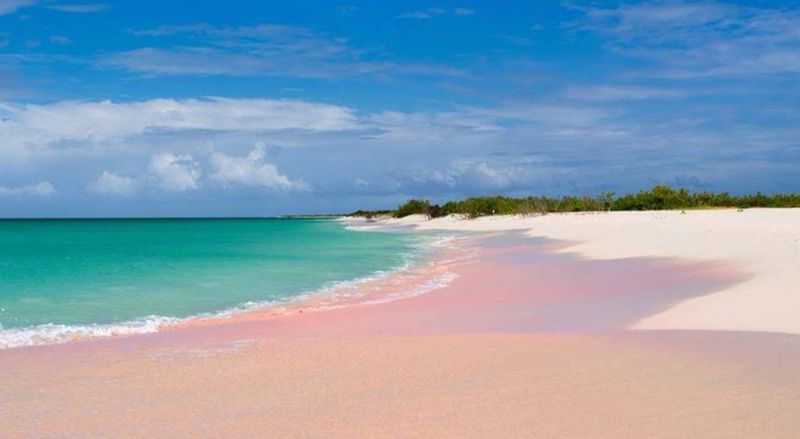
Barbuda is Antigua’s quieter, less-visited sibling, and it has been quietly sitting on one of the Caribbean’s most spectacular secrets for centuries. Miles of blush-colored sand stretch along its western coast, much of it completely undeveloped.
No resort sprawl. No beach bar every fifty feet.
Just pink sand and open sky.
The coloration comes from the same coral and shell mix found at other pink beaches, but Barbuda’s shoreline feels especially pristine because so little of it has been touched by development. After Hurricane Irma caused significant damage in 2017, the island has been slowly rebuilding its tourism infrastructure.
Visiting Barbuda currently requires a short flight or ferry from Antigua. Accommodation options are limited compared to neighboring islands, which is exactly why the beach stays so unspoiled.
Guided tours from Antigua are a popular option for day visitors. If you want a Caribbean beach that feels like a genuine discovery rather than a postcard, Barbuda is your answer.
Crane Beach, Barbados
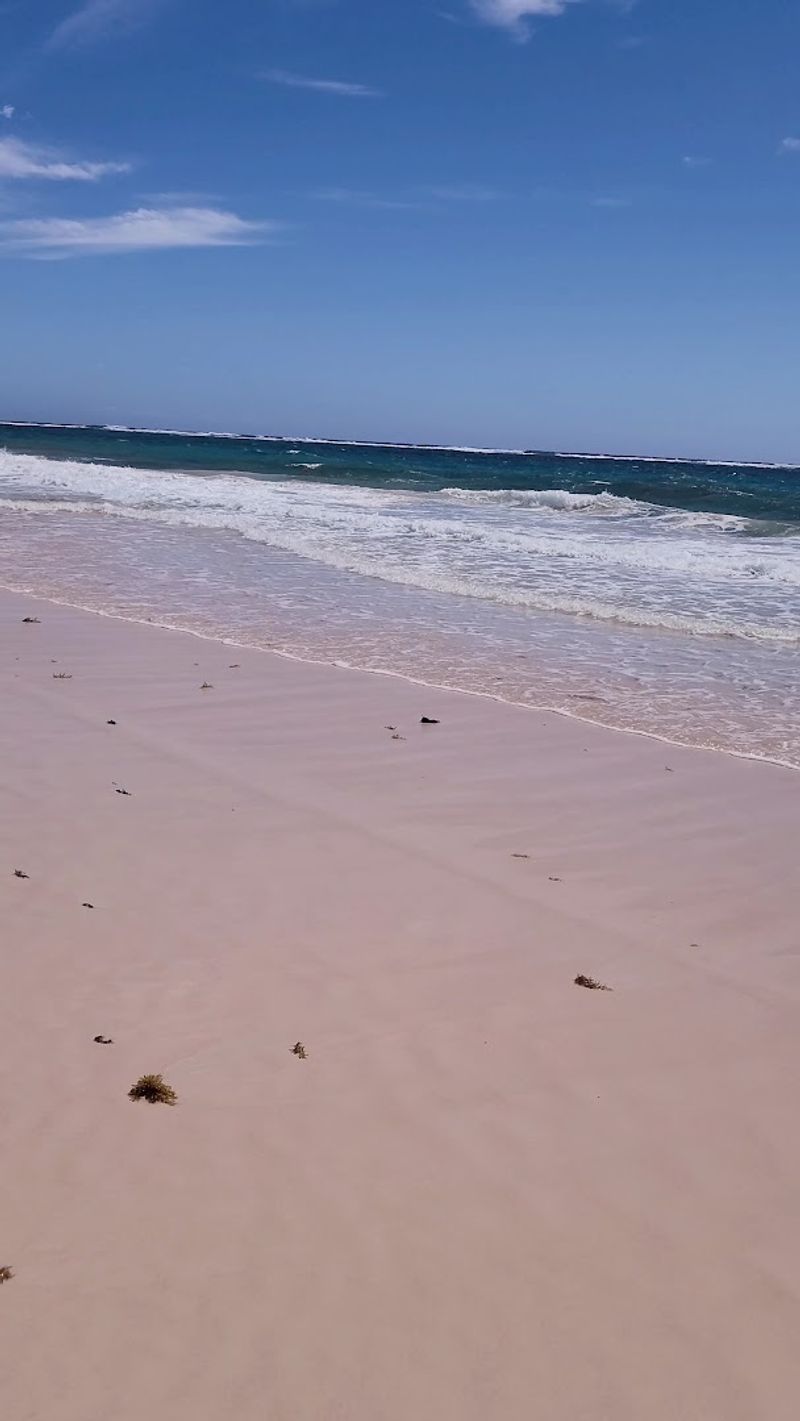
Crane Beach has been wowing visitors since the 1800s, which makes it one of the oldest tourist attractions in the entire Caribbean. That’s a long track record for a beach.
The sand here is a mix of white and crushed coral that gives it a warm, rosy blush, particularly visible in the late afternoon sun.
The dramatic coral stone cliffs that frame the beach are what set Crane apart from every other pink-tinted shoreline. The Atlantic waves here are stronger than on Barbados’ calmer west coast, making it popular with bodyboarders and anyone who likes their beach with a little more energy.
The Crane Resort sits atop the cliffs and has been operating since 1887. Non-guests can access the beach directly from the bottom of the cliffs via a public path.
Early morning visits reward you with almost no crowds and some genuinely spectacular wave action. Bring reef shoes if the surf is up.
The rocks underfoot can surprise you.
Great Santa Cruz Island Pink Beach, Zamboanga, Philippines
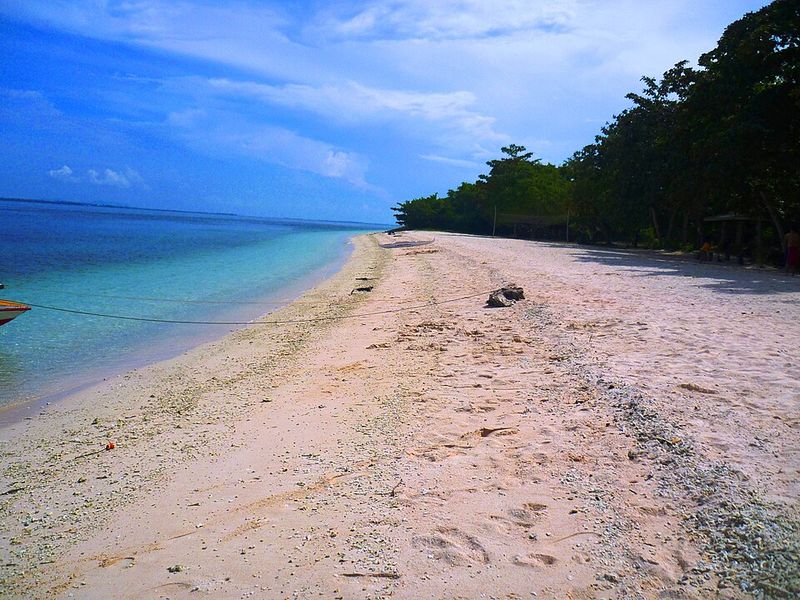
The Philippines has over 7,000 islands, but Great Santa Cruz Island near Zamboanga City holds something genuinely rare: a beach where the sand is visibly, unmistakably pink. The color comes from crushed red organ-pipe coral, and the effect is striking enough that the beach has become one of the country’s most recognized natural landmarks.
Access to the island is regulated by local authorities, which helps protect the fragile coral ecosystem that gives the beach its color. Visitor numbers are managed, and permits are required.
That’s a small bureaucratic hurdle for a beach this significant.
The boat ride from Zamboanga City takes about 15 to 20 minutes. Guides and local tourism offices handle the logistics, making the process straightforward for visitors.
The surrounding waters are excellent for snorkeling. The coral gardens just offshore are part of what keeps this beach looking the way it does.
Respecting the rules here isn’t just polite. It’s what keeps the pink sand pink.
Spiaggia Rosa (Viewed from Designated Areas), Sardinia, Italy
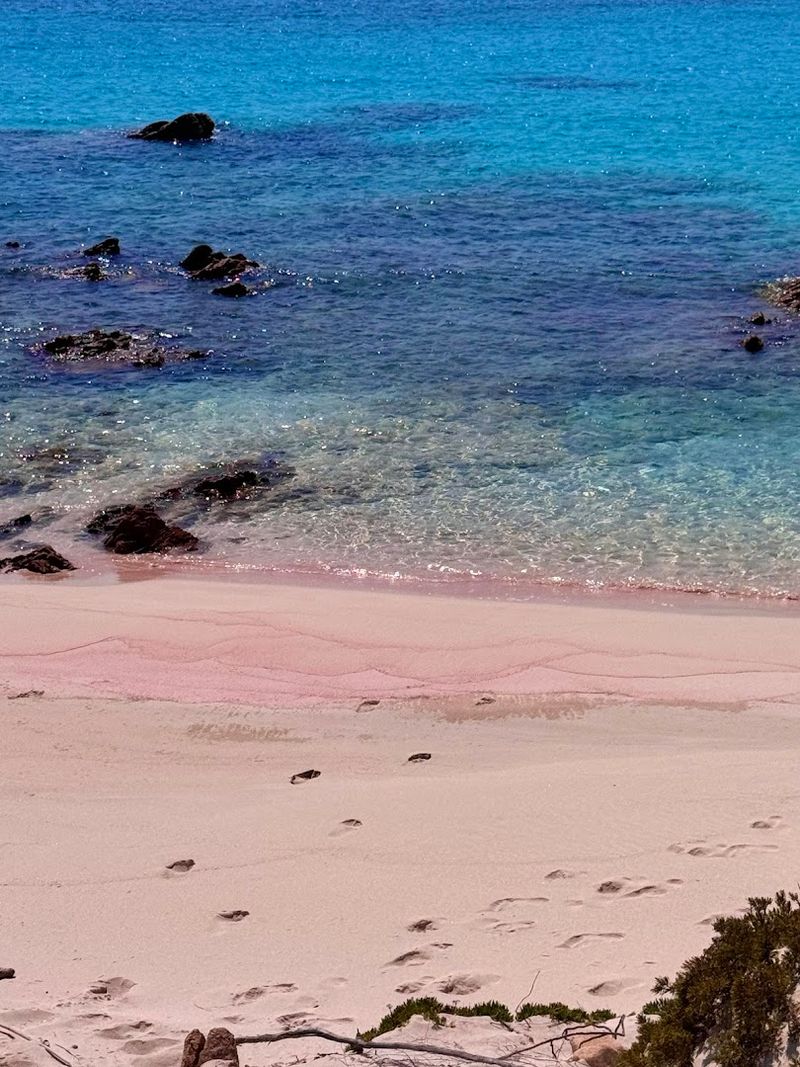
Spiaggia Rosa is the beach you can look at but not touch, and somehow that makes it even more fascinating. Located on Budelli Island in Sardinia’s La Maddalena Archipelago, this beach has been off-limits to visitors since 1994 to protect its extraordinary pink sand from human impact.
The rules exist because it was working before the rules existed.
The pink color comes from fragments of shells, coral, and microscopic organisms called Miniacina miniacea that accumulated on the shore over thousands of years. The pigment is fragile.
Even walking on the beach was enough to gradually strip the color away, which is why access was banned.
Today, visitors admire Spiaggia Rosa from boat tours that circle Budelli Island. The view from the water is genuinely spectacular, framing the pink strip against Mediterranean blue in a way that feels almost theatrical.
Boat tours depart from La Maddalena and Palau. Booking in advance during summer is strongly recommended.
Sometimes the best way to appreciate something rare is to keep a respectful distance.
Share this story