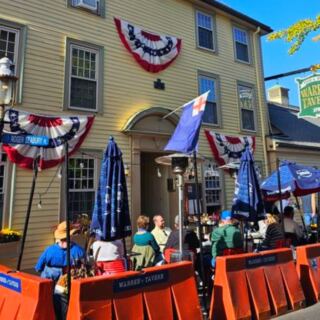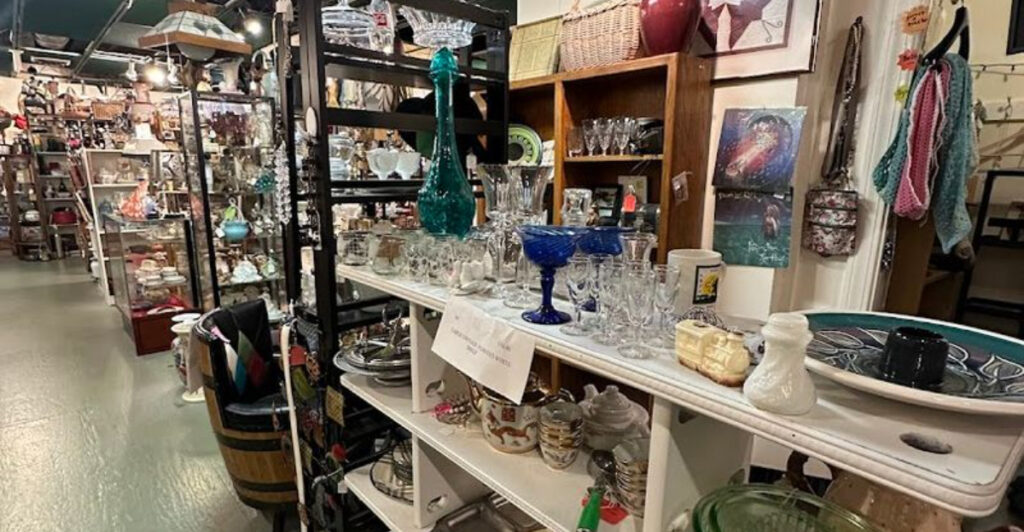
Cambridge, Massachusetts is already packed with history, but tucked along a busy highway sits a building that holds more layers of the past than most people expect. Five full floors of antiques, vintage collectibles, furniture, jewelry, and oddities wait inside a structure that looks deceptively modest from the street.
With over 150 independent dealers setting up their own booths, no two visits ever look the same. New inventory arrives daily, prices shift from booth to booth, and the sheer volume of what is packed inside this market is enough to keep even the most seasoned antique hunter busy for hours.
Whether someone is hunting for a specific piece or just browsing with nowhere to be, this market has a way of pulling people in and keeping them there far longer than planned. The story of this place deserves a closer look, floor by floor.
The Scale of This Place Will Catch You Off Guard
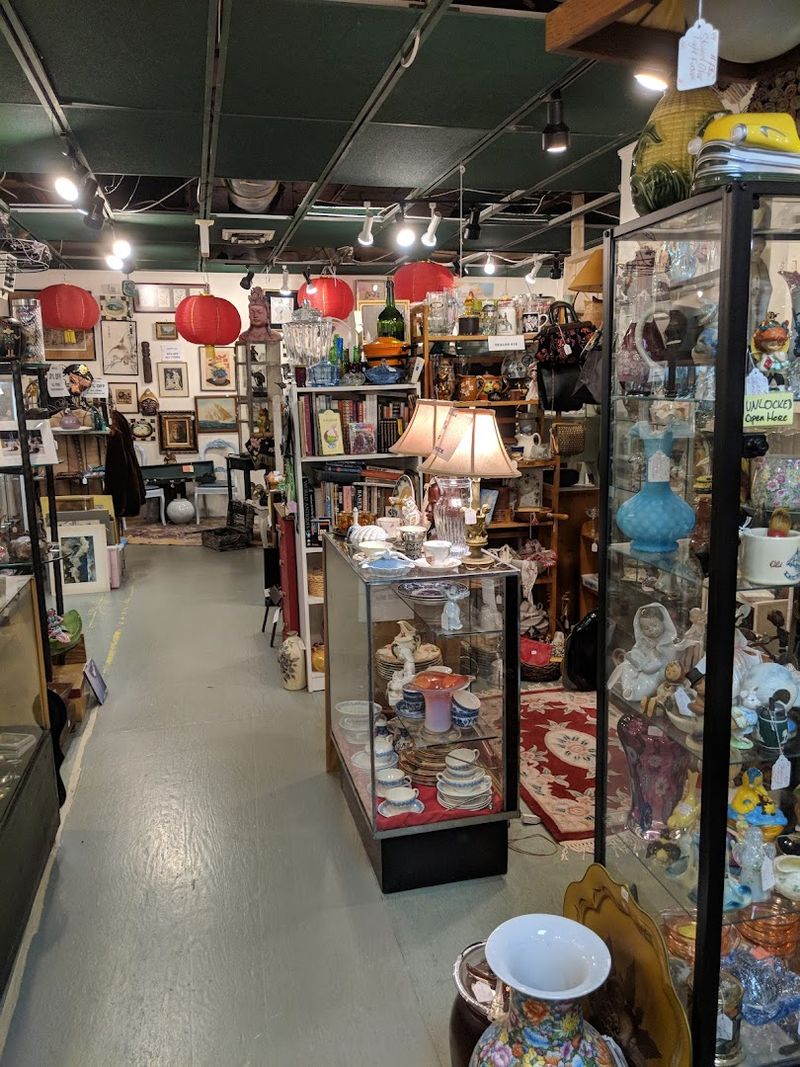
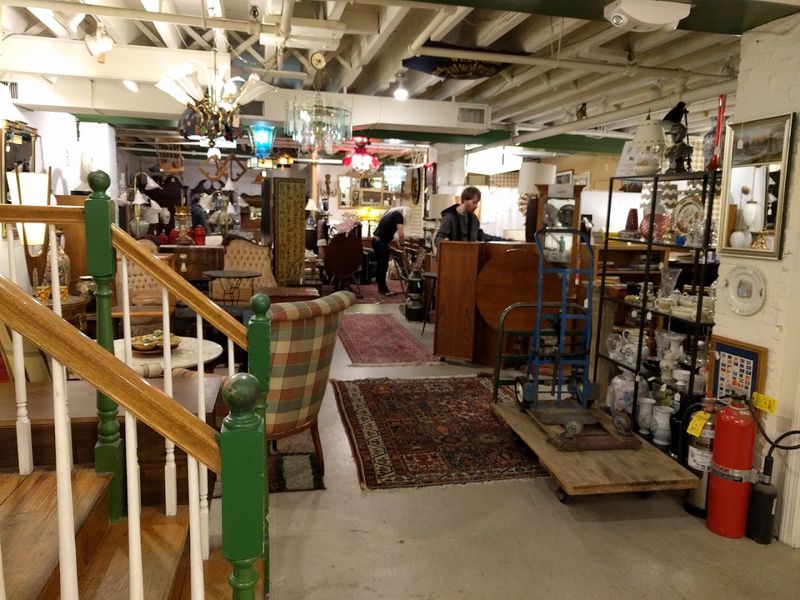
Most antique stores fit inside a single room or maybe two. The Cambridge Antique Market occupies five floors, and that number stops feeling abstract the moment someone steps inside and looks up at the staircase ahead.
The layout has been described as maze-like, which is actually part of its appeal. Each floor opens into a network of individual vendor booths, each one carved out with its own personality and its own merchandise strategy.
Spending an hour here and covering less than half the building is completely normal. Some people come back multiple times just to finish what they started on a previous visit.
The building holds a genuinely staggering amount of objects. Statues, paintings, rugs, glassware, cookware, tools, instruments, vintage clothing, and thousands of smaller collectibles fill every corner.
For anyone who has ever felt underwhelmed by a small antique shop, this market operates on a completely different scale that resets expectations immediately.
Over 150 Dealers, Each With Their Own Story
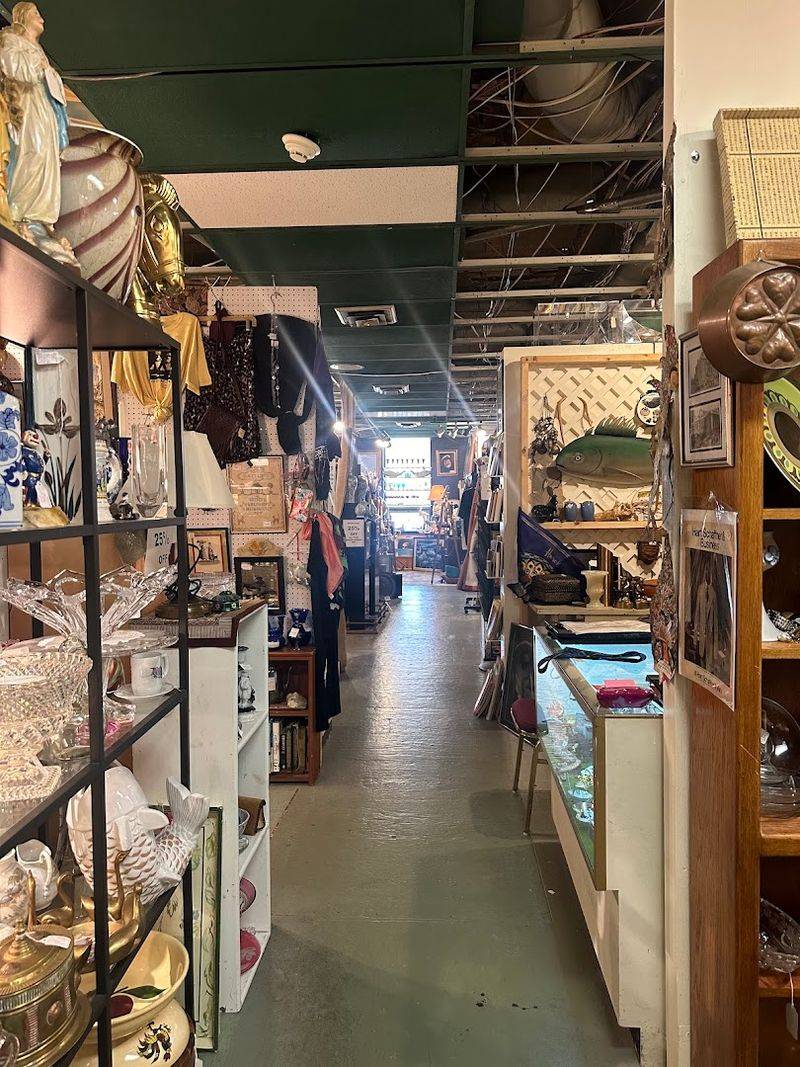
One of the things that makes the Cambridge Antique Market genuinely different from a standard thrift store is the vendor model. Each of the 150-plus dealers runs an independent booth, which means pricing, curation, and personality vary dramatically from one stall to the next.
Some booths feel like carefully arranged galleries, with items grouped by era or style. Others feel more like organized chaos, with treasures stacked and layered in ways that reward patient browsing.
Individual vendors also set their own sales and discounts, so a booth might be running a 20 percent off special on any given day while the neighboring stall holds firm on every price tag. That unpredictability keeps the experience fresh and gives regular visitors a reason to keep coming back.
The people running those booths tend to be genuinely passionate about what they sell. Conversations with vendors often turn into mini-history lessons, and that human element adds a layer of warmth to the whole experience that a big-box store simply cannot replicate.
What the Floors Actually Hold
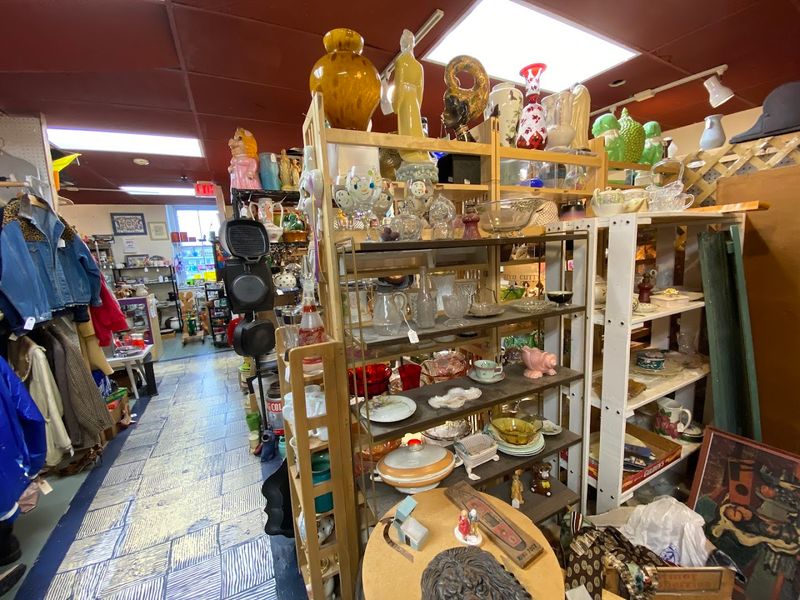
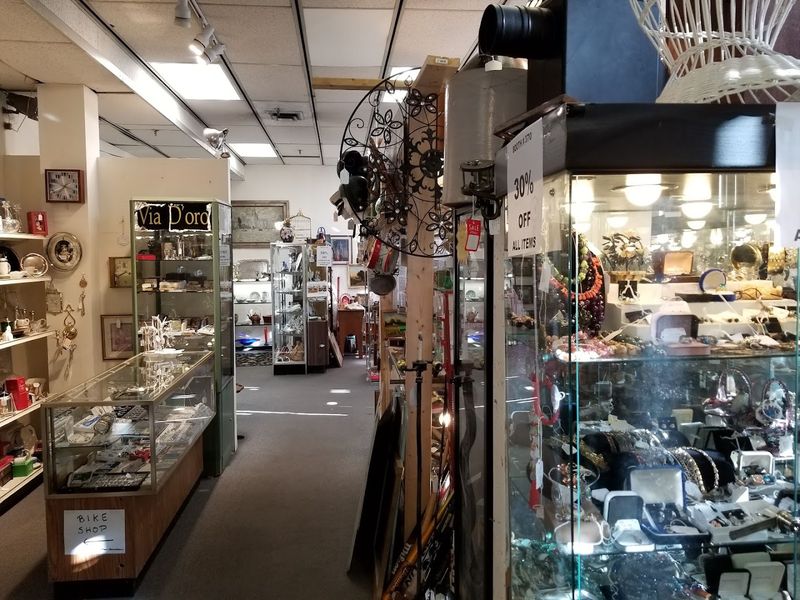
The range of merchandise at the Cambridge Antique Market is broad enough that listing everything feels nearly impossible. Jewelry is a major category, with rings, brooches, necklaces, and earrings spread across multiple booths throughout the building.
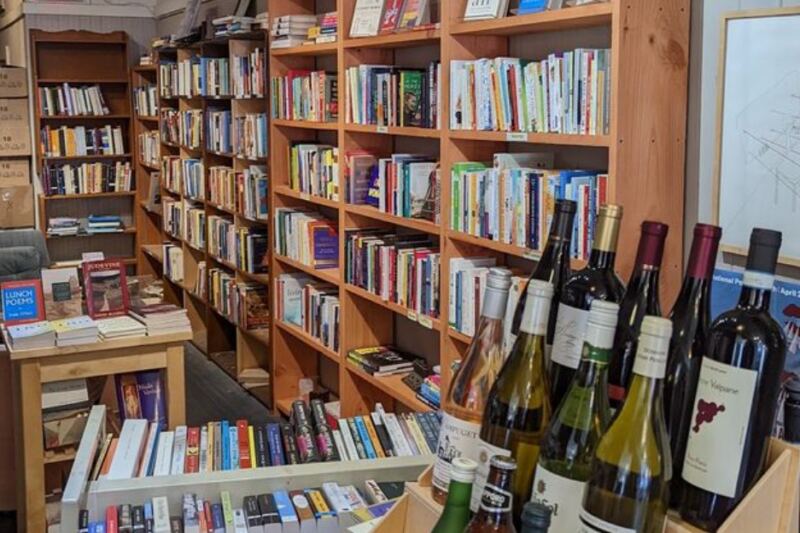
Vinyl records show up in solid quantities for music collectors. Books, magazines, and vintage postcards fill corners that reward slow, careful browsing.
Art prints and original paintings line walls and lean against shelves in ways that make the whole place feel like a rotating gallery.
Pop culture ephemera from the 19th century through today occupies its own niche, with old photographs, movie memorabilia, and period advertising materials mixed in among more traditional antiques. Glass and cookware collections appear throughout, and vintage clothing racks pop up on several floors.
The basement level holds some of the larger furniture pieces, including items in genuinely impressive condition. That lower level also reportedly houses a small bike shop tucked into its own corner, which is one of the more unexpected discoveries the building has to offer.
The Basement: Furniture, Bikes, and Surprises
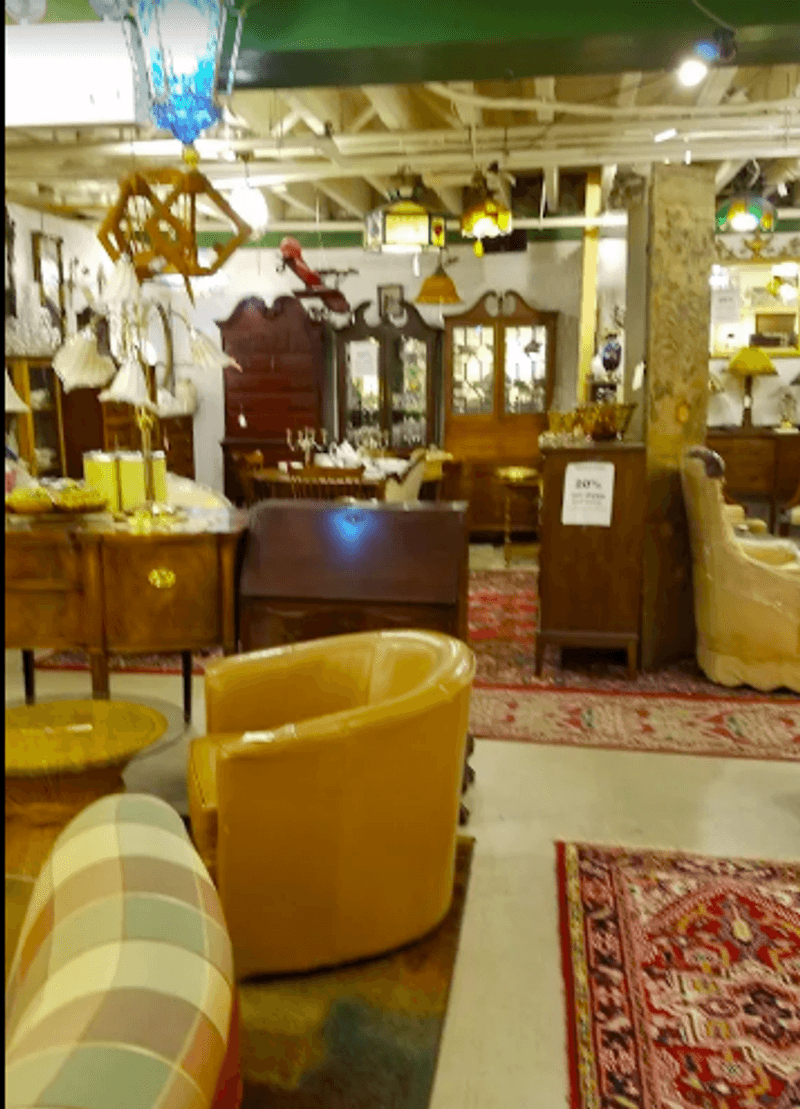
The basement of the Cambridge Antique Market deserves its own mention because it operates almost like a separate destination within the building. Large furniture pieces dominate this level, including items that appear to be in excellent condition despite their age.
Rugs, chairs, tables, dressers, and other substantial pieces fill the space in a way that makes it feel more like a furniture showroom than a basement storage area. For anyone furnishing a home with a preference for character over mass production, this floor alone is worth the trip.
Then there is the bike shop. Hidden in the basement, it is the kind of unexpected detail that makes the Cambridge Antique Market feel genuinely quirky rather than just large.
Finding a functioning bike shop tucked inside a five-floor antique complex is the sort of thing that makes people do a double-take.
The basement level tends to be slightly less crowded than the upper floors, which makes it a good place to browse without the weekend foot traffic pressing in from all sides.
The Occult Section That Nobody Talks About Enough
Somewhere on the upper floors of the Cambridge Antique Market, there is a booth dedicated entirely to occult, esoteric, and witchcraft-related items. It is the kind of unexpected specialty section that separates this market from every other antique mall in the region.
The booth stocks the sort of objects that are genuinely hard to find in mainstream retail, from vintage ritual items and mystical figurines to old books on esoteric subjects and unusual decorative pieces tied to occult traditions.
For collectors who have a specific interest in this category, stumbling across a dedicated section inside a busy antique market feels like a real discovery. It also speaks to the broader curatorial philosophy of the building, which seems to welcome vendors with niche passions rather than pushing everyone toward the same safe categories.
That willingness to host unusual and specialized booths is part of what gives the Cambridge Antique Market its reputation as a place where genuinely unexpected finds are always possible, no matter how many times someone has visited before.
Daily Inventory Means Every Visit Is Different
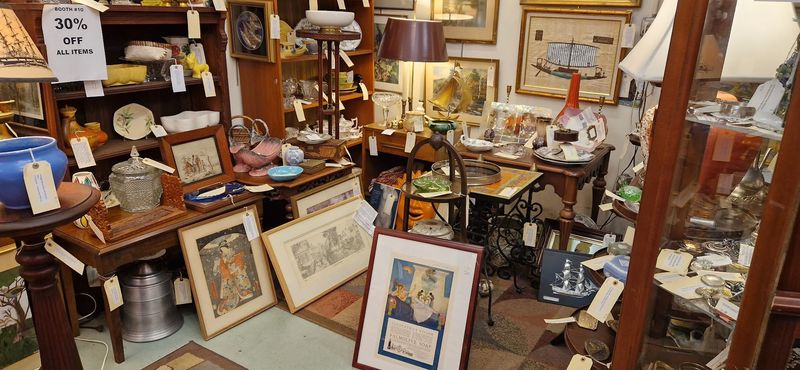
One of the practical advantages of the Cambridge Antique Market over a static retail store is that inventory turns over constantly. New items arrive on a daily basis, which means a visit on Tuesday and a visit on Friday can yield completely different results.
This keeps regulars coming back far more often than they might return to a store with fixed stock. The possibility that something new and interesting has appeared since the last visit is a genuine motivator, not just marketing language.
Because each vendor manages their own booth independently, restocking happens at different rates and on different schedules throughout the building. One floor might see fresh arrivals on a given morning while another floor stays consistent for a few days before a major new batch comes in.
That rolling, unpredictable refresh cycle is one of the reasons the market has built such a loyal local following. Regular customers develop their own routines, checking favorite booths first and then working outward to see what else might have changed since their last visit.
Pricing: From Bargain Finds to Premium Pieces
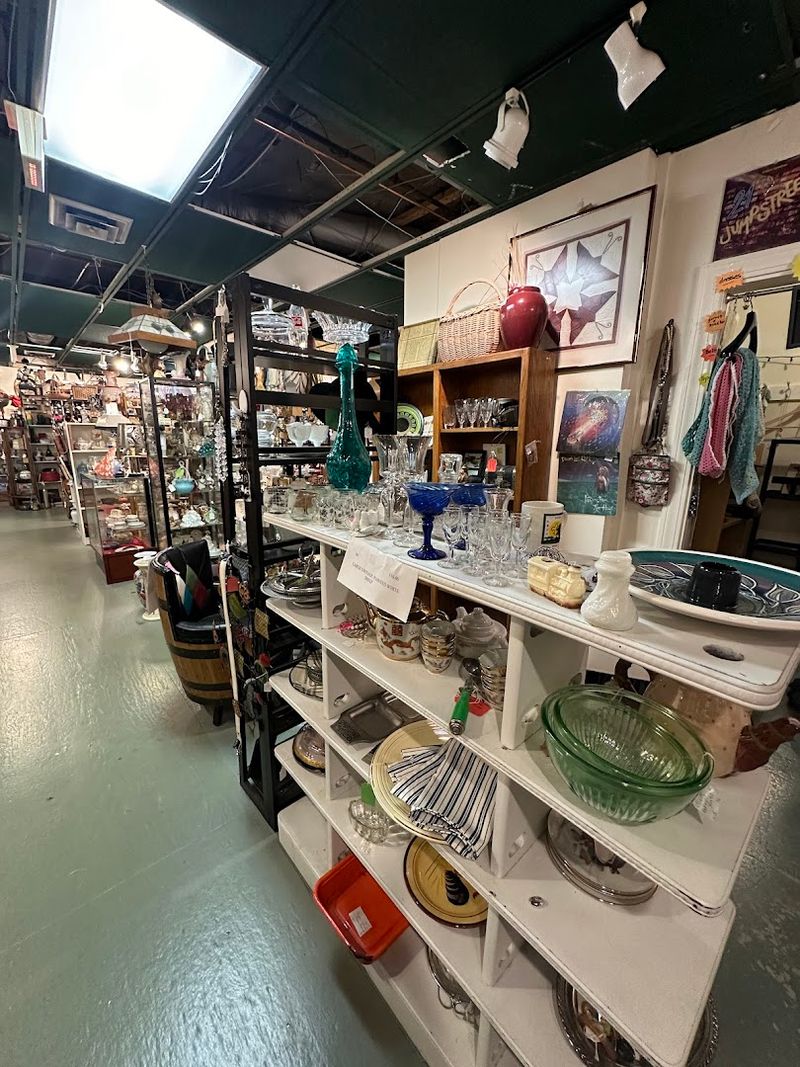
Pricing at the Cambridge Antique Market covers a wide spectrum, and that range is one of the more honest things about the place. Some items carry price tags as low as eight dollars, making it accessible for casual browsers who are not ready to commit to a major purchase.
Other pieces, particularly larger furniture, original artwork, and rare collectibles, carry prices that reflect their actual market value. A few booths trend toward the higher end, which is a common characteristic of antique markets where vendors set their own rates without a centralized pricing policy.
Individual booths frequently run their own sales and discount events, sometimes offering a flat percentage off everything in the stall on a given day. Knowing to ask about current promotions before assuming a listed price is final can make a meaningful difference on larger purchases.
The overall pricing landscape rewards patience and familiarity. Shoppers who visit regularly tend to develop a feel for which booths offer the best value and which ones cater to a more premium buyer, allowing them to focus their time and budget more efficiently.
Getting There Without a Car
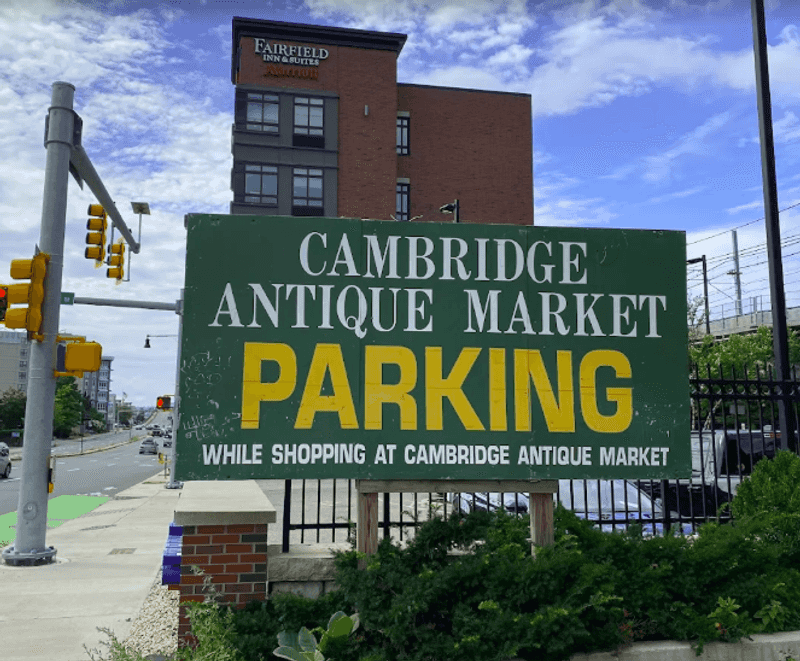
For visitors who prefer not to deal with the parking situation at the Cambridge Antique Market, public transit offers a practical alternative. The market is well connected to the MBTA network, making it reachable from multiple points across the Boston and Cambridge area without needing a car.
The T provides direct access to the general area, and the ride from downtown Boston takes only a few minutes depending on the line. Blue Bikes, the regional bike-share program, also has stations near the market for those who prefer cycling over transit.
Arriving by public transit also eliminates the frustration of circling a small lot during busy periods. That alone makes the trip feel less stressful, especially on weekends when parking competition is at its highest.
The combination of transit access and bike-share availability makes the Cambridge Antique Market more accessible than many suburban antique destinations, which typically require a car. For Boston-area residents without a vehicle, this is a genuinely easy destination to reach on a free afternoon.
A Building That Feels Like a Museum You Can Buy From
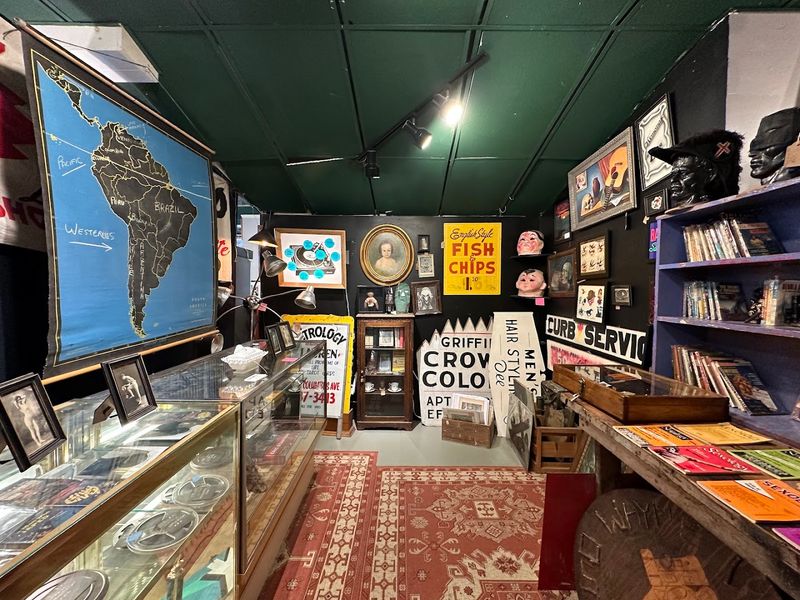
The comparison between the Cambridge Antique Market and a museum comes up often, and it is not hard to understand why. The density of objects, the range of historical periods represented, and the sheer variety of categories on display give the building a curatorial weight that most retail spaces never approach.
Paintings and original artwork line walls throughout the building. Statues and sculptural pieces appear on shelves and pedestals across multiple floors.
Vintage photographs, antique mirrors, and historical ephemera fill gaps between larger pieces in ways that make every corner worth examining.
The key difference from a museum, of course, is that everything has a price tag. Pieces that would sit behind glass in a formal institution are here available for purchase, which gives the whole experience a different kind of energy.
That combination of historical density and commercial accessibility is what makes the Cambridge Antique Market genuinely compelling for people who appreciate old objects but also want the option of bringing one home at the end of the afternoon.
Why This Market Keeps Drawing People Back
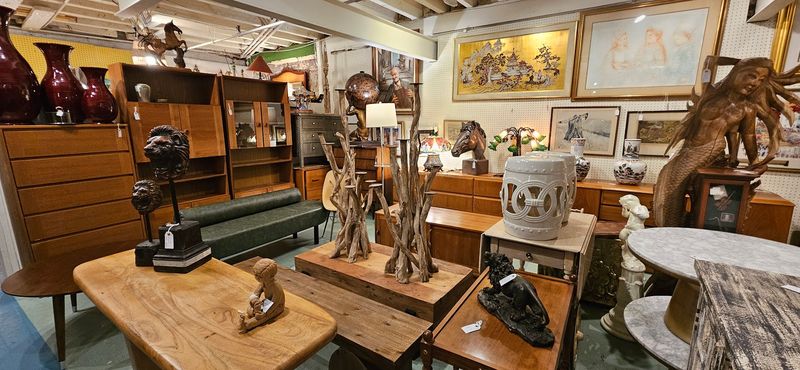
The Cambridge Antique Market has built a loyal following over the years, and the reasons are not complicated. The combination of scale, variety, daily inventory changes, and independent vendor personalities creates an experience that is genuinely hard to replicate elsewhere in the region.
People who visit once tend to return, often bringing friends or family members who have not been before. The market has a way of converting casual browsers into dedicated regulars who work their way through favorite booths and then expand into new corners with each subsequent visit.
The staff and booth owners contribute meaningfully to the atmosphere. The general approach is to leave shoppers alone to browse freely while remaining available and helpful when questions come up.
That balance between independence and accessibility suits the kind of focused, exploratory shopping that antique hunting requires.
For anyone in the Boston or Cambridge area who has not yet made the trip to 201 Monsignor O’Brien Hwy, the market is the kind of place that tends to leave people genuinely glad they finally stopped in.
Where the Market Lives and What It Promises
At 201 Monsignor O’Brien Hwy in Cambridge, MA 02141, the Cambridge Antique Market sits right along a main corridor that connects Cambridge to the greater Boston area. From the outside, the building does not shout for attention.
There are no flashy signs or elaborate window displays trying to lure people in. What waits inside, though, is a different story entirely.
The market operates Tuesday through Sunday from 11 AM to 5:30 PM and stays closed on Mondays. That closing time is firm, so planning arrivals well before 5:30 PM is a smart move.
With more than 150 vendors spread across five floors including a basement level, the Cambridge Antique Market functions less like a single store and more like a small city of dealers, each running their own mini-shop within the larger building. The variety on offer spans furniture, jewelry, art, books, clothing, vinyl records, and far more unusual categories that make every visit feel like a new expedition.
Share this story