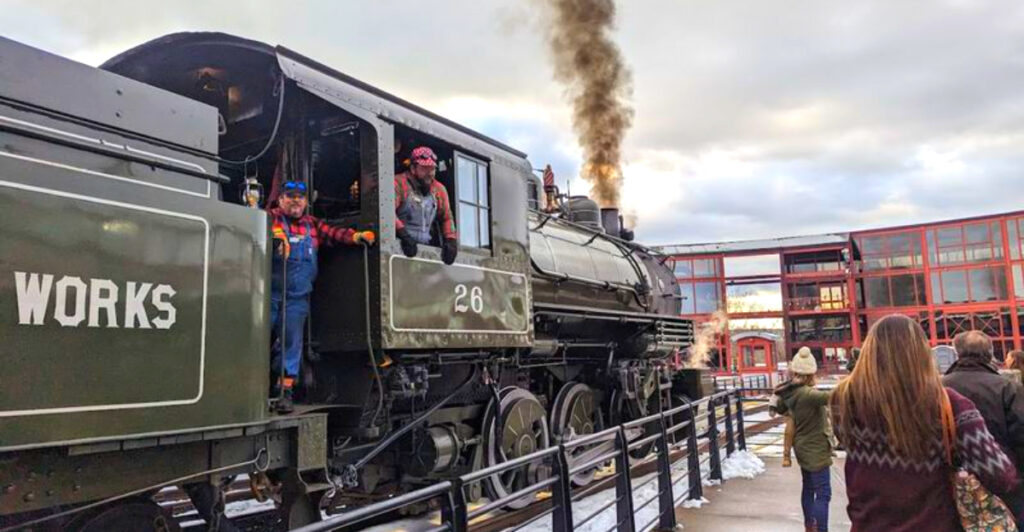
Few attractions in Pennsylvania showcase railroad history as vividly as this popular museum and excursion destination. Featuring massive steam locomotives, historic railcars, and an extensive collection of artifacts, it offers a fascinating look at the industry that helped shape modern America.
Visitors can walk among restored trains, explore historic equipment up close, and even ride through Pennsylvania’s scenic countryside on excursion trains. Combining hands-on history with memorable experiences, it remains a must-visit destination for train enthusiasts and curious travelers alike.
Where the Journey Begins: Address, Location, and Getting There
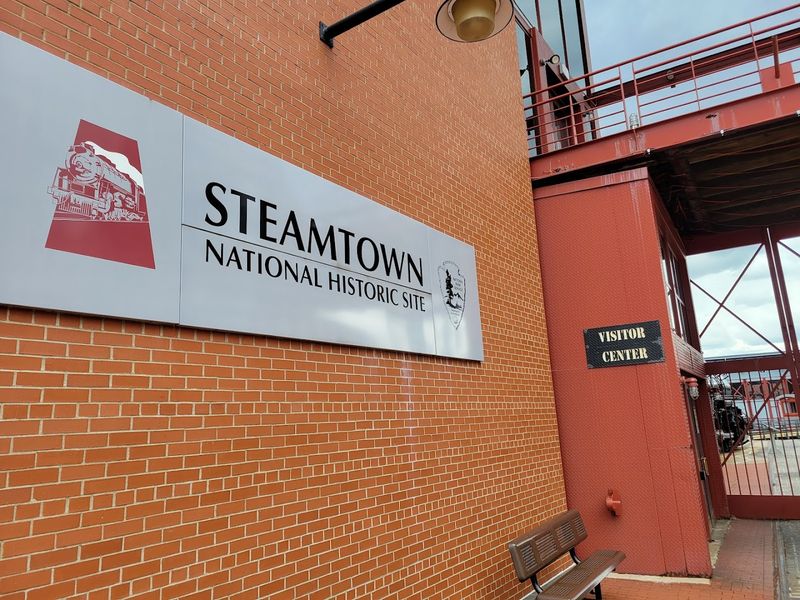
Right in the heart of downtown Scranton, Pennsylvania, Steamtown National Historic Site sits at 350 Cliff St, Scranton, PA 18503, tucked into what was once the working railroad yard of the Delaware, Lackawanna and Western Railroad.
Getting there is straightforward with GPS, and once you arrive, you will find a large free parking lot shared with the nearby Trolley Museum. There are clearly marked spaces for RVs, vans, and vehicles with accessibility needs, which makes arrival stress-free for families of all kinds.
The site is open Tuesday through Saturday from 9:30 AM to 5 PM, and it is closed on Sundays. You can reach the park by phone at 570-445-1898 or explore their official website at nps.gov/stea before your visit.
The location right in downtown Scranton means you can easily combine your visit with other nearby attractions, making it a natural anchor for a full day out in the city.
How a Seafood Processor Built One of America’s Greatest Train Collections
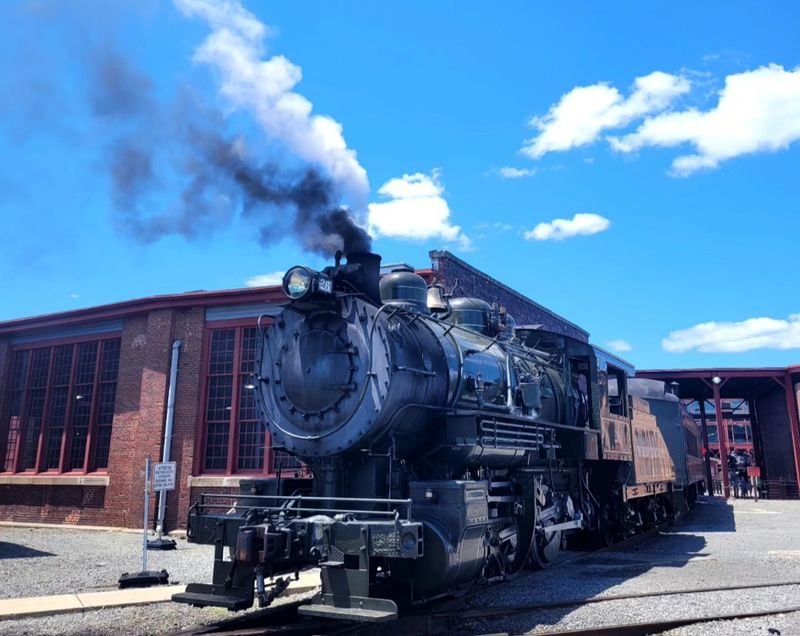
It takes a certain kind of obsession to collect locomotives the way most people collect stamps, and F. Nelson Blount had exactly that kind of passion.
Blount was a New England seafood processor who, starting in the 1950s and continuing into the 1960s, assembled an extraordinary collection of standard-gauge steam locomotives and railroad cars that would eventually become the foundation of what visitors see today.
His vision was to preserve these machines before they were scrapped, at a time when steam power was being rapidly replaced by diesel engines across the country. When his collection was eventually transferred to the National Park Service and relocated to Scranton, it gave the city and the nation something genuinely irreplaceable.
The story of how a fish businessman became one of the most important figures in American railroad preservation is told inside the museum, and it is one of those unexpected backstories that makes the whole experience feel richer and more personal.
The Only National Park Site Dedicated Entirely to Steam Railroading
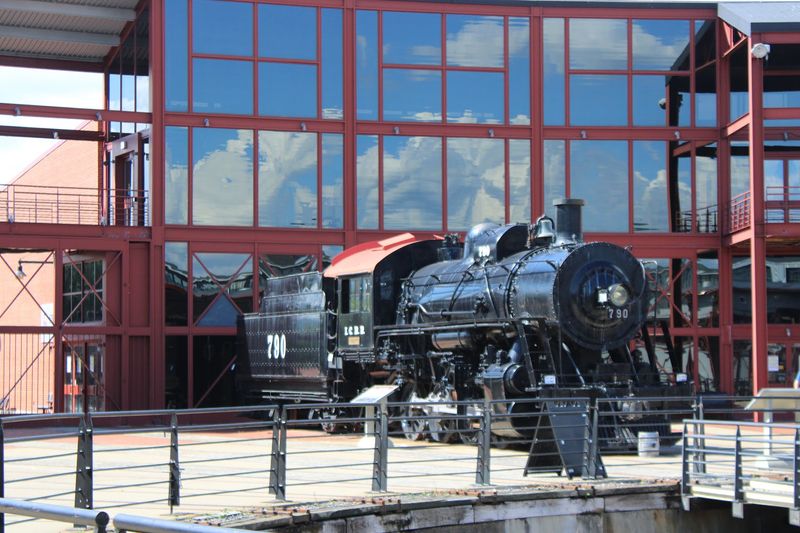
Among the hundreds of sites managed by the National Park Service across the United States, Steamtown holds a distinction that no other location can claim.
Established on October 30, 1986, it is the only place in the entire National Park System solely dedicated to telling the story of steam railroading and the people who made it work. That is a remarkable fact when you consider how deeply railroads shaped American industry, migration, and daily life throughout the 19th and early 20th centuries.
The site covers roughly 40 to 62 acres of the former Scranton yard of the Delaware, Lackawanna and Western Railroad, one of the earliest and most influential rail lines in northeastern Pennsylvania. The park was created specifically to promote public understanding of the role steam railroading played in the development of the United States.
Knowing that you are standing in the only place like it in the national park system adds a quiet sense of significance to every corner of the grounds.
The Big Boy: A Locomotive So Large It Rewrites Your Sense of Scale
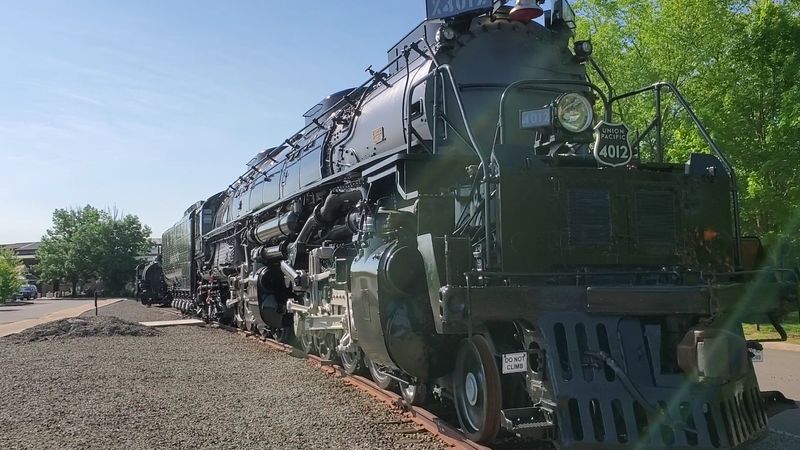
There are moments at Steamtown when your brain simply refuses to believe what your eyes are showing it, and standing next to the Union Pacific Big Boy is one of those moments.
Built in 1941, this enormous steam locomotive is one of only a handful still in existence anywhere in the world. The Big Boy at Steamtown, numbered 4012, sits in the parking area in beautifully restored condition, and its sheer physical size stops people mid-step.
The wheels alone are taller than most adults, and the full length of the engine stretches so far that you have to step back several paces just to take it all in. During warmer months, visitors can actually climb into the cab for an up-close look at the controls, adding a tactile dimension that photographs simply cannot replicate.
The 1903 freight engine holds the title of oldest locomotive in the collection, but the Big Boy is the one that tends to leave people standing in silence, just staring.
The Roundhouse and Turntable: Where Engineering Becomes Art
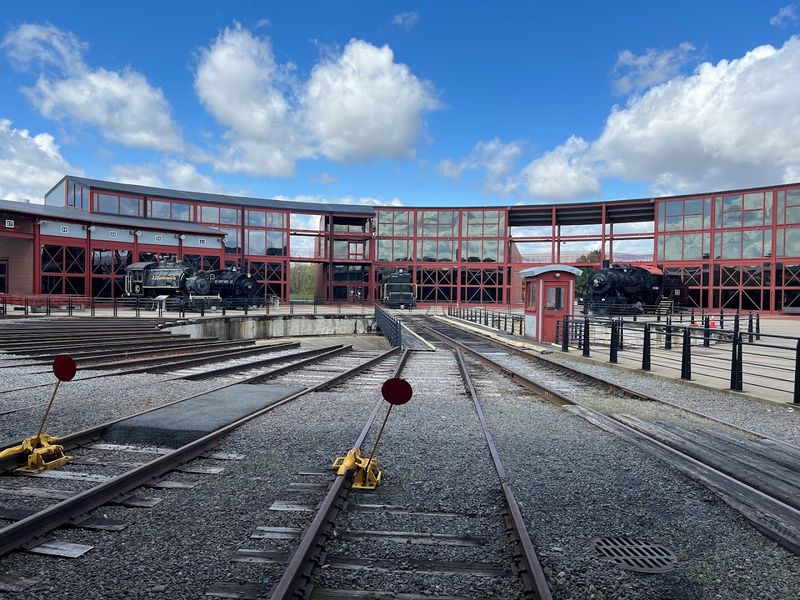
At the center of the Steamtown experience is a structure that railroad workers once relied on every single day, and that today feels more like a cathedral of industrial history than a maintenance facility.
The roundhouse and working turntable are largely rehabilitations and replications of original Delaware, Lackawanna and Western Railroad facilities dating to 1902 and 1937. The roundhouse radiates outward from the turntable like spokes on a wheel, with each bay housing a different locomotive or piece of rolling stock.
Ranger-led tours bring visitors inside this space and into the active locomotive repair shops, where the traditional crafts and technical skills of early 20th-century railroading are still practiced today. Watching workers use the same methods that mechanics used over a century ago is a genuinely striking experience.
The roundhouse also offers some of the best photography opportunities on the entire site, with dramatic light filtering through high windows onto the iron giants below, and that alone is worth the walk through.
Two Museums Inside One Site: History and Technology Under the Same Roof
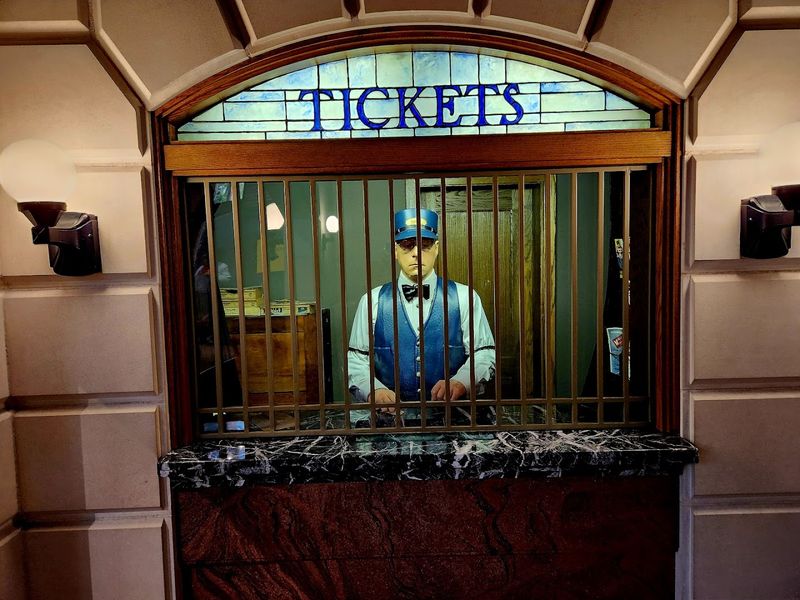
Most visitors come expecting trains, and they get plenty of them, but the two indoor museums tucked inside the complex offer a depth of storytelling that genuinely surprises people.
The History Museum covers the broad sweep of railroad development in America, with exhibits exploring the early railroad era, daily life on the rails, and the complicated relationships between railroads and labor movements, business interests, and government policy. The displays use artifacts, photographs, and hands-on elements that make the material accessible for visitors of all ages.
The Technology Museum takes a more mechanical angle, focusing on how locomotives were designed and improved over time, how track engineering evolved, and how safety systems and signaling technology developed across the decades. Both museums are included with free admission to the park.
There is also a short film shown in the visitor center theater that regulars consistently recommend as a must-watch before exploring the rest of the site, and it frames everything you are about to see in a satisfying way.
Train Rides Through the Pocono Mountains and Lackawanna Valley
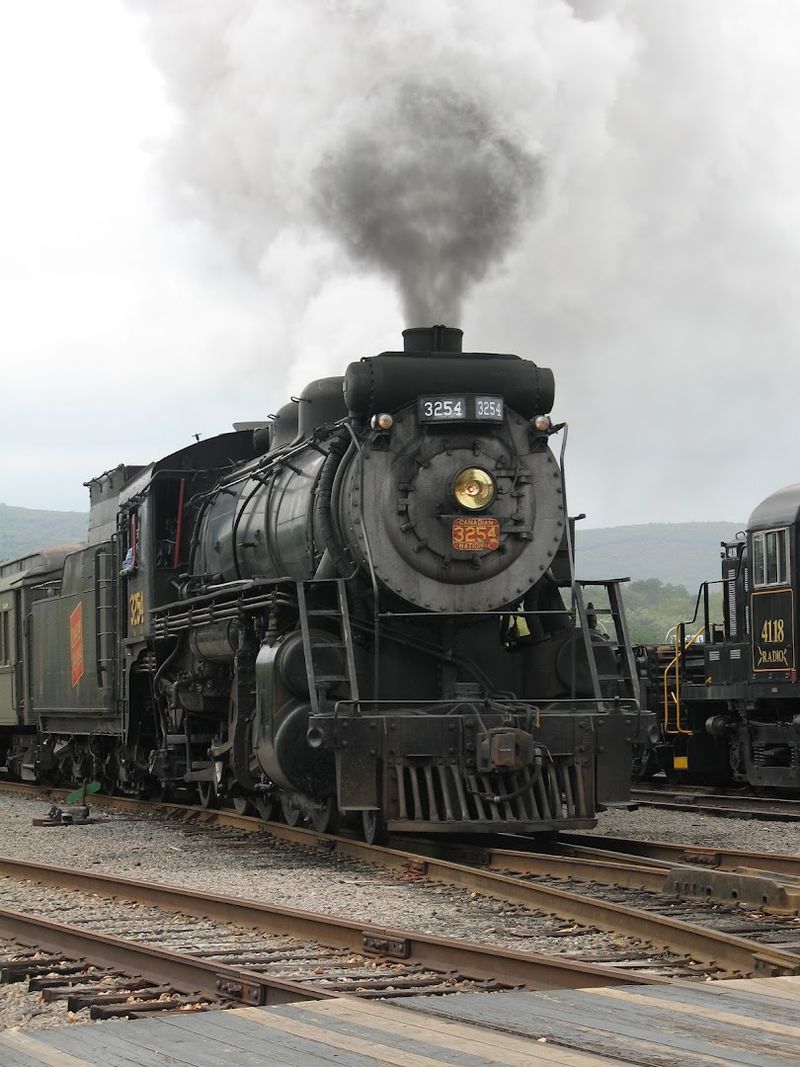
Few experiences at Steamtown match the feeling of actually boarding a train and rolling out of the yard under steam power into the Pennsylvania landscape.
Seasonal excursions range from short yard shuttle rides that give first-timers a taste of the experience to longer trips winding through the Pocono Mountains and the Lackawanna Valley. These excursions come with an additional ticket fee, but the value of riding in a restored passenger car through scenery that has barely changed in a century is hard to put a price on.
The train rides are offered seasonally, so checking the schedule on the official NPS website before your visit is a smart move to avoid disappointment. Short yard rides are more frequently available and are a great option for families with younger children who may not want a longer journey.
One short yard ride costs around six dollars per person, which makes it one of the most affordable and memorable add-on experiences you will find at any national park site in the country.
Free Admission and What That Actually Means for Your Visit
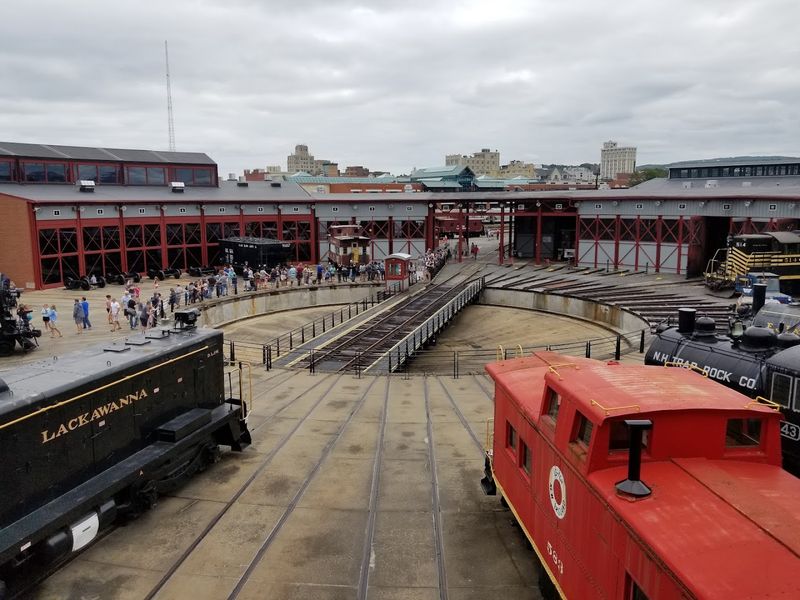
The word “free” gets thrown around a lot in travel writing, but at Steamtown it carries real weight because the core museum experience, the exhibits, the outdoor locomotives, the roundhouse tour, and the ranger-led programs are all genuinely free of charge.
Parking is also free in the large shared lot, which removes the usual urban visit anxiety about meters and garages. The only things that carry a fee are the train rides and special seasonal events, which are clearly priced and optional.
This makes Steamtown one of the most accessible and family-friendly days out in all of northeastern Pennsylvania. A family of four can spend a full half-day here, see extraordinary things, learn a great deal, and walk away having spent very little money.
The site holds a 4.7-star rating from over 3,600 reviews, and the free admission is one of the most frequently mentioned highlights, suggesting that the value here genuinely exceeds expectations for most people who visit.
Ranger-Led Tours: The People Who Bring the Machines to Life
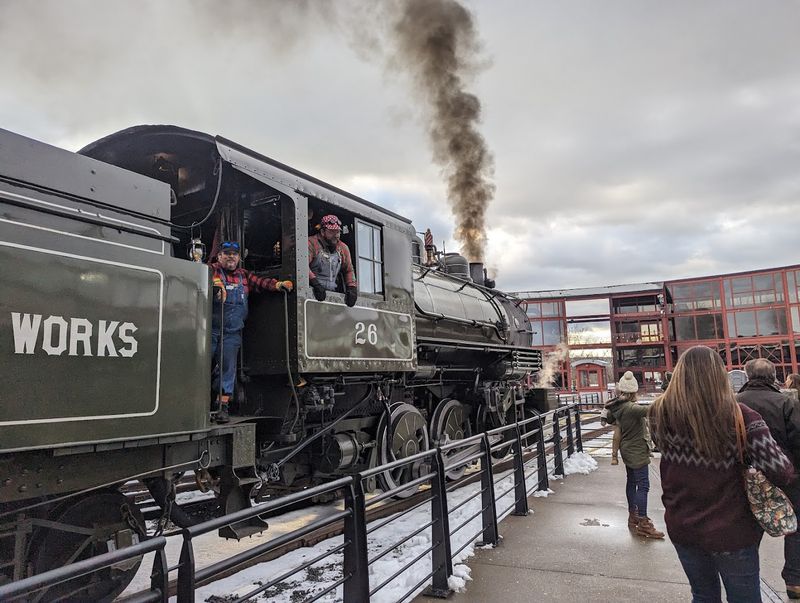
A museum full of extraordinary objects is one thing, but a knowledgeable guide who can tell you exactly why a particular valve on a 1930s locomotive mattered can transform a visit entirely.
The park rangers at Steamtown are consistently praised for their enthusiasm, depth of knowledge, and genuine investment in sharing the stories behind the machines. Guided tours of the site, the roundhouse, and the locomotive repair shops run regularly and are included at no extra cost.
These tours take roughly an hour and bring visitors into areas and behind-the-scenes spaces that self-guided walkers might easily miss. Rangers cover everything from the mechanics of how a steam locomotive actually works to the human stories of the workers who kept these machines running across decades of American industrial history.
If your timing is right and you catch a tour just as it is starting, take it, because the difference between wandering the yard alone and having a ranger walk you through it is significant in the best possible way.
The Christmas Train Experience That Turns the Site Into Something Magical
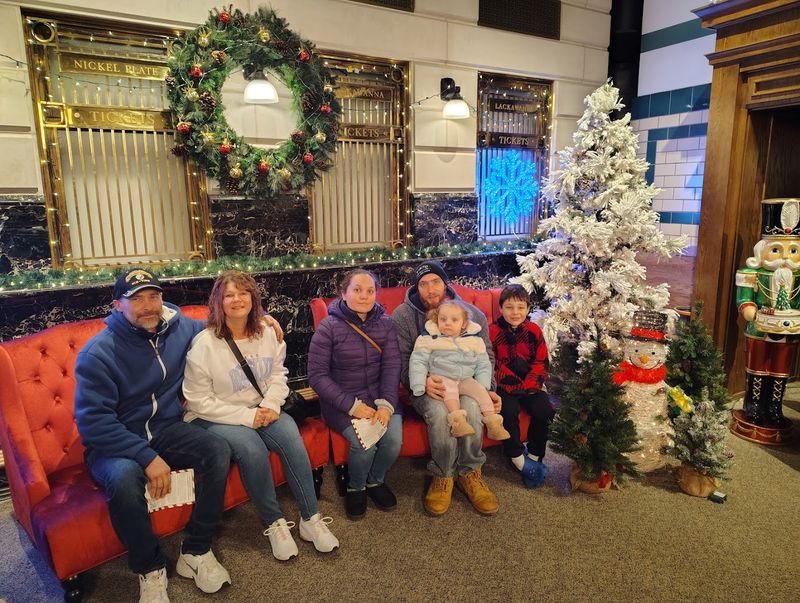
Come November and December, Steamtown transforms into something that feels entirely different from its warm-weather identity, and the annual Holiday Express train event is the reason families come back year after year.
Passenger cars are decorated with Christmas ornaments and seasonal decor, and the train rolls from the Scranton yard out to Moscow Station and back in a ride that lasts roughly 45 minutes each way. The destination station itself is decorated for the season, with activities set up for children and a visit from Santa Claus that kids consistently describe as a highlight.
Children can write letters to Santa before boarding, sing along to carols with live musicians on board, and receive a keepsake ornament to take home at the end of the ride. Tickets for the Holiday Express do sell out, so booking in advance through the official NPS website is strongly recommended.
The museum itself is also decorated with lights during the holiday season, making the outdoor rail yard a surprisingly beautiful setting for an evening visit.
The Junior Ranger Program and Why Kids Leave With More Than a Badge
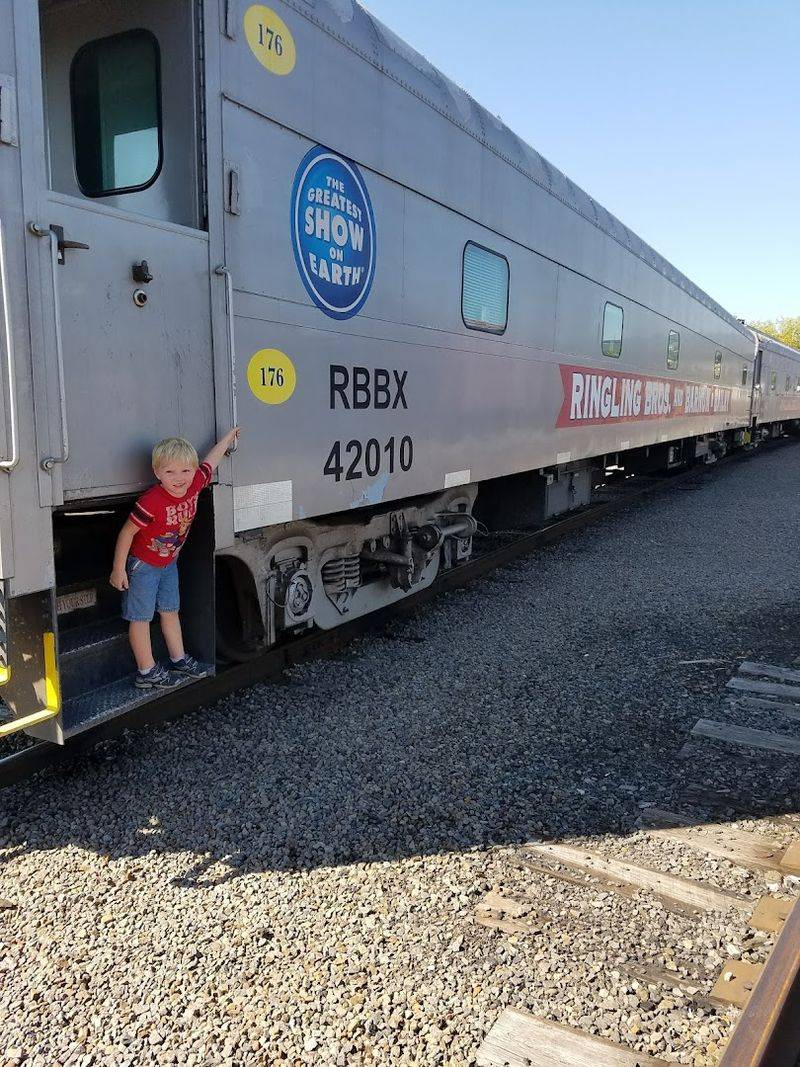
The National Park Service has a Junior Ranger program running at sites across the country, and Steamtown’s version is one that young visitors genuinely engage with rather than rush through.
Kids receive an activity booklet filled with age-appropriate challenges tied to the exhibits and outdoor displays around the site. Completing the booklet requires actually exploring the museum, reading the exhibits, and paying attention to the locomotives and artifacts, which means children end up absorbing a surprising amount of railroad history along the way.
Once the booklet is complete, kids are sworn in as Junior Rangers in a short ceremony and receive their badge. During peak season, a stuffed teddy bear conductor has also been given as an extra reward, which tends to become a treasured souvenir.
The program works well for children roughly between the ages of 6 and 12, and it gives younger visitors a clear sense of purpose as they move through the site, keeping them engaged from the first exhibit to the last locomotive.
Planning Your Visit: Tips, Timing, and What Not to Miss
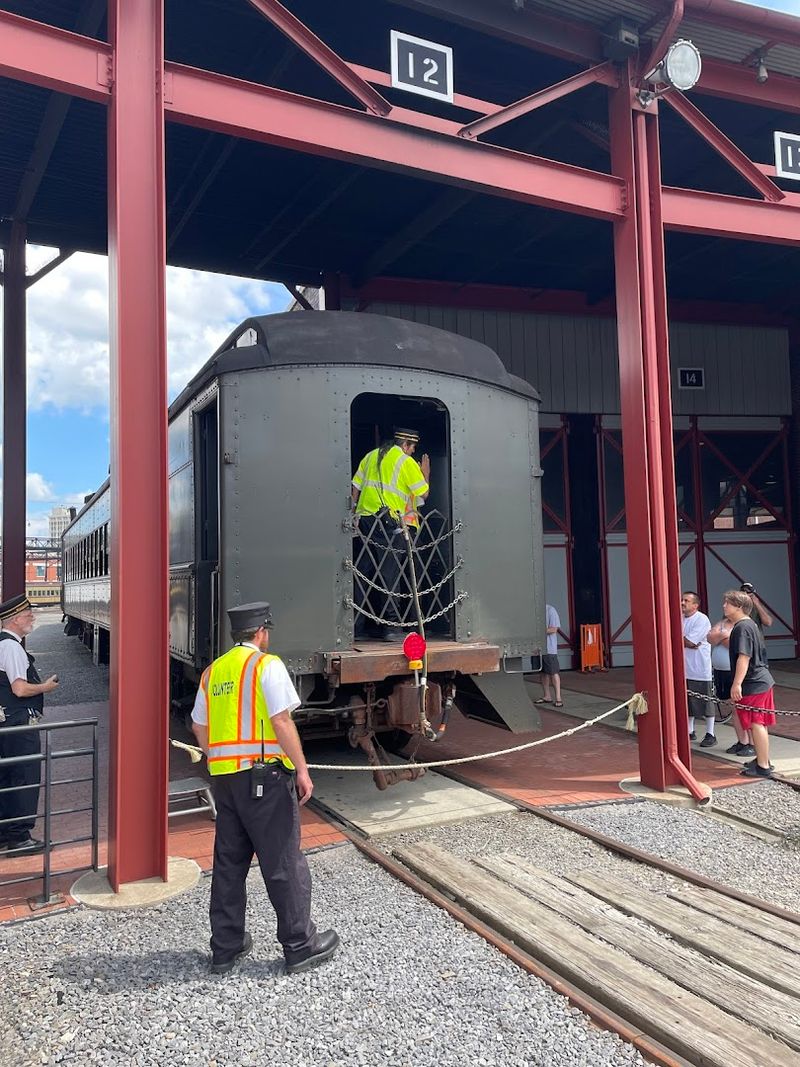
A little planning goes a long way at Steamtown, because the site is larger and more layered than most first-time visitors expect, and it is easy to run out of time before seeing everything.
Arriving early on a weekday gives you the best chance of catching a ranger tour without a long wait and exploring the roundhouse and repair shops before crowds build up. Weekends during peak season can get busy, and popular train rides occasionally run behind schedule, so building extra time into your itinerary is a practical move.
Do not skip the short film at the visitor center, the elevated walkway above the rail yard, or the Technology Museum, all of which are easy to overlook when the locomotives outside are competing for your attention. The nearby Electric City Trolley Museum is a short walk across the bridge and pairs naturally with a Steamtown visit for a full day of transportation history.
Check the official site at nps.gov/stea for current excursion schedules, seasonal events, and any temporary closures before making the trip.
Share this story