Boise’s Old Idaho Penitentiary offers a rare chance to step inside one of the most fascinating chapters of the American West. Operating for more than a century, the prison housed over 13,000 inmates and witnessed everything from daring escape attempts to violent riots that left a lasting mark on Idaho history.
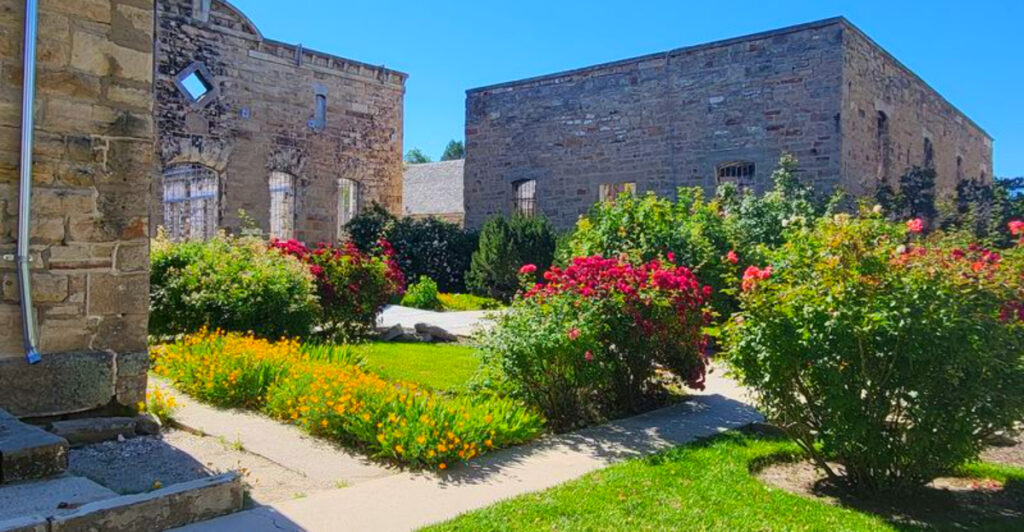
What makes the site stand out is its authenticity. Visitors can walk through original cell blocks, stand behind iron bars, and explore the sandstone buildings where some of the state’s most infamous criminals once lived.
More than a historic landmark, the penitentiary brings frontier-era justice to life through preserved structures, exhibits, and stories that are often stranger than fiction. It remains one of Boise’s most compelling attractions for history buffs and curious travelers alike.
A Prison Built by Its Own Inmates
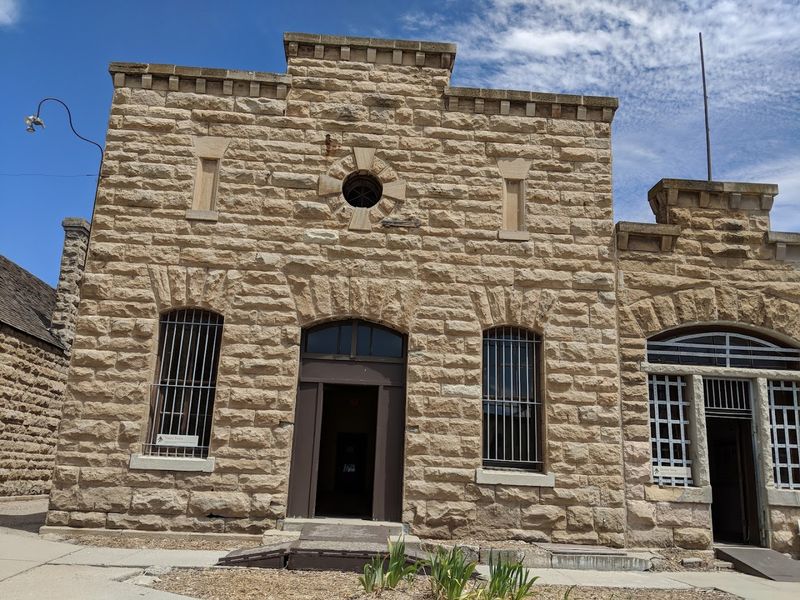
Few buildings in the American West carry the weight of irony quite like this one. The cell blocks and walls of the Old Idaho Penitentiary, located at 2445 Old Penitentiary Rd, Boise, ID 83712, were largely constructed by the very prisoners who would live inside them, using sandstone quarried from the nearby Table Rock area.
The prison opened in 1872 as the Territorial Prison, long before Idaho was even a state, and it kept its doors open for a remarkable 101 years before finally closing in 1973. Thirty historic buildings still stand on the grounds today, and the craftsmanship in those sandstone walls is genuinely impressive, even if the circumstances behind it were anything but.
The Idaho State Historical Society now manages the site, and it sits on the National Register of Historic Places. The self-guided tour lets you move at your own pace through spaces that once held some of the West’s most colorful and dangerous characters.
The Notorious Inmates Who Made Headlines
The roster of inmates who passed through these gates reads like a greatest-hits list of frontier-era infamy. Harry Orchard earned his place in history by assassinating former Idaho Governor Frank Steunenberg in 1905, a crime that shocked the entire nation and put this prison on the map in a very grim way.
Then there was Lyda Southard, nicknamed “Idaho’s Lady Bluebeard,” who allegedly poisoned multiple husbands to collect their insurance money. Her story is displayed in the museum with enough detail to make you genuinely uneasy.
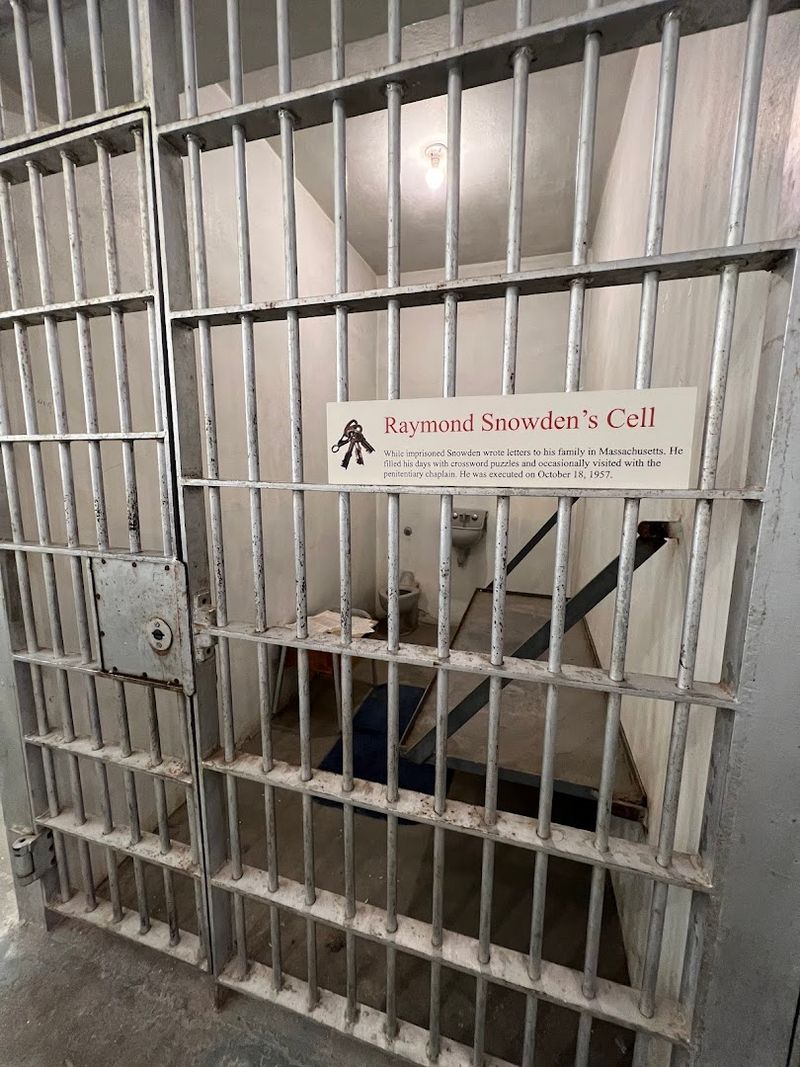
Raymond Allen Snowden, called “Idaho’s Jack the Ripper,” was the last person executed by hanging at the facility.
The exhibit titled “Faces of the Idaho State Penitentiary” brings these histories to life through photographs, records, and personal details that feel surprisingly human. You leave understanding that the people held here were real, complicated individuals, not just names in a dusty archive.
What Life Behind Those Walls Actually Looked Like
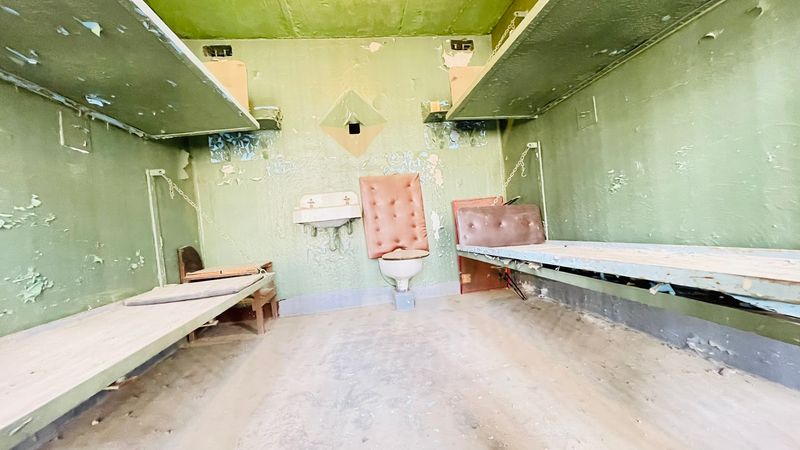
Cold in winter, sweltering in summer, and never particularly comfortable in between. That was daily life inside the Old Idaho Penitentiary, where sandstone walls that looked so solid from the outside did almost nothing to regulate the temperature inside the cells.
Plumbing and ventilation were rudimentary at best for much of the prison’s early history, and the peeling paint and rusted ironwork you see today are not just signs of age. They are an honest reflection of conditions that were genuinely harsh from the start.
The original cell blocks are open for visitors to walk through, and the cramped dimensions of each individual cell have a way of making the experience feel very real very quickly.
The beds, the doors, the narrow corridors between blocks. None of it feels theatrical or staged.
The Idaho State Historical Society has preserved the site with a clear commitment to accuracy, and that honesty is exactly what makes a visit here so memorable and thought-provoking.
Solitary Confinement and the Places Nobody Wanted to Go
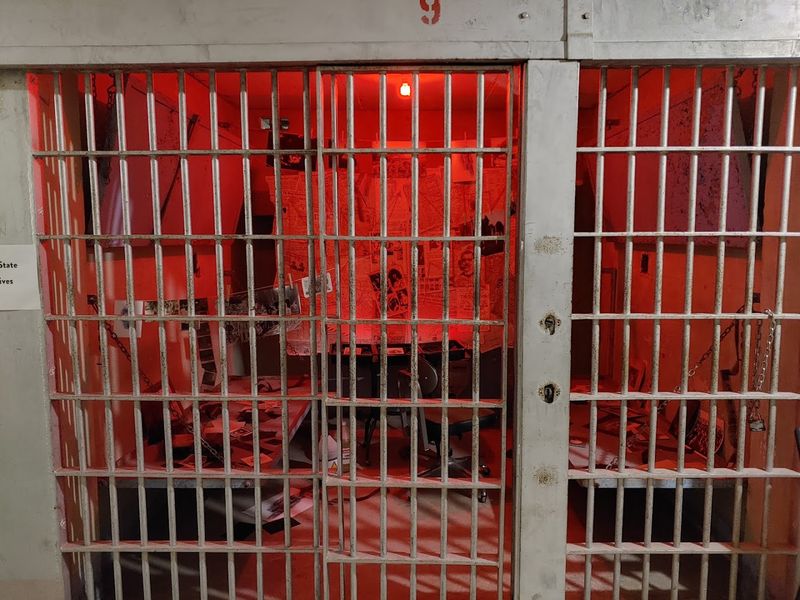
Even within a prison, there were places considered especially grim. The solitary confinement areas at the Old Idaho Penitentiary went by names like “The Cooler” and “Siberia,” and those nicknames were not chosen lightly.
These were dark, oppressive spaces designed to isolate inmates completely from the rest of the population.
Visitors can walk through these areas today, and the shift in atmosphere when you enter them is immediate. The walls feel closer, the light drops noticeably, and the silence has a particular quality that is hard to describe without sounding overly dramatic, though it genuinely earns the reaction.
Many visitors describe these sections as the most unsettling part of the entire tour.
Understanding why men were sent to these spaces, and for how long, adds important context to the larger story of why the prison eventually collapsed under the weight of its own conditions. The riots of 1952, 1971, and 1973 did not come from nowhere, and Siberia is part of that explanation.
Three Riots That Finally Ended an Era
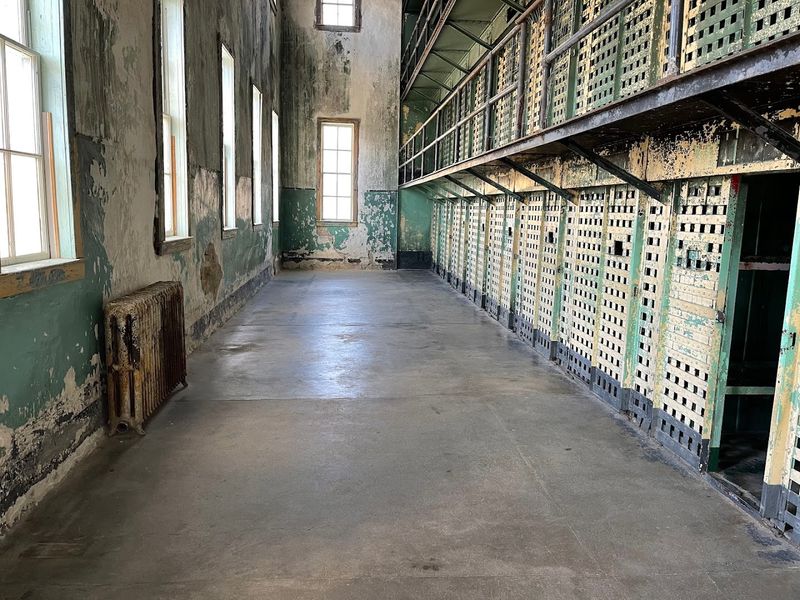
By the early 1970s, the Old Idaho Penitentiary was a pressure cooker with a very short fuse. Overcrowding, deteriorating conditions, and decades of inmate frustration finally boiled over in a series of major riots in 1952, 1971, and 1973, each one more damaging than the last.
The 1973 riot was the breaking point. Inmates caused significant destruction to the facility, and state officials finally acknowledged what many had known for years: the prison was no longer fit for purpose.
Within months of that final uprising, the facility was permanently closed and inmates were transferred to a new, modern correctional facility nearby.
Rather than demolishing the damaged buildings, Idaho made the decision to preserve the site as a historic landmark, a choice that now benefits thousands of visitors every year. The scars left by those riots are still visible in some parts of the grounds, and they serve as a powerful reminder that history is not always tidy or comfortable to look at.
The gallows section, coming up next, carries that same weight.
The Gallows and Death Row
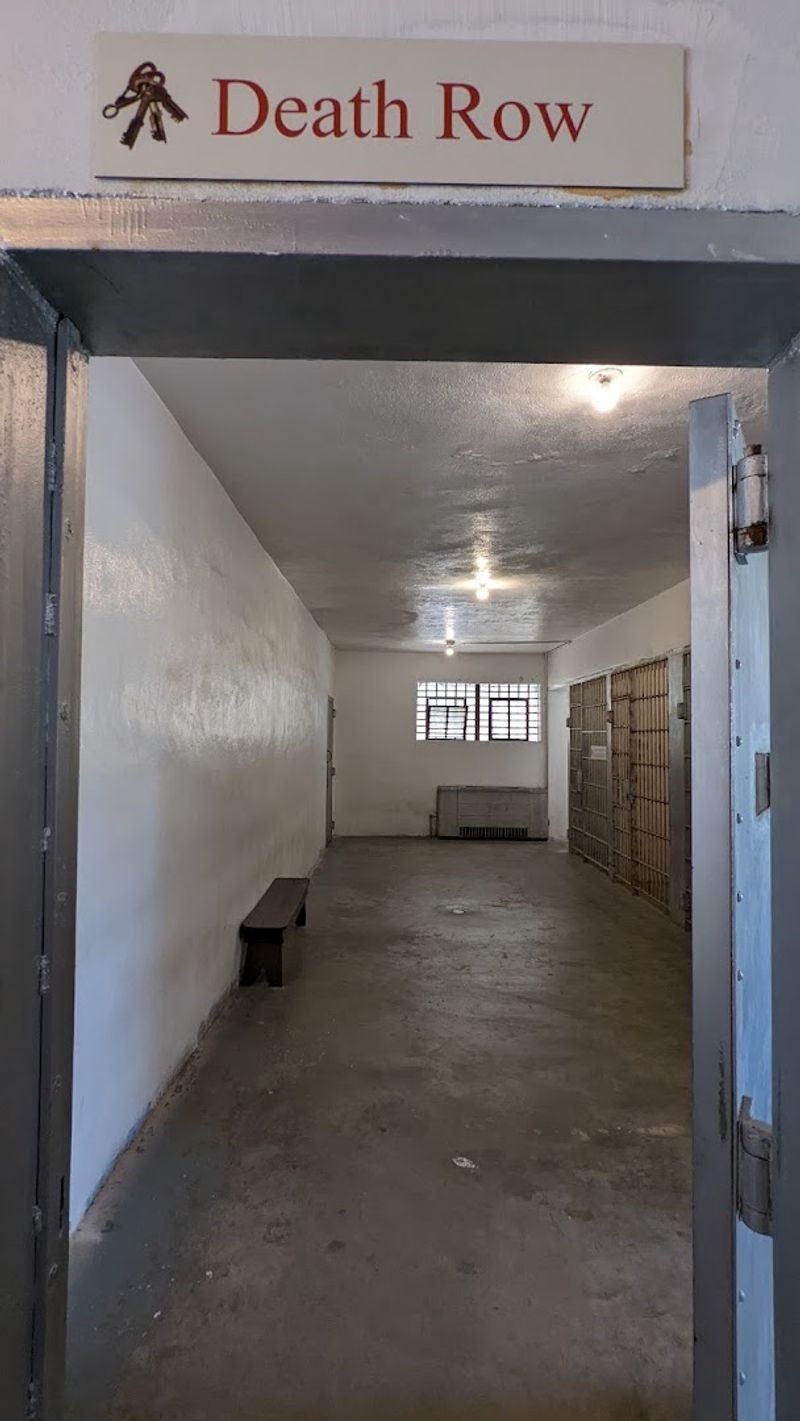
Ten executions took place on the grounds of the Old Idaho Penitentiary during its 101 years of operation, and the gallows where those sentences were carried out still stand. Seeing the actual structure in person is a sobering experience that no photograph quite prepares you for.
Raymond Allen Snowden, the last person executed there by hanging in 1957, has his grave located within the prison’s botanical garden area, which adds yet another layer of somber history to the grounds. Death row itself is accessible during the tour, and the individual cells along that corridor are notably smaller and more isolated than the general population blocks.
The guides who lead tours through this section do an excellent job of presenting the facts without sensationalizing them. The information is delivered with care and historical accuracy, giving visitors the context they need to process what they are seeing.
It is one of the most quietly powerful parts of the entire visit, and it tends to stay with you long after you have left the grounds.
Over 500 Escape Attempts and the Stories Behind Them
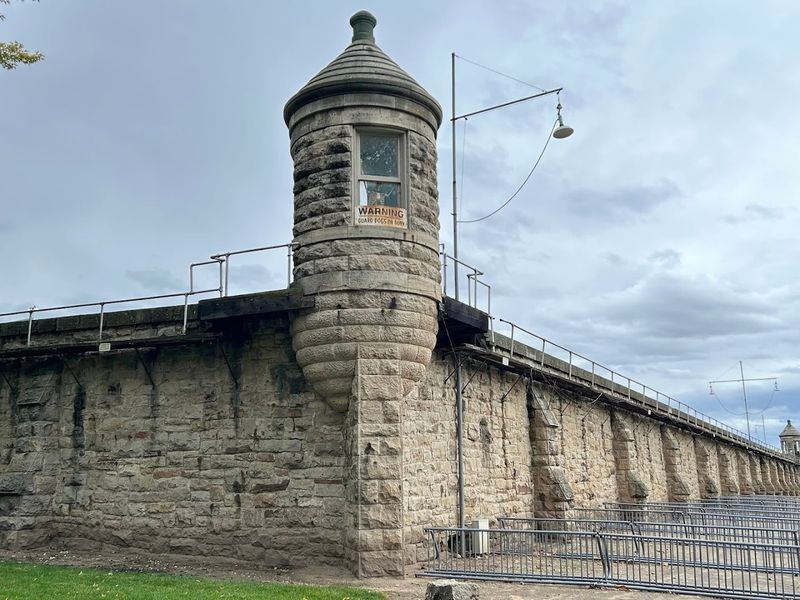
Five hundred escape attempts over a century of operation works out to roughly five tries per year, which tells you something important about both the inmates and the conditions they were trying to leave behind. At least 90 of those attempts were successful, at least temporarily, though most escapees were eventually recaptured.
The methods ranged from clever to spectacularly optimistic. Some inmates used tools fashioned from everyday objects.
Others simply ran when opportunity presented itself. A few managed to get surprisingly far before being caught, and their stories are documented in the museum exhibits with a level of detail that makes them genuinely compelling reading.
The perimeter walls, which the inmates themselves helped build, were clearly not the impenetrable barrier the authorities had hoped for. Standing next to them today, you find yourself mentally calculating weaknesses, which is probably exactly what those 500-plus inmates were doing at any given moment.
The weapons exhibit just ahead offers a very different kind of inventory to consider.
The J. Curtis Earl Memorial Exhibit of Arms and Armaments
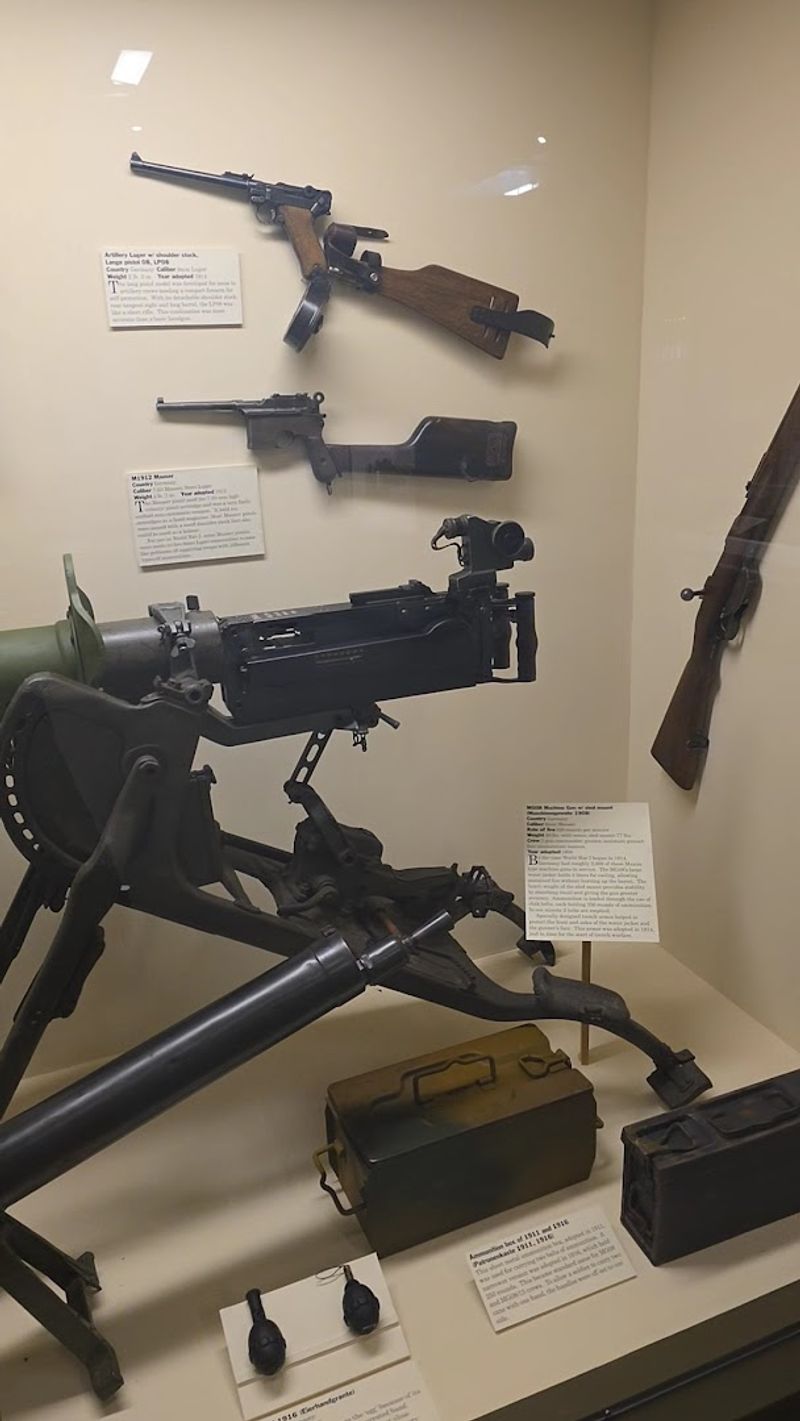
Tucked inside the prison grounds is one of the more unexpected surprises of the entire visit: a substantial collection of historic weaponry that draws serious attention from visitors of all ages. The J.
Curtis Earl Memorial Exhibit of Arms and Armaments features an impressive range of firearms and military artifacts, including a notable collection of World War I and World War II weapons.
The exhibit room is one of the few spaces on the property that is heated, which becomes a welcome detail during cooler months when the rest of the grounds can feel quite chilly. Families with kids tend to linger here longer than almost anywhere else on the tour, and it is easy to understand why.
The collection is genuinely well-curated and informative.
The contrast between this exhibit and the rest of the prison is part of what makes the Old Idaho Penitentiary such a layered experience. One moment you are reading about solitary confinement, and the next you are examining a century-old rifle with impressive provenance.
Dennis the Prison Cat, the Only Inmate Buried on the Grounds
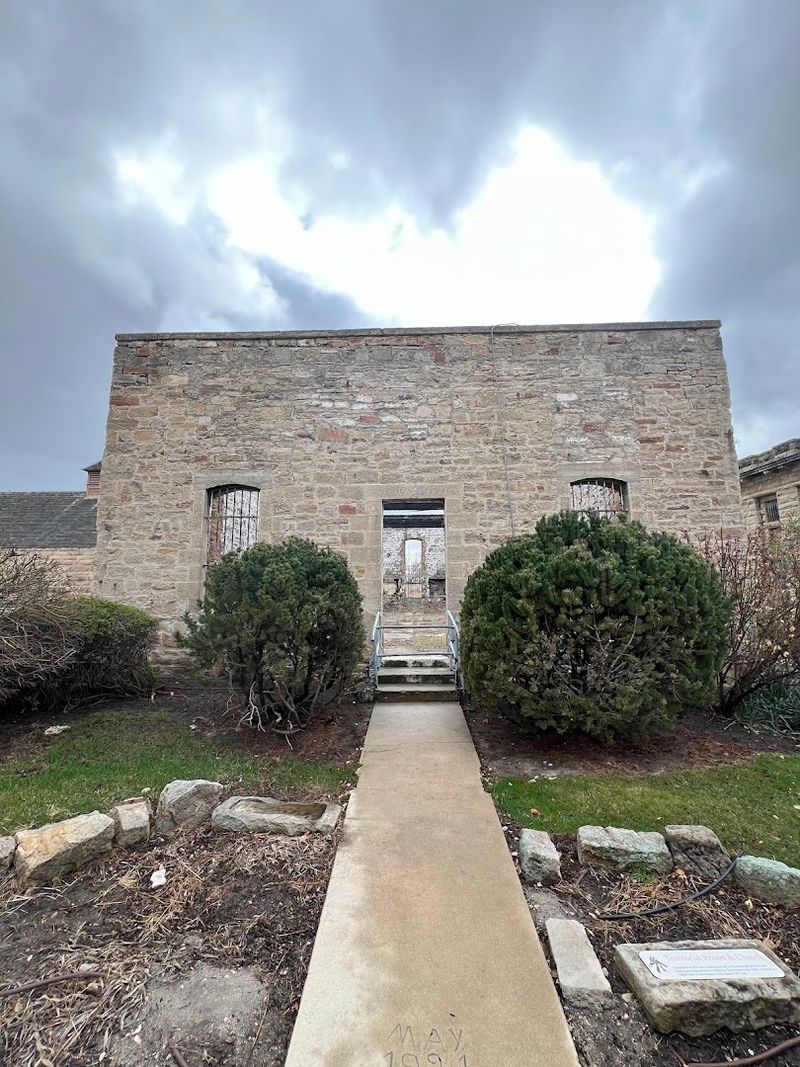
Among all the stories connected to the Old Idaho Penitentiary, few are as unexpectedly charming as the one belonging to Dennis. A cat who lived and worked at the prison for 16 years, Dennis is the only “inmate” officially buried within the prison walls, and his small headstone has become one of the more sought-after spots for visitors who know to look for it.
The story of a cat serving a longer stretch than most human inmates carries a quiet humor that provides genuine relief after touring the heavier parts of the facility. Dennis apparently became a beloved fixture among both guards and prisoners during his time there, which says something rather touching about the human need for connection even in the most unlikely settings.
Finding his headstone feels like a small reward for thorough exploration. Some visitors miss it entirely on their first trip and make a point of coming back specifically to pay their respects, which is perhaps the most endearing thing about this entire historic site.
Self-Guided vs. Guided Tours: How to Make the Most of Your Visit
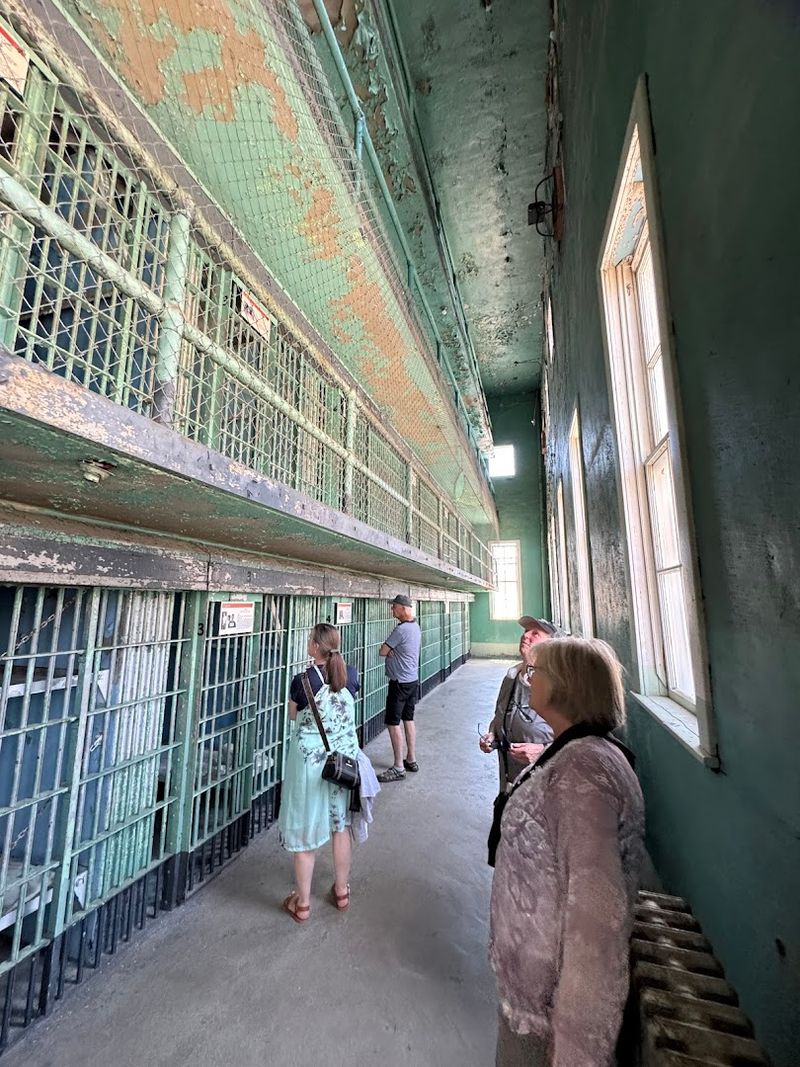
The Old Idaho Penitentiary offers both self-guided and guided tour options, and the choice you make will noticeably shape your experience. The self-guided route gives you full freedom to move at your own pace through 30 preserved historic buildings, which is ideal if you enjoy reading exhibits thoroughly and doubling back to anything that catches your interest.
The guided tour costs just two dollars extra and is consistently praised for good reason. Guides carry keys to areas that are off-limits to self-guided visitors, including a few spaces that add meaningful context to the broader story of the prison.
The tours run approximately 90 minutes and the guides bring an energy and depth of knowledge that genuinely elevates the visit.
The site is open Tuesday through Friday and Sunday from 10 AM to 5 PM, and the admission price is described by nearly everyone who visits as very reasonable. Wearing comfortable shoes and bringing an extra layer for the unheated buildings is practical advice worth following before you arrive.
Beyond the Bars: Trails, Gardens, and What Surrounds the Site
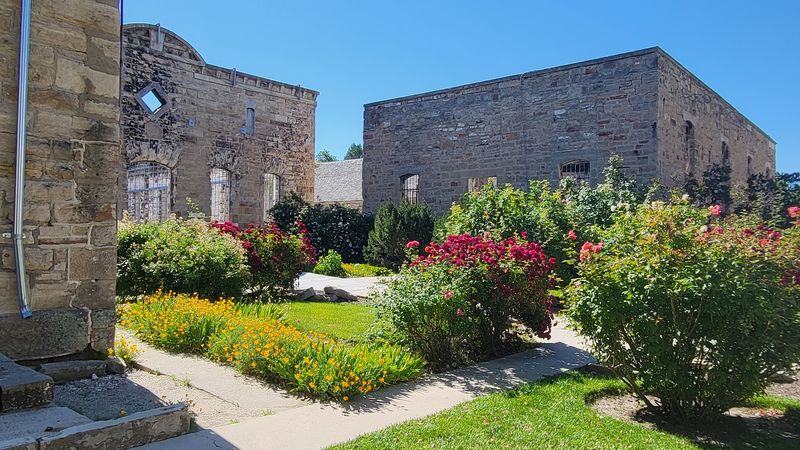
The Old Idaho Penitentiary does not exist in isolation. The Table Rock trail system runs directly adjacent to the property, and a short hike rewards you with views of Boise that are genuinely worth the effort.
The same sandstone that built the prison walls came from the Table Rock area, so the connection between the landscape and the history feels tangible and satisfying.
The prison grounds also include a botanical garden, though it is sometimes closed depending on the season and operating schedule. The garden area contains the grave of Raymond Allen Snowden, one of the prison’s most notorious former inmates, which adds a quietly significant stop for visitors who want the complete picture of the site’s history.
A small gift shop on the grounds rounds out the practical amenities, and the staff throughout the property are consistently described as knowledgeable, friendly, and happy to answer questions. The combination of history, outdoor space, and genuine human warmth from the team makes this one of the most well-rounded historic sites in the Pacific Northwest.
Share this story