Some of Philadelphia’s most respected Italian food comes from a small BYOB that lets its handmade pasta do the talking. For more than two decades, this intimate restaurant has built a loyal following with Roman-inspired recipes and a focus on traditional techniques.
What sets the restaurant apart is its authenticity. Led by a Rome-born chef, the menu centers on fresh pasta made daily alongside classic Italian dishes prepared with a straightforward approach that puts the ingredients first.
The dining room is modest, but the reputation is anything but. National recognition, consistent praise from diners, and a commitment to old-world cooking have helped make this one of Philadelphia’s most sought-after Italian dining experiences.
A Roman Heart on Sansom Street
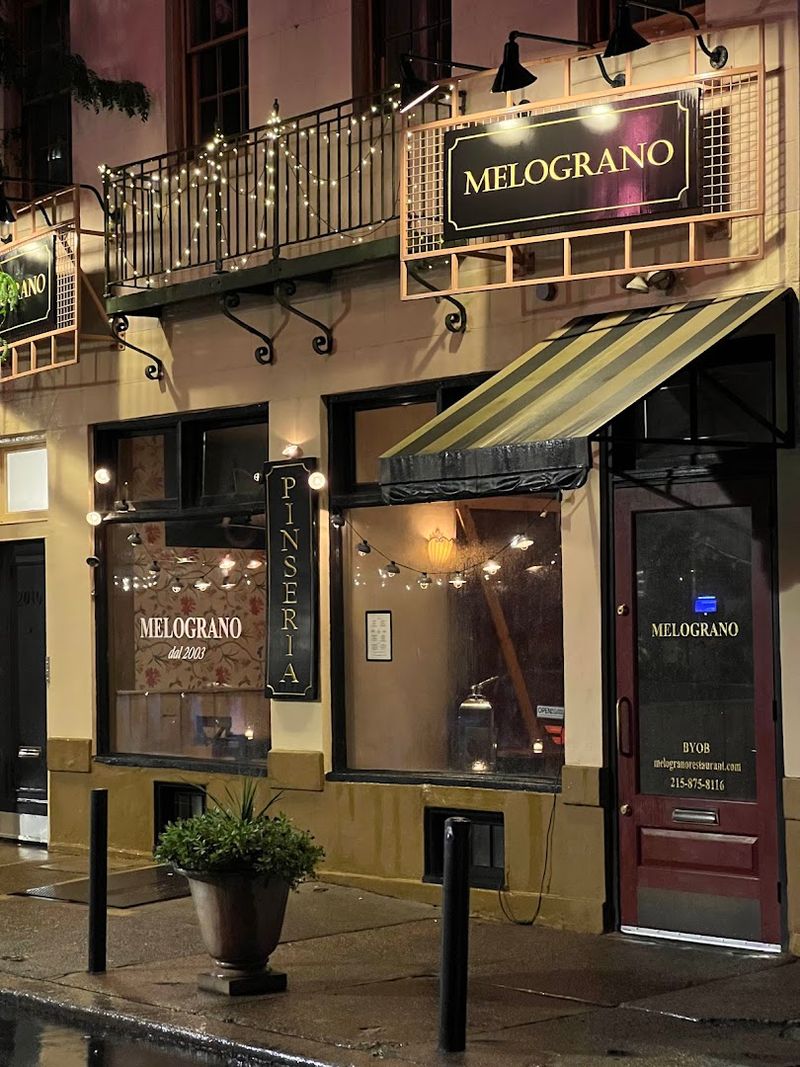
At 2012 Sansom Street in Philadelphia, Pennsylvania 19103, a compact Italian restaurant called Melograno has been feeding the Rittenhouse Square neighborhood with Roman-inspired food for more than twenty years. The block itself has energy, with other restaurants and foot traffic keeping things lively most evenings.
What sets this address apart is the combination of a tight, welcoming space and a kitchen run by someone who grew up eating the food he now cooks professionally. Roman-born Chef Gianluca Demontis and his wife, Rosemarie Tran, co-own the restaurant together, bringing a personal investment to every service.
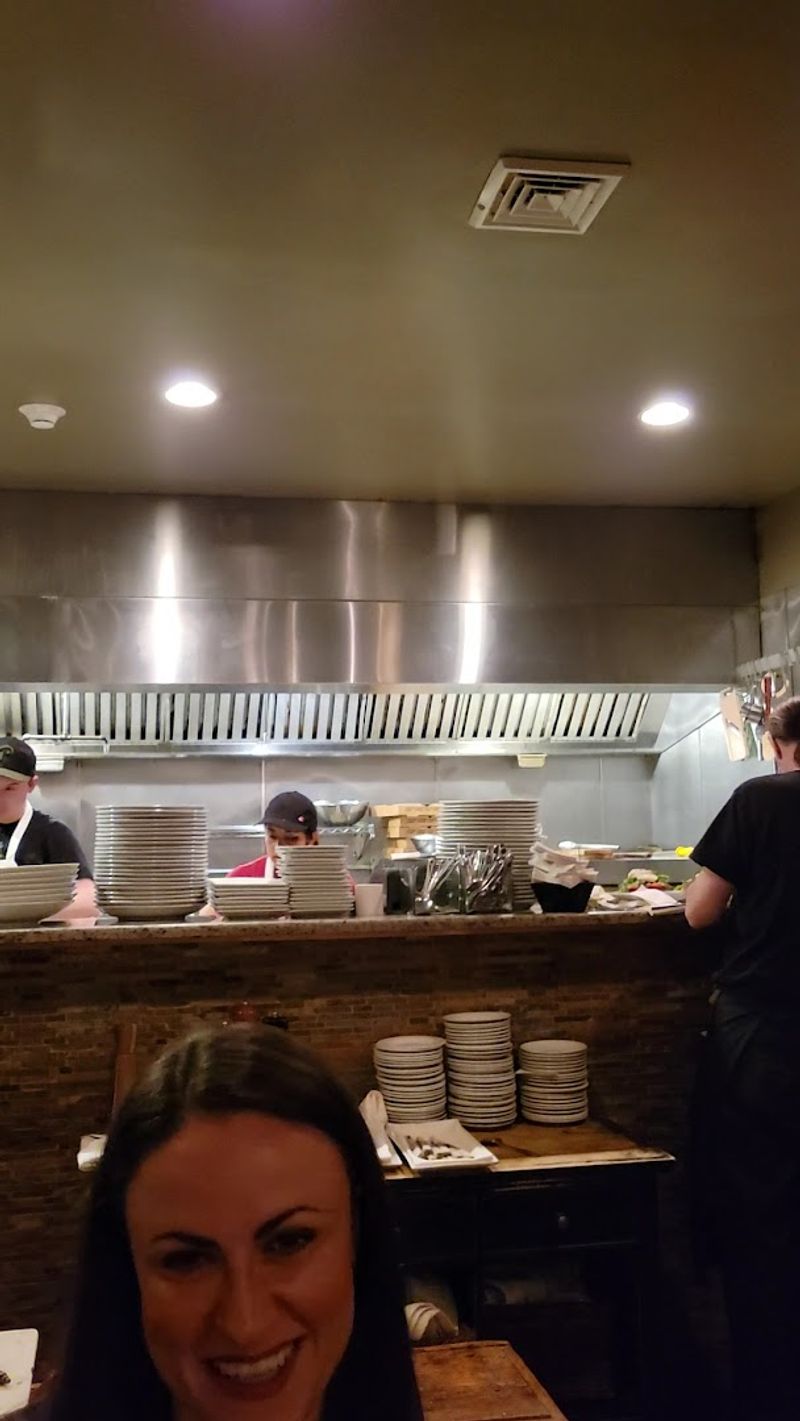
The open kitchen sits in plain view, so you can watch the work happening in real time as you eat. It is a small but telling detail that signals confidence in the craft.
The restaurant is reachable at 215-875-8116 and operates Tuesday through Sunday starting at 5 PM, with Monday being the one day it stays dark.
The Chef Who Brought Rome to Rittenhouse
Chef Gianluca Demontis did not arrive in Philadelphia with a corporate restaurant group or a celebrity backer. He came with the cooking knowledge of someone raised in Rome, where food is treated as a daily ritual rather than an occasion.
That Roman foundation shapes the entire menu at Melograno. The dishes are not pretending to be something trendy or fusion-forward.
They lean into tradition, using quality ingredients and techniques that reflect how people actually eat in central Italy.
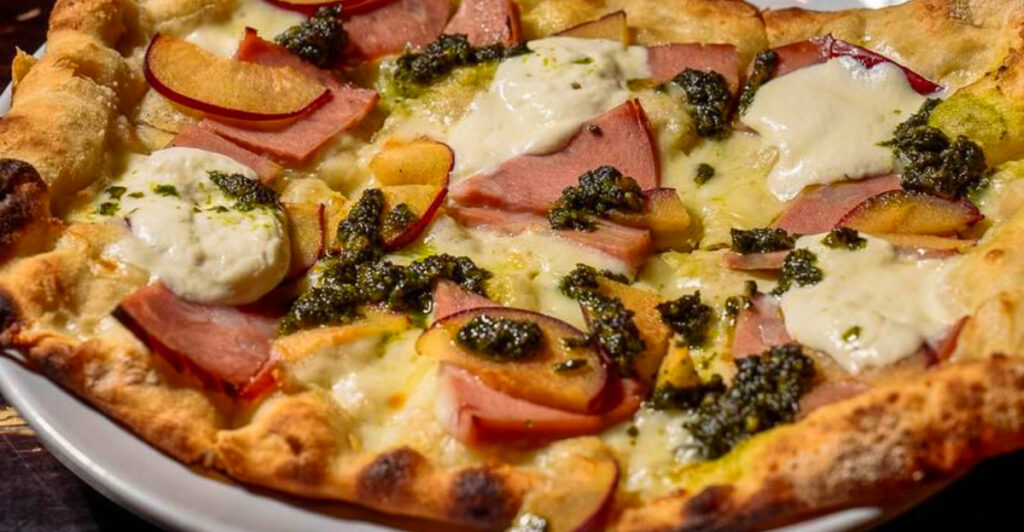
One of the more interesting additions to the menu in recent years has been Pinsa, a Roman-style pizza that predates the round Neapolitan version most Americans know. It has an oval shape and a lighter, crispier crust, and it offers a genuinely different experience from standard pizza.
Chef Demontis brings that kind of specific regional knowledge to every section of the menu, which is exactly why the restaurant feels so much more grounded than most Italian spots in the city.
What BYOB Actually Does for Your Wallet
One of the most practical reasons Melograno has built such a loyal following is the BYOB policy. No markup on drinks means the overall bill stays significantly lower than a comparable Italian restaurant with a full bar program.
In a neighborhood like Rittenhouse Square, where dining prices can climb quickly, that difference matters. A table of two can enjoy multiple courses of genuinely high-quality food and walk out having spent a reasonable amount compared to similarly regarded spots nearby.
The pricing for food is fair for what you receive. Appetizers tend to run around ten to twelve dollars, and pasta entrees sit near the mid-twenties range.
Given that the pasta is made in-house with careful attention to ingredients, that feels like honest value rather than a deal that cuts corners somewhere.
The BYOB format also creates a more relaxed atmosphere at the table. There is no pressure from a sommelier, no upsell on cocktails, and no awkward moment when the drinks bill arrives separately from the food.
The Pasta That People Cannot Stop Talking About
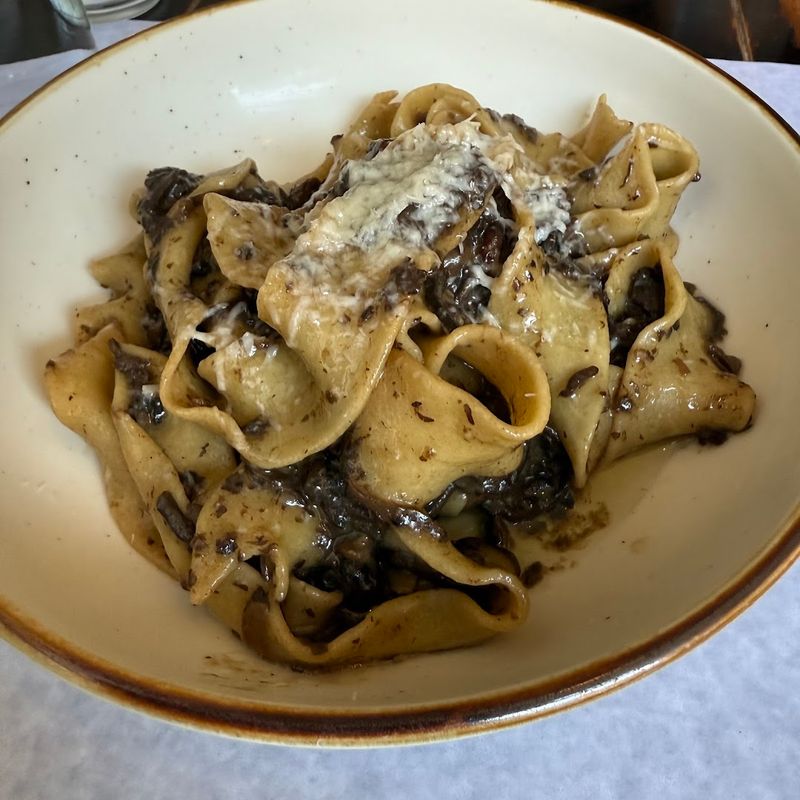
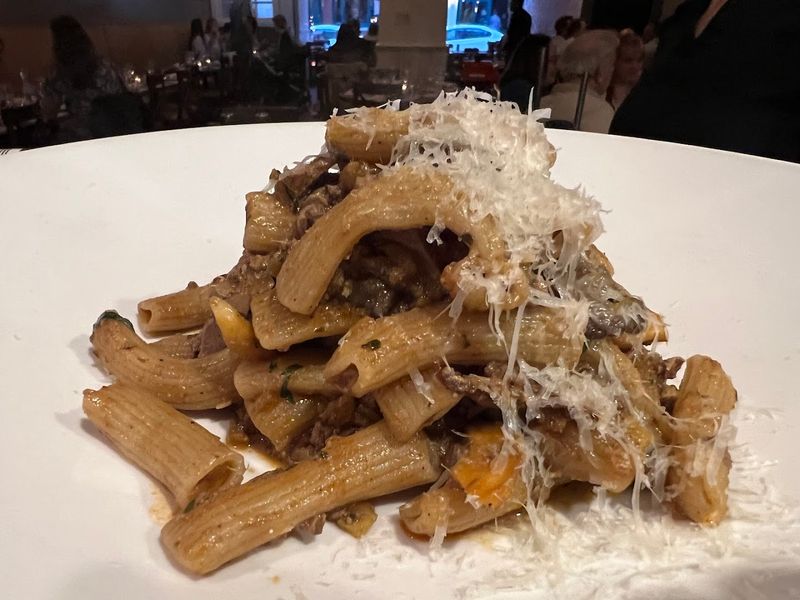
Homemade pasta is the clear centerpiece of the menu at Melograno, and the pappardelle with duck ragu is the dish that comes up most consistently in conversation about the restaurant. The wide, flat noodles have that slightly uneven texture that only comes from pasta made by hand, and the ragu has depth without being heavy.
The granchio pasta, made with crab, cherry tomatoes, bread crumbs, and a lemon cream sauce, offers a completely different direction, lighter and brighter, with a texture contrast that keeps each bite interesting. The mushroom pasta arrives with a rich aroma that you notice before the plate even reaches the table.
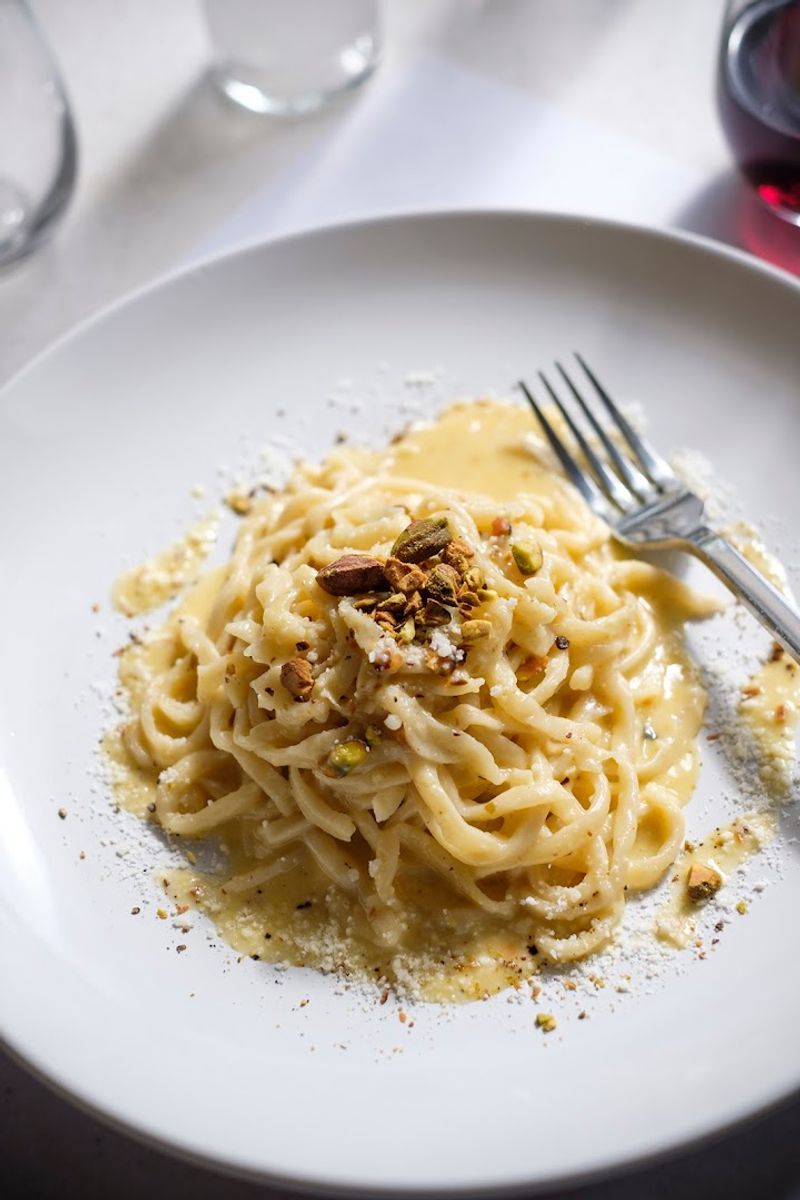
Cacio e pepe, the Roman classic of pasta with cheese and black pepper, shows up on the menu as well. It is a dish with almost no place to hide flaws, and when it is executed well it becomes a kind of quiet test of kitchen skill.
The beet ravioli, stuffed and shaped by hand, rounds out a pasta selection that genuinely earns its reputation.
Starters That Set the Tone Early
The burrata at Melograno has become something of a reliable opening act. It arrives fresh and properly seasoned, and the quality of the cheese itself is noticeable from the first cut.
Bread comes with olive oil early in the meal, and that simple combination does a good job of settling guests in before the main event.
The gnocchi croquettes are a more playful starter, fluffy on the inside with a slightly crisp exterior. They are a good example of how the kitchen takes a familiar ingredient and gives it a different shape and texture without overcomplicating things.
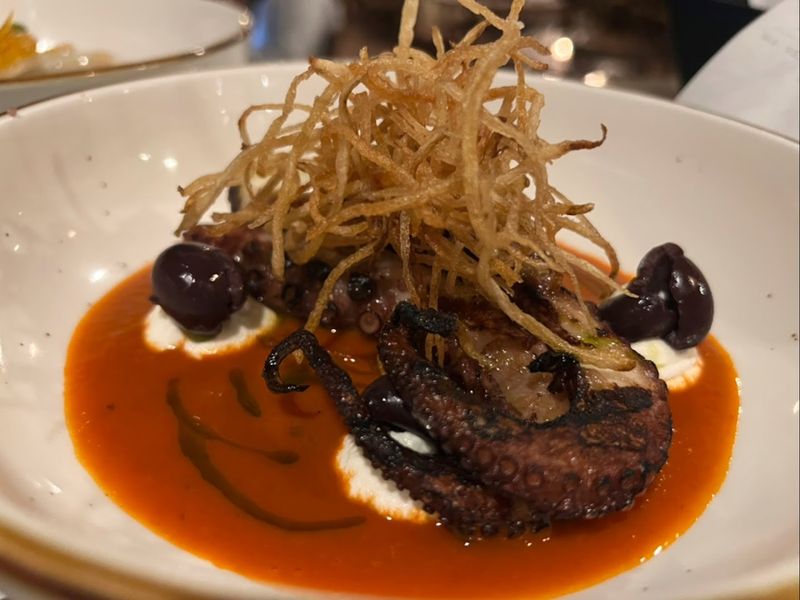
Grilled octopus appears on the menu as well, and it is the kind of appetizer that separates restaurants willing to do the prep work from those that take shortcuts. When it is done correctly, which it is here, the texture is tender rather than rubbery.
The tuna tartare rounds out the starters with a cleaner, more delicate flavor profile that contrasts nicely with the richer pasta courses to follow.
Pinsa: The Roman Pizza Most People Have Never Tried
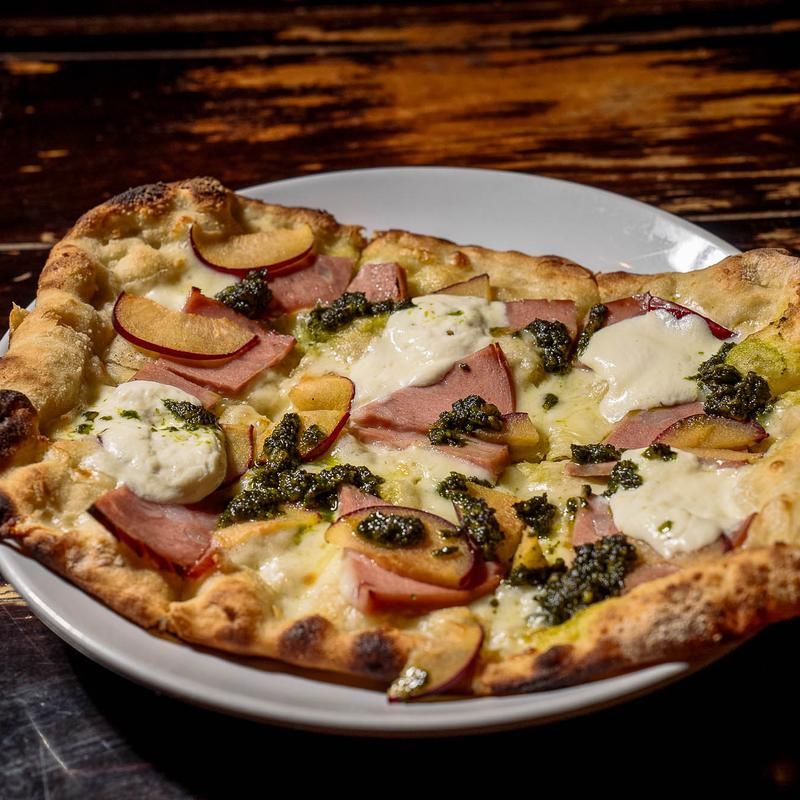
Most people who have eaten pizza their entire lives have never tried Pinsa, and that is a gap worth closing. This Roman-style flatbread has an oval shape, a lighter and airier dough, and a crispier crust than the round pies most Americans grew up eating.
The dough for Pinsa is typically made with a mix of flours and fermented for a longer period, which creates a more complex flavor and a texture that is both crunchy on the outside and soft in the middle. It is not trying to compete with Neapolitan pizza.
It is doing something different entirely.
Chef Demontis added Pinsa to the Melograno menu as a way of bringing another layer of Roman food culture to Philadelphia. It is the kind of dish that rewards curious eaters who are willing to order something unfamiliar.
Once you try it, the question becomes why more Philadelphia restaurants have not added it to their own menus yet.
Desserts That Close the Meal Properly
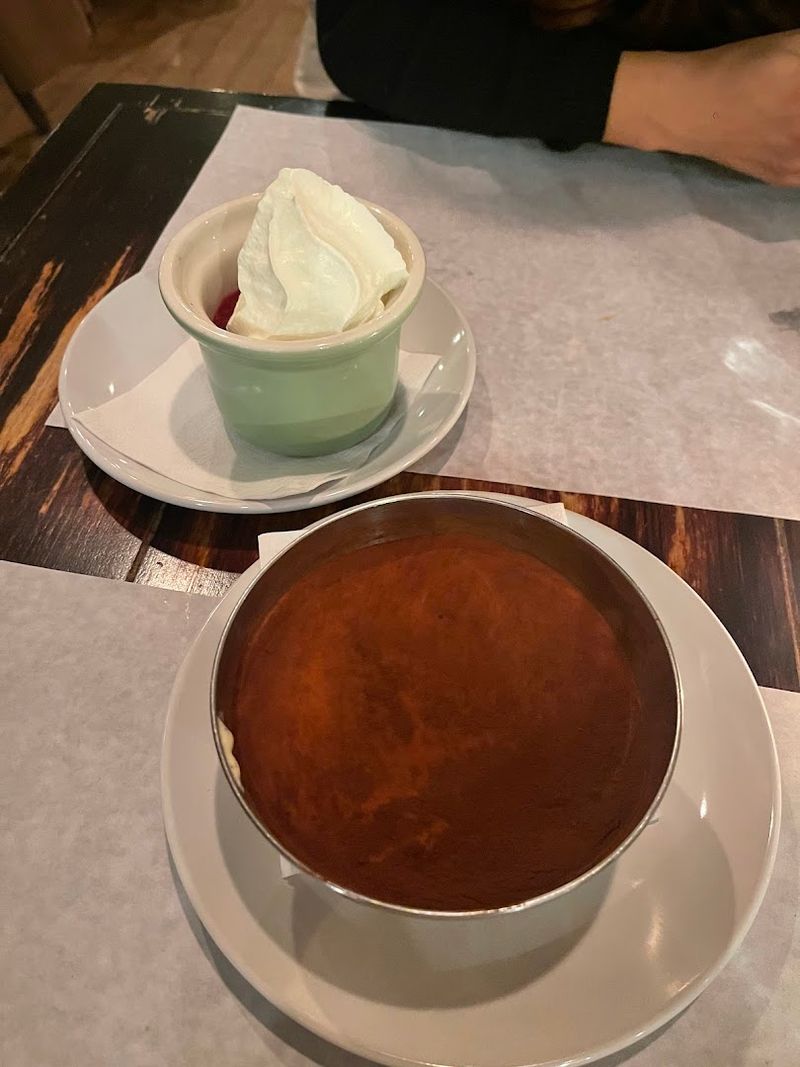
Tiramisu at Melograno is a consistent crowd favorite, served in a generous portion with the kind of balance between coffee, cream, and cocoa that the dessert requires. It is not reinvented or deconstructed.
It is simply made well, which is harder than it sounds.
The affogato offers a simpler but deeply satisfying finish, combining espresso with vanilla gelato in a way that works as both dessert and a final cup of something warm. The lemon-ginger creme brulee with fresh blueberries takes the classic French dessert and adds a brightness that feels appropriate after a rich Italian meal.
A caramel panna cotta occasionally appears as a daily special, and the kitchen also rotates other seasonal dessert options that reflect what is fresh and available. The dessert section at Melograno is not an afterthought.
It is a proper conclusion to a meal that has been building toward it from the first bite of bread. What comes before the dessert course is equally worth your attention, and that story begins with the atmosphere.
The Atmosphere Inside the Room
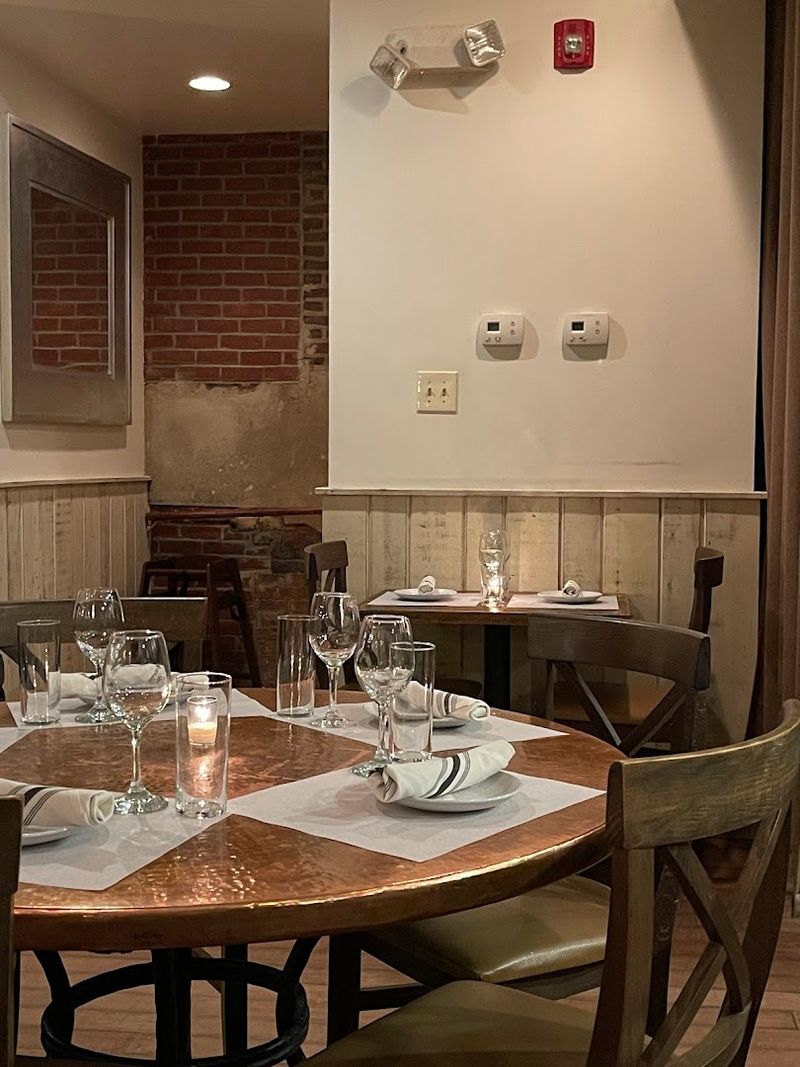
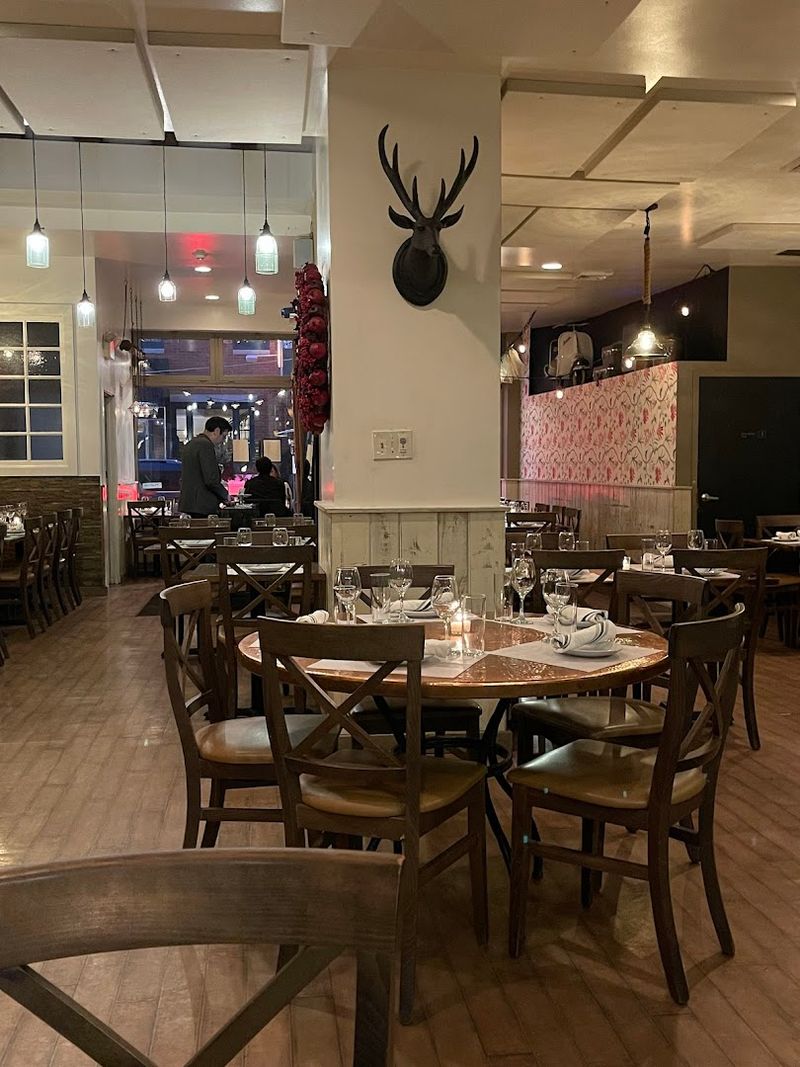
The interior of Melograno is compact and intentionally close. Tables are set near each other, candles provide most of the ambient warmth, and the open kitchen means you are never far from the sounds and smells of active cooking.
It creates a mood that feels lived-in rather than designed.
The decor stays simple. There is no elaborate theming or heavy investment in visual statements.
The room communicates through its energy rather than its decoration, and on a busy Friday or Saturday night, that energy can get loud. Larger parties and younger crowds contribute to a noise level that some diners find lively and others find challenging for conversation.
A weeknight visit offers a noticeably different experience, with more space to hear the person across the table and a slightly slower pace from the kitchen. The restaurant seats a modest number of guests, which means the intimate feel holds even when the room is full.
Dress code leans toward nice but casual, and overdressing would feel out of place.
Service That Makes You Feel Like a Regular
The service at Melograno has a quality that is harder to manufacture than most restaurants admit. Staff members walk guests through the menu with genuine enthusiasm, and the pacing of the meal feels considered rather than rushed.
The host and floor team have a reputation for being warm from the moment you arrive.
The manager makes rounds to each table during service, checking in without being intrusive. That kind of attentiveness from ownership and management signals that the front-of-house experience is taken as seriously as what comes out of the kitchen.
Servers tend to know the menu thoroughly, which matters in a restaurant where seasonal specials rotate and off-menu options appear regularly. There are typically four or more specials on any given night, so having a server who can explain them clearly makes a real difference in how you order.
The maitre d has been part of the Melograno team for a long time, and that continuity shows in how smoothly the room runs on even the busiest evenings.
When to Go and How to Plan Your Visit
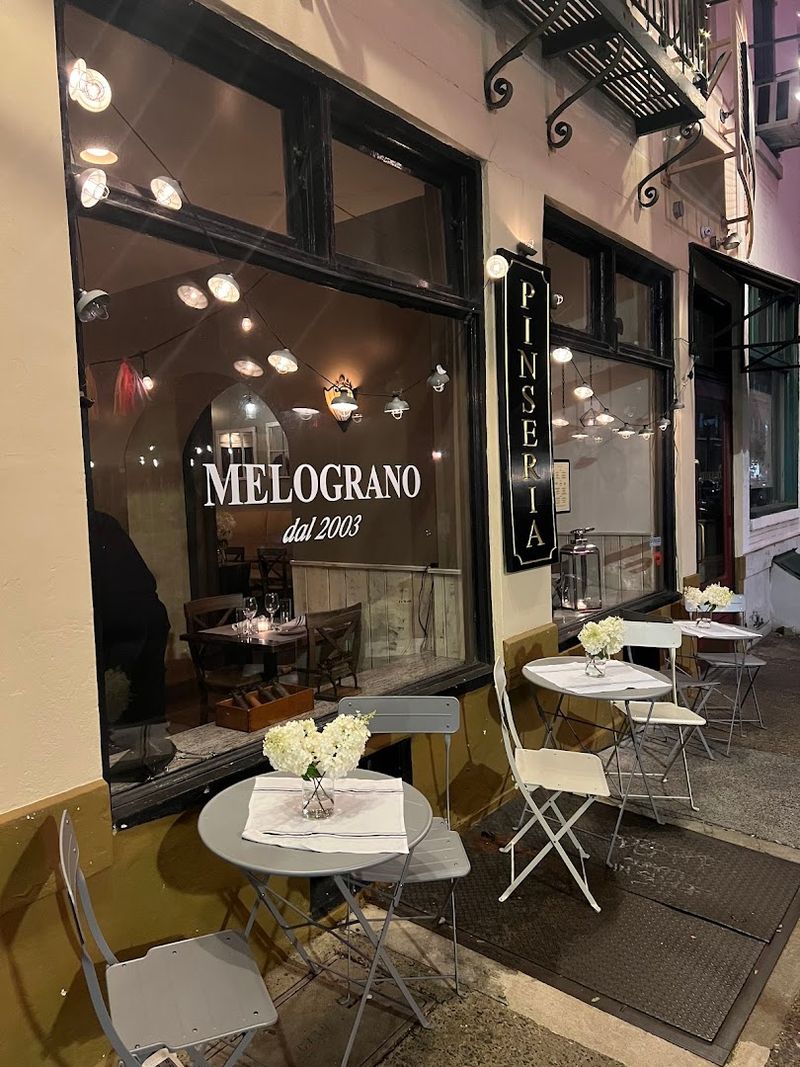
Melograno is open Tuesday through Thursday from 5 to 9 PM, Friday and Saturday from 5 to 9:30 PM, and Sunday from 5 to 8:30 PM. Monday is the one dark night of the week.
Reservations are strongly recommended, especially for weekend evenings when the small dining room fills up quickly.
An early reservation on a weeknight tends to offer the most relaxed experience. Food arrives quickly when the room is not yet at full capacity, and the noise level stays manageable.
Weekend nights are livelier, with larger groups contributing to a more energetic but louder room.
Since the restaurant is BYOB, plan ahead and bring whatever you enjoy with a meal. There are several shops within easy walking distance of Sansom Street where you can pick something up before your reservation.
Parking in Rittenhouse Square can be tight on busy nights, so arriving by rideshare or using public transit tends to make the evening smoother from start to finish.
Why Melograno Has Lasted More Than Two Decades
Two decades is a long time to stay relevant on a block where restaurants open and close with regularity. Melograno has managed it by staying consistent rather than chasing trends, and that consistency has built a customer base that returns repeatedly rather than treating the restaurant as a one-time experience.
The seasonal menu keeps things from going stale. Dishes rotate based on what is fresh and available, which means even regular visitors encounter something new.
The kitchen’s commitment to in-house production, from pasta to desserts, maintains a quality ceiling that pre-made or outsourced ingredients rarely reach.
Chef Demontis and Rosemarie Tran have built something that functions as a neighborhood institution without losing the energy of a place that still cares about every plate. Recognition from Bon Appetit’s Top Tables confirmed what the neighborhood already knew.
The real proof, though, is in the regulars who have been eating there for three, five, even ten years and still find a reason to come back for one more plate of pappardelle.
Share this story