Croatia is the kind of place that makes you question every vacation you took before it. Tucked along the Adriatic Sea in southeastern Europe, this small country packs in turquoise lakes, dramatic cliffs, medieval walled towns, and island beaches that look almost too good to be real.
Whether you are chasing waterfalls in a national park or sipping coffee on a harbor terrace, Croatia delivers at every turn. Here are the top spots that make this country one of Europe’s most exciting destinations.
Plitvice Lakes National Park
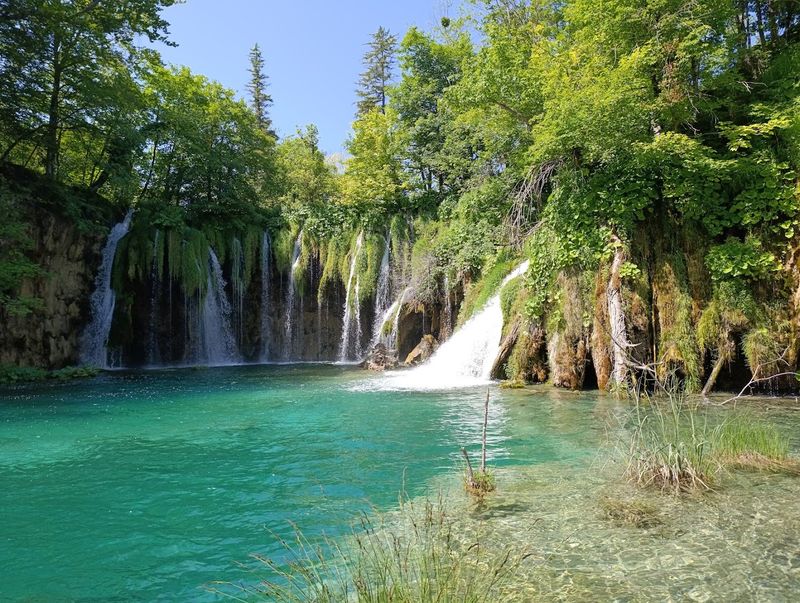
Croatia’s oldest national park does not play it cool. Plitvice Lakes is a full-on natural spectacle, with sixteen terraced lakes cascading into each other through a series of waterfalls that honestly look like a screensaver come to life.
The whole thing is a UNESCO World Heritage Site, which means it has been officially certified as jaw-dropping.
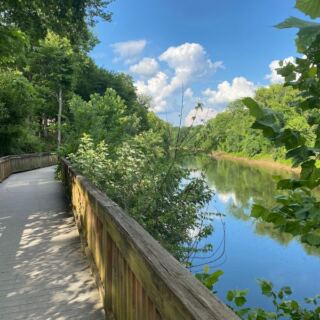
The park has wooden boardwalks that float just above the water, letting you walk directly over the clearest lakes you have ever seen. The water shifts between blue, green, and grey depending on the season and the minerals in the rock.
I visited in early autumn and the colors were absolutely unreal.
Buy tickets in advance because this park sells out fast. Arrive early to beat the crowds and get the best light for photos.
There are multiple trail options, so pick one that matches your energy level on the day.
Krka National Park
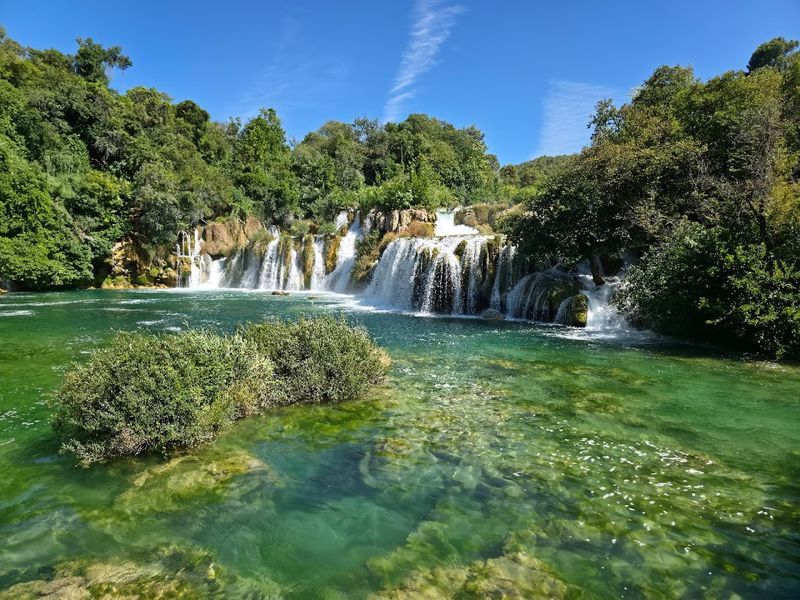
Not every waterfall park asks you to choose sides, but Krka versus Plitvice is a real debate among Croatia travelers. Krka is slightly more laid-back, and its star attraction, Skradinski buk, is a broad, thundering cascade surrounded by greenery that makes it one of the most satisfying nature stops in the whole country.
The park wraps around the Krka River and offers walking trails, viewpoints, and boat excursions that take you deeper into the landscape. There are also cultural sites nearby, including a Franciscan monastery on a small island, which adds a nice historical layer to the visit.
Krka is very easy to reach from Split, Zadar, or Sibenik, making it a popular day trip. Go on a weekday if you can, because weekends in summer get seriously busy.
The boat rides are worth every kuna, giving you a completely different perspective on the river canyon.
Mljet National Park
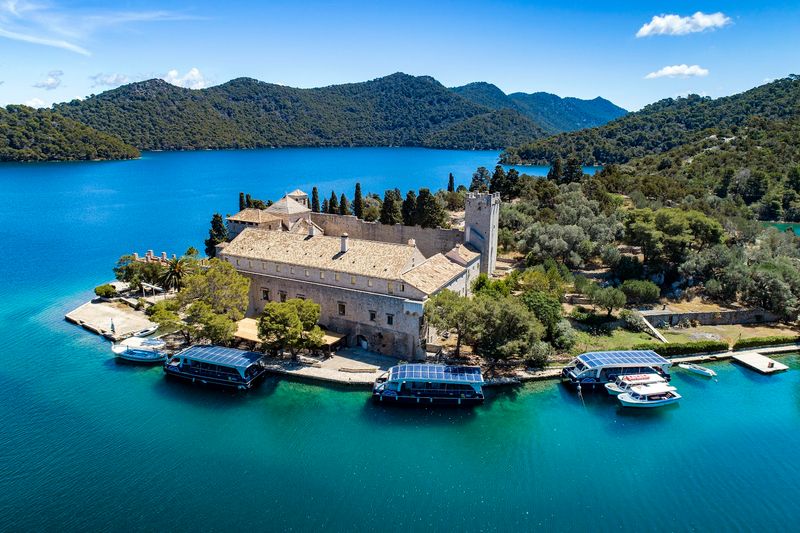
Mljet is the park for people who find Plitvice too crowded and Krka too loud. This national park covers the northwestern end of Mljet Island and operates at a noticeably slower, greener pace.
The saltwater lakes here are so calm and reflective they look like nature’s own infinity pool.
The star of the park is a small island sitting right in the middle of one of those lakes, topped with a 12th-century Benedictine monastery. You can rent a small boat or kayak to reach it, which is genuinely one of the more fun ways to visit a medieval ruin.
The forested paths around the lakes are easy to walk and completely peaceful.
Mljet suits travelers who want island beauty without fighting for a sunbed. The rest of the island beyond the park is equally quiet, with small villages and excellent local wine.
It is the kind of place that makes you extend your trip by two days.
Kornati National Park
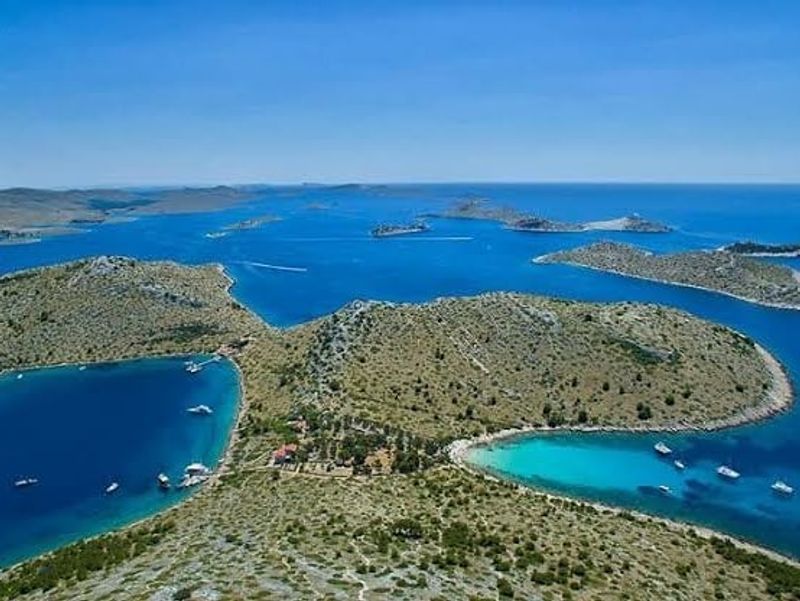
Kornati is not your typical national park with forests and trails. This one is almost entirely made of sea.
The park protects around 89 islands and islets in the northern Dalmatian archipelago, and the scenery from a boat deck is genuinely unlike anything else in Europe.
The islands themselves are pale, rocky, and mostly uninhabited, which gives the whole place a wild, end-of-the-world atmosphere. The water between them is deep blue and crystal clear, perfect for swimming, snorkeling, and anchoring for lunch.
Most people explore Kornati by rented sailboat or on organized boat tours from Zadar or Sibenik.
There are no sandy beaches here and very few facilities, so come prepared. Pack plenty of water, sunscreen, and snacks.
The few konoba restaurants scattered across the islands serve fresh seafood that is worth every euro. Kornati rewards those who go off the typical tourist trail and embrace a bit of nautical adventure.
Brijuni National Park
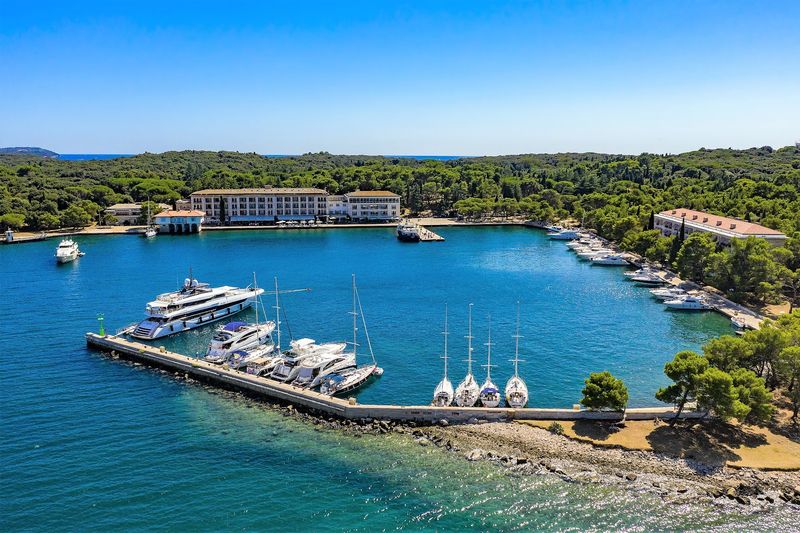
Brijuni has a backstory that most national parks simply cannot match. For decades, these islands off the Istrian coast served as the private retreat of Yugoslav leader Josip Broz Tito, who hosted celebrities and world leaders here.
Today, visitors can tour the island by electric train and see a genuinely bizarre mix of Roman ruins, a small safari park, and Tito-era memorabilia.
Beyond the history, Brijuni is simply beautiful. The vegetation is lush and Mediterranean, the coastline is peaceful, and the overall pace of the island feels wonderfully unhurried.
It is a strong choice for travelers exploring Istria who want something beyond the usual wine and truffle circuit.
Access is only by boat from the town of Fazana, and guided tours are the standard way to visit. The island works well for families because of the safari animals, and equally well for history fans who want a quirky Cold War detour.
Book ahead in peak summer months.
Paklenica National Park
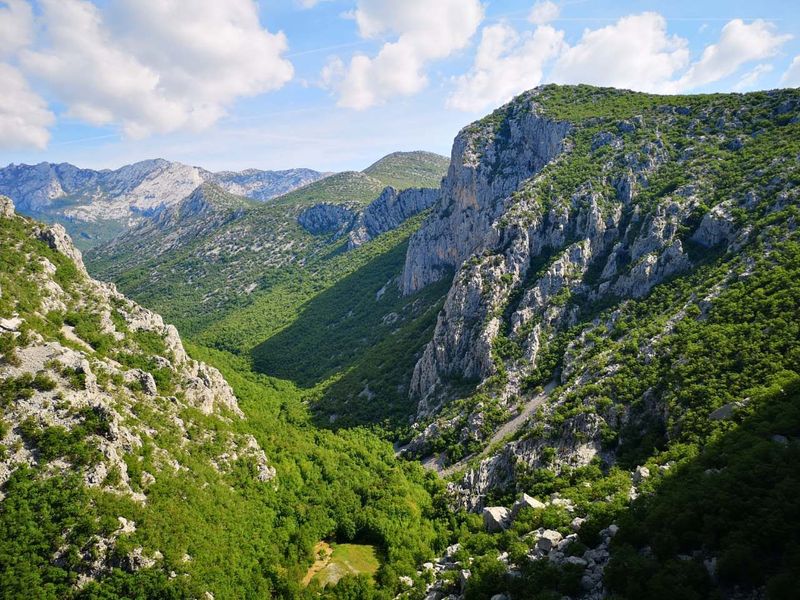
Croatia has a habit of surprising people, and Paklenica is one of its best tricks. Most visitors come to Croatia expecting beaches and old towns, then suddenly find themselves staring up at canyon walls that would not look out of place in Utah.
Located near Zadar, Paklenica is a mountain park built for hikers, climbers, and anyone who wants dramatic scenery without booking a flight to somewhere exotic.
The park has two gorges, Velika Paklenica and Mala Paklenica, carved through the Velebit mountain range. Trails range from easy canyon walks to serious multi-day mountain routes.
Rock climbers come from across Europe specifically for the limestone walls here, which offer hundreds of marked routes at every difficulty level.
There is also a fascinating hidden military tunnel system inside the mountain, built during the Cold War era, which is open for tours. Paklenica pairs brilliantly with a few beach days in Zadar, giving your Croatia trip a satisfying mix of adventure and relaxation.
Zlatni Rat
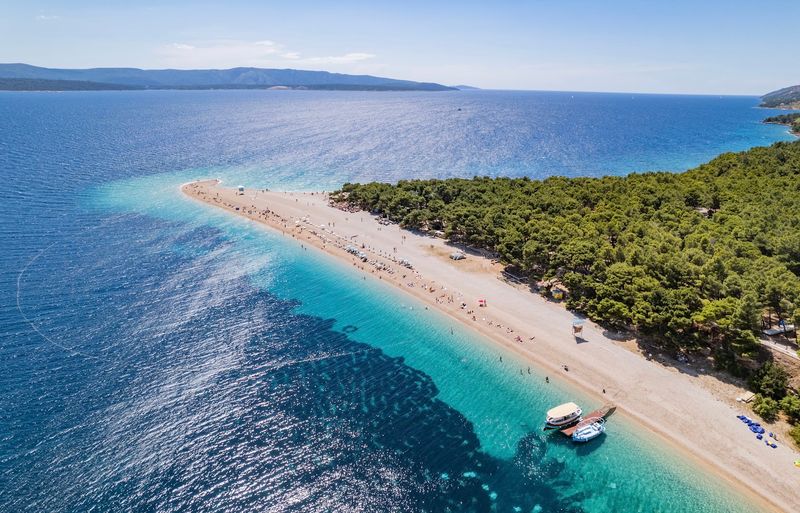
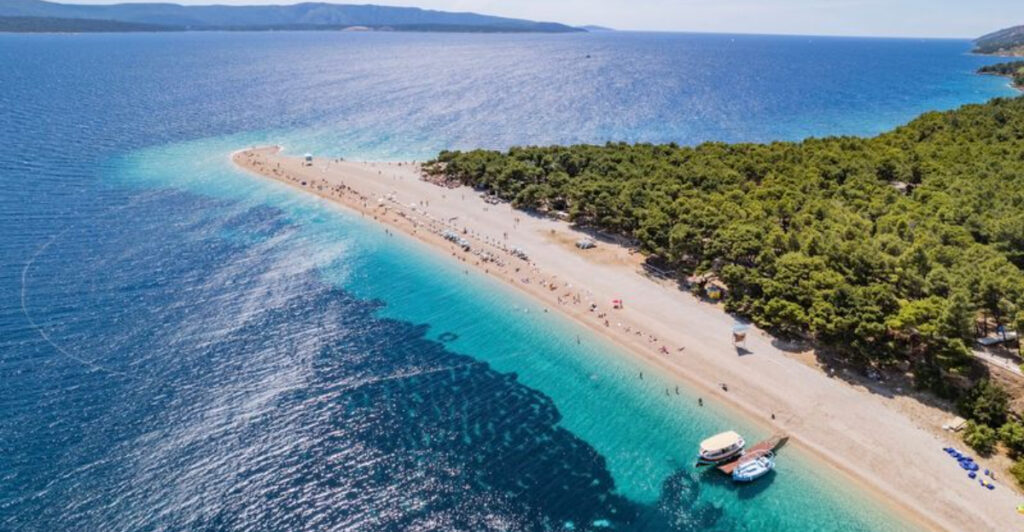
Zlatni Rat is probably the most photographed beach in Croatia, and honestly, the photos are not exaggerating. This long pebble spit stretches out from the shore near Bol on Brac Island, and its pointed tip actually shifts position depending on the wind and currents.
It is basically a beach that cannot sit still.
The water on both sides of the spit is shallow and brilliantly clear, which makes it ideal for swimming and paddling. Windsurfers love it here because the afternoon winds are reliable and strong, turning the sea into a busy, colorful spectacle.
Pine trees line the back of the beach, providing welcome shade when the Dalmatian sun gets serious.
Bol village is right next door with restaurants, cafes, and accommodation options at various price points. Zlatni Rat gets very busy in July and August, so arrive early to claim your patch of pebble.
A morning visit gives you the beach at its most peaceful and photogenic.
Hvar
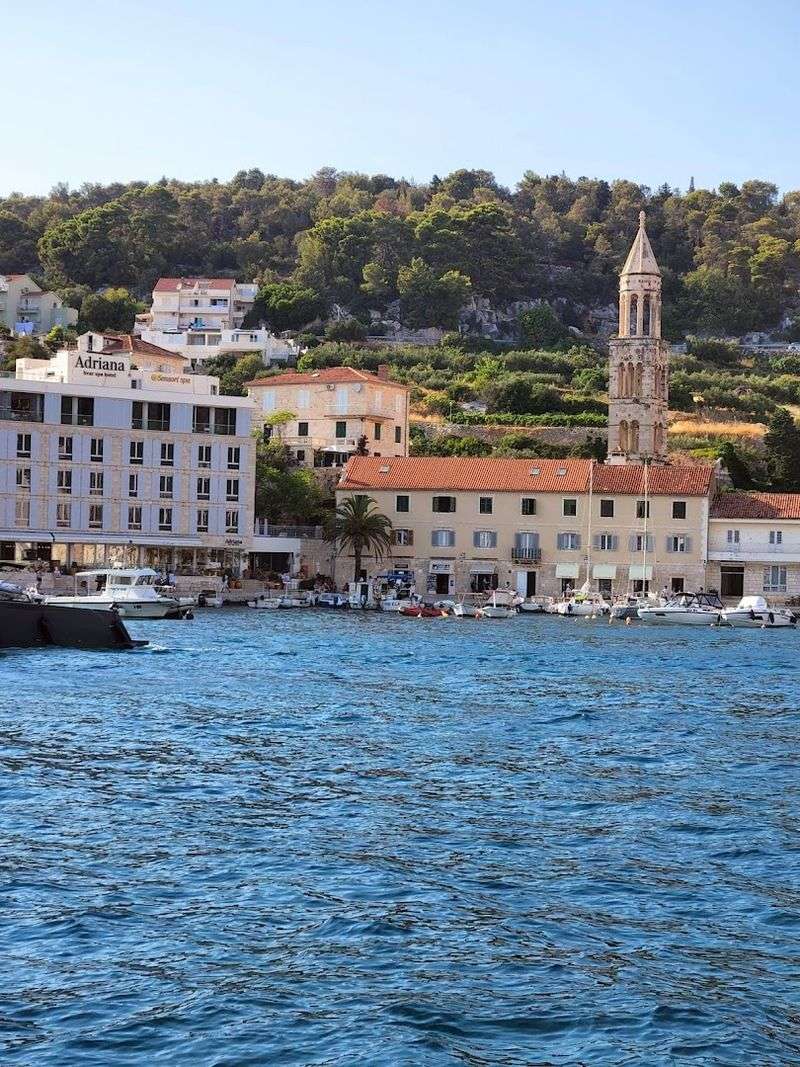
Hvar has been called Croatia’s trendiest island so many times that you would expect it to be overrated by now. Somehow, it is not.
The old town is genuinely stunning, built from white stone with a harbor that fills up with yachts every summer while remaining charming enough to walk through without feeling like a theme park.
The fortress above Hvar Town gives you one of the best views on the entire Dalmatian coast, and the climb up is shorter than it looks from the bottom. Around the island, you will find lavender fields, vineyards, quiet villages, and beaches that require a boat to reach, which is half the fun.
Hvar works as a base for exploring the surrounding waters because ferry and boat connections are excellent. The nightlife is lively if that is your thing, but the island is just as enjoyable if you prefer quiet mornings and long lunches.
It earns its reputation on multiple levels.
Pakleni Islands
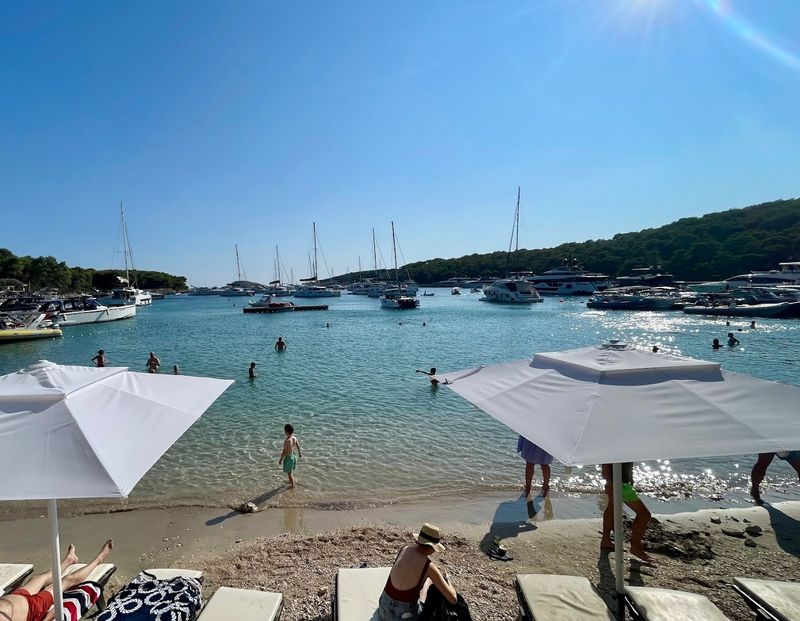
The Pakleni Islands are Hvar’s best-kept not-so-secret. Just a short boat ride from Hvar Town, these wooded islets are scattered across the water like a mini-archipelago designed specifically for people who want a perfect beach day.
Despite being extremely popular, they never feel as hectic as the main town.
Each islet has its own character. Palmizana has a botanical garden, excellent restaurants, and a sandy-ish beach.
Stipanska is quieter and great for snorkeling. Jerolim has a clothing-optional beach if you are feeling adventurous.
Water taxis run frequently from Hvar Town, so island-hopping is genuinely easy and affordable.
The coves between the islands are ideal for anchoring a boat, and many visitors spend a full day moving between swimming spots, stopping for grilled fish at waterside restaurants. Even without your own boat, the water taxis make the Pakleni Islands one of the most accessible island-hopping experiences on the entire Croatian coast.
Vis
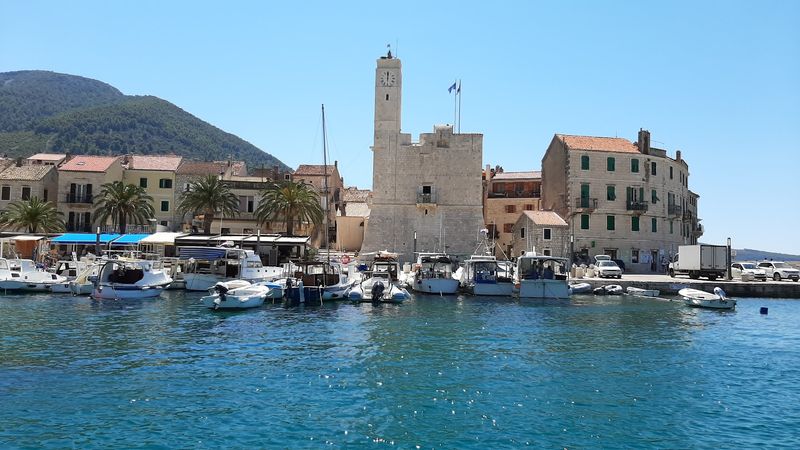
Vis has a slightly rebellious reputation among Croatian islands, and it wears that reputation well. Because it was a closed military zone until 1989, it developed without mass tourism and kept a genuinely local character that most Adriatic islands lost decades ago.
That late start turned into its greatest selling point.
The two main towns, Vis and Komiza, are both harbor towns with excellent restaurants, wine bars, and a relaxed pace that encourages lingering over lunch until dinner time arrives. The local Vugava white wine is crisp and worth seeking out.
The island also grows excellent figs and capers, which show up on every menu.
Vis is also the jumping-off point for boat trips to the famous Blue Cave on Bisevo Island and the spectacular Green Cave nearby. Day-trip boats run regularly from Komiza.
The island rewards slow travel, so try to stay at least two nights rather than rushing it as a quick day trip.
Stiniva
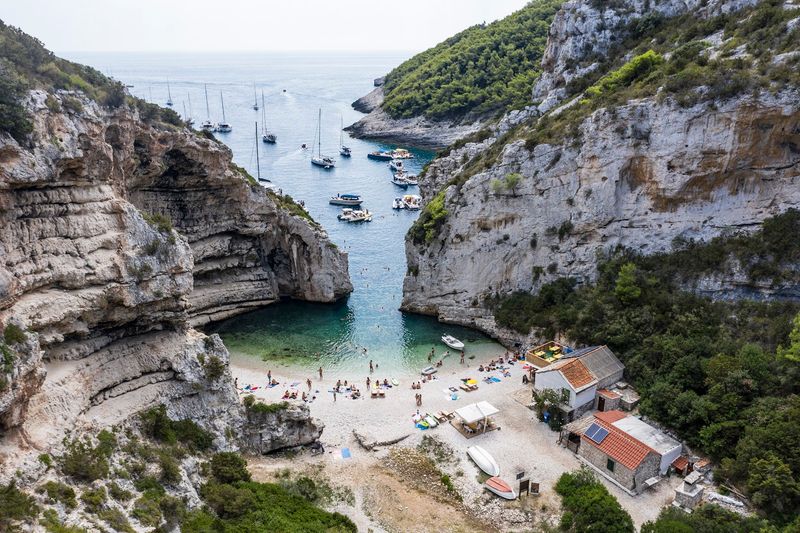
Stiniva is the kind of beach that makes people stop scrolling. Set on Vis Island, this tiny pebble cove is surrounded by towering limestone cliffs that nearly close off the entrance to the sea, leaving just a narrow gap through which the water glows an extraordinary shade of blue.
It has won awards for being one of Europe’s best beaches, and for once, the award committee got it right.
Getting there is part of the experience. You can arrive by boat, which is the easiest option, or hike down a steep path from the road above, which takes around twenty minutes but rewards you with dramatic views along the way.
The beach itself is small, so it fills up fast in high season.
Go early in the morning or late afternoon to avoid the peak boat-tour rush. The swimming inside the cove is exceptional because the cliffs block the wind and the water stays calm and clear.
Bring water and snacks because facilities are minimal.
Korcula
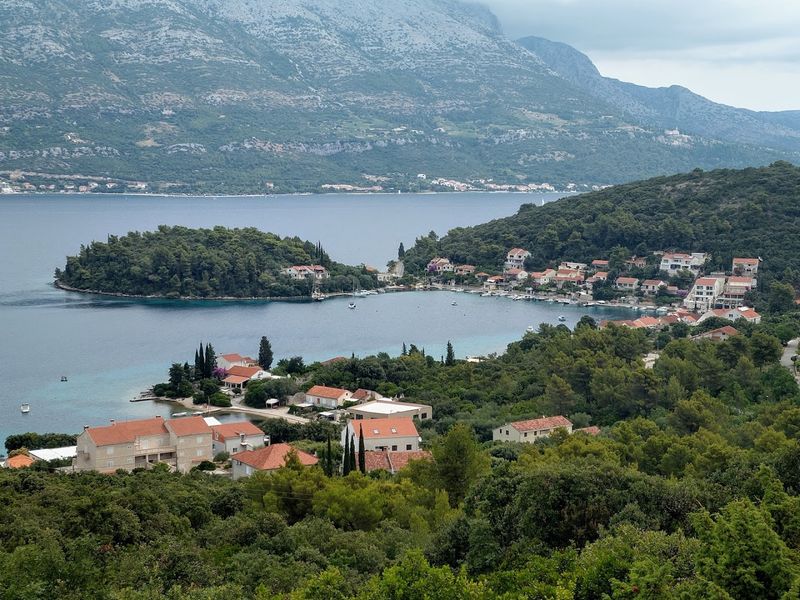
Locals on Korcula will tell you, with complete confidence and mild competitiveness, that Marco Polo was born here. Whether or not that is true remains historically murky, but the claim adds a fun layer of mythology to an island that is already one of the most beautiful in the Adriatic.
The old town sits on a small peninsula surrounded by water and is genuinely one of the best-preserved medieval towns in Croatia.
Beyond Korcula Town, the island stretches out into vineyards, olive groves, and quiet villages connected by winding roads. The local Posip white wine is excellent and pairs perfectly with fresh oysters from nearby Mali Ston.
Beaches are scattered around the island, ranging from accessible pebbly bays to more secluded coves.
Korcula is less hectic than Hvar and slightly more relaxed in atmosphere, which suits travelers who want beauty without the party scene. The island is easy to reach by ferry from Split or Dubrovnik, making it a natural stop on a Dalmatian island-hopping route.
Pupnatska Luka
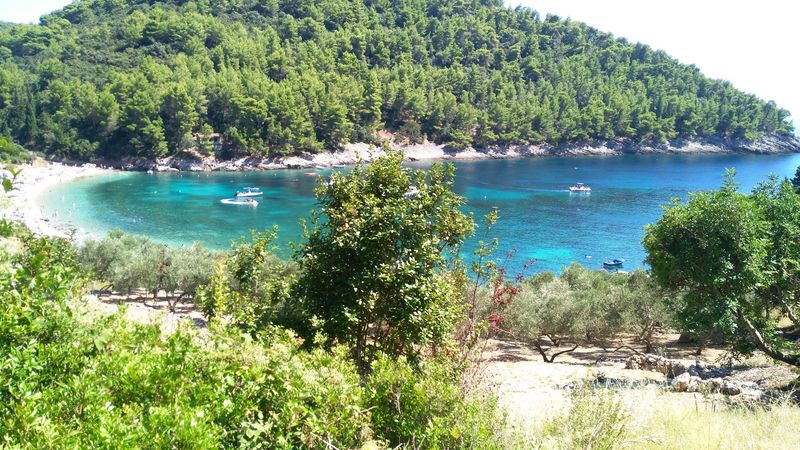
Not every great Croatian beach requires a boat trip or a cliff hike. Pupnatska Luka on Korcula’s south side is refreshingly accessible, reachable by car, and genuinely lovely without making you work too hard for it.
The sheltered bay has clear, calm water and a pebble shore backed by pine trees, with views across the channel toward the Peljesac Peninsula.
The beach has seasonal facilities including a small beach bar, which means you can arrive, set up, order a cold drink, and stay for the entire afternoon without any logistical stress. The water is clear enough for snorkeling, and the sheltered position keeps things calm even when the sea is a bit choppy elsewhere on the island.
Pupnatska Luka is a solid choice for families or anyone who wants a relaxed beach day without battling crowds. It tends to be quieter than the beaches closer to Korcula Town.
The drive through the island’s interior to reach it passes through some lovely countryside worth slowing down for.
Dubrovnik
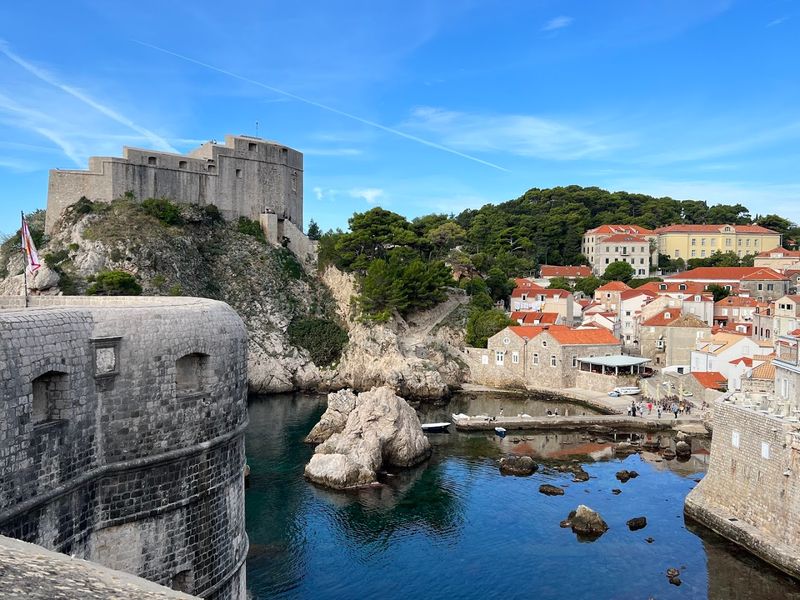
Dubrovnik is one of those places where you round a corner and physically stop walking because the view demands it. The medieval walls encircling the old town are some of the best preserved in the world, and walking the full circuit gives you views of the Adriatic on one side and a labyrinth of terracotta rooftops on the other.
It is spectacular and it knows it.
The city gets very crowded in summer, partly because of cruise ships and partly because of a certain fantasy TV show that filmed extensively here. Going early in the morning or in the shoulder seasons of May and September makes the experience dramatically better.
The old town is small enough to explore in a day but rich enough to reward two or three.
Beyond the walls, Dubrovnik has rocky swimming spots, a cable car up Mount Srd for panoramic views, and easy ferry access to nearby islands. It is one of Europe’s great coastal cities, and the hype, for once, is completely justified.
Lokrum
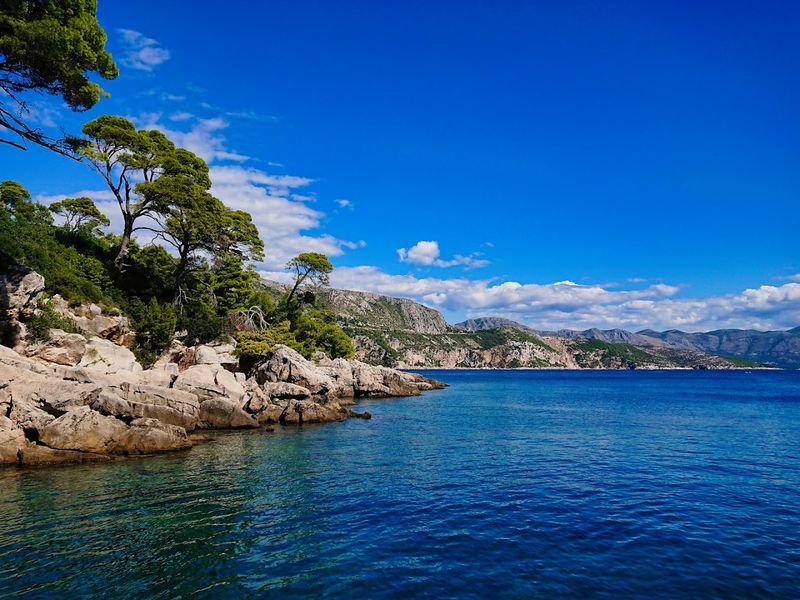
After a day inside Dubrovnik’s walls, Lokrum feels like a deep exhale. This tiny island sits just 600 meters offshore and operates as a protected nature reserve, meaning no permanent residents, no hotels, and blissfully no cars.
The contrast with the busy old town across the water is immediate and very welcome.
The island has a ruined Benedictine monastery with a lovely cloister, a small saltwater lake called the Dead Sea that is perfect for a swim, and a botanical garden with peacocks wandering around like they own the place. Because they kind of do.
Rocky swimming spots line the coastline, and forest paths make it easy to explore the whole island in a few hours.
Ferries run regularly from Dubrovnik’s old port and take about ten minutes. There is a small restaurant and bar on the island, so you can easily spend a full half-day here.
Lokrum is one of the easiest and most rewarding escapes in the entire Dalmatian coast.
Share this story