There is a park in Ohio where the ground is literally covered in fossils that are hundreds of millions of years old, and you are allowed to pick them up and take them home. No permit, no fee, no catch.
The rocks beneath your feet once sat at the bottom of a shallow sea during the Ordovician Period, and the shells and creatures preserved inside them have been waiting a very long time for someone to notice them. Whether you are a curious kid, a geology enthusiast, or just someone looking for a free and genuinely unusual afternoon, this place delivers something most parks simply cannot: the chance to hold a piece of prehistoric life in your hands and walk away with it.
Keep reading to find out everything you need to know before your visit.
What Trammel Fossil Park Actually Is
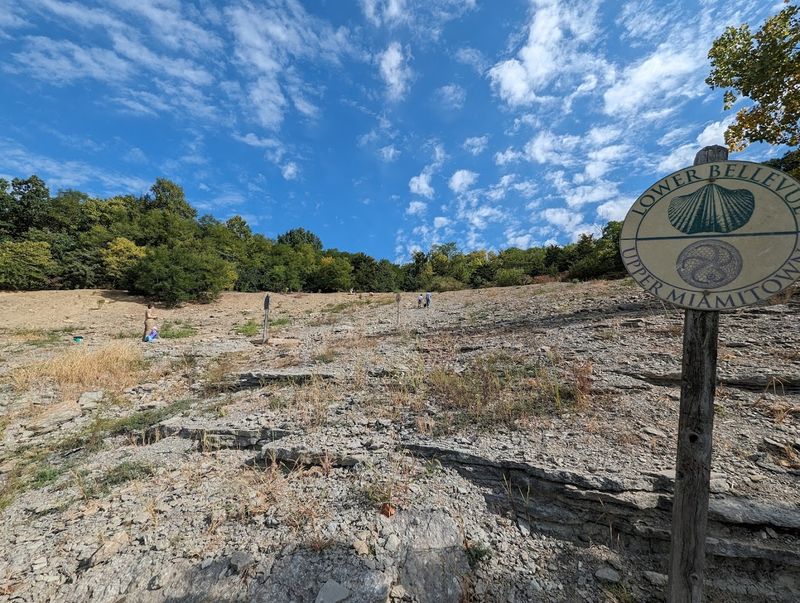
Most parks offer trails, benches, and maybe a duck pond. Trammel Fossil Park, at 12000 Tramway Dr, Sharonville, offers something far more unusual: a fossil-covered hillside that visitors are actively encouraged to dig through, explore, and take pieces of home.
The park sits within the city of Sharonville in southwestern Ohio, just north of Cincinnati. It is free to enter, open every day from 6 AM to 10 PM, and requires no reservation of any kind.
The site was created from an exposed rock formation that dates back roughly 450 million years to the Ordovician Period, when this part of North America was covered by a warm, shallow sea. That ancient seafloor is now a public park, and the fossils it holds are yours to find.
The Ancient History Beneath Your Feet
Around 450 million years ago, a warm inland sea covered what is now the state of Ohio. Marine creatures thrived in that water: brachiopods, bryozoans, crinoids, trilobites, and horn corals, among others.
When they perished, their shells and skeletons settled into the mud on the seafloor and slowly became rock.
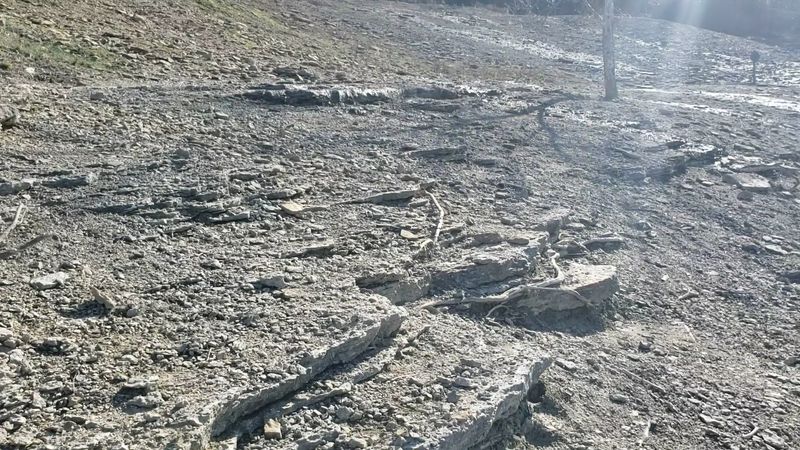
Over millions of years, the land shifted, the sea dried up, and those creatures became part of the limestone and shale formations that now define much of southwestern Ohio’s geology. At Trammel Fossil Park, erosion has stripped away the upper layers of soil, leaving those ancient rocks fully exposed on the surface of a steep hillside.
The Cincinnati Museum Center has even featured this geological formation in its natural history exhibits, which tells you just how significant this site is from a scientific standpoint. The hill you are climbing is, in every sense, a time capsule.
What You Can Expect When You Arrive
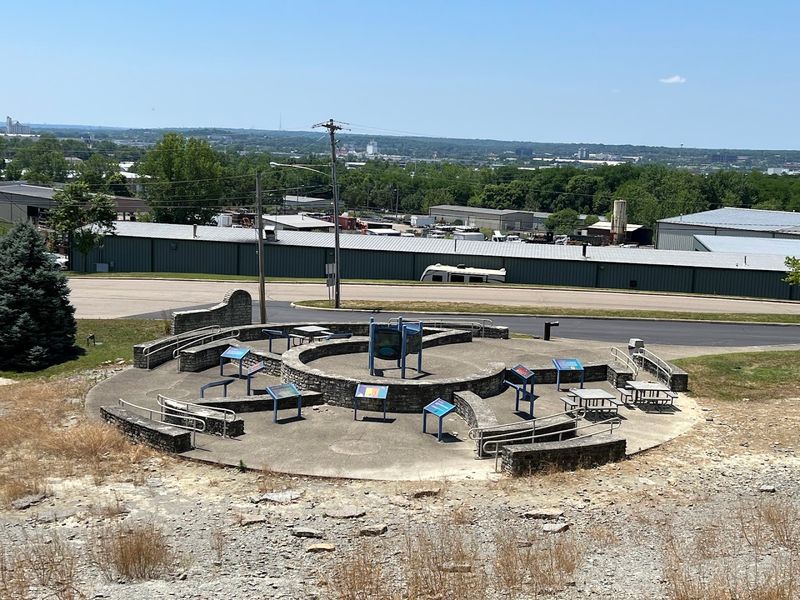
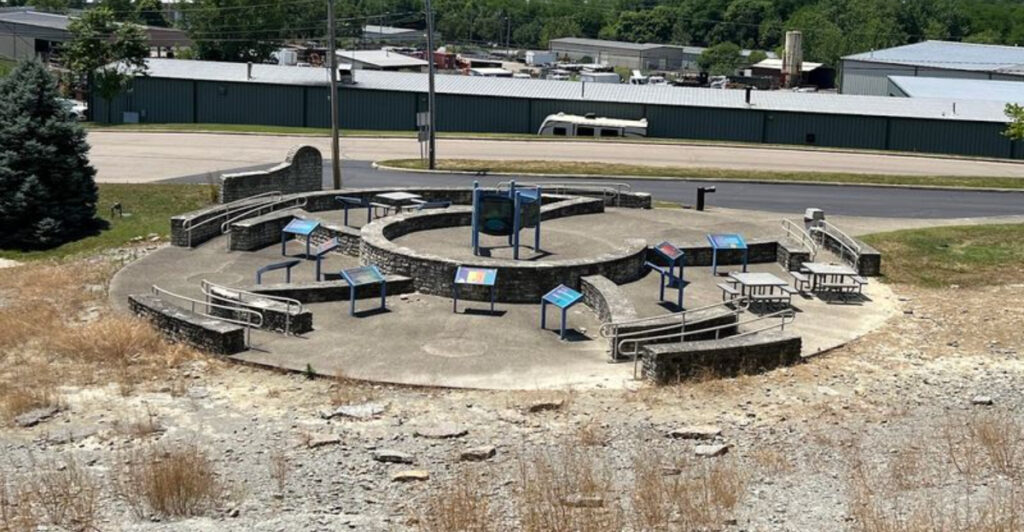
First-time visitors sometimes wonder if they have taken a wrong turn. The park is tucked behind what looks like an industrial area, and the approach does not exactly scream “natural wonder.” A spacious parking lot greets you, along with a cluster of informational signs that explain the geology and history of the site.
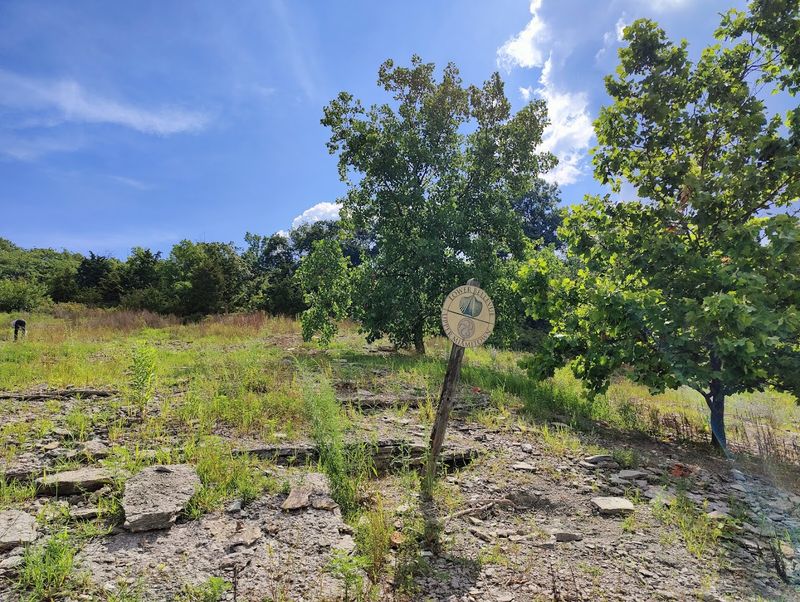
From the parking lot, the fossil hill rises steeply in front of you. The slope is covered in loose rock, chunks of shale, and larger limestone slabs, and fossils are visible almost immediately without any digging required.
There are porta-potties on site, along with a hand-washing station with soap and water, which is a thoughtful touch given how muddy things can get. The signage around the base of the hill provides educational context that makes the experience feel more like an outdoor classroom than a simple park visit.
The Fossils You Are Most Likely to Find
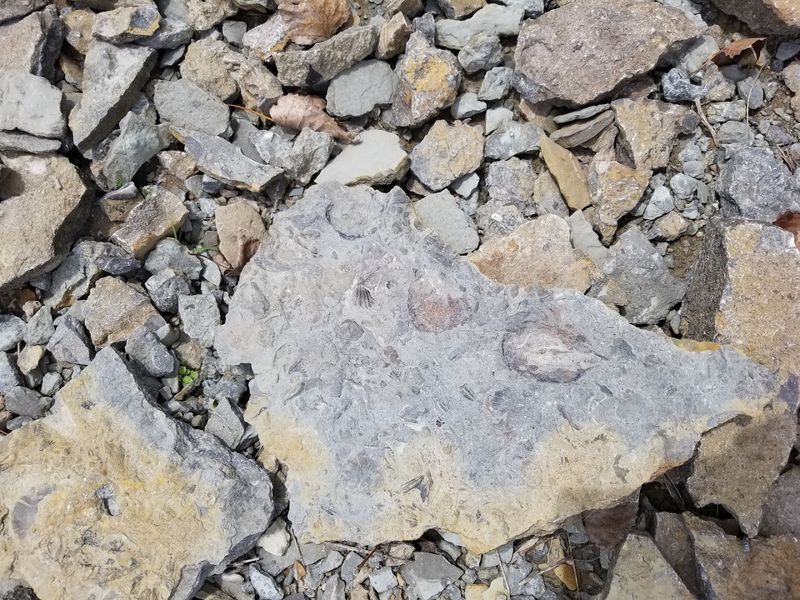
The most common finds at this park are brachiopods, which look like small clam-like shells with a distinctive ribbed texture. Bryozoans, which are colonial marine animals that look like lacy or branching stone structures, are also extremely common.
Horn corals, which have a cone shape and internal chamber patterns, turn up regularly as well.
Crinoid stems, which look like stacked discs or cylinders, are another frequent discovery. Trilobite fragments appear occasionally, and finding a complete or near-complete trilobite is considered a real prize.
Many of the fossils appear as impressions pressed into flat rock surfaces rather than three-dimensional objects sticking out of the ground.
The variety is genuinely impressive for a single hillside. You can spend an hour here and fill a small bucket with a dozen different species, each one representing a creature that lived before dinosaurs ever walked the earth.
The Take-One-Home Policy That Makes This Place Special
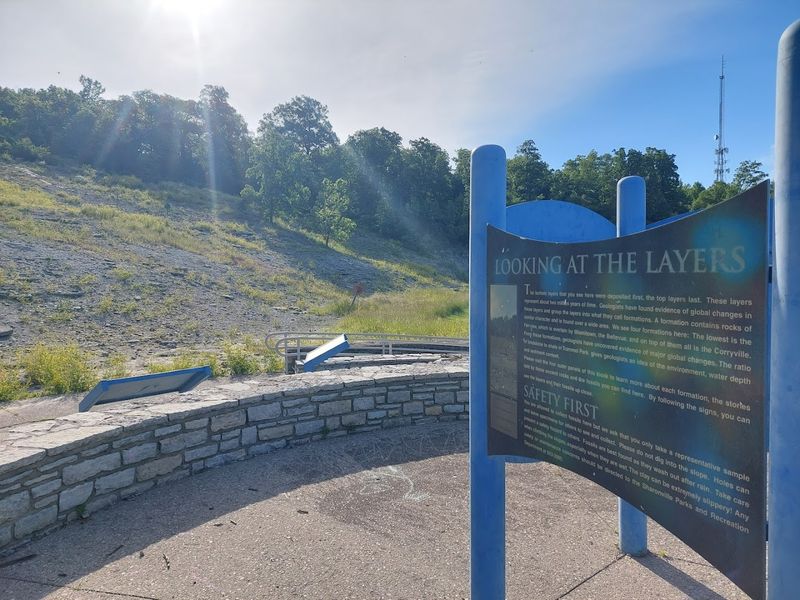
Ohio state parks generally prohibit removing natural materials, which makes Trammel Fossil Park a genuine rarity. The official rules here allow visitors to take fossils home, which transforms a simple walk into something that feels much more rewarding.
Signs around the park clarify the policy: visitors are welcome to keep what they find. The spirit of the rule is that you take what you can personally carry and leave plenty behind for the next visitor.
Most people leave with a handful of rocks, and the hill still looks just as full the next day.
For kids especially, this policy changes everything. There is a huge difference between looking at something and actually owning it.
Getting to bring home a rock with a 450-million-year-old shell impression on it is the kind of souvenir that no gift shop can replicate, and it costs absolutely nothing.
Tools and Gear Worth Bringing Along
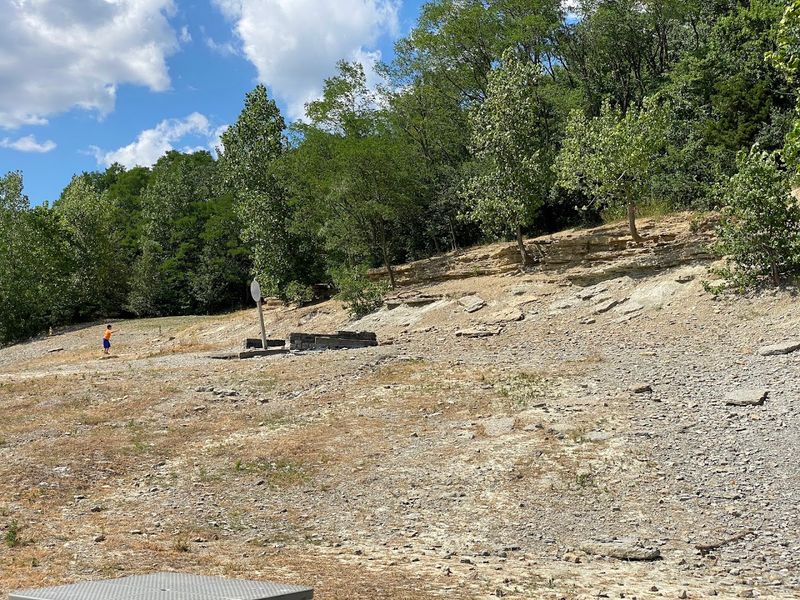
You do not need tools to find fossils here, since many are scattered across the surface and visible just by looking down. That said, bringing a few simple supplies will make your visit more productive and more comfortable.
A small trowel or hand shovel helps when you want to pry rocks apart or dig into the loose shale layers. A bucket is useful for collecting your finds without having to carry everything in your hands.
A stiff brush helps clean loose dirt off fossils so you can see the detail more clearly. Water for rinsing rocks and staying hydrated is a must, especially in warm weather.
Some visitors bring a small hammer and chisel for breaking open larger rocks to see what is inside, which is where some of the best specimens hide. Closed-toe shoes with good grip are strongly recommended given how steep and rocky the terrain gets.
Navigating the Hill and Terrain
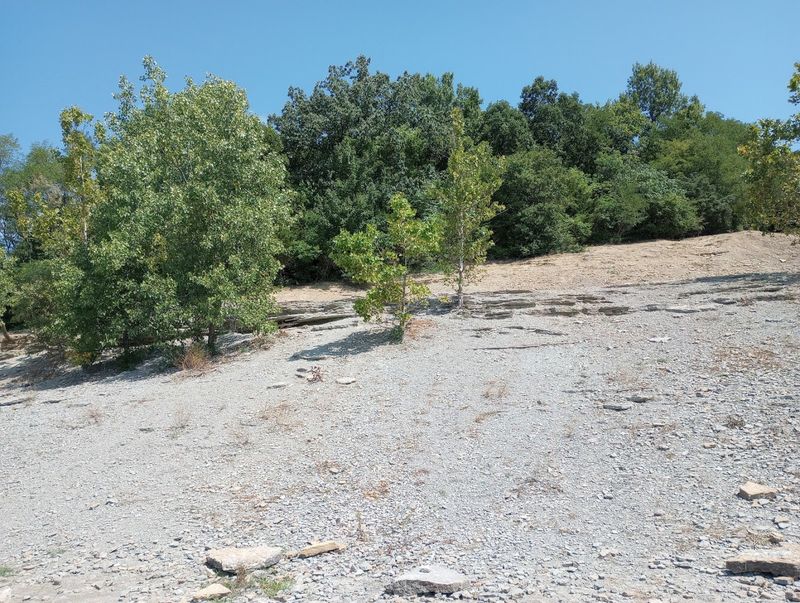
The hill at Trammel Fossil Park is steeper than it looks from the parking lot. The surface is a mix of loose shale chips, larger flat rocks, and exposed limestone ledges, which means footing requires some attention, particularly after rain when everything becomes slick and muddy.
You do not have to climb all the way to the top to find good fossils. The lower and middle sections of the hill are just as productive, and the terrain there is more manageable for younger kids or anyone who prefers to stay on flatter ground.
At the top of the hill, a trail connects to a quieter area with a view of the surrounding city, and a gentler path on the far side of the hill leads back down to the parking lot. Taking that alternate route down is a smart move if the direct slope feels too challenging on the way back.
Why Visiting After Rain Is a Smart Move
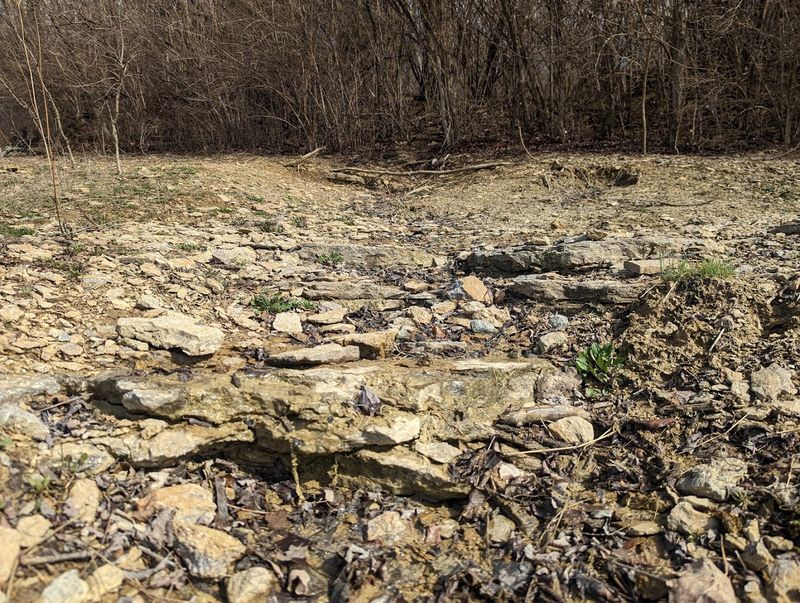
Rain does something interesting at Trammel Fossil Park: it washes the dust and loose debris off the rock surfaces, making fossil impressions significantly easier to see. The contrast between the dark wet rock and the lighter fossil textures becomes much sharper, and details that might be easy to miss on a dry day suddenly stand out clearly.
The trade-off is that the slope becomes considerably more slippery after rain, so grip matters even more than usual. Waterproof boots or shoes with strong traction are the right call for a post-rain visit.
Bringing a change of shoes and clothes is genuinely good advice, especially if you are visiting with kids who will not be shy about getting muddy.
Early morning visits after overnight rain tend to offer some of the best conditions: fresh surfaces, cooler temperatures, and fewer other visitors competing for the same patches of exposed rock.
How This Park Fits Into Cincinnati’s Fossil Legacy
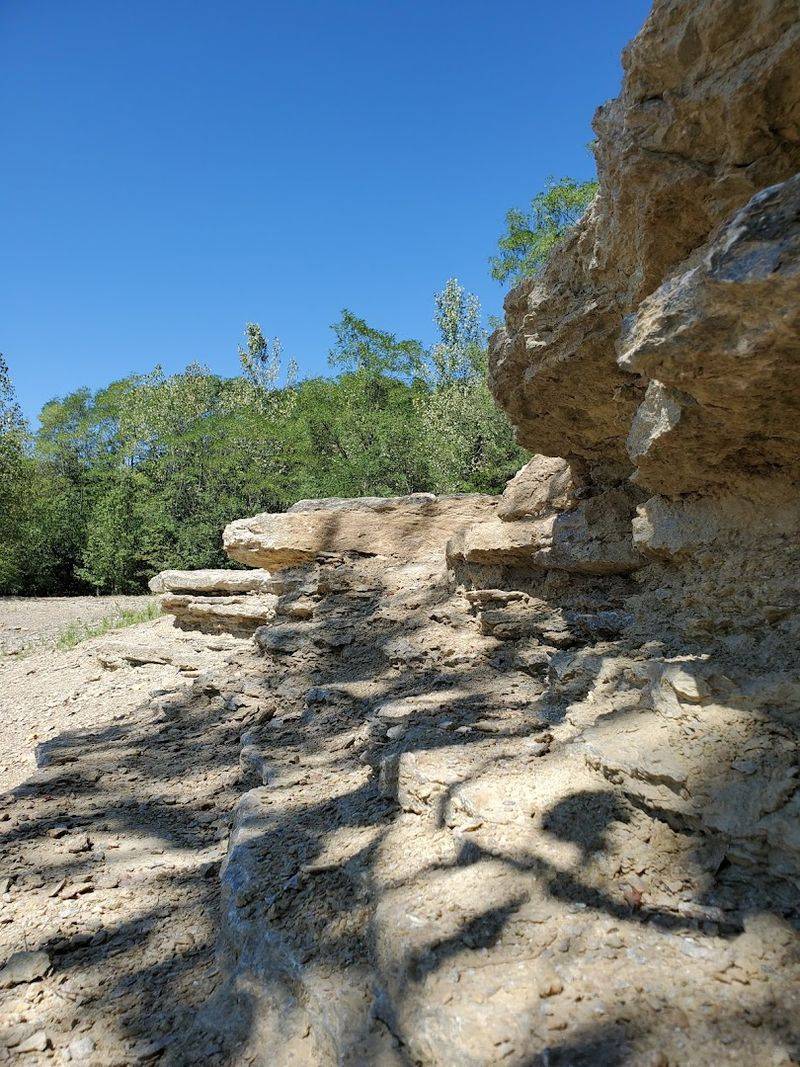
The Cincinnati area has a reputation in the geology world that most locals do not fully appreciate. The region sits atop one of the richest Ordovician fossil deposits in the entire world, and scientists have been studying these formations for well over a century.
The Cincinnati Museum Center dedicates a meaningful section of its natural history exhibits to the Ordovician Period, and the rock formations that Trammel Fossil Park exposes are part of the same geological story told inside those museum walls. Visiting the park one day and the museum the next creates a surprisingly cohesive educational experience.
For anyone curious about how a landlocked Midwestern city ended up sitting on top of an ancient seafloor, this park is one of the most direct and tangible answers available. You are not just looking at a picture of the past here; you are standing directly on top of it.
Perfect for Families With Kids of All Ages
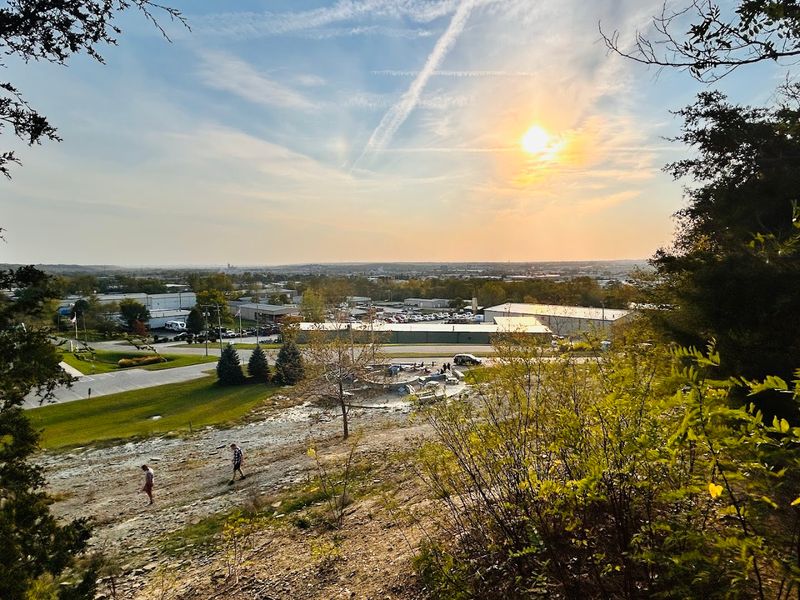
There are not many free outdoor activities that hold the genuine attention of a ten-year-old for an entire afternoon, but fossil hunting at this park consistently delivers that. The combination of physical activity, treasure-hunt energy, and the reward of a real find keeps kids engaged in a way that most planned activities simply do not.
Younger children enjoy the sensory experience of picking up rocks and examining them, even if they cannot yet identify what they are looking at. Older kids and teenagers often get surprisingly competitive about who can find the best specimen, which is a welcome change from screen time.
Adults tend to get just as absorbed in the search as the kids, which makes this one of those rare outings where everyone is genuinely doing the same thing at the same time. The park is also entirely free, which never hurts when planning a family day out.
The View From the Top of the Hill
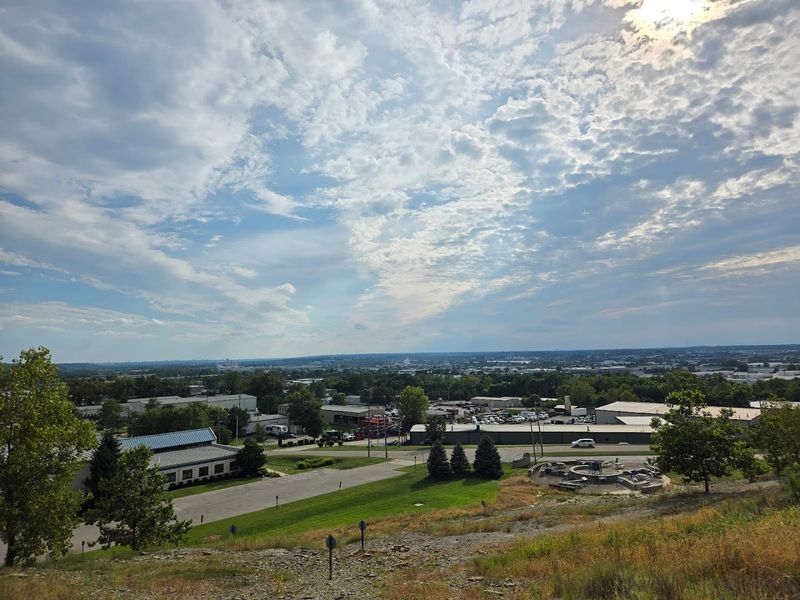
Climbing to the top of the fossil hill rewards you with something unexpected: a genuinely pleasant overlook of the surrounding Sharonville area. The view stretches out over a mix of suburban rooftops, green spaces, and distant skyline features that give a sense of just how much city surrounds this unusual little park.
Golden hour, the hour or so before sunset, is a particularly good time to be up on the hill. The warm light catches the texture of the rock surfaces beautifully and makes the whole hillside glow in a way that is worth photographing.
The city view in that light has a quiet, unhurried quality that feels like a genuine reward for the climb.
Wildflowers grow in patches around the upper sections of the hill, attracting bees and butterflies during the warmer months, which adds an unexpected layer of natural beauty to what is otherwise a very rocky landscape.
Tips for Getting the Most Out of Your Visit
Going early in the morning means cooler temperatures, softer light, and fewer people on the hill, which gives you more space to search without feeling crowded. The park opens at 6 AM every day of the week, so early risers have a real advantage here.
Wear shoes you do not mind getting dirty, and if you are bringing young children, dress them in layers you can peel off as the day warms up. Sunscreen is important since shade on the hill is minimal, and the exposed rock reflects heat noticeably on warm days.
Bring more water than you think you need, a small bag for your fossil finds, and a sense of patience. Not every rock will have a fossil, and part of the fun is the searching itself.
The park is free, the fossils are real, and the experience is one that most visitors end up wanting to repeat.
Share this story