Ohio has no shortage of roadside curiosities, but every once in a while, a place comes along that genuinely stops you in your tracks. A small building on a quiet main street in a northeastern Ohio town holds what is officially the largest troll collection in the entire world, certified by the Guinness Book of World Records.
We are talking over 40,000 trolls spanning mythology, pop culture, folk art, and childhood nostalgia, all packed into roughly 15 themed rooms. Whether you grew up clutching a fuzzy-haired troll doll in the 1960s or you are a fan of the DreamWorks movies, this place has something that will genuinely surprise you, and probably make you see these odd little creatures in a whole new light.
Keep reading, because this museum is far more fascinating than its name might suggest.
The World Record That Started It All
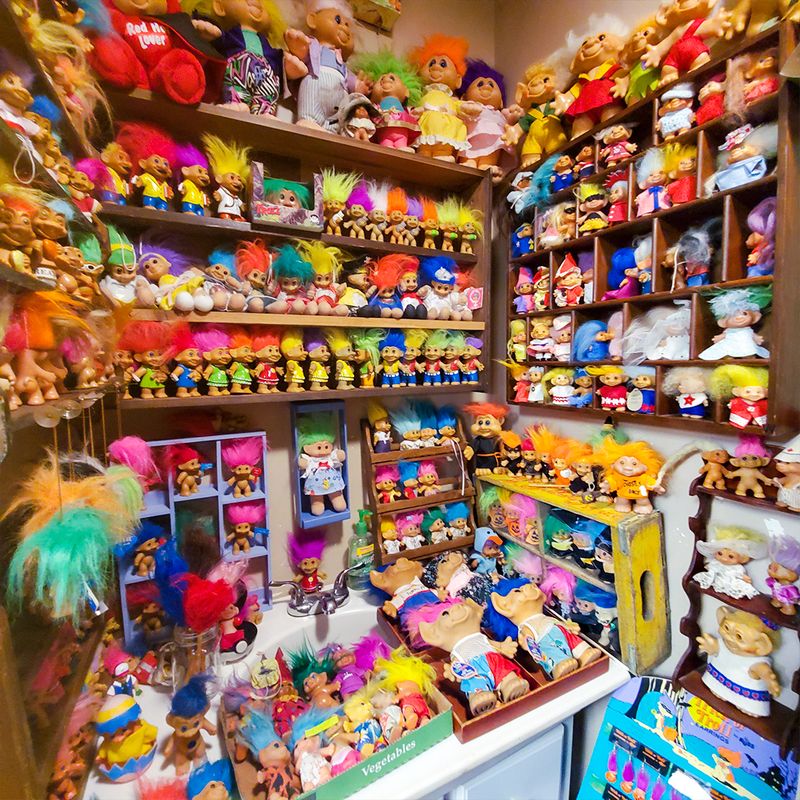
Most museums brag about their collections, but very few can back it up with an official Guinness World Record certificate. The Troll Hole Museum in Alliance, Ohio holds the verified title for the largest collection of troll dolls on the planet, with over 40,000 individual pieces on display.
That number is not a rough estimate. The collection has been counted, documented, and certified, which makes this small-town Ohio museum a legitimate global record holder.
What makes the record even more impressive is that the collection keeps growing. New pieces are regularly added, including donations and creations sent in by troll enthusiasts from around the world.
For a place that could easily be dismissed as a novelty stop, that Guinness certification gives it a weight and credibility that turns first-time skeptics into genuinely impressed visitors before they even walk through the first room.
Finding the Museum on East Main Street
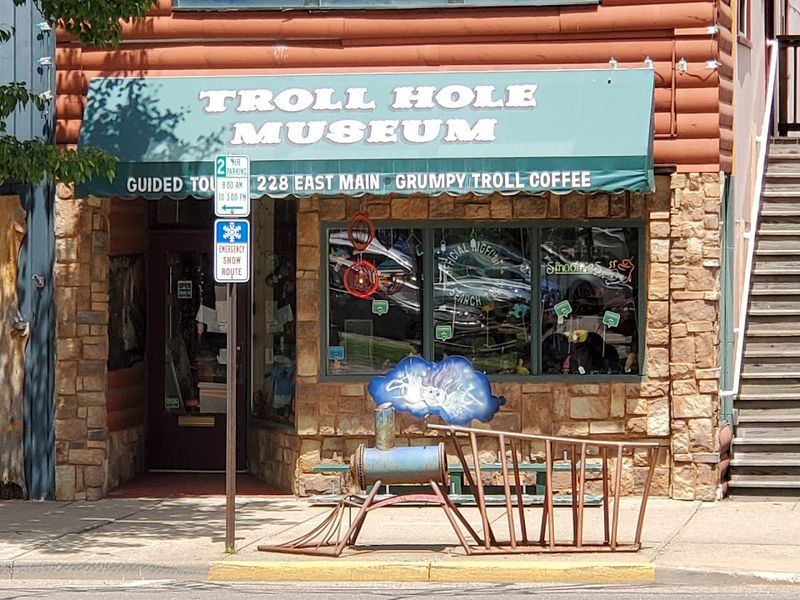
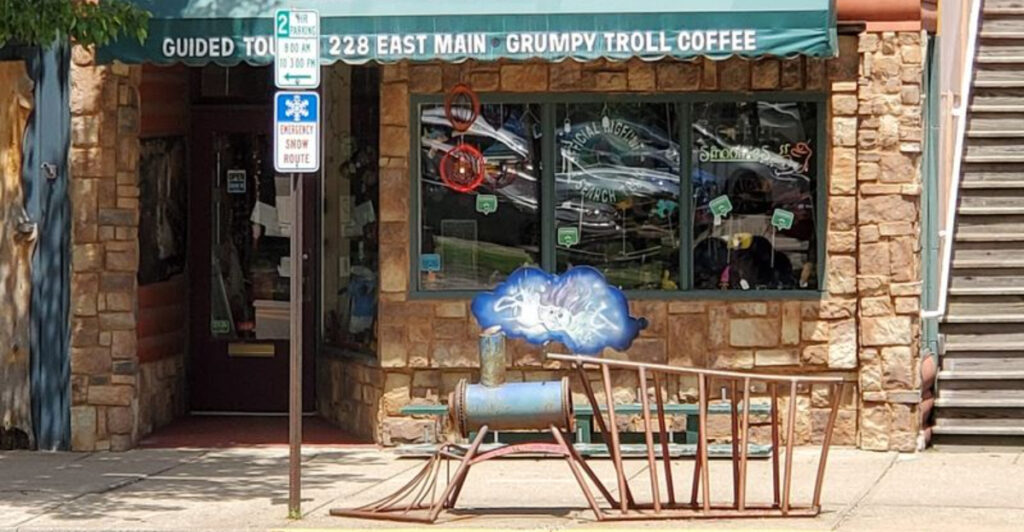
The full address is 228 E Main St, Alliance, OH 44601, and the building sits right on the main drag through downtown Alliance in northeastern Ohio. From the outside, it looks modest, almost deceptively so, which makes the sheer scale of what is inside all the more surprising.
Free parking is available on the street out front and in a lot beside and behind the building, which is a welcome convenience for road-trippers pulling in without a plan. The museum is open Tuesday through Sunday from 10 AM to 4 PM and is closed on Mondays, so it is worth checking the schedule before you make the drive.
Advance reservations are recommended since tours are guided and space is limited. Admission runs around twelve dollars for adults, ten dollars for seniors and students, and eight dollars for children ages six to twelve, which is reasonable for a fully guided experience.
A Guided Tour Through 15 Themed Rooms
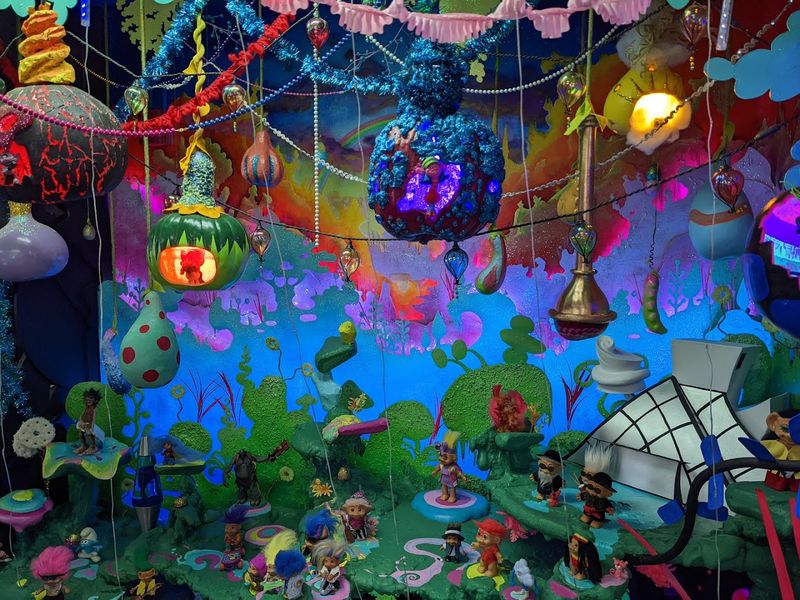
The tour itself is the heart of the experience, and it covers roughly 15 different themed rooms, each one dedicated to a different chapter of troll history or pop culture. You move through the building with a guide who walks you through the story behind each display, pointing out rare finds and explaining where specific pieces came from.
The whole tour runs between 30 and 45 minutes depending on how curious your group gets, and there is genuinely a lot to process in that time. Shelves climb so high toward the ceiling that some trolls at the top are almost impossible to photograph, which means your eyes are constantly scanning upward.
One tip worth remembering: bring a fully charged phone, because the photo opportunities come fast and frequently. The sheer visual density of each room makes it hard to capture everything, and most visitors leave wishing they had taken even more pictures.
From Ancient Norse Mythology to Modern Pop Culture
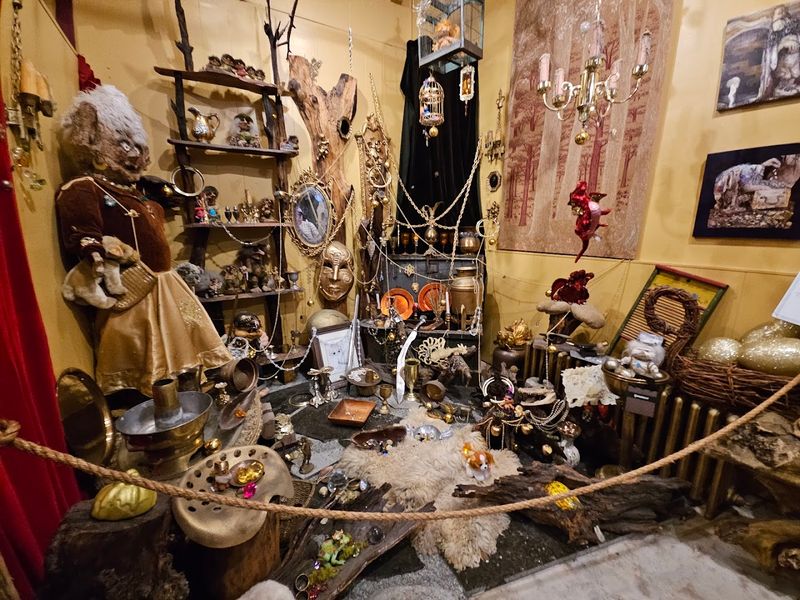
Trolls did not start with the fuzzy-haired plastic dolls of the 1960s. Their roots go back centuries into Scandinavian and Norse mythology, where they were described as large, slow-witted creatures lurking under bridges or deep in mountain caves.
The museum traces that full arc from ancient lore all the way to today.
A guided tour here covers the cultural history of trolls with surprising depth, touching on how different societies interpreted these creatures and how that image shifted dramatically over the decades. It is genuinely educational in a way that sneaks up on you.
By the time the tour reaches the modern era, with DreamWorks characters and collectible figures from recent decades, the context of everything that came before makes the display feel like a complete story rather than just a pile of toys. The mythology section alone tends to catch adult visitors completely off guard.
The 1960s Troll Doll Nostalgia Factor
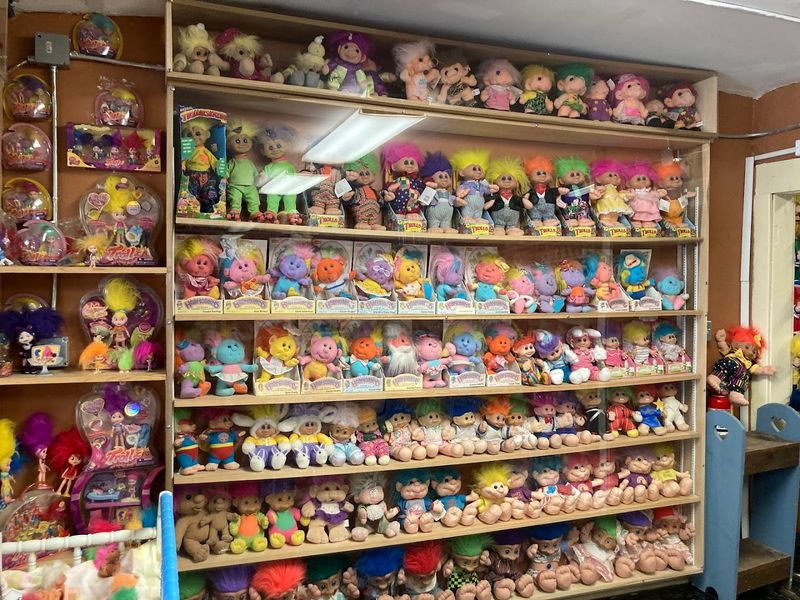
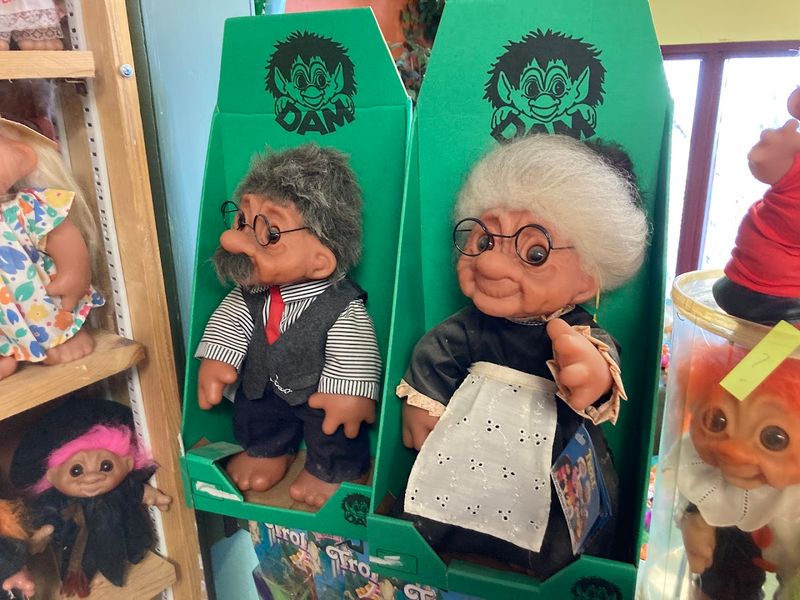
Troll dolls first hit the market in 1959, and by the mid-1960s they had become one of the most popular toys in the United States. Kids carried them as keychains, collected them on shelves, and traded them with friends.
If you grew up in that era, walking through this section of the museum feels like opening a time capsule.
The collection includes trolls from that original wave, some in remarkably well-preserved condition, with their signature wild hair and chubby little bodies intact. Seeing them lined up together brings back a specific kind of childhood memory that is hard to replicate anywhere else.
Even visitors who did not grow up with troll dolls tend to get pulled into this section, because the sheer variety of styles and expressions from that decade is fascinating. The evolution of troll design over just a few years in the 60s tells a surprisingly rich story about toy manufacturing and pop culture trends.
The DreamWorks Trolls Room and the Queen Poppy Display
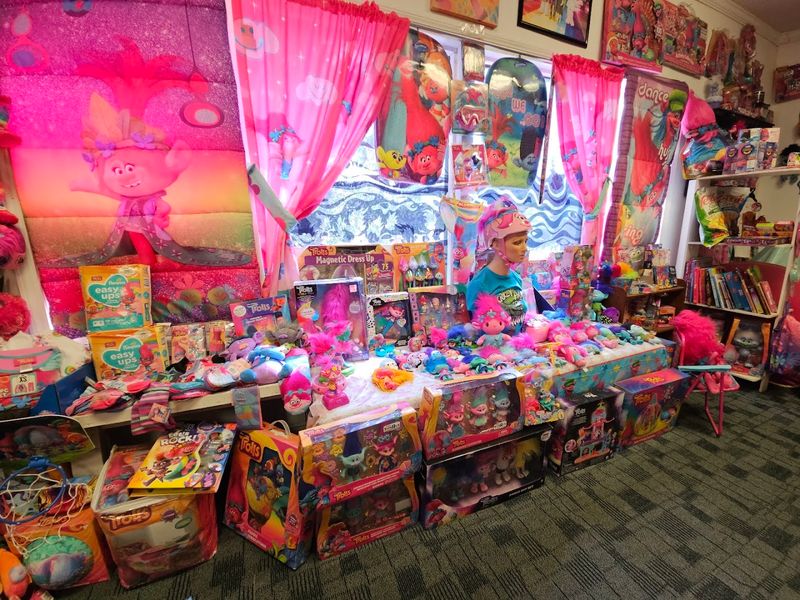
For younger visitors, the DreamWorks section is often the undisputed highlight of the tour. The Queen Poppy room in particular tends to generate the biggest reaction from kids, with bright colors, familiar characters, and a level of detail in the display that feels like walking into the movie itself.
Parents who bring children to this museum quickly realize that the DreamWorks room functions as a kind of reward at the end of a longer journey through troll history. Kids who may have been only mildly interested in the mythology sections suddenly become fully engaged once they spot characters they recognize from the films.
The room also works surprisingly well for adults who grew up with the animated movies. There is something genuinely charming about seeing the modern cartoon version of trolls placed in context alongside their older, more mythological counterparts.
It gives the whole franchise a richer backstory than most fans ever knew existed.
The Rock Wall Trolls and Folk Art Displays
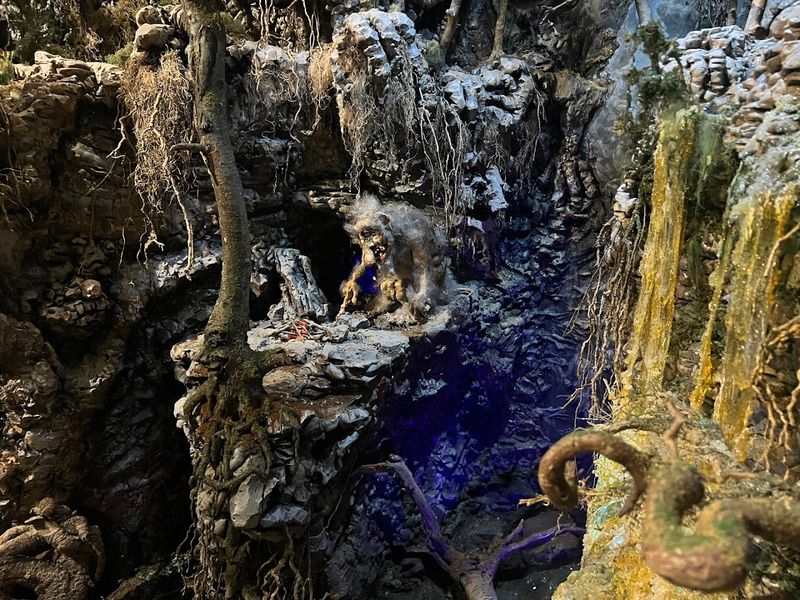
One of the most visually striking sections of the museum is the rock wall troll display, where figures are embedded into and arranged around a textured stone wall in a way that feels almost theatrical. The craftsmanship involved in building this kind of display is immediately obvious, and it tends to stop visitors mid-step.
Folk art trolls from around the world are woven throughout the collection, including hand-carved wooden figures, painted sculptures, and handmade pieces that reflect regional traditions from various countries. These are not mass-produced toys but one-of-a-kind works that carry a different kind of weight than the plastic collectibles.
The artistic creativity on display throughout the museum is one of those things that photographs simply cannot fully capture. The combination of scale, texture, and sheer variety has to be experienced in person to really land, and the rock wall section is probably the best single example of that principle in action.
The Cryptozoology Corner and Troll Lore
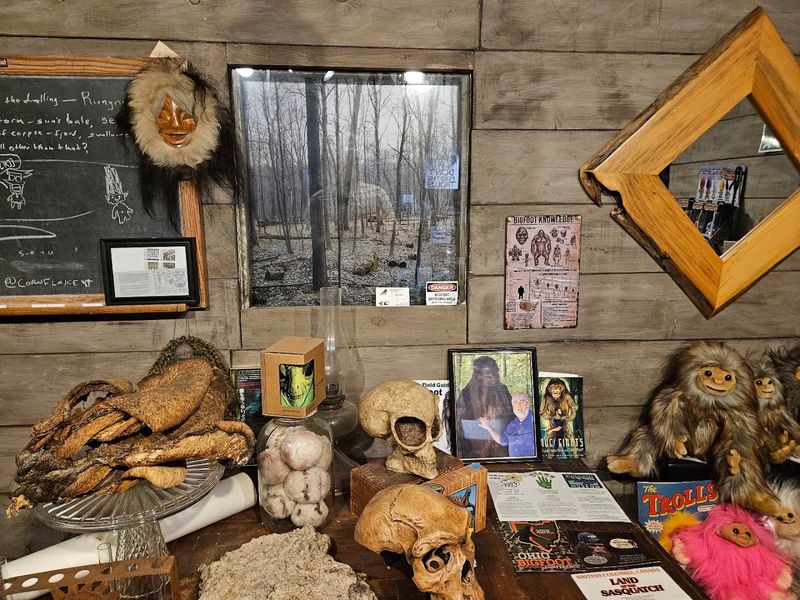
Not every troll in this museum comes from the toy aisle. One of the more unexpected sections covers cryptozoology, the study of creatures whose existence has not been scientifically confirmed, and explores how troll legends overlap with reported sightings and folklore from different cultures.
This corner of the museum tends to appeal most to adults who arrive thinking the place is purely a toy collection. The deeper you get into the lore section, the more the museum reveals itself as a serious curatorial effort rather than just a novelty display.
The guides clearly enjoy this part of the tour and bring genuine enthusiasm to the subject.
The blend of folklore, mythology, and cryptid culture in one room gives the museum an intellectual edge that most visitors do not expect. It is the kind of content that sparks real conversations on the drive home, which is a mark of a museum that has done its job well.
The Gift Shop and Coffee Corner
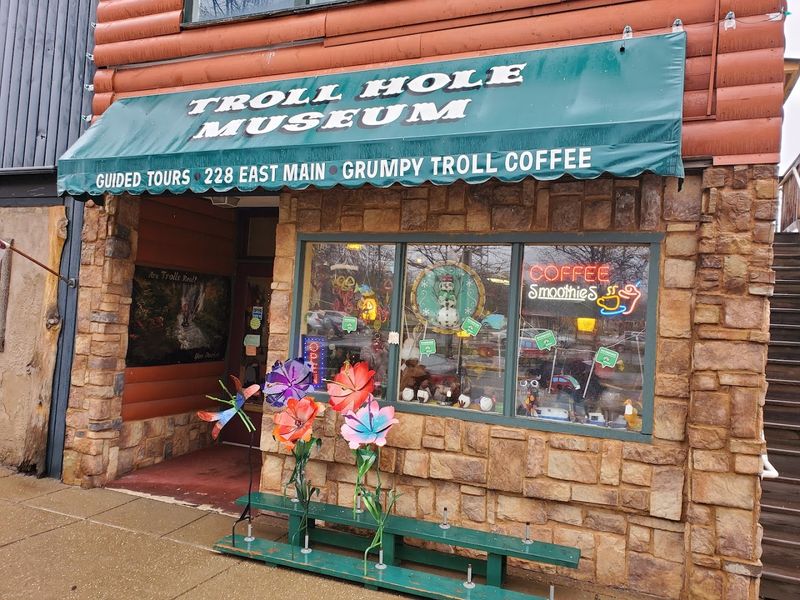
Every museum tour at The Troll Hole begins and ends in the gift shop, which is a smart layout because it gives visitors time to browse both before the excitement of the tour and after it, when they are most likely to want a souvenir. The shop is creative and well-stocked with troll-themed items that actually match the spirit of the museum.
The small coffee corner tucked into the back serves frappes, smoothies, and hot drinks that have genuinely impressed visitors who were not expecting much from a museum cafe. The mocha coffee in particular has developed a quiet reputation among regulars as being surprisingly good for such a small setup.
Browsing the gift shop after the tour is its own experience, because you keep spotting items that reference things you just learned during the walk-through. It is the kind of retail space where the merchandise feels like an extension of the museum rather than an afterthought bolted onto the exit.
What Makes Alliance the Troll Capital of the World
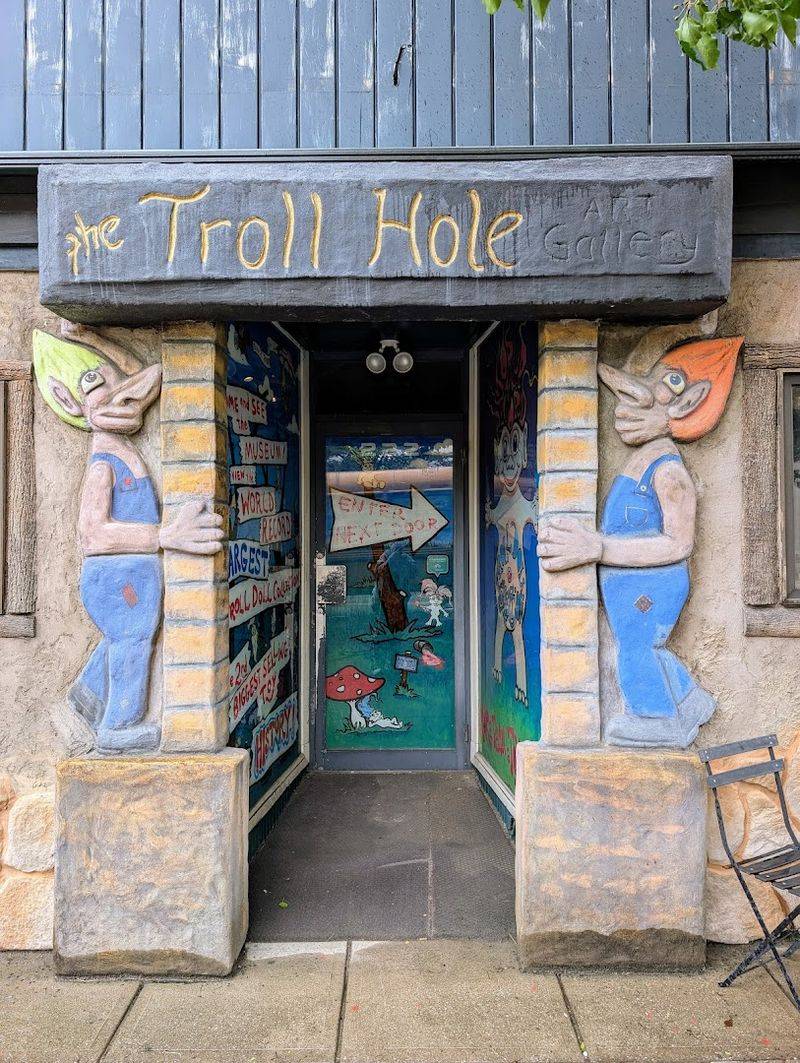
Alliance, Ohio carries the unofficial but widely recognized title of the Troll Capital of the World, and the museum is the anchor of that identity. The city has leaned into the designation with genuine enthusiasm, and the museum has become a point of local pride that draws visitors from hours away.
The region around Alliance sits in northeastern Ohio, a part of the state that does not always make travel itineraries but has a quiet charm and a handful of genuinely unique attractions. The Troll Hole is by far the most internationally known of them, having earned coverage from travel publications and road trip enthusiasts across the country.
For a town of its size, having a Guinness World Record holder on the main street is no small thing. The museum has put Alliance on the map in a way that local history museums and regional parks rarely manage, and the community clearly takes pride in that distinction.
Tips for Planning Your Visit
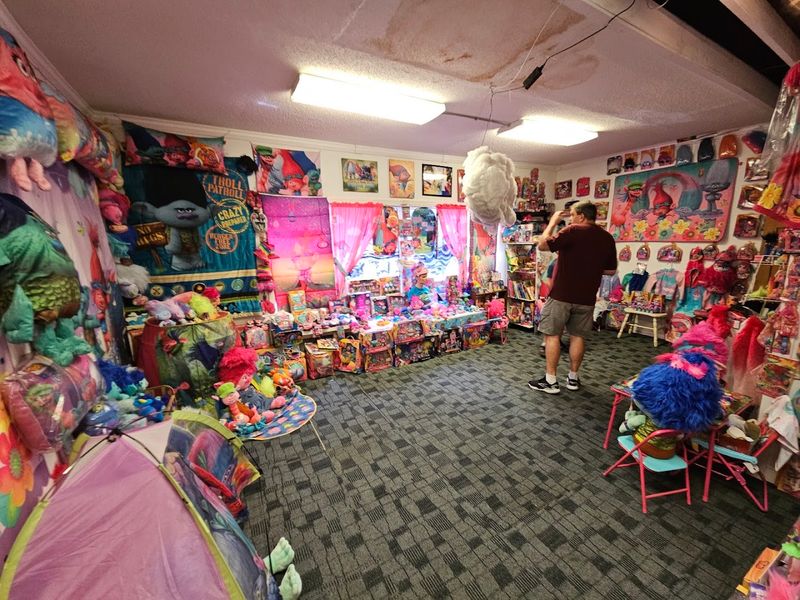
A few practical notes can make your visit go much more smoothly. Reservations are recommended since tours are guided and the museum limits group sizes, so showing up without a booking during a busy weekend could mean a wait or a turned-away trip.
The building is set in an older structure with multiple levels and a good number of staircases, all equipped with railings, but mobility-limited visitors should be aware that the layout is not fully accessible throughout. Comfortable shoes are a smart call since you will be on your feet and moving between rooms for the better part of an hour.
The museum is open Tuesday through Sunday, 10 AM to 4 PM, and is closed on Mondays. Parking is free in the lot beside and behind the building.
Going on a weekday tends to mean smaller groups and a more relaxed pace through the rooms, which most visitors find more enjoyable than a packed weekend tour.
Why This Museum Deserves a Spot on Your Ohio Road Trip
Ohio has a long tradition of weird and wonderful roadside stops, but very few of them can claim a world record, a 15-room exhibit space, and a genuinely educational tour all under one roof. The Troll Hole punches well above its weight class for a museum on a quiet main street in a small northeastern Ohio city.
The experience works for almost every kind of visitor: kids who love the DreamWorks characters, adults who grew up with 1960s troll dolls, folklore enthusiasts who want the mythology deep-cut, and curious travelers who just want to see something they have never seen before. That range of appeal is genuinely rare.
Road trips through Ohio tend to follow the same well-worn paths, but adding a stop in Alliance to see the world’s largest troll collection gives any itinerary an unexpected spark. This is the kind of place you tell people about for years after the visit, and that is exactly what a great road trip stop should do.
Share this story