Venice is one of those cities that seems almost too extraordinary to be real. Built across a cluster of islands in a shallow lagoon, it has somehow managed to stay standing for over a thousand years, defying logic, gravity, and the relentless pull of the sea.
Most visitors spend their time admiring the palaces, bridges, and gondolas above the waterline, and that makes perfect sense because the view up top is genuinely spectacular. But the real story of Venice is the one playing out below street level, beneath the canals, under the church floors, and deep in the lagoon mud.
From petrified forests of ancient timber to flooded crypts and buried waterways, the city keeps its most fascinating chapters hidden from plain sight. This article takes you through 13 of the most remarkable secrets lurking beneath one of the world’s most iconic cities.
Prepare to look at Venice in a completely different way.
1. The Forest of Wooden Pilings
Millions of trees are holding Venice up right now, and almost nobody walking its streets knows that. Beneath the canals and marble palaces lies one of history’s most ambitious construction projects: a vast underground forest of wooden piles, mostly larch and oak, hammered into the lagoon’s soft clay seabed centuries ago.
The piles were driven so deep that they reached a dense clay layer called caranto, which gave them a stable anchor point. Submerged permanently below the waterline and deprived of oxygen, the wood could not rot in the normal way.
Instead, it slowly mineralized over hundreds of years, turning as hard as stone.
Estimates suggest Venice rests on more than ten million of these timber supports. Engineers today still marvel at the precision of the original design.
The builders who drove those first piles into the mud had no modern tools, no computers, and no guarantee their plan would work. It did, magnificently.
2. Venice’s Forgotten Rainwater Reservoirs
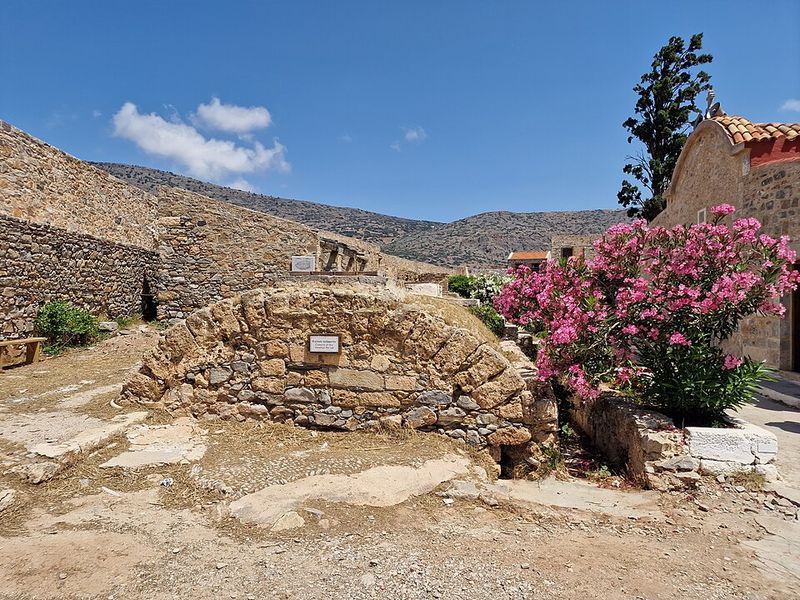
Fresh water has always been Venice’s most complicated problem. Surrounded by a saltwater lagoon with no rivers or springs nearby, the city had to get creative about survival, and the solution its engineers came up with was quietly brilliant.
Beneath nearly every major square and courtyard, Venetians built underground cisterns designed to collect and filter rainwater. Rainwater would flow through the paving stones and pass through layers of sand and clay before reaching a central reservoir below.
The visible wellhead in the center of a courtyard was just the access point for this much larger buried system.
At the height of the republic, there were more than six thousand of these cisterns scattered across the city. They supplied fresh water to entire neighborhoods for centuries.
Most have been sealed off since the modern aqueduct arrived in the 19th century, but they remain intact beneath the pavement. The next time you see a decorative stone well in a Venetian courtyard, know that something much larger is hiding underneath it.
3. The Secret Cells of the Doge’s Palace
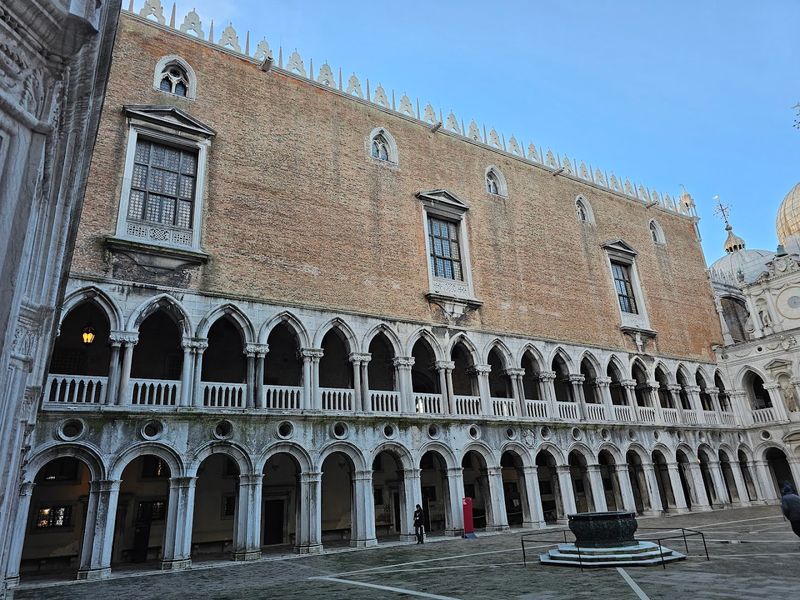
The Doge’s Palace presents a very polished face to the world: gilded ceilings, grand council chambers, and centuries of political pageantry. What it does not advertise quite as enthusiastically is what was happening several floors below all that splendor.
Deep beneath the palace lie the Pozzi, meaning the Wells, a set of prison cells notorious even by medieval standards. The name came from their tendency to flood, since they sat so close to the canal level that water regularly seeped through the walls.
Prisoners kept in these chambers had almost no contact with the outside world, which was entirely the point.
The palace also contained the Piombi cells up under the lead roof, where the famously resourceful Giacomo Casanova managed to escape in 1756, one of the few people ever to pull that off. The contrast between the palace’s lavish public rooms and its grim detention spaces tells you a great deal about how the Venetian republic actually operated.
4. The Crypt Beneath St. Mark’s Basilica
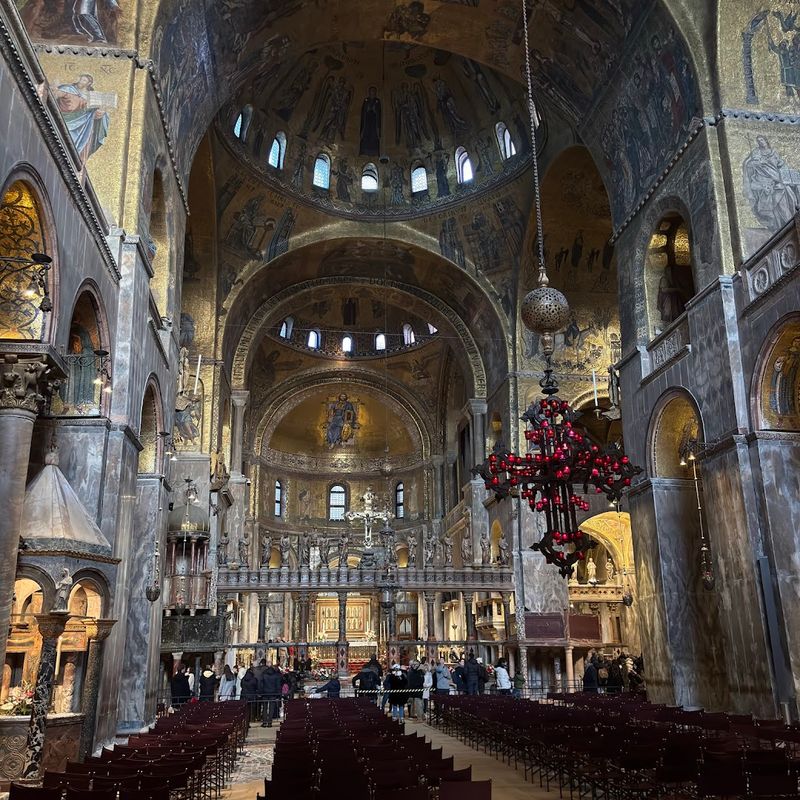
St. Mark’s Basilica draws millions of visitors every year, most of whom spend their time staring upward at the gold mosaics covering the ceiling. Far fewer think to look downward, which is a shame because what lies beneath the basilica is just as remarkable as what decorates its walls.
The crypt dates back to the earliest construction of the church and was originally built to house the relics of St. Mark himself, the patron saint of Venice, whose remains were famously smuggled out of Alexandria in 828 AD. The relics were reportedly hidden under layers of pork and cabbage to get past Muslim customs inspectors, which is either brilliant or deeply strange depending on your perspective.
The crypt contains columns and masonry from the church’s earliest phases, offering a rare look at medieval Venetian construction methods. It sits below the main floor of the basilica and is periodically affected by flooding.
Access is limited, which makes a visit feel genuinely special rather than just another tourist checkbox.
5. The Flooded Crypt of San Zaccaria
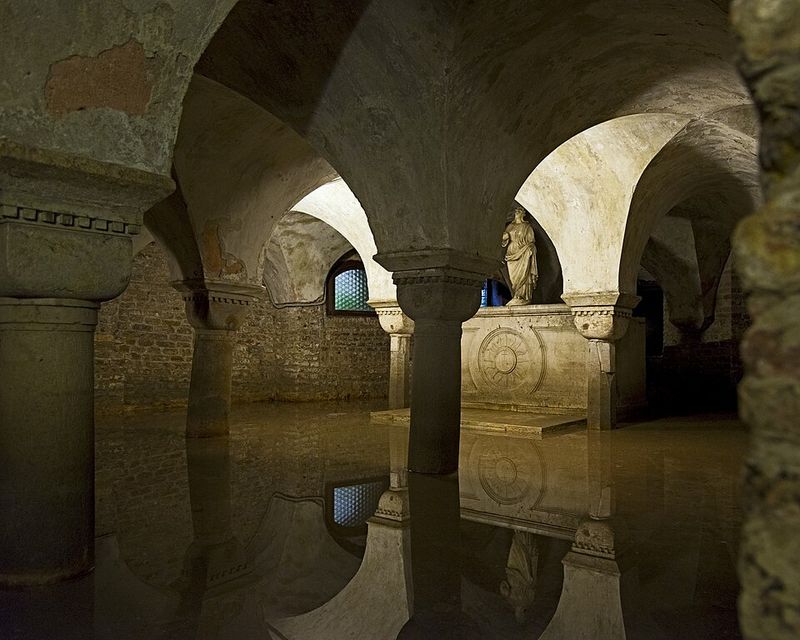
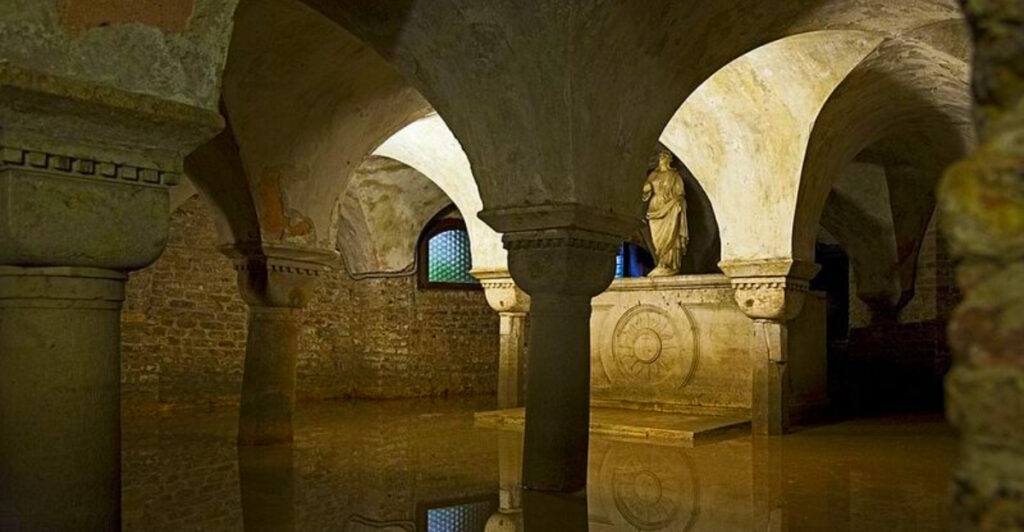
Tucked beneath the Church of San Zaccaria is a space that feels like it belongs to a different century entirely. The 9th-century Romanesque crypt is one of Venice’s oldest surviving underground chambers, and it comes with a permanent feature that no architect planned: water on the floor.
Acqua alta, Venice’s notorious high-tide flooding, has made the crypt partially submerged for much of the year. The shallow water that covers the stone floor reflects the ancient columns and the sealed tombs of several early Venetian doges, creating a strange, mirror-like effect that visitors find genuinely striking.
The crypt is open to the public, which makes it one of the few places in Venice where you can actually stand in a medieval underground space and take it all in. Several of the city’s earliest rulers are entombed here, making this flooded chamber one of the most historically significant spots that most tourists walk right past.
6. The Twenty-One Chambers of San Simeon Piccolo
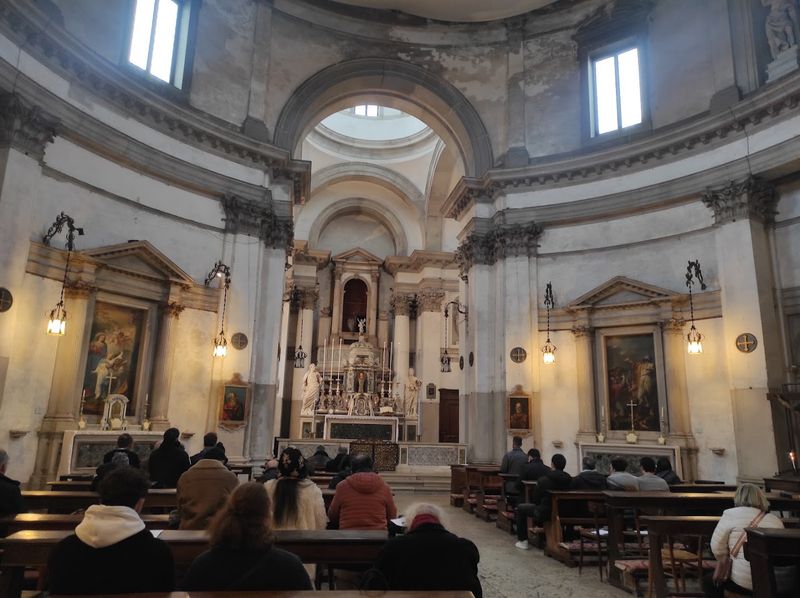
Most people who cross the Grand Canal by train get their first view of Venice through the window and notice the striking domed church directly across the water. That is San Simeon Piccolo, and it has a secret that its elegant exterior gives absolutely no hint of.
Beneath the church stretches a crypt divided into twenty-one interconnected chambers, one of the more elaborate underground complexes in the city. The space was used for burials and religious ceremonies, and portions of the painted walls have survived the centuries in surprisingly good condition.
The layout is maze-like enough that navigating it feels more like exploration than a casual visit.
Like several other Venetian underground spaces, the crypt sits below sea level and is regularly affected by flooding. The combination of standing water, ancient painted walls, and interconnected stone rooms makes it genuinely unusual even by Venice’s very high standards of architectural drama.
It remains one of the city’s lesser-known underground spaces, which somehow makes it even more worth knowing about.
7. Hidden Passageways Beneath Noble Buildings

Venice has always been a city that valued secrecy. The republic that governed it for over a thousand years ran an elaborate intelligence network, kept detailed files on its own citizens, and maintained a culture of careful discretion that bordered on obsession.
It should surprise nobody that rumors of hidden underground passages have followed the city for centuries.
Historical evidence suggests that some underground corridors and service passages did exist beneath parts of the city, connecting palaces, churches, and government buildings. The exact extent of these routes has never been fully mapped, partly because the unstable ground and high water table made extensive underground construction genuinely difficult.
Some stories about secret tunnels are almost certainly exaggerated, built up over generations of retelling until the legend outgrew the original fact. But dismissing all of them seems equally wrong.
The republic had both the motivation and the engineering skill to build discreet routes between key locations, and what is not fully documented is not necessarily fully absent.
8. Buried Canals Beneath Modern Streets
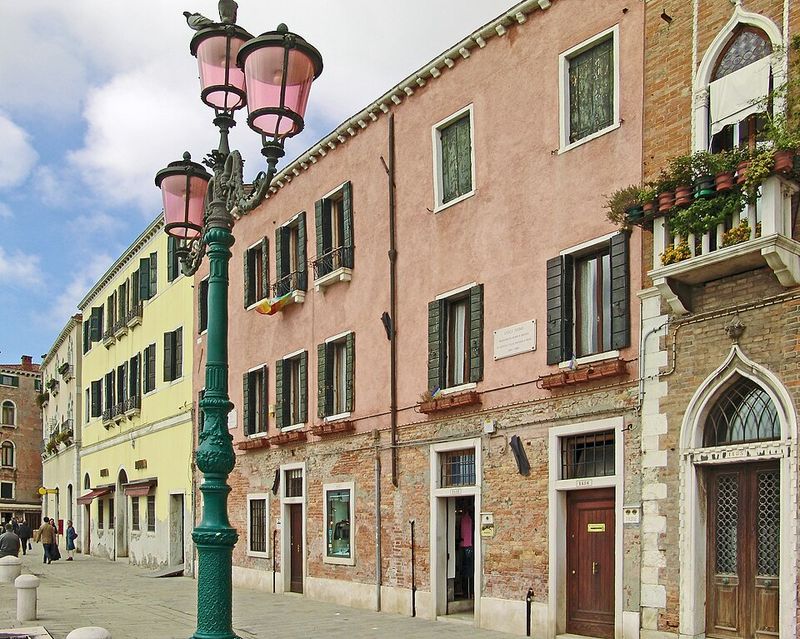
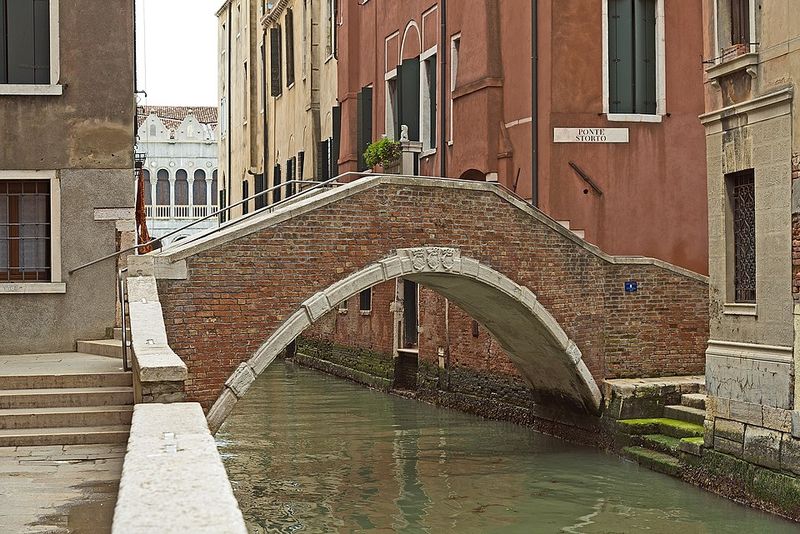
Venice has more streets than you might expect for a city built on water, and some of those streets are hiding a rather aquatic past. Throughout the city’s history, certain canals were deliberately filled in and converted into walkways, a process that created the routes known as rii terà, meaning filled-in streams.
The decision to fill canals was usually practical. Some waterways had become too shallow to navigate usefully, others were considered hygiene problems, and a few were simply in the way of urban development plans.
The fill material went in, the paving stones went down, and over time people forgot there had ever been water there at all.
Beneath these streets, the original canal channels still exist in various states of preservation. The stone banks, the canal bed, and sometimes even traces of old bridges remain buried under layers of fill and pavement.
Archaeologists working in Venice occasionally uncover these buried waterways during restoration projects, each one a small reminder that the city’s layout has always been a work in progress.
9. The Bones Beneath Old Churches
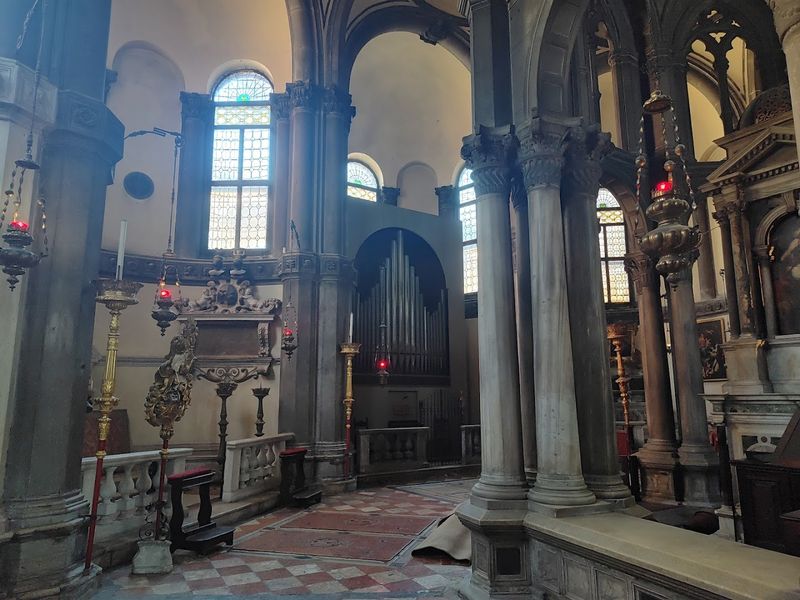
Before Venice established its famous cemetery island of San Michele in the early 19th century, the city’s dead were buried much closer to the living. Church floors and crypts served as the primary burial grounds for centuries, meaning that generations of worshippers attended services while standing directly above the people who had come before them.
Wealthy families paid for prominent positions beneath church floors, and their names were carved into the stone slabs that covered the burial chambers. Lesser-known citizens were interred in communal crypts below, often in spaces that became increasingly crowded over time.
The practice was common across Catholic Europe but was particularly concentrated in Venice, where available land was always scarce.
Many of these burial chambers remain sealed and have not been formally excavated. Church restorations occasionally reveal them, sometimes containing skeletal remains and personal objects that offer details about Venetian life across different social classes.
The floors of Venice’s oldest churches are, in a very literal sense, built on the city’s own history.
10. Lost Artifacts in the Canal Mud
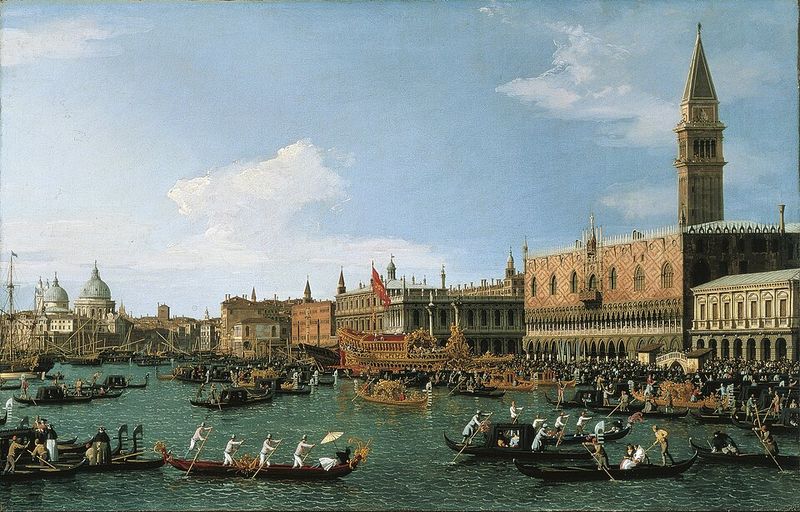
Drop something into a Venetian canal and there is a reasonable chance it joins a collection that has been accumulating for over a thousand years. The muddy bottoms of the city’s waterways function as an unintentional archive of daily life throughout the republic’s long history.
Archaeologists and trained divers have recovered a remarkable range of objects from the canal beds: pottery fragments, glass, coins, tools, personal items, and building materials that date back across multiple centuries. Each object tells a small piece of the story of who was using these waterways and what they were doing there.
The anaerobic conditions in the deep canal mud, similar to those that preserve the wooden piles beneath the city, can also protect organic materials from decay. Leather, wood, and fabric have occasionally been found in surprisingly good condition after centuries of submersion.
Researchers estimate that a vast quantity of material remains unrecovered, buried under layers of silt that have built up steadily since the earliest days of the city.
11. The Engineering Layer Called Caranto
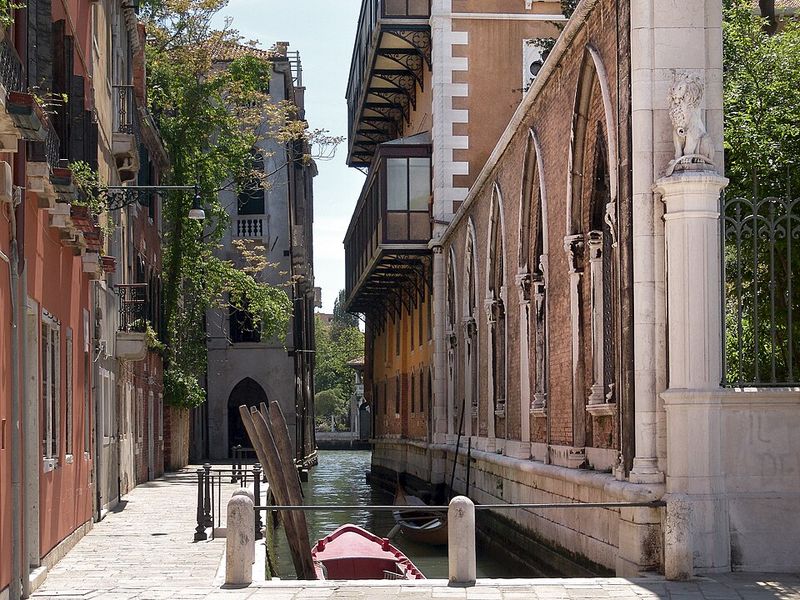
Caranto does not get nearly enough credit for keeping one of the world’s most visited cities from sinking into the sea. This dense, compact layer of clay sits beneath the softer lagoon mud at varying depths across the Venice area, and it was the key geological ingredient that made the entire city possible.
When Venetian builders drove their wooden piles into the ground, reaching caranto was the goal. The clay layer is far more stable than the soft sediment above it, and a pile anchored in caranto could support significant weight without shifting.
The builders had no geological surveys or engineering degrees; they learned through experience where the stable layer lay and how deep they needed to go.
Caranto is not uniform across the lagoon, which partly explains why some areas of Venice have experienced more subsidence than others over the centuries. Understanding its distribution has become an important part of modern conservation efforts.
The geological quirk that saved Venice was not planned; it was simply there, waiting to be discovered and put to remarkable use.
12. Sealed Wells and Hidden Courtyard Structures
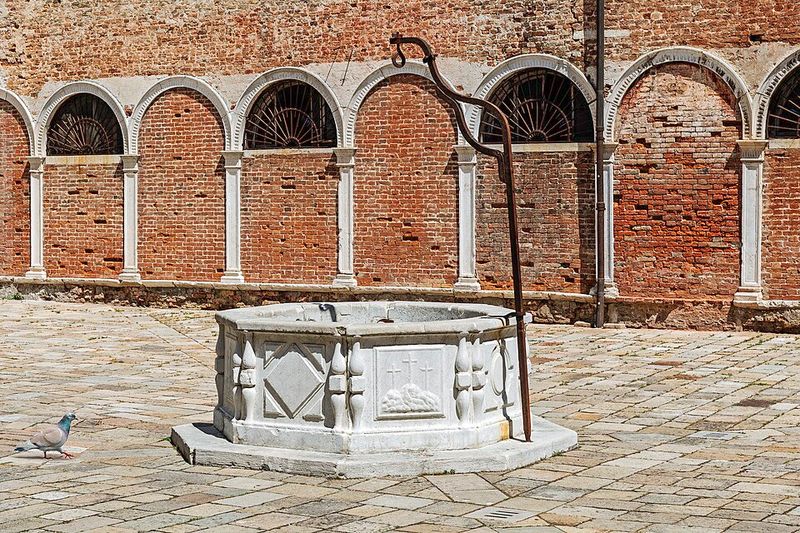
Scattered across Venice’s courtyards are hundreds of stone wellheads that look purely decorative today, capped off and no longer functional since the modern water supply arrived. Most people photograph them and move on without giving much thought to what they are actually standing on top of.
Each wellhead was once the access point for an underground cistern system that served the surrounding neighborhood. Rainwater collected across the courtyard’s paved surface, filtered through sand and clay layers, and accumulated in a central underground reservoir.
The engineering was sophisticated enough to produce reliably clean water in a city entirely surrounded by salt water.
When the modern aqueduct made these systems redundant, most were simply sealed at the top. The underground chambers themselves were largely left in place, still intact beneath the courtyard paving.
Researchers who have studied these systems estimate that hundreds of complete cisterns remain sealed beneath Venice’s public spaces. The wellheads above them are the only visible evidence of an entire hidden infrastructure that kept the city alive for centuries.
13. The Unseen Foundations of an Impossible City
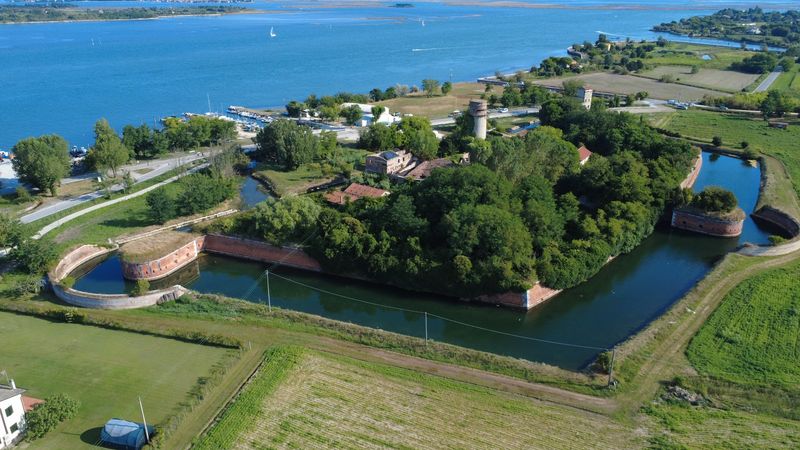
Every city has foundations, but Venice’s are in a category of their own. Beneath the waterline lies a hidden infrastructure of wooden supports, stone platforms, drainage channels, and engineering solutions accumulated across more than a thousand years of continuous occupation and improvement.
Archaeological work in the lagoon has also revealed something unexpected: evidence of earlier human settlement that predates Venice itself. In the Treporti channel, researchers have found the remains of a submerged Roman road, a dock, and small permanent settlements from a time when much of this area was dry land.
The lagoon swallowed those earlier communities, and Venice was built in their wake.
Beneath Piazza San Marco, restoration work uncovered a stone-lined tomb from the 7th or 8th century containing the remains of seven people, along with traces of an early medieval church that no longer exists above ground. The city tourists know is remarkable.
The city buried beneath it may be even more so.
Share this story