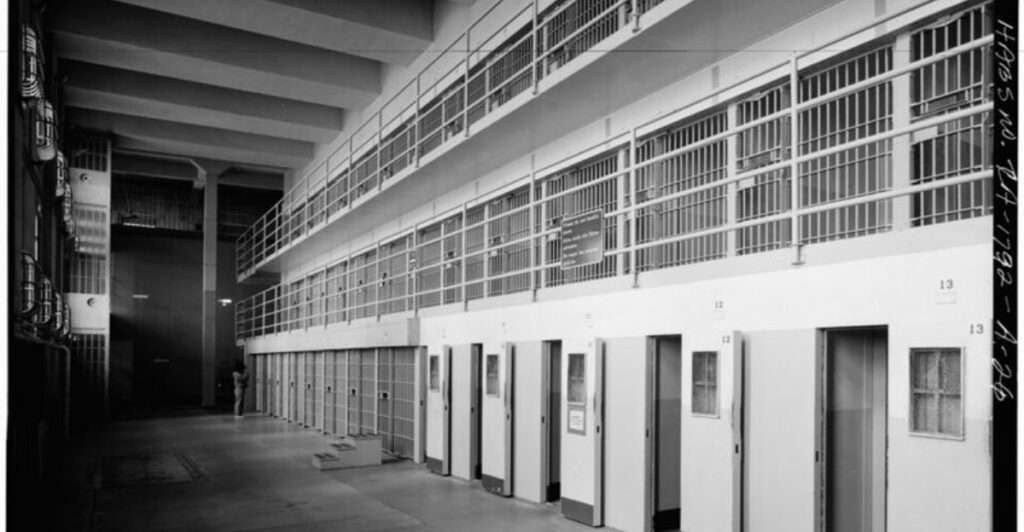
Alcatraz operated for less than 30 years, but the mysteries it left behind have endured for decades. From escape attempts with no confirmed outcome to unexplained incidents inside the prison walls, the island remains one of America’s most intriguing sources of unanswered questions.
Some cases involve FBI investigations, forensic evidence, and conflicting witness accounts. Others rely on stories that can neither be proven nor disproven.
What makes Alcatraz so fascinating is not just its history, but the secrets that may never be fully solved. These 12 mysteries explore some of the prison’s most puzzling and enduring enigmas.
1. The Disappearance of Frank Morris and the Anglin Brothers
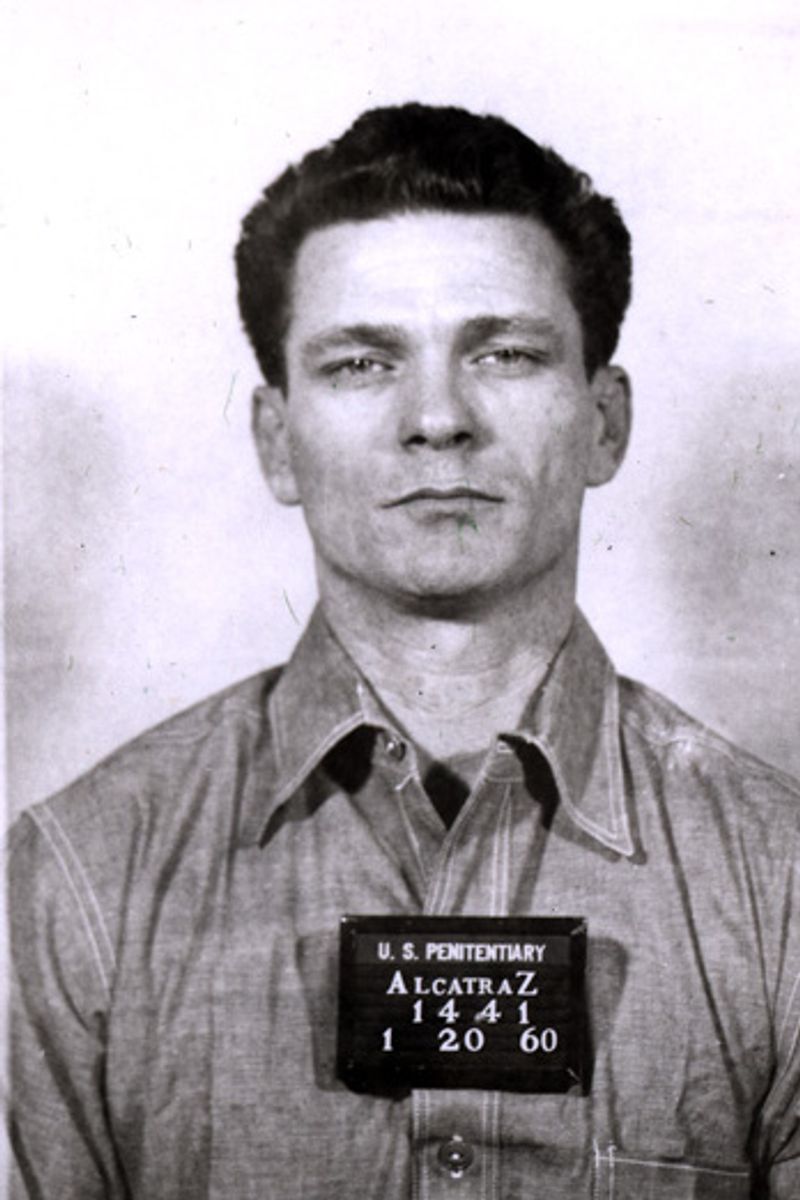
Three men vanished from one of the most secure prisons in American history, and nobody has been able to prove what happened next. On the night of June 11, 1962, Frank Morris and brothers John and Clarence Anglin slipped out of their cells after months of careful planning.
They used a motor from a broken vacuum cleaner to drill through ventilation shafts, then left realistic dummy heads made from plaster, paint, and real human hair in their beds to fool the night guards. A fourth inmate, Allen West, was part of the plan but could not free himself in time and stayed behind.
The FBI launched a 17-year investigation and officially concluded in 1979 that the men most likely drowned in the cold bay currents. However, no bodies were ever recovered.
The U.S. Marshals Service kept the case open and continued listing the men as wanted until their 100th birthdays, because without proof, the case cannot be closed.
2. The Mysterious Anglin Family Photograph
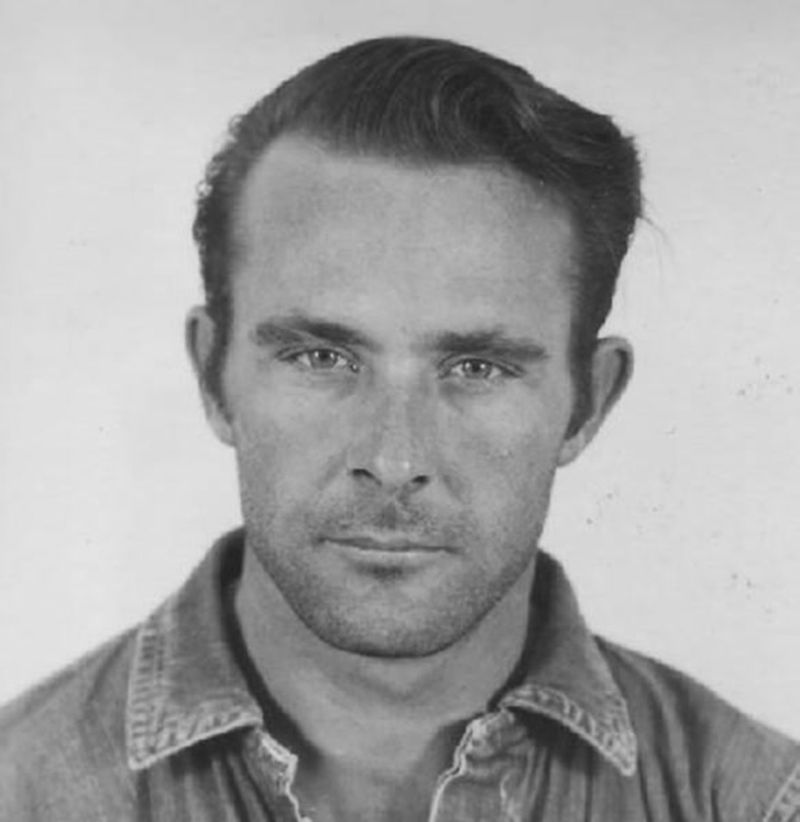
A photograph does not always tell the whole truth, but sometimes it asks the right questions. Decades after the 1962 escape, reports surfaced of a photo allegedly showing John and Clarence Anglin alive and well in Brazil sometime during the 1970s.
Family members of the brothers reportedly shared the image with investigators, and a U.S. Marshal is said to have confirmed it showed a strong resemblance to the two men.
The photo became one of the most talked-about pieces of possible evidence in the entire case.
Forensic experts analyzed the image but could not reach a definitive conclusion. The quality of the photograph and the time that had passed made it impossible to confirm or rule out the identification with certainty.
Supporters of the survival theory point to the photo as strong evidence that the brothers made it out alive. Critics argue that resemblance alone proves nothing.
The photograph remains unverified and continues to sit at the heart of the debate.
3. The Letter That Claimed an Escapee Survived
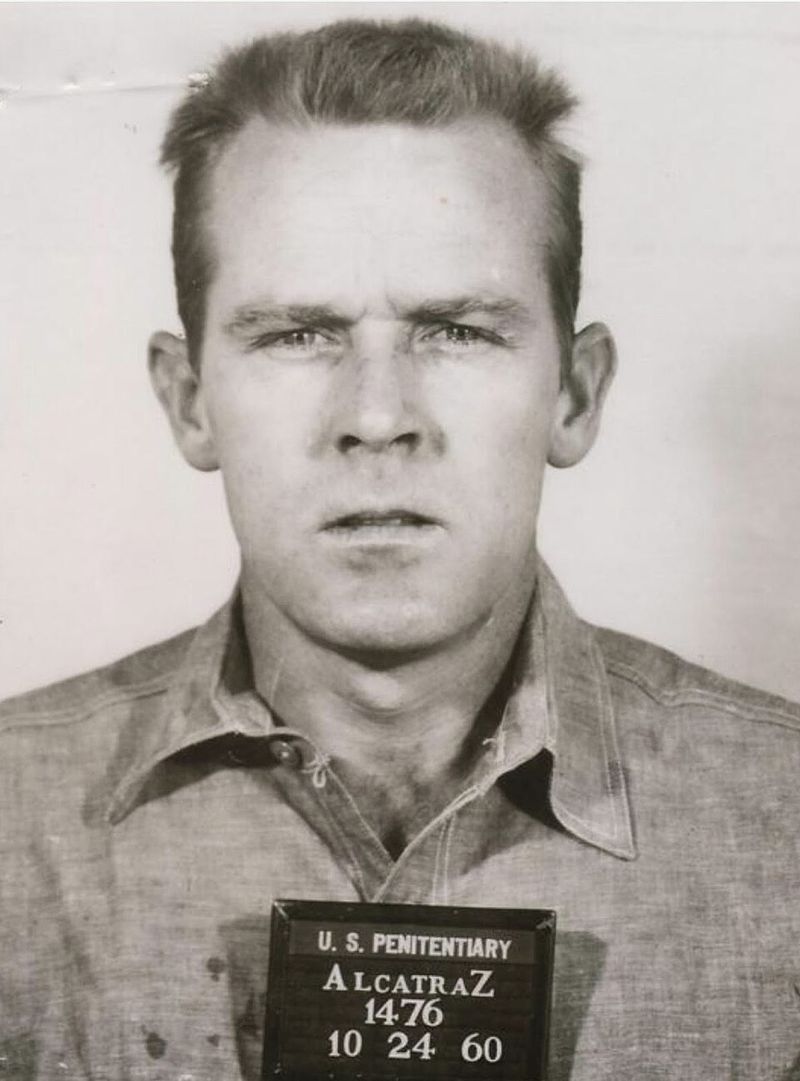
Imagine getting a letter from someone who supposedly escaped from Alcatraz more than 50 years earlier. That is exactly what happened in 2013, when authorities revealed a handwritten letter purportedly written by John Anglin himself.
The writer claimed that all three men had survived the escape, that he was now suffering from serious illness, and that he was willing to negotiate a surrender in exchange for medical treatment and a reduced sentence. The letter included details that only someone familiar with the escape could have known, which made investigators take it seriously.
Forensic analysts studied the handwriting, the language, and the paper, but could not conclusively confirm whether the letter was genuine or a convincing fake. No surrender ever took place, and no follow-up communication was received.
The letter was kept quiet for years before being made public. Whether it was written by a dying man finally ready to tell the truth, or by someone with a very good story to tell, remains one of the most compelling open questions in the case.
4. The Fate of the Missing Raft
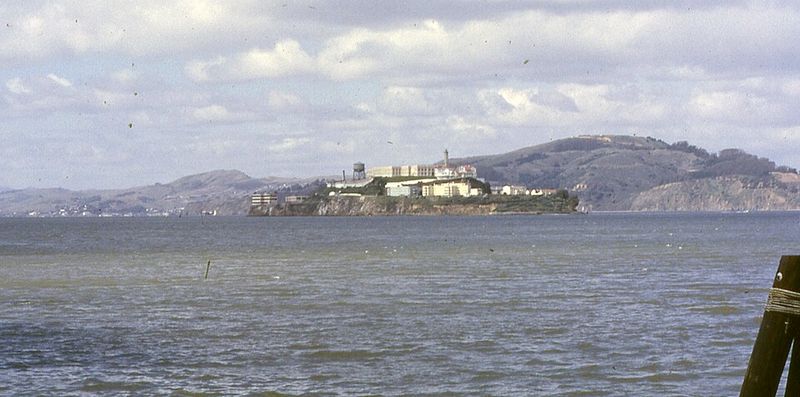
Building a raft out of stolen raincoats sounds like something from a movie, but the 1962 Alcatraz escapees actually did it. Frank Morris and the Anglin brothers spent months quietly collecting more than 50 raincoats from fellow inmates and stitching them together to create an inflatable raft and life preservers.
They even converted a musical instrument, a concertina, into a pump to inflate the raft before they launched into the cold bay. Investigators found fragments of equipment near Angel Island after the escape, including a homemade paddle, a rubber-wrapped packet with personal items, and what appeared to be pieces of the raft.
But the raft itself was never fully recovered. Nobody knows whether it held together long enough to carry the men to shore, fell apart in the water, or drifted somewhere it was never found.
A 2014 scientific analysis suggested that if the men launched between 11:30 p.m. and midnight, bay currents could have pushed them toward the Marin shoreline. The raft’s final location remains a missing piece of the puzzle.
5. The Death of Rufus Franklin
Not every Alcatraz mystery involves an escape. Some of the most puzzling questions from the island are about what happened inside the walls.
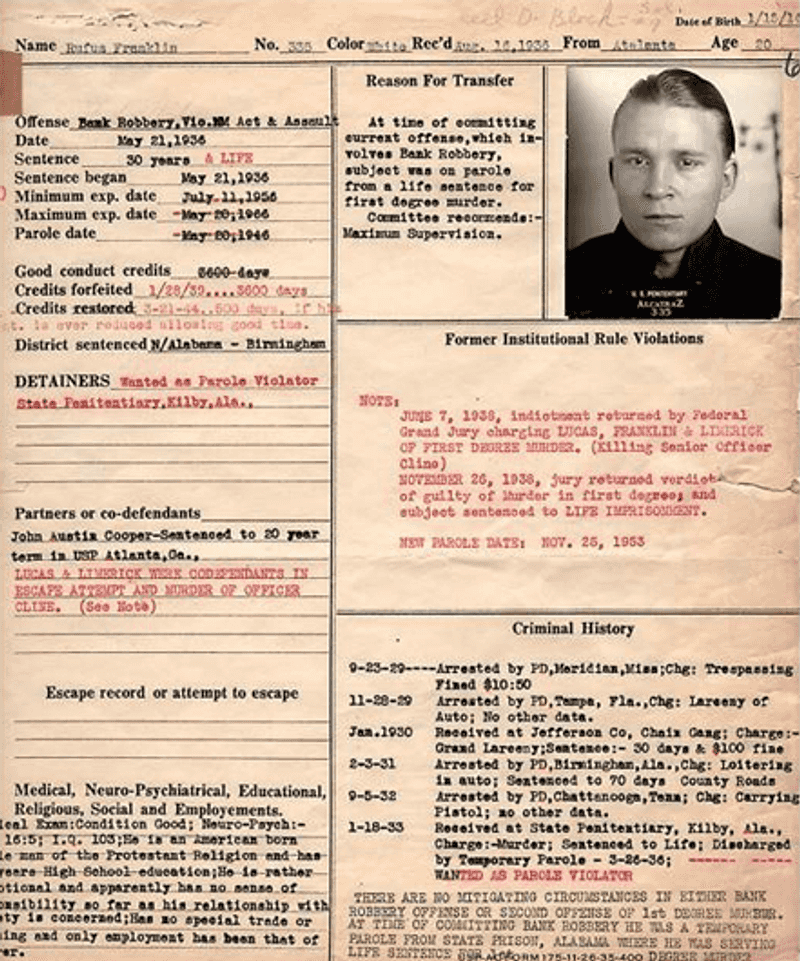
In 1938, inmate Rufus Franklin was fatally attacked by fellow prisoners in a prison workshop, and the case closed quickly on paper but never fully in practice.
The attackers were identified and faced consequences, but the deeper motivations behind the attack were never clearly established in official records. Prison rivalries, hidden alliances, and the complex social structure inside Alcatraz all created an environment where conflicts had layers that official reports rarely captured.
Historians who have studied the case note that the documented account leaves out important context about what was happening inside the prison at the time. The relationships between the men involved, the grudges that may have built up over months, and whether anyone else played a role remain unclear.
Franklin’s case is a reminder that even when the facts of an event are recorded, the full story behind them is not always preserved.
6. The Vanishing of Theodore Cole and Ralph Roe
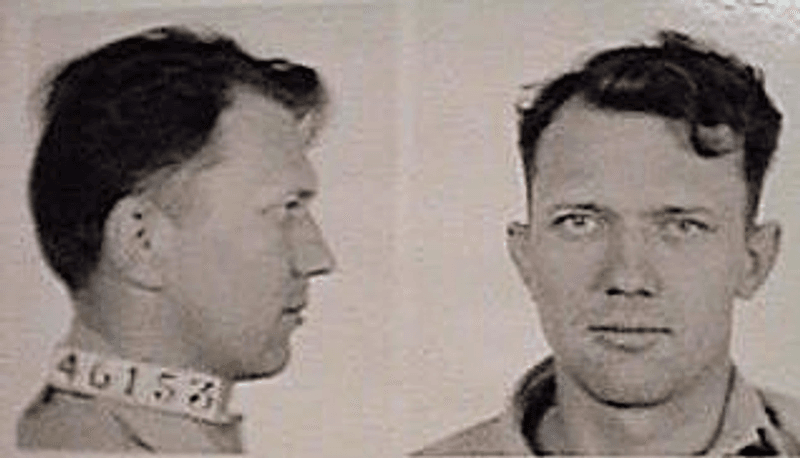
Before the Anglin brothers became famous, two other men pulled off an escape from Alcatraz that was just as mysterious and far less talked about. On December 16, 1937, Theodore Cole and Ralph Roe used filed-through iron bars in the prison’s mat shop to slip out during a severe storm with dense fog rolling across the bay.
They reportedly used makeshift floats made from large cans and jumped into water that was moving faster than usual due to the storm conditions. Officials presumed both men drowned, and no bodies were ever found.
The incident was the first serious crack in Alcatraz’s reputation as completely escape-proof.
Historians remain divided on what actually happened. The storm that made their escape possible also made survival in the water extremely unlikely.
But without remains or confirmed sightings, neither outcome can be stated as fact. Cole and Roe essentially walked into the fog and never came back, leaving behind a mystery that predates the more famous 1962 case by 25 years and is no less unresolved today.
7. The Unidentified Sounds in Cell Block D
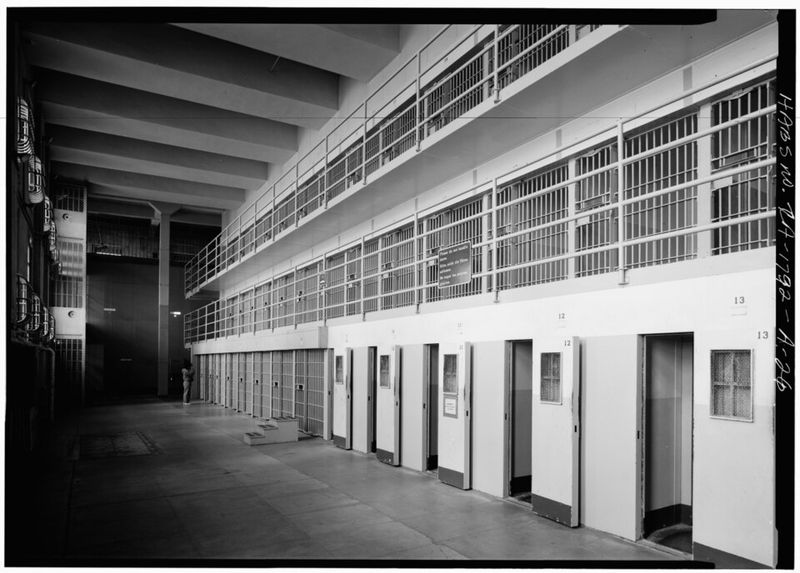
Cell Block D was not a place anyone wanted to end up. Known as the isolation unit, it was where the most difficult prisoners were sent as punishment, and the conditions were harsh enough that inmates feared it more than the rest of the prison.
What made it even stranger were the sounds.
Over the years, former guards, released inmates, and park visitors have reported hearing unexplained noises coming from the unit when no one else was present. Accounts include crying, whispered voices, banging on walls, and screams with no clear source.
The reports span decades and come from people with no obvious reason to fabricate them.
Skeptics have pointed to the building’s unusual acoustics, the way wind moves through old concrete structures, and the power of suggestion in a place with a dark history. None of those explanations have fully satisfied everyone who has heard something they could not explain.
Whether the sounds have a rational cause or not, they keep coming up in firsthand accounts and continue to add to the prison’s reputation as a place where strange things happen.
8. The Death of Al Capone’s Mind
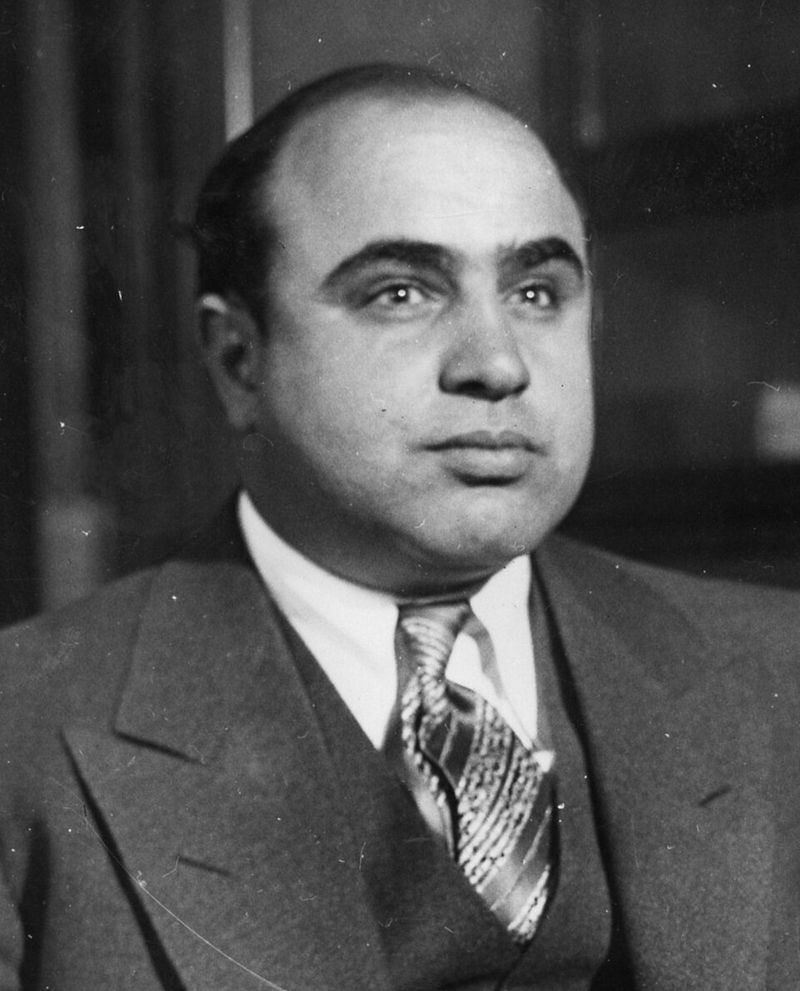
Al Capone arrived at Alcatraz in 1934 as one of the most powerful and feared criminals in American history. By the time he left in 1939, he was a man whose mental sharpness had fallen apart in ways that shocked even those who had followed his case closely.
Historians confirmed that neurosyphilis, a serious condition affecting the brain, was a major cause of his rapid decline. But the full picture of how quickly his condition progressed inside Alcatraz, and how much the prison environment itself contributed, has never been completely mapped out.
Prison records from that period are incomplete, and the medical documentation available does not answer every question about the timeline of his deterioration. Some accounts from guards and fellow inmates describe a man who became confused and childlike within a relatively short time.
Others suggest the decline was more gradual. What is certain is that the sharp, calculating figure who ran a criminal empire was gone long before Capone left the island.
Exactly how that happened, step by step, remains partially unknown.
9. The Alleged Ghost of Cell 14D
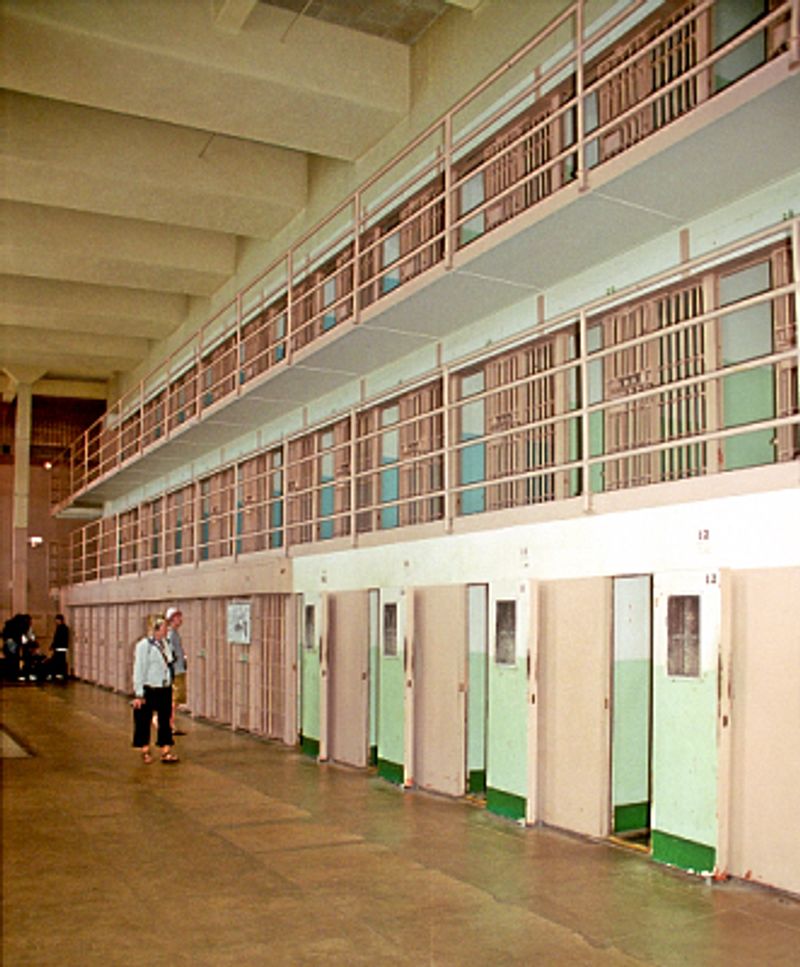
Few stories from Alcatraz have stuck around as long as the legend of Cell 14D, and it is not hard to understand why. According to the account that has been repeated for decades, a prisoner placed in that particular isolation cell spent an entire night screaming that a creature with glowing eyes was inside the cell with him.
Guards reportedly dismissed the claims, but by the next morning, the prisoner was found unresponsive. No official record has been produced that fully confirms or completely disproves the story.
The lack of documentation cuts both ways, since it neither supports the legend nor erases it.
Former Alcatraz employees and visitors have reported feeling unusually cold near the cell and experiencing a general sense of unease that they found hard to explain. Paranormal investigators have visited the site multiple times over the years.
The story has been featured in books, documentaries, and television programs focused on unexplained events. What actually happened in Cell 14D, if anything beyond an ordinary night, has never been officially settled.
10. The Missing Prison Records
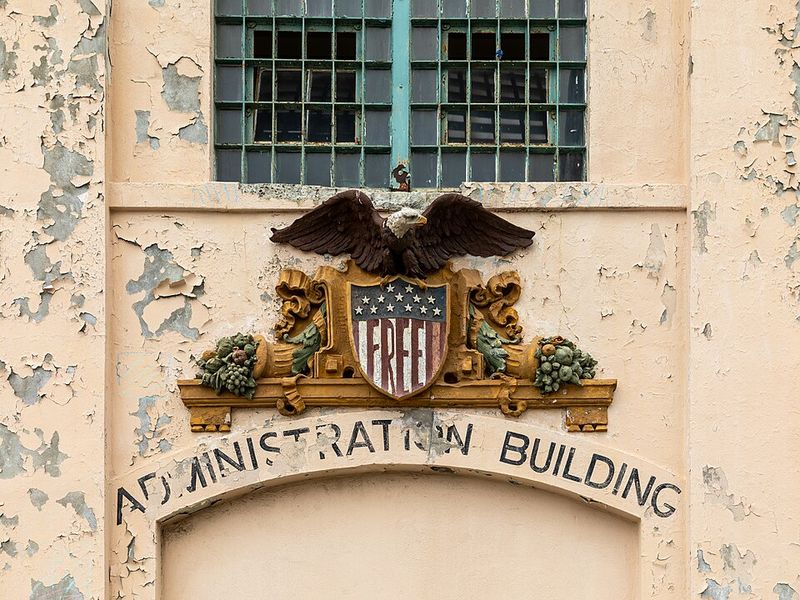
A prison that held some of America’s most notorious criminals for nearly 30 years should have left behind a complete paper trail. The reality is more complicated.
Historians and researchers who have studied Alcatraz in depth have repeatedly encountered gaps in the official record that make it hard to reconstruct certain events with confidence.
Some administrative documents, incident reports, and individual prisoner files are incomplete, difficult to access, or simply missing. Whether those gaps are the result of poor record-keeping practices, deliberate removal, or the ordinary wear of time is not always clear.
The missing records matter because they affect what can be known about specific events, including disciplinary actions, medical decisions, and the details of escape attempts. Researchers working on the 1962 escape case, for example, have noted that certain documents that should exist based on standard procedures have never surfaced.
For a prison famous for its strict rules and tight control, the incomplete archive raises questions that are impossible to answer without the documents themselves.
11. The Battle of Alcatraz Questions
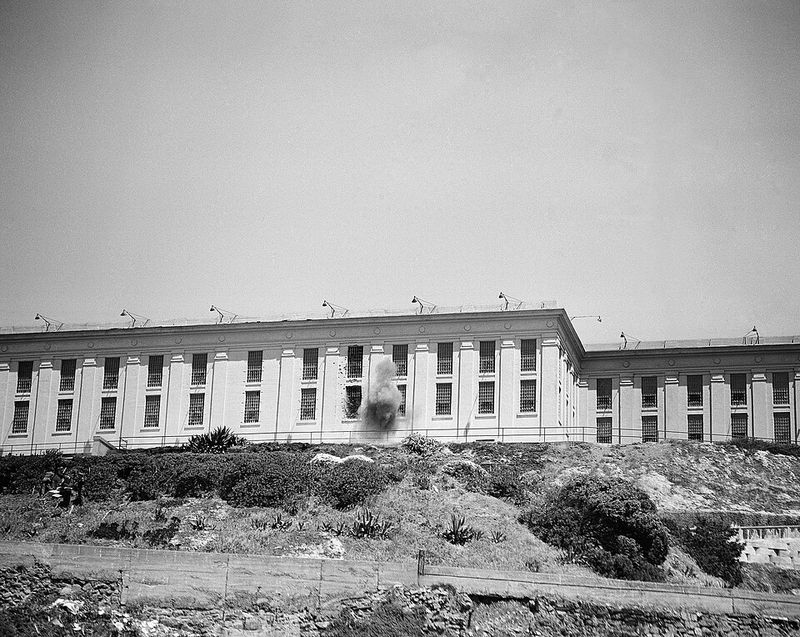
The Battle of Alcatraz in May 1946 was one of the most violent events in the prison’s history, and it lasted two full days before federal authorities regained control. A group of inmates attempted a large-scale escape, took officers hostage, and triggered a confrontation that ended with multiple fatalities on both sides.
The broad outline of what happened is documented, but the specific details of the standoff are still debated. Questions remain about the exact sequence of decisions made during the most critical hours of the conflict, and some accounts from survivors have differed from the official timeline in notable ways.
The role of individual officers and inmates during the chaos has not been fully agreed upon by historians who have studied the event. Some aspects of who gave which orders and when have been disputed in memoirs and later interviews.
The Battle of Alcatraz is not a forgotten event, but it is one where the official record and personal accounts do not always line up neatly, leaving historians to sort through conflicting versions of the same story.
12. What Really Happened to the Escapees?
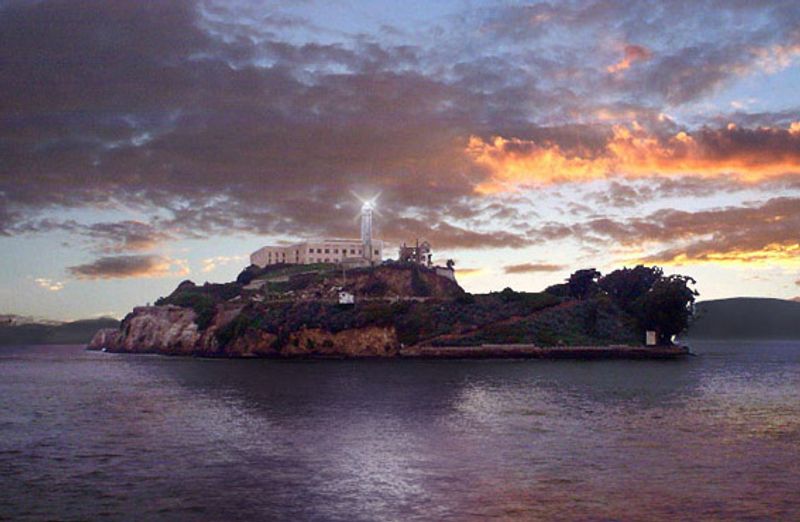
More than six decades have passed since three men paddled away from Alcatraz on a homemade raft, and the world still does not have a confirmed answer about what happened next. The FBI officially closed its investigation in 1979 after concluding that Morris and the Anglin brothers most likely did not survive the crossing.
But the U.S. Marshals Service kept the case active, and tips, alleged sightings, and claimed evidence have continued to surface over the years.
Family members of the Anglin brothers have stated they received communications from the brothers well into the 1980s, though this has not been independently verified.
The 2013 letter, the Brazil photograph, the scientific current analysis, and the ongoing family accounts all point in the same direction without delivering a final answer. No confirmed remains have ever been found, and no one has come forward with undeniable proof of either survival or otherwise.
The 1962 escape remains the most famous unsolved case in American prison history, and it shows no signs of being resolved anytime soon.
Share this story