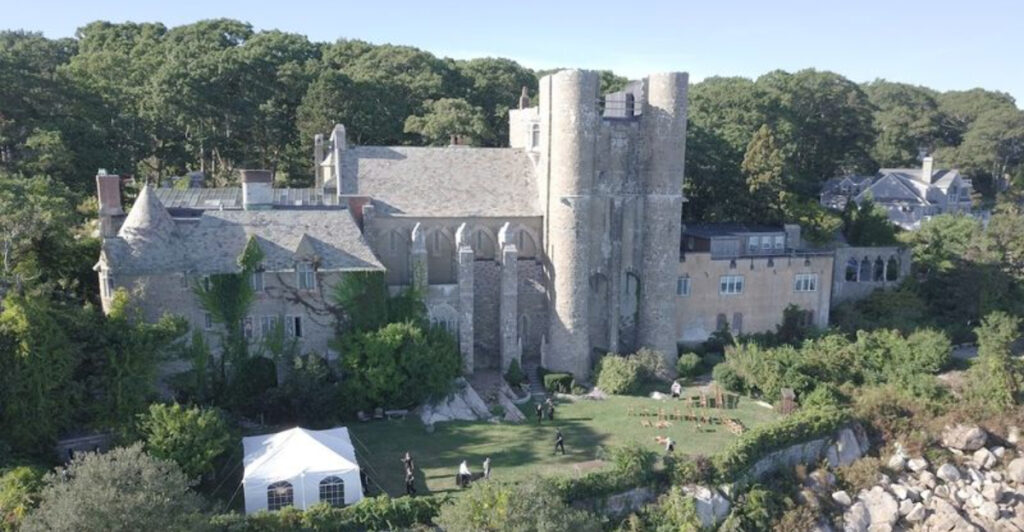
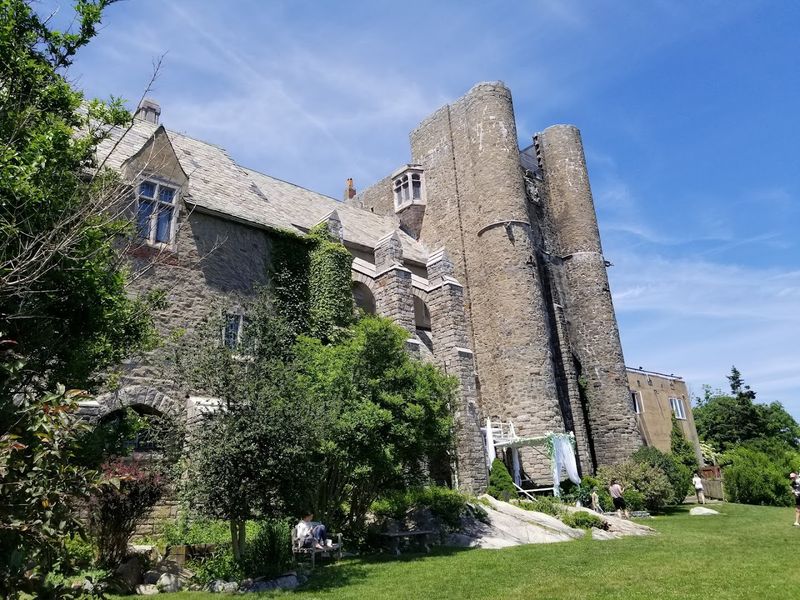
Somewhere along the rocky coastline of Gloucester, Massachusetts, there stands a building that makes you do a double-take. It has thick stone walls, towers, arched windows, and a courtyard that looks like it was lifted straight out of 14th-century Europe.
But this is not a ruin or a replica built for tourists. This museum is the real passion project of one of America’s most fascinating inventors, and it packs more architectural surprises, hidden details, and historical depth into one visit than most museums manage in an entire collection.
Built in the 1920s and blending a medieval fortress, a Gothic cathedral, and a French village all under one roof, this place is unlike anything else on the New England coast. Whether you are a history enthusiast, an architecture lover, or just someone looking for a genuinely different day trip, this castle has a lot to offer.
Built in the 1920s, Feels Like the 14th Century
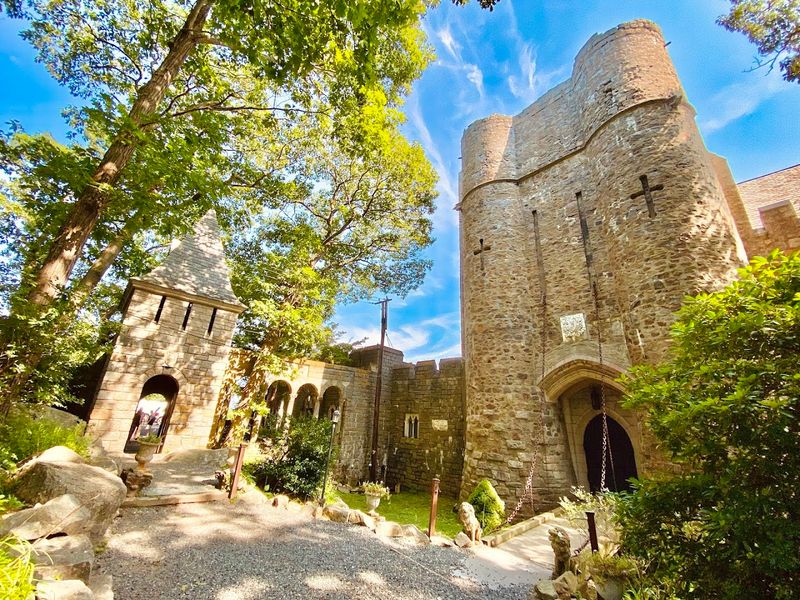
There is something genuinely disorienting about walking through Hammond Castle for the first time. The walls are extraordinarily thick, the ceilings are high and vaulted, and the stonework looks like it was quarried centuries ago rather than assembled during the Jazz Age.
Construction began in 1926 and continued through the early 1930s. Hammond worked closely with architects to ensure that the building would feel authentically medieval rather than like a theatrical set piece.
He succeeded. Many of the architectural elements embedded in the castle actually date back to the medieval period and even earlier, including components from ancient Roman structures that Hammond collected during his travels through Europe.
The result is a building that blurs the line between museum and time machine. Even knowing it was built about 100 years ago, the thickness of the walls and the weight of the stonework make it feel far older than it actually is.
The Medieval Fortress Side of the Story
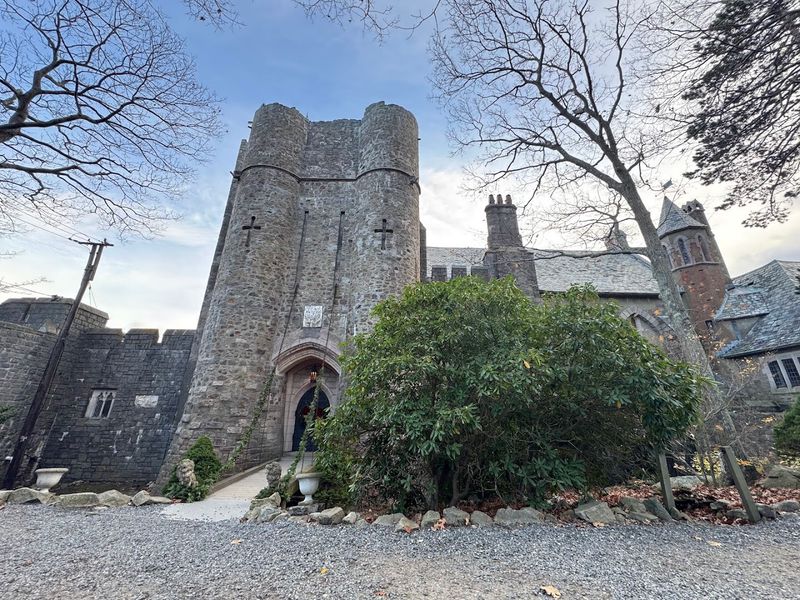
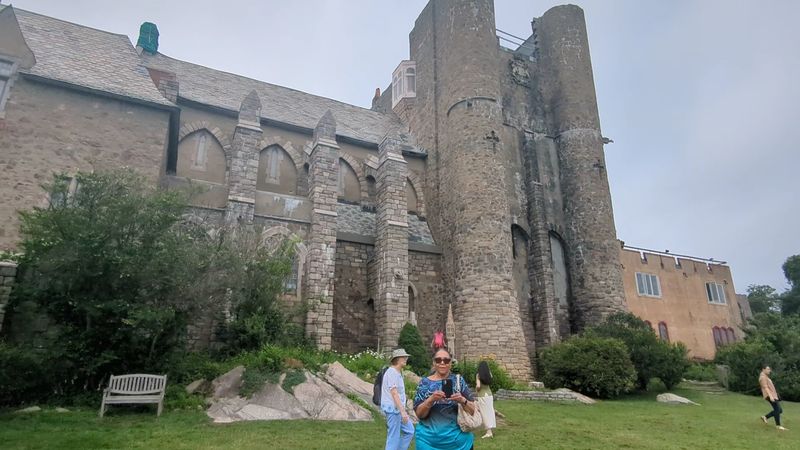
From the outside, the fortress character of Hammond Castle is immediately clear. The building features thick perimeter walls, crenellated towers, and a heavy gate that would not look out of place guarding a European hilltop town.
Hammond was deliberate about this. He studied actual medieval fortresses during his European travels and incorporated specific defensive architectural elements into the design, not for protection, but for authenticity.
The outer walls are built to withstand more than just weather. Their depth and construction method mirror genuine medieval building techniques, which is part of why the structure has aged so well over the past century.
Walking around the exterior perimeter gives a strong sense of how seriously Hammond took the fortress concept. The towers offer different angles of the coastline and the surrounding grounds, and the overall mass of the building is genuinely impressive when seen up close rather than in photographs.
Gothic Cathedral Influence Inside the Walls
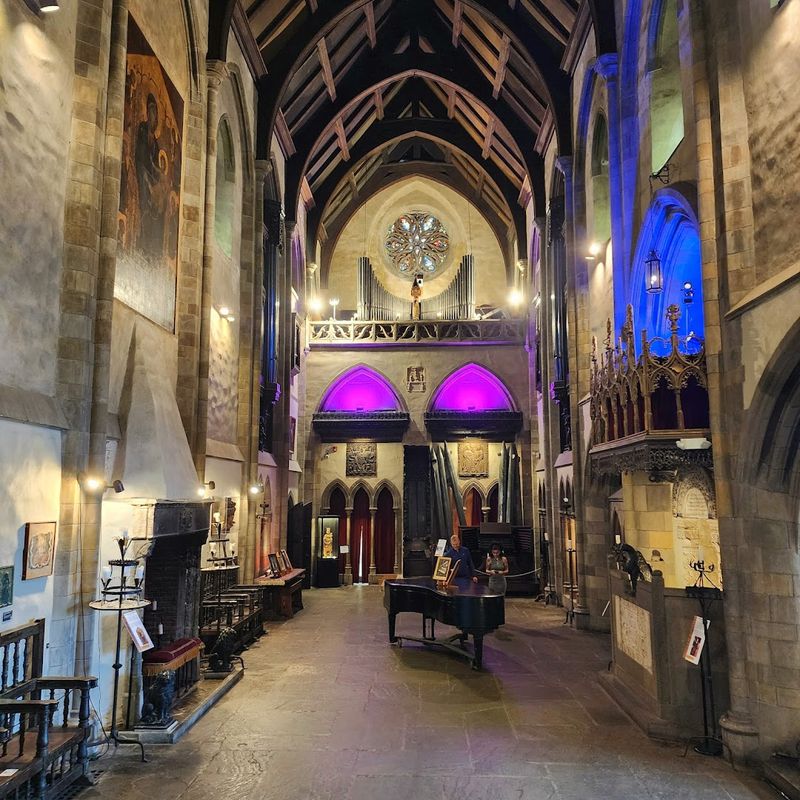
The Gothic cathedral influence inside Hammond Castle is hard to miss. Pointed arches, ribbed vaulting, tall narrow windows, and stone columns all combine to create an atmosphere that owes a clear debt to the great churches of medieval Europe.
Hammond was fascinated by ecclesiastical architecture and incorporated elements from actual Gothic structures into his home. Some of the stonework and decorative components were sourced directly from European buildings that were being dismantled or sold off during the early 20th century.
The Great Hall is the most dramatic expression of this influence. Its scale and proportions are closer to a cathedral nave than a domestic living room, and the collection of art and instruments housed within it adds to that ceremonial quality.
This is one of the sections of the museum that benefits most from a guided tour, since many of the architectural references and historical sources of specific elements are not immediately obvious without some context.
The French Village Courtyard That Surprises Everyone
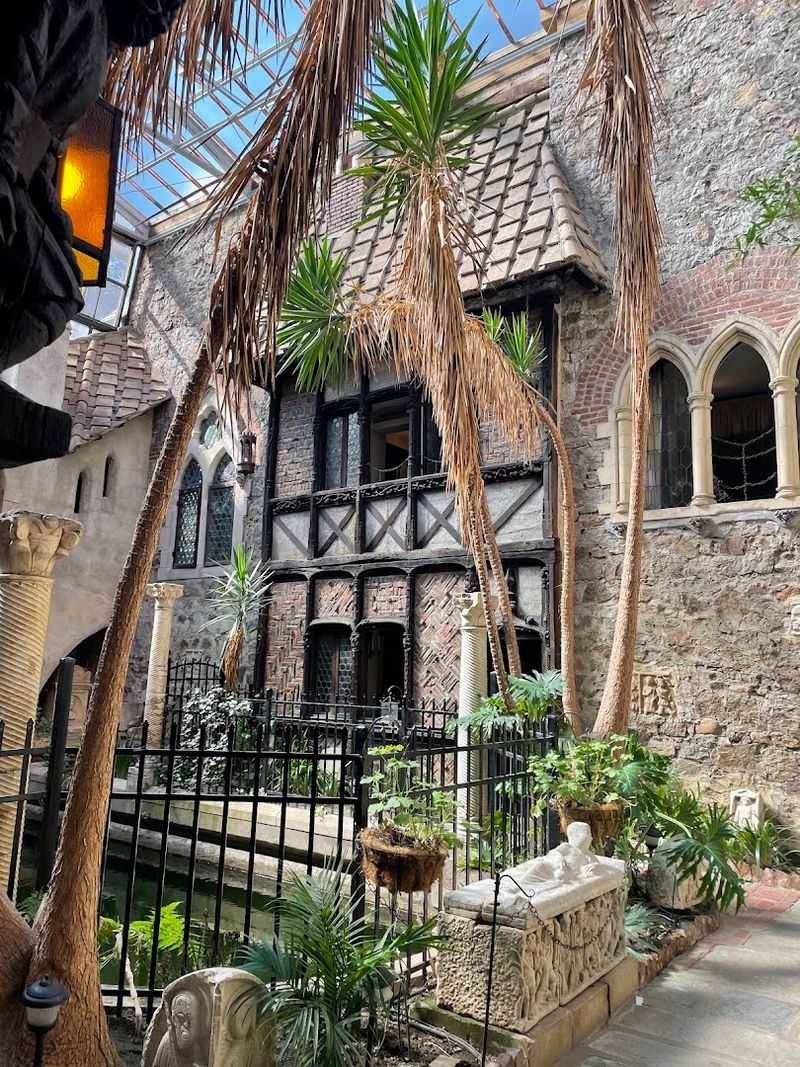
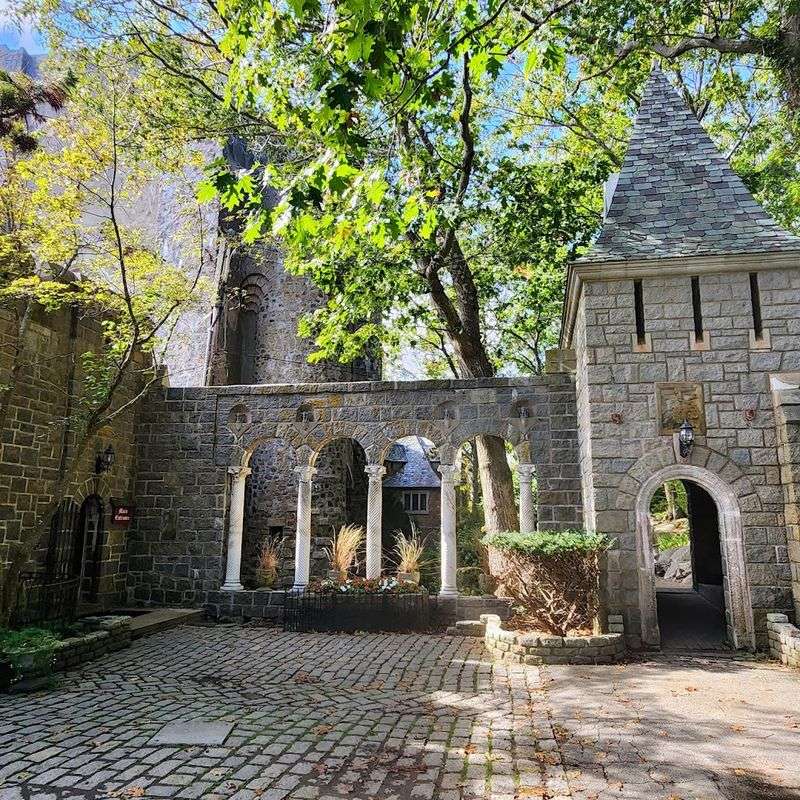
One of the most unexpected features of Hammond Castle is the indoor courtyard designed to replicate a French village street. This is not a metaphor or a loose interpretation.
Hammond literally built a series of period facades inside an enclosed courtyard, complete with cobblestones and architectural details pulled from actual French structures.
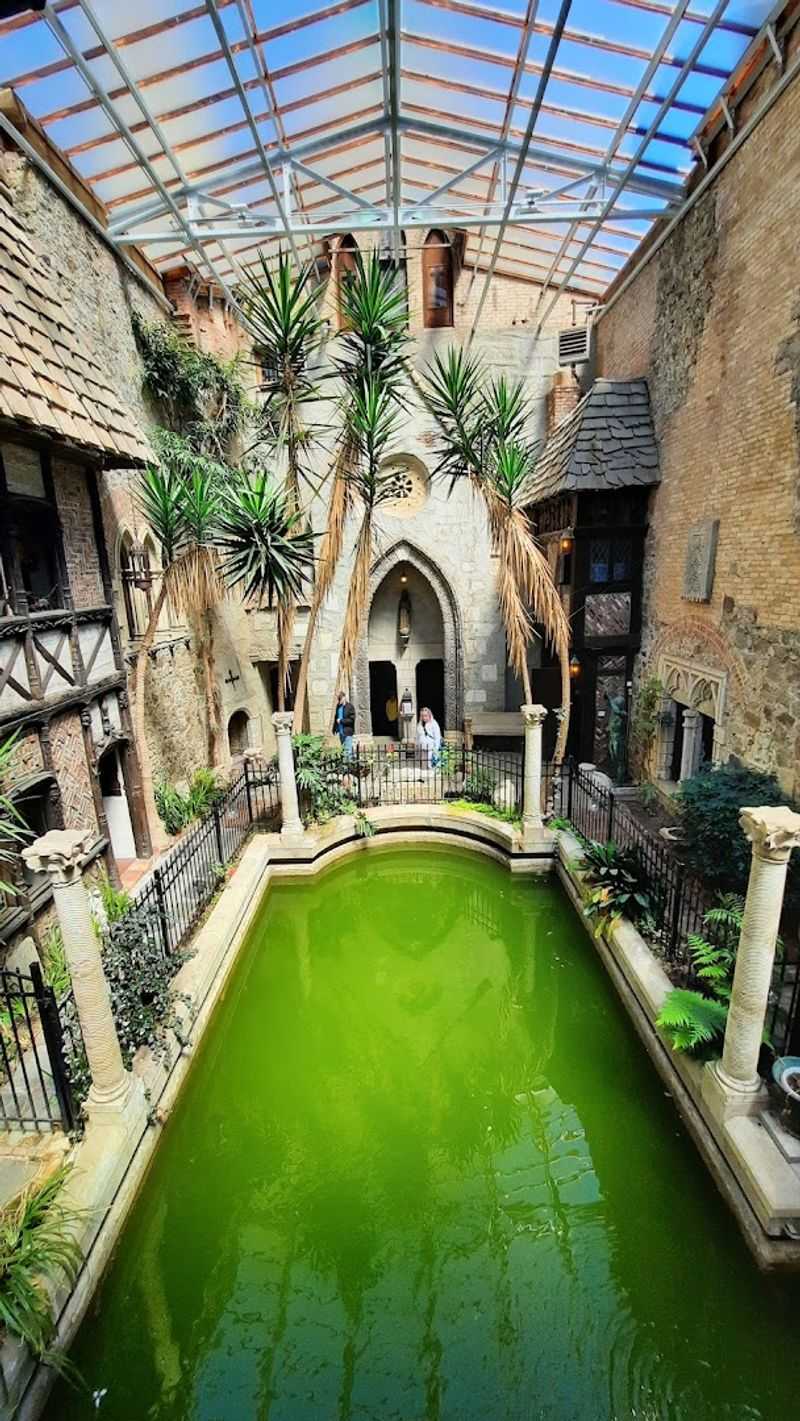
The courtyard is covered by a retractable glass roof, which allowed Hammond to control the weather conditions inside his own home, because that is the kind of thing that occurs to you when you hold over 800 patents.
The effect is genuinely striking. Standing inside the courtyard feels like being in a small European square, which was entirely the point.
Hammond used this space for entertaining guests, hosting gatherings that blurred the line between a private home and a theatrical experience.
This section alone makes the visit worthwhile for anyone who has never encountered anything quite like it in a New England museum setting.
The Great Organ and the Music Connection
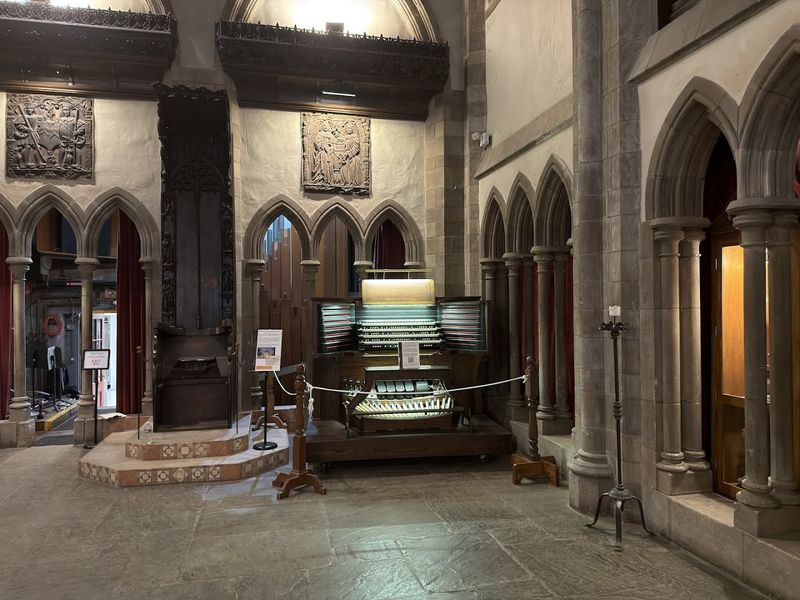
John Hays Hammond Jr. had a serious relationship with music, and nowhere is that more apparent than in the Great Hall’s enormous pipe organ. The instrument is one of the largest and most complex residential organs ever built, with thousands of pipes integrated directly into the architecture of the hall.
Hammond designed the room specifically around the organ’s acoustics, which means the Great Hall functions as both a living space and a concert venue. The organ is still playable today and is used for special performances and events at the museum.
His interest in music was not casual. Hammond held patents related to musical technology and spent years experimenting with sound reproduction and instrument design.
The organ represents the intersection of his scientific curiosity and his love of the arts.
During certain tours, guides explain how the organ works and how Hammond used it to entertain the notable guests who passed through the castle during its heyday.
Ancient Artifacts Hidden in Plain Sight
Hammond was an avid collector, and his collection goes well beyond furniture and paintings. Throughout the castle, there are genuine artifacts from ancient Rome, medieval Europe, and various other historical periods, some embedded directly into the walls and floors.
He acquired many of these pieces during extended trips through Europe, purchasing items from dealers, estates, and even structures that were being demolished. The result is a building that is partly a museum and partly an archaeological patchwork.
The pool room is a particularly good example of this layering. It contains a large number of embedded historical elements that are easy to walk past without noticing, which is exactly why guided tours are especially valuable in that section.
Guides point out details that most people would miss entirely on a self-guided walk-through, including fragments, inscriptions, and decorative elements that have their own stories and origins stretching back far beyond the 20th century.
The Invention Gallery and Hammond’s Scientific Legacy
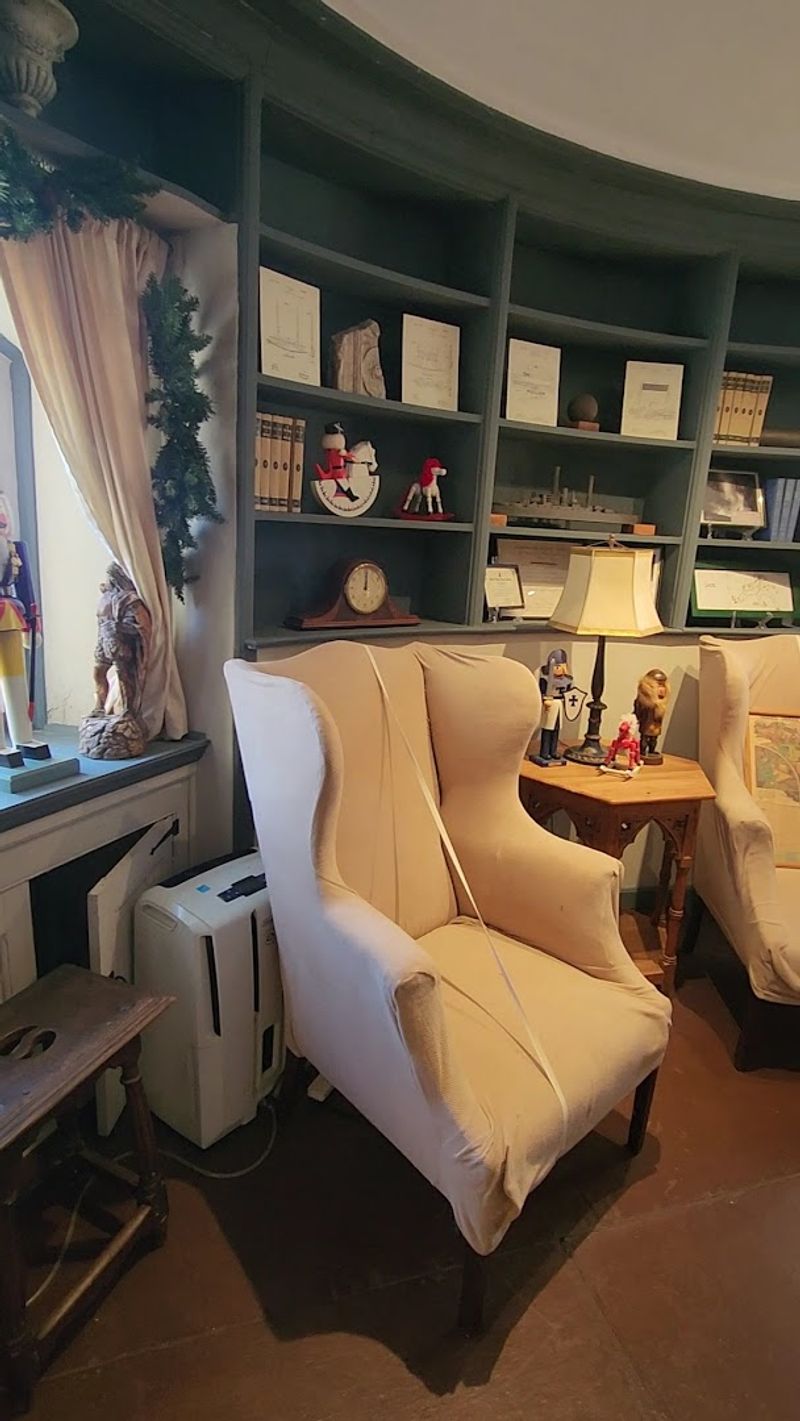
Hammond Castle is not just about medieval architecture. A dedicated section of the museum focuses on John Hays Hammond Jr. as a scientist and inventor, displaying examples of his work and explaining the scope of his contributions to American technology.
His most significant work was in the field of radio control. Hammond developed early remote control technology that had significant military applications, and he worked closely with the U.S. government on several defense-related projects throughout his career.
The invention gallery presents this side of his life in an accessible and engaging way. Panels explain his patents, his process, and the broader context of his work during a period when American technology was advancing rapidly.
What makes this section particularly interesting is how it connects to the rest of the castle. The same curiosity and ambition that drove his scientific work also shaped every architectural decision he made, turning the building itself into a kind of three-dimensional expression of his personality.
Ocean Views That Frame the Whole Experience
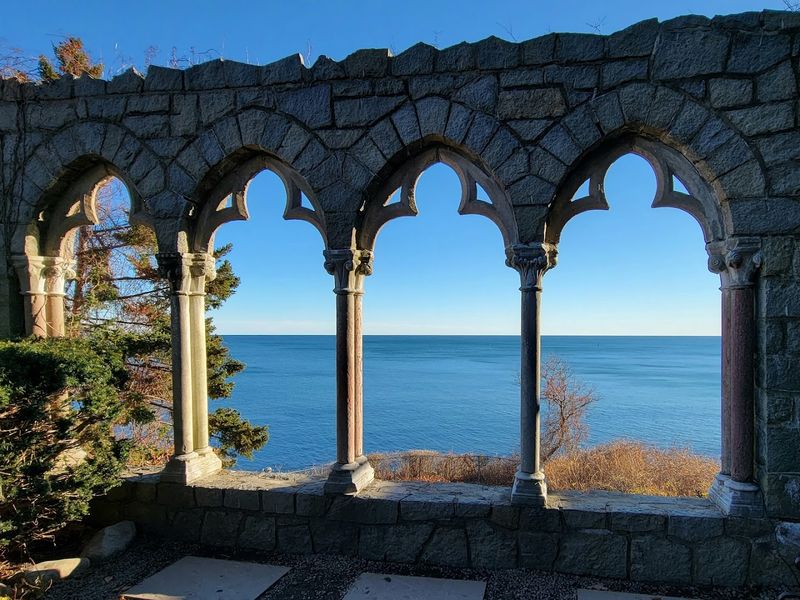
The setting of Hammond Castle along the Gloucester coastline adds a dimension to the visit that no interior exhibit can replicate. The Atlantic Ocean stretches out beyond the castle walls, and the rocky shoreline below creates a backdrop that genuinely matches the drama of the architecture.
Hammond chose this site deliberately. He wanted the castle to feel connected to the water, and the positioning of the building ensures that ocean views are available from multiple vantage points on the grounds and from certain interior windows.
The exterior grounds are partially accessible without a ticket, which means the coastal views can be enjoyed even before entering the museum. On clear days, the combination of stone, sky, and open water makes the location one of the most photogenic spots on the entire North Shore.
Photographers in particular tend to find the exterior of the castle endlessly rewarding, with the changing light across the day creating very different moods from the same angles.
Guided Tours vs. Self-Guided Exploration
Both tour formats at Hammond Castle have genuine merit, but they offer meaningfully different experiences. The guided tour is the better choice for first-time visitors who want context and depth, since many of the castle’s most interesting details require explanation to fully appreciate.
Guides cover the history of Hammond’s life, the origins of specific architectural elements, the stories behind particular artifacts, and the hidden features built into rooms like the pool room and the Great Hall.
The self-guided option works well for those who prefer to move at their own pace and linger in rooms that catch their attention. Informational panels throughout the museum provide solid background, and the layout is intuitive enough that getting lost is more of a pleasant accident than a real risk.
Arriving during an early session on any given day tends to mean fewer people in the building, which makes exploring the narrower hallways and spiral staircases considerably more comfortable regardless of which tour format you choose.
Accessibility and Practical Tips for Your Visit
Hammond Castle is a genuinely historic structure, which means it comes with the physical characteristics of one. There are uneven stairs throughout, narrow spiral staircases, low doorways in certain sections, and areas that require careful footing.
The castle is not wheelchair accessible, and mobility limitations can make some sections difficult to navigate even for those with moderate mobility. This is worth knowing before the visit so that expectations are set appropriately.
Tickets are priced around $25 on weekends, with slight variation depending on the day and the type of tour selected. Purchasing tickets online in advance is a good idea on busy weekends, since the castle does draw consistent crowds during the warmer months.
Parking on site is free, the staff throughout the museum are consistently helpful and well-informed, and leaving at least two to three hours for the visit gives enough time to explore without rushing through any of the rooms or exhibits.
What Makes This Castle a One-of-a-Kind Museum
There is a particular category of museum that exists somewhere between a historic house, an art collection, and a personal obsession. Hammond Castle falls squarely into that category, and that is precisely what makes it so memorable.
The building is a museum about castles, housed inside a castle, which is a concept so circular it could only have come from someone with Hammond’s particular brand of ambition. Exhibits cover the history of castle architecture, the origins of specific elements in the building, and the broader medieval world that Hammond was so drawn to throughout his life.
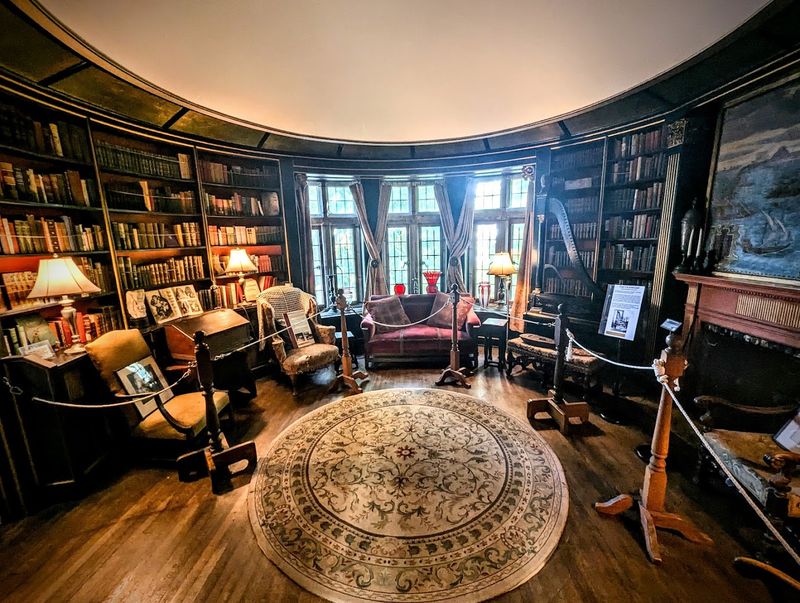
The collection of art, books, musical instruments, and artifacts reflects a genuinely wide-ranging intellect rather than a single focused obsession. Every room introduces something new, and the connections between Hammond’s scientific work and his aesthetic choices become clearer the further into the castle you go.
Few museums in New England manage to be this personal and this layered at the same time.
A Day Trip Worth Planning Around
Hammond Castle works best as part of a fuller day on the North Shore rather than a quick stop. The town of Gloucester itself is worth exploring before or after the castle, and the nearby village of Magnolia offers additional options for rounding out the outing.
The drive from Boston takes roughly an hour, making it a realistic day trip without requiring an early morning departure. Fall visits tend to be particularly rewarding, since the surrounding landscape adds color to the already dramatic coastal setting.
Summer weekends are the busiest period, and the castle can feel crowded in the narrower interior sections during peak hours. Visiting on a weekday or arriving right at the 9:00 am opening significantly improves the experience.
For anyone who has run out of ideas for genuinely different day trips in Massachusetts, Hammond Castle offers something that does not fit neatly into any standard category, which is the best possible reason to go.
Where the Castle Stands: Address and Location
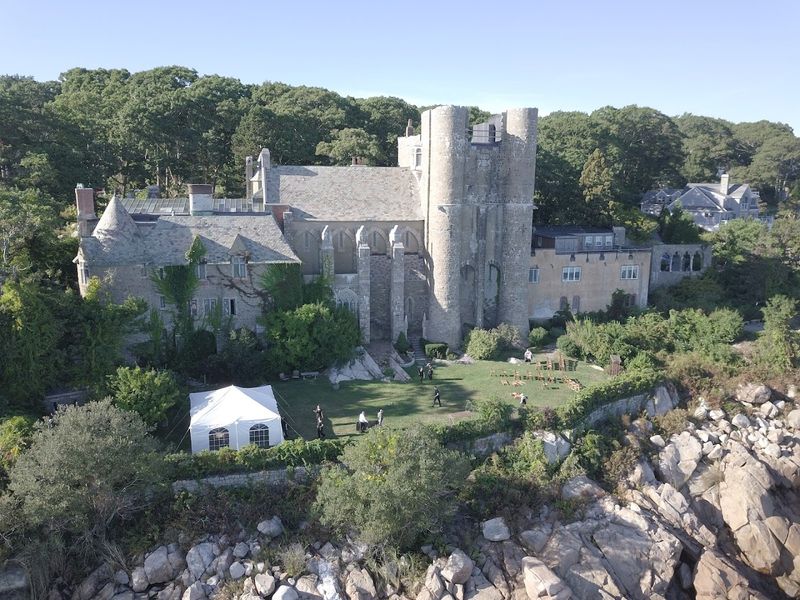
Right on the edge of the Atlantic, Hammond Castle Museum sits at 80 Hesperus Ave, Gloucester, MA 01930, perched above the water on the rocky North Shore of Massachusetts.
The location alone is worth the trip. Gloucester is about an hour’s drive from Boston, making it a very manageable day trip from the city without the stress of a long haul.
Free parking is available on site, though weekends tend to fill up quickly, so arriving early is a smart move. The castle is open daily from 9:00 am to 3:30 pm, giving visitors a solid window to explore without feeling rushed.
Tickets can be purchased online or in person, and both guided and self-guided tour options are available. The surrounding area, including the nearby village of Magnolia, adds even more to a full day out on the North Shore.
Share this story