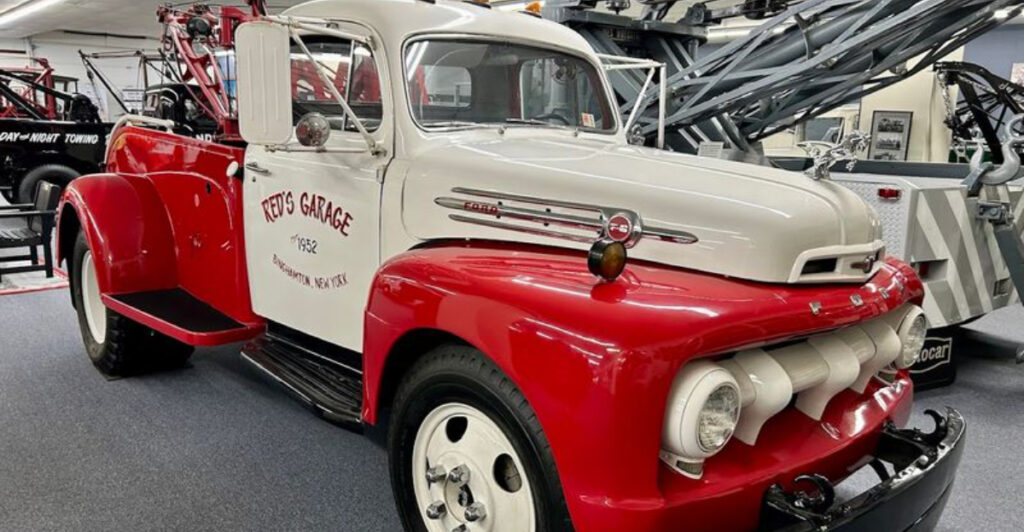
Most people driving through Chattanooga, Tennessee have no idea they are passing one of the country’s most surprisingly compelling museums. Tucked along Broad Street, this spot holds over two dozen fully restored tow trucks, from century-old wreckers to modern recovery giants, all under one roof.
The towing industry has a longer and more fascinating history than most people ever stop to consider, and this museum makes sure that history gets its due. Whether you are a truck enthusiast, a history buff, or just someone looking for something genuinely different to do on a weekend, this place has a way of pulling people in and keeping them far longer than they expected.
How the First Tow Truck Changed Everything
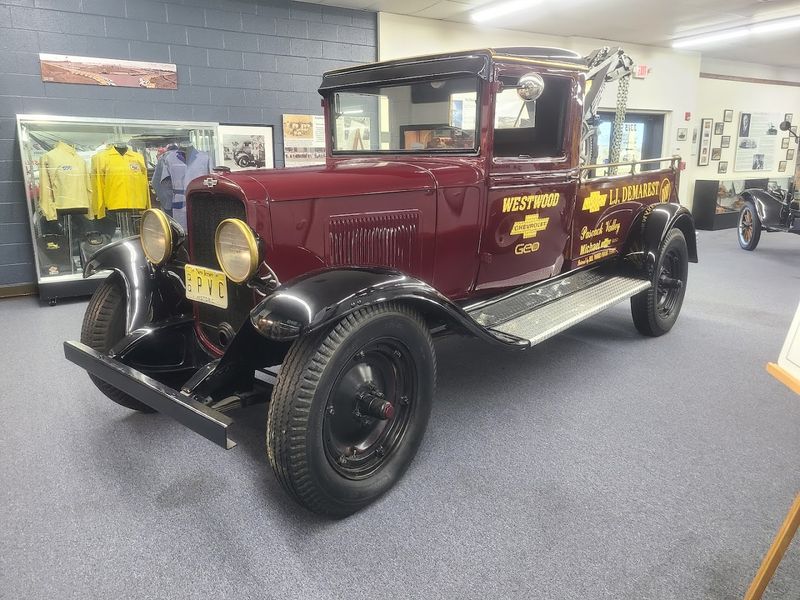
The story of the tow truck begins right here in Chattanooga, and it starts with one man named Ernest Holmes Sr. In 1916, after watching workers struggle for hours to pull a car out of a creek using ropes, pulleys, and manpower, Holmes decided there had to be a better way. He built the first purpose-designed towing device and attached it to a 1913 Cadillac.
That moment sparked an entire industry. The museum dedicates meaningful space to telling this origin story, with artifacts, photographs, and displays that walk visitors through exactly how Holmes developed and refined his invention.
It is a genuinely compelling piece of American mechanical history that does not get nearly enough attention in mainstream history books.
Understanding where the tow truck came from makes everything else in the collection feel more significant. Each truck on the floor is a chapter in a story that began on a creek bank in Tennessee over a century ago.
More Than Two Dozen Trucks on Two Levels
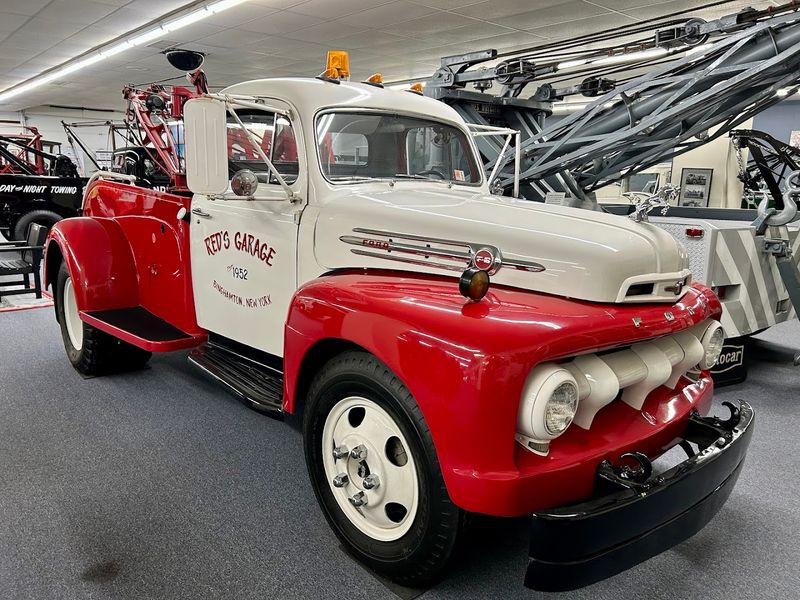
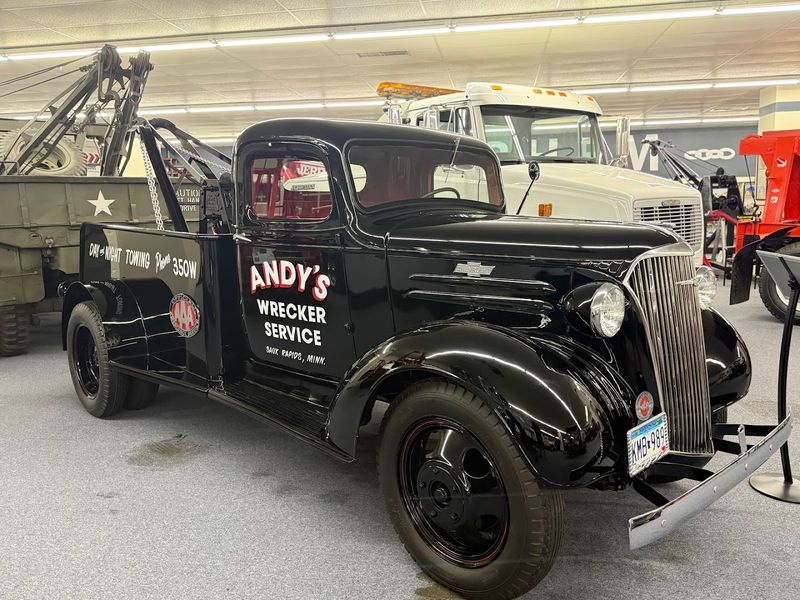
The collection at this museum is not a handful of trucks pushed into a corner. There are more than two dozen fully restored tow trucks spread across two levels, ranging from early 1900s wreckers to heavy-duty modern recovery vehicles.
Each one has been preserved with visible care, and the variety across the decades is genuinely striking.
Walking through the exhibit halls, it becomes clear how much the engineering of tow trucks evolved over the years. Early models were simple boom-and-chain setups bolted onto whatever vehicle was available.
Later trucks developed hydraulic lifts, wheel-lift systems, and the massive integrated wreckers used on highways today. The progression is laid out in a way that makes the timeline easy to follow.
Vintage models sit alongside later innovations in a layout that rewards slow, careful browsing. Plan for at least two hours if you want to read the displays and take in the full scope of what the collection covers across both floors.
The Wall of the Fallen Memorial
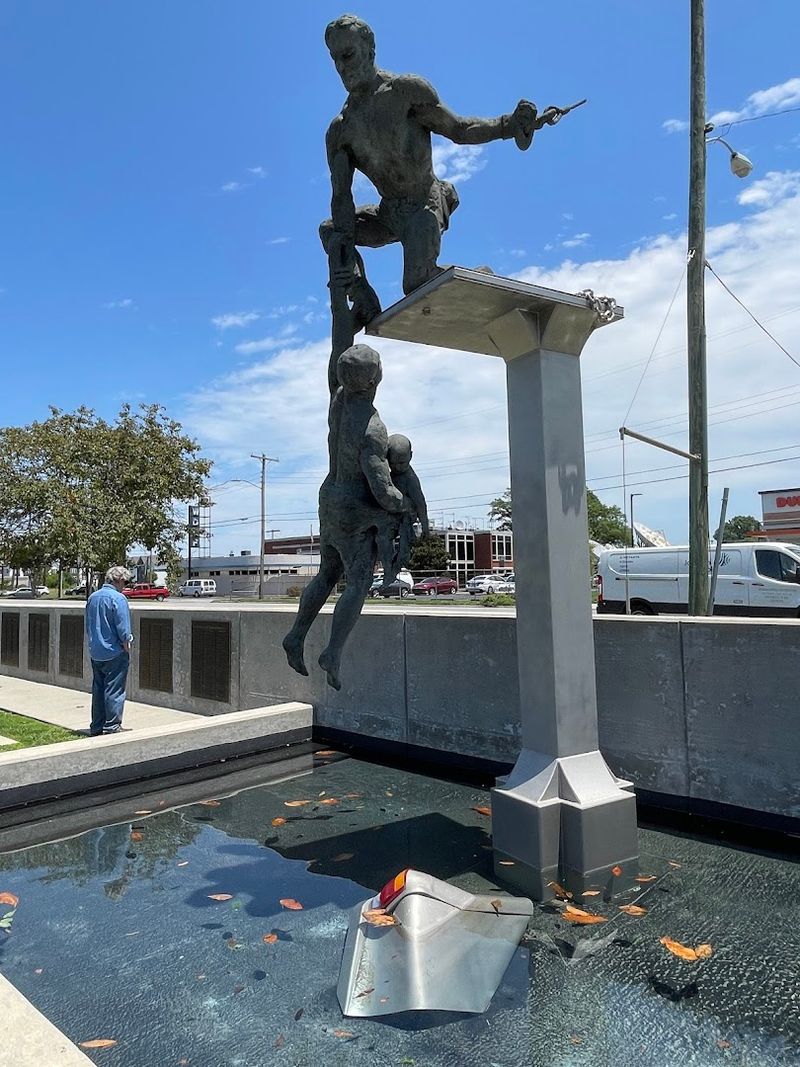
Out front of the museum stands one of the most meaningful features of the entire property: the Wall of the Fallen. This outdoor memorial honors towing and recovery professionals who lost their lives while working to help others on the road.
The names engraved on the wall represent real people, real families, and real sacrifices made in the course of doing a dangerous job.
For anyone who has ever worked in the industry, the wall carries deep personal weight. For those who have not, it serves as a powerful reminder of how hazardous roadside recovery work can be.
Every year, towing operators face serious risks from distracted drivers and high-speed traffic while assisting stranded motorists.
The memorial has become a central reason many people in the towing community make a point of visiting Chattanooga specifically. It transforms what could be a purely mechanical museum into something with genuine emotional and human significance, grounding the entire experience in the real cost of keeping roads safe.
Pedal Cars, Toy Trucks, and a Surprising Nostalgia Trip
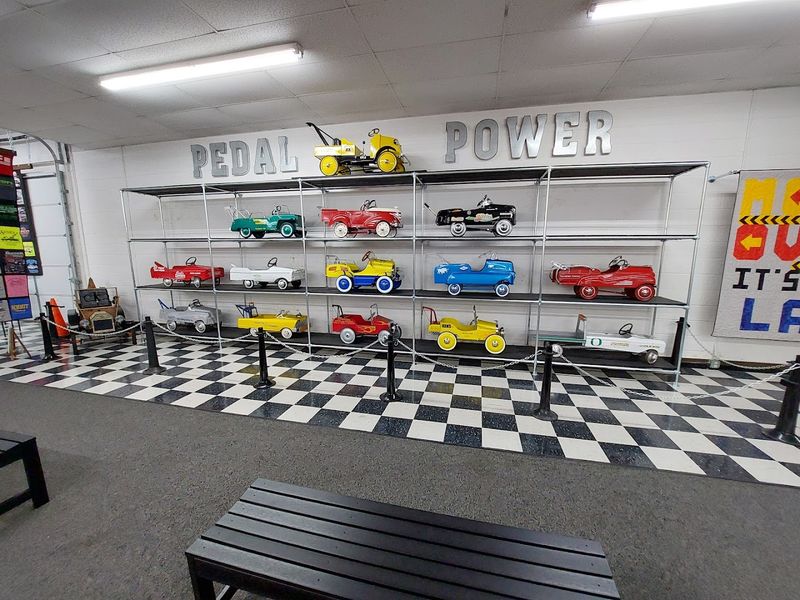
Not everything in the museum is full-sized. Scattered throughout the exhibit halls are pedal cars, toy tow trucks, and miniature models spanning several decades of production.
For adults who grew up playing with toy trucks, the collection triggers a very specific kind of nostalgia that is hard to manufacture and impossible to fake.
The toy section draws a surprising amount of attention from grown-up visitors who suddenly recognize models they had as children. Some of the older pedal cars are beautifully preserved, with original paint and details intact.
Others show their age in ways that actually add to their appeal rather than detracting from it.
Children respond to this section with straightforward enthusiasm, while adults tend to slow down and linger a little longer than expected. It is one of those museum moments where two completely different generations end up connecting over the same display case, each for their own reasons.
That kind of cross-generational pull is genuinely rare in specialty museums.
The Hall of Fame and Industry Recognition
The museum includes a Hall of Fame dedicated to recognizing individuals who have made significant contributions to the towing and recovery industry. Honorees are represented through plaques, photographs, and written tributes that document their work, innovations, and lasting impact on the profession.
For people within the industry, this section carries a particular kind of weight. Seeing colleagues and predecessors formally recognized in a dedicated museum space reinforces the legitimacy and history of a profession that does not always receive the public acknowledgment it deserves.
The Hall of Fame functions as both a tribute and a professional archive.
For general visitors, it offers a window into the personalities and stories behind the industry’s growth. The people honored here are not household names, but their work shaped how roads function across the country.
Occasionally, the Hall of Fame area is temporarily closed during preparation for special events, so it is worth checking ahead if that section is a specific priority for your visit.
Admission, Hours, and Planning Your Visit
General admission to the museum is priced at $12 per adult, with a reduced rate of $10 for seniors. Children’s pricing makes it a reasonably affordable outing for families, especially considering the range of activities and exhibits packed into the space.
The museum is open every day of the week from 9 AM to 5 PM, which makes scheduling a visit straightforward regardless of when you happen to be in Chattanooga.
Most guests find that a thorough visit takes somewhere between one and two hours, depending on how closely they read the display information and how long they spend in the gift shop. The layout is accessible, with clear pathways that accommodate guests with mobility considerations.
Parking is available on-site and described as safe and easy to navigate. The location on Broad Street also puts the museum within reasonable distance of restaurants and other Chattanooga attractions, making it a natural anchor point for a longer afternoon of exploring the city.
The Gift Shop That Surprises Everyone
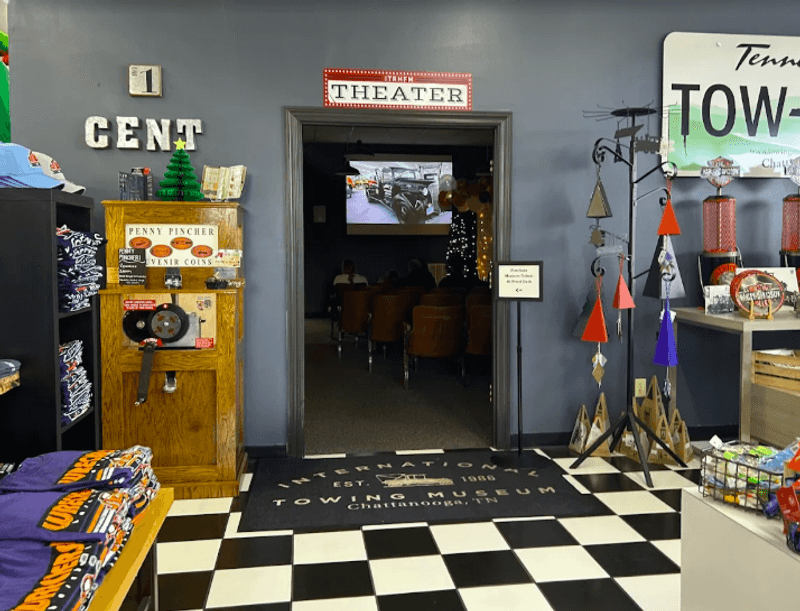
The gift shop at the museum has developed a reputation for being better than expected, and that reputation is earned. Yes, there are tow truck-themed items, but the selection extends well beyond the obvious.
Unique gifts, collectibles, and items that have nothing to do with towing fill the shelves, making it a genuinely fun browse even for guests who arrived with no intention of buying anything.
Local maps, area magazines, and travel guides are available near the entrance, which makes the gift shop a useful stop for anyone still planning the rest of their Chattanooga itinerary. Staff members are known for offering helpful suggestions about nearby places worth visiting, turning a quick shopping stop into an informal local concierge experience.
For families with young children, the shop stocks books and toys that hold up well beyond the visit itself. It is the kind of gift shop that actually earns its floor space rather than just filling it with logo merchandise and impulse items.
A Kei Car Tow Truck You Can Actually Sit In
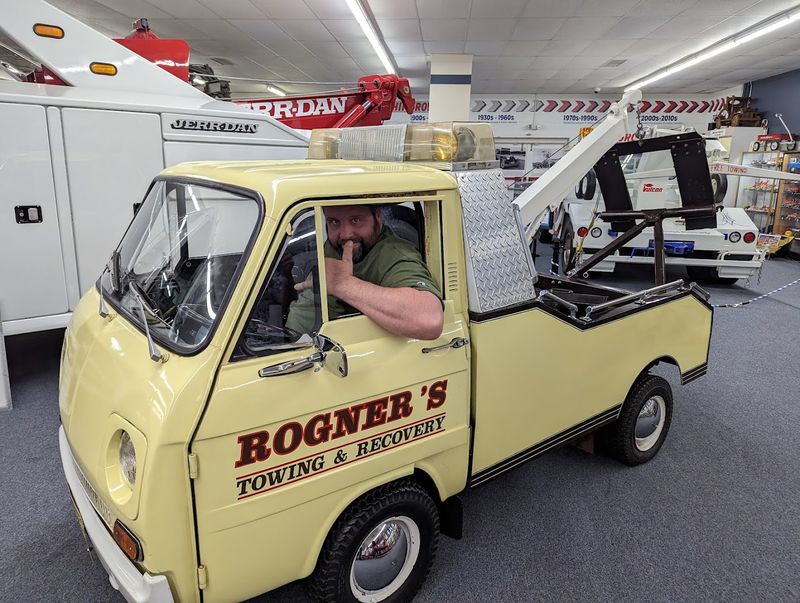
Among the more unusual pieces in the collection is a Kei car tow truck, a compact Japanese-style vehicle that looks almost comically small next to the heavy American wreckers surrounding it. What makes this exhibit particularly memorable is that guests are actually allowed to sit inside it, making it one of the few hands-on opportunities within the main museum floor.
Kei cars are a category of small vehicles produced primarily in Japan, designed to meet specific size and engine restrictions under Japanese regulations. Seeing one adapted into a tow truck is genuinely unexpected, and it raises interesting questions about how different countries approached the same basic problem of vehicle recovery with very different engineering solutions.
The contrast between the Kei car and the massive American wreckers nearby makes for a natural photo opportunity and a memorable talking point long after the visit ends. It is exactly the kind of quirky, specific detail that distinguishes a good museum collection from a great one.
The Slow Down and Move Over Message
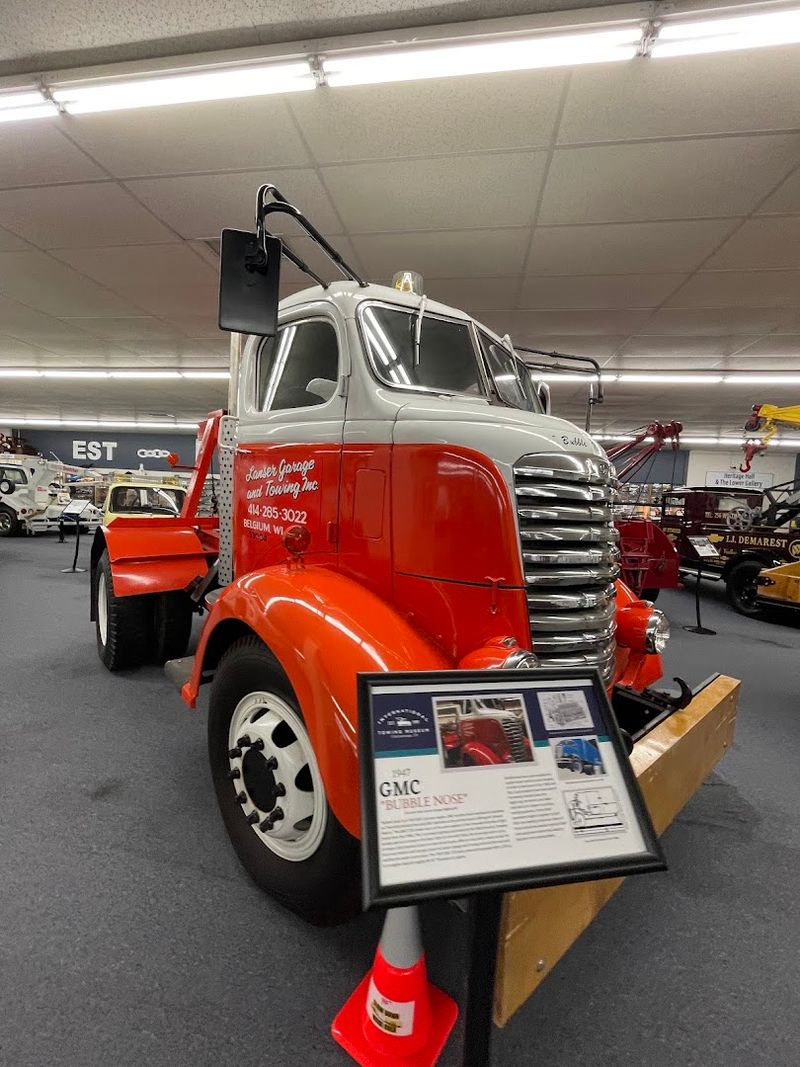
Woven throughout the museum’s exhibits is an ongoing emphasis on road safety and the importance of the Move Over law, which requires drivers to slow down and change lanes when passing stopped emergency and towing vehicles. The museum treats this not as a side message but as a core part of what the institution exists to communicate.
Towing operators face serious hazards every time they respond to a roadside call. The combination of high-speed traffic, distracted drivers, and the physical demands of recovery work creates a consistently dangerous environment.
The museum presents this reality plainly, without dramatizing it beyond what the facts already convey.
For many guests, particularly those without a personal connection to the industry, this message lands with more force in the context of the Wall of the Fallen and the Hall of Fame than it would in any other setting. The museum earns the right to make that point because it has already shown visitors exactly who pays the price when drivers fail to slow down.
Chattanooga’s Surprisingly Deep Connection to Towing History
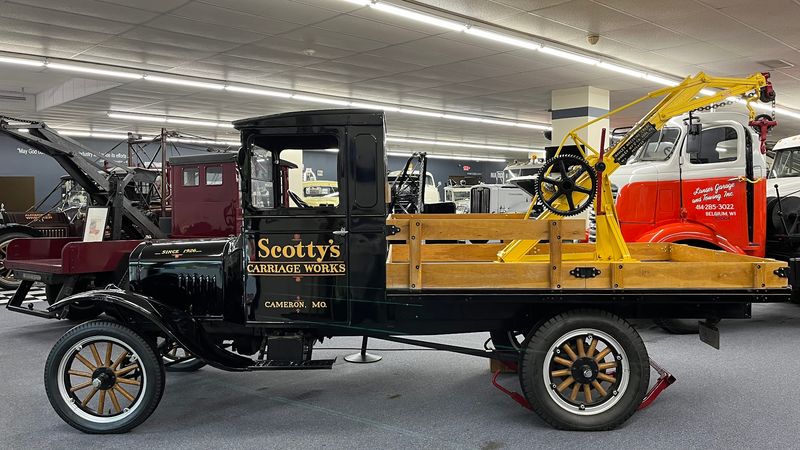
Chattanooga does not always make the list when people think about cities with outsized contributions to American industrial history, but the towing origin story gives it a legitimate claim. The fact that Ernest Holmes Sr. built the first tow truck here in 1916 places Chattanooga at the starting point of an industry that now employs tens of thousands of people and operates millions of calls annually across the country.
The museum connects that local origin story to the broader national and international development of towing and recovery as a profession. Exhibits trace how Chattanooga went from being the birthplace of a single invention to hosting the world’s premier museum dedicated to that invention’s legacy.
For Chattanooga residents, the museum is a source of genuine local pride. For out-of-town visitors, it reframes the city in an unexpected way.
Not every town can say that a global industry started on its streets, but Chattanooga can, and this museum makes sure that story is told well.
What the Two-Floor Layout Reveals
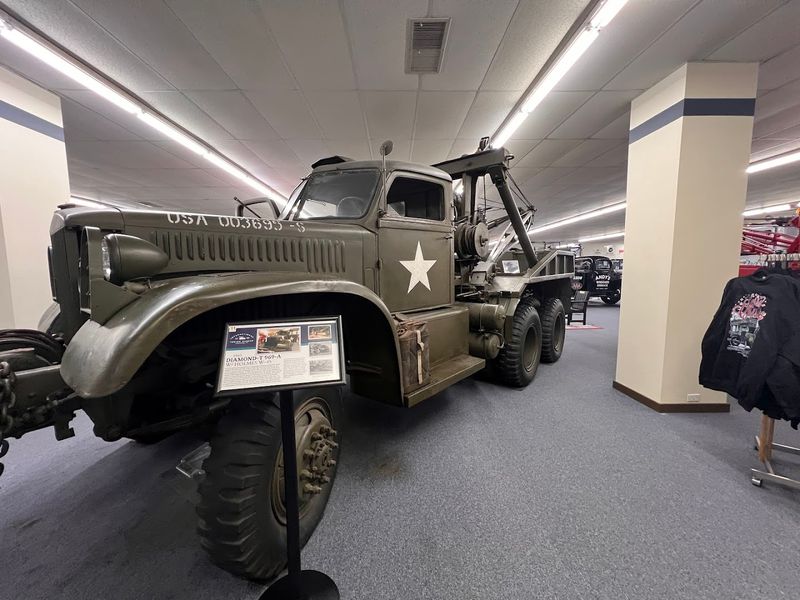
The museum’s two-level layout is more than just a practical use of space. Moving from floor to floor mirrors the progression of the industry itself, with earlier and more foundational exhibits on one level and later developments on another.
The physical act of moving between floors reinforces the sense of moving through time.
Each level has its own character. The older trucks command attention through their mechanical simplicity and the visible ingenuity of early engineering solutions.
The more modern equipment on display communicates something different entirely, showing how hydraulics, electronics, and specialized engineering transformed what was once a fairly blunt mechanical operation into a precise and powerful technical discipline.
The overall layout rewards visitors who take their time and move through the space deliberately rather than rushing from truck to truck. Reading the accompanying information panels fills in the gaps between vehicles and turns what could be a passive visual experience into something genuinely educational.
Two hours goes quickly here, which is usually a good sign.
Why This Museum Belongs on Your Chattanooga List
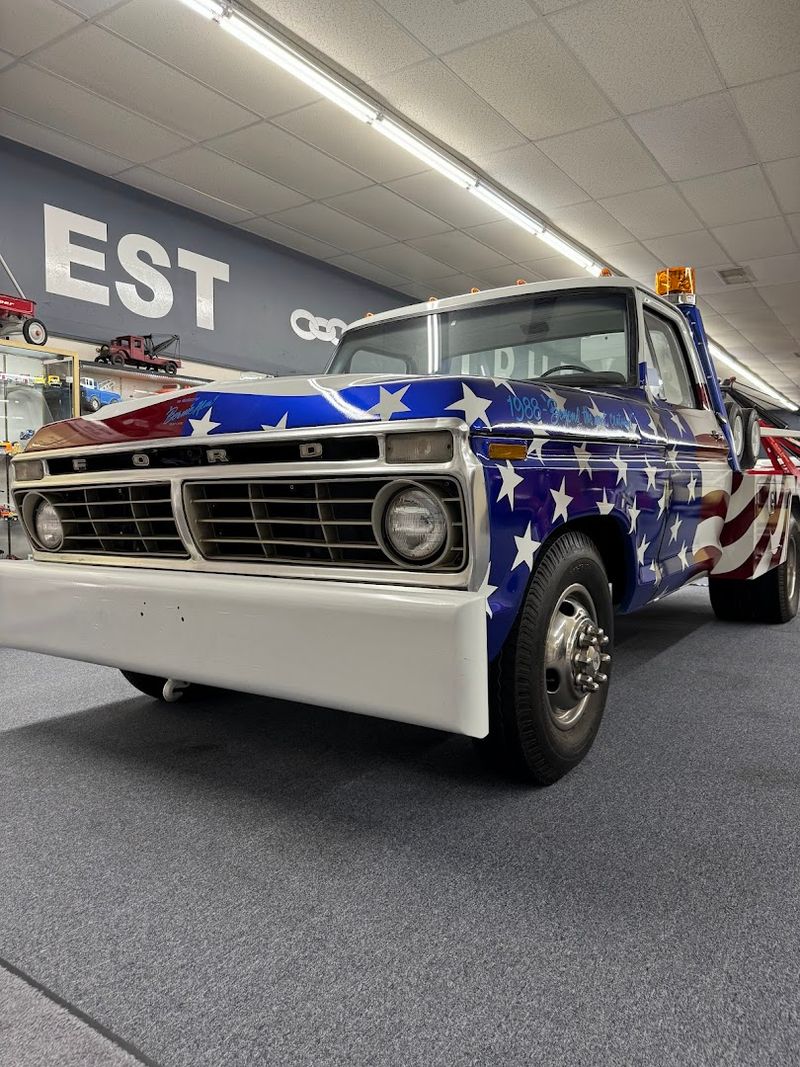
The International Towing and Recovery Museum is the kind of place that earns its reputation through honesty rather than hype. It does not promise more than it delivers, and what it delivers turns out to be more than most people expect when they first hear the premise.
A museum about tow trucks sounds niche, and it is, but niche done well is often more satisfying than broad done poorly.
Families find it engaging across age groups. Industry professionals find it meaningful and comprehensive.
Casual tourists find it genuinely surprising. That combination of audiences speaks to how well the museum has been curated and maintained over the nearly three decades since it opened in 1995.
Chattanooga already has plenty of well-known attractions pulling visitors downtown, but the Towing and Recovery Museum holds its own against bigger competition by offering something none of those other places can match: a specific, well-told story rooted in the city’s own history, presented with obvious care and a clear sense of purpose.
Where the Towing World Calls Home
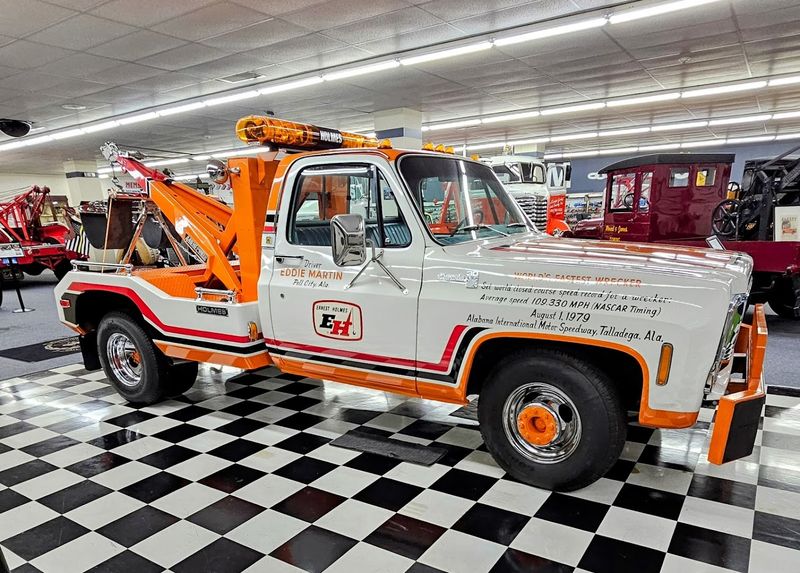
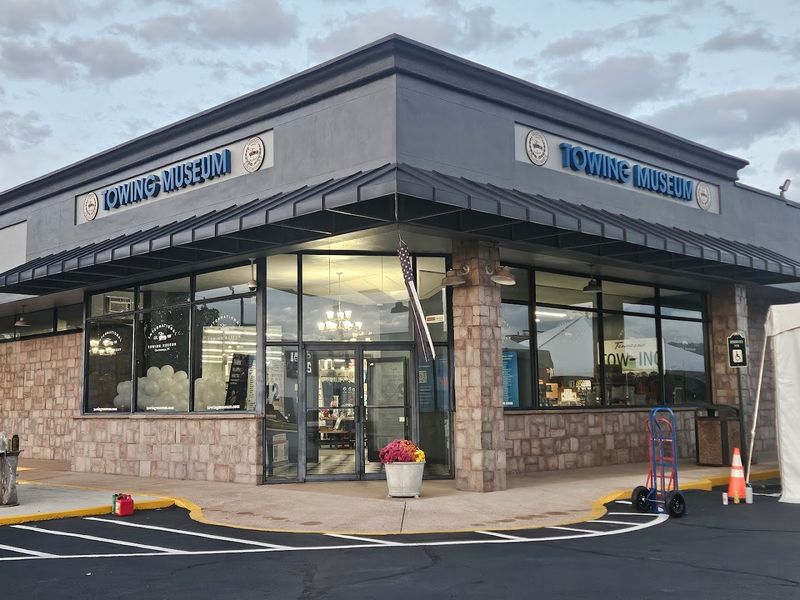
Chattanooga, Tennessee holds a special place in the history of American roads, and the International Towing and Recovery Museum at 3315 Broad St, Chattanooga, TN 37408 is the physical proof of that claim. This is not just any museum tucked into a side street.
It is the birthplace of towing, the city where the first tow truck was invented and put to work in the early 1900s.
The building itself can be easy to miss from the street, which is part of what makes finding it feel like a small discovery. Once inside, the scale of the collection makes it clear that this place takes its subject seriously.
The museum opened in 1995 and has grown steadily since, drawing curious travelers, industry professionals, and families from across the country.
Open every day from 9 AM to 5 PM, the museum offers accessible parking and a layout that works well for guests with mobility needs.
Share this story