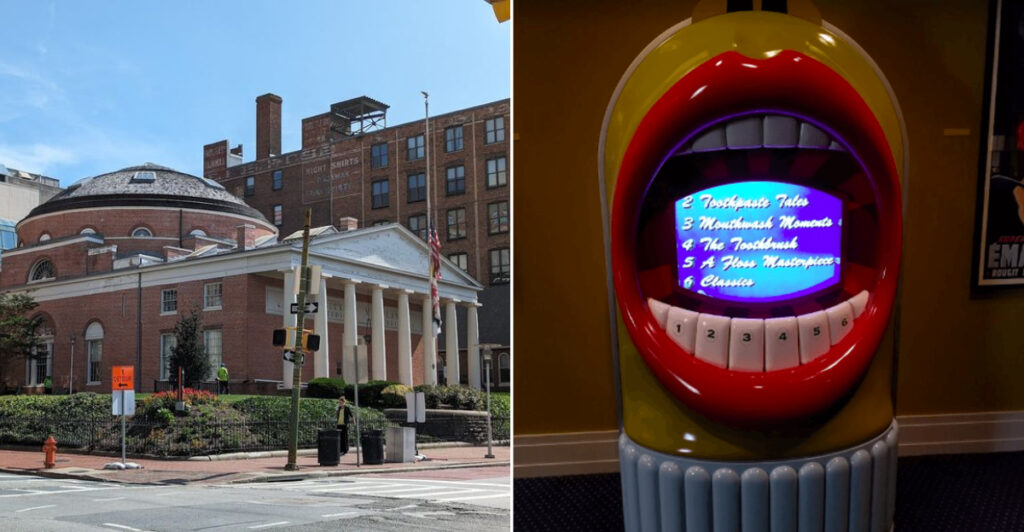
Baltimore has no shortage of surprising things to do, but tucked inside the University of Maryland, Baltimore campus sits a museum that most people have never heard of, and probably never expected to exist. This museum is dedicated entirely to the history of teeth, dental tools, and the profession that has been keeping smiles intact for centuries.
From a replica of George Washington’s famous dentures to the world’s only Tooth Jukebox, this place earns its reputation as one of the most unexpectedly fascinating museums in the country. Whether you are a history buff, a curious traveler, or just someone who wants a genuinely unique afternoon out, this museum delivers the kind of stories that are hard to forget.
The Story Behind the Museum’s Name
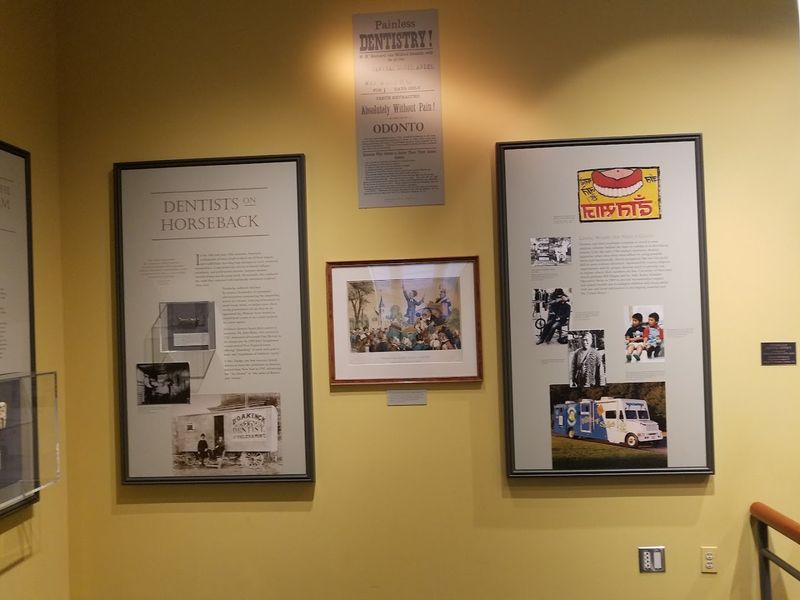
Not every museum gets named after a real person who genuinely changed a profession, but this one does. Dr. Samuel D.
Harris was a pioneering figure in American dentistry and a major force behind establishing the museum’s permanent home in Baltimore, which is fitting given that the city is also where the world’s first dental school was founded back in 1840.
Harris dedicated decades of his career to preserving the history of dentistry and making it accessible to the general public, not just dental professionals. His vision was to create a place where anyone could walk in and understand how oral health has evolved over centuries of human history.
That mission still drives everything the museum does today. The exhibits reflect his belief that dentistry is not just a medical practice but a cultural and scientific story worth telling.
His legacy is woven into every display case and every artifact on the floor.
George Washington’s Dentures on Display
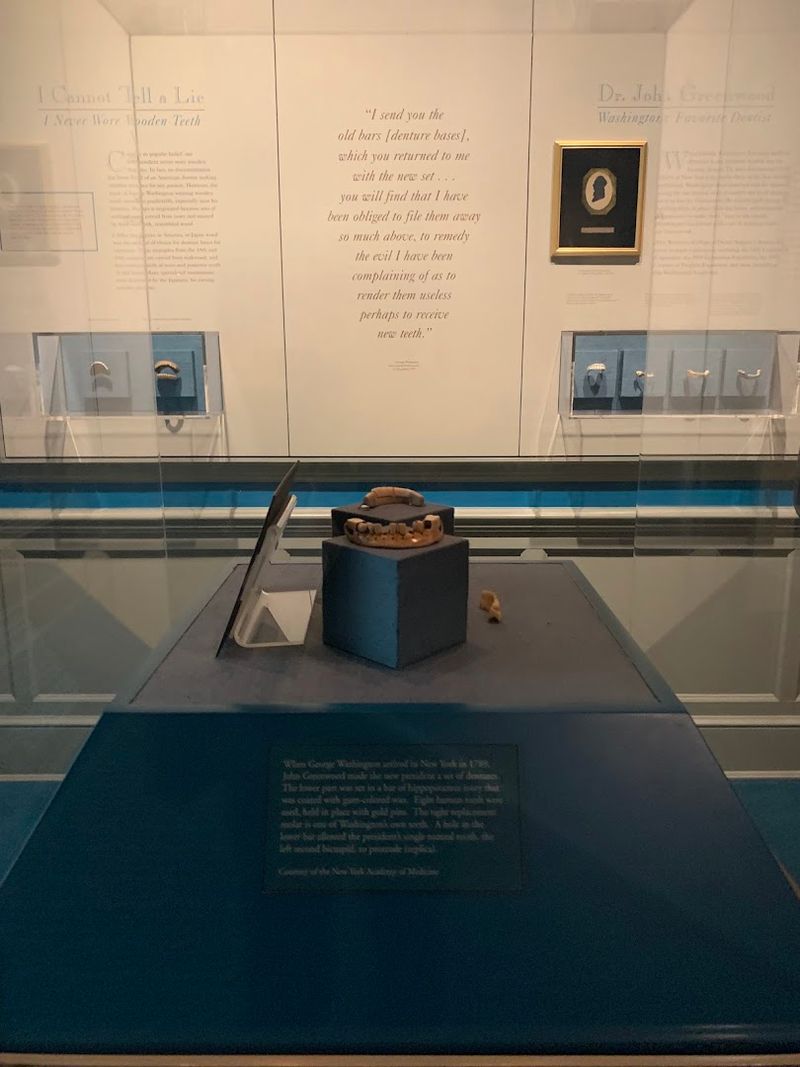
Few things in American history are as oddly fascinating as George Washington’s dental troubles, and this museum brings that story to life with a replica of his famous dentures. Washington struggled with tooth loss for most of his adult life and wore several sets of dentures, none of which were actually made from wood, despite the popular myth.
The replica on display here gives a clear look at what dental technology looked like in the late 1700s. The dentures were crafted from materials including ivory, human teeth, and metal springs, a combination that was both uncomfortable and impractical by modern standards.
Seeing this artifact puts into perspective just how far dental care has come in a relatively short period of time. For history lovers, this is one of those rare moments where a well-known historical figure suddenly feels very real and very human.
Washington’s dental story is surprisingly relatable.
The World’s Only Tooth Jukebox
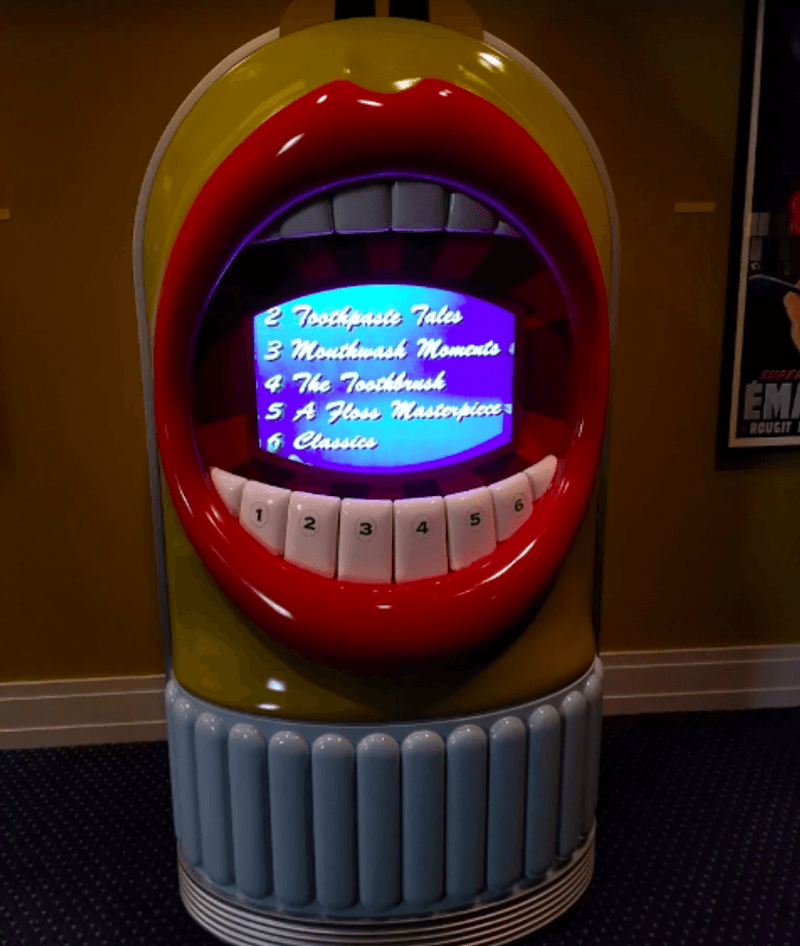
Of all the things a museum could claim to have exclusively, a Tooth Jukebox is certainly not what most people would predict. Yet the Dr. Samuel D.
Harris National Museum of Dentistry holds the title of being the only place in the world where you can find one, and it is exactly as entertaining as it sounds.
The Tooth Jukebox is a fun, interactive exhibit designed to engage younger visitors and anyone who appreciates a good dose of creativity mixed into their museum experience. It connects music and oral health in a way that feels playful without being childish, making it a genuine crowd-pleaser across age groups.
Interactive elements like this one are what separate a memorable museum from a forgettable one. The Tooth Jukebox has become something of a signature attraction, the kind of thing people mention first when describing their visit.
It is quirky, original, and completely one of a kind on the entire planet.
Queen Elizabeth’s Toothbrushes
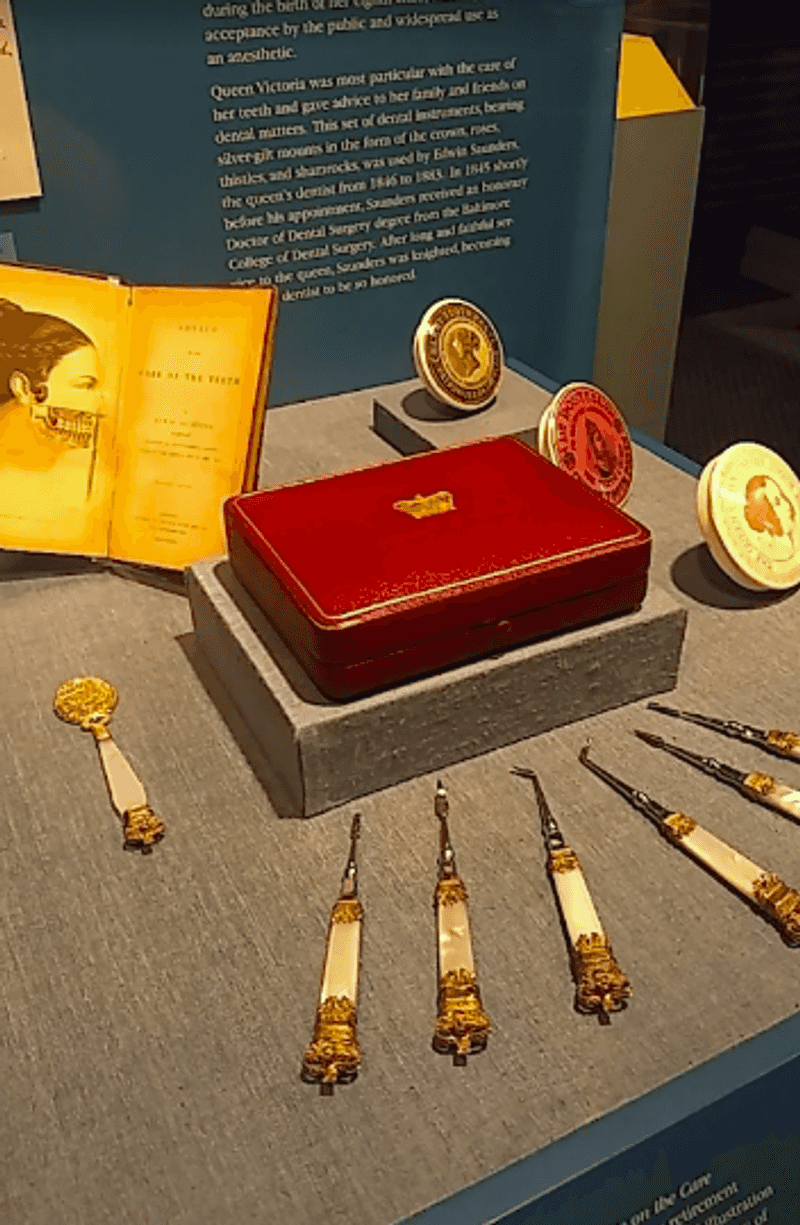
Among the more unexpected items in the collection are toothbrushes that belonged to Queen Elizabeth. Royal dental artifacts are not something most museums can claim to have, which makes this particular display a genuine point of distinction for the collection.
The toothbrushes offer a window into how personal hygiene practices were carried out at the highest levels of society during different historical periods. Even royalty had to deal with the basics of oral care, and the tools they used reflect both the craftsmanship and the limitations of their era.
For visitors who enjoy the overlap between history, culture, and everyday life, this exhibit hits a satisfying note. It is a reminder that behind the grand portraits and formal titles, historical figures had the same daily routines as everyone else.
Seeing a queen’s toothbrush in a glass case has a way of making history feel surprisingly close and wonderfully ordinary at the same time.
Scary Extraction Forceps Through the Ages
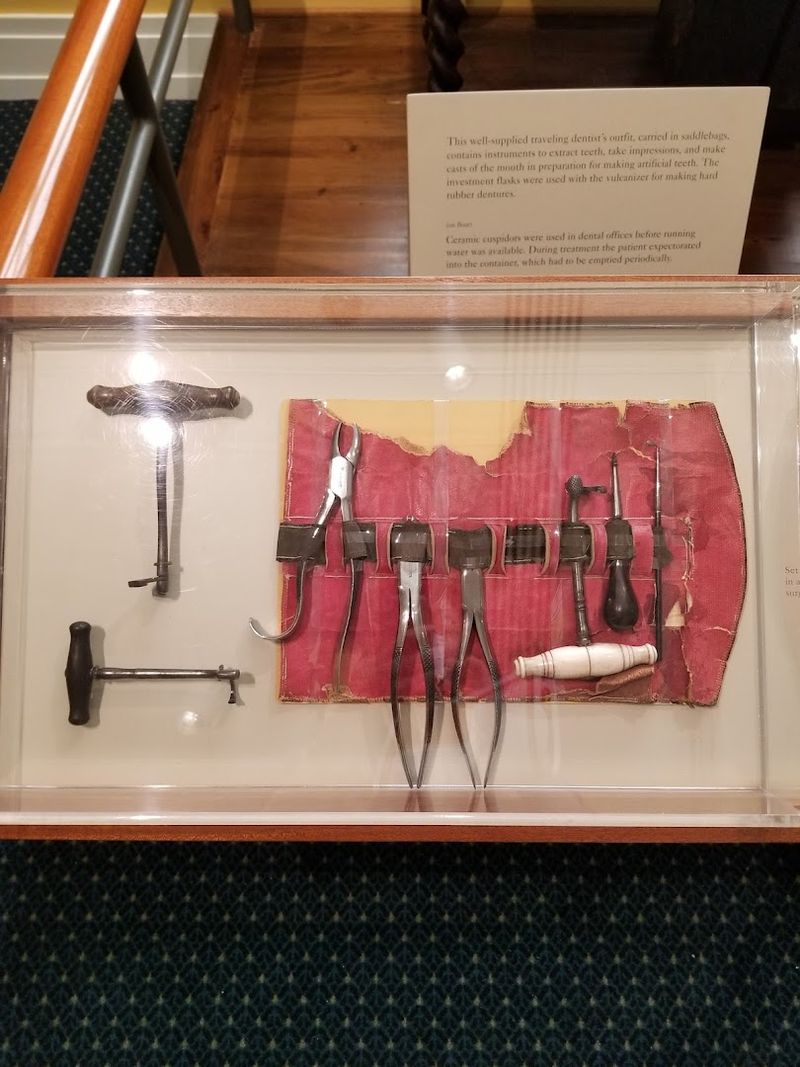
For anyone who has ever felt nervous in a dentist’s chair, the collection of historical extraction forceps on display here will put modern dentistry into a very comforting perspective. These tools, used to pull teeth across different centuries, range from crude and alarming to slightly less alarming, but all of them tell a story about how the profession evolved.
Early dental extractions were performed without anesthesia and with tools that look more like hardware store equipment than medical instruments. The forceps in the collection represent different eras and regions, showing how dentists around the world approached the same basic problem with very different solutions.
Viewing this exhibit is a genuine reminder of how much progress has been made in a relatively short span of time. Modern dentistry, with its precision tools and pain management techniques, looks like a completely different world compared to what these forceps represent.
Gratitude for contemporary dental care tends to spike considerably after this particular display.
The Baltimore Connection to Dental History
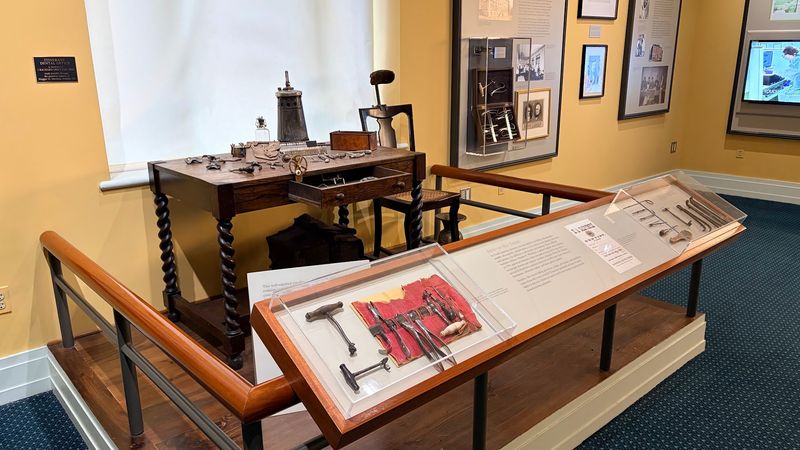
Baltimore has a special place in the history of dentistry that goes far beyond having a museum dedicated to the subject. The city is home to the Baltimore College of Dental Surgery, which opened in 1840 and holds the distinction of being the world’s first dental school.
That founding moment changed the profession from a trade practiced by barbers and blacksmiths into a recognized medical discipline.
The museum’s location within the University of Maryland, Baltimore campus is no accident. The university’s dental school is a direct descendant of that original institution, making the campus itself a living piece of dental history.
The museum serves as the cultural and historical anchor for everything that has grown out of that 1840 founding.
Understanding this connection gives the museum a weight and significance that extends well beyond its collection. It is not just a place that displays old tools and artifacts.
It is the keeper of a story that began in Baltimore and shaped how the entire world thinks about oral health care.
Great for Kids and Adults Alike
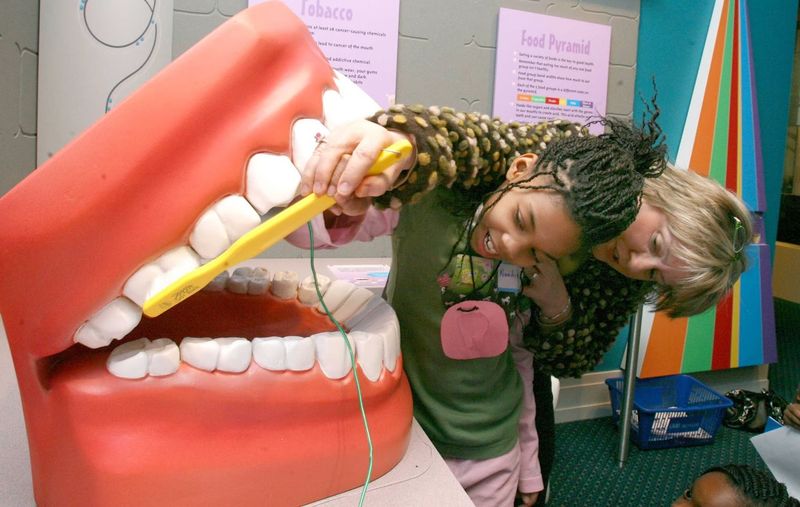
One thing that stands out about this museum is how well it works for a mixed-age group. The exhibits are designed to be accessible and engaging for children without being so simplified that adults lose interest, which is a balance that many small museums struggle to achieve.
Younger visitors tend to gravitate toward the interactive elements, like the Tooth Jukebox, while older family members find themselves absorbed in the historical artifacts and educational panels. The layout makes it easy for a group to spread out and explore at their own pace without anyone feeling rushed or bored.
Field trips from local schools are a regular part of the museum’s programming, and the staff is known for being enthusiastic and knowledgeable when guiding groups through the collection. For families looking for something genuinely different on a weekday outing in Baltimore, this museum delivers an experience that sparks real conversations long after the visit is over.
Tips for Planning Your Visit
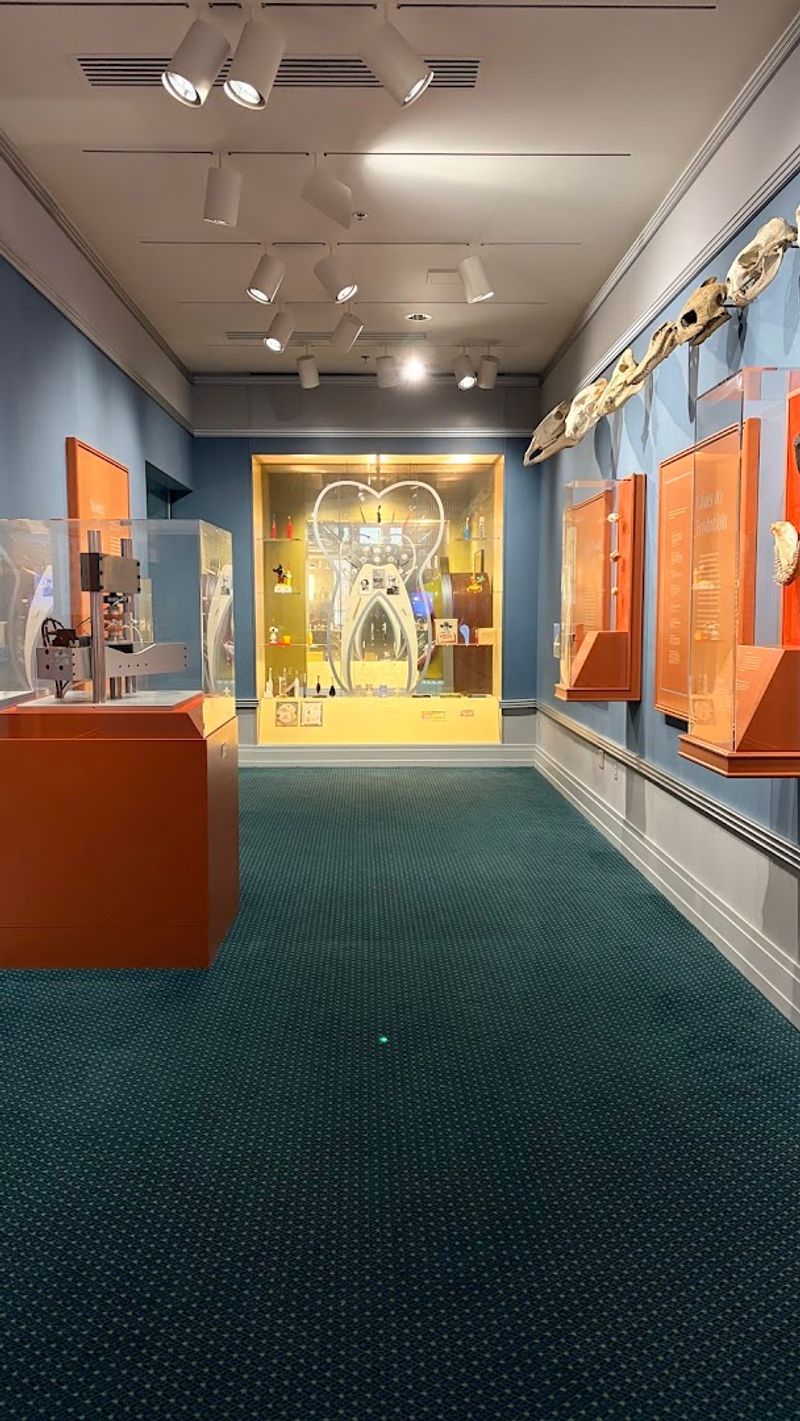
A few practical details can make the difference between a smooth visit and a frustrating one at this museum. The hours are Tuesday through Friday, 10 AM to 4 PM, and the museum is closed on weekends and Mondays.
Calling ahead before making the trip is a genuinely good idea, since there have been occasional instances of early closures that were not reflected on the website in real time.
Admission is affordable, typically under ten dollars per person, which makes it an easy choice for budget-conscious travelers or families. The museum is located at 31 S Greene St on the UMB campus, and street parking in the surrounding area is limited, so arriving by public transit or a rideshare service is often the more practical option.
Plan for about an hour to move through the exhibits comfortably. The museum is compact but well-curated, and rushing through it means missing the small details that make the collection genuinely interesting.
Taking time to read the exhibit panels pays off considerably.
Why This Museum Deserves a Spot on Your Baltimore Itinerary
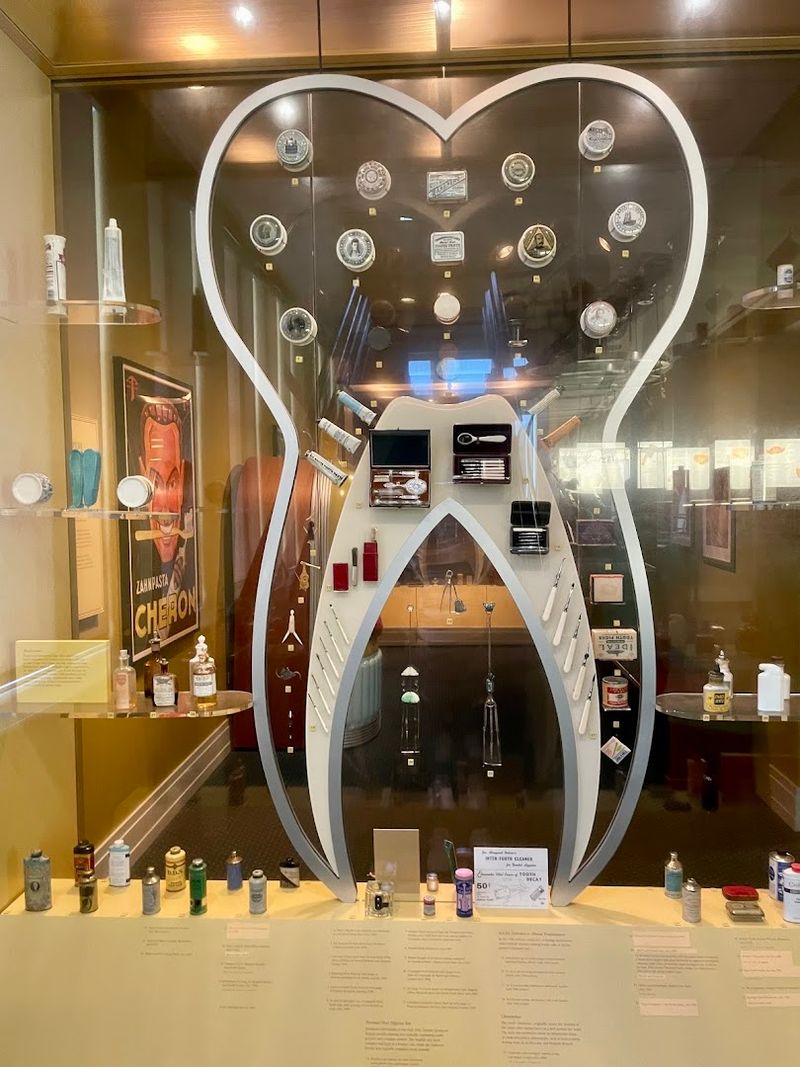
Baltimore already has a strong reputation for unexpected cultural gems, from its world-class aquarium to its vibrant neighborhoods, but this museum occupies a category entirely its own. There is no other place in the country, and arguably the world, where dental history is presented with this level of depth, creativity, and genuine enthusiasm.
The collection manages to be informative without being dry, and entertaining without sacrificing accuracy. From Washington’s dentures to the one-of-a-kind Tooth Jukebox, every exhibit has been put together with care and a clear sense of purpose.
The docents who guide visitors through the space bring the material to life in ways that printed panels alone cannot.
For travelers who have already checked off the standard Baltimore attractions, or for anyone looking to add something truly original to their itinerary, the Dr. Samuel D. Harris National Museum of Dentistry is worth every minute of the visit.
It is the kind of place that changes how you think about a profession most people take entirely for granted.
Where the Museum Calls Home
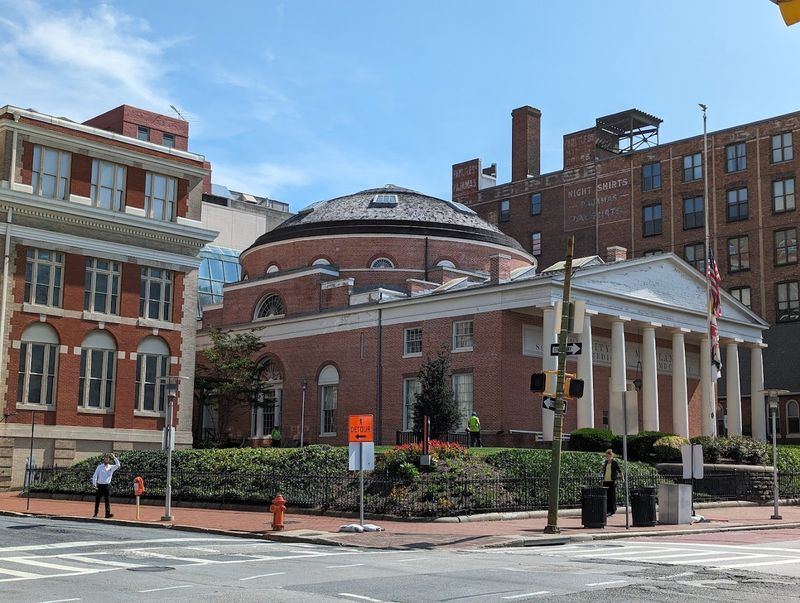
Right in the heart of Baltimore’s University of Maryland, Baltimore campus, the Dr. Samuel D. Harris National Museum of Dentistry holds its ground at 31 S Greene St, Baltimore, MD 21201.
The building itself sits within a cluster of academic and medical institutions, giving it a scholarly, serious backdrop that somehow makes the quirky exhibits inside even more surprising.
Getting there requires a bit of planning, since parking in the surrounding area is limited and there is no dedicated museum parking infrastructure nearby. Public transportation is a practical option for those coming from other parts of the city.
The museum is open Tuesday through Friday, from 10 AM to 4 PM, and is closed on weekends and Mondays. Before making the trip, calling ahead is strongly recommended, as hours can occasionally shift without advance notice on the website.
A little preparation goes a long way here.
Share this story